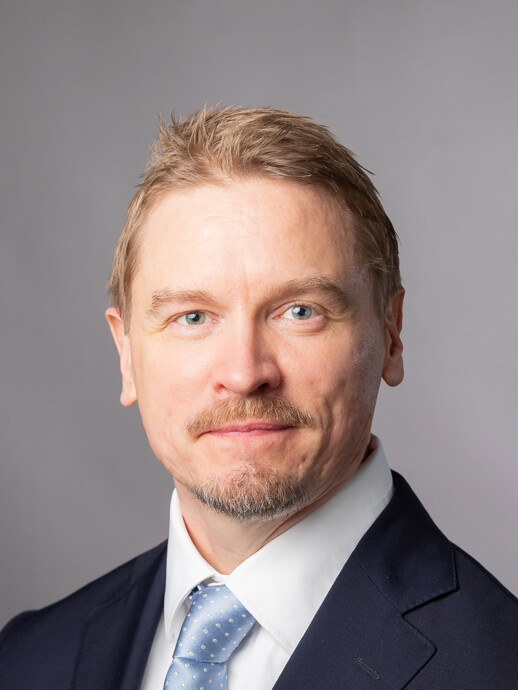
Henning Boecker is a Professor specializing in systems neuroscience, with a clinical and research focus on neurodegenerative diseases, particularly movement disorders and dementia. His work employs advanced neuroimaging techniques including structural and functional MRI and PET to investigate brain pathophysiology and plasticity. His research interests span systems neuroscience , neurodegenerative diseases , functional and structural brain imaging , and exercise-induced neuromodulation . He investigates how physical activity affects brain networks related to cognition and emotion, and how neurodegenerative processes alter brain connectivity and structure in conditions like Parkinson’s disease and Alzheimer’s disease. His work integrates multimodal imaging to explore receptor-level mechanisms, such as dopamine and opioid systems, in response to high-intensity exercise. The recent publications show a strong emphasis on functional connectivity , brain network topology , and neuroplasticity across conditions including subjective cognitive decline, tremor, and aging. The research combines clinical neurology with cognitive neuroscience, often using fMRI and PET to map disease progression and treatment effects, such as after MR-guided focused ultrasound thalamotomy. Scientific Contributions: Active contributor to neuroscience research with multiple 2024 publications in high-impact journals. Associate Editor for Frontiers in Aging Neuroscience (Neurocognitive Aging and Behavior section). Extensive editorial contributions, including reviewing and editing scientific publications. Advising and Collaborations: While no direct students are listed, Professor Boecker collaborates extensively with researchers such as Marcel Daamen, Alexander Radbruch, Ulrike Attenberger, and Frank Jessen. His network suggests leadership in a neuroscience research group focused on neuroimaging and neurodegeneration. Labs and Teams: Likely part of a neuroimaging or systems neuroscience research team utilizing MRI and PET technologies, possibly within a neurology or psychiatry department. His work on exercise, cognition, and neurodegeneration indicates a multidisciplinary team integrating neurology, radiology, and cognitive science.