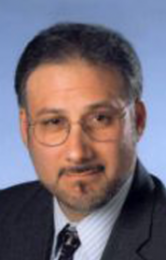
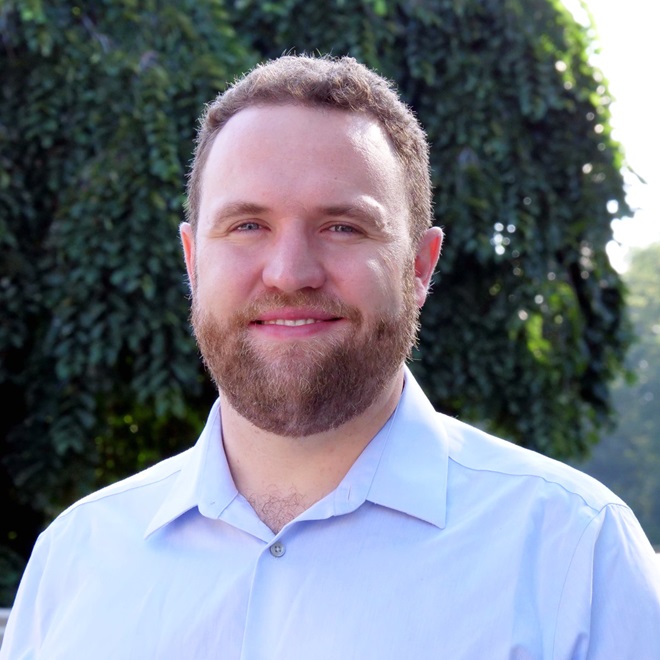
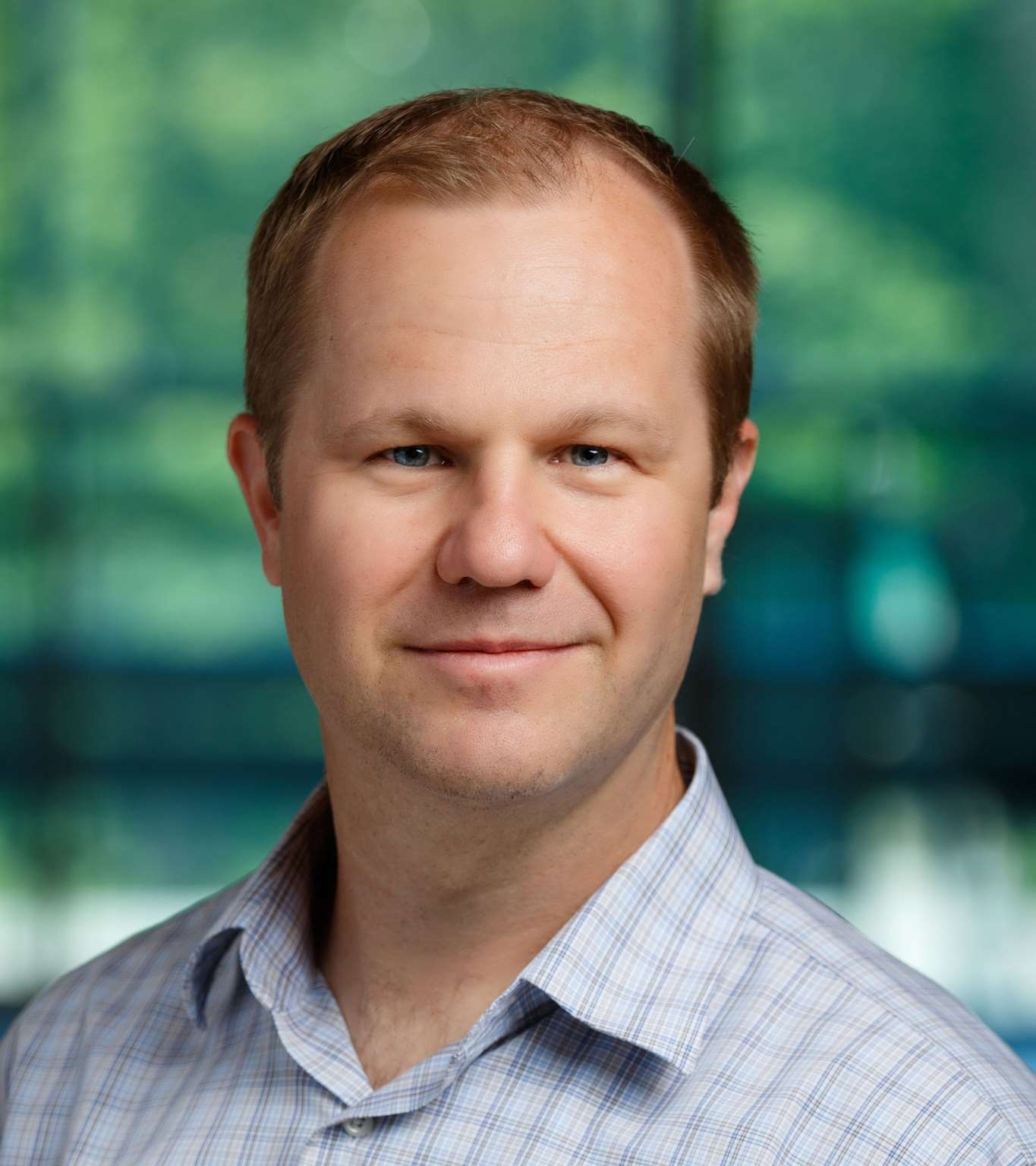
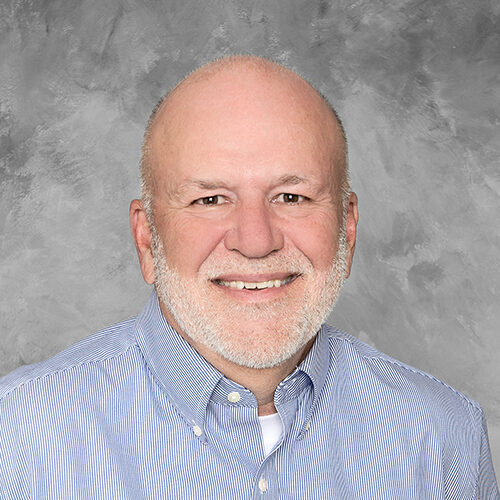
David A. Kareken is an Associate Professor in the Department of Neurology and Psychology at Indiana University School of Medicine. His research focuses on neuroimaging studies of addiction, olfactory processing, and neurodegenerative diseases. He uses advanced techniques like fMRI and PET to investigate brain reward circuits, dopamine dynamics, and neural responses to alcohol and odor stimuli. Key research areas include: (1) Alcoholism neurobiology, particularly dopamine receptor availability and cue reactivity; (2) Olfactory system functioning in health and addiction; (3) Neuroimaging biomarkers for neurodegenerative conditions like Huntington disease and tauopathies. His work bridges molecular neuroimaging with behavioral neuroscience, often involving genetic polymorphism analysis. Prominent publications explore alcohol's effects on striatal activity, familial alcoholism risk factors, and olfactory-cognitive interactions. His studies frequently involve collaboration with radiology, psychiatry, and genetics researchers at Indiana University. Current affiliations include the IU School of Medicine's Neuroscience department and associated research institutes. His work has implications for understanding addiction mechanisms, neuropharmacological interventions, and early detection of neurodegenerative disorders.
Dr. C.J. Brush is an Assistant Professor in the Department of Movement Sciences at the University of Idaho, within the College of Education, Health and Human Sciences. He holds a Ph.D. in Kinesiology & Applied Physiology from Rutgers University and completed postdoctoral training in Clinical Psychology and Neuroscience at Florida State University. His research focuses on understanding interactions between health behaviors (e.g., physical activity, sleep) and cognitive-affective vulnerability factors related to depression across the lifespan. Education: Ph.D., Rutgers University (2019); B.S., Rutgers University (2014). Research interests include exercise and health psychology, psychophysiology, and psychopathology. He employs multidisciplinary methods such as self-reports, interviews, and both behavioral and psychophysiological measures. Key projects examine how health-oriented behaviors influence risk for psychopathology and how exercise interventions impact cognitive and emotional functioning in individuals with depression. Selected awards include the Ruth L. Kirschstein NRSA Postdoctoral Fellowship and the Regional Doctoral Scholar Award from the American Kinesiology Association. His work is published in top-tier journals like Neuroimage and Biological Psychiatry . His research also explores age-related effects, including cognitive function in older adults and neural responses in adolescents. Collaborations involve labs like the Biomechanics Lab (ISMMAL) and Human Performance Laboratory at the University of Idaho.
Christopher M. Olsen, PhD, is an Associate Professor and Director of Graduate Studies in the Department of Pharmacology and Toxicology at the Medical College of Wisconsin. His research focuses on understanding how environmental factors and traumatic brain injury (TBI) influence addictive behaviors, particularly opioid and cocaine dependence, using rodent models. He collaborates with experts in biomedical engineering and neurosurgery to explore TBI’s impact on mesocorticolimbic function and addiction. Education: PhD in Toxicology and Neuroscience (University of Texas, 2004); MS (Texas Tech University, 1998); BA (Baylor University, 1994) Research interests include neuronal ensembles involved in drug-seeking behavior, the role of environmental enrichment in recovery, and sex-specific effects of neuropathic pain on addiction. His lab (Olsen Lab) employs advanced techniques like transgenic approaches and diffusion tensor imaging (DTI) to study these mechanisms. Recent work highlights interactions between TBI and opioid dependence, as well as the moderating effects of sleep restriction on relapse. Publications emphasize translational neuroscience, including studies on brain injury sequelae, HPA axis dysregulation during abstinence, and the neurobiological basis of novelty-seeking behavior. His collaborative projects with Drs. Brain Stemper and Matthew Budde bridge pharmacology with neuroimaging and engineering. Key collaborations: Department of Biomedical Engineering, Neurosurgery Lab: Olsen Lab (olsenlab.org)
Athirai Aravazhi Irissappane is an Assistant Professor at Nanyang Technological University's College of Computing and Data Science, School of Computer Science and Engineering. With a PhD in Trust oriented decision making via POMDPs completed in 2016, they have established themselves as a prominent researcher in multi-agent systems and reinforcement learning. Their academic journey shows a clear progression from foundational work in trust management to cutting-edge research in deep reinforcement learning frameworks. Dr. Irissappane's research interests focus on multi-agent systems , reinforcement learning , trust management , and recommender systems . They have made significant contributions to the field of multi-objective reinforcement learning, developing frameworks that address complex policy distributions and cooperative behavior in multi-agent environments. Their work bridges theoretical advances with practical applications, particularly evident in their contributions to the RecSys Challenge 2023. Analysis of their recent publications (2020-2024) reveals a strong emphasis on Advanced reinforcement learning architectures for multi-agent cooperation Privacy-preserving recommendation systems Automated data quality improvement for recommendation tasks Scalable frameworks for reinforcement learning research These works demonstrate increasing sophistication in handling complex decision-making scenarios while addressing practical constraints like computational efficiency and privacy concerns. Dr. Irissappane has been actively involved in major academic initiatives including the RecSys Challenge 2023 and has contributed to comprehensive guides on multi-objective reinforcement learning that have become valuable resources for the research community. Their collaborative work spans multiple institutions and has resulted in publications in top-tier venues including IEEE Transactions, Autonomous Agents and Multi-Agent Systems journal, and conference proceedings of AAAI, IJCAI, and AAMAS.
Elisa Rodríguez Ortega is a Professor at the Universidad Camilo José Cela (UCJC) and holds academic roles across multiple institutions. She completed a Psychology degree at the University of Almería (UAL), followed by a Master's in Mental Health Research (UAL), and a Doctorate in Health, Psychology, and Psychiatry (UAL). Currently, she teaches in Psychology and Education programs, coordinates departments, and directs thesis committees. Research Focus: Her work centers on preclinical models of addiction, neuroeducation, and neuroprotective interventions. Key interests include environmental enrichment's role in mitigating substance abuse, orexin system modulation in addiction, and translational neuroscience applications. Professional Roles: Professor of Neuroeducation at School of Industrial Organization (EOI) Lecturer in Psychology Degrees (UNIR) Coordinator, Psychobiology Department (UNIR) Director of Master's Thesis in Special Educational Needs (UCJC) Awards: Recognized with the 2013 Best Master's Transcript Award from UAL's Psychology Faculty. Research Groups: Active member of CTS-280 (Clinical & Experimental Neuroscience), La Princesa Research Institute Group 16 (UAM), and PSICONLINE (UNIR).
Gaylen L. Edwards is a Professor in the Department of Physiology and Pharmacology at the University of Georgia's College of Veterinary Medicine. He holds the Georgia Athletic Association Professorship and serves as Interim Associate Dean for Undergraduate Affairs. His expertise spans neurology, physiology, and toxicology. Dr. Edwards earned a DVM (1984) and PhD (1986) from Washington State University. His teaching includes courses on neuroanatomy, cardiovascular physiology, endocrinology, and veterinary botanical medicine. Research focuses on neural control of fluid balance and appetite, with contributions to understanding gut-brain axis interactions and metabolic regulation. Publications emphasize neuroendocrine mechanisms, cardiovascular homeostasis, and toxicological effects. Notable work includes studies on cholecystokinin-induced satiety and the role of ADAR1 in obesity. He has advised numerous students through graduate courses in neurophysiology and journal clubs. His work bridges basic science and clinical applications, contributing to veterinary and biomedical research. Labs and teams focus on integrative physiology and translational neuroscience.
Dara Babinski is an Associate Professor and Ling and Esther Tan Early Career Professor at the Department of Psychiatry and Behavioral Health at Pennsylvania State University. She is affiliated with the Division of Child Outpatient Services and the Penn State Neuroscience Institute. Her research focuses on the developmental course and treatment of ADHD, particularly in girls, women, and mothers, with an emphasis on interpersonal and affective functioning. She has held research grants from the National Institute of Mental Health (NIMH), including projects on biosocial models of borderline personality features in youth and social processing in adolescent girls with ADHD. Education: Clinical Psychology, PhD, State University of New York (SUNY)-Buffalo (2013) Research Interests: Dr. Babinski’s work explores ADHD’s impact on interpersonal dynamics, affective regulation, and gender-specific manifestations. She investigates interventions targeting these areas and contributes to understanding comorbid conditions like borderline personality disorder and conduct disorders. Her studies often employ mixed-methods approaches and longitudinal designs to assess treatment efficacy and developmental trajectories. Grants & Projects: Testing a Biosocial Model of Borderline Personality Features in Youth (NIMH, 2021–2024) Social Processing in Adolescent Girls with ADHD (NIMH, 2020–2022) Labs/Teams: Collaborates with interdisciplinary teams at the Penn State Neuroscience Institute and the Division of Child Outpatient Services to advance translational research in child and adolescent mental health.
Frauke Nees is a Senior Lecturer at the Department of Cognitive and Clinical Neuroscience, Zentralinstitut für Seelische Gesundheit (Central Institute of Mental Health), part of Heidelberg University's Medical Faculty Mannheim. Her research focuses on psychobiological mechanisms underlying learning, memory, and reward processes in mental and neurological disorders. Key projects include investigating neuronal correlates of chronic pain development and emotional learning in adolescents through brain imaging and genetic studies. She leads the AG Psychobiology of Emotional Learning Processes group, collaborating on initiatives like the Collaborative Research Center 1158 (project B03) and the IMAGEN consortium. Her work bridges neuroimaging, genetics, and psychological factors to identify risk/resilience factors for conditions such as PTSD, addiction, and chronic pain. Notable contributions include studies on fear conditioning, cannabinoid receptor effects, and adolescent brain development. Publications span high-impact journals like Neuropsychopharmacology and Nature , addressing topics from nicotine dependence genetics to real-time fMRI pain feedback mechanisms. Her research emphasizes translational approaches to inform novel treatment strategies for neuropsychiatric disorders.
Stephen Wilson is a Professor of Psychology at Pennsylvania State University, affiliated with the Penn State Cancer Institute and Penn State Neuroscience Institute. His research focuses on the neuroscience of addiction, particularly examining brain network dynamics and behavioral responses in smokers. He leads multiple NIH-funded projects, including investigations into smoking lapse risk, multimodal approaches to drug craving, and reward sensitivity. Wilson’s work integrates functional MRI, neurofeedback, and behavioral assessments to understand addiction mechanisms. His contributions span over 70 publications and span topics like neuroimaging, behavioral interventions, and health psychology. Key research areas include functional magnetic resonance imaging (fMRI), smoking cessation, and reward valuation. His grants emphasize linking brain activity to behavioral outcomes in addiction contexts. While no formal awards are listed, his extensive grant portfolio reflects recognition of his research impact. Wilson collaborates widely, contributing to both basic science and clinical applications in addiction and behavioral health.
Dr. Neil Rowan is a globally recognized academic and innovator in the Faculty of Science and Health at Technological University of the Shannon (TUS). He holds adjunct and honorary professorships at University of Galway (School of Medicine) and University KwaZulu-Natal (School of Nursing and Public Health). His career spans over 30 years, blending academic leadership with industry collaboration, particularly in medical device innovation, bioscience, and sustainable development. He directs TUS’s Bioscience Research Institute and co-leads projects such as Empower Eco, an EU-funded platform for green innovation. Education & Early Career: He began at Strathclyde University with a Senior Lectureship (top 5* UK Research Assessment). His academic training includes expertise in applied microbiology, biotechnology, and risk mitigation. Research Focus: Dr. Rowan’s work centers on cross-cutting domains like sterilization science, bioeconomy systems, and digital technologies. He pioneers applications of AI in sustainability (e.g., wastewater-to-energy systems) and integrates peatlands into aquaculture for climate resilience. His research aligns with UN SDGs, emphasizing zero-waste, circular economy, and OneHealth principles. Impact & Recognition: Ranked in Stanford’s Top 2% Global Scientists (2023), he advises the European Innovation Council and chairs roles at University Malaya. His work has led to 160+ publications and media recognition for initiatives like the €5M Mount Lucas Bioeconomy Aquaculture Project. Training & Leadership: Mentor to 40+ PhD students and 14 MSc graduates, he emphasizes skill transfer to industry. He evaluates high-risk/high-reward deep tech innovations and leads national strategies like Ireland’s ‘Creating Our Future’ research framework. Labs & Collaborations: Leads CURAM SFI Medical Device Centre and collaborates internationally via projects like MSCA ITN MedTrain. His Empower Eco platform fosters multi-actor innovation for Green Deal initiatives.
Dr. Christopher Howes is an Associate Professor of Medicine at Yale School of Medicine, serving as Chief of Cardiology at Greenwich Hospital and Director of Cardiac Catheterization and Intervention. He specializes in interventional cardiology and cardiovascular wellness, focusing on atherosclerosis, heart failure, hypertension, and women's heart health. Dr. Howes holds leadership roles including Medical Director of YNHH HVC:Greenwich and Chairman of the Medical Executive Committee at Greenwich Hospital. Education: MD from Albert Einstein College of Medicine (1989), BA in History from Brown University (1984). Completed residency at Yale-New Haven Hospital (1992) and fellowship at Yale University School of Medicine (1997). Research interests include cardiovascular disease management, clinical trials for novel therapies, and complications of infectious diseases like COVID-19 on heart function. Key publications address drug efficacy in cardiac patients, arrhythmia risks, and comorbidity patterns in myocardial infarction. Rewarded with Castle Connolly Top Doctor recognition annually since 2008 and the Golden Apple Award for teaching. Active in committees such as the Clinical Governance Committee and Anticoagulation Subcommittee at YNHH. Leads multidisciplinary teams in Greenwich Hospital’s cardiac programs and participates in national clinical trials evaluating new cardiovascular treatments and devices.
Chiang-Shan Ray Li is a Professor of Psychiatry and Neuroscience at Yale University School of Medicine. He holds a MD from National Taiwan University and a PhD from California Institute of Technology. His research focuses on systems neuroscience, particularly the neural bases of cognition and psychiatric illnesses like addiction. Key areas include reward circuits, pain avoidance learning, and functional connectivity in conditions such as schizophrenia and alcohol use disorders. Education MD, National Taiwan University, Medicine (1989) PhD, California Institute of Technology, Computation and Neural Systems (1996) Residency, Chang Gung Memorial Hospital (2001) Research Interests Systems neuroscience Neural mechanisms of addiction and psychiatric disorders Functional neuroimaging (fMRI, EEG) Cognitive processes like self-control and affect regulation Neurobiology of reward and punishment Articles Trends Recent work emphasizes alcohol use severity, hypothalamic connectivity, and schizophrenia symptom networks. Studies integrate behavioral, neuroimaging, and genetic data to identify biomarkers for psychiatric conditions. Awards Fellow, International College of Neuropsychopharmacology (2019) Member, American College of Neuropsychopharmacology (2016) Fellow, Association for Psychological Science (2016) Advising & Grants Principal Investigator for NIH-funded studies on sleep and smoking relapse mechanisms Co-leads clinical trials on brain imaging and addiction biomarkers Mentor for postdocs and graduate students in neuroscience and psychiatry Labs/Teams Interdepartmental Neuroscience Program Neural Disorders Research Group Yale Ventures (translational research)
Rajita Sinha is the Foundations Fund Endowed Professor of Psychiatry at Yale School of Medicine, with joint appointments in Neuroscience and Child Study. As Deputy Chair of Psychiatry for Psychology and Chief of the Psychology Section, she leads the Yale Interdisciplinary Stress Center, focusing on stress-related neuropsychiatric disorders. Her research integrates clinical neuroscience, psychology, and translational medicine to address addiction, trauma, chronic pain, and resilience mechanisms. She has pioneered stress provocation paradigms and developed novel pharmacological/behavioral treatments for addiction relapse prevention. Education: PhDs in Psychology/Clinical Research from Yale University (1992) and Clinical Psychology from the University of Oklahoma (1990). Key affiliations include Connecticut Mental Health Center, Yale Center for the Science of Cannabis and Cannabinoids, and the Stress & Addiction Clinical Research Program. Research focuses on stress neurobiology, addiction mechanisms, and epigenetic aging effects. Recent studies explore guanfacine's efficacy in polysubstance use disorder and pregnenolone's impact on alcohol craving. Her work emphasizes sex/gender differences and health disparities in addiction outcomes. Awards: 2020 Distinguished Researcher Award (Research Society on Alcoholism), 2020 James Tharpe Award. Active NIH grants include studies on stress modulation in addiction and cortisol's role in risky drinking. Labs/Teams: Director of Yale Interdisciplinary Stress Center. Collaborates with experts in neuroscience, psychiatry, and clinical pharmacology. Current clinical trials investigate prazosin for alcohol use disorder and GLP-1 analogues for food craving.
Dr. Olga Sakharova is an Assistant Clinical Professor in the Department of Internal Medicine at Yale School of Medicine specializing in endocrinology with a focus on thyroid diseases (particularly thyroid cancer) and adrenal disorders. She practices at the Yale Endocrine Neoplasia Clinic at Smilow Cancer Hospital, where she actively participates in the endocrine tumor board and collaborates extensively with endocrine surgeons, radiologists, pathologists, and other specialists to provide comprehensive patient care. Dr. Sakharova's educational background spans multiple countries and institutions: MD from Pavlov First State Medical University of St. Petersburg (1993) Residency in Internal Medicine at St. Petersburg State Pavlov Medical University (1994) Endocrinology Fellowship at St. Petersburg State Pavlov Medical University (1996) Research Fellowship at Brigham and Women's Hospital (2001) Residency in Internal Medicine at Hospital of Saint Raphael (2004) Endocrinology Fellowship at Yale University School of Medicine (2006) With over three decades of clinical experience, Dr. Sakharova emphasizes multidisciplinary collaboration in patient care, stating: "The depth of knowledge of the patient improves significantly when you discuss their case with other providers. The ability to review their radiology studies, laboratory data, and pathology results together as a team is invaluable in providing exceptional care." She values the collaborative atmosphere at Yale as "one of the most rewarding aspects of my work and it's one of the main reasons I love being at Yale." Her publications from 2001-2012 reveal consistent focus on clinical endocrinology with emphasis on diabetes management across various settings (inpatient, elderly, postoperative) as well as thyroid and adrenal disorders, demonstrating commitment to evidence-based approaches and quality improvement in glycemic control. Professional recognition includes: Leadership Award as Section Chief (2010) Medical Staff President's award for Excellence in Academic Performance (2004) Award for Excellence in Ambulatory Care (2004, 2003) Award for Excellence in Journal Club Presentation (2003) Dr. Sakharova served as section chief of endocrinology at the Hospital of St. Raphael, implementing an in-hospital diabetes program, outpatient endocrinology clinic, and endocrinology curriculum. She maintains active membership in the Endocrine Society (2004-2024) and American Thyroid Association (2023-2024). She is deeply integrated into Yale's medical ecosystem through the Endocrine Cancers Program, Diabetes Center, and Yale Cancer Center, actively participating in the endocrine tumor board to provide comprehensive care for complex endocrine conditions.
Anderson M. Winkler is a Clinical Assistant Professor in Psychiatry at Yale School of Medicine. His research focuses on developing high-throughput imaging phenotypes for psychiatric genetics and associated statistical methods. He holds a DPhil from the University of Oxford in Clinical Neurosciences (2017) and an MD from Universidade Federal do Paraná (2005). Winkler's work spans clinical neuroimaging, pediatric mental health, and neurodevelopmental disorders. He has collaborated extensively with researchers such as Keith Hawkins, Michael Stevens, and Godfrey Pearlson. Education: DPhil, University of Oxford, Clinical Neurosciences (2017) PhD, Université de Liège, Biomedical and Pharmaceutical Sciences (2017) MD, Universidade Federal do Paraná (2005) Postdoctoral training at Yale University and University of Texas Health Science Center His research interests include functional connectivity in psychiatric disorders, neuroimaging methodologies, and translational neuroscience. Recent work explores resilience mechanisms in combat veterans, neural correlates of infant novelty distress, and structural-functional brain network dynamics across adolescence. Winkler is a key contributor to international consortia like ENIGMA-Anxiety, advancing machine learning approaches in mental health diagnostics. Publications span high-impact journals such as Biological Psychiatry , Nature Communications , and NeuroImage , reflecting his interdisciplinary approach to bridging clinical psychiatry with neuroimaging innovation.