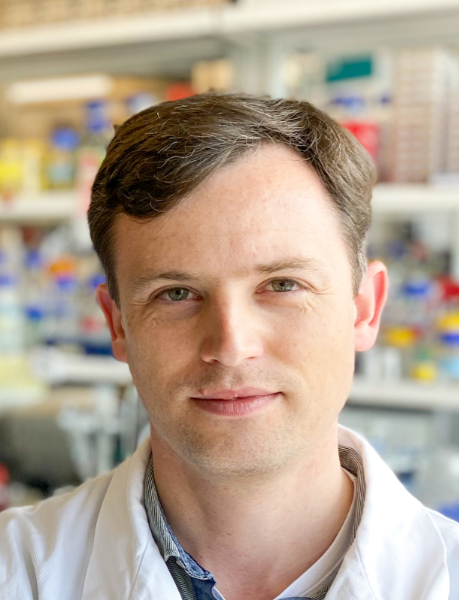
Ben Hale is a Full Professor of Medical Virology at the Institute of Medical Virology , University of Zurich, Switzerland. Previously, he held academic positions at the University of Zurich (2015-2025) and the University of Glasgow (2011-2014). Education : PhD in Molecular Virology (2008, University of St Andrews); BSc (Hons) in Cell Biology & Pathology (2004, University of St Andrews). Research Focus : The Hale group investigates molecular mechanisms of the interferon system, interferon deficiencies in viral diseases, and host-virus interactions using multi-omics, molecular virology, and clinical cohort studies. His research spans Molecular Biology , Virology , and Immunology , with a particular emphasis on how viral proteins (e.g., influenza NS1, paramyxovirus V) manipulate interferon signaling and the role of autoantibodies in immunodeficiency. Recent work includes developing AIR cells for interferon detection and proximity proteomics of interferon signaling. Scientific Awards : 2013 - ERC Starting Grant 2012 - Wellcome Trust/Royal Society Sir Henry Dale Fellowship Hale's lab has trained doctoral students Florence Kwaschik and Chau Tran , and collaborates with clinicians and researchers globally. Funding comes from the Swiss National Science Foundation (SNF), Novartis Foundation, Hartmann Müller Foundation, and previous grants from the ERC and UK Medical Research Council (MRC).
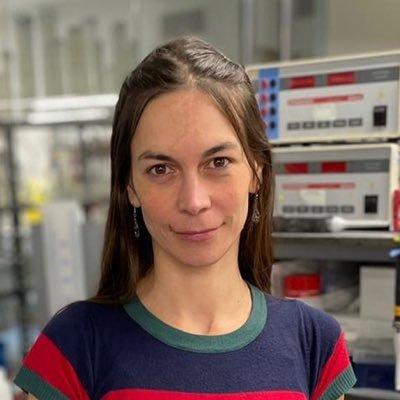
Sarika Ramachandran, MD, is Associate Professor of Dermatology at Yale School of Medicine and serves as Vice Chair of Collaborative Excellence and Faculty Engagement. She directs Yale Medicine Dermatology in Branford and co-directs the Autoimmune Skin Disease Program, with focused clinical and research efforts in cutaneous lupus, scleroderma, and morphea. Education & Training MD – SUNY Stony Brook School of Medicine, 2007 BS – SUNY Stony Brook, 2003 Research Interests Dr Ramachandran’s research integrates translational immunodermatology with health-equity initiatives. Her laboratory interrogates stromal–immune crosstalk in cutaneous lupus using single-cell transcriptomics, investigates patient-centered outcomes in autoimmune dermatoses, and evaluates racial representation in medical education materials. Additional projects explore novel vascular-targeted therapies for lupus vasculitis and the epidemiology of overlapping autoimmune skin diseases. Publication Trends Since 2020 she has published 49 peer-reviewed works that cluster around four themes: (1) mechanistic studies of cutaneous lupus and interferon signaling, (2) clinical characterization of rare autoimmune dermatoses, (3) health-services research on consultation patterns and patient education, and (4) equity-focused analyses of dermatology curricula and patient materials. Scientific Awards & Honors Featured in Connecticut Magazine “Top Doctors” list, 2024 Principal Investigator on Yale SPORE in Skin Cancer pilot projects Teaching & Mentorship She mentors residents and fellows through the Yale Investigative Dermatology Training Program and the Advanced Dermatologic Surgery Fellowship, leads the curriculum for advancing racial equity (CARE) initiative, and supervises clinical trials on morphea and lupus therapeutics. Laboratories & Programs Dr Ramachandran co-directs the Yale Scleroderma Program and collaborates closely with the Yale Rheumatology-Dermatology combined clinic, providing integrated care and joint clinical trials for complex autoimmune skin disease patients.
Keith Garrison is a Lecturer in the Department of Biology at Saint Mary's College of California's School of Science. He holds a Ph.D. in Genetics from UC Davis (2004) and a B.A. in Molecular and Cell Biology from UC Berkeley (1995). His research integrates genetics, immunology, and evolutionary biology across diverse organisms. HIV immunology and retroviral dynamics Mobile genetic elements in plants and corals Coral immune response to climate stressors Garrison's work includes developing undergraduate immunology labs and creating coral immune assays for bleaching research. He was a Fulbright scholar (2015) for collaborative studies on wine grape retroelements. His current courses include General Biology, Immunology, and Molecular Biology. Scientific awards: Fulbright scholar
Professor Simon Jones is a distinguished academic at Cardiff University, serving as Dean of Research for the School of Medicine, Co-Director of the Systems Immunity Research Institute, and Research Theme Lead for Infection, Inflammation & Immunity. He is a Professor of Inflammation Biology with over 130 scientific publications and significant contributions to cytokine research. Dr. Jones earned his Ph.D. in Biochemistry from the University of Bristol (1990-1993) with supervisors Professor O.T.G. Jones and Dr. N. Topley, following his B.Sc. in Applied Biological Sciences (2.i Hons.) from Bristol Polytechnic (1986-1990). His academic journey includes prestigious fellowships at the University of Alabama at Birmingham (1996-1998) and the University of Bern, Switzerland (1994-1996). Professor Jones's research focuses on how cytokine signals shape inflammation, promote disease heterogeneity, and affect treatment outcomes. His work has made two major contributions: (1) identifying IL-6 trans-signalling as a determinant of disease progression, describing how interleukin-6 activities requiring the soluble IL-6 receptor promote communication between stromal tissues and recruited leukocytes; and (2) defining how IL-6 cytokines steer chronic disease, showing how the Jak-STAT pathway affects disease progression in rheumatoid arthritis and promotes treatment failure in renal patients on peritoneal dialysis. Analysis of Professor Jones's recent publications reveals a strong focus on IL-6 signaling pathways, their role in inflammation and disease progression, and potential therapeutic interventions. His work spans immunology, rheumatology, cardiology, and infectious disease, with particular emphasis on translational research connecting basic science to clinical applications. Recurring themes include cytokine signaling mechanisms, inflammation regulation, and development of targeted therapies for chronic inflammatory conditions. The 2004 Bolzmann Award (presented by the International Cytokine Society and the International Society for Interferon and Cytokine Research) Fellow of The Royal Society of Biology (June 2015) Fellow of the Learned Society of Wales Member of the Academia Europaea Professor Jones has served on numerous grant panels including the Royal Irish Academy Early Entry Grant Panel, Arthritis Research UK committees, and Health & Care Research Wales committees. He has advised multiple PhD students and has been involved in significant research collaborations with pharmaceutical companies including Roche, Genentech, Glaxo-Smith-Kline, and Johnson & Johnson. His leadership roles include chairing the REF Planning Committee and serving on the Wellcome Trust ISSF Board. Professor Jones leads research within the Systems Immunity Research Institute and the Cardiff Regional Experimental Arthritis Treatment Centre. His work involves multiple research teams focusing on inflammation biology, cytokine signaling, and translational immunology. He also serves on the Governance Committee for the Human Tissue Bank (Kidney) and is active in the Arthritis Research UK Centre of Excellence.
Yong Kong is a Senior Research Scientist in the Department of Biostatistics at the Yale School of Public Health , affiliated with the W.M. Keck Foundation Biotechnology Laboratory and the NIDA Neuroproteomics Center . His research bridges computational biology, infectious disease modeling, and genomic data science with applications to public health. PhD in Computational Biology (Washington University School of Medicine, 1997) BA in Biomedical Engineering/Computer Science (Tsinghua University) MS in Neurobiology (Shanghai Institute of Physiology, Chinese Academy of Sciences) Research Interests: Host-pathogen interaction profiling using multidimensional data Microbiome dynamics in respiratory and gastrointestinal infections Statistical methods for genomic sequence analysis Computational modeling of inflammatory and immune response pathways Public health applications of combinatorics and run statistics Recent Publication Trends: Focus on bat virus immune evasion mechanisms, multivariate run statistics, and microbiome-resistome interactions across veterinary and human health contexts. Collaborates extensively with immunologists (A. Iwasaki, M. Pettigrew) and infectious disease specialists. Labs & Collaborations: Core member of the Keck Biotechnology Laboratory at Yale, contributing to bioinformatics infrastructure and interdisciplinary research initiatives.
Dr Özgen Deniz is a Senior Lecturer and Group Leader at the Queen Mary University of London , Centre for Epigenetics. Her research focuses on the epigenetic regulation of transposable elements (TEs) and their role in blood cancers, particularly acute myeloid leukaemia (AML). She combines functional and computational genomics to investigate how TEs contribute to oncogenesis and cancer treatment efficacy. Core member of QMUL Epigenetics Hub Member of LMS Imperial TE Hub Member of European Haematology Association Theme Lead in Mobile DNA Editorial Board Her lab has uncovered TEs as novel oncogenic regulators in AML, demonstrating their ability to dysregulate gene expression and trigger anti-tumour immunity. Current projects include functional interrogation of TEs in adult and paediatric AML, supported by major grants such as the ERC Starting Grant (2024-2029) and Cancer Research UK Career Development Fellowship (2022-2028). Scientific Awards: Cancer Research UK Career Development Fellowship The Deniz Lab actively recruits researchers interested in transposon biology and cancer epigenetics, with collaborations across epigenetics and haematology networks. Their work bridges genomic instability, chromatin dynamics, and therapeutic resistance in leukaemia.
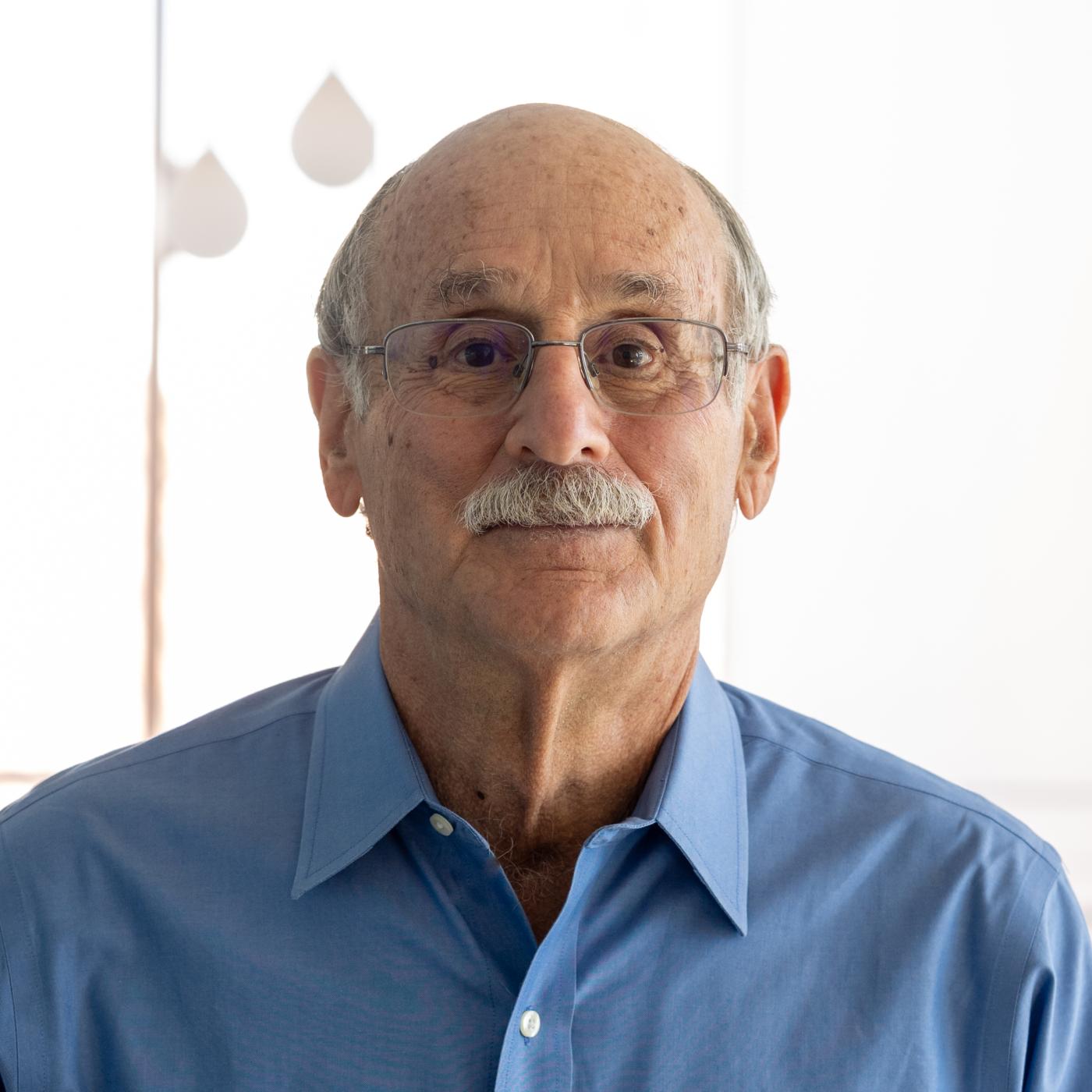
Alan Lambowitz is a distinguished Professor of Molecular Biosciences at the University of Texas at Austin, holding the prestigious Mr. and Mrs. A. Frank Smith, Jr. Regents Chair in Molecular Biology. Since 1997, he has been a key faculty member in the Department of Molecular Biosciences within the College of Natural Sciences. In 2019, he expanded his academic role to include Professor of Oncology at the Dell Medical School. From 1997 to 2016, he served as Director of the Institute for Cellular and Molecular Biology, demonstrating significant leadership in advancing molecular research at UT Austin. Lambowitz earned his B.S. in Chemistry from Brooklyn College in 1968, graduating Summa cum laude with honors. He continued his education at Yale University, where he received his M. Phil. in 1970 and Ph.D. in Molecular Biophysics and Biochemistry in 1972, completing his doctoral work under the supervision of Professor Carolyn Slayman. His postdoctoral training included a fellowship at the University of Pennsylvania's Johnson Research Foundation and positions at Rockefeller University and the National Institute of Mental Health. Professor Lambowitz's research focuses on group II intron and related bacterial and organellar reverse transcriptases (RTs), examining their reverse transcription mechanisms, association with CRISPR-Cas systems, and applications in high-throughput RNA sequencing (RNA-seq). His laboratory employs a multidisciplinary approach combining genetic, biochemical, microbiological, and structural methods, including X-ray crystallography, cryo-EM, and advanced bioinformatic techniques for analyzing sequence data and identifying biomarkers in clinical samples. His work has significant implications for RNA diagnostics and liquid biopsy applications in human diseases. Analysis of his recent publications reveals a strong emphasis on RNA biology, particularly in understanding intron processing, RNA structure, and the development of novel RNA sequencing technologies. His research bridges fundamental molecular mechanisms with clinical applications, particularly in cancer diagnostics and biomarker discovery through liquid biopsy approaches. The consistent focus on reverse transcriptases and RNA processing across his publication history demonstrates a cohesive research trajectory spanning several decades. Member, National Academy of Sciences, 2004 Fellow, American Academy of Arts and Sciences, 1995 Fellow, American Association for the Advancement of Science, 2001 Wilbur Cross Medal, Yale University, 2013 Member, The Academy of Medicine, Engineering, and Science of Texas, 2004 Fellow, American Academy of Microbiology, 2004 Lambowitz has maintained extensive editorial and advisory roles throughout his career, serving on the editorial boards of numerous prestigious journals including Molecular and Cellular Biology, RNA, and Proceedings of the National Academy of Sciences. His laboratory at UT Austin continues to be a center of innovation in RNA biology, with ongoing clinical trials focused on RNA diagnostics. The Lambowitz Lab employs cutting-edge techniques to investigate RNA structure, function, and applications, maintaining a strong collaborative environment that bridges basic science and translational research.
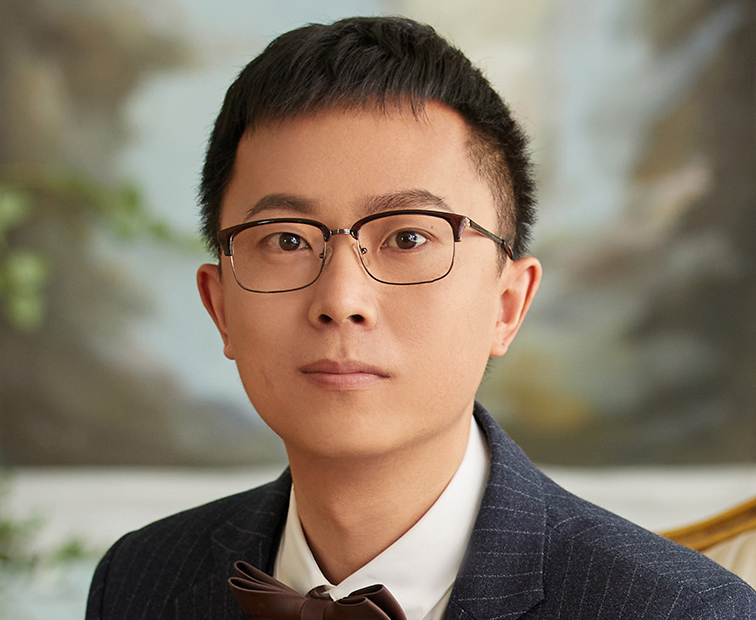
Simon Chong Chu, Ph.D. serves as a Caspar Wistar Fellow in the Molecular and Cellular Oncogenesis Program at The Wistar Institute. A computational biologist specializing in genomic repeats research, Chu develops innovative computational methods to investigate transposable elements and their critical roles in human health and disease. Chu's research interests focus on genomic repeats—including transposable elements (TEs), short and long tandem repeats, and large satellite repeats—that constitute over half of the human genome. His work integrates systems biology with cutting-edge genomics to uncover how these elements influence development, evolution, and disease processes. He has developed computational tools like xTea, REPdenovo, GINDEL, SpliceJumper, GAPPadder, and TrapHunter that have been widely adopted across diverse research contexts. Chu's publication record demonstrates expertise in both cancer genomics and computational methodology development. His recent work examines retroelement contributions to birth defects and childhood cancers, the landscape of human SVA retrotransposons, and comprehensive identification of transposable element insertions using multiple sequencing technologies. His research bridges computational innovation with biological discovery, particularly in understanding how genomic repeats evade suppression mechanisms and contribute to disease states. Chu earned his Ph.D. in Computer Science and Engineering from the University of Connecticut and completed postdoctoral training in the Department of Biomedical Informatics at Harvard Medical School. Prior to joining The Wistar Institute in 2025, he worked as a principal scientist at ROME Therapeutics, where he contributed to clinical drug discovery.
Akiko Iwasaki is Sterling Professor of Immunobiology at Yale School of Medicine, with secondary appointments in Dermatology and Epidemiology of Microbial Diseases. She serves as Director of Yale's Center for Infection and Immunity and has been an HHMI Investigator since 2014. Her affiliations include joint roles with Yale Cancer Center, Center for RNA Science, and Women's Health Research at Yale. Her research focuses on: Mucosal immune defense mechanisms against viruses Long COVID pathophysiology and neuroimmune interactions Development of nasal vaccines to block viral transmission Virus-triggered autoimmunity and cancer pathogenesis Recent publications emphasize SARS-CoV-2 immunology, with trends showing strong focus on: Characterization of post-viral syndromes (Long COVID, ME/CFS) Mucosal vaccine efficacy and IgA response modulation Viral reservoir identification and therapeutic targeting Neuroimmune mechanisms in chronic disease Major scientific honors include: Keio Medical Science Prize (2025) TIME 100 Most Influential People (2024) National Academy of Sciences membership (2018) Else Kröner Fresenius Prize (2023) AAI Presidency (2023) She directs the Iwasaki Lab and Center for Infection and Immunity, coordinating multicenter studies like the Yale-Mount Sinai Long COVID initiative. As principal investigator of NIH-funded projects, she mentors graduate students and oversees translational research bridging virology and clinical immunology.