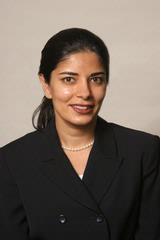
Manjot K Gill is a Professor of Ophthalmology and Medical Education at Northwestern University Feinberg School of Medicine. He serves as Vice Chair of Clinical Performance in the Department of Ophthalmology and is affiliated with Northwestern Memorial Hospital. Education: Biochemistry (University of Calgary, 1989), BS (University of Alberta, 1991), MD (University of Alberta, Canada, 1993) Training: Residency (Alberta University Hospital, Canada, 1998), Fellowships (Northwestern University, 2000; Massachusetts Eye & Ear Infirmary, 2001) Dr. Gill specializes in medical and surgical diseases of the retina and vitreous, with research interests spanning macular degeneration , diabetic retinopathy , retinal detachment repair , and ophthalmic imaging . His recent publications focus on clinical trials for diabetic retinopathy treatment and Long COVID retinal impacts, reflecting his dual expertise in retinal pathology and translational medicine. His scientific awards include multiple teaching accolades and fellowships/society memberships such as the American Society of Retinal Specialists (2021) and Macula Society (2019). He actively participates in editorial boards and leadership roles in professional organizations.
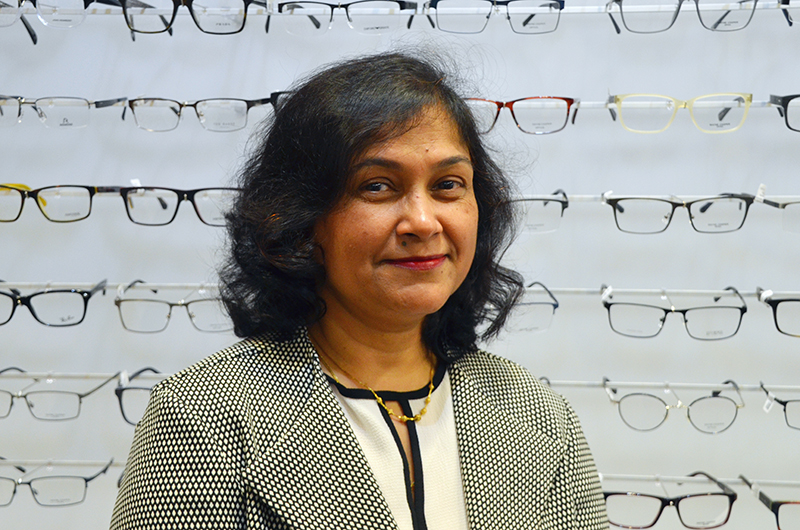
Associate Professor Maitreyee Roy is a researcher at the School of Optometry and Vision Science, University of New South Wales (UNSW Sydney). She specializes in Optical Physics, Quantum Dots, 3D Optical Imaging, and Artificial Neural Networks with applications in biomedical instrumentation, nanophotonics, and optometry/ophthalmology. Her research includes: Developing novel imaging technologies like Full-Field Optical Coherence Microscopy Investigating blue-blocking lens effects on visual/non-visual systems Creating AI-driven ocular disease detection systems Visualizing tear film dynamics using non-toxic quantum dots 3D reconstruction of OCT images for glaucoma diagnosis Recent publications focus on machine learning applications for glaucoma staging, quantum dot tear film imaging, and 3D medical visualization techniques. She collaborates with international labs at UC Berkeley, Tokyo Tech, and Mexico's INAOE. Awards: NMI World Metrology Day Outstanding Achievement (2013, 2011) ProSciTech Trans-Tasman Award (2006) Fellow of Optical Society of America JSPS Invitation Fellowship (2004) She supervises postgraduate and undergraduate students in projects related to optical coherence tomography, artificial intelligence applications, and quantum dot bioimaging. Professional memberships include Optical Society of America, SPIE, and Australian Standards Committee for eye protection.
Dr David Alonso-Caneiro is an Adjunct Senior Lecturer in the School of Clinical Sciences at QUT’s Faculty of Health, specializing in Optometry and Vision Science. He holds a PhD from QUT (2010) and has held postdoctoral and industry roles, including at Analog Devices Inc. His research focuses on biomedical engineering applications in ophthalmology, particularly signal/image processing for tear film assessment and eye imaging. He leads the Contact Lens and Visual Optics Laboratory and has received the QUT Outstanding Doctoral Thesis Award 2010. His work spans corneal dynamics, optical coherence tomography, and contact lens biomechanics, with over 100 peer-reviewed publications. Professional affiliations include ORCID and Scopus profiles, and he collaborates on projects in Australia and internationally. Education: BEng (Telecommunications, University of Valencia, 2002) with First Class Honours; MEng (Electronics, University of Valencia, 2004). PhD (Optometry, QUT, 2010). Research interests: Development of non-invasive ophthalmic imaging techniques, tear film quality assessment, and application of advanced optics in clinical optometry. Key areas include dynamic-area videokeratoscopy, swept-source OCT, and lateral shearing interferometry. Recent articles emphasize corneal biomechanics under contact lenses, choroidal vascularity changes, and AI-enhanced OCT analysis. Awards include the 2010 QUT thesis award for his work on tear film surface quality. Grants/Advising: Supervises optometry and biomedical engineering research projects. His lab focuses on translating engineering principles to clinical diagnostic tools in eye care. Labs/Teams: Contact Lens and Visual Optics Laboratory at QUT, collaborating with multidisciplinary teams in vision science and biomedical engineering.
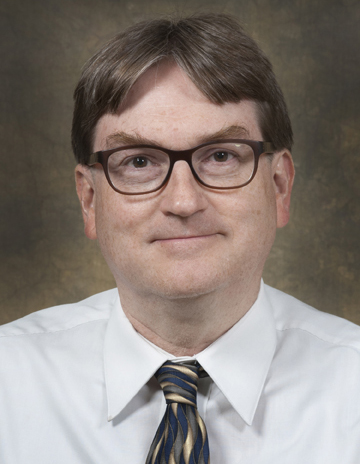
Rodney Braun is an Associate Professor at the School of Medicine , Wayne State University . As Course Director of Medical Histology and Embryology , he leads Year 1 curriculum development while contributing to the Biology of the Eye course. Active in curriculum and promotions committees Research focuses on tumor oxygenation and blood flow modification Current collaboration with Dr. Avril Genene Holt Research Highlights: Specializes in ocular tumor hemodynamics using laser Doppler flowmetry , oxygen microelectrodes , and high-frequency ultrasound to study choroidal melanoma growth patterns. Publication Trends: Recent works (2012-2013) emphasize MRI contrast agents and mitochondrial inhibitors for tumor imaging, while earlier studies (2001-2002) explore neurotrauma and endothelin-1 dynamics .
Yusuf Sener is a Researcher at Erasmus MC in the Cardiology department. His work focuses on cardiovascular disease, hypertension, and metabolic disorders, with a strong emphasis on systematic reviews and meta-analyses. Systematic Review Atherosclerosis Blood Pressure Diabetes Sarcopenia Retinal Vessels Research Trends Recent publications highlight Yusuf Sener's contributions to cardiovascular risk assessment, particularly in nocturnal blood pressure dynamics, retinal microcirculation, and the impact of SGLT2 inhibitors on atherosclerosis. His collaborations span topics like inherited cardiac disorders, lupus nephritis complications, and mechanical circulatory support challenges. Scientific Output He has co-authored high-impact reviews in journals such as Current Hypertension Reports and American Journal of Preventive Cardiology , demonstrating expertise in meta-analytic techniques and cardiovascular pathophysiology.
Dr. Jungeun (Jenny) Won serves as Assistant Professor of Research in the Department of Biomedical Engineering at the University at Buffalo's School of Engineering and Applied Sciences, with an affiliated appointment in Ophthalmology at the Jacobs School of Medicine & Biomedical Sciences. She directs the Translational Biophotonics Laboratory, developing optical imaging technologies for clinical translation in otolaryngology and ophthalmology. Postdoctoral associate, Massachusetts Institute of Technology (2024) PhD, Bioengineering, University of Illinois Urbana-Champaign (2021) MS, Bioengineering, University of Illinois Urbana-Champaign (2017) BS, Biomedical Engineering and Minor in Optics, University of Rochester (2015) Her research pioneers translational optical imaging with core expertise in optical coherence tomography (OCT) , biomedical instrumentation , and AI-driven image analysis . She develops clinically feasible devices for middle ear infection diagnosis (otitis media), retinal disease monitoring (AMD, diabetic retinopathy), and bacterial biofilm characterization , integrating computational methods to advance disease diagnostics and treatment monitoring. Recent publications (2021-2025) reveal dominant trends in handheld OCT device development for point-of-care use, machine learning integration for automated image classification, and multimodal approaches combining OCT with Raman spectroscopy. Her work bridges engineering innovation with clinical applications across ophthalmology and otolaryngology, emphasizing real-world translation. National Alliance for Eye and Vision Research Emerging Vision Scientist Program (2024) Bob Bilger Graduate Award for Hearing Research (2020) McGinnis Medical Innovation Graduate Fellowship (2020) Baxter Young Investigator Award (2019) Biannual Symposium Travel Scholarship Award (2019) Nadine Barrie Smith Memorial Fellowship (2017) Walt and Bobbi Makous Prize for Vision Research (2015) Xerox Engineering Research Fellowship (2014) As Principal Investigator, Dr. Won secures translational research funding including: UB CTSI Translational Pilot Studies Program ($49,700, 2025) for pediatric otitis media imaging UB Research Programs ($10,460 + $9,750, 2024-2025) for AI-assisted retinal imaging and handheld probe prototyping Her laboratory mentors students in biomedical imaging, device development, and computational analysis while advancing clinical partnerships for technology validation. The Translational Biophotonics Laboratory unites engineers, clinicians, and scientists to develop light-based imaging solutions addressing unmet clinical needs in ear and eye diseases, with active projects spanning middle ear biofilm characterization, retinal blood flow quantification, and AI-enhanced diagnostic platforms.
Dr. Alev Erisir is the Chair of the Department of Psychology at the University of Virginia , where she has conducted extensive research on synaptic organization, neuroplasticity, and neurodegenerative mechanisms. Her work spans visual neuroscience, gustatory system development, and neurodevelopmental disorders, utilizing advanced imaging and animal models to explore neural circuitry. Dr. Erisir’s research focuses on synaptic plasticity , neurodegenerative diseases , and neural development , with recurring themes in mitochondrial dynamics , experience-dependent plasticity , and gustatory circuitry . She employs tree shrews and mice as primary models, integrating optical coherence tomography , electron microscopy , and immunohistochemistry to study synaptic and retinal structures. Recent publications highlight her exploration of tau oligomerization in Alzheimer’s disease , mitochondrial dysfunction , and maternal/paternal influences on neurodevelopment . Her 2023–2025 articles emphasize cross-species neuroanatomy , microglial roles in synaptic pruning , and ultrastructural synaptic remodeling . No scientific awards or student advisement data were explicitly mentioned in the provided texts.
Qifa Zhou, PhD, is a Professor of Biomedical Engineering and Ophthalmology at the University of Southern California (USC), holding the Zohrab A. Kaprielian Fellow in Engineering. He is affiliated with the Keck School of Medicine and the NIH Resource Center on Medical Transducer Technology. His research focuses on high-frequency ultrasonic transducers and photoacoustic imaging technologies for applications in ophthalmology, cancer imaging, and neural stimulation. Key contributions include developing piezoelectric single-crystal transducers and integrating ultrasonic systems with optical technologies. Education: PhD in Electronic Materials Engineering from Xi'an Jiaotong University (1993). Postdoctoral work at Penn State University's Materials Research Institute. Research Interests: Design of ultrasonic transducers, photoacoustic imaging, intravascular imaging, retinal stimulation via ultrasound, and therapeutic applications of ultrasound (e.g., sonodynamic therapy, drug delivery). His lab explores biomimetic visual prostheses and wearable ultrasound devices. Awards: Includes the 2023 IAAM Fellowship, 2022 Viterbi Senior Research Award, and multiple best paper awards from SPIE and IEEE. He is a Fellow of SPIE and AIMBE, and serves as an Associate Editor for IEEE Transactions on Ultrasonics, Ferroelectrics, and Frequency Control. Labs/Teams: Director of Translational Research at the Ginsburg Institute for Biomedical Therapeutics, leading projects on translational medical technologies. Collaborates on hybrid imaging systems (ultrasound + optical coherence tomography) and ultrasonic neuromodulation.
Dr. Vincent Daien is a Clinical Professor at the Save Sight Institute, University of Sydney's Faculty of Medicine and Health. His research focuses on ophthalmic conditions including glaucoma, macular degeneration, diabetic retinopathy, and retinal imaging. Key areas of investigation include anti-VEGF therapies, retinal microcirculation, and clinical registry data analysis. He has contributed to over 50 peer-reviewed publications since 2016, with recent work emphasizing real-world evidence for anti-VEGF treatments in age-related macular degeneration and diabetic macular edema. His studies often involve large observational datasets like the Fight Retinal Blindness! Project and Save Sight Registries. Dr. Daien's work bridges clinical practice and research, addressing treatment efficacy, patient outcomes, and healthcare delivery optimization. Notable contributions include evaluations of cyclophotocoagulation for glaucoma, keratoconus risk factors, and quality-of-life impacts of eye diseases. His research collaborations span institutions globally, with a focus on translational studies that inform clinical guidelines and improve patient management strategies.
Lih Kuo, PhD is a Regents Professor of Medical Physiology at the Texas A&M University School of Medicine. He also serves as Associate Department Head and Director of the Ophthalmic Vascular Research Program. His research focuses on microvascular regulation in coronary and retinal systems, investigating mechanisms like hemodynamic, metabolic, and neural factors. Key techniques include cell culture, molecular analysis, and mathematical modeling. Education: Bachelor of Science, Tunghai University, Taiwan (1979) Master of Science, National Taiwan University (1983) PhD in Medical Physiology, Medical College of Virginia (1987) Postdoctoral Training, Texas A&M University (1989) Research Interests: Mechanisms of vascular tone regulation in microvessels, particularly under pathophysiological conditions such as diabetes, hypertension, and ischemia-reperfusion injury. Current studies explore integrative regulation of coronary and retinal microcirculation using advanced experimental and computational approaches. Recent Research Trends: Recent work emphasizes diabetes-induced vascular dysfunction in ocular and cardiac systems. Key themes include stanniocalcin-1’s role in photoreceptor rescue, oxidative stress pathways in endothelial dysfunction, and novel peptides impacting angiogenesis. Collaborative projects combine molecular biology, pharmacology, and imaging to address clinical challenges in retinal degeneration and cardiovascular disease. Labs/Teams: Leads the Ophthalmic Vascular Research Program, focusing on translational research in ocular and cardiovascular microvascular disorders.
J. Crawford Downs is a Professor in the Department of Ophthalmology at the University of Alabama at Birmingham (UAB). He serves as Vice-Chair of Research and founding director of UAB's Ocular Biomechanics and Biotransport Program, which investigates glaucoma mechanisms through computational/experimental methods. BA & MA in Economics from Tulane University Undergraduate coursework at University of New Orleans M.S. & Ph.D. in Biomedical Engineering from Tulane University Research focuses on intraocular pressure (IOP) effects, aging, and African heritage in glaucoma progression. His work includes developing IOP telemetry methods and eye-specific finite element models. Recent publications address viscoelastic modeling, translaminar pressure gradients, and ocular perfusion dynamics in nonhuman primates. Current affiliations include: Heersink School of Medicine at UAB Ocular Biomechanics Laboratory Collaborations with LSU Eye Center and Devers Eye Institute
Domenico Tegolo is an Associate Professor in the Department of Mathematics and Computer Science at the University of Palermo (Unipa), where he teaches courses in programming, image analysis, and computer science. His office is located at Via Archirafi 3490123, Palermo, with office hours held on Wednesdays from 3:00 PM to 5:00 PM. Professor Tegolo's research spans multiple domains with a strong focus on computer vision and image analysis , particularly in medical applications. His work encompasses retinal image processing , capillaroscopy analysis , and medical diagnostics systems. He has also made significant contributions to programming education methodologies and federated learning approaches for agricultural data. His recent publications show a growing interest in large language models and their applications in specialized domains. Analysis of Professor Tegolo's publication record from the past five years reveals a diverse research trajectory that bridges computer science with practical applications in healthcare and agriculture. His work demonstrates consistent innovation in image processing techniques while adapting to emerging technologies like deep learning and large language models. The research shows particular strength in medical imaging applications, with numerous publications on retinal analysis, oral microcirculation, and diagnostic support systems. Professor Tegolo has taught a variety of courses including Theories and Techniques for Image Analysis, Programming with Laboratory, Advanced Programming, and Structured Programming for Mathematics programs. He has also previously taught Operating Systems and Programming Languages courses for Informatics programs, demonstrating breadth across computer science disciplines.
Anne L. Coleman is a Professor and Bradley R. Straatsma, MD, Endowed Chair in Ophthalmology at the David Geffen School of Medicine, UCLA . She serves as Chair and Executive Medical Director of the Department of Ophthalmology , Director of the UCLA Stein Eye Institute , and Affiliation Chair at Doheny Eye Institute . Her work spans clinical ophthalmology, public health research, and pediatric vision programs. Education : PhD in Epidemiology from UCLA School of Public Health/Preventive Medicine , MD from Medical College of Virginia School of Medicine Certifications : Board-certified in Ophthalmology (1990) Research Focus includes glaucoma, vision epidemiology, and pediatric eye health. Her studies on retinal vessel analysis, visual field progression, and age-related macular degeneration leverage population data and clinical trials. She leads the UCLA Mobile Eye Clinic for underserved communities. Scientific Awards : Bonnie Strickland Champion for Children's Vision Award Super Doctors® Southern California (2022-2025) ARVO Gold Fellow (2019) Edward Jackson Memorial Lecture National Academy of Sciences, Engineering and Medicine membership Clinical Expertise : Glaucoma care, cataract surgery, minimally invasive glaucoma surgery (MIGS). She directs clinical trials on topics like amyloid dye staining for glaucoma detection and consults at Ronald Reagan UCLA Medical Center.
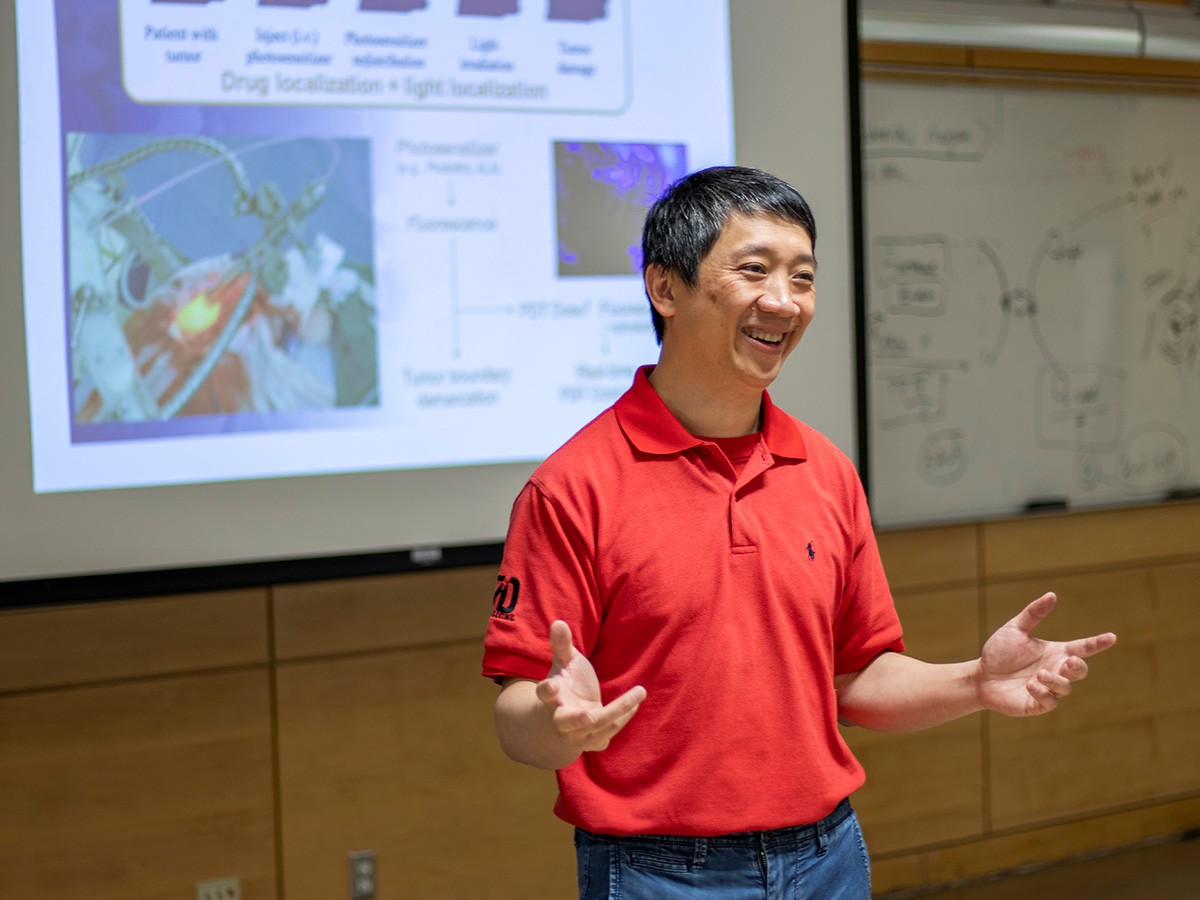
Dr. Victor X.D. Yang is a Professor in the Department of Electrical, Computer, and Biomedical Engineering at Toronto Metropolitan University, holding dual qualifications as a PhD engineer and MD neurosurgeon. His pioneering work in biophotonics has led to commercially deployed surgical systems, including a machine vision-guided platform by 7D Surgical used in over 10,000 implants across 2,000 patients globally. He champions engineering solutions that bridge clinical needs with economic viability, emphasizing scalable impact over individual surgical procedures. Education: MD, University of Toronto, 2006 PhD, University of Toronto, 2004 MASc, University of Toronto, 1998 BSc, University of Toronto, 1997 Research Interests: Dr. Yang's work spans Optical coherence tomography , Machine vision image guidance , and Medical robotics , with focus on intraoperative imaging for neurosurgery and spine procedures. His lab develops real-time imaging systems integrating OCT, fluorescence, and augmented reality to enhance surgical precision. He prioritizes translational research where engineering innovations directly address unmet clinical needs while maintaining commercial feasibility. Publication Trends: Recent publications (2017-2019) demonstrate consistent advancement in high-speed intraoperative imaging and robotic surgical systems. Key themes include multimodal image registration (MRI/CT/OCT), microvascular perfusion mapping, and coordinate-based surgical navigation. His work increasingly focuses on error-prevention systems, such as detecting wrong-level spine surgery through real-time anatomical verification. Scientific Awards: Congress of Neurosurgeons Innovator of the Year Award (Team), 2018 George Armstrong Peters Prize, University of Toronto Department of Surgery, 2017 Frost & Sullivan New Product Innovation Award (Team), 2017 Canada Research Chair in Biophotonics and Bioengineering, Tier II, 2008-2018 Advising and Professional Activities: Dr. Yang teaches advanced courses including Emerging Biophotonics and Biomedical Capstone Design, mentoring students in translational device development. He maintains active dual licensure as a Professional Engineer (PEng) and medical practitioner, with memberships spanning SPIE (Lifetime), IEEE, OSA, and major neurosurgical associations. His industry collaboration with 7D Surgical exemplifies his philosophy that engineering impact scales through commercialization. Labs and Teams: Leading a multidisciplinary research group at Toronto Metropolitan University, Dr. Yang's lab operates at the engineering-medicine interface. The team recently developed a GPS-guided surgical robot for spine procedures capable of preventing level-mismatch errors. Current projects focus on integrating machine vision with laser ablation systems and developing augmented reality overlays for complex neurosurgical interventions.
Mahnaz Shahidi is Professor of Ophthalmology and Biomedical Engineering and Vice Chair for Translational Research at the University of Southern California, holding the Ralph and Angelyn Riffenburgh Professorship in Glaucoma Research. She chairs the Faculty Appointments and Promotion Tenure Committee Panel A. Her research develops optical imaging technologies to study ocular and systemic diseases, with ongoing projects including: Retinal oxygen delivery/metabolism in disease models Microvascular hemodynamics characterization Image-based biomarkers for diabetic retinopathy Retinal neurovascular coupling in glaucoma and sickle cell retinopathy She has received significant recognition including: UIC Faculty of the Year (2014) UIC Inventor of the Year (2012) Research to Prevent Blindness Senior Scientific Investigator Award (2009) Her recent publications focus on retinal oxygenation quantification, vascular physiology biomarkers, and metabolic imaging innovations, with applications to diabetic retinopathy, glaucoma, and Alzheimer's disease models.