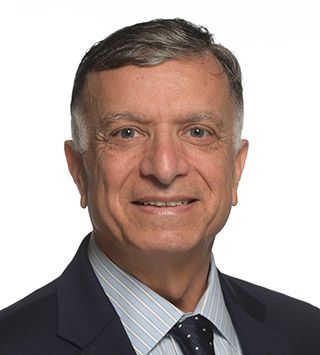
Angela Sasic Kalagasidis is a Professor and Department Head at Chalmers University of Technology , leading the Building Physics research group. She serves as a board member of the Moisture Center at Lund University of Technology , contributing to interdisciplinary research in building science. Building Physics Heat and Mass Transfer Energy Efficiency Moisture Safety Indoor VOC Emissions Climate Change Adaptation Her recent publications focus on aerogel-based materials for insulation, urban heat island mitigation , and thermal energy storage systems . Key methodologies include CFD simulations , field testing , and life cycle assessment frameworks . Research trends show emphasis on: Advanced computational tools for hygrothermal analysis Integration of phase change materials in building systems Climate resilience in building envelopes Optimization of ventilation and moisture control
Sanda Lenzholzer is a Full Professor at Wageningen University's Department of Landscape Architecture and Spatial Planning. Her research focuses on urban climate adaptation, sustainable design, and the integration of ecological principles into urban planning. She leads projects addressing climate-responsive design strategies, green infrastructure, and the mitigation of urban heat islands. Lenzholzer is actively involved in academic leadership roles, including editorial work for journals like Landscape and Urban Planning , and has collaborated internationally on climate-related initiatives. Notable contributions include developing design guidelines for urban open spaces in hot arid climates and exploring the spatial impacts of cultivating biobased materials. She received the Biking Betuwe award in 2011 for her contributions to sustainable urban design. Her academic engagements include supervising multiple PhD and EngD students in areas like climate-responsive design and biobased construction. Lenzholzer has delivered keynote lectures and workshops on future urban landscapes and climate adaptation, emphasizing interdisciplinary approaches. She has also served as a visiting professor at institutions like Politecnico di Milano, Italy, and contributed to public media discussions on urban climate challenges. Her work bridges research and practice, fostering innovation in sustainable urban development through design-driven methodologies. Lenzholzer’s research portfolio includes over 160 publications and 278 professional activities, showcasing her commitment to advancing knowledge in urban environmental management. She leads projects funded by diverse stakeholders, addressing topics such as multifunctional urban waterfronts and the integration of climate adaptation into policy frameworks. Her efforts highlight the importance of community engagement and spatial quality in creating resilient cities.
Fabio Biancalana is an Associate Professor at Heriot-Watt University's School of Engineering & Physical Sciences and leads the Nonlinear Photonic Nanostructures group. He holds affiliations with the Institute of Photonics and Quantum Sciences. His research focuses on nonlinear optics, photonic crystal fibers, graphene-based photonics, and theoretical models of relativistic systems. He earned his Laurea in Theoretical Particle Physics from the University of Roma III (2001) and a PhD in nonlinear optics from the University of Bath (UK). Notable awards include the Deryck Chesterman Medal (2005), IRCSET Postdoctoral Fellowship (2006), and EPSRC Fellowship (2007). Research interests span nonlinear phenomena in photonic nanostructures, quantum optics, and condensed matter systems. Recent work includes studies on graphene's nonlinear properties, epsilon-near-zero regimes in optical fibers, and gravitational analogues in combinatorial systems. His publications explore topics like optical fission, soliton dynamics, and frequency conversion in novel materials. Awards and recognitions highlight his contributions to photonics and theoretical physics. He collaborates internationally, with recent work addressing black hole analogs and topological photonics. His group's activities include experimental and theoretical studies on advanced optical materials and devices.
Dr. Marina Bock is a Chartered Civil Engineer and Lecturer in Civil Engineering at Aston University's College of Engineering and Physical Sciences. She specializes in structural engineering with expertise in metallic structures, additive manufacturing, and numerical modeling. Currently accepting PhD students, her work bridges academic research and industry applications in sustainable construction. Her educational background includes: PG Cert in Building and Design and Construction Technology, University of Wolverhampton (2017-2018) PhD in Local Buckling and Web Crippling Response of Stainless Steels, Universitat Politècnica de Catalunya (2010-2015) MSc in Patch Loading of Hybrid Plate Girders, Universitat Politècnica de Catalunya (2004-2010) Dr. Bock's research integrates laboratory experiments and numerical modeling to advance metallic structural systems, with pioneering work in additive manufacturing for construction. Her investigations span stainless steel design code development, corrosion prevention in reinforced concrete using hydrogels, and cold-formed steel behavior. Recent projects focus on sustainable infrastructure solutions through novel composite materials. Analysis of her 2022-2025 publications reveals dominant themes in additive manufactured aluminum structures, cold-formed steel design methodologies, and sustainable paving materials for urban heat island mitigation. Her work consistently addresses practical engineering challenges through experimental validation and code-compliant design solutions. Scientific recognition includes: IStructE Academic Research Award Commendation (2021) for research on aluminum SHS/RHS under biaxial bending Dr. Bock has secured significant research funding including a Royal Society Research Grant (£20k, 2023) for additive manufactured Al7075 aluminum and Innovate UK funding (£437k) for UV-reflective resin-based paving. Previous internal projects (£20k) focused on structural aluminum applications. She supervises PhD research in additive manufacturing and corrosion prevention while maintaining industry collaborations. Her experimental work utilizes advanced university laboratories for structural testing, with collaborations spanning European research consortia and industrial partners. Current projects involve multi-institutional teams developing reusable structural systems and solar-energy-harvesting building envelopes.
Dr. Pamela Murray-Tuite is a Professor of Civil Engineering at Clemson University's College of Engineering, Computing and Applied Sciences. Her work bridges transportation systems, disaster resilience, and emergency response modeling. Education: B.S. (1998), M.S. (1999), and Ph.D. (2003) in Civil Engineering from the University of Texas at Austin and Duke University Teaching: Courses include CE 3110 Transportation Engineering and CE 8930 Mathematical Modeling for Civil Infrastructure Systems Analysis Her research focuses on transportation resilience , with emphasis on evacuation modeling, emergency response, and infrastructure interdependence. She explores the impact of disasters on mobility patterns, utilizing mathematical modeling and simulation tools to enhance urban systems' robustness. The 15 most recent articles span hurricane evacuation behavior, agent-based modeling, and infrastructure resilience under climate change. Keywords include transportation systems, disaster management, and behavioral modeling, while subfields cover evacuation routing, network analysis, and risk perception dynamics. Dr. Murray-Tuite's work integrates statistical methods with transportation policy, addressing challenges in both natural disasters and public sector disruptions. Her contact details include office location (210 Lowry Hall) and phone (864-656-3802).
William W. Braham is the Andrew Gordon Professor of Architecture at the University of Pennsylvania’s Stuart Weitzman School of Design, where he also directs the Master of Science in Design – Environmental Building Design (MSD-EBD) program and the Center for Environmental Building + Design (CEBD). He previously served as Department Chair and Chair of the Faculty Senate, reflecting his longstanding leadership within the institution. His education includes a B.S.E. in civil and mechanical engineering from Princeton University, followed by a Master of Architecture and PhD in Architecture from the University of Pennsylvania. He also holds a Certificate in Traditional Chinese Architecture from Tsinghua University, underscoring his global perspective on sustainable design. Braham’s research lies at the intersection of architecture, energy, and ecological systems. His work applies systems ecology and building performance modeling to address climate change, energy efficiency, and urban sustainability. Key themes include responsive building envelopes, urban morphology, embodied carbon, and regenerative architecture. He has pioneered the use of emergy synthesis in architectural analysis and has led energy and carbon planning for institutions like the University of Pennsylvania Health System and the Chautauqua Institution. His recent publications reveal a strong focus on smart building technologies, thermal comfort modeling using AI, indoor air quality, and sustainable materials. Collaborations with the Thermal Architecture Lab and international partners highlight the interdisciplinary nature of his work. The articles span topics from blockchain-based environmental accounting to bioclimatic design pedagogy, indicating both scholarly depth and educational innovation. 2021 Best Paper Award, Building and Environment Fellow, American Institute of Architects (FAIA) Braham has advised numerous graduate students and researchers in environmental building design and urban sustainability. His research has been supported by collaborations with PennPraxis, DOE, and industry partners such as Daikin. He continues to lead high-impact research initiatives through the CEBD, including campus energy analysis and building energy modeling tools. He leads the Center for Environmental Building + Design, a hub for interdisciplinary research on energy, climate, and sustainable design. The center fosters collaborations across engineering, architecture, and environmental science, supporting innovative projects in urban metabolism, low-carbon materials, and smart building systems.
Ebru Turanoglu Bekar is a Senior Lecturer at the Department of Industrial and Materials Science, Chalmers University of Technology, specializing in Smart Maintenance and Production Systems. She contributes to the Production Service Systems & Maintenance research group. Research Interests: Total Productive Maintenance (TPM), Artificial Intelligence applications in manufacturing, Multi-Criteria Decision Making, Performance Measurement systems Recent Focus: Development of data-driven algorithms for predictive maintenance, integration of digital twins in industrial contexts Key Projects: Factory SensAI (2025–2028) - Data integration for AI in manufacturing Trustworthy Predictive Maintenance TPdM (2022–2025)
Monty A. Escabi is an Associate Professor at the University of Connecticut. His research focuses on understanding the neural mechanisms underlying auditory perception and sound recognition, combining large-scale neural recordings with computational modeling and machine learning. He explores how the brain processes sounds in complex environments, aiming to develop advanced sound recognition technologies and treatments for hearing loss. Education: B.S., Electrical Engineering, Florida International University, 1993 M.S., Electrical Engineering: Signal Processing and Stochastic Modeling, Columbia University, 1995 Ph.D., Bioengineering, University of California at Berkeley and San Francisco, 2000 Research Interests: Dr. Escabi investigates the computational principles of natural hearing, focusing on spectrotemporal processing in auditory pathways. His work bridges signal processing and neuroscience to uncover how neural circuits encode sound features like temporal periodicity and acoustic envelopes. The Escabi Lab also develops neurotechnologies for high-resolution auditory cortex recordings. Grants & Collaborations: National Science Foundation ($890,842): Cortical Specializations for Behavioral Discrimination of Temporal Shape and Rhythm of Sound (2014–2018) National Institutes of Health ($1,448,437): CRCNS: Role of Statistical Regularities in Neural Sound Coding (2015–2020) Laboratory: The Escabi Lab (http://escabilab.uconn.edu) specializes in auditory neuroscience, employing multi-disciplinary approaches to study neural coding and its translational applications in hearing technology.
Dr. Andrzej Ożadowicz is a University Professor at the Department of Power Electronics and Automation of Energy Conversion Systems within the Faculty of Electrical Engineering, Automatics, Computer Science and Biomedical Engineering at AGH University of Science and Technology in Kraków, Poland. His office is located in room 510, building C-1, with contact details including phone +48 12 617 50 11 and email ozadow@agh.edu.pl. He holds PhD, DSc, and Engineering degrees, reflecting his dual expertise in academic research and practical engineering applications. His research spans Power Electronics, Building Automation, Smart Grids, and IoT-driven energy systems. Key interests include energy efficiency optimization through digital twins and BIM, distributed energy resource integration , and AI-enhanced demand management . Notably, he pioneers applications of deep reinforcement learning in home energy systems and develops frameworks for Smart Readiness Indicator implementation. His work bridges theoretical innovation with practical case studies in building thermal modeling and dynamic façade systems. Recent publications (2021-2025) reveal three dominant trends: (1) Convergence of digital twin technology with building automation for real-time energy management; (2) Critical analysis of IoT security and interoperability in smart infrastructure; (3) Pedagogical innovations in engineering education through blended learning methodologies post-COVID-19. His scholarly output demonstrates consistent focus on energy transition challenges and smart grid evolution. Professor Ożadowicz actively contributes to the Discipline Council for Automation, Electronics, Electrical Engineering and Space Technologies at AGH. He is instrumental in the AutBudNet initiative —a network of certified laboratories for energy efficiency assessment that implements "learning by doing" principles in building automation education. His work with this consortium emphasizes practical validation of smart grid technologies and demand response systems.
Rahima Benhabbour is an Associate Professor in the Lampe Joint Department of Biomedical Engineering at the University of North Carolina at Chapel Hill, with an adjunct appointment at the UNC Eshelman School of Pharmacy . Her work bridges polymer chemistry, engineering, and pharmacology to create innovative drug delivery platforms. Ph.D. in Chemistry (McMaster University, 2008) MSc in Medicinal Chemistry (University of Minnesota, 2001) Research focuses on polymer-based biomedical devices for HIV prevention and cancer treatment , emphasizing translational science and 3D-printed intravaginal rings . Articles highlight trends in biomaterials , multipurpose prevention , and nano-delivery systems . KL-2 CTSA Award (2015-2018) for HIV prophylaxis research Teaches BMME 890 - Special Topics and BMME 900 - Research in Biomedical Engineering . Lab is affiliated with the Center in Nanotechnology and Drug Delivery and collaborates with clinical experts in HIV/oncology.
Prof. Dr. Marek Basler is an Associate Professor of Infection Biology at the Biozentrum, University of Basel , leading a research group focused on the Type VI Secretion System (T6SS) in bacterial pathogens. His work bridges structural biology, molecular microbiology, and computational analysis to unravel the mechanisms of this contractile nanomachine. PhD in Microbiology (2007, Institute of Microbiology, CAS, Prague) Postdoctoral Fellow (2007–2013, Harvard Medical School) Assistant Professor (2013–2018) and Associate Professor (since 2018) at Biozentrum His research explores the structure, assembly, and therapeutic potential of the T6SS, a critical virulence factor in pathogens like Pseudomonas aeruginosa . Key themes include bacterial defense strategies , intermicrobial competition , and host-pathogen interactions . Recent projects highlight T6SS roles in antibiotic resistance and horizontal gene transfer . The most recent publications (2025–2024) reveal novel insights into T6SS activation by environmental stress , toxin diversity , and host cell targeting . Trends span microbial ecology , nanomachine dynamics , and computational modeling of bacterial interactions. Scientific Awards : EMBO Membership (2023) ERC Consolidator Grant (2019) EMBO Gold Medal (2018) Friedrich Miescher Award (2018) EMBO Young Investigator (2015) His lab (Basler Lab) utilizes state-of-the-art microscopy , biochemical techniques , and live-cell simulations (e.g., BacFighT6 ). Collaborations span institutions like Harvard Medical School and NCCR-AntiResist , with future work targeting antibacterial therapies .
Prof. Dr. Tim Rollenske is a faculty member and principal investigator at the University of Bonn , affiliated with the Faculty of Medicine and the Institute of Immunology . He leads the Tim Rollenske Laboratory , focusing on mucosal immunology and B cell responses to the microbiota. His research is supported by prestigious grants such as the Emmy Noether DFG Grant and the ImmunoSensation 2 Seed Funding. His research interests include: Mucosal Immunology and IgA function B cell biology and antibody repertoire Host-microbe interactions and microbiota modulation Monoclonal antibody discovery and therapeutic potential Analysis of his recent publications (2018–2025) reveals a strong focus on the role of secretory IgA in shaping microbial communities, B cell development in early life, and cross-reactive antibody responses in infection and immunity. His work integrates human samples, gnotobiotic mouse models, and single-cell BCR analysis. Scientific awards include: Fritz and Ursula Melchers Prize (2022) ImmunoSensation 2 Seed Funding Prize (2023) Travel grant and poster prize at IMMEI Retreat (2024) He mentors several PhD students, including Jonathan Schreiber, Sophie Burkhalter, Antonia Geisse Anguita, and Chris Johann Göschel. His lab is part of a collaborative network within the University of Bonn’s immunology research ecosystem, including the Christian Kurts, Natalio Garbi, and Veronika Lukacs-Kornek laboratories. He has received funding from DFG, Excellence Cluster ImmunoSensation 2, and SFB 1454 Metaflammation. His laboratory investigates the molecular mechanisms by which B cells and antibodies maintain mutualistic host-microbe relationships at mucosal surfaces, with long-term goals of improving mucosal vaccination and developing monoclonal antibody therapies.
Anne Simone Dederichs is an Associate Professor in the Department of Civil and Mechanical Engineering at the Technical University of Denmark (DTU), specializing in Structures and Safety. She is actively engaged in research and teaching in fire safety engineering, combustion dynamics, and evacuation modeling. Her work spans academic, industrial, and policy-relevant domains, with strong collaborations across Scandinavia. Doctoral Degree, Dept. of Fire Safety Engineering, Lund University (1998–2004) Master of Science, Niels Bohr Institute, University of Copenhagen (1991–1997) Bachelor of Science, Niels Bohr Institute and Department of Mathematical Sciences, University of Copenhagen (1991–1996, 1991–1995) Her research focuses on fire safety engineering , evacuation dynamics , universal design in safety systems , and sustainable construction materials . She has led seminars and EU meetings on computational fluid dynamics in combustion and turbulent combustion, and she teaches in fire chemistry, fire dynamics, and risk management. Her work contributes to UN Sustainable Development Goals related to sustainable cities and inclusive design. Recent publications show a trend toward integrating digital tools like Building Information Modeling (BIM) into fire safety, analyzing evacuation inclusivity (e.g., on ships), and evaluating fire risks of new sustainable materials. Her research bridges experimental analysis, modeling, and real-world application in buildings and industrial settings. She has held external positions as a Senior Research Scientist at RISE (Research Institutes of Sweden) and as a Researcher at Lund University. She has supervised PhD projects on composite material aging and fire safety compliance through BIM. Anne is actively involved in project leadership and collaboration, particularly in Nordic research networks. She has organized post-graduate courses and authored teaching materials in fire safety and chemical kinetics.
Christoph Benning is a University Distinguished Professor at Michigan State University, holding appointments in the Department of Biochemistry & Molecular Biology , Molecular Plant Sciences Program , Plant Biology , and Genetics & Genome Sciences Program . He leads the MSU-DOE Plant Research Laboratory and contributes to the Cell & Molecular Biology Program and BioMolecular Science Gateway . Ph.D., 1991, Michigan State University M.S., 1986, Albert-Ludwigs Universitaet, Freiburg, Germany Postdoctoral Researcher, 1991-1993, Michigan State University Group Leader, 1993-1997, Institut fuer Genbiologische Forschung Berlin GmbH His research centers on lipid metabolism in photosynthetic organisms , with a focus on chloroplast membrane assembly, lipid remodeling under stress, and biofuel production from algae. His lab uses Arabidopsis and Chlamydomonas to study genetic and biochemical mechanisms governing lipid biosynthesis, stress tolerance, and cellular quiescence in algae. Recent publications highlight advancements in chloroplast nanofactories , ER-chloroplast lipid transport , and WRINKLED1 transcription factor engineering to boost lipid accumulation. These works span synthetic biology , metabolic engineering , and environmental stress responses in plants and algae. Scientific Awards : Fellow of the American Society of Plant Biologists (2025), Member of the National Academy of Sciences (2025), Senior Member of the National Academy of Inventors (2022), and multiple teaching/mentoring awards. Advising : Recognized for mentoring graduate and postdoctoral researchers. Labs & Collaborations : Leads the Benning Lab at MSU, with DOE-funded projects and partnerships in algal biofuel research.
Jamshid Mohammadi is the Interim Provost and Professor of Civil and Architectural Engineering at Illinois Institute of Technology (IIT), within the Armour College of Engineering. He holds a Ph.D. in Civil Engineering (Structural Engineering) from the University of Illinois at Urbana-Champaign. His research focuses on structural integrity, seismic damage analysis, bridge performance, and risk assessment in transportation systems. Research Projects: He leads studies on bridge fatigue, seismic vulnerability, structural health monitoring, and disaster resilience. Notable projects include investigating horizontally curved bridges, seismic damage to skewed bridges, and probabilistic models for fatigue failure in metals. His work often involves collaborations with institutions like NASA and the Illinois Department of Transportation. Publications & Books: Mohammadi has authored over 150 peer-reviewed articles and two influential books: Systems Engineering, with Economics, Probability and Statistics and NDT Methods Applied to Fatigue Reliability Assessment of Structures . His work bridges theoretical models with practical engineering solutions. Expertise: His expertise spans system reliability, highway bridge analysis, and probabilistic methodologies for infrastructure assessment. He advises on temporary structure design, post-disaster risk mitigation, and lifecycle cost optimization. Grants & Recognition: His projects are funded by federal and state agencies. While no specific awards are listed, his extensive publications and leadership roles highlight his impact in civil engineering education and practice.