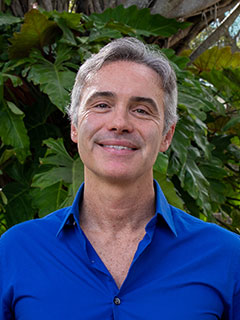
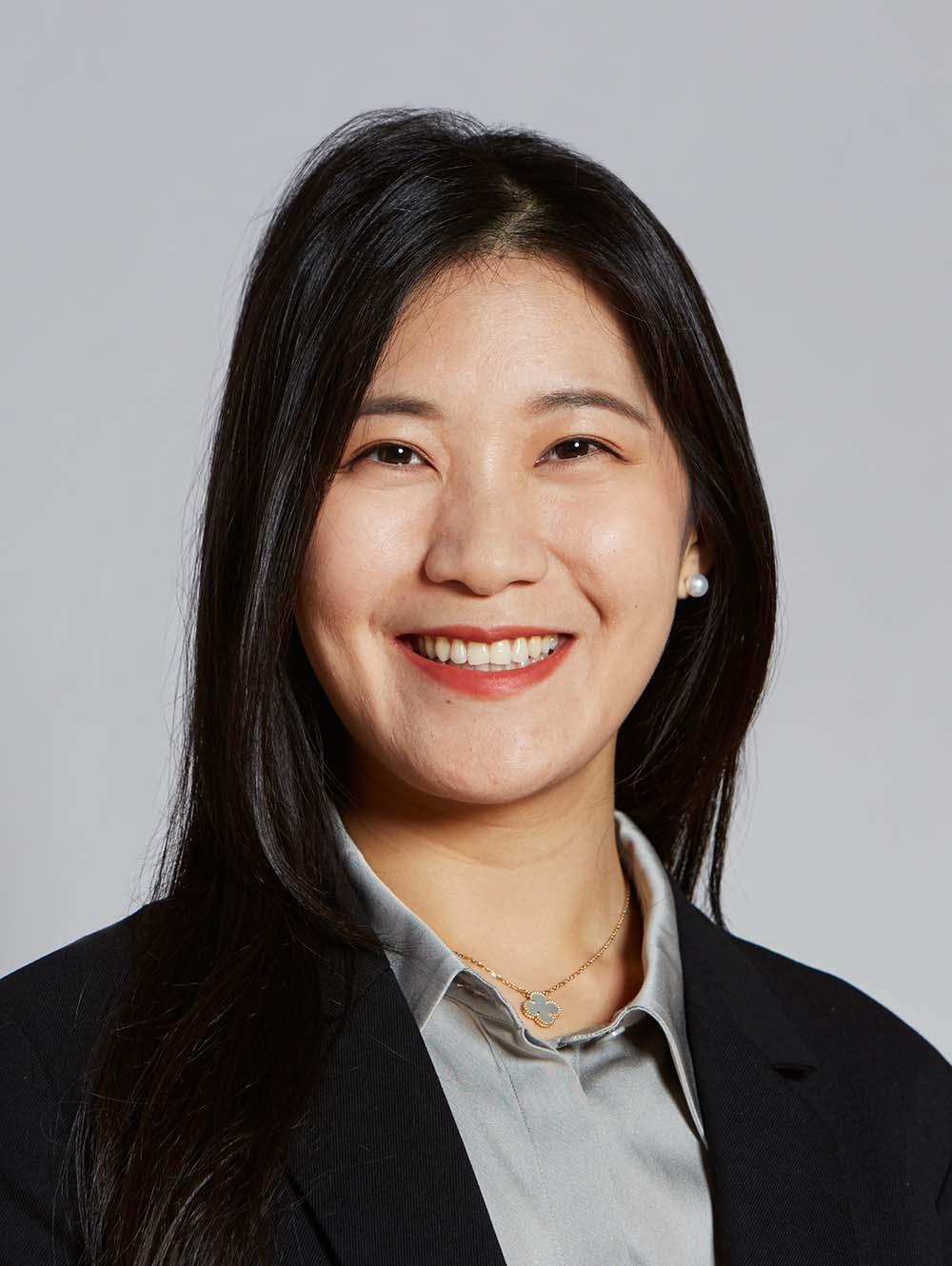
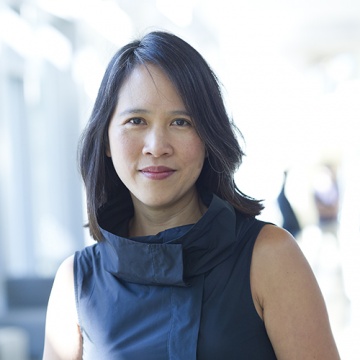
Michael Lucey is the Sidney and Margaret Ancker Chair and Distinguished Professor of French and Comparative Literature at the University of California, Berkeley. His work bridges French literature from the 19th to 21st centuries with social theory, sexuality studies, and linguistic anthropology. He has authored the critically acclaimed What Proust Heard: Novels and the Ethnography of Talk (2022) and Thinking about Sexuality with Novels (forthcoming). As founding director of the Center for the Study of Sexual Culture , he has shaped interdisciplinary research in queer theory and gender studies. Current research focuses on novels as ethnographic tools Specializes in Proust, Balzac, Woolf, and contemporary French fiction Translation work includes Didier Eribon and Édouard Louis His recent articles explore phonetics in narrative, readability frameworks, and sociological implications of literary form. He actively engages with comparative methodologies and critical theory, while his teaching spans British and American literature’s intersections with French modernism. Lucey’s academic leadership includes directing Berkeley’s Center for the Study of Sexual Culture, which supports global discourse through fellowships and conferences. His office hours are held in Dwinelle Hall and via Zoom. Contact: mlucey@berkeley.edu
Andrew Lynch serves as Professor and Associate Dean for Program Development in the Department of Modern Languages & Literatures within the College of Arts and Sciences at the University of Miami. His academic leadership extends beyond teaching responsibilities to include significant administrative contributions to program development across the institution. Lynch's research interests center on sociolinguistics with particular focus on Spanish language dynamics in Miami, heritage language socialization, bilingualism, and language ideology. His work examines how language functions within specific social contexts, especially in workplace environments where Spanish heritage speakers navigate linguistic demands. He investigates the complex interplay between language, identity, and social structures in postmodern urban settings, with special attention to the Cuban diaspora experience in South Florida. His publication record reveals consistent scholarly engagement with heritage language education, Spanish language variation, and the sociolinguistic landscape of global cities. Lynch's research demonstrates how language practices in Miami reflect broader patterns of linguistic adaptation and resistance within diasporic communities. His work often addresses the tension between linguistic heritage and social integration, examining how language ideologies shape educational practices and community identity. Lynch's scholarly contributions span multiple formats, including single-authored books, co-authored publications, handbook chapters, and journal articles in both English and Spanish. His work frequently appears in high-impact sociolinguistics and language education journals, reflecting his interdisciplinary approach that bridges theoretical linguistics with practical educational implications.
Andrea Vedaldi is a Professor of Computer Vision and Machine Learning at the University of Oxford's Department of Engineering Science, affiliated with the Visual Geometry Group (VGG). He specializes in unsupervised methods for understanding images and videos, focusing on 3D geometry and semantics. His research bridges foundational AI and practical applications, with contributions to generative models, neural fields, and self-supervised learning. Education: PhD in Computer Science (2008), University of California, Los Angeles MSc in Computer Science (2005), UCLA BSc in Information Engineering (2003), University of Padua Research Interests: Unsupervised learning, 3D perception, generative AI, neural rendering, and scalable vision systems. His work emphasizes ethical, responsible AI aligned with ERC-funded projects like UNION (ERC Consolidator Grant). Key Contributions: Co-developer of VLFeat and MatConvNet libraries Leader in 3D reconstruction and diffusion models (e.g., CatFree3D) Recipient of the PAMI Thomas S. Huang Prize and multiple best paper awards Grants & Service: Principal Investigator on £2.3M ERC Consolidator Grant (UNION) Co-organizer of major conferences (ECCV 2020 Program Chair, CVPR 2023 Area Chair) Reviewer for top journals/conferences (PAMI, CVPR, NeurIPS) Labs & Teams: VGG Group at Oxford, collaborating on projects like Meta 3D Gen and Common Objects in 3D (CO3D).
Jean Oh is a Researcher at the Robotics Institute of Carnegie Mellon University (CMU) , leading the interdisciplinary Bot Intelligence Group (BIG) . Her work focuses on developing persistent robots that co-exist and collaborate with humans in shared environments, emphasizing continuous improvement through training, exploration, and human interaction. Education: Ph.D. in Language and Information Technologies, CMU M.S. in Computer Science, Columbia University B.S. in Biotechnology, Yonsei University Oh's research integrates vision, language, and planning systems in robotics, with applications in human-robot teaming , self-driving cars , disaster response , eldercare , and creative robotics . She has pioneered projects like socially-compliant robot navigation in human crowds and AI-driven robotic painting systems. Recent publication trends highlight her work in vision-language planning , social navigation , computational creativity , and human-robot collaboration . Notable contributions include the StyleCLIPDraw algorithm for text-to-art generation and Social-PatteRNN for human-like trajectory prediction. Scientific Awards: Best Paper Award in Cognitive Robotics (ICRA'18, ICRA'15) Best Systems Paper Finalist (HRI'25) Best Oral Paper Finalist (Humanoids'24) Best Paper in Entertainment (IROS'24) Argoverse Challenge Winner (CVPR'24) Best Student Paper (AIAA'24) Best Demo Finalist (RoboSoft'24) Oh mentors a diverse team of PhD, MS, and undergraduate students from CMU departments including Robotics, Computer Science, and Mechanical Engineering. Her research is funded by US Army Research Lab , DiDi Chuxing , and DARPA , with collaborations across industry and academia .
Abhijit Banerjee is a Professor in the Department of Economics at the Massachusetts Institute of Technology (MIT). His research focuses on development economics, public health policy, and social protection programs, particularly addressing poverty and inequality in low- and middle-income countries. He has conducted large-scale experiments evaluating interventions such as conditional cash transfers, universal basic income, and healthcare policies. Key areas of interest include the design and implementation of anti-poverty programs, behavioral economics, and the long-term health impacts of infectious diseases like COVID-19. His work often integrates experimental methods to assess policy effectiveness, with contributions to global health studies and economic development strategies. Notably, his research on the RECOVERY trial evaluates treatments for hospitalized COVID-19 patients, while other studies explore financial spillover effects of electronic government transfers in Indonesia and savings behavior interventions in Chile. Banerjee has collaborated on projects analyzing post-COVID-19 health outcomes, labor market dynamics in India, and the role of trusted messengers in public health communication during crises. Despite the breadth of his contributions, specific details about his educational background, grants, or lab affiliations are not explicitly provided in the source text.
Prof. Ahmet Atay holds the rank of Professor of Communication Studies at the College of Wooster, serving as Program Chair of Global Media & Digital Studies and liaison to the Digital Visual Storytelling Pathway. His academic journey includes degrees from Marmara University (B.A., 1998), Ohio University (M.A., 2001), University of Northern Iowa (M.A., 2003), and Southern Illinois University (Ph.D., 2009). His research focuses on transnational communication, digital media's societal impact, cultural identity formation in global contexts, and queer diasporic experiences. He actively explores media representation of gender/sexuality, critical pedagogy, and autoethnography as research methodologies. Notable projects include editing works on millennial media ecology, intercultural communication pedagogy, and transnational queer cinema. Teaching responsibilities include courses on intercultural communication, mediated gender studies, and digital storytelling for social justice. He has held leadership roles in professional organizations like the National Communication Association and Central States Communication Association. Prof. Atay's recent publications emphasize digital ethnography, decolonizing communication studies, and queer pedagogy innovations. His work bridges theoretical frameworks with practical educational applications, addressing contemporary issues like diversity in academia and media's role in shaping cultural narratives.
Prof. Konrad Schindler holds the position of Full Professor at the Department of Civil, Environmental and Geomatic Engineering at ETH Zürich. He is also the Head of the Institute of Geodesy and Photogrammetry (IGP), leading research and educational activities in geomatics and computer vision. His career spans roles as a Photogrammetric Engineer, scientific assistant, postdoc researcher, and academic faculty across institutions including Graz University of Technology, Monash University, and TU Darmstadt before joining ETH Zürich in 2010. Education: Undergraduate studies in Geodesy (1992–1995), Graz University of Technology, Austria MEng in Photogrammetry and Geoinformation (1995–1999), Vienna University of Technology, Austria PhD in Computer Science (2001–2003), Graz University of Technology, Austria Research focuses on Photogrammetry , Remote Sensing , Computer Vision , and Image Understanding with interdisciplinary applications in environmental monitoring, geospatial analysis, and disaster response. He develops computational methods for 3D reconstruction, fusion of multi-modal data, and AI-driven solutions for satellite imagery interpretation. His work bridges geomatic engineering and machine learning to address challenges in urban mapping, climate modeling, and biological systems analysis. Publications reflect expertise in geospatial AI, diffusion models, and benchmarking datasets for disaster resilience. Notable works include Marigold (image analysis adaptation) and BRIGHT (building damage assessment). His research emphasizes practicality and scalability, such as affordable depth estimation and global biomass datasets. He has received the 2013 Marr Prize Honourable Mention (IEEE) and the 2012 U.V. Helava Award (ISPRS), alongside several Best Presentation Awards. His contributions span technical leadership, editorial roles (ISPRS Journal), and service to Swiss remote sensing commissions. Advising and grants: While no specific advisee names or grant details are listed, his career trajectory includes mentoring postdocs and junior faculty. He teaches advanced courses in Photogrammetry , Image Interpretation , and Machine Vision , integrating cutting-edge AI techniques into curricula. His research group collaborates on global-scale projects like canopy height mapping and satellite-based climate variable assessments. Labs/Teams: As Institute Head, he oversees the IGP lab at ETH Zürich, with prior affiliations including the Digital Perception Lab (Monash University) and the Computer Vision Lab (ETH Zurich). His work often involves multi-institutional collaborations focused on geospatial AI and environmental science.
Prof. Hedan Bai is an Assistant Professor at the Department of Materials, ETH Zürich, specializing in robotics materials, bio-inspired systems, and soft robotics. Their research focuses on developing advanced materials for sensing, energy-efficient systems, and biomedical applications. Notable projects include the SmartSuit architecture for space exploration and self-healing optical sensors for soft robots. Research interests span bioelectronics, stretchable sensors, haptic interfaces, and biomimetic materials. Bai's work integrates material science with robotics to create adaptive, sustainable, and intelligent systems. Key areas include wireless implants for neuromodulation, environmental-responsive textiles, and energy-harvesting devices. Publications highlight innovations in optical waveguides, self-healing materials, and wearable technologies. Their interdisciplinary approach bridges robotics, biomedical engineering, and aerospace applications. No formal awards are listed, but contributions to next-gen materials for robotics are prominent. Advising and grants are not detailed in the text, but Bai's lab focuses on projects like SmartSuit for extravehicular activities and synthetic afferent neural networks. Collaborations likely involve aerospace and biomedical sectors.
Matthew Potolsky is Professor of English at the University of Utah, specializing in nineteenth-century literature and literary theory. His career spans from 1998 Lecturer at Harvard University to current University Professorship. He earned a BA in Comparative Literature and Philosophy (1990), followed by MA and PhD in Comparative Literature (1992, 1997) from UC Irvine. Chair of English Department (2013-2016) University Professor (2014-2016) Research focuses on Decadence , Mimesis , Finance-Aesthetics intersections , and Government Secrecy . His work traces connections between financialization and decadent aesthetics, revealing how economic cycles influence artistic production. Key themes include: Decadent anti-realist literary movements Finance capital's cultural impact Decadent counterpublic formations Victorian aesthetic education debates Sublime aesthetics in national security Cosmopolitanism in literary communities Recent publications analyze: Decadent style as financialization rhetoric Reintroduction of verisimilitude theory Decadent responses to financial crises Mimetic labor in artistic production Decadent cosmopolitan counterpublics Historical parallels between financialization and literary decadence
Jan Alber is a Professor of Modern English and American Literature at the Department of English and American Literature and Culture, Justus Liebig University Giessen . He previously held positions at RWTH Aachen, Aarhus University, TU Darmstadt, and the University of Freiburg. His work bridges narrative theory, cognitive studies, and postcolonial literature, with a focus on unnatural narratives and empirical approaches to literary analysis. Fields of Interest: Unnatural Narratology, Cognitive Literary Studies, Climate Fiction, Postcolonial Literature Key Themes: Storyworlds, Ideology, Empirical Methods, Narrative Beginnings Alber's recent publications explore narrative theory's intersections with cognition and ideology, including analyses of digital post-postmodernist novels and climate change narratives. His empirical studies examine how readers process experimental narratives, particularly unnatural narrators and metaleptic structures. He has received prestigious awards such as the Habilitation Prize from the German Association of Anglists (2013) and the FRIAS junior group competition (2008). His research is funded by the AHRC, DFG, and Alexander von Humboldt Foundation, notably supporting interdisciplinary work on post-truth political narratives and Ukrainian scholars. Alber co-founded the Aachen Center for Cognitive and Empirical Literary Studies and serves as President of the International Society for the Study of Narrative. He organizes international workshops on cognitive narratology and teaches courses spanning literary history, theory, and postmodern fiction.
Jerrica Ty Rowlett serves as an Assistant Professor of Communication and Language Studies within the College of Arts and Sciences at Bryant University, where she examines digital communication's societal implications through research and teaching in digital culture and social media dynamics. Education Ph.D., Florida State University M.A., Clemson University B.A., Georgetown College Her research program investigates identity formation, civic engagement, and digital inequity through critical analysis of social media platforms. She explores how digital environments shape interpersonal relationships, political discourse, and community building while addressing power dynamics in online spaces, with particular attention to abusive contexts, gender representation, and emotional experiences. Analysis of her publication record (2015-2024) reveals a consistent trajectory examining social media's evolving societal impact. Early work focused on educational applications and youth culture, progressing to sophisticated analyses of political meme culture, relationship dissolution in abusive contexts, and emotional contagion online. Her scholarship demonstrates increasing attention to social justice dimensions within digital communication. Scientific Awards No awards documented in current sources Advising and Grants Student advising details and research grant information are not specified in available materials, though her extensive publication record indicates active scholarly mentorship and research productivity. Labs and Teams No dedicated research laboratories or formal collaborative teams are mentioned in the provided information.
Yuri Bobbert is a Professor of Information System Science at Antwerp Management School (AMS), part of the University of Antwerp. He holds dual PhDs from Radboud University and the University of Antwerp, focusing on IT performance measurement. His career includes roles as Global Group CSO of NN Group and UWV (Government), leading cybersecurity integrations during mergers like NN Group and Delta Lloyds. As CEO of B-ABLE (IT consultancy), he developed cybersecurity frameworks. Currently, he advises on NIS2 compliance and Zero Trust strategies. His research spans cybersecurity ROI, regulatory frameworks (e.g., NIS2), and leadership in digital security. Education PhD in Information Systems (Radboud University) PhD in Cybersecurity (University of Antwerp) Research Interests Cybersecurity governance and compliance ROSI (Return on Security Investment) CISO leadership and board communication Zero Trust architecture Risk quantification in digital ecosystems Publications & Books Authored books: Strategic Approaches to Digital Platform Security Assurance , Cybersecurity in 60 Minutes , and Digital Security Leadership Over 100 peer-reviewed publications on cybersecurity performance and governance Grants & Awards Recipient of NIS2 implementation research grants Contributor to EU cybersecurity policy discussions Labs & Teams Leads AMS cybersecurity education programs and collaborates with ON2IT on global cybersecurity strategies.
Prof. Dr. Roland Büchi is a Professor at the School of Engineering, Zurich University of Applied Sciences (ZHAW), specializing in control systems engineering and applied AI. His affiliation includes leadership roles in research projects such as the ongoing 'Digital Bridge to Computer Science' initiative. With a career spanning decades, he maintains active research output and industrial collaborations. Research Interests: Büchi focuses on control systems optimization , particularly PID controller tuning using AI methods, system identification, and applications in robotics and drone technology. His work bridges theoretical control theory with practical implementations in mechatronics. Recent efforts explore machine learning for hysteresis modeling and swarm optimization for control systems. Publication Trends: His 15 most recent works (2018-2024) emphasize AI-driven control optimization , drone technology advancements, and engineering education. Dominant themes include PID parameter tuning for time-delayed systems, drone telemetry, and adaptive learning algorithms. A notable shift toward AI/ML applications in control engineering emerged post-2020. Labs and Teams: Büchi collaborates with researchers like Lukas Gruber and has historical ties to ETH Zurich’s robotics projects. His work involves experimental validation at ZHAW’s engineering facilities, with patents in turbocharger magnetic bearing systems.
Adrian Weller is a prominent researcher and academic at the University of Cambridge, serving as a Director of Research in Machine Learning within the Department of Engineering. He holds multiple significant leadership roles including Programme Director for Trust and Society at the Leverhulme Centre for the Future of Intelligence (CFI), and previously served as Programme Director for AI at The Alan Turing Institute, the UK national institute for data science and AI. His work bridges theoretical machine learning research with practical applications and societal implications of artificial intelligence. Weller's research interests span a broad spectrum of AI and machine learning topics with a particular focus on ensuring beneficial societal outcomes. His work encompasses explainability, fairness, robustness, scalability, privacy, safety, and ethics in AI systems. He has made significant contributions to trustworthy machine learning, including developing frameworks for AI governance, certification, and human-AI collaboration. His research group actively investigates neuro-symbolic approaches, privacy-preserving techniques, and methods for improving the reliability and interpretability of AI systems. His recent publications demonstrate a strong trend toward addressing the practical challenges of deploying AI systems in real-world contexts, particularly focusing on certification frameworks, governance mechanisms, and human-centered approaches. His work spans theoretical advances in machine learning architectures while maintaining a strong connection to societal impact, with publications appearing in top venues across AI, machine learning, and interdisciplinary applications. Scientific Awards: MBE for services to digital innovation (2022 Queen's Birthday Honours) Turing AI Fellowship for Trustworthy Machine Learning Weller actively supervises a large group of PhD students and postdocs, with current students including Juyeon Heo, Yanzhi Chen, Katie Collins, Isaac Reid, Yichao Liang, Herbie Bradley, and Shoaib Siddiqui. His former students have gone on to positions at leading institutions including Google DeepMind, ETH Zurich, NYU, and MPI-IS Tübingen. He has served on numerous advisory boards including the Centre for Data Ethics and Innovation, UNESCO's expert group on AI ethics, and the World Economic Forum's Global Future Council on AI. His research has been supported through his Turing AI Fellowship and various collaborative projects focused on safe and ethical AI development. Weller leads a vibrant research group focused on trustworthy machine learning, which actively organizes workshops and conferences including ICML 2024 (where he served as Program Chair), multiple workshops on responsible AI, and events through the ELLIS network. His group collaborates extensively across disciplines, working with researchers in computer science, social sciences, law, and policy to address the multifaceted challenges of developing beneficial AI systems.
Lily L. Tsai is the Ford Professor of Political Science at the Massachusetts Institute of Technology (MIT) and founder/director of the MIT Governance Lab (MIT GOV/LAB). She previously chaired the MIT Faculty and focuses her research on governance, accountability, and political participation in developing contexts, particularly Asia and Africa. Her research explores how decentralization, democratic reforms, informal institutions, and economic development influence public goods provision. She also investigates the dual impacts of social capital and civil society on political outcomes, and analyzes political behavior in authoritarian and transitional systems through surveys, interviews, and field experiments. Recent publications span topics including collective governance, vaccine compliance in Uganda, anticorruption strategies in China, and the role of informal institutions in rural China. Tsai’s work appears in journals like American Political Science Review and World Development . Dogan Award for best book in comparative research (2007-08) She leads interdisciplinary projects such as the Compass Initiative (SHASS Education Innovation Fund) and The Science of Respect with MIT’s Brain and Cognitive Sciences department. MIT GOV/LAB, which she founded in 2014, emphasizes real-time empirical collaboration between researchers and practitioners to address governance challenges.