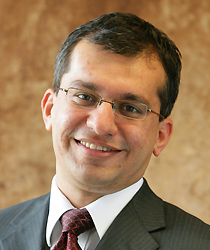
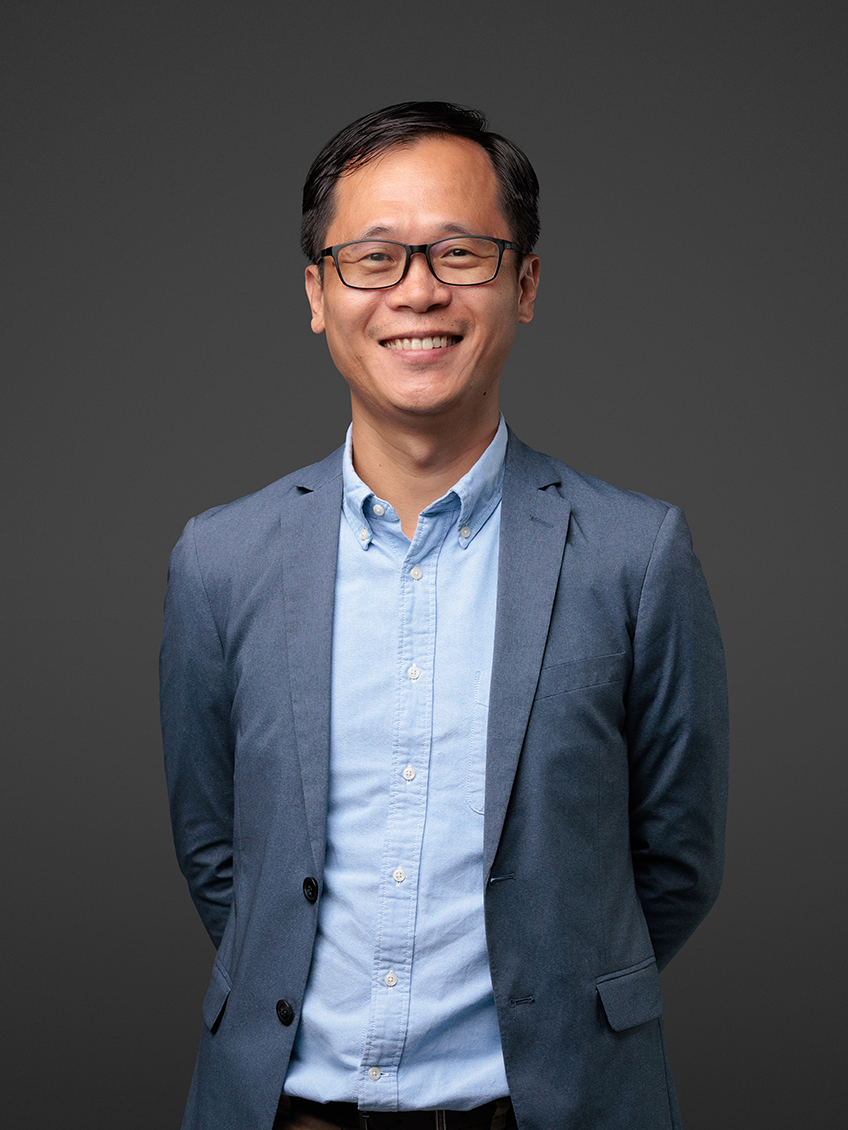
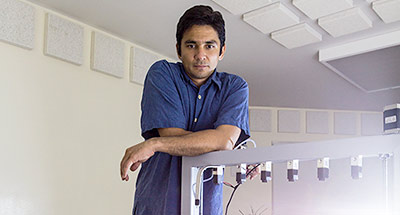
Hamed Badihi is an Assistant Professor in Automation Technology and Dependable Systems at Tampere University , part of the Faculty of Engineering and Natural Sciences. He leads the Dependability and Automation Research in Cyber-Physical Systems (DARES) Group within the Dependable Systems Cyber Laboratories . His research focuses on critical aspects of condition monitoring, fault-tolerant control, and attack-resilient control to advance sustainable, dependable cyber-physical systems. Research Interests include: Cybersecurity for industrial control systems Fault-tolerant control mechanisms Resilient control strategies for renewable energy systems Condition monitoring of wind turbines and microgrids Recent Contributions emphasize hybrid approaches combining machine learning and control theory for cyber-attack detection and system resilience in wind farms and microgrids. His work addresses challenges like real-time fault diagnosis and adaptive control under adversarial or environmental perturbations. Awards & Roles : Senior Member of IEEE, editor for International Transactions on Electrical Energy Systems , Advances in Fuzzy Systems , and Processes journals. Active in EU projects like StreamSTEP . Labs & Teams : Directs the DARES Group, collaborating on initiatives like the Dependable Systems Cyber Laboratories to pioneer innovations in cyber-physical system dependability.
Dr. Nikhil Chopra is a Professor in the Department of Mechanical Engineering at the University of Maryland, College Park, with affiliate appointments in Electrical and Computer Engineering. He earned his Bachelor of Technology from IIT Kharagpur (2001) and his M.S. and Ph.D. from University of Illinois at Urbana-Champaign (2003, 2006). As Director of Undergraduate Studies, he leads academic programs while advancing research in systems, control, and robotics. His work focuses on robotic system control, soft robotics, teleoperation, and machine learning integration. Research highlights include co-authoring the book *Passivity-Based Control and Estimation in Networked Robotics* (2015), co-chairing the IEEE Technical Committee on Telerobotics, and serving as Associate Editor for *Automatica* and related journals. His lab, the Semi-Autonomous Systems Lab, explores control-theoretic frameworks for robotics and optimization, collaborating with institutions like Sintef and IEEE RAS Technical Committees. Key projects involve underwater robotics navigation, cyber-physical system privacy, and distributed optimization algorithms. His team has exhibited strong presence at ICRA and IROS conferences, including awards for work on 3D water quality mapping and control frameworks. Current initiatives include robotic parasitic arrays for communication enhancement and secure bilateral teleoperation systems. Lab: Semi-Autonomous Systems Lab (SAS Lab) Affiliations: Institute for Systems Research, Maryland Robotics Center Recent Funding: NSF grants, industry partnerships
Chen Binbin is an Associate Professor and Associate Head of Pillar (Innovation and Enterprise) in the Information Systems Technology and Design (ISTD) pillar at Singapore University of Technology and Design (SUTD). He serves as Deputy Director for the Future Communications Research and Development Programme (FCP), Singapore. Previously, he was a Principal Research Scientist at the Advanced Digital Sciences Center (now Illinois ARCS), affiliated with the University of Illinois. Education: PhD in Computer Science from National University of Singapore, and Bachelor's from Peking University. Research focuses on wireless networking, distributed systems, and cyber security for critical infrastructures like smart grids and industrial control systems. His work addresses secure communications, intrusion detection, and resilience against cyber-physical threats. Notable contributions include error-estimating coding, provenance verification in ICS, and AI-driven network security solutions. Key awards include the 2010 ACM SIGCOMM Best Paper Award for error-estimating coding research. His grants span agencies like Singapore's National Research Foundation (NRF), Cyber Security Agency (CSA), and Energy Market Authority (EMA). He leads projects on secure smart grid communication, industrial control system defense, and AI-enhanced cybersecurity tools. Technical leadership involves developing frameworks like CyberSAGE for security assessment and CMD for IoT malware detection. Active in collaborations with industry and government, his work bridges theory and practice in securing critical infrastructure systems.
Camilo Mora is a Professor in the Department of Geography at the University of Hawaii at Manoa, where he maintains an active research laboratory and teaches courses on environmental issues, biogeography, and data analysis. His academic journey began with a BSc in Marine Biology from Universidad del Valle in Colombia (1999), followed by a PhD in Biology from the University of Windsor, Canada (2005). He completed postdoctoral fellowships at the University of Auckland (2005), Scripps Institution of Oceanography (2006-2008), and Dalhousie University (2008-2010). BSc, Marine Biology, Universidad del Valle, Colombia (1999) PhD, Biology, University of Windsor, Canada (2005) Postdoctoral Fellow, University of Auckland (2005) Postdoctoral Fellow, Scripps Institution of Oceanography (2006-2008) Postdoctoral Fellow, Dalhousie University (2008-2010) Mora's research spans interconnected lines focused on understanding biodiversity patterns and their modification by human activities, with particular emphasis on climate change impacts. His lab specializes in big data analytics applied to diverse environmental challenges including heatwaves, disease transmission, marine ecosystems, and even unconventional topics like Bitcoin's environmental footprint. The Mora Lab operates on a 'divide and conquer' approach to tackle large research questions by breaking data gathering into individual parts that can be concatenated into central databases. Mora has received the CSS Excellence in Research award (2014) for his significant contributions to environmental science. His influential publications include groundbreaking work on the global risk of deadly heat (2017), the projected timing of climate departure from historical variability (2013), and the finding that over half of known human pathogenic diseases can be aggravated by climate change (2022). CSS Excellence in Research (2014) Highly cited publications in Nature and Nature Climate Change Research featured in major international media outlets Development of innovative research methodologies for large-scale analyses Mora leads an active research group that engages students in the full scientific process from idea generation to publication. His approach to mentoring involves creating yearly classes where graduate students, professors, and international advisors collaborate to tackle significant research questions, with papers typically completed within a single semester. His Carbon Neutrality Challenge project, spearheaded by his daughter Asryelle Mora, provides a practical mechanism for individuals to offset carbon emissions through tree planting. The Mora Lab maintains a distinctive approach to environmental research, working on seemingly diverse topics from reef fishes to Bitcoin, united by their reliance on big data analytics. This interdisciplinary methodology has produced impactful research across multiple domains of environmental science and climate change impacts, establishing Mora as a significant contributor to our understanding of humanity's environmental challenges.
Denis Fischbacher-Smith is a Professor and Research Chair in Risk and Resilience at the University of Glasgow's Adam Smith Business School, within the College of Social Sciences. Previously, he held roles at the University of Liverpool, including founding director of its Management School, and held academic positions at Sheffield, Durham, and John Moores Universities. He also served as a visiting professor at Kobe University (Japan), San Diego State University (USA), and Innsbruck University (Austria). His academic journey includes degrees from Manchester, Glasgow, St Andrews, and others, culminating in a DLitt in Crisis Management. He holds over a dozen professional certifications, including Fellowships from the Academy of Social Sciences and Higher Education Academy, and Chartered statuses in Geography, Security, and Management. Research focuses on risk management, crisis response, and organizational resilience, with 112+ publications spanning three decades. Key areas include evacuation strategies, crisis team performance, emergency planning limitations, and organizational vulnerability. He advises governments (e.g., UK Department of Health, Lesotho), corporations, and regulatory bodies, and has led projects on healthcare safety and terrorism preparedness. Publications emphasize interdisciplinary approaches to risk, such as using comics in education and analyzing post-EU expansion crises. Awards recognize his contributions to public health policy, emergency planning, and security practices. He chairs HARM Consulting and serves on boards of NHS trusts and sports organizations.
Richard Silberglitt is a Senior Physical Scientist at RAND and Professor of Policy Analysis at the RAND School of Public Policy, where he conducts interdisciplinary research at the nexus of science, technology, and public policy. With over 50 years of experience across academia, government, and industry, he is a leading expert in technology foresight, energy systems, and R&D portfolio management. His research focuses on emerging technologies , science and innovation policy , energy security , and nanotechnology . He has developed influential methodologies such as an energy scenario analysis framework and the PortMan portfolio management system, both widely applied in U.S. and international contexts. His work supports strategic planning in defense, public safety, and economic development. His recent publications reflect a strong trend toward technology foresight , critical materials supply chains , quantum technology assessment , and public sector innovation . These works often employ scenario planning, Delphi methods, and data-driven analytics to inform high-stakes policy decisions. Member, American Physical Society Member, Materials Research Society Member, American Ceramic Society As a subject matter expert, Silberglitt has advised the United Nations, U.S. Department of Defense, National Security Agency, and multiple federal agencies. He has chaired the International Advisory Board of the APEC Center for Technology Foresight and delivered testimony to U.S. Congressional committees on critical materials and technology policy. His research has been supported by grants and contracts from the U.S. Army, Navy, CDC, and National Institute of Justice. He has led major initiatives on law enforcement technology, transportation safety ( The Road to Zero ), and international technology foresight. His work often involves collaborative teams and cross-sector partnerships to address complex technological and policy challenges.
Professor Xiaodong Liu is a faculty member at Edinburgh Napier University, affiliated with the School of Computing, Engineering and the Built Environment . His research spans Internet of Things , Edge Computing , Artificial Intelligence , and Cybersecurity , with a focus on decentralized systems and data-driven decision-making. Research Themes : IoT orchestration, federated learning, smart city infrastructure, building maintenance optimization, and automotive cybersecurity. Current Projects : Leading Swarmchestrate (EU-funded), Long-range Perceptive Autonomous Vehicles (Royal Society), and Met-Bot for Disaster Surveillance (Royal Society). His recent publications emphasize privacy-preserving edge learning , semantic IoT data validation , and deep learning for weather prediction . As a supervisor, he has guided PhD students in areas like federated learning, smart building systems, and IoT security. Collaborations include partnerships with institutions in Scotland, China, and Italy, alongside funding from European Commission , Royal Society , and Scottish Funding Council . He contributes to international conferences and journals, with notable work in IEEE Transactions , ACM TAAS , and MDPI publications.
Dr. Yanjun Zhang is an Honorary Research Fellow at the School of Electrical Engineering and Computer Science, The University of Queensland. His research focuses on privacy-preserving technologies, federated learning, cybersecurity in IoT systems, and machine learning security. He holds a PhD in Privacy-Preserving Sharing for Genome-Wide Analysis from The University of Queensland (2021). Education: PhD in Information Technology, School of Information Technology and Electrical Engineering, The University of Queensland (2021) Research Interests: Designing secure collaborative machine learning frameworks Defending against adversarial attacks in cyber-physical systems Privacy preservation in distributed genomic and medical data analysis Compliance and ethics in virtual personal assistant applications Key Contributions: Developed privacy-preserving federated learning frameworks (AgrAmplifier, PrivColl) Conducted foundational studies on evasion attacks in IoT systems Created datasets for analyzing malicious browser extensions and Alexa skills Labs/Teams: Active contributor to UQ Cyber initiatives, including the 2021-2022 Seed Funding project on federated deep learning for medical imaging.
Prof. Nan Yang is a Professor at the Australian National University's ANU College of Engineering, Computing and Cybernetics, leading the Information and Signal Processing Cluster and the Emerging Communications Laboratory. He holds a PhD in Electronic Engineering from Beijing Institute of Technology (2011) and has held postdoctoral roles at CSIRO and UNSW before joining ANU in 2014. His research focuses on terahertz communications, ultra-reliable low-latency systems, and cyber-physical security, with notable contributions to molecular communications and massive MIMO systems. Education: B.S. in Electronics, China Agricultural University (2005) M.S. in Electronic Engineering, Beijing Institute of Technology (2007) Ph.D. in Electronic Engineering, Beijing Institute of Technology (2011) Key Roles: Associate Dean for Higher Degree Research (2019–2021) Editorial Board Member of IEEE Transactions on Molecular, Biological, and Multi-Scale Communications, IEEE Communications Letters, and others Organizer of workshops at IEEE ICC, GlobeCOM, and ACM MobiCOM His research interests span terahertz communication systems, cyber-physical security, and intelligent communications. Recent work emphasizes secure beamforming, UAV-assisted networks, and molecular communication protocols. He has authored over 180 publications and secured grants totaling millions in funding for projects like the Ultra-Fast and Secure Terahertz Communications for 6G Wireless Systems (2023–2026). Awards & Recognition: IEEE ComSoc Distinguished Lecturer (2023–2024) Best Paper Awards at IEEE ICC 2024, GlobeCOM 2022, and VTC Spring 2013 Exemplary Editor/Reviewer Awards from IEEE Transactions Grants & Projects: iLAuNCH: SWIFT-iLAuNCH Project A (SC-9) (2024–2026) Ultra-Fast and Secure Terahertz Communications for 6G (2023–2026) Facility for Energy Security and Resilience Research (2022) His lab, the Emerging Communications Laboratory, develops cutting-edge solutions for 6G networks, including hybrid beamforming for terahertz systems and secure short-packet protocols. Collaborations span global institutions, emphasizing interdisciplinary research in communications and signal processing.
Golnoosh Farnadi is an Assistant Professor at McGill University's School of Computer Science , an Adjunct Professor at Université de Montréal , and a Visiting Faculty Researcher at Google Research . She holds the Canada CIFAR AI Chair and is a core academic member of Mila – Quebec AI Institute . Her research focuses on algorithmic fairness , responsible AI , and optimization . She founded the EQUAL Lab (EQuity & EQuality Using AI and Learning algorithms) to address bias and discrimination in AI systems. Key publications explore fairness in kidney exchange programs, generative model geometry, multilingual LLM de-biasing, and prototype-based recommender systems. Her work bridges causal inference, adversarial robustness, and ethical AI. Google Award for Inclusion Research (2023) Women in AI Awards North America Finalist (2023) Facebook Privacy Enhancing Technologies Award (2021) IVADO Postdoctoral Fellowship (2018–2021) She has supervised over 15 PhD and Master's students, including Prakhar Ganesh (McGill) and William St-Arnaud (Université de Montréal). Her teaching includes Responsible AI and Machine Learning courses at McGill and HEC Montréal.
Dr. Xinxin Hu is an Associate Professor at the University of Houston-Downtown in the Department of General Business, Marketing, and Supply Chain under the Marilyn Davis College of Business. Her research focuses on decision-making under uncertainty, supply chain contracts, and retail management. PhD in Operations Management, University of Michigan MA in Statistics, University of Michigan BA in Operations Research, Fudan University Her research interests center on supply chain optimization, with a focus on lateral transshipment strategies, risk management, and sustainable operations. She has published in top journals like Management Science , OMEGA , and Production and Operations Management . Recent publications highlight her work in wind energy integration, decentralized inventory systems, and competitive distribution strategies. Her service roles include leadership positions in university academic policy and college-level scholarship committees.
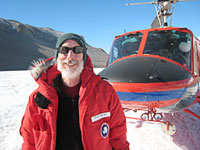
Ross A. Virginia is an ecosystem ecologist at Dartmouth College, holding the Myers Family Professor of Environmental Science and serving as Director of the Institute of Arctic Studies at the Dickey Center for International Understanding. He is also an Adjunct Professor of Biological Sciences and Earth Sciences and a U.S. Fulbright Arctic Initiative Distinguished Co-Lead Scholar. His research spans biogeochemical cycles in polar deserts and tundra, with a focus on climate change impacts on soils and vegetation. Virginia leads major NSF-funded programs such as the Integrative Graduate Education and Research Traineeship (IGERT) and Joint Science Education Program (JSEP) , fostering interdisciplinary collaboration and Arctic policy engagement. He has been instrumental in expanding Dartmouth's environmental studies program and establishing international partnerships through the University of the Arctic Institute for Arctic Policy. Key research themes: climate change effects on polar ecosystems Policy leadership in Arctic Council initiatives Fieldwork in Antarctica's McMurdo Dry Valleys over 13 seasons Scientific recognition includes: Fellow of The Explorers Club Global Fellow at the Polar Institute, Woodrow Wilson Center Valley in Antarctica named after him by US-ACAN (2004)
Nicolás de Roux is an Associate Professor in the Department of Economics at Universidad de los Andes in Bogotá, Colombia. He holds a PhD in Economics from Columbia University and an MA from Universidad de los Andes. His academic work focuses on applied microeconomics with a specialization in development economics, particularly examining firm behavior, financial inclusion, agricultural economics, and labor markets in developing countries. He actively contributes to the academic community as a co-organizer of the biweekly Virtual Development Seminar (VDEV/CEPR/BREAD). De Roux's research interests center on understanding economic development challenges in the Global South, with particular emphasis on how weather shocks affect agricultural productivity, labor market power in developing economies, and the impacts of trade disruptions on firm performance. His interdisciplinary approach combines rigorous econometric methods with theoretical insights to address pressing development issues. His work demonstrates how microeconomic analysis can inform policy decisions that improve economic outcomes for vulnerable populations in developing countries. His publications span multiple high-impact journals including the Journal of Labor Economics, The Review of Financial Studies, and Journal of Public Economics. De Roux's research demonstrates consistent focus on labor markets, agricultural productivity, and financial inclusion, with recent work examining how weather risk affects small farms, the extent of employer power in developing country labor markets, and how firms adapt to trade partner collapse. His research methodology typically combines detailed administrative data with innovative econometric approaches to establish causal relationships. Featured Economist Interview, International Economic Association (IEA), July 2025 De Roux has mentored numerous students through his teaching at Universidad de los Andes, where he teaches courses including Introduction to Mediation, Econometrics 1, and Haciendo Economía 1. His research collaborations extend across multiple institutions, working with economists from around the world including Giacomo De Giorgi, Garance Genicot, Gianmarco León-Ciliotta, and Eric Verhoogen. His work on academic tracking revealed the counterintuitive finding that students perform better when they're at the top of a lower-ability group rather than at the bottom of a higher-ability group, challenging conventional wisdom about educational tracking. His research team includes collaborators working on projects examining internet access and banking competition in rural credit markets, as well as quality upgrading in the Colombian coffee sector. De Roux maintains an active presence in policy discussions through media outlets like VoxDev, World Bank blogs, and Colombian publications including Foco Económico and La República.
Gökhan Seçinti is an Assistant Professor in the Department of Computer Engineering at Istanbul Technical University, Faculty of Computer and Informatics. He currently serves as Vice Dean and has previously held the role of Vice Department Head. His research focuses on next-generation wireless networks, UAV communications, semantic communication, and AI-driven networking solutions. Research Interests: His work spans Unmanned Aerial Vehicles (UAVs) , Semantic and Task-Oriented Communication , Software-Defined and Cognitive Networks , 6G Communications , and AI in Networking . He develops practical testbeds for deep learning-based communication architectures and explores digital twin applications in aerial networks. Publication Trends: Recent publications emphasize decentralized UAV service deployment, beam alignment using UWB localization, TDMA scheduling for aerial swarms, and semantic flow control. These reflect a strong trend toward intelligent, adaptive, and context-aware communication systems for IoT and mobility. Best Paper Award, IEEE, 2022 Best Conference Paper, IEEE, 2016 Best Poster Paper Award, IEEE, 2015 Advising and Grants: He has supervised 4 academic works and leads multiple funded research projects, including TÜBİTAK and SRP grants on federated learning in flying networks, semantic VANETs, AI-based intrusion detection, and UAV-assisted IoT for crisis management. Labs and Teams: His work is supported by active research teams at ITU, focusing on testbed development using SDRs, digital twins, and real-world deployment of UAV networks. He collaborates internationally, including past affiliations with Northeastern University.
Laura Purvis is a Professor in Supply Chain Management at Cardiff Business School, Cardiff University, where she has been a faculty member since September 2007. She is a member of the Logistics and Operations Management Department and a Fellow of the Higher Education Academy. She is available for postgraduate supervision and teaches International Business Logistics and Strategic Supply Chain Management at both undergraduate and postgraduate levels. Education: BEng in Industrial Engineering (First Class) from Transilvania University, Brasov, Romania; PhD in 'Agile Supply Chain Management in the Fashion Sector' from Edinburgh Napier University. Prior Affiliation: Worked at Edinburgh Napier University before joining Cardiff University. Laura’s research focuses on supply chain management strategies, agile and resilient supply networks, flexible supply systems, and supply network design. Her work spans multiple sectors including fashion, textiles, and food. She has contributed extensively to the fields of supply chain resilience, sustainability, and innovation in logistics, particularly in the context of distributed manufacturing and digital transformation. Her research integrates theoretical models with practical applications, emphasizing real-world challenges in global and local supply chains. Her recent publications highlight trends in supply chain resilience, sustainable strategies, big data analytics, and the transformative impact of technologies like 3D printing and distributed manufacturing. She frequently publishes in top-tier journals such as Production Planning and Control , Supply Chain Management , and Journal of Cleaner Production , with a strong emphasis on interdisciplinary and applied research. Scientific Contributions: Fellow of the Higher Education Academy Active participation in major international conferences (EurOMA, ISL, ICTL) Extensive research collaboration with scholars across Europe Laura supervises MSc, MBA, and PhD students in Operations and Supply Chain Management. She leads research on logistics innovation and resilient supply networks. Her current supervision includes PhD candidate Mutala Fuseini. She is involved in projects related to regional resilience, sustainable sourcing, and digital supply chain transformation, often in collaboration with industry partners such as Yeo Valley.