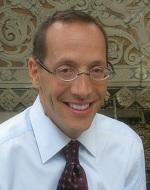
Kelly Arnold is an Associate Professor in the Department of Biomedical Engineering at the University of Michigan. Her research integrates systems engineering principles with immunology to investigate variability in immune responses across infection, vaccination, and injury, with a focus on computational modeling and clinical translation. Research Focus Systems-level immune response modeling Vaccination and antibody functionality Vaginal microbiome-host interactions Chronic lung disease progression Computational serology and proteomics Recent Work Her 2025 studies examine SARS-CoV-2 vaccination responses in cancer patients and computational frameworks for vaginal probiotics. Earlier works (2024-2007) span COPD progression, lupus fibrosis, HIV susceptibility, and tissue engineering for fertility preservation. Methodologies include proteomic profiling, network modeling, and microfluidic systems.
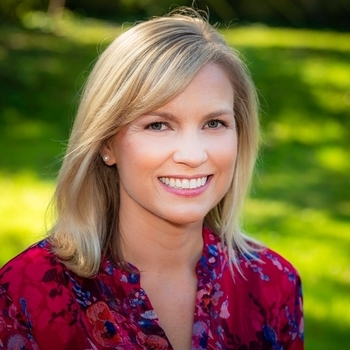
Dr. Frances Chen is a Professor and Area Coordinator in the Department of Psychology at the University of British Columbia (UBC), located on the traditional, ancestral, and unceded territory of the Musqueam People. She holds a PhD from Stanford University (2009). Her research integrates health psychology, social psychology, and neuroendocrinology to explore how social experiences influence mental and physical health. Key areas include the physiological impacts of loneliness, social support, and hormonal changes during puberty on adolescent development. Education: PhD, Psychology, Stanford University, 2009 Research Focus: Dr. Chen investigates how social interactions 'get under the skin' through studies on loneliness, stress, conflict negotiation, and hormonal mechanisms. Her work emphasizes interventions to enhance social connection and reduce health disparities. Recent Article Trends: Recent publications highlight interdisciplinary approaches, including genetic influences on depression, effects of near-infrared lighting on cognition, and longitudinal studies on adolescent hormonal contraceptive use. Her work bridges basic science and applied health outcomes. Awards & Grants: Michael Smith Health Research BC C2 Award (2022) Killam Faculty Research Fellowship (2019) Teaching & Learning Enhancement Fund Grant (2025) SSHRC Prosociality Project Funding (2023) Lab & Mentorship: Director of the Social Health Lab, she mentors graduate and undergraduate students, prioritizing equity and inclusion. Recent lab achievements include studies on teen health development and interventions to improve student success in psychology programs. Lab Initiatives: UBC Teen Health and Development Study (longitudinal hormonal/mental health tracking) NIR lighting health impact research (collaborative interdisciplinary project) Prosociality 'in the Wild' SSHRC project
Konstantinos Anastassiadis is a Professor at the Center for Molecular and Cellular Bioengineering (CMCB) of Dresden University of Technology , leading the Stem Cell Engineering group at the Biotechnology Center (BIOTEC) . His research focuses on unraveling molecular pathways regulating stem cell self-renewal and lineage commitment, with a strong emphasis on genetic engineering tool development and epigenetic mechanisms during cellular reprogramming. The lab utilizes mouse and human embryonic stem cells, neural stem cells, mesenchymal stromal cells, and induced pluripotent stem cells (iPSCs) in their investigations. Core Research Areas: Molecular regulation of stem cell fate Epigenetic mechanisms (e.g., UTX/UTY histone demethylases) Genetic engineering tool development (Flp, Dre, Vika recombinases, CRISPR protocols) Conditional immortalization systems for rare cell expansion Publications highlight his contributions to understanding: Role of histone methyltransferases (MLL1, MLL2, Setd1b) in hematopoiesis and cancer Epigenetic regulation during mouse development and spermatogenesis Genetic tools for protein tagging, transposon-mediated BAC transgenesis Interactions between stem cells and niche microenvironments Transcriptional and mechanical markers during reprogramming Collaborations span immunology , developmental biology , and bioinformatics . The lab actively participates in teaching activities at CMCB and maintains a focus on translational applications of stem cell research.
Eric J. Gangloff is an Assistant Professor in the Department of Biological Sciences at Ohio Wesleyan University (OWU). His research focuses on understanding how organisms adapt to environmental changes, particularly in reptiles and amphibians, using integrative approaches combining field studies, lab experiments, and molecular techniques. He holds a B.A. from Cornell University, an M.A. from the University of Denver, and a Ph.D. from Iowa State University. Dr. Gangloff leads a lab investigating physiological and ecological adaptations in species such as the common wall lizard, garter snakes, and red-backed salamanders. Notably, his work on Ohio’s invasive wall lizards has been funded by the NSF, exploring their evolutionary success in urban environments. Collaborations span institutions worldwide, including France, Canada, and Australia. His recent studies examine how temperature, oxygen availability, and urbanization influence lizard physiology, behavior, and survival. Key themes include thermal biology, ecological traps, and resilience to pollutants like lead. The lab actively involves undergraduate students in field and lab research, emphasizing hands-on learning. Gangloff’s lab website (https://glare-owu.wixsite.com/glare) showcases ongoing projects and publications. His work bridges basic science and applied conservation, addressing global challenges in biodiversity and climate change.
Dr. Ian Wilson is a researcher at Newcastle University with a focus on medical genetics, nephrology, and genomic analysis. His work spans genetic determinants of kidney diseases, mitochondrial disorders, and biomarker development. Notable contributions include studies on uromodulin genetics in African populations, copy-number variations in rare diseases, and kidney ciliopathies. He has collaborated extensively on projects involving genome sequencing, mitochondrial replacement therapy, and muscular dystrophy biomarkers. Wilson's research integrates computational tools like machine learning for predictive modeling in urolithiasis and employs advanced imaging techniques for disease progression monitoring. Key areas: Genetic epidemiology, renal genomics, mitochondrial DNA analysis Focus on translational applications: Biomarker development for kidney stones and muscular dystrophies Interdisciplinary collaborations in ophthalmology and orthopedics His publications reflect a commitment to advancing diagnostic accuracy and understanding complex genetic disorders through multi-omics approaches.
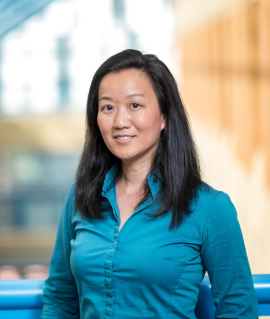
Zhaoli Song is an Associate Professor at the Department of Management and Organisation within NUS Business School, Singapore. His research bridges behavioral genetics with organizational behavior, focusing on leadership, AI in the workplace, cross-cultural management, and work-family dynamics. PhD in Human Resources and Industrial Relations (2004), University of Minnesota Master in Statistics (2004), University of Minnesota Master in Applied Psychology (1999), Chinese Academy of Sciences Bachelor in Optics (1995), Sichuan University Dr. Song pioneered molecular genetics applications in management research, achieving media recognition in Economist and Washington Post . His work spans AI strategy formulation, pandemic scenario modeling, and team innovation across Asia. He has taught organizational behavior, HRM, and research methods at undergraduate, Master's, EMBA, and executive levels. Recent publications analyze AI adoption frameworks, emotional dynamics in leader-member exchanges, and genetic determinants of creativity. He served as Academic Director for NUS Asian Pacific EMBA (Chinese) program (2013-2017), demonstrating educational leadership alongside scholarly contributions.
Mahipal Singh is a Professor of Animal Biotechnology and Coordinator of the Animal Science Undergraduate Program at Fort Valley State University (FVSU), where he is affiliated with the College of Agriculture, Family Sciences and Technology and the Department of Agricultural Sciences. He has been at FVSU since 2000 in various capacities, progressing from Adjunct Biology/MPH Graduate Faculty to his current position as full Professor since 2019. Dr. Singh earned his educational credentials in India: a B.S. (Hons) in Zoology from Meerut College (1978), an M.S. in Zoology from the Institute of Advanced Studies, Meerut University (1983), and a Ph.D. in Zoology-Microbiology from Banaras Hindu University, Varanasi (1989). His academic journey included prestigious appointments such as International Visiting Fellow at the National Institute of Child Health and Human Development, NIH (1991-1993) and Postdoctoral Fellow at the Medical University of South Carolina (1989-1991). His research focuses on cutting-edge areas of animal biotechnology, particularly in postmortem cell recovery, genome editing in livestock, and myostatin gene targeting. Dr. Singh has pioneered work demonstrating that individual cells remain viable in mammalian tissues for much longer periods after death than previously believed, with applications for cellular therapies and germplasm preservation. His work with CRISPR/Cas technology aims to reduce milk allergens and mastitis in goats, while his myostatin research seeks to enhance muscular mass in meat goats for agricultural applications. Analysis of his recent publications reveals a consistent focus on cellular viability after death across multiple livestock species (cattle, goats, sheep), with particular attention to temperature effects and storage conditions. His work bridges basic cellular biology with practical agricultural applications, demonstrating how fundamental discoveries about postmortem cellular life can translate into biotechnological advances for livestock preservation and improvement. USDA-ARS 1890 Faculty Research Fellowship Award (2017) STEM Research Excellence Award, Fort Valley State University (2014-15) Multiple student research presentation awards at FVSU Annual Research Day symposiums Best Poster Award at National Symposium on Biotechnology, CIMAP, Lucknow, India (1999) Fogarty International Visiting Fellowship at NIH (1991-93) Dr. Singh has supervised an impressive 38 students across multiple educational levels, including 4 PhD, 13 MS, 7 BS, 8 HS, and 6 middle school students. His research has been supported by USDA-ARS, USDA-NIFA programs, and various other grants. He serves on multiple editorial boards, grant review panels, and university committees, and is an active member of professional societies including the American Society of Animal Science and Society for In Vitro Biology. Based in the Stallworth Biotechnology Building at FVSU, Dr. Singh leads research projects that bridge molecular biology with practical agricultural applications, working collaboratively with researchers from USDA-ARS, University of Illinois, University of Maryland, and other institutions to advance animal biotechnology and improve livestock production systems.
Richard Crooijmans is an Associate Professor at Wageningen University & Research in the field of Animal Breeding and Genetics. With over 363 research outputs and 50 datasets, his work spans genomics, genetic divergence, and livestock breeding. Research interests include: Genomics and Whole Genome Sequencing Animal Genetics and Breeding Programs Genetic Variability and Marker-Assisted Selection Recent publications in 2025 focus on probiotic effects on broiler breeders, pig mutation rates, and genomic selection in Holstein cattle. His projects involve advising PhD candidates in areas like ethical egg industry development and milk composition genetics. Current advising : Fotowatikha Someeserai (PhD, ethical egg industry) Zhuang Z. (PhD, epigenomic regulatory elements) Gao J. (PhD, genomic data analysis) Media contributions include genetic research on Dutch chicken breeds and aurochs extinction.
Dr. Dave Bridges is an Associate Professor in the Department of Nutritional Sciences at the University of Michigan School of Public Health . Trained as a molecular biologist and biochemist, his research focuses on the regulation of macronutrient metabolism with emphasis on obesity, diabetes, and cardiovascular disease. The Bridges Lab employs Drosophila , mouse, and human clinical models to investigate nutrient sensing pathways like mTORC1, glucocorticoid signaling, and precision nutrition approaches. Education: PhD, University of Calgary (2005) BS, University of Calgary (2000) Research areas include nutrient signaling pathways , stress-hormone interactions , and precision nutrition through ketogenic diet studies. Collaborations with Dr. Brigid Gregg examine breastmilk lipid variability and maternal health impacts. Recent work explores Bayesian statistical approaches for nutritional research, advocating for brms package implementation. Contact: Email: davebrid@umich.edu Phone: 734-764-1266 Address: 1415 Washington Heights, Ann Arbor, MI 48109
Bernt-Erik Sæther is a Professor in population ecology at the Department of Biology, Norwegian University of Science and Technology (NTNU), and Director of the Centre for Biodiversity Dynamics (CBD), a Norwegian Centre of Excellence (SFF). His research focuses on integrating ecological and evolutionary processes, particularly in population and community dynamics. He has led major field projects on species like the house sparrow and elk, emphasizing stochastic influences on evolutionary change and population resilience. Education and Background: Sæther has held roles including Professor II at NTNU (20% since 1996), Senior Scientific Advisor at the Norwegian Institute for Nature Research (NINA), and researcher positions at the Directorate for Nature Management and Game Research institutes. His academic journey spans over four decades, with a PhD and early research in wildlife ecology. Research Interests: His work bridges population dynamics, climate change impacts, and conservation strategies. Key areas include density dependence, metapopulation dynamics, and eco-evolutionary feedbacks. He investigates how environmental stochasticity and human activities (e.g., harvesting) affect population stability and biodiversity. Awards and Recognition: He has received the Møbius Prize (2013) for outstanding research, an ERC Advanced Grant (2011–2016), and membership in prestigious academies like the Norwegian Academy of Science and Letters. His contributions to conservation science and ecological modeling are globally recognized. Professional Roles: Sæther chairs the Swedish Research Committee in Wildlife Research and serves on steering boards for environmental research initiatives like NORKLIMA and MISTRA. He advocates for sustainable land-use policies and improved biodiversity monitoring in Norway. Publications: Over 200 peer-reviewed articles, including seminal works on metapopulation ecology, climate-driven demographic shifts, and the evolutionary implications of stochastic processes. Recent studies highlight the effects of harvesting on population fluctuations and the role of telomeres in life-history strategies.
Irby Lovette serves as the Fuller Professor of Ornithology at Cornell University and directs the Fuller Evolutionary Biology Program, Cornell Museum of Vertebrates, and Cornell Lab’s Academic Affairs. His work integrates cutting-edge genomic approaches to explore avian biodiversity, evolution, and conservation. Dr. Lovette's research centers on deciphering the genetic basis of bird traits and evolutionary history through whole-genome analyses, which he describes as the "Hubble Telescope" for evolutionary biology. His expertise spans ornithology, evolutionary genomics, conservation genetics, speciation mechanisms, and climate-driven adaptations in avian populations, with emphasis on how genomic tools reveal biodiversity origins. His recent publications demonstrate a cohesive focus on genomic dissection of avian speciation, adaptation, and conservation challenges. Key themes include genetic structuring in endangered species, plumage evolution in raptors, hybrid zone dynamics, and climate-responsive genomic selection across diverse bird lineages from Australian finches to North American warblers and flycatchers. As an educator, Dr. Lovette actively mentors undergraduates, graduate students, and postdocs drawn to Cornell's ornithology programs. He leads The Lovette Lab, which cultivates collaborative research at the intersection of evolutionary biology, genomics, and bird conservation through hands-on student engagement and interdisciplinary partnerships.
Jochen Wolf is Chair of the Evolutionary Biology Division at Ludwig-Maximilians-Universität München (LMU) and a Max Planck Fellow of the Max Planck Institute for Biological Intelligence since 2022. His research integrates evolutionary biology, genomics, and ecology to address fundamental questions about speciation, adaptation, and biodiversity across multiple biological systems. Dr. Wolf's research program applies an integrative approach to understand microevolutionary processes and genetic mechanisms underlying species divergence. His work combines large-scale genomic analyses with laboratory and field experiments to characterize genomic divergence across populations and species. Key empirical systems include natural populations of birds (particularly corvids, swallows, and cuckoos), marine mammals (pinnipeds and killer whales), plant communities, and experimental evolution in fission yeast. His research spans multiple scales from immediate microevolutionary processes to broader evolutionary patterns across time. His recent publications reveal a sophisticated integration of genomic, epigenetic, and ecological perspectives. A notable trend shows increasing focus on structural genomic variation, chromosomal rearrangements, and epigenetic mechanisms as drivers of evolutionary processes. His work demonstrates how these molecular mechanisms interact with ecological factors to shape patterns of biodiversity and adaptation. Dr. Wolf's research has gained significant recognition through publications in top-tier journals including Nature, Science, and Nature Ecology & Evolution. His groundbreaking studies on crow hybrid zones, killer whale ecotypes, and experimental evolution of speciation have been featured in prominent media outlets such as The New Yorker, The Guardian, Scientific American, and Der Spiegel, demonstrating the broad impact of his work. As Principal Investigator, Dr. Wolf actively mentors doctoral students and postdoctoral researchers, fostering the next generation of evolutionary biologists. His lab maintains strong international collaborations, particularly through affiliations with SciLifeLab in Uppsala. Research in his group is supported by multiple funding sources including German Research Foundation grants and European Union programs, enabling both fundamental research and applications to conservation biology. The Wolf lab operates within LMU's Division of Evolutionary Biology, which provides access to state-of-the-art facilities including the Leibniz Supercomputing Centre. The lab maintains strong connections with the Max Planck Institute for Biological Intelligence and SciLifeLab in Uppsala, creating a rich collaborative environment for interdisciplinary research in evolutionary genomics. This network enables comprehensive studies spanning from molecular mechanisms to ecological and evolutionary consequences across diverse biological systems.
Leif Andersson is a Professor at Uppsala University's Department of Medical Biochemistry and Microbiology, leading a research group focused on functional genomics in domestic animals and fish. His work bridges genetics, ecology, and evolutionary biology to explore phenotypic variation and adaptation. His research includes comparative genomics of domesticated species, identifying mutations linked to traits like horse gaits , chicken comb morphology , and herring ecological adaptation . Recent studies highlight genetic mechanisms in species such as corn snakes , Grey horses , and Darwin's finches , emphasizing environmental interactions and molecular pathways. Key article trends include supergenes in herring adaptation, RNA-binding proteins in cancer and development, and mutation-discovery in domesticated animals. His group's work spans genetic variation , ecological pressures , and evolutionary genetics . Students in his group include Arianna Cocco Ryan Joseph Daniels Jake Goodall Zheng Li Cheng Ma Giulia Maestri Fahime Mohamadnejad Sangdehi Mats Pettersson Matteo Sebastianelli Leyi Su Dandan Wang His contact details include the email Leif.Andersson@imbim.uu.se and phone number 070-425 02 33 , with an office at BMC, Husargatan 3, Uppsala.
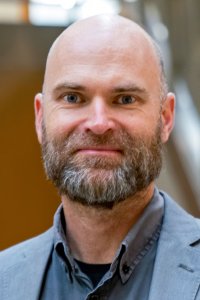
Martin Mayer serves as Associate Professor at the University of Inland Norway within the Faculty of Applied Ecology, Agricultural Sciences and Biotechnology and the Department of Forestry and Outback Studies. Based at the Evenstad study location, his research focuses on large mammal ecology in human-dominated landscapes across Scandinavia and Europe. His primary research interests center on Wildlife Ecology and Large Mammal Conservation , with particular emphasis on human-wildlife conflict resolution, road ecology, and carnivore management. Mayer investigates how species like moose, deer, and beavers adapt to anthropogenic landscapes through habitat selection, movement patterns, and population dynamics. His work integrates cutting-edge methodologies including GPS telemetry, drone surveillance, and citizen science data to address conservation challenges in agricultural and urban settings. Analysis of Mayer's recent publications reveals strong trends in using roadkill data for population monitoring, examining spatial constraints on wildlife movement, and developing mitigation strategies for human-wildlife conflicts. His research increasingly incorporates cross-border European perspectives on wildlife management while maintaining a strong foundation in Scandinavian field ecology. Mayer actively contributes to the LARGE research group (ecology of large animals), which conducts field studies on ungulate behavior, predator-prey dynamics, and landscape-scale conservation planning in Norway's boreal ecosystems.
Mitchell P. Rosen, MD, HCLD is an Assistant Professor at the University of California San Francisco (UCSF) School of Medicine, Department of Reproductive Endocrinology & Infertility. He serves as Director of the Fertility Preservation Center at UCSF, focusing on helping patients maintain their reproductive options, particularly those facing cancer treatments. Dr. Rosen's educational background includes: 1998: M.D. from Saint Louis University 2002: Residency in Obstetrics and Gynecology from University of Texas Medical Branch, Galveston, TX 2005: Fellowship in Reproductive Endocrinology from University of California San Francisco, San Francisco, CA Dr. Rosen's primary research interests center around folliculogenesis, controlled ovarian stimulation, and fertility preservation for cancer patients. His work explores the relationship between ovarian reserve markers like antral follicle count and fertility outcomes, ethnic variations in reproductive physiology, and the impact of cancer treatments on reproductive capacity. He has made significant contributions to understanding how factors such as hormone levels, fertilization rates, and genetic variants influence assisted reproductive technology outcomes. His publication record demonstrates a consistent focus on reproductive endocrinology and infertility, with particular attention to ovarian function assessment, fertility preservation strategies, and ethnic differences in reproductive parameters. His research spans clinical investigations of ovarian stimulation protocols, analysis of factors affecting IVF success, and studies examining the intersection of oncology and reproductive medicine. Dr. Rosen has received several professional recognitions including: Honor Roll for Patient Care (1998, 2002) Ortho-McNeil Best Resident Teacher Award (2002) Best Resident Award (2002) Teaching Resident Award, UCSF School of Medicine (2006-08) As Director of the Fertility Preservation Center, Dr. Rosen leads efforts to improve access to fertility preservation services for cancer patients and has contributed to changing perspectives in this field. His work bridges clinical practice with research to enhance patient care and outcomes in reproductive medicine.

 grupp.webp)