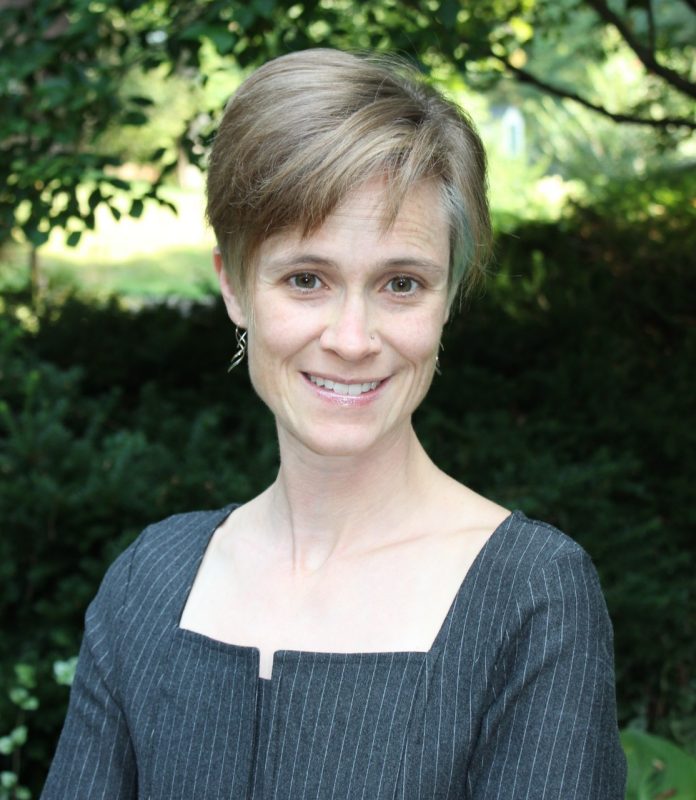
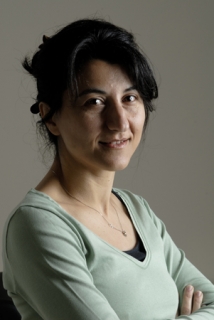
António Martins is an Affiliate Professor of Finance at the Lisbon School of Business and Economics, Catholic University of Portugal, holding a PhD in Economics from ISEG, an MSc in Finance, and a BSc in Economics from NOVA SBE. His academic credentials include: PhD in Economics, ISEG (Lisbon School of Economics and Management) MSc in Finance, NOVA SBE (Nova School of Business and Economics) BSc in Economics, NOVA SBE His research centers on International Economics, International Finance, Firm Performance, and Consumer Finance, with publications in the Journal of International Financial Markets, Institutions & Money and the Journal of Economics and Business, alongside co-authored book chapters and policy papers. Analysis of his recent publications reveals unexpected interdisciplinary breadth spanning women's health (menstrual physiology/disorders), classical antiquity, humanities, and public policy, indicating scholarly engagement far beyond core finance domains into medical, historical, and sociological fields. No public records detail graduate student advising or research grants. Professionally, he has five+ years as a Teaching Assistant at NOVA SBE/ISEG, plus non-academic roles as Private Consultant for the Portuguese Securities Market Commission and Policy Analyst for Fundação Francisco Manuel dos Santos.
Nessette Falu serves as Associate Professor and Associate Chair of Graduate Studies in the Department of African and African Diaspora Studies at the University of Texas at Austin's College of Liberal Arts. Her scholarship bridges clinical medicine and anthropological inquiry to confront systemic inequities in reproductive healthcare, particularly through the lens of Black queer experiences. Education PhD in Socio-Cultural Anthropology, Rice University Research Interests Dr. Falu specializes in medical anthropology, Black queer studies, and reproductive justice, examining intersections of anti-Blackness, heteronormativity, and medical power structures. Her work centers on gynecology, erotic autonomy, and structural violence, informed by 17 years of clinical practice as a Physician Assistant across neurosurgery, HIV care, and pain management. She investigates how marginalized communities navigate and resist medical oppression through embodied knowledge and collective action. Publication Trends Her 15 most recent publications (2015-2025) demonstrate sustained ethnographic engagement with Black queer reproductive justice in Brazil. Recurring themes include gynecological trauma, erotic resistance, and the politicization of Black queer bodies in medical spaces. Works like Unseen Flesh (2023-2025) and Vivência Negra (2019) reveal methodological consistency in centering lived experiences while exposing institutional violence, with increasing emphasis on design-based interventions for justice. Advising and Grants As Associate Chair of Graduate Studies, Dr. Falu oversees academic programs and mentors graduate students though specific advisees are not documented. Her clinical background informs pedagogical approaches in courses like AFR 386C (Black Queer Studies) and WGS F335 (Queer Reproductive Justice). No grant details appear in available sources. Laboratory She founded the Gxnecologx Justice Lab (December 2023), a Black feminist research-design collective that develops tangible interventions for medical justice through community collaboration, digital archives, and public installations focused on gynecological autonomy.
Professor Alexandra Tragaki is a faculty member at Harokopio University of Athens, serving in the Department of Geography, where she holds the rank of Professor of Economic Demography. Her office is located in the Geography Building (Office 2.2) at 70 El. Venizelou, Kallithea, Athens, Greece. Education: PhD in Economics (Specialisation in Economic Demography), Institut d’Études Politiques de Paris, 1997 DEA in Economic Demography, Institut d’Études Politiques de Paris, 1993 Degree in Mathematics, National and Kapodistrian University of Athens, 1992 Research Interests: Professor Tragaki’s research centres on the complex interactions between demographic dynamics, economic performance, environmental sustainability and social policy. She investigates how population ageing, migration and fertility shifts influence labour markets, social security systems and environmental vulnerability. Her work integrates advanced statistical and spatial analysis to inform evidence-based policy making, particularly within the European context. Across her extensive publication record, three dominant themes emerge: (1) mortality modelling and health transitions , often using sophisticated parametric distributions to forecast longevity and evaluate pandemic impacts; (2) fertility dynamics under economic stress , exploring how recessions, labour-market conditions and policy interventions shape reproductive behaviour; and (3) spatial demography and risk assessment , mapping population structures, coastal hazards and migration patterns across Greece and Europe. Scientific Awards: No specific awards are mentioned in the provided materials. Teaching & Program Development: Undergraduate courses: Statistical Analysis for Geographers, Population Geography and Demography, Population Economics and Policy Postgraduate courses: Applied Spatial Analysis, The Demographic Factor in Europe’s Economic and Social Policy, Migration Policy and Migration Flows She is involved in the interdepartmental MSc in Applied Geoinformatics and the MSc in Climate Crisis, Risks and Disasters. Laboratories & Research Teams: While no dedicated laboratory is explicitly named, her teaching and research activities within the Department of Geography suggest close collaboration with spatial analysis and geoinformatics teams at Harokopio University.
Mert Can BEKEN is a Lecturer at the School of Foreign Languages , Kafkas University, specializing in English Language and Literature. He holds a PhD (2024) and Master’s degree (2021, 2023) from Karadeniz Technical University and Kafkas University, respectively, and dual Bachelor’s degrees from the University of West Hungary (2015) and Atatürk University (2016). PhD: English Language and Literature, Karadeniz Technical University (2024) MSc: English Language and Literature, Kafkas University (2021, 2023) BA: English Language Teaching, University of West Hungary (2015) BA: Foreign Language Education, Atatürk University (2016) His research focuses on postcolonial literature , gender performativity , hybridity , and biopolitical critiques of dystopia . Recent publications analyze works by Zadie Smith, Virginia Woolf, and Margaret Atwood, exploring themes like identity formation, migration narratives, and feminist theory. His publications include studies on postcolonial nostalgia, hybrid cultures, and gender dynamics in literary texts. Notable collaborations include conference presentations at KTUDELL and research on Sam Selvon’s The Lonely Londoners and Woolf’s Orlando .
Richard Seraphinoff serves as Professor of Music specializing in horn and natural horn at Indiana University's Jacobs School of Music, teaching modern horn, natural horn, brass literature, and chamber music coaching. His academic credentials include: Bachelor of Music (B.M.) from Wayne State University (1982) Master of Music (M.M.) from Indiana University (1986) Seraphinoff's research integrates performance practice with instrument craftsmanship, focusing on Baroque and Classical natural horns. He actively bridges historical performance techniques with modern pedagogy through extensive writing and international workshops. His scholarly contributions appear in the Historic Brass Society Journal and The Horn Call , complemented by co-authoring the seminal Guide to the Solo Horn Repertoire . Notable honors include: 1984 Erwin Bodky Early Music Competition 1981 Heldenleven Horn Competition As an educator, he mentors through chamber music coaching and directs summer workshops on natural horn history and performance techniques. His instrument-making expertise drives specialized courses in early brass reproduction across Europe and the United States. Seraphinoff maintains significant artistic partnerships with leading period ensembles including Boston Early Music Festival Orchestra, Philharmonia Baroque Orchestra, and Indianapolis Baroque Orchestra, while leading his Cornucopia horn and string quartet.
Dr. Leigh-Anne Krometis is a Professor of Biological Systems Engineering at Virginia Tech, holding joint appointments in the College of Engineering and the College of Agriculture and Life Sciences. She serves as the Turner Faculty Fellow and leads the Krometis Research Group, which focuses on water quality, public health, and environmental engineering issues, particularly in rural and underserved communities. Dr. Krometis received her educational training at Virginia Tech and the University of North Carolina: Ph.D. in Environmental Sciences and Engineering, University of North Carolina, 2009 M.S. in Biological Systems Engineering, Virginia Tech, 2004 B.S. in Biological Systems Engineering, Virginia Tech, 2002 Dr. Krometis' research program addresses critical water quality and public health challenges, with a particular focus on rural communities in Appalachia. Her work examines the intersections of socioeconomics, demographics, infrastructure, and hydrology on patterns of human environmental exposures. The Krometis Group aims to identify environmental threats and engineer solutions to minimize exposure and risk, guided by Virginia Tech's "Ut Prosim" motto. Her research spans multiple domains including waterborne disease detection, stormwater management, PFAS contamination, antibiotic resistance monitoring, and water equity issues in underserved communities. Analysis of Dr. Krometis' recent publications reveals a strong focus on water quality challenges in rural Appalachia, with particular attention to private water supplies, PFAS contamination, and the health implications of inadequate water infrastructure. Her work increasingly integrates social determinants of health with environmental engineering solutions, examining how historical practices like redlining have impacted current water infrastructure disparities. Recent publications also highlight her growing expertise in wastewater-based disease surveillance and the effectiveness of point-of-use water treatment systems. Dr. Krometis has received numerous prestigious awards for her work: 2023: Virginia Tech College of Agriculture and Life Sciences Faculty Association Excellence in Service Ut Prosim Award 2022: University Council on Water Resources (UCOWR) Mid-Career Award for Applied Research 2021: Turner Faculty Fellow 2020: American Water Works Association (AWWA) Small Systems Publications Award 2019: American Society of Civil Engineering (ASCE) Wesley W Honor Paper Award 2017: American Society of Agricultural and Biological Engineers (ASABE) A.W. Farrall Young Educator Award Dr. Krometis has successfully mentored numerous graduate students through their degree programs, with recent graduates including Grant Bokmiller, Natalie Larsson, Kate Albi, Hannah Patton, and Kathleen Hohweiler. Her research has been supported by over $6 million in external funding from agencies including NSF, NIH, USDA, USGS, and various state and private foundations. Current major projects include characterizing PFAS in rural private water supplies, tracking antibiotic resistance in rural wastewater systems, and evaluating commercial point-of-use filter effectiveness. The Krometis Research Group operates as an interdisciplinary team that collaborates with colleagues across Virginia Tech and with external partners including the Virginia Household Water Quality Program, DigDeep, and the Southeast Rural Community Assistance Project. The group maintains multiple laboratory facilities for water quality analysis and regularly engages in field research throughout Central Appalachia, particularly in Southwest Virginia and West Virginia's coalfield regions.
Dr. Benedicte Brahic is a Senior Lecturer in Sociology at Manchester Metropolitan University, affiliated with the Migration and Interdisciplinary Global Studies (MIGS) group. Her research focuses on migration studies, gender and social justice, bilingualism, and higher education inequality. She collaborates with institutions like the University of KwaZulu Natal and the University of Stellenbosch on projects addressing educational disparities in South Africa and leads the Manchester Bilingual Cafe with the University of Manchester. PhD in Sociology MA Globalisation, Societies and Cultures BA (Hons) Political Science Her research examines intersectional barriers to higher education in post-apartheid South Africa, gender dynamics in bi-national European couples, and the impact of Brexit on French migrants. Recent work explores sustainable development goals (SDG 4, SDG 5), migrant precarity, and cultural identity in transnational contexts. Her publications highlight themes such as disjunctive globalization, migrant vulnerability under NRPF policies, bilingual community engagement, and gendered labor rights in East African agribusiness. Key trends include migration governance, cultural hybridity, and policy responses to inequality. Dr. Brahic supervises PhD students like Yasmin Hussain, who investigates globalization and student mobility. She serves as International Exchange Coordinator and co-convenes the MIGS research group, fostering interdisciplinary collaborations in migration and globalization studies. Based in Geoffrey Manton Building (Room 4.19), she teaches Globalisation, Media, Culture and Consumption (MA) and Global Society (UG). She offers office hours by appointment via email and is actively involved in postgraduate research supervision.
Daniela Iacoviello is an Associate Professor at Sapienza University of Rome, working in the Department of Computer, Control and Management Engineering (DIS). She has held teaching positions since 2002, including courses in Automatic Control for Clinical Engineering. Her career spans research roles at Georgia Tech's Broadband & Wireless Networking Laboratory and leadership in interdisciplinary research centers like CISB and CRAS. B.Sc. in Mathematics (1992), Sapienza University of Rome Postdoctoral studies in Identification and Optimal Control (2000-2001), DIS PhD in System Engineering (1998), DIS Her research focuses on optimal control applications in biomedical systems and epidemic modeling, with expertise in image analysis for materials science and signal processing for biological data. Her work combines theoretical control systems with real-world implementations in public health and materials diagnostics. Recent publications demonstrate trends in epidemic containment (HIV, arboviruses, SARS-CoV-2), nonlinear control systems for chemotherapy optimization, and computational imaging for material characterization. She explores cross-disciplinary applications from aerospace research to neurological disorders. She serves on editorial boards of journals like International Journal of Imaging and scientific committees of image analysis conferences. Her funded projects include ASI's SARFIRE and PRIN grants for neural network algorithms in biomedical imaging. Key laboratory affiliations: Center for Biomedical Models & Information Analysis (CISB) Sapienza Aerospace Research Center (CRAS) DIS research group in control theory
Steven Hicks is a Senior Research Scientist in the Holistic Systems department at Simula Metropolitan. His work focuses on applying artificial intelligence techniques to medical and multimedia applications, with particular emphasis on explainability and transparency in AI systems. Dr. Hicks' research spans multiple domains including medical imaging, particularly in gastrointestinal endoscopy and reproductive medicine. His primary interests include Deep Learning , Medical Multimedia , Explainable AI , and Computer Vision . His work has significant applications in polyp detection, sperm analysis, ECG interpretation, and medical image segmentation, contributing to advancements in diagnostic accuracy and clinical decision support systems. Analysis of Dr. Hicks' recent publications reveals a strong focus on medical applications of AI with emphasis on transparency and explainability. His work frequently addresses challenges in gastrointestinal endoscopy, reproductive medicine, and cardiology. A notable trend is his involvement in creating benchmark datasets like Kvasir-VQA and VISEM-Tracking, and organizing challenges through MediaEval and ImageCLEF to advance the field of medical AI and establish standardized evaluation frameworks. Dr. Hicks actively collaborates with medical professionals and researchers across multiple institutions, contributing to the development of practical AI solutions for real-world medical problems. His work bridges the gap between theoretical AI research and clinical applications, with significant contributions to both technical innovations and the creation of essential resources for the medical AI community.
Prisca Kremer-Rücker is a Professor at the Faculty of Agriculture, Food and Nutrition of the University of Applied Sciences Weihenstephan-Triesdorf (HSWT). Her research focuses on animal welfare, dairy cattle health, swine production, and inflammatory/necrotic lesions in livestock. Affiliation: University of Applied Sciences Weihenstephan-Triesdorf Roles: Animal Welfare Officer, Researcher Key research interests: Tail tip lesions in dairy cows and fattening cattle Hoof health and housing system transitions Swine health and piglet necrosis syndromes Metabolic disorders in dairy cattle Ultrasound and Fish Fatmeter accuracy in aquaculture Development of farm consultation protocols Collaborated on multiple peer-reviewed studies funded by Tönnies Forschung, with methodological work on thermography, histopathology, and cluster analysis of health indicators.
Patrick Rene Diel is an Associate Professor at the German Sport University Cologne, affiliated with the Institute for Circulatory Research and Sports Medicine and the Department of Molecular and Cellular Sports Medicine. He conducts cutting-edge research at the intersection of sports science, molecular physiology, and nutritional biochemistry. His research focuses on: Skeletal muscle physiology and adaptation Effects of phytoestrogens (e.g., genistein, ecdysterone) on health and performance Dietary supplements in competitive athletes Exercise interventions for postmenopausal women Metabolic responses to physical activity and nutrition His recent publications highlight trends in combining exercise with polyphenol-rich diets, CBD for muscle recovery, and the pharmacokinetics of plant-based compounds like ecdysterone from quinoa. His work often involves randomized controlled trials and collaboration with biochemists and sports physicians. Scientific Awards: DSHS Teaching Award (2nd Place, 2020) for Module SBG11 - Review He has advised several PhD students and early-career researchers, including Dennis Müller and Jonas Hengevoss. Diel leads multiple externally funded projects, including those from the DFG and industry partners, focusing on preventive health, metabolic flux modulation, and doping research. He is also active in public science communication, contributing to media discussions on hydration, extreme endurance, and dietary myths.
Tom Day is a Lecturer in the History of Art at The Courtauld Institute of Art, specializing in postwar film/media art and American avant-garde movements. Previously, he held Postdoctoral Fellowships at the Paul Mellon Centre for Studies in British Art (2019-2020) and the Terra Foundation for American Art (2020-2021). His research examines intersections of art, cinema, and politics with focus areas including: Television as artistic medium and political space New York Downtown scene (1970s-1990s) Queer representation in mass media Global Pop art cinema Urban spatial politics Day's publications demonstrate consistent focus on media politics, with recent works analyzing Warhol's cinematic legacy, protest art strategies, and television's role in shaping artistic discourse. Award recognition includes: Terra Foundation Postdoctoral Fellowship (2020-2021) Paul Mellon Centre Fellowship (2019-2020) Centre for the Art of the Americas Fellowship (2020-2021) He currently leads the MA Special Option 'Drop Dead New York: Art, Film and Activism Downtown, 1971-1992' and served as Temporary Director of the Centre for American Art in 2022. His teaching encompasses undergraduate and public courses on video art, American avant-garde movements, and art-political intersections.
Dr. med. vet. Frank Becker is a researcher at the Research Institute for Farm Animal Biology (FBN) in Dummerstorf, Germany, where he is affiliated with the Cell Physiology and Reproduction Group. His work focuses on reproductive biology in cattle and horses, integrating physiology, molecular biology, and biotechnology to improve fertility and breeding practices. His research interests include: Reproductive physiology in farm animals Estrus detection and ovulation control Embryo transfer and in vitro fertilization Sperm and oocyte quality assessment Metabolic influences on fertility Molecular mechanisms of ovarian and testicular function His recent publications highlight advancements in estrus monitoring through vocalization analysis, the impact of heat stress on bull fertility, transcriptomic studies in mastitis recovery, and metabolic profiling in dairy cows. These works reflect a strong trend toward precision livestock farming, integrating molecular tools with behavioral and physiological monitoring. While no specific scientific awards are mentioned in the provided texts, his extensive publication record in high-impact journals demonstrates significant contributions to veterinary and reproductive sciences. Dr. Becker has collaborated extensively with researchers such as W. Kanitz, D. Becker (possibly a co-author with similar name), Jens Vanselow, Klaus Wimmers, and others, indicating active participation in national and international research networks. He has contributed to projects involving embryo cloning, superovulation, and metabolic monitoring in dairy herds. He is involved in developing practical biotechnologies for livestock reproduction, including timed insemination, ovum pick-up, and embryo production systems. His lab focuses on translating basic research into field-applicable tools for improving reproductive efficiency in cattle and horses.
Ulf Bondesson is a Visiting Professor in the Department of Medicinal Chemistry, Analytical Pharmaceutical Chemistry at Uppsala University. His work focuses on pharmacology, veterinary medicine, drug metabolism, and doping control, employing advanced analytical techniques like mass spectrometry and liquid chromatography. Key collaborations: Mikael Hedeland, Curt Pettersson, Heather K. Knych Research areas: Equine drug metabolism, SARM detection, arginine pathway in cardiovascular disease His recent publications analyze metabolite profiling of selective androgen receptor modulators (SARMs) in horses, pharmacokinetics of antibiotics in swine, and arginine-related biomarkers in preeclampsia. Studies often integrate high-resolution mass spectrometry , multivariate data analysis , and comparative in vitro/in vivo models . Notable trends include: improved doping control protocols , cross-species metabolite prediction , and pharmacokinetic modeling in veterinary contexts . Techniques like Cunninghamella elegans biotransformation and TEMPO derivatization are recurrent themes.
Dr. Helen Hull is a Senior Lecturer and Programme Lead (Pharmacy Education) at the School of Medicine, Pharmacy and Biomedical Sciences, University of Portsmouth. She serves as Course Leader for the MPharm degree programme and Athena Swan Champion for equality, diversity, and inclusion in STEMM fields. Her career spans academic leadership, pharmacy practice, and educational research. University of Portsmouth (1993–present) Pharmacy Manager, Boots the Chemists (1993–1999) Teacher-Practitioner, LloydsPharmacy (1999–2001) Her research centers on pharmacy education and student learning experiences, with key projects including: Peer Assisted Learning (PAL) implementation Evaluation of student study habits and academic support Contraceptive awareness among university students Analysis of community pharmacy medication returns Continuing Professional Development (CPD) for pharmacists Research trends from 2003–2018 demonstrate sustained focus on pharmacy education systems, student transition to higher education, and reproductive health awareness. Her work combines quantitative surveys with qualitative assessments of peer learning dynamics. Notable contributions: Development of PAL leader training frameworks Renewal of Athena Swan Bronze award (2022) Advocacy for inclusive pharmacy education practices