Kelly Arnold is an Associate Professor in the Department of Biomedical Engineering at the University of Michigan. Her research integrates systems engineering principles with immunology to investigate variability in immune responses across infection, vaccination, and injury, with a focus on computational modeling and clinical translation. Research Focus Systems-level immune response modeling Vaccination and antibody functionality Vaginal microbiome-host interactions Chronic lung disease progression Computational serology and proteomics Recent Work Her 2025 studies examine SARS-CoV-2 vaccination responses in cancer patients and computational frameworks for vaginal probiotics. Earlier works (2024-2007) span COPD progression, lupus fibrosis, HIV susceptibility, and tissue engineering for fertility preservation. Methodologies include proteomic profiling, network modeling, and microfluidic systems.
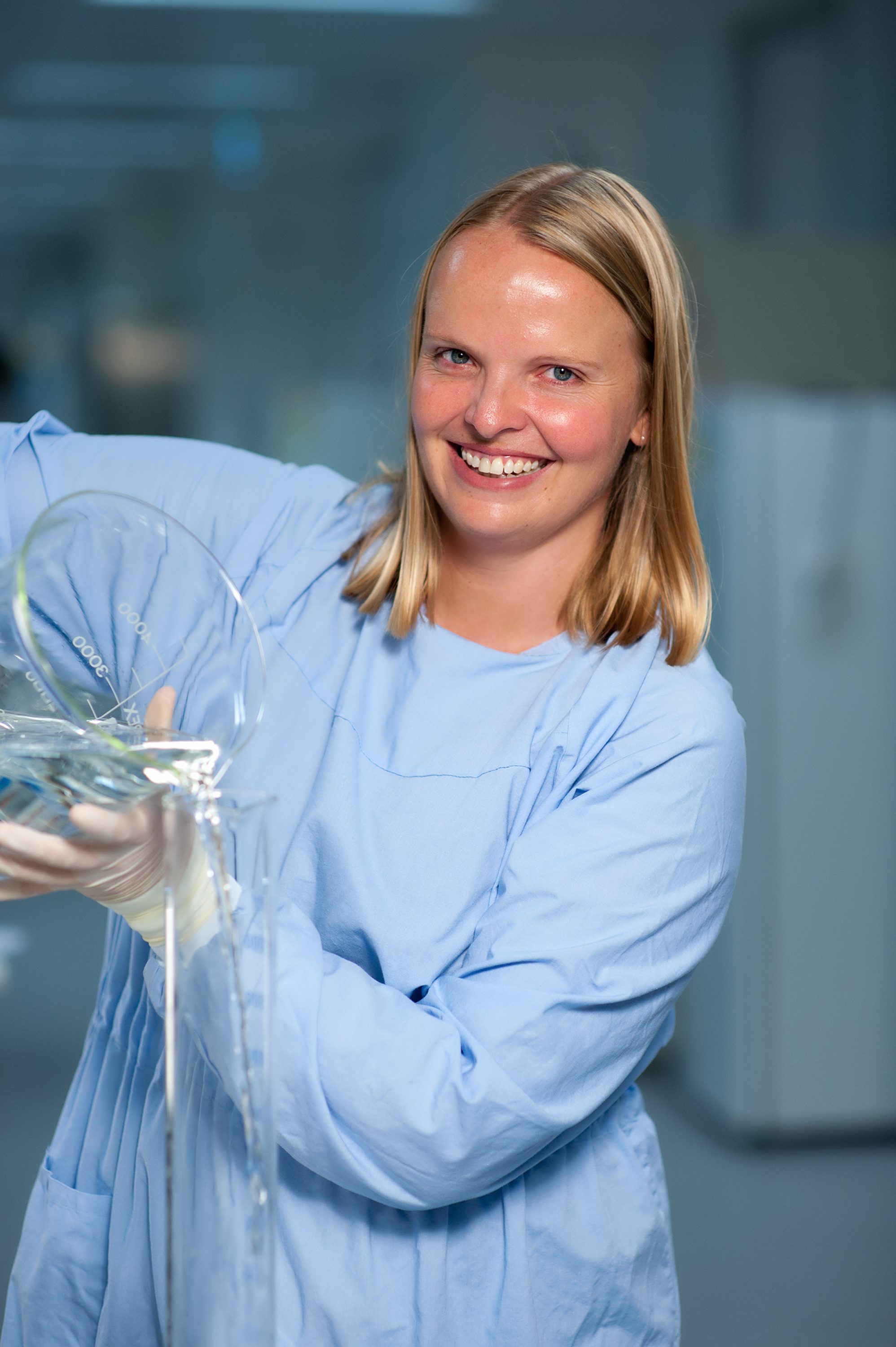
Dr. Susan Hua is an Associate Professor at the University of Newcastle's School of Biomedical Sciences and Pharmacy, specializing in translational nanopharmaceutics and therapeutic targeting. She established the first translational nanopharmaceutics laboratory in the Hunter region, focusing on drug delivery systems for gastrointestinal, musculoskeletal, and reproductive pathologies. Education: Bachelor of Pharmacy with Honours, University of Queensland (UQ) PhD in Neuroscience and Nanotechnology, UQ Research Interests: Her work centers on using nanotechnology to create targeted drug delivery systems for diseases such as chronic pain, inflammatory conditions, and obstetric complications. Key focuses include oxytocin receptor-targeted liposomes for uterine therapies and localized drug delivery to bypass biological barriers. Awards & Recognition: 2020 DVC(A) Educator Innovation Award 2017 NSW Premier's Early Career Researcher of the Year 2015 HMRI Early Career Researcher of the Year Grants & Collaborations: A/Prof Hua has secured over $5.5M in grants, including NHMRC and ARC funding. She collaborates with institutions like HMRI, John Hunter Hospital, and global teams on projects like nanoparticle-based treatments for preterm labor and uterine hemorrhage. Teaching & Leadership: She coordinates pharmacy programs, emphasizing clinical application and innovation. Her courses include Pharmacotherapeutics and Pharmacy Practice, with awards for teaching excellence (2020, 2011). Labs & Programs: Head of Therapeutic Targeting Program, University of Newcastle Director, Translational Pharmaceutics & Medical Technologies Theme (HMRI)
Dr. Laila Ingrid Muderspach is a Clinical Professor of Obstetrics & Gynecology at the University of Southern California (USC) on a part-time basis. She specializes in the diagnosis and treatment of gynecologic malignancies, emphasizing patient-centered care that addresses physical, emotional, and socioeconomic needs. Her clinical expertise spans surgical and medical interventions for cancers of the female reproductive system, with a focus on improving outcomes through advanced techniques like Enhanced Recovery After Surgery (ERAS) pathways and sentinel lymph node biopsies. Dr. Muderspach’s research spans epidemiological trends in gynecologic cancers, including adolescent and young adult (AYA) populations, and the optimization of surgical and chemotherapy protocols. She has contributed to pivotal studies on endometrial and cervical cancer staging, palliative care utilization, and the management of complications in vulvar cancer surgery. Her work also addresses healthcare disparities, such as accessibility to obstetric care and adherence to cancer treatment in underserved communities. Education: Medical degree from an unspecified institution, with training at USC and UCLA. Awards: Over 30 awards including Best Doctors recognition (2009–2014), National Faculty Award (2007), and multiple teaching accolades. Labs/Teams: Active in multidisciplinary gynecologic oncology teams at LAC+USC Medical Center, focusing on surgical innovation and patient safety. Her publications (over 150 listed) reflect a commitment to translational research, including clinical trials for novel therapies like eribulin for cervical cancer and investigations into HPV vaccine impact on cervical lesions.
Adam C Stein is an Associate Professor in the Department of Medicine at Northwestern University's Feinberg School of Medicine, specializing in gastrointestinal disorders of the small bowel. He provides clinical care at Northwestern Memorial Hospital and Ann & Robert H. Lurie Children's Hospital of Chicago, with expertise in Crohn's disease, celiac disease, intestinal failure, and malnutrition management. Education: MD from University of Illinois, Chicago (2007) Residency in Internal Medicine at University of Chicago (2010) Fellowship in Gastroenterology at University of Chicago (2013) Fellowship in Nutrition at University of Chicago (2014) Dr. Stein's research focuses on small bowel pathologies including obscure gastrointestinal bleeding, cystic fibrosis-related GI complications, and advanced endoscopic techniques like video capsule endoscopy and double balloon enteroscopy. His clinical work emphasizes nutritional support through parenteral nutrition and tube feeding for complex malabsorption syndromes. Recent publications (2022-2024) demonstrate concentrated research on gastrointestinal manifestations in rare diseases (nephropathic cystinosis) and cystic fibrosis, with particular attention to nutritional management barriers and drug safety profiles in inflammatory bowel disease therapies. No scientific awards are listed in the current profile. Information regarding student advising and research grants is not specified in available materials, though Dr. Stein maintains active industry collaborations through consulting roles with AbbVie, Amgen, and Takeda Pharmaceuticals. As a member of the Division of Gastroenterology and Hepatology, Dr. Stein collaborates with multidisciplinary teams across Northwestern Medicine's academic hospitals, contributing to clinical committees including the ACG Training Committee (2017-2023) and editorial boards such as Current Gastroenterology Reports (2019-2023).
Kelsey Swingle is an Assistant Professor of Bioengineering at Rice University, where she leads the Swingle Lab at the intersection of biomaterials science, immune engineering, and reproductive biology. Her research focuses on engineering therapeutic and vaccine technologies with translational potential. Ph.D. in Bioengineering from the University of Pennsylvania B.S.E. in Biomedical Engineering from Case Western Reserve University Dr. Swingle’s research explores the design of lipid nanoparticles (LNPs) and nucleic acid therapeutics for women’s health applications, including pre-eclampsia, preterm birth, and gynecologic cancers. Her work integrates bioengineering principles with immune modulation strategies to develop targeted therapies. The trends in her publications highlight advancements in LNP elasticity optimization for placental mRNA delivery, targeted systemic RNA delivery to the brain, and in utero gene editing applications. Her lab prioritizes interdisciplinary approaches to overcome biological barriers in women’s health. 2025 Solomon R. Pollack Award for Excellence in Graduate Bioengineering Research 2024 Muriel Joan Drew Hege Award for Women in Cellular Immunotherapy Research 2024 Penn Engineering Outstanding Teaching Award 2023 Gordon Research Conference Travel Award 2022 Society for Biomaterials STAR Award 2020 NSF Graduate Research Fellowship The Swingle Lab collaborates with the Texas Medical Center to develop precision nanomedicines. Her team employs in vitro, ex vivo, and in vivo models to study biomaterial interactions with female-specific tissues, emphasizing translational research and inclusive scientific communication.
Dr Farhad Masoomi-Aladizgeh is a Research Fellow in the School of Life and Environmental Sciences at the University of Sydney. His work focuses on understanding how environmental stresses like heat and drought impact crop fertility, particularly in cereal crops. He holds a BSc, MSc, and PhD in Plant Biology. His research emphasizes male reproductive systems in plants and seeks to identify molecular mechanisms underlying abiotic stress susceptibility to enhance climate resilience in crops. Education includes advanced training in plant sciences, with a focus on molecular biology and stress physiology. Current research projects explore transcriptome responses to stress, stress tolerance gene identification in crop relatives, and ABA-mediated stress protection in rice. His publications span plant proteomics, stress physiology, and molecular protocols, with a strong emphasis on drought and heat tolerance mechanisms. Notable work includes developing universal nucleic acid isolation protocols and analyzing stress responses in rice and cotton. No scientific awards are listed, but his contributions to crop resilience research are significant. He advises no current students but collaborates on interdisciplinary projects involving genomic and proteomic approaches to agricultural challenges. Research is centered at the University of Sydney with potential collaborations in plant science labs focused on environmental stress mitigation strategies.
Gregory Michael Peck is an Associate Professor and Director of Undergraduate Studies for the Plant Sciences Major at Cornell University's School of Integrative Plant Science, Horticulture Section. His research focuses on sustainable tree-fruit production, particularly in organic apple systems , cider apple germplasm evaluation , and crop-load management through pollen tube growth modeling . Award-winning educator (2021 Cornell Teaching, Advising & Mentoring Award) 2018 Grower Advocate of the Year (American Cider Association) Active in outreach through field days, extension publications, and social media Peck's work spans tree-fruit physiology , soil health , and mechanization of orchard practices . He co-teaches Cornell's popular cider appreciation course with microbiologist Kathy Arnink, combining apple production science with fermentation expertise. His research explores phenolic development , nitrogen management , and yeast interactions in cider production systems. Recent publications highlight collaborations in rootstock effects , compost applications , and fermentation chemistry . Peck's career has included work in California, Washington, New York, and Virginia, with training spanning horticulture, plant physiology, soil science, and agricultural economics.
Yan Liu is a Senior Lecturer in Glycosciences at Imperial College's Department of Metabolism, Digestion and Reproduction (Faculty of Medicine). She leads the Wellcome Trust-funded Carbohydrate Microarray Facility and co-leads the GlycoTWINNG Network. Her research focuses on glycan-mediated interactions in host-microbiota interfaces, with applications in infectious diseases and reproductive health. She holds a B.Sc. from Peking University and a Ph.D. from the University of Bristol, followed by postdoctoral work at Imperial College under Professor Ten Feizi FRS. Her academic journey includes roles as a Microarray Project Leader and co-investigator in the March of Dimes European Preterm Birth Research Centre. She is PI of a £1.34M Wellcome Trust grant maintaining Imperial's Carbohydrate Microarray Facility, advancing glycan array technologies. Research interests span microbiology, immunology, and biomolecular chemistry, with a focus on glycobiology. Key contributions include defining glycan interactions in pathogen-host systems (e.g., Candida albicans, adenoviruses), developing glycan probes, and analyzing vaginal microbiota impacts on preterm birth. Grants and collaborations include EPSRC Translational funding and the UK 'FluTrialMAP' consortium. Labs affiliations include the Glycosciences Laboratory and Imperial's Institute of Infection.
Dr. Alessandro D. Santin is a Professor at the Yale School of Medicine within the Department of Obstetrics, Gynecology & Reproductive Sciences . He serves as Clinical Research Team Leader for Gynecologic Oncology at the Yale Cancer Center and co-chief of the Section of Gynecologic Oncology. Graduated magna cum laude from the University of Brescia, Italy Completed fellowships at the University of California, Irvine and University of Arkansas for Medical Sciences Dr. Santin's research bridges tumor immunology and translational oncology, focusing on: Immunotherapy for chemotherapy-resistant gynecologic cancers Therapeutic HPV vaccines for genital tumors Monoclonal antibody development Angiogenesis and radiation biology His recent publications highlight advancements in: VEGF/VEGFR2 system targeting for ovarian cancer Personalized medicine approaches with biomarkers Microsatellite instability in endometrial cancer immunotherapy Antibody-drug conjugates for uterine serous carcinoma NAC supplementation in post-COVID gynecologic patients Scientific Awards: American Association young investigator award Italian Society of Gynecologic Oncologists award for translational science Dr. Santin's lab (Laboratory for Surgery, Obstetrics & Gynecology) at Yale collaborates extensively, with 50+ postdoctoral fellows mentored. Current grants include NIH funding for Clostridium Perfringens Enterotoxin as a novel ovarian cancer therapy and leadership in multiple Gynecologic Oncology Group trials.
Dr. Candemir ÖZCAN is an Assistant Professor at the Department of Clinical Sciences, Faculty of Veterinary Medicine, Kastamonu University. His academic career spans veterinary surgery, clinical diagnostics, and comparative medicine. Adnan Menderes University (BSc, Veterinary Medicine, 2013) Mehmet Akif Ersoy University (PhD, Veterinary Surgery, 2018) Burdur Mehmet Akif Ersoy University (PhD, Veterinary Surgery, 2022) Research focuses on veterinary ophthalmology, dental thermography, and hormonal impacts on clinical metrics. Key methodologies include thermal imaging, intraocular pressure analysis, and estradiol biomarkers. His 15 most recent publications highlight diagnostic imaging, anesthesiology, and periodontal disease dynamics. Scientific contributions include: 2022 Oral Presentation First Prize from Güven Plus Group A.Ş. 5 funded projects (2018-2025) addressing hoof diseases, neuro-ocular interactions, and imaging techniques Collaborations with researchers like Kürşad Yiğitarslan (13 co-publications) and Elif Doğan (5 co-publications)
Kimberly Shampain, MD is a Clinical Associate Professor of Radiology at the University of Michigan Medical School, serving as Division Director of Abdominal Radiology and Program Associate for the Diagnostic Radiology Selection Committee. Her educational background includes: MD, University of Florida College of Medicine (2012) BA, Williams College (2008) Dr. Shampain's research pioneers evidence-based abdominal imaging, with dual specialization in gynecologic/obstetric domains (endometriosis, pelvic pain, ovarian cancer) and liver imaging standards (LI-RADS). Her work bridges radiology with gynecologic oncology through tumor board leadership and ACR guideline development, emphasizing clinical translation and multidisciplinary collaboration to standardize diagnostic practices. Analysis of her 2023-2024 publications reveals consistent focus on diagnostic standardization: 50% address gynecologic imaging guidelines, 30% cover ovarian cancer applications, and 20% focus on LI-RADS liver protocols. This output demonstrates strong clinical relevance with immediate practice implications. As an educator and division leader, Dr. Shampain mentors radiology trainees through clinical supervision, tumor board participation, and residency program selection. Her active guideline development roles indicate robust professional engagement despite no explicit grant details in available materials.
Dr. Paul Reynolds is a Lecturer in the Cellular Medicine Division within the School of Medicine at the University of St Andrews. He is affiliated with the Sir James Mackenzie Institute for Early Diagnosis, Centre for Biophotonics, and Biomedical Sciences Research Complex. His research focuses on systems pathology and cancer, with particular emphasis on molecular changes driving disease processes. Dr. Reynolds' research interests span two primary areas: stromal factors in cancer resistance and factors in placental invasion. His work explores how the tumor microenvironment influences cancer progression and therapy resistance, with specific focus on a novel type I membrane protein expressed on stromal fibroblasts. He also investigates similar invasion mechanisms in placental development, examining how trophoblast cells interact with maternal immune cells during pregnancy. His research employs biochemistry, molecular biology, and cell biology approaches to understand disease mechanisms. His publication record shows strong focus on kidney disease mechanisms, particularly podocyte function in health and disease, as well as cancer resistance mechanisms in renal cell carcinoma. Recent work has utilized CRISPR/Cas9 screening approaches to identify factors modulating drug sensitivity. His research demonstrates interdisciplinary connections between cancer biology and reproductive biology through shared invasion mechanisms. Dr. Reynolds actively supervises postgraduate research students, with several thesis projects completed under his supervision. He serves as an external examiner for PhD students at the University of Dundee and holds editorial positions with journals including Frontiers in Physiology and Cancers. His work contributes to UN Sustainable Development Goals related to health and wellbeing, particularly through research on cancer diagnostics and treatment resistance. Dr. Reynolds maintains active research collaborations as evidenced by his extensive publication record and research projects funded by organizations including the Wellcome Trust.
Dr. Natalia Buza is a Professor of Pathology at Yale School of Medicine with a distinguished career specializing in gynecologic and breast pathology. She serves as Director of Women's Health Pathology and Director of both the Gynecologic Pathology and Women's Health Pathology Fellowship Programs at Yale. Dr. Buza earned her medical degree from the University of Pecs Med and Health Science Center in Hungary, followed by residency and fellowship training at Yale University, where she joined the faculty in 2010. Professor of Pathology, Yale School of Medicine Director, Pathology Center of Excellence for Women's Health, Anatomic Pathology Director, Gynecologic Pathology Fellowship Program Director, Women's Health Pathology Fellowship Program Secretary, International Society of Gynecological Pathologists (ISGyP) Dr. Buza's research focuses on gestational trophoblastic disease, ovarian neoplasms, and uterine cancers, with particular expertise in morphological and microscopic analysis of gynecological pathologies. Her work bridges diagnostic pathology with clinical applications, contributing significantly to precision medicine approaches in gynecologic oncology. She has authored over 160 publications, including review articles, book chapters, and a textbook on Intraoperative Frozen Section in Gynecologic Pathology. Her recent publications demonstrate a strong focus on molecular characterization of endometrial and ovarian cancers, HER2 testing methodologies, gestational trophoblastic disease diagnostics, and targeted therapies for gynecologic malignancies. Dr. Buza's work frequently incorporates advanced molecular techniques like STR genotyping and next-generation sequencing to improve diagnostic precision and treatment selection. The Averill A. Liebow Award for Excellence in the Teaching of Pathology Residents (2016) Dr. Buza serves as Section Editor for Archives of Pathology and Laboratory Medicine and Pathology and Oncology Research, and sits on the editorial boards of Modern Pathology, International Journal of Gynecological Pathology, and Human Pathology. She is a domain expert for the International Collaboration on Cancer Reporting datasets on Gestational Trophoblastic Tumors and Endometrial Cancer, and frequently serves as course faculty for major pathology organizations including ASCP and USCAP.
Andrew Godwin is a Professor at the University of Kansas Medical Center , where he serves as the Chancellor’s Distinguished Chair in Biomedical Sciences and Director of Molecular Oncology in the Department of Pathology and Laboratory Medicine. He is also the Deputy Director of the NCI-designated University of Kansas Cancer Center and the Founding Director of the Kansas Institute for Precision Medicine and Biospecimen Shared Resource . Dr. Godwin is a leader in translational research and precision medicine , with a focus on molecular oncology , biomarker discovery , and genomic diagnostics . His work bridges basic and clinical science to improve cancer patient care, particularly in ovarian cancer , Ewing sarcoma , and breast cancer . He has contributed over 230 ovarian cancer-related publications and pioneered studies linking the PI3K/AKT pathway to cancer treatment targets. His research program encompasses liquid biopsies using extracellular vesicles , molecular therapeutics , companion diagnostics , and clinical trial validation . He leads the Biomarker Discovery Laboratory and has secured over $250M in extramural funding , including a $11.4M NIH grant for precision medicine initiatives. His team has developed CELLSEARCH® , the first FDA-cleared test for circulating tumor cells. Notable awards include the Dolph C. Simons, Sr. Higuchi Award (2020), Outstanding Mentorship in Pathology Award (2024), and multiple mentoring accolades from KU. He has mentored over 150 trainees across career stages and leads a multidisciplinary lab with expertise in genomics , proteomics , and bioengineering . Academic Roles: Chancellor’s Distinguished Chair in Biomedical Sciences Director, Molecular Oncology, Pathology and Laboratory Medicine Deputy Director, KU Cancer Center Founding Director, Kansas Institute for Precision Medicine Adjunct Professor, Bioengineering Program, University of Kansas Scientific Awards: KUMC Achievement Award for mentoring postdocs (2014) Chancellor’s Club Award for Research (2018) Dolph C. Simons, Sr. Higuchi Award (2020) KU Excellence in Mentoring Award (2021) Outstanding Mentorship in Pathology (2024) Key Research Themes: Extracellular vesicles as liquid biopsy tools Molecular mechanisms of sarcoma and breast cancer Genomic diagnostics and precision oncology Clinical trial biomarker validation Biospecimen repository leadership
Professor Caroline Ford is a leading researcher at the University of New South Wales, serving within the School of Women's and Children's Health and the Adult Cancer Program at the Lowy Cancer Research Centre. She leads the Gynaecological Cancer Research Group (GCRG), which focuses on understanding the development, spread, and treatment of gynaecological cancers, with particular emphasis on ovarian and endometrial cancer. Established in 2010 after international postdoctoral fellowships at the University of Toronto and Lund University, her laboratory has maintained consistent competitive research funding for over 13 years. Her research spans Cancer Cell Biology with specific expertise in ovarian cancer, endometrial cancer, endometriosis, metastasis mechanisms, ascites biology, and cell-free DNA analysis. Major projects include developing an early detection test for ovarian cancer and identifying key targets for anti-metastatic therapies. The GCRG works closely with clinicians at the Royal Hospital for Women and conducts studies involving biospecimen collection from women with gynaecological cancers. Professor Ford has pioneered innovative in vitro organotypic models of ovarian and endometrial cancer for pre-clinical drug testing. Her publication record shows consistent focus on ROR1/ROR2 receptors, Wnt signaling pathways, and cell-free DNA applications in cancer diagnostics. Recent work has emphasized liquid biopsy techniques using ascites fluid, 3D cancer models, and computational approaches to predict treatment outcomes. She has published extensively on the molecular mechanisms of gynaecological cancers and their clinical applications. Superstar of STEM (2017) Women's Agenda Award for Female Leader in Science, Medicine & Health (2018) Professor Ford actively supervises PhD students including Kate Gunther and Bonnie Werner, and co-supervises Zoe Phan. She convenes UNSW's General Education course on Personalised Medicine and developed Australia's first MOOC on this subject. She serves as Chair of the ANZGOG Uterine Tumour Type Working Group and Research Chair of Cure Cancer Australia. Her community engagement includes founding the STEMMinist Book Club and leading the 'Ovaries. Talk About Them' campaign to raise awareness about ovarian cancer.