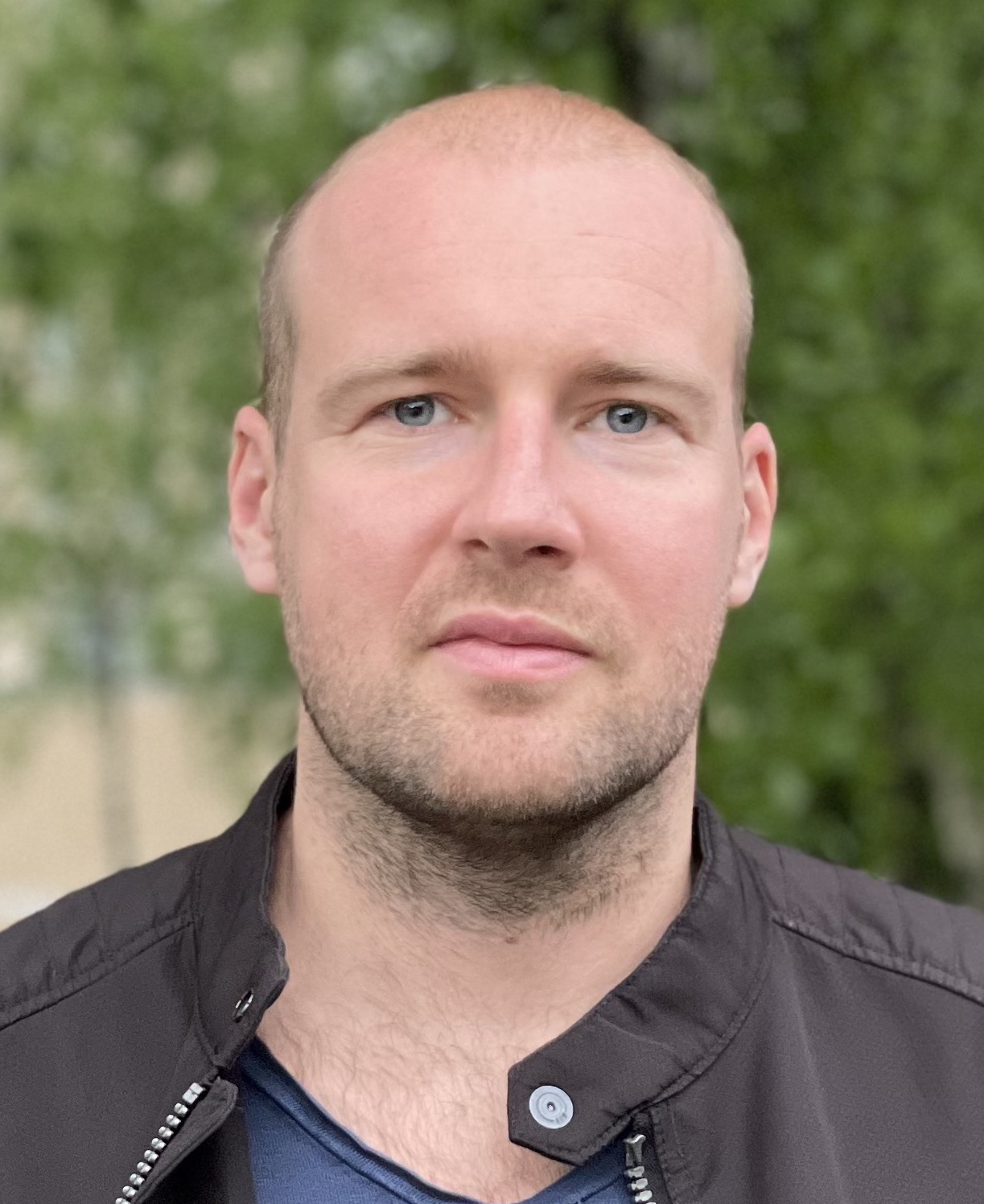
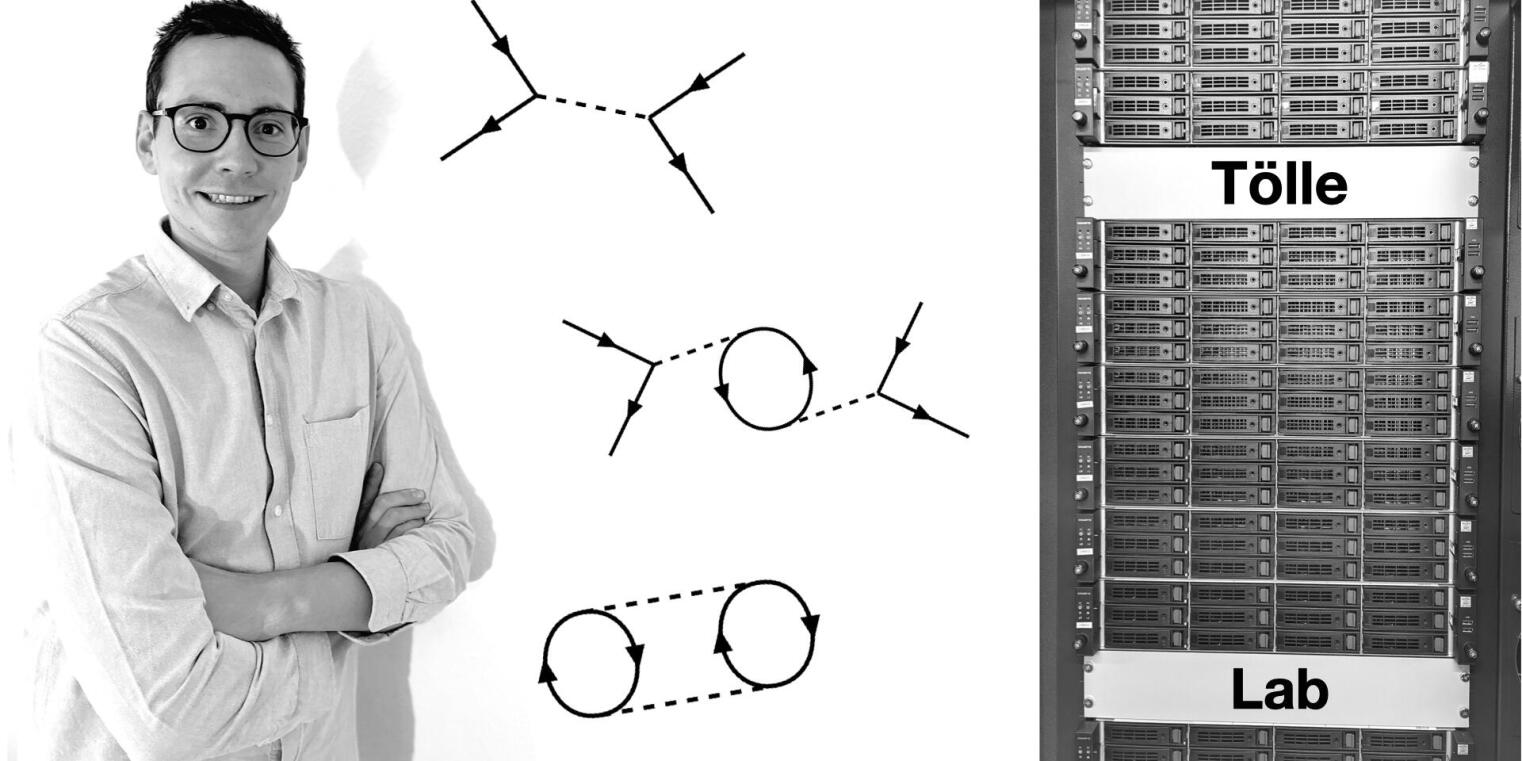
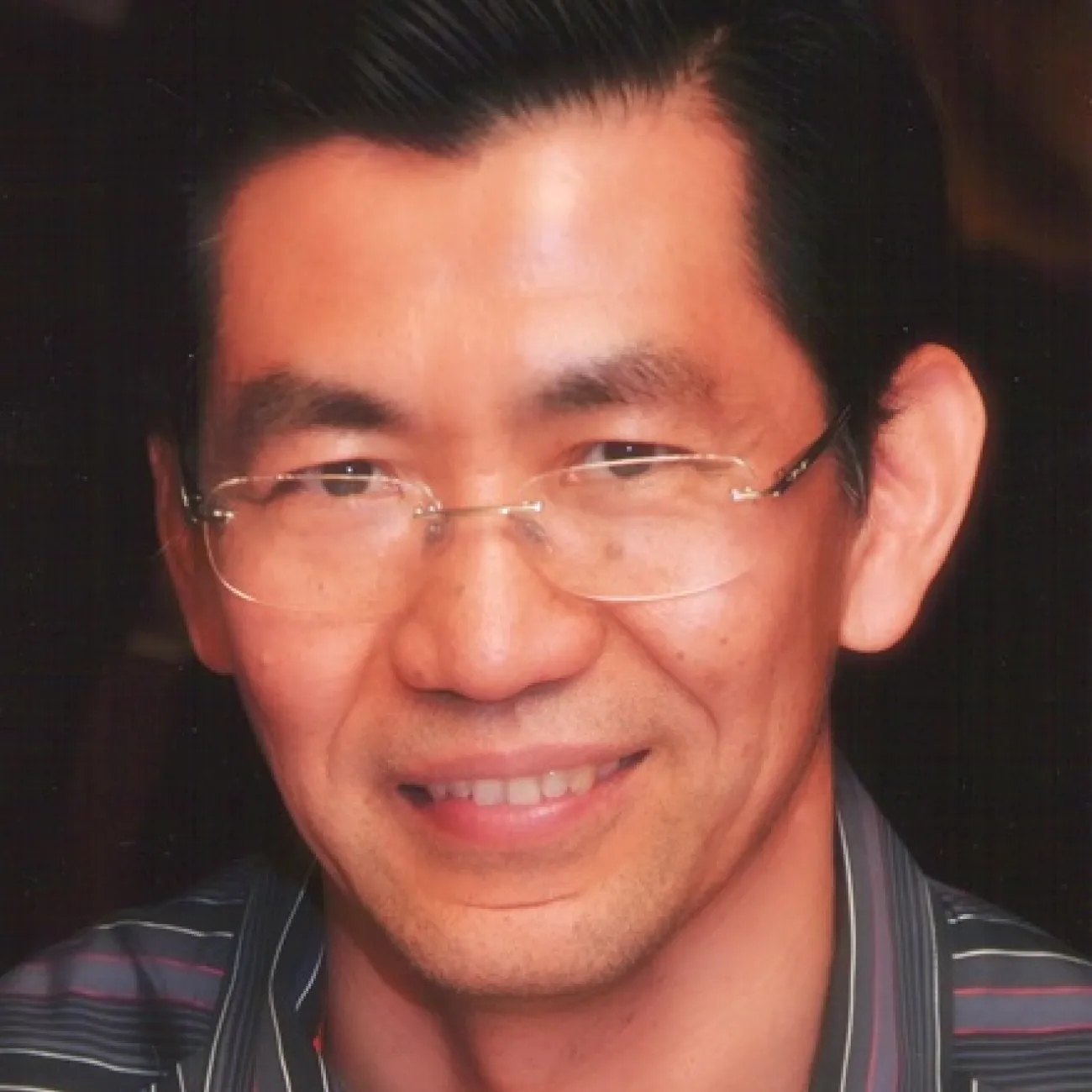
Stefan Weßel is a Professor of Theoretical Physics (Condensed Matter) at RWTH Aachen University, affiliated with the Department of Physics within the Faculty of Mathematics, Computer Science and Natural Sciences. He has been a faculty member since 2011 and is actively engaged in research and teaching in theoretical and computational condensed matter physics. Education: Ph.D., University of Southern California (1998–2001) Diplom, Ludwig-Maximilians-Universität München (1994–1998) Vordiplom, Technische Universität Dortmund (1991–1994) His research focuses on quantum magnetism, frustrated spin systems, quantum phase transitions, and topological aspects of condensed matter. He employs advanced computational techniques, particularly quantum Monte Carlo simulations, to study strongly correlated electron systems. His work often involves collaboration with international research groups and has appeared in leading journals such as Nature , Nature Communications , and Physical Review Letters . The recent publications reveal a strong trend toward understanding exotic quantum phases, including spin-nematic transitions, topological order, and magnetic analogues of classical phase transitions. His work spans both fundamental theoretical developments and applications to real quantum materials. He has made significant contributions to the understanding of the Shastry-Sutherland model, honeycomb lattice systems, and edge magnetism in nanoribbons. Scientific Awards: No specific awards were mentioned in the provided text. Stefan Weßel has supervised or collaborated with numerous researchers, though formal advisee names are not listed. He is involved in large collaborative projects such as the ALPS (Algorithms and Libraries for Physics Simulations) initiative, contributing to open-source software for strongly correlated systems. He teaches a range of courses including Theoretical Physics, Statistical Physics, and Computational Physics, indicating a strong commitment to education at both undergraduate and graduate levels. He leads a research group focused on computational quantum many-body physics, utilizing high-performance computing to simulate quantum materials. The group's work has implications for the design and understanding of novel quantum states in low-dimensional and frustrated magnetic systems.