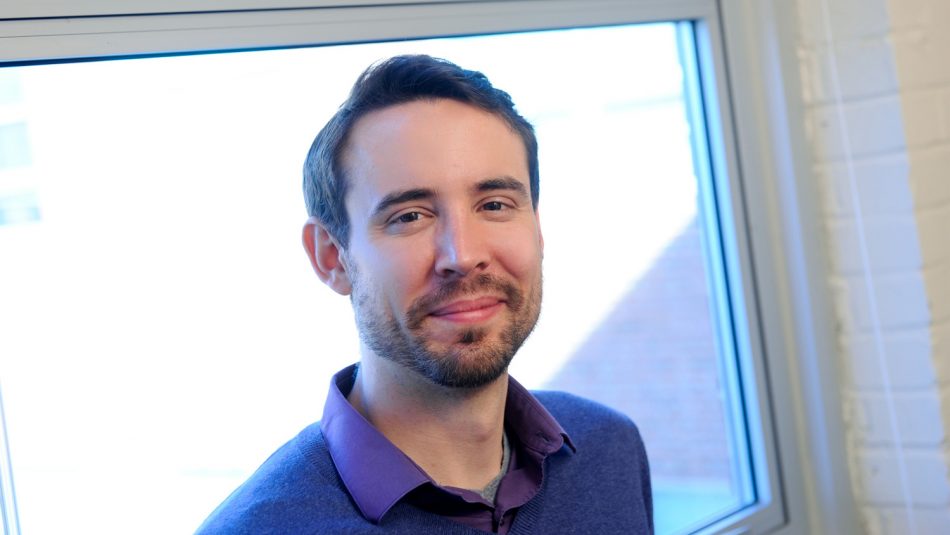
Zachary Brown is an Associate Professor in the Department of Agricultural and Resource Economics at North Carolina State University, affiliated with the Chancellor’s Faculty Excellence Program cluster in Genetic Engineering and Society. His work bridges economic theory with biological systems, emphasizing biotechnology's role in sustainable development and environmental policy. Academic Rank: Associate Professor University: North Carolina State University Department: Agricultural and Resource Economics Cluster: Genetic Engineering and Society Email: zsbrown2@ncsu.edu Research Interests: Brown specializes in economic modeling of biotechnology adoption, pesticide resistance management, and household behavior in environmental health contexts. His work spans agricultural economics, behavioral economics, and genetic engineering policy, with geographic focus on Africa and Southeast Asia. Scientific Contributions: His 15 most recent publications analyze topics including gene drives in agriculture, phosphorus management, Wolbachia-based dengue control, and cookstove adoption in Ghana. The articles demonstrate cross-disciplinary approaches combining computational economics, environmental science, and public health policy. 2009 Peccei Prize (IIASA) 2012 Outstanding Doctoral Dissertation Award (Agricultural & Applied Economics Association) Brown teaches and advises for the NSF-funded Ph.D. minor program in Genetic Engineering and Society, connecting technical innovation with socioeconomic implications.
Dr. Armen R. Kemanian is a Professor in the College of Agricultural Sciences at Pennsylvania State University, specializing in Agroecosystem Modeling and Environmental Biophysics . His research integrates soil carbon/nitrogen cycling , plant ecophysiology , and decision support tools across farm-to-landscape scales. Ph.D. in Biological Systems Engineering, Washington State University (2003) B.S. in Agronomy, Universidad de la República, Uruguay (1997) Research interests focus on agroecosystem resilience , climate change adaptation , and sustainable biomass production , with recent work on Cycles-L model development and nuclear winter agricultural impacts . He teaches Plant Ecology (HORT445), Environmental Biophysics (AEPS597), and Agroecosystem Modeling (Agronomy 597B). Recent publications address: 3D landscape-scale hydrologic-agroecosystem coupling Cover crop interseeding tradeoffs in maize systems Climate catastrophe adaptation strategies Soil moisture thresholds for plant stress His work bridges fundamental ecological research with applied agricultural policy through: Integrated assessment models Multidisciplinary team collaborations Development of decision support frameworks
Marshall Toplansky serves as an Associate Professor at Chapman University's George L. Argyros College of Business and Economics. Holding a Master of Business Administration from Harvard University and a Bachelor of Arts from SUNY Albany, he focuses on urban economics, policy analysis, and regional development. As co-author with Joel Kotkin on numerous reports and podcasts, his work examines California's economic trajectory, housing affordability, demographic shifts, and technological impacts on society. California's Middle Class Decline Urban Development Strategies Technological Disruption Analysis Regional Economic Policy His recent publications address topics ranging from the future of office real estate markets to critiques of green energy policies. The Feudal Future podcast series, co-hosted with Kotkin, explores contemporary issues including AI's societal implications, European political transformations, and the creator economy. Despite extensive publication output, specific student advisement details and formal awards remain undocumented in available sources.
Professor Prysor Williams is a faculty member at Bangor University, serving in the School of Environmental and Natural Sciences. He holds the academic rank of Professor in Agriculture and Environment and is actively involved in research, teaching, and policy advisory roles. His work bridges academic inquiry with practical farming, informed by his lifelong experience on an upland livestock farm. Research Interests: His research focuses on sustainable livestock systems, with emphasis on achieving Net Zero greenhouse gas emissions, managing organic resources like slurry and manure, understanding soil health, antibiotic resistance, and land use policy. He explores sustainable intensification and the provision of public goods through agriculture. His interdisciplinary work extends to the water-energy nexus, including energy efficiency in distilleries and leisure centres, and small-scale hydropower. Publication Trends: His recent articles reflect a strong focus on climate-smart agriculture, life cycle assessment, circular economy in food systems, and environmental monitoring. Key themes include carbon footprinting of livestock, nutrient management, heat recovery, and ecosystem services. His work often involves transdisciplinary collaboration and policy-relevant outcomes. Scientific Awards: 2023 External Award from the Welsh Farmers' Union for "services to agriculture" Advising and Grants: He supervises PhD and MRes students and has led multiple research projects funded by KESS, Hybu Cig Cymru, and EU Interreg programmes. Notable projects include Dŵr Uisce (water-energy nexus), Hydro-BPT (hydropower), and Land Use for Net Zero – Hub (LUNZ-Hub). He has served as Principal Investigator on numerous grants focusing on agricultural sustainability, carbon footprinting, and resource efficiency. Labs and Teams: He is a key member of the Global Farm Platform group and collaborates with the Centre for Ecology & Hydrology. His work involves close partnerships with Farming Connect, Hybu Cig Cymru, and the NFU Net Zero Scientific Advisory Panel, integrating research with industry and policy.
Douglas Hamilton is an Associate Professor in the Department of Biosystems and Agricultural Engineering at Oklahoma State University (OSU), where he has served since 2000. He is also an Extension Specialist for Waste Management with OSU Extension, a role he has held since 1995. His work bridges academic research and real-world application, focusing on environmental preservation in agricultural systems. His educational background includes a Ph.D. in Agricultural Engineering from The Pennsylvania State University (1992), an M.S. from Iowa State University (1985), and a B.S. from The University of Arkansas (1983). Dr. Hamilton's research interests are centered on organic waste treatment and nutrient recycling. He has conducted extensive applied research on anaerobic digestion, particularly the Anaerobic Sequencing Batch Reactor (ASBR) for low-solids liquids. He has also advanced knowledge in facultative lagoons, composting, and vermicomposting for solid waste. His work spans food wastes, poultry litter, and mortality composting, including developing systems for horse owners. His recent publications reflect a strong focus on improving ASBR efficiency, economic feasibility of biodigesters on swine operations, and practical extension tools for farmers. Themes across his work include sustainable energy (biogas), wastewater treatment, and innovative waste management technologies. Secretary of Agricultural Honor Award (2002) AEM First Place Student Branches Advisor (2016) Multiple Blue Ribbon Educational Aids Competition awards (2000, 2003, 2011, 2013) EMI First Place Student Branches Advisor (1999) Dr. Hamilton actively supervises graduate research and has developed specialized courses such as Comprehensive Nutrient Management Planning and Material Handling in Agricultural Waste Management. He has secured funding from USDA, Oklahoma Water Center, and Oklahoma Soybean Board. He collaborates with agencies like the California Department of Food and Agriculture and Virginia Tech on national waste management initiatives. He is also involved with the North American Manure Expo and professional societies including ASABE and North American Colleges and Teachers of Agriculture.
Annamari Laurén is a Professor in the Department of Forest Sciences at the University of Helsinki, leading the Doctoral Programme in Sustainable Use of Renewable Natural Resources. Her work focuses on peatland management, forest ecology, and climate policy intersections. She holds leadership roles in multiple research projects funded by foundations and governmental bodies, including the Maa- ja Metsätalousministeriö (Ministry of Agriculture and Forestry) and private foundations like Metsämiesten Säätiö. Her research emphasizes sustainable forest practices, carbon sequestration dynamics, and the balance between ecological conservation and productive land use. Notable projects include analyzing cutting-cycle productivity models for tree plantations and exploring biochar applications in forestry. She has supervised doctoral students like Annastina Saari and Ronja Rounas, advancing interdisciplinary research in boreal ecosystems. Laurén has been honored with the 2023 Suomen Metsäyhdistyksen hopeinen ansiomerkki (Silver Merit Award of the Finnish Forestry Association). Her recent media engagements include discussions on the climate impacts of peatland restoration and the role of forestry in meeting global warming targets. She actively participates in national/international committees, including climate policy roundtables and editorial roles for Silva Fennica.
Anna-Reetta Salonen is a Doctoral Researcher at the University of Helsinki's Doctoral Programme in Sustainable Use of Renewable Natural Resources . Her research intersects soil microbiology and environmental science, focusing on how agricultural practices affect soil carbon and nitrogen cycling. Key collaborations with Natural Resources Institute Finland and Environmental Soil Science Unit Active in projects related to carbon sequestration and soil management Research Focus includes: Soil microbial community dynamics Organic matter stabilization in boreal soils Agricultural impact on carbon/nitrogen cycles Climate change mitigation through soil management Recent Publications analyze: Fungal community responses to land use changes Long-term storage potential of soil organic carbon Elemental stoichiometry in deep agricultural soils
Dr. Michael P Popp is the Harold F. Ohlendorf Professor in the Department of Agricultural Economics and Agribusiness at the University of Arkansas. He teaches senior-level agribusiness and advanced farm management courses, with prior teaching roles in financial risk management and agricultural financial records. His career spans institutions in Canada (University of Manitoba) and the U.S., including promotions to Associate Professor (2001) and Full Professor (2006). Education: Ph.D., Agricultural and Resource Economics, Colorado State University (1995) MBA, Finance, University of Colorado (1991) Bachelor of Commerce, Management Information Systems, University of Manitoba (1990) Dr. Popp’s research focuses on farm and agribusiness management , emphasizing alternative production practices and their implications for economic returns, risk, and environmental sustainability . He has developed web-based decision support tools for soybean and switchgrass production, analyzing greenhouse gas emissions , water footprint , and precision agriculture technologies like tractor guidance systems. His work extends to biochar and hemp economics , integrating consumer behavior and policy analysis. Recent publications reveal a strong focus on soybean and corn production economics , forage systems , and renewable energy applications in agriculture. His decision support software addresses herbicide management, fertilizer optimization, and climate resilience. Articles also highlight cross-disciplinary work in agricultural education and consumer perceptions of genetically modified crops. Scientific Awards: Outstanding Teacher Recognition (University of Manitoba, 1998) Poster Awards (2001, 2011, 2016) Gamma Sigma Delta Research Award of Merit (2017) Agricultural and Resource Economics Review Fellow (2018) Dr. Popp has also explored livestock profitability , soil nutrient management , and remote sensing applications for conservation agriculture, with projects spanning Arkansas, Manitoba, and the Mid-Southern U.S. His methodologies include stochastic modeling , partial life cycle assessments , and neural networks for profitability analysis.
Mert Akın İnsel is an Assistant Professor in the Department of Chemical Engineering at Yıldız Technical University's Faculty of Chemical and Metallurgical Engineering. He graduated as the top student of his department and second in his faculty from the Department of Chemical Engineering at Yıldız Technical University. After completing his undergraduate studies, he continued with graduate and doctoral studies at Yıldız Technical University, successfully defending his Ph.D. dissertation in 2025 titled "Applications of Artificial Intelligence in Energy Production." His educational background includes: Doctorate (2021-2025): Yildiz Technical University, Graduate School of Natural and Applied Sciences, Department of Chemical Engineering Postgraduate (2018-2021): Yildiz Technical University, Graduate School of Natural and Applied Sciences, Department of Chemical Engineering Double Major Undergraduate (2015-2020): Yildiz Technical University, Faculty of Chemical and Metallurgical Engineering, Department of Mathematics Engineering Undergraduate (2014-2018): Yildiz Technical University, Faculty of Chemical and Metallurgical Engineering, Department of Chemical Engineering Dr. İnsel's research focuses on computer-aided modeling, simulation, and optimization in chemical engineering, with particular emphasis on enhancing process efficiency and accuracy through artificial intelligence, machine learning, and image processing techniques. His work spans multiple disciplines including energy systems, nanotechnology, biomedical applications, and waste management. He actively participates in multidisciplinary projects that integrate numerical methods to solve complex engineering problems. His research publications demonstrate a strong trend toward applying AI and machine learning techniques to solve problems across various domains including energy production, biomedical applications, and materials science. A significant portion of his work involves the development of novel computational approaches for energy systems optimization, drug delivery mechanisms, and waste-to-energy conversion processes. His interdisciplinary approach bridges chemical engineering with computer science, resulting in innovative solutions for complex engineering challenges. Dr. İnsel has received several academic awards, including: Academic Performance Award from Yıldız Technical University (2024) Academic Performance Award from Yıldız Technical University (2023) 1st Rank in Department of Chemical Engineering (Undergraduate) from Yıldız Technical University (2018) 2nd Rank in Faculty of Chemical Metallurgical Engineering (Undergraduate) from Yıldız Technical University (2018) He serves as Assistant Coordinator at Yıldız Technical University's Occupational Health and Safety Coordination Office and has held various managerial positions including Event and Administration Manager. Dr. İnsel is also involved in several research groups and projects, including Waste Biorefinery Technologies for Accelerating Sustainable Energy Processes (WIRE) through COST, Sabiotek at Yıldız Technical University, and Multidisciplinary Nanoscience Technology at Istanbul University-Cerrahpaşa. Dr. İnsel has been actively involved in multiple funded research projects through TUBITAK, focusing on areas such as optimization of heat exchangers, solar energy prediction, gasification processes, and quality control in food production. His work demonstrates a strong commitment to applying advanced computational techniques to solve practical engineering problems across diverse domains.
Chen Chen is a Professor at the Department of Animal Science, College of Agriculture & Natural Resources, Michigan State University. His laboratory focuses on the molecular mechanisms underlying mammalian spermatogenesis and infertility, with a particular emphasis on Tudor domain proteins and the Piwi-piRNA pathway. BS: China Agricultural University MS: Texas A&M University PhD: Washington University School of Medicine Postdoc: University of Toronto Research interests include germ cell biology, RNA regulation, genome stability, and epigenetics. His lab explores how genes and pathways influence germ/stem cell self-renewal, differentiation, and fertility, particularly through the function of Tudor domain proteins in gene silencing and cancer. Selected publications from 2024-2005 highlight his contributions to piRNA biogenesis, transposon silencing, sperm development, and structural biology of protein-RNA interactions. These works span molecular biology, genetics, and epigenetics, with recurring themes in reproductive biology and genome defense. Funding: NIH R01 HD084494 (Tudor domain proteins in germline genome defense), NIH R01 GM132490 (mitochondria-anchored protein complexes in piRNA biogenesis) Chen Chen is affiliated with multiple research programs including the Reproductive & Developmental Sciences Programs (RDSP), Cell and Molecular Biology Program, and Genetics and Genome Sciences Program. His lab is actively recruiting graduate students and postdocs.
Professor Stephen Nortcliff is a distinguished soil scientist at the University of Reading with extensive international research collaborations, particularly in water-stressed regions including Jordan, Greece, Tanzania, and Sudan. His work bridges fundamental soil science with practical applications for food security and sustainable resource management. His research interests center on soil fertility dynamics , water reuse systems , tropical soil management , and archaeological soil applications . Key themes include biosolids utilization, soil degradation prevention, and the development of sustainable agricultural practices in semi-arid environments. His work consistently integrates biogeochemical analysis with socioeconomic considerations, particularly in water-scarce contexts. Analysis of his publication trends reveals a strategic evolution from foundational soil studies toward integrated resource management solutions. Early work focused on soil chemistry and tropical systems, while his most impactful contributions address the water-soil-food nexus through interdisciplinary collaborations. His research demonstrates consistent emphasis on practical implementation, particularly in Middle Eastern and African contexts where resource constraints demand innovative approaches. Professor Nortcliff has significantly influenced European soil protection policy through contributions to EU frameworks and CEN standard development projects. His policy-oriented publications demonstrate expertise in translating scientific findings into actionable guidelines for sustainable land management. His international research portfolio includes substantial fieldwork in Jordan on wastewater reuse systems, Greek collaborations on biosolids applications, and Tanzanian ethnopedology studies. These projects typically involve multi-institutional teams and address both technical challenges and socioeconomic adoption barriers, reflecting his commitment to context-sensitive solutions.
Jens Buchgeister is a Scientific Staff Member and project manager at the Karlsruhe Institute of Technology's Institute for Technology Assessment and Systems Analysis (ITAS), where he leads research in the Research for Sustainable Energy Technologies group. With over two decades of experience since joining Forschungszentrum Karlsruhe (transferred to KIT Campus North in 2009), he maintains active roles in multiple professional organizations including the VDI Society Energy and Environment. His educational background includes a 1989 degree in communications engineering from the University of Applied Sciences of the Deutsche Bundespost in Dieburg and a 1996 chemical engineering degree from the University of Dortmund. He served as a research assistant at the University of Bremen from 1997-2000, working on comparative life cycle assessments of surface treatment processes. Buchgeister specializes in Life Cycle Assessment (LCA) methodologies, sustainable energy technologies, and environmental impact assessment. His research focuses on developing assessment tools for energy system transformations, battery technologies, and sustainability metrics. He has contributed significantly to VDI guidelines on systems engineering methodology and resource efficiency frameworks. His publication record through 2025 demonstrates consistent research output with particular emphasis on emerging battery technologies, energy system transformations, and sustainability assessment frameworks. His work frequently addresses methodological challenges in LCA implementation and explores interdisciplinary integration approaches for sustainability assessments. As co-head of the VDI Energy Scenarios Working Group since 2016 and lecturer at Pforzheim University since 2015, Buchgeister actively contributes to professional development and academic education in energy management and sustainability assessment. His research collaborations span multiple institutions including the German Aerospace Center (DLR), where he conducted research from 2017-2019. His work demonstrates strong engagement with practical applications of sustainability assessment in industrial contexts, energy system planning, and emerging technology evaluation, with particular attention to methodological rigor and interdisciplinary communication challenges in sustainability science.
Professor Ian Mabbett is a Chemistry Professor at Swansea University's School of Engineering and Applied Sciences and Deputy Pro Vice Chancellor for Research Culture. As Director of the Morgan Advanced Studies Institute (MASI) since 2024, he leads transdisciplinary research initiatives addressing global challenges. Key Affiliations: Deputy Pro Vice Chancellor for Research Culture Director, Morgan Advanced Studies Institute (MASI) Core member of SPECIFIC Innovation and Knowledge Centre Research Leadership: Principal investigator for SUNRISE network (2020 THE Award winner) Developed Swansea University's Chemistry departmental structure His research spans rapid radiative curing of industrial coatings , energy materials (photovoltaics, storage systems), and sanitation technology for developing nations. He pioneered applications of near-infrared processing in materials synthesis and corrosion protection. Recent publications focus on biochar applications in agriculture, plasmonic photocatalysts for pharmaceutical waste treatment, and hydrogen production from industrial off-gases. His work integrates materials chemistry with systems approaches to climate change . Scientific Recognition: FRSC (Fellow of Royal Society of Chemistry) FIMMM (Fellow of Institute of Materials, Minerals & Mining) Recipient of Queen’s Anniversary Prize with SPECIFIC team As an educator, he leads modules like CH-010 Reactions and Products and CH-414 Scientific Innovation & Entrepreneurship , emphasizing industry collaboration and responsible research practices . He supervises PhD/EngD projects on sustainable building materials , carbon capture , and renewable energy systems .
Haifan Lin, Ph.D., is the Eugene Higgins Professor of Cell Biology, and Professor of Genetics, Obstetrics, Gynecology & Reproductive Sciences, and Dermatology at Yale School of Medicine. He serves as the Director of the Yale Stem Cell Center, which he established in 2006 and has grown from just two labs to one of the largest stem cell research organizations globally with 100 member labs. Dr. Lin is also a Member of the US National Academy of Sciences (2018), American Academy of Arts and Sciences (2018), and US National Academy of Medicine (2024). Dr. Lin received his B.S. degree from Fudan University (1982) and his Ph.D. degree from Cornell University (1990). Following postdoctoral research at the Carnegie Institution of Washington, he joined Duke University Medical School in 1994, where he rose to Full Professor and founded the Duke Stem Cell Research Program (2005-2006). In 2014-2022, he served as Founding Dean (Adjunct) of the School of Life Science and Technology at ShanghaiTech University. Dr. Lin's research focuses on stem cell self-renewal mechanisms using various models including Drosophila germline stem cells, mouse germline stem cells, mouse embryonic stem cells, Hydra, and planarian stem cells. His work has significantly advanced our understanding of stem cell biology, particularly through his discovery of the Argonaute/Piwi gene family and PIWI-interacting RNAs (piRNAs), which was hailed by Science Magazine as one of the Ten Scientific Breakthroughs in 2006. His recent publications reveal the continuing expansion of his research into cancer biology, RNA regulation, and developmental mechanisms. His laboratory's work demonstrates consistent excellence across multiple disciplines, with publications spanning molecular mechanisms of stem cell regulation, cancer biology, RNA processing, and developmental genetics. The research shows a clear trajectory from fundamental stem cell biology toward translational applications in cancer and regenerative medicine. Jane Coffin Childs Fellowship for Medical Research (1990) David and Lucile Packard Fellowship for Science and Engineering (1996) NIH Director's Pioneer Award (2010) Ray Wu Award (2013) Member of US National Academy of Sciences (2018) Member of US National Academy of Medicine (2024) As an educator and scientific leader, Dr. Lin has mentored numerous students and postdocs while serving in prominent roles including President of the International Society for Stem Cell Research (2022-2023). He has established the Yale Stem Cell Center as a global leader in the field despite political challenges, and his laboratory continues to produce high-impact research at the intersection of stem cell biology, RNA mechanisms, and cancer.
Hien Bui is a Doctoral Researcher at the University of Helsinki's Faculty of Biological and Environmental Sciences, affiliated with the Molecular and Integrative Biosciences Research Programme. Working in the field of Biomedicine, Bui conducts cutting-edge research on stem cell metabolism and cell fate determination. Research interests focus on the metabolic regulation of stem cells, particularly examining how mitochondrial function, peroxisome dynamics, and metabolite signaling influence asymmetric cell division and cellular identity. Key areas include mitochondrial inheritance patterns, α-ketoglutarate metabolism, and the role of metabolic enzymes like glucose-6-phosphate dehydrogenase in stem cell renewal. Bui's publication record shows a strong trajectory in high-impact journals, with recent work appearing in Nature Communications and Nature Metabolism. The research demonstrates an evolving focus from early work on oocyte development to current investigations of metabolic determinants in epithelial and stem cell systems, revealing how metabolic processes fundamentally shape cellular identity and tissue organization. Bui actively participates in multiple research projects including the Centre of Excellence in Stem Cell Metabolism (MetaStem), HE ERC Geometric fate, and FateLevels. These projects involve collaborations with leading researchers like Pekka Katajisto and Ville Hietakangas, focusing on stem cell metabolism, geometric determinants of cell fate, and regulatory networks controlling cellular identity.