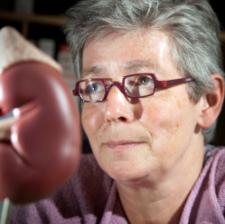
Christian Ramakers is a Researcher in the Department of Clinical Chemistry at Erasmus University Medical Center's Faculty of Medicine. His work bridges laboratory science and clinical practice, focusing on diagnostic innovation and patient-centered biomarker applications across colorectal cancer, infectious diseases, and kidney disorders. His research spans critical medical domains: Colorectal Cancer: Developing home-based monitoring through capillary carcinoembryonic antigen measurements and refining screening methodologies using occult blood tests. Infectious Diseases: Creating rapid mRNA-based diagnostics to differentiate bacterial/viral infections and predict mortality in emergency settings. Nephrology: Investigating dietary impacts (oxalate, potassium) on kidney function in renal disease patients. Endocrinology: Establishing sex-specific reference intervals for serum phosphate in population health. Analysis of his 2024-2025 publications reveals a consistent theme of translating biomarker research into practical clinical tools. Key trends include home-based cancer monitoring systems, emergency department infection diagnostics using host-response mRNA signatures, and precision dietary management for kidney disease. These studies emphasize patient convenience, diagnostic accuracy, and individualized treatment protocols. No scientific awards were documented in the provided materials. The available information does not specify students supervised by Dr. Ramakers or research grants secured. His collaborative work involves multidisciplinary teams across surgery, oncology, nephrology, and emergency medicine, though specific laboratory structures or team compositions remain unreported in the source text.
Dr. Esther Zaal serves as an Assistant Professor at Utrecht University's Faculty of Veterinary Medicine, Department of Biomolecular Health Sciences, specializing in Cell Biology, Metabolism & Cancer. Her research focuses on the intersection of cellular metabolism and disease mechanisms, particularly in cancer and immunological contexts. Her research interests center on cancer metabolism, with particular emphasis on metabolic reprogramming in malignancies such as multiple myeloma. Dr. Zaal investigates how metabolic pathways influence drug resistance mechanisms and tumor progression. Her work spans immunometabolism, examining how metabolic processes regulate immune cell function, particularly T cells and dendritic cells. She also explores metabolic vulnerabilities in cancer that could serve as therapeutic targets, with significant work on nucleotide synthesis, amino acid metabolism, and lipid metabolism in tumor cells. Analysis of Dr. Zaal's recent publications reveals a consistent focus on metabolic adaptations in disease states. Her work demonstrates how metabolic rewiring occurs in cancer cells to resist therapeutic interventions and how similar processes affect immune cell function in inflammatory conditions. The research shows particular strength in metabolomics approaches and stable isotope tracing techniques to map metabolic fluxes in various disease models. Dr. Zaal actively supervises research projects and collaborates extensively with the Berkers laboratory and other research groups at Utrecht University. Her work bridges basic metabolic research with potential clinical applications, particularly in developing strategies to overcome drug resistance in cancer treatment. She maintains laboratory facilities focused on metabolomics and cell biology research, utilizing patient-derived organoids, cell culture models, and advanced mass spectrometry techniques to investigate metabolic pathways in health and disease.
Prof. G. Dijkstra is a faculty member at the University of Groningen's Faculty of Medical Sciences, affiliated with the Nutrition Research in Medicine (NiM) department. His academic rank is Professor. He specializes in inflammatory bowel disease (IBD), Crohn's disease, and transplantation medicine. His research focuses on diet-nutrition interactions, biomarker discovery, and clinical outcomes in gastrointestinal disorders. He has been recognized with the Inspirator Prize (2024) from the Dutch Society 100%. Research interests include IBD pathophysiology, dietary impact on disease activity, and post-transplantation outcomes. Key collaborations include the Dutch Initiative on Crohn and Colitis (ICC) and the Groningen Institute for Organ Transplantation (GIOT). His work spans over 400 publications, emphasizing translational research and clinical applications. Recent studies explore biomarkers in pregnancy with IBD, dietary patterns predicting flares, and cellular signatures in intestinal grafts. He leads multidisciplinary teams addressing inflammation, oxidative stress, and surgical outcomes. Key articles from 2025 include diet-quality studies, Vedolizumab case reports, and risk stratification models for Crohn's recurrence. His work bridges basic science and clinical practice, with a focus on improving patient outcomes through personalized approaches.
Dr. Akin Ozyilmaz is a researcher affiliated with the University of Groningen's Faculty of Medical Sciences, specializing in nephrology and dialysis-related research. He holds a PhD and focuses on understanding vascular access management, cardiovascular complications in dialysis patients, and the role of biomarkers in chronic kidney disease progression. Primary affiliation: Department of Nephrology, University Medical Center Groningen (UMCG) Key research areas: Hemodialysis outcomes, coronary artery calcification, albuminuria screening, and clinical trials evaluating nocturnal/home dialysis modalities His work emphasizes translational research bridging clinical nephrology with cardiovascular health, particularly addressing vascular and metabolic challenges faced by dialysis patients. Recent studies investigate covered stents for vascular access salvage and the impact of polypharmacy on quality of life in dialysis populations. Key contributions include the DOMESTICO study evaluating nocturnal home dialysis benefits and biomarker assessments for muscle mass in dialysis patients. His research also explores parathyroidectomy timing optimization in hyperparathyroidism and vitamin C depletion effects in renal transplant recipients.
Nicole de Roos is a Researcher in Nutrition and Disease at Wageningen University & Research. She focuses on dietary interventions, particularly in gastrointestinal health, renal nutrition, and chronic disease management. Her work includes studies on atopic dermatitis, dialysis patients, and endometriosis. She co-supervised multiple PhD projects addressing gut health and inflammatory bowel disease. Key research interests include Irritable Bowel Syndrome, dietary fiber effects, and personalized nutrition. She received the James Lind Prijs 2021 for contributions to irritable bowel syndrome research. Notable collaborations include projects on anti-inflammatory diets and bioelectrical impedance analysis.
Gerjan Navis is a Professor in the Department of Internal Medicine at the University of Groningen's Faculty of Medical Sciences, and an internist-nephrologist at the UMCG. He holds the endowed Chair in Nutrition in Medicine, focusing on integrating lifestyle interventions into clinical practice. His research emphasizes cardiorenal damage prevention, lifestyle medicine, and public health approaches to chronic disease management. He leads a multidisciplinary group exploring disease-overriding prevention strategies and lifestyle medicine applications. Awards include the Royal Distinction as founder of lifestyle medicine. He chairs the Scientific Board of the Dutch Kidney Foundation and serves on the Dutch Health Council. His work includes developing platforms like ISCOMS, now a global medical student congress. Key research themes include kidney transplantation outcomes, hypertension management, and nutritional interventions in chronic kidney disease. Media engagements highlight his advocacy for addressing obesity and nutritional deficiencies in overweight patients.
Marco Boonstra is an Academic Teacher and Educational Coordinator in the Bachelor of Medicine program at the Faculty of Medical Sciences , University of Groningen. He holds roles in the Department of Social Medicine , focusing on education development in Healthy Ageing, Qualitative Research, Prevention, and Health Inequalities. He coordinates scientific education and oversees student research across bachelor, master, and post-master levels. His research emphasizes health literacy interventions for patients and healthcare professionals, particularly in chronic kidney disease contexts, and explores educational inequalities in medical education. Research interests include health disparities, patient self-management strategies, and improving access to healthcare for socio-economically disadvantaged groups. His work bridges clinical practice and education, aiming to enhance communication and patient outcomes. Collaborative projects with healthcare professionals and patients drive his intervention designs. Key contributions include studies on health literacy in chronic kidney disease and social insurance literacy analysis. He actively supervises student research and has authored/co-authored over ten peer-reviewed publications since 2019. His thesis (2024) details multi-component health literacy interventions. Professional networks include collaborations with institutions like the UMCG and international researchers. Contact: m.d.boonstra@umcg.nl .
Dr. Henk van den Broek is an Assistant Professor at the Faculty of Veterinary Medicine, Utrecht University , specializing in Veterinary Diagnostic Imaging and Chronic Kidney Disease (CKD) in cats . With a DVM (cum laude, 2013) and PhD (Royal Veterinary College, 2018) , he combines clinical practice, education, and research. His work focuses on calcium and bone disorders in feline CKD, diagnostic imaging (CT/MRI) , and thoracic/vertebral abnormalities in companion animals. Research Themes : Diagnostic Imaging, CKD Pathophysiology, Calcium Metabolism, Canine/Feline Spinal Disorders Dr. van den Broek’s recent 15 publications demonstrate expertise in CT/MRI applications for canine spinal disease , feline nephrocalcinosis , and nutritional interventions for CKD complications. His scientific awards include: Diplomate of the European College of Veterinary Diagnostic Imaging (ECVDI) Cum laude distinction for veterinary degree As a clinical scientist , he contributes to peer-reviewed journals (e.g., Journal of Veterinary Internal Medicine ), textbook chapters, and residency training in veterinary radiology. His work bridges comparative anatomy (e.g., harbor porpoise vertebral studies) and practical diagnostics (e.g., ultrasound for Cushing’s syndrome).
Dr. Louis Penning is an Associate Professor in the Department of Clinical Sciences, specializing in Internal Medicine of Companion Animals at Utrecht University's Faculty of Veterinary Medicine. He focuses on regenerative medicine, particularly using organoid technologies to address gastrointestinal and liver diseases in animals, with translational applications to human medicine. His work bridges molecular biology and clinical practice, emphasizing collaboration between researchers and clinicians to advance veterinary care. Education Background: Penning transitioned from human molecular biology research (immunology, endocrinology, cardiology) to veterinary medicine, capitalizing on the under-explored potential of molecular diagnostics and therapies in animals. Research Themes: Regenerative medicine, organoid development (e.g., liver, pancreatic, bile duct organoids), and copper metabolism disorders in dogs. Key projects include modeling canine liver diseases using organoids and exploring cell-based therapies for diabetes. Publications highlight advancements in organoid culture techniques, liver progenitor cell activation, and biomarker discovery for hepatic conditions. Awards include the 2010 NVH Science Retreat prize for innovative liver repair proposals. Labs/Teams: Leads projects in the Helpdesk Regenerative Medicine initiative, collaborating with clinicians and molecular biologists to ensure animal health remains central to research. Active in editorial roles for journals like BMC Veterinary Research and BMC Molecular Biology.
Ron de Bruin is an Associate Professor in the Surgery department at Erasmus Medical Center (Erasmus MC), part of Erasmus University Rotterdam. His research focuses on transplantation surgery, immunology, and surgical techniques, with particular expertise in kidney and intestinal transplantation, machine perfusion, and graft survival mechanisms. He leads a multidisciplinary team investigating innovations in organ preservation and post-transplant outcomes. Key research interests include the optimization of donor organ viability through normothermic machine perfusion, the impact of obesity on immune function post-bariatric surgery, and vascular interventions in renal transplantation. His work integrates clinical trials, cohort studies, and translational research to address challenges in surgical and transplant medicine. Recent publications highlight advancements in pediatric kidney transplantation meta-analyses, porcine kidney model studies, and nationwide cohort analyses of renal artery aneurysm treatments. Collaborations include the Dutch Kidney Transplant Study Group, emphasizing his role in national research networks. Dr. de Bruin has supervised 13 research projects, contributing to surgical education and training. His contributions are reflected in peer-reviewed journals and open-access publications, with a focus on evidence-based improvements in surgical and transplant practices.
Dr. Hendrikus Boersma is an Assistant Professor in the Faculty of Medical Sciences at the University of Groningen, affiliated with the University Medical Center Groningen (UMCG). He holds dual roles as a Clinical Pharmacist and Qualified Person (QP) in the Department of Nuclear Medicine and Molecular Imaging and the Department of Clinical Pharmacy and Pharmacology. He completed his PharmD at the University of Groningen and earned a PhD in Pharmacy from Maastricht University in 2006, focusing on annexin A5 pharmacology and cell death imaging. Education: PharmD, University of Groningen (1996) PhD in Pharmacy, Maastricht University (2006) Certified in Clinical Pharmacology (2003), re-certified 2008 and 2014 Research Interests: Dr. Boersma’s research focuses on interdisciplinary translational cardiovascular imaging, particularly in aging/diabetic patients and atherosclerosis. His work includes: Development of radiopharmaceuticals for molecular imaging Cell death imaging in cardiovascular disease and oncology Applications of PET and SPECT/CT in cardiovascular diagnostics He has pioneered studies on annexin-based imaging agents and collaborated internationally on atherosclerosis models and vaccine development. Publications & Grants: Over 115 publications in journals like European Journal of Nuclear Medicine and JAAD , with recent work on PET imaging techniques and SARS-CoV-2 vaccine trials. Active in research grants involving imaging technology and clinical trials. Teaching & Mentorship: Supervised 8+ PhD students and postdocs, including international collaborations with Yale and Karolinska Institute Coaches students in nuclear medicine and clinical pharmacy research Labs & Teams: Leads projects in the Cardiovascular Imaging Group Groningen and collaborates with the Radiopharmacy unit at UMCG, focusing on translational research and GMP-compliant radiopharmaceutical production.
David Severs is a Researcher in the Department of Internal Medicine at Erasmus University Rotterdam, specializing in clinical nephrology and transplantation medicine with a focus on metabolic and immunological aspects of kidney disease. His primary research interests include Chronic Kidney Disease progression, Renal Failure management, Hemodialysis optimization, Kidney Transplantation outcomes, Oxalic Acid metabolism in renal impairment, and Body Composition assessment in uremic patients. He investigates dietary influences on oxalate kinetics, pre-transplant predictors of graft survival, and advanced techniques for nutritional evaluation in chronic kidney disease. Recent publications (2024-2025) demonstrate consistent thematic focus on oxalic acid's role in kidney failure and transplantation, eculizumab dosing protocols for atypical hemolytic uremic syndrome, and validation of body composition measurement methods. These studies reflect translational research bridging laboratory findings with clinical practice to improve patient outcomes in nephrology and transplantation.
Dion Groothof is an active medical researcher specializing in nephrology, cardiology, and population health, with significant contributions to kidney transplantation, amyloidosis, and mortality risk prediction. His collaborative work spans multiple international institutions focusing on translational clinical research. His primary research domains include: Kidney Graft Survival and Transplantation Outcomes Wild-Type Transthyretin Amyloidosis Pathophysiology Mortality Risk Factors in Chronic Diseases Climate Change Impacts on Renal Health Population-Based Cohort Studies in Nephrology Metabolic Biomarkers in Kidney Disease Analysis of his 65+ research outputs reveals a strong translational focus connecting laboratory findings with clinical applications. Key trends show increasing emphasis on cardiac-renal interactions, novel imaging biomarkers for amyloidosis, and development of climate-adaptive clinical protocols. His work consistently addresses UN Sustainable Development Goals related to health equity and well-being through population-level interventions. Dr. Groothof maintains active collaborations across European research networks, evidenced by multi-country co-authorship patterns. His recent publications demonstrate leadership in developing interim clinical guidelines for emerging challenges like climate-related health risks, while advancing diagnostic precision in amyloidosis through nuclear medicine techniques.
Sovia Sovia Salamah is an Assistant Professor at the University of Groningen, specifically affiliated with the University Medical Center Groningen in the Department of Internal Medicine. Her research spans multiple domains of public health, with a particular focus on Indonesian healthcare systems and chronic disease management. She maintains strong collaborative ties with Indonesian researchers, especially Firas Alkaff, and has published extensively on topics related to the impact of the COVID-19 pandemic on healthcare delivery. University of Groningen, Netherlands University Medical Center Groningen Department of Internal Medicine Special focus on Indonesian healthcare research Dr. Salamah's research interests primarily center around public health challenges in Indonesia, particularly chronic disease management through programs like PROLANIS (Indonesian Chronic Disease Management Program). Her work extensively examines mental health impacts during the COVID-19 pandemic across various populations including healthcare workers, medical students, and non-hospitalized patients. She also conducts significant research in nephrology, particularly regarding hemodialysis patients and renal function in diabetes management. Her studies often employ epidemiological methods to assess health outcomes, quality of life measures, and program effectiveness in resource-limited settings. Analysis of Dr. Salamah's recent publications reveals a strong thematic focus on healthcare delivery during crises, particularly the COVID-19 pandemic in Indonesia. Her work spans clinical medicine, public health, and health systems research, with particular emphasis on vulnerable populations including hemodialysis patients, rural communities, and medical professionals. The methodological approaches range from cross-sectional studies to case reports and program evaluations, demonstrating versatility in research design. Key disciplinary areas represented include nephrology, mental health, infectious disease management, and chronic disease epidemiology. Dr. Salamah has received significant academic recognition for her work, with multiple publications garnering substantial citations and media attention. Her research on mental health among healthcare workers during the pandemic was particularly impactful, receiving over 20 citations and being referenced in policy documents. Several of her studies have been picked up by news outlets and have influenced public health discussions in Indonesia. While specific grant information isn't detailed in the available publications, Dr. Salamah's extensive collaborative network suggests involvement in multiple research initiatives. Her work with the TransplantLines Investigators and other international collaborations indicates participation in larger research consortia. She appears to be actively mentoring junior researchers, as evidenced by her role as senior author on multiple publications with Indonesian medical students and early-career researchers. Dr. Salamah's research appears to be conducted through collaborative networks spanning the Netherlands and Indonesia, with particular emphasis on primary care settings and university-affiliated hospitals in Indonesia. Her work often involves multi-center studies across Indonesian healthcare facilities, suggesting strong institutional partnerships with Indonesian medical schools and health authorities. The integration of Dutch and Indonesian research methodologies in her work represents a valuable cross-cultural approach to addressing global health challenges.
Prof. dr. Gert Moll is a Professor in the Department of Molecular Genetics at the University of Groningen's Faculty of Science and Engineering. His research focuses on peptide-based therapeutics, particularly in the areas of lantibiotics, angiotensin receptor modulation, and cancer biology. He leads studies on lanthipeptide engineering for drug development, including the stabilization of bioactive peptides against enzymatic degradation. Key contributions include the discovery of AT2 receptor agonists (e.g., LP2) with therapeutic potential in cardiovascular diseases and cancer prevention. Moll has been recognized with the Kiemprijs 2014 award for his innovative work. His lab explores mechanisms of peptide action in contexts such as pulmonary fibrosis, diabetes, and SARS-CoV-2 pathophysiology. Collaborations include drug delivery strategies (e.g., intranasal administration) and high-throughput enzymatic screening. He is affiliated with the Groningen Biomolecular Sciences and Biotechnology (GBB) research group and has published extensively in journals like European Journal of Pharmacology and Peptides . Research interests span biotechnology applications of antimicrobial peptides, receptor-ligand interactions in cardiovascular systems, and translational medicine for oncology. Recent work highlights include advancing understanding of apelin receptor therapeutics and galanin receptor 2's role in pancreatic cancer. Moll's interdisciplinary approach bridges molecular genetics, pharmacology, and clinical applications.