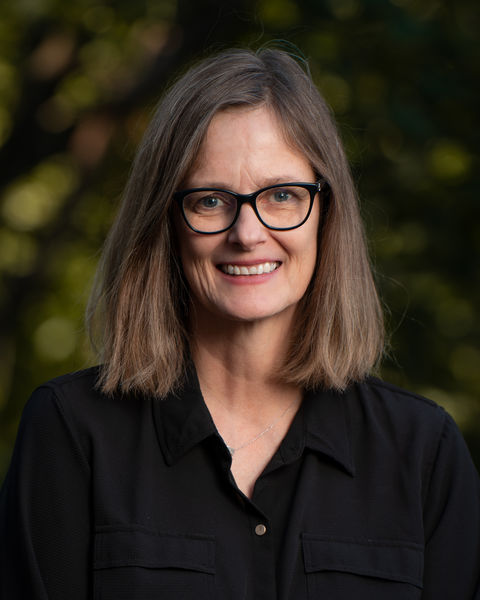
Mauro Camizمشاهده پروفایل
استادیار
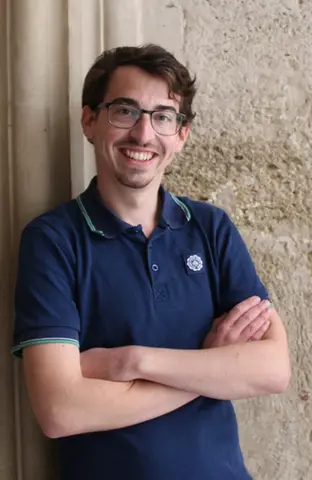
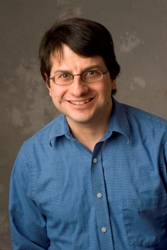
Mauro Camiz serves as a Tenure-Track Researcher (Assistant Professor) in the Department of Modern Literature and Culture within Sapienza University of Rome's Faculty of Humanities. He teaches core Germanic Philology courses including Introduction to Germanic Philology and Germanic Philology Master's Degree/IA , scheduled for the second semester of the 2025-26 academic year across multiple degree programs in Linguistics, Modern Letters, and Cultural Studies. Academic Background: PhD in Historical Linguistics of Eurasia, University of Macerata (2008-2011) Master's Degree in Linguistics, Sapienza University of Rome (2006) Postdoctoral Fellowships in Germanic Philology, Sapienza University of Rome (2012-2015) Research Focus: Camiz specializes in medieval Germanic textual traditions with dual expertise in Anglo-Saxon and Scandinavian domains. His work examines religious poetry development, interdialectal contact phenomena, and translation practices in early medieval contexts. Key investigations include Bede's Historia Ecclesiastica reception, Benedikts saga source criticism, and anthroponymic patterns in literary texts. Recent expansions address Danish-Italian literary exchanges in early modernity, particularly Machiavelli's Belfagor translations. Scholarly Output Trends: Publications from 2008-2021 reveal sustained engagement with Old English and Old Norse primary sources, evolving from manuscript linguistics toward comparative cultural analysis. The trajectory shows increasing methodological sophistication in narrative theory and translation studies, with recent works demonstrating expanded temporal scope into early modern Scandinavian adaptations of Italian literature. Awards & Recognition: No scientific awards or fellowships were documented in the source materials. Academic Service: Camiz manages comprehensive course operations through Google Classroom platforms since 2020-21, maintains structured examination protocols in the Faculty of Humanities building (Ed. CU003), and provides appointment-based office hours. His teaching spans undergraduate and graduate levels across five distinct degree programs.