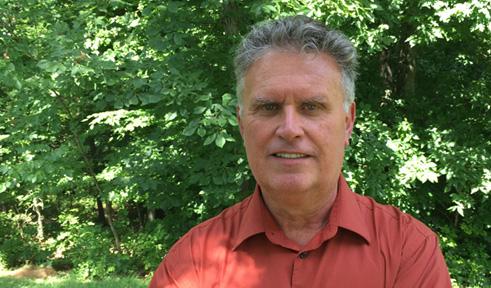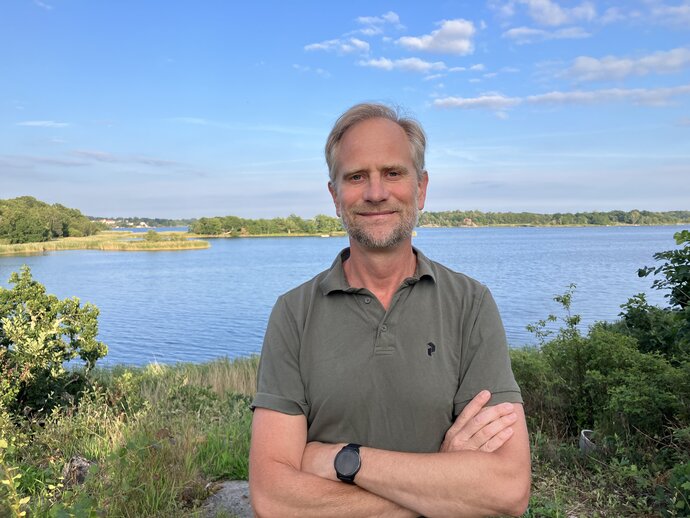
Tobias Hansson Wahlberg is an Associate Professor of Theoretical Philosophy at the Department of Philosophy, Lund University, Faculty of Humanities and Theology. He also serves as Assistant Head of Department managing research responsibilities. He has held this associate professor position since 2015 and is currently (2024) on an RJ Sabbatical leave writing a book manuscript on social ontology. His PhD dissertation (2009), titled Objects in Time , was a compilation thesis on the metaphysics of time and persistence. He has been a visiting researcher at The Centre for Time at the University of Sydney (2006), Institute of Philosophy at the University of Neuchâtel (2017), and The Center for Philosophy of Science at the University of Pittsburgh (2018), with a planned visit to the Faculty of Philosophy at the University of Groningen in October 2024. Hansson Wahlberg's primary research focuses on social ontology and the philosophy of causation. His work examines how social entities exist and function, particularly exploring questions about collective intentionality, institutional reality, and the metaphysical status of social groups. In the philosophy of causation, he investigates concepts like causal powers, sparse vs. abundant causation, and how causal relations operate at the social level. His recent publications show a concentrated effort to develop a comprehensive theory of social ontology while integrating insights from physics with social ontology. His major research projects include 'Metaphysics and Collectivity' (ongoing), 'Causation in the Social Domain' (2016-2018), and participation in networks like the Nordic Network in Metaphysics, International Social Ontology Society, and European Network for the Philosophy of the Social Sciences. VR-funding for Social Ontology and Persistence (2011) RJ-funding for Causation in the Social Domain (2015) RJ Sabbatical leave (2024) He served as Director of Doctoral Studies (2015-2018) and has supervised PhD students. He is associated with the Cognition & Philosophy VR Lab at Lund University, indicating interdisciplinary work bridging philosophy with cognitive science using virtual reality technologies.