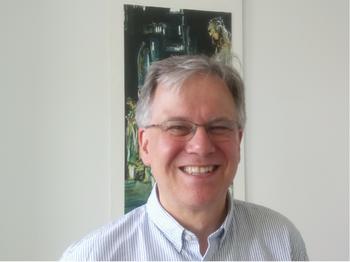
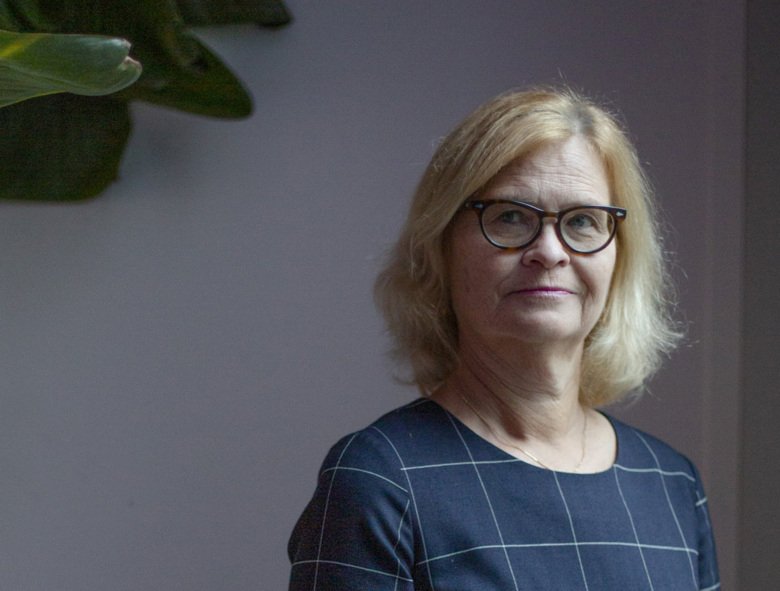
Nicolay Gausel is a Professor of Psychology at the University of Stavanger , affiliated with the Faculty of Social Sciences and Department of Social Sciences. His research spans social psychology, emotion psychology, and cultural studies. Research areas include morality, self-critical emotions, psychological defense, and stigma. Collaborates across disciplines: business, neuroscience, criminology, philosophy, and climate work. Methodological expertise in confirmatory designs, qualitative/quantitative methods, and applied statistics. His work explores interpersonal dynamics of shame, moral emotions, and cross-cultural selfhood. Articles highlight interdisciplinary applications, from family therapy to global personhood models. Current projects address identity, stigma, and social justice issues.
Katherine Pence is an Associate Professor in the Department of History at the Weissman School of Arts and Sciences, Baruch College, City University of New York (CUNY). She has been actively teaching courses including Global History Since 1500 and Capstone: Search History through Spring 2025. Her educational background includes: Ph.D. in History, University of Michigan M.A. in History, University of Michigan B.A. in History, Pomona College Professor Pence specializes in Cold War history with a particular focus on German history, consumer culture, gender studies, and transnational relations between Germany and Africa during the decolonization period. Her research explores how consumer politics, gender dynamics, and Cold War competition shaped everyday life in divided Germany, as well as examining German-African relations during the Cold War era. She has made significant contributions to understanding the intersections of consumption, citizenship, and Cold War politics in both East and West Germany, with particular attention to gendered experiences. Her book Gender and Consumer Politics in Cold War Germany (Cambridge University Press, 2019) represents a major contribution to the field. Her recent scholarly output reveals a growing emphasis on German-African relations during the Cold War, particularly examining how West Germany engaged with decolonizing Africa through trade exhibitions, development aid, and cultural diplomacy. While her earlier work focused primarily on consumer culture and gender in divided Germany, her research has expanded to explore transnational connections and the global dimensions of Cold War competition. Her publications span historical methodology, gender studies, and transnational history, with consistent attention to how ordinary people navigated political systems through everyday practices. Faculty Service Award for the Weissman School of Arts and Sciences (2015) Presidential Excellence Award for Distinguished Teaching (2008) Feliks Gross Endowment Award for Outstanding Research (2007) Eugene M. Lang Junior Faculty Research Program Award (2006) Whiting Research Award for Excellence in Teaching (2005) Weissman School of Arts and Sciences Dean's Award for Special Service to Students (2004) Professor Pence has received multiple PSC-CUNY research grants for her projects on 'The East and West German Scramble for Africa,' totaling over $25,000 in funding between 2008-2017. She has served as a dissertation committee member for graduate students at Harvard University, NYU, and the University of Illinois. Her service to the academic community includes organizing numerous conferences, particularly the International Conference of Undergraduate Research (ICUR), and she has held various leadership positions within Baruch College and CUNY, including Faculty Liaison for ICUR and member of the Weissman School of Arts and Sciences Diversity Equity and Inclusion (DEI) Alliance. Professor Pence is actively involved in campus initiatives related to undergraduate research, diversity and inclusion, and international education. She has organized multiple faculty workshops on research in undergraduate classrooms and has been instrumental in developing Baruch's Women's Studies program. Her current research projects continue her exploration of German-African relations during the Cold War era, with particular attention to local initiatives, gender dynamics, and transnational connections.
Professor Stefanie Kappler serves as Professor in Conflict Resolution and Peacebuilding at Durham University's School of Government and International Affairs since 2015, following her directorship of the Archbishop Desmond Tutu Centre for War and Peace Studies at Liverpool Hope University. Her research examines contested memories of violence and peacebuilding through extensive fieldwork across Bosnia-Herzegovina, South Africa, Northern Ireland, Cyprus, Brussels, Kosovo, and the Basque Country. Education: PhD from University of St Andrews Research Interests: Kappler investigates memory politics and legacies of violence in peacebuilding, with groundbreaking work on artists' roles in addressing justice demands amid ongoing inequality. Her scholarship explores decolonising peace education and spatial dimensions of peace formation , challenging liberal peacebuilding paradigms through critical analysis of cultural heritage and resistance practices in post-conflict societies. Publication Trends: Her 2021-2025 publications reveal increasing focus on arts-based peace formation , with soundscapes and curation emerging as key methodologies for decolonial memory work. Kappler consistently connects spatial reparations to structural violence while advancing intersectional frameworks that integrate feminist theory with critical peace studies, particularly in Western Balkans and Southern African contexts. Projects and Grants: Kappler leads externally-funded initiatives including: Peace and Memory : Analyzing memory politics-cultural heritage-peacebuilding intersections The Art of Peace : Investigating arts' role in peace formation processes Decolonising Peace Education : Transforming curricula through critical pedagogy Labs and Teams: She collaborates with international research collectives including University of Manchester's Art of Peace network and Aspen Institute Germany, evidenced by her 2024 Western Balkans reconciliation report, though no dedicated physical lab is specified in her profile.
Dr. Sheng-Jian Ji is a Tenured Associate Professor at the School of Life Sciences, Department of Neuroscience at Southern University of Science and Technology (SUSTech) in Shenzhen, China. He also serves as the Academic Vice President of Shude Academy and was previously the first Deputy Director of Research and Graduate Affairs in the Department of Biology at SUSTech (2016-2018). As a leading neuroscientist specializing in RNA modification and neural development, Dr. Ji has established an internationally recognized research program. Dr. Ji's educational background includes: 2003-2007: Postdoctoral Fellow, Johns Hopkins University School of Medicine, Neurobiology 1998-2003: PhD in Biochemistry and Molecular Biology, Peking University School of Life Sciences 1994-1998: Bachelor's Degree in Biochemistry, Yantai University Department of Biochemistry Dr. Ji's research primarily focuses on developmental neurobiology, with particular emphasis on post-transcriptional regulation mechanisms including RNA modification and local translation of mRNA in axons. His laboratory is recognized as one of the leading international groups studying how mRNA modification (particularly m6A and m5C) regulates neural development and function. Through innovative approaches combining molecular biology, cell biology, and microfluidic technologies, his team has revealed important insights into axon growth, dendrite maintenance, cortical neurogenesis, and retinal development. His publication record shows a clear trajectory from fundamental mechanisms of RNA modification to applications in understanding neurological disorders and aging. Recent work has expanded into aging-related neural decline, cognitive functions, and potential therapeutic targets for neurological conditions. Dr. Ji has received numerous prestigious awards: 2020, 2016: SUSTech Excellent College Mentor 2020: SUSTech Biology Department Outstanding Service Award 2019: Guangdong Province Talent Youyue Card A 2017: Guangdong Provincial Professor of Neurobiology 2013: Jiangsu Distinguished Professor (Nanjing University) 2011: National Natural Science Award Second Prize (third contributor) As an educator, Dr. Ji teaches undergraduate Neurobiology and graduate Cellular and Molecular Neurobiology courses. He actively mentors students, with recent master's graduates including Yuan Jiaxin and Zhang Pingrui. His laboratory recruits postdoctoral fellows (with salaries of 335,000+ RMB annually), research assistants, and graduate students, providing comprehensive training in molecular techniques, neuronal cell culture, microfluidics, and omics approaches. Dr. Ji leads a vibrant research team that collaborates both within SUSTech and internationally. His work continues to advance understanding of RNA modification in neural development, function, and aging, with recent progress highlighted in June 2025.
James Moran is Professor of Modern English Literature and Drama in the School of English at the University of Nottingham. He serves as the Lead for Cultures and Communication Global Research Theme at the university, coordinating interdisciplinary research across various fields. With a career spanning since 2004 at Nottingham, Moran has established himself as a leading scholar in modern Anglophone literature and theatre. His academic background includes an MA and PhD from the University of Cambridge. His scholarly journey has led him to significant academic recognition and diverse collaborations both within and beyond academia. Moran's research primarily focuses on modern anglophone literature with particular interest in twentieth-century Irish and British theatre. His work reevaluates famous writers like DH Lawrence, George Bernard Shaw, and WB Yeats while also recovering writings of less well-known figures such as Kate O'Brien. He examines cultural, political, and social contexts of literary works, with recent projects exploring modern tragedy, fake news, and theatrical modernism. His approach is deeply interdisciplinary, working with scholars from varied methodological backgrounds and external partners including the BBC and the National Theatre. His publication record shows a consistent engagement with Irish drama, particularly the works of Sean O'Casey, and British modernist theatre. Recent work explores intersections between literature, performance, and contemporary social issues including pandemic experiences and disinformation. His scholarship bridges historical analysis with pressing contemporary concerns. Moran has received significant recognition for his work: Philip Leverhulme Prize winner British Academy Mid-Career Fellow Member of the collaborative board of Nottingham UNESCO City of Literature Throughout his career, Moran has been actively involved in academic leadership and public engagement. He has held numerous administrative roles including director of research, deputy-head of school, senior tutor, and head of drama and creative writing at Nottingham. His work extends beyond traditional academia through regular media appearances, including a decade-long monthly book-review feature on BBC Radio Nottingham (2010-2020), appearances on BBC TV's Who Do You Think You Are?, and collaborations with cultural institutions like the Royal National Theatre. He has directed theatre works including the US premiere of D.H. Lawrence's play 'Altitude' at the Taos Center for the Arts. Moran maintains an active international scholarly presence with visiting fellowships at Harvard University, University of Maynooth (2024-25), University of New Mexico (2022), and University of Texas at Austin (2019). His work demonstrates a commitment to making literary scholarship relevant to contemporary social and political concerns while maintaining rigorous academic standards.
Mikael Johansson is a Professor in the Department of Psychology at Lund University, where he leads research on the cognitive and neural bases of memory and cognitive control. His academic appointments include membership in eSSENCE: The e-Science Collaboration, LAMiNATE (Language Acquisition, Multilingualism, and Teaching), LU Profile Area: Proactive Ageing, and LU Profile Area: Natural and Artificial Cognition. With 159 research outputs and leadership in 18 projects (8 active), he maintains a prominent position in cognitive neuroscience research. His research focuses on the neural mechanisms of memory using behavioral, electrophysiological (EEG/ERP), and functional magnetic resonance imaging (fMRI) methods. Key interests include interactions between memory systems, formation and retrieval of episodic memories, emotion regulation and emotional memory, mechanisms underlying incidental and intentional forgetting, and the relationship between eye-movements, mental imagery and memory. His work has significant implications for understanding memory functions in psychiatric conditions such as depression and post-traumatic stress disorder. Analyzing his extensive publication record spanning from 2012-2025 reveals a consistent focus on memory mechanisms with increasing integration of eye-tracking methodologies and clinical applications. His research demonstrates an evolving trajectory from basic memory processes toward understanding memory in real-world contexts and clinical populations, with recent work emphasizing the role of eye movements in memory construction and the neural dynamics of memory integration. Mikael Johansson serves as a member of The Swedish National Committee for Psychological Sciences at the Royal Swedish Academy of Sciences since 2011 and has received significant research funding including from The Bank of Sweden Tercentenary Foundation, Swedish Research Council, and Stiftelsen Marcus och Amalia Wallenbergs Minnesfond. His current major projects include TEAM: Transdisciplinary Approaches to Learning, Acquisition, Multilingualism (2024-2029), Tracking cognitive change as a function of normal ageing and different types of degenerative disease, and How the brain constructs the present and reconstructs the past via sequences of eye movements. He leads the Lund Memory Lab where his team investigates how the brain constructs and maintains coherent episodic memories through eye movements. His research group actively collaborates with international partners across multiple disciplines, bridging cognitive psychology, neuroscience, and clinical applications. The lab's work has gained significant attention, with several publications being highlighted in news outlets and academic discussions.
Kim Haines-Eitzen is the Paul and Berthe Hendrix Memorial Professor of Ancient Mediterranean Religions at Cornell University's Department of Near Eastern Studies within the College of Arts and Sciences. She holds affiliations with multiple programs including Classics, Feminist Gender and Sexuality Studies, Jewish Studies, Medieval Studies, Religious Studies, and the Society for the Humanities. For the 2024-25 academic year, she is a Fellow at the National Humanities Center working on Earth, Wind, and Fire: A Field Guide to the Apocalypse . Her research interests focus on early Christianity, early Judaism, and religion in late antiquity with particular expertise in sound studies, desert monasticism, and the intersection of gender and text transmission. Her work combines traditional textual analysis with innovative field recordings of desert soundscapes to explore how acoustic environments shaped religious imagination in ancient contexts. She approaches her research through interdisciplinary frameworks including phenomenology, affect theory, sound studies, and ecocriticism. Haines-Eitzen's publications include three major monographs: Sonorous Desert: What Deep Listening Taught Early Christian Monks and What It Can Teach Us (2022), The Gendered Palimpsest: Women, Writing, and Representation in Early Christianity (2012), and Guardians of Letters: Literacy, Power and the Transmitters of Early Christian Literature (2000). Her scholarly articles span topics from female scribes in antiquity to the acoustic imagination in early Christian texts. Her scholarly recognition includes an Atkinson Center Faculty Fellowship, an American Academy of Religion Research Grant (2013-2014), and her current National Humanities Center Fellowship. Her work has gained significant public attention through media appearances including NPR's Academic Minute, The Conversation, The Commonweal Podcast, and the National Geographic Channel's 'The Story of God' with Morgan Freeman. Born in Jerusalem and raised in Nazareth, Haines-Eitzen divides her time between Cornell's Finger Lakes campus and the high desert of Southeastern Arizona, where her personal connection to desert landscapes informs her scholarly work. Her field research involves making environmental sound recordings in the Negev, Judaean deserts of Israel, and the American Southwest to illuminate the acoustic dimensions of ancient religious texts and practices.
Colleen Murphy serves as the Associate Dean for Academic Affairs and the Roger & Stephany Joslin Professor of Law at the University of Illinois Urbana-Champaign College of Law, with courtesy appointments in Philosophy and Political Science. She chairs the Illinois Scholars at Risk Program and co-edits the International Journal of Transitional Justice. Her academic credentials include: PhD in Philosophy, University of North Carolina at Chapel Hill BA in Philosophy, University of Notre Dame Murphy's research centers on political philosophy , jurisprudence , and ethics , examining transitional justice mechanisms and moral frameworks for risk analysis. She investigates societal approaches to systemic wrongdoing and develops ethical methodologies for disaster risk mitigation through capability-based approaches. Her recent publications (2022-2025) reveal dominant themes in transitional justice, with concentrated analysis on accountability for historical injustices, racial redress, and post-conflict reconciliation. Concurrently, she explores technology's impact on equality and risk assessment, integrating philosophical ethics with practical disaster management frameworks. No specific scientific awards were detailed in the source material. Information regarding student advising and research grants was not provided in the available documentation. Murphy leads the Illinois Scholars at Risk Program supporting persecuted academics globally and shapes scholarly discourse through her co-editorship of the International Journal of Transitional Justice, fostering interdisciplinary research on justice after systemic oppression.
Rajmohan Gandhi is a Research Professor at the University of Illinois, affiliated with the College of Liberal Arts & Sciences and the Center for South Asian and Middle Eastern Studies (CSAMES). His academic work focuses on South Asian Studies, political history, social justice, and US-India relations. He is associated with the Education Policy, Organization and Leadership department. His research explores intersections between Gandhian philosophy, postcolonial politics, and cultural preservation. Recent publications analyze historical memory, interfaith dynamics, and global diplomatic frameworks. Publications (2014-2021) examine Gandhian legacy, caste debates, and cross-border collaborations. Articles span comparative studies, political theory, and historical analysis, reflecting interdisciplinary engagement.
Chongyi Feng is Associate Professor in China Studies at the University of Technology Sydney (UTS) and adjunct Professor of History at Nankai University, Tianjin. He served as head of China Studies at UTS for 11 years from 1995-2006. As China's first holder of PhD in contemporary Chinese history, he brings unique expertise to his position within the Faculty of Design and Society's Social and Political Sciences department. Dr. Feng's research focuses on intellectual and political development in modern and contemporary China, political economy of China's provinces, and the growth of rights consciousness and democratic forces leading to constitutional democracy. His work explores the intellectual and political changes within China, particularly examining the evolution of democratic thought and practice. His scholarship bridges historical analysis with contemporary political developments, providing critical insights into China's political trajectory. His recent publications demonstrate a consistent focus on Chinese political development, democracy movements, and the CCP's internal dynamics, with particular attention to the challenges of authoritarian resilience and democratic transition. His work also critically examines China's international relations, particularly the methods of Chinese 'soft power' projection in democratic societies like Australia. Named one of the hundred Chinese public intellectuals in the world since 2005 Author of numerous influential books including 'China's Constitutional Transformation' (2014) and 'Liberalism within the CCP' (2009) Editor of significant collections including 'The Political Economy of China's Provinces' (1999) Recipient of multiple ARC research grants focusing on Chinese democracy and political development Dr. Feng has actively engaged with media and public discourse, particularly regarding China-Australia relations and human rights issues. His personal experience being detained by Chinese officials in March 2020 for ten days while conducting research on Chinese human rights lawyers has informed his critical perspective on Chinese state power and its international reach.
Dr. Olga Oleinikova is an Associate Professor and Director of the Social Impact Technologies and Democracy Research Hub (SITADHub) within the School of Communication at the University of Technology Sydney (UTS), Australia. Internationally recognized for her contributions to research and social impact, she has been named among Forbes Top 40 Global Ukrainians and Forbes 30 Under 30 Asia. She was also a finalist for the Australian Council of Humanities, Arts and Social Sciences (CHASS) Future Leader Award. Her educational background includes a PhD in Sociology from the University of Sydney (2016), with prestigious research fellowships at Oxford University's European Studies Centre (2018-2019), Charles University in Prague (2023-2024), and the WZB Berlin Social Science Center (2015). Dr. Oleinikova's research focuses on migration studies (particularly Eastern European migration to Australia), democracy studies, diaspora politics, and social impact technologies. Her work examines life strategies of migrants navigating displacement, democratic performance in Ukraine and Europe, and the intersection of technology and democracy. She has developed a theoretical framework distinguishing between 'achievement life strategies' and 'survival life strategies' among migrants from crisis regimes. Her publication portfolio includes several acclaimed works, with her most recent book 'New Eastern European Migration to Australia: From Ukraine, Czech Republic and Hungary' (Palgrave, 2023) examining new migration patterns. Her research demonstrates consistent focus on Eastern European migration, diaspora politics, and democratic development, with increasing attention to technology's role in democratic processes. Forbes Top 40 Global Ukrainians Forbes 30 Under 30 Asia CHASS Future Leader Award Finalist Visa People's Choice Award Anthill 30 Under 30 Winner Dr. Oleinikova has secured over $3 million in funding for social and commercial initiatives. She serves on several nonprofit boards, acts as an advisor to the Australia-Ukraine Chamber of Commerce, and mentors through the 1991 Open Data Incubator and Future Schools Australia. She founded the SITAD Visiting Fellowship Program, supporting Ukrainian early-career researchers and postgraduate students. Her media reach is substantial, with expert commentary featured in BBC News, Bloomberg, ABC News, CNA, The Conversation, Politico, SBS, and KyivPost, reaching an estimated 9.1 million people. She has delivered more than 30 keynote and invited talks at leading institutions worldwide. SITADHub, which she founded and directs, is a dynamic networked research center with 170 associates across 16 countries actively researching democracy, human-computer interaction, and global mobility, with a focus on Ukraine and broader Eastern Europe. The hub conducts unique research and maintains university partnerships throughout Europe and the Asia Pacific, including with WZB Berlin Social Science Research Centre, University of Oxford, and University of Sydney.
Prof. Dr. Stefan Esders is a Professor of Late Antiquity and Early Medieval History at the Friedrich Meinecke Institute , part of the Free University of Berlin . His scholarly work bridges Roman, Byzantine, and early medieval European history, with a focus on legal systems, oaths, and military structures. His research interests include: State formation and military organization across Rome, Byzantium, and the Frankish kingdoms. Legal history of oaths, loyalty, and conflict resolution (e.g., wergild and compensation). North Africa in late Roman and Vandal contexts, emphasizing cross-cultural interactions. Ethnic identity formation at imperial borders and Mediterranean cohesion (6th–9th centuries). Historiography and hagiographical narratives in Late Antiquity and the Early Middle Ages. His work spans the Gallia and Iberian Peninsula , analyzing the transition from Roman imperium to post-imperial regna. Notably, he explores vernacular legal practices and the role of religion in political identity. His scientific accolades include: Distinguished Fellow at the Hebrew University of Jerusalem (2025/26). Corresponding Fellow at the Medieval Academy of America (since 2025). Visiting Research Fellow at the University of Tokyo (2024). Premio Anassilaos (2024) for interdisciplinary contributions. Member of the Academia Europaea (since 2021) and the Monumenta Germaniae Historica (since 2020).
Professor Maria Eriksdotter is a leading academic in geriatrics and dementia research at the Karolinska Institutet , holding the Department of Neurobiology, Care Sciences and Society . She also serves as a Senior Consultant in Themes Inflammation and Ageing at Karolinska University Hospital Huddinge and previously as Dean of KI South (2019–2023). Her work spans translational research, clinical trials, and national registry development, with a focus on Alzheimer's disease, cholinergic therapies, and aging. Her research group pioneered NGF cell therapy for Alzheimer's patients, demonstrating safety and cognitive stabilization in clinical trials. She chairs the SveDem registry , tracking over 100,000 dementia patients to refine diagnostics and care. Studies from SveDem revealed mortality reduction with cholinesterase inhibitors and highlighted pandemic-era diagnostic delays. Recent publications analyze dementia subtypes , comorbidities , and precision medicine in neurodegeneration. Her work intersects neuroimaging , epidemiology , and public health policy , addressing ageism and improving geriatric care systems. Collaborations span Karolinska University Hospital , NSGene Inc , and international institutions.
Steven D. Zohn is the Laura H. Carnell Professor at Temple University’s Boyer College of Music and Dance. He holds a PhD and MA in musicology from Cornell University and an AB in music from Vassar College. As a leading Telemann scholar, his research spans intersections of style and genre, print culture, reception history, domestic music-making, historical performance practices, and music as intellectual property. PhD, Musicology, Cornell University MA, Musicology, Cornell University AB, Music, Vassar College Zohn’s research emphasizes Telemann’s instrumental works, sacred vocal music, and cultural contexts, as well as Bach family studies and Enlightenment-era salon culture. His publications include influential books like Music for a Mixed Taste and Telemann Studies , alongside critical editions and articles in Journal of the American Musicological Society and Oxford Handbooks Online . In 2022, he received the Georg Philipp Telemann Award from Magdeburg for his contributions to Telemann research. Other accolades include the Noah Greenberg Award and the William H. Scheide Prize. He co-edits the Bach Perspectives series and serves on editorial boards, including Telemann’s Musikalische Werke . Zohn also performs on historical flutes with ensembles like Night Music and Philadelphia Bach Collegium, with recordings on Acis, Avie, and Chandos labels. His courses explore domestic musicking, Bach’s cantatas, and unaccompanied instrumental works.
Dr. Frank Thomas Grub is Professor of German and Head of the Department of Modern Languages at Uppsala University. Educated at Universität des Saarlandes (Dr. phil. 2003) and promoted to Associate Professor at Gothenburg University (2012) before joining Uppsala as Professor (2018), he has been recognized as Excellent Teacher (2021). As founder of the Landeskunde Nord network since 2012 and editor of the Peter Lang book series since 2013, his career bridges academic research, educational innovation, and international collaboration. His research focuses on contemporary German-language literature , GDR cultural studies , and transcultural didactics . Key projects explore autobiographical writing, post-Wall literary representations, and the intersection of travel literature with cultural memory. Recent publications (2024-2025) examine media narratives of reunification and cultural stereotypes in language pedagogy. Prof. Grub contributes to German as a foreign language curriculum development Intercultural competence frameworks Editorial leadership in Northern European Germanistics His 2023-2025 works analyze graphic novels in education, migration discourse in literature, and media transitions during the Cold War.