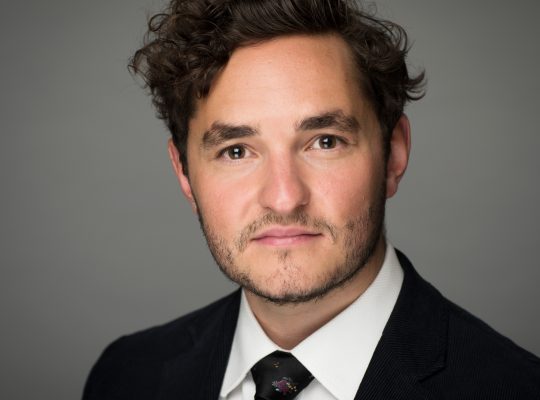
Peter M. Vogt serves as Professor and Head of the Department of Plastic, Hand and Reconstructive Surgery at Hannover Medical School, where he also directs the Burn Center. His clinical leadership spans reconstructive surgery using autologous tissue, peripheral nerve surgery, and aesthetic procedures. Dr. Vogt's research focuses on wound healing , tissue engineering , regenerative biology , and burn treatment . His work integrates clinical trials with translational approaches to improve outcomes in complex reconstructive cases. Recent publications emphasize infection management in hand surgery, burn reconstruction techniques, and biomaterial applications in skin regeneration. His scientific contributions have earned prestigious recognitions including the Langenbeck Award, National Biotechnology Award, and the Mowlem Lecture honor. Professional memberships span the American Association of Plastic Surgeons, European Burn Association, and multiple German surgical societies. As an educator, Dr. Vogt has held academic appointments since 1991 including Research Fellow at Harvard Medical School and Full Professor at Hannover since 2001. His clinical expertise covers trauma reconstruction, congenital malformations, and functional restoration after nerve paralysis.
Dr. Richard K. Gurgel is a Professor of Neurotology and Skull Base Surgery at the University of Utah, with adjunct appointments in Communication Sciences & Disorders and Neurosurgery. He serves as Section Chief of Otology and Director of the Cochlear Implant Program at the University of Utah, and at the Salt Lake Veteran’s Hospital for veteran care. His clinical expertise spans neurotology, vestibular schwannomas, glomus tumors, cochlear implantation, and facial nerve disorders. Education: B.A. in Biology (magna cum laude, University of Utah), M.D. (University of Utah), MSCI (Master of Science in Clinical Investigation, University of Utah), Residency (Otolaryngology – Head and Neck Surgery, University of Iowa), Fellowship (Otology, Neurotology, Stanford University). Dr. Gurgel’s research focuses on the interplay between hearing loss and cognition in older adults, particularly how cochlear implants can improve cognitive function. His work also addresses surgical outcomes for skull base lesions, robotic-assisted cochlear implantation, and public health implications of hearing metrics. His recent publications highlight multinational analyses of temporal bone fractures, conductive hearing loss-dementia associations, and advancements in cochlear implantation techniques. Articles emphasize hearing preservation, facial nerve outcomes, and standardized reporting in clinical trials. Scientific Awards: 2025 Dr. Clark Lowe Rich Distinguished Surgeon & Mentor Award, Alpha Omega Alpha honor society (junior), Fellow Teacher of the Year at Stanford (2x). As Fellowship Director for Neurotology at the University of Utah, Dr. Gurgel trains future specialists. His clinical practice integrates teaching, patient care, and research, particularly in NIH-funded studies on hearing-cognition links. He is fluent in Cebuano and Waray-Waray (Filipino dialects) and balances family life with five daughters.
Ramzi Moucharafieh is an Adjunct Professor in the Department of Orthopaedic Surgery at European University Cyprus. He has held academic positions at St Georges University Hospital and Clemenceau Medical Center in Beirut, Lebanon, and previously served as Associate Professor of Orthopaedics at American University of Beirut (1991-2005). Orthopedic Surgery Hand and Microvascular Surgery Hip Fracture Research His research focuses on reconstructive techniques for extremities, including nerve transfers, free tissue transfer, and microsurgical approaches to diabetic foot salvage. Recent work examines hip joint morphology and femoroacetabular impingement through computed tomography. Moucharafieh has published extensively on lower extremity reconstruction, bone fracture risk assessment, and surgical innovations. His 2021 study on hip joint space analysis and 2020 review on nerve transfers highlight his clinical expertise. Professor's Medal Lecture (1991), Robert Jones & Agnes Hunt Orthopaedic Hospital G.K. Rose Award for Biomechanics (1991), Robert Jones & Agnes Hunt Orthopaedic Hospital As an editorial reviewer for journals like Injury and The Journal of Hand Surgery European , he contributes to orthopedic research evaluation. He has also served as a lecturer at international microsurgery and orthopedic conferences since 2000.
Dr. Barbu Gociman is a board-certified plastic surgeon (American Board of Plastic Surgery) and Associate Professor of Plastic Surgery at the University of Utah's School of Medicine. He specializes in craniofacial surgery including cleft lip, nose and palate deformities, craniosynostosis, and ear reconstruction, as well as general pediatric plastic surgery, post-traumatic facial reconstruction, and aesthetic surgery. He practices clinically at Primary Children's Hospital and University of Utah Hospital in Salt Lake City and Riverton. Dr. Gociman's educational background includes: MD: University of Medicine Carol Davila in Romania PhD: Human Genetics, University of Utah Internship: General Surgery, Mayo Clinic Residency: General Surgery, University of Toledo Medical Center Residency: Plastic Surgery, Mayo Clinic (Visiting Resident) Residency: Plastic Surgery, University of Utah Medical Center Fellowship: Craniofacial Surgery, University of Utah Medical Center His research focuses on craniofacial anomalies, particularly cleft lip and palate repair, craniosynostosis management, and innovative surgical techniques for pediatric reconstructive surgery. Dr. Gociman has developed protocols like the "Utah Protocol" for cleft lip and palate correction and has pioneered techniques in distraction osteogenesis for rare craniofacial conditions. His work emphasizes improving outcomes in mandibular reconstruction, alveolar cleft repair, and complex craniofacial deformities. Dr. Gociman's recent publications (2023-2025) demonstrate a strong focus on innovative surgical techniques for craniofacial reconstruction, particularly in pediatric patients. His work spans cleft lip and palate repair, craniosynostosis management, mandibular reconstruction, and vascular anomaly correction. A significant portion of his research involves developing and refining surgical protocols, novel flap techniques, and bone grafting methods. His collaborative work with the Synostosis Research Group highlights his contribution to establishing standards in craniosynostosis treatment. Dr. Gociman is actively involved in clinical practice with numerous positive patient reviews, with a 4.7/5 rating based on 80 patient reviews. His clinical expertise is particularly noted in pediatric cases, including care for children with autism and complex craniofacial conditions. While specific students aren't listed in the provided information, Dr. Gociman appears to mentor residents and fellows through his academic position. His extensive publication record with numerous co-authors suggests active involvement in research mentorship. The text mentions a patent for "Implantable bone grafting devices, systems, and methods" which indicates research grant activity. Dr. Gociman is associated with the Synostosis Research Group and appears to be part of a multidisciplinary cleft team at the University of Utah. His work on the "Utah Protocol" for cleft lip and palate correction suggests leadership in developing standardized approaches to complex craniofacial conditions. He also collaborates extensively across specialties including neurosurgery, orthopedics, and pediatrics in managing complex craniofacial cases.
Saiuj Bhat serves as a Clinical Senior Lecturer at The University of Western Australia Medical School within the Department of Surgery. Based at the university's Perth campus (M306, 35 Stirling Highway), Dr. Bhat maintains an active research profile focused on evidence-based surgical practices and ophthalmic epidemiology. Research interests center on systematic reviews and meta-analyses across multiple domains including: Surgical techniques for hand and thumb conditions Indigenous health disparities in ophthalmology Ageing surgeon performance metrics Cataract and refractive error epidemiology Recent work demonstrates strong emphasis on comparative surgical efficacy and health equity in Australian populations. Scientific contributions include: 17 total research outputs comprising 8 articles and 7 review articles h-index of 7 with 444 citations Active collaboration networks across Indigenous health research Dr. Bhat's supervisory and grant activities focus on surgical outcomes research and meta-analytical methodologies, with particular attention to vulnerable populations. Current projects involve multi-institutional studies on cataract surgical coverage and surgeon competency frameworks.
Assoc. Prof. Dr. Semih Bağhaki is affiliated with Koç University Hospital and has held academic positions at Cerrahpaşa Faculty of Medicine since 2012. His career spans clinical expertise in Plastic, Reconstructive, and Aesthetic Surgery. Plastic Surgery Residency: Cerrahpaşa Faculty of Medicine (2004–2010) Medical Education: Cerrahpaşa Faculty of Medicine (1997–2003) His clinical specializations include: Facial, head, and neck aesthetic and reconstructive surgery Breast aesthetic and repair surgery Microsurgical tissue transplants Melanoma surgery Stem cell applications Robotic plastic surgery Pediatric plastic surgery He received advanced training in Head and Neck Surgery and Advanced Microsurgery at Providence Hospital (USA), as well as fat injection and stem cell applications at Tribeca Plastic Surgery (USA). His research focuses on regenerative techniques and microsurgical reconstruction.
Afshin Mosahebi serves as an Honorary Professor in the Department of Surgical Biotechnology at University College London (UCL), where he maintains an active research profile despite his non-salaried academic appointment. His work bridges surgical innovation with biotechnology applications, focusing on evidence-based improvements in plastic and reconstructive surgical outcomes while addressing contemporary challenges in healthcare sustainability and patient safety. Primary Affiliation: Department of Surgical Biotechnology, UCL Academic Status: Honorary (non-salaried) faculty position Research Scope: Clinical and translational surgical research with global health implications Professor Mosahebi's research program demonstrates exceptional breadth across surgical disciplines, with concentrated expertise in DIEP flap breast reconstruction techniques, melanoma management, and sustainable surgical practices. His methodology frequently employs systematic reviews, bibliometric analyses, and eco-audits to evaluate surgical efficacy and environmental impact. Key specialties include peripheral nerve imaging advancements, aesthetic medicine evidence assessment, and psychological outcomes in cosmetic surgery patients. The work consistently addresses unmet needs in surgical oncology, reconstructive microsurgery, and resource optimization within healthcare systems. Analysis of his 330+ publications reveals three dominant research trajectories: (1) Technical refinement in breast reconstruction (particularly venous augmentation to prevent fat necrosis), (2) Sustainability quantification across surgical pathways (breast, abdominal, microtia), and (3) Critical appraisal of evidence in aesthetic medicine (botulinum toxin, regenerative therapies, patient psychology). His collaborative approach spans oncology, dermatology, psychology, and environmental science, evidenced by multi-disciplinary co-authorship patterns. The temporal concentration of 2025 publications indicates ongoing high productivity in surgical innovation research. While no specific awards are documented in available records, Professor Mosahebi's extensive publication record—including leadership in high-impact systematic reviews and novel eco-audit methodologies—demonstrates significant scholarly contribution. His supervisory role is evidenced by thesis editorial involvement (e.g., FRAME project) and frequent student co-authorship, though formal student lists remain unspecified. Collaborative networks prominently feature researchers like Wong ZY and Faderani R across multiple projects, indicating sustained research partnerships. Current work shows particular emphasis on environmental impact assessment and evidence-based protocol development for surgical safety.
Emily Funk, MD is an Assistant Professor in the Department of Otolaryngology - Head and Neck Surgery at University of California San Diego School of Medicine, specializing in the Division of Head and Neck Oncology and Surgery. She is a fellowship-trained head and neck oncologic surgeon and microvascular reconstructive surgeon with expertise in advanced surgical techniques for head and neck cancers. Her educational background includes: Head and Neck Oncologic Surgery and Microvascular Reconstructive Surgery Fellowship, Thomas Jefferson University Hospital (2023-2024) Otolaryngology – Head and Neck Surgery Residency, University of California San Diego (2017-2023) MD, Penn State College of Medicine (2013-2017) Dr. Funk's research focuses on innovative technologies to improve surgical safety and efficacy while reducing invasiveness. She investigates robot-assisted surgical platforms for accessing hard-to-reach areas, quality of life outcomes following head and neck cancer treatment, cancer surveillance and survivorship, immunotherapy applications, and specialized management of p16+ squamous cell carcinoma. Her work demonstrates significant contributions to telesurgery, facial reanimation techniques, and minimally invasive approaches to head and neck oncology. Analysis of her recent publications (2021-2024) reveals a strong emphasis on surgical innovation, particularly in robotic and telesurgery applications. Her work spans from technical developments in surgical robotics and blood segmentation to clinical outcomes research in oropharyngeal cancer and specialized surgical techniques for parotid tumors and facial nerve management. The interdisciplinary nature of her research bridges engineering, computer science, and clinical medicine to advance head and neck surgical care. Professional affiliations include: American Academy of Otolaryngology – Head and Neck Surgery American Head and Neck Society Her scholarly work contributes to advancements in surgical technology and cancer care, with research spanning surgical robotics, cancer outcomes, and reconstructive techniques. While specific grant information isn't detailed in the available text, her publication record demonstrates active research in surgical innovation and head and neck oncology. Dr. Funk's work intersects with multiple UN Sustainable Development Goals through her contributions to advancing healthcare technologies and improving cancer treatment outcomes.
Brian Schmidt is a Professor at the University of Michigan specializing in Hebrew Bible and Ancient Mediterranean West Asian Cultures. His research focuses on the intersection of archaeology, ancient Israelite history, and biblical studies. He is affiliated with the International Institute for Secular Humanistic Judaism and the Center for Middle Eastern & North African Studies (CMENAS). Key publications include The Quest for the Historical Israel (co-authored with Israel Finkelstein and Amihai Mazar) and Israel's Beneficent Dead , exploring ancestor cults in ancient Levantine societies. His academic work bridges textual analysis and material culture, addressing debates about early Israelite history and religious practices. Schmidt has contributed to conferences such as the Biennial Colloquium of the International Institute for Secular Humanistic Judaism. His research often involves interdisciplinary collaboration, evidenced by his participation in the NIDDK Diabetic Foot Consortium and publications on diabetic foot ulcers, though his primary focus remains on ancient Near Eastern studies. Affiliations include the LSA (College of Literature, Science, and the Arts) and the International Institute, where he participates in academic initiatives promoting global studies and regional expertise. His office is located at 202 South Thayer Street, Ann Arbor.
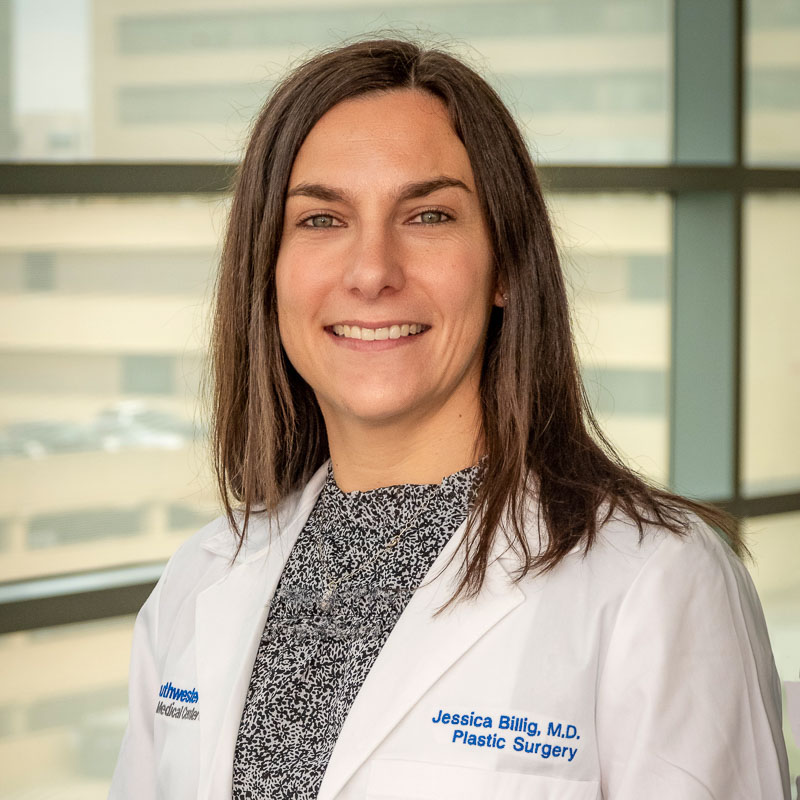
Jessica I. Billig, M.D., M.S., is an Assistant Professor in the Departments of Plastic Surgery and Orthopaedic Surgery at UT Southwestern Medical Center, appointed in 2023. She is a dual-trained hand and upper-extremity surgeon and microsurgeon whose clinical and research efforts center on improving the delivery, affordability, and outcomes of hand care. Education & Training M.D., New York University Integrated Plastic Surgery Residency, University of Michigan Hospital (Administrative Chief Resident) Fellowship in Hand & Upper Extremity Surgery, Barnes-Jewish Hospital & Washington University in St. Louis National Clinician Scholars Program Fellowship in Health Services Research, University of Michigan Institute for Healthcare Policy & Innovation M.S. in Health & Health Care Research, University of Michigan Research Interests Dr. Billig’s scholarly work bridges surgical subspecialty care and health-services science. She investigates how health-system factors influence patient experiences, costs, and outcomes in hand and upper-extremity surgery. Core themes include: Financial toxicity and catastrophic health expenditures related to surgical care Comparative effectiveness and cost-effectiveness of operative vs. non-operative interventions Opioid stewardship and evidence-based prescribing patterns after common hand procedures Disparities in access, treatment, and outcomes across racial and socioeconomic groups Quality-improvement collaboratives and implementation of best-practice guidelines Publication Trends Across >25 peer-reviewed publications since 2021, Dr. Billig has consistently focused on real-world evidence, large-database analyses, and multi-institutional cohort studies. Her work spans high-impact journals in plastic surgery, orthopaedics, pain medicine, and health-policy, with a clear trajectory toward translational health-services research that directly informs policy and practice. Professional Memberships & Awards American College of Surgeons American Society of Plastic Surgeons American Society for Surgery of the Hand American Association for Hand Surgery Grants & Collaborative Networks Dr. Billig actively collaborates within the Michigan Collaborative Hand Initiative for Quality in Surgery and similar multi-center consortia. These partnerships support her ongoing federally and institutionally funded projects aimed at reducing unwarranted variation and improving value in hand surgical care. Laboratory & Clinical Teams She operates within the integrated clinical and research environments of the Departments of Plastic Surgery and Orthopaedic Surgery at UT Southwestern, leveraging institutional resources in health-services research, biostatistics, and quality improvement to advance her investigative agenda.
İ. Karaca BAŞARAN, MD is a Professor of Plastic Surgery at İstanbul Şehir University. He completed his MD at Marmara University Faculty of Medicine (2003) and specialized in Plastic Reconstructive & Aesthetic Surgery at Istanbul University. He advanced his expertise through international training programs including Harvard Medical School (Massachusetts General Hospital), Imperial College London, Temple Health (Fox Chase Cancer Center), and institutions in Brazil, Taiwan, and Switzerland. His career includes over 500 surgical procedures in the USA, collaboration with leading surgeons globally, and specialization in endoscopic facial aesthetics, breast reconstruction, post-weight loss body contouring, and migraine surgery techniques pioneered by Bahman Guyuron. He became a Professor in 2023. Educations: MD: Marmara University Faculty of Medicine (2003) Higher Specialty: Temple Health, Fox Chase Cancer Center (USA) Research Interests: Focuses on innovative surgical techniques in plastic and reconstructive surgery, including endoscopic approaches, minimally invasive procedures, and aesthetic refinements. Specializes in migraine surgery, breast reconstruction, and post-bariatric body contouring. Actively incorporates global best practices from leading centers in the USA, Brazil, and Europe. Professional Development: Completed microsurgery training at University of Zurich (2007), advanced training with experts like Oscar Ramirez (Miami), Hilton Becker (Becker prostheses), and Joe Hunstad in body contouring. Holds ECFMG certification enabling practice in the USA since 2003. Labs/Teams: Engaged with international surgical networks through collaborations at institutions like Cleveland Clinic (migraine surgery) and centers in Louisville, Kentucky for deep-plane face lift techniques.
Arun Kumar Gosain, MD is a Professor of Surgery in the Department of Surgery at Northwestern University's Feinberg School of Medicine, specializing in Pediatric Plastic and Reconstructive Surgery. He maintains active clinical appointments at Ann & Robert H. Lurie Children's Hospital of Chicago, Northwestern Medicine Lake Forest Hospital, and Northwestern Memorial Hospital, where he leads surgical care and research initiatives in pediatric craniofacial anomalies. His educational trajectory includes an MD from the University of California, Los Angeles (1981), surgical internship at UCSF/Parnassus (1982), general surgery residencies at UCSF (1986) and New Jersey Medical School (1988), plastic surgery residency at University of Wisconsin Medical School (1990), and fellowships in Hand and Microsurgery at University of Wisconsin (1991) and Craniofacial Surgery at NYU Medical Center (1992). He maintains board certification through the American Board of Plastic Surgery's Maintenance of Certification program. Dr. Gosain's research centers on Pediatric Plastic and Reconstructive Surgery with emphasis on Craniofacial Surgery and Cleft Palate Surgery. His work extends into surgical education policy, health economics in plastic surgery training, environmental sustainability in operating rooms, and patient-centered outcomes. Current investigations address financial barriers for residency applicants, waste reduction in cleft surgeries, and improving health literacy through optimized patient education materials. Recent publications demonstrate a clear trend toward analyzing systemic challenges in plastic surgery training and practice, with growing focus on sustainability and health equity. His 2025 works examine federal funding impacts on residency positions, cost-saving measures in cleft procedures, and accessibility of patient information for chronic migraine treatments. His extensive honors include the Level V Service Award (American Society of Plastic Surgeons, 2025), Lifetime Achievement Award (American Society of Maxillofacial Surgeons, 2024), and multiple mentorship recognitions such as the Robert Goldwyn Mentor of the Year Award (2021) and Plastic Surgery Research Council's Mentor of the Year (2019). Teaching excellence was acknowledged through the Outstanding Faculty Teacher award (American Academy of Academic Plastic Surgeons, 2022). As a dedicated mentor, Dr. Gosain has guided numerous trainees through formal programs at Northwestern, earning the Department of Surgery Research Mentor Award (2022). He actively shapes surgical training standards through leadership in the Residency Review Committee and serves on grant review panels including the American Society of Maxillofacial Surgeons' Educational Grants Committee, where he evaluates funding proposals for craniofacial research. Dr. Gosain is embedded in the Stanley Manne Children's Research Institute ecosystem and serves on Lurie Children's Hospital's Research Productivity Committee. His collaborative teams include the International Patient Program Committee at Lurie and the World Craniofacial Foundation's Medical Advisory Board, where he chairs initiatives for global craniofacial care standardization.
Dr. Justine C. Lee is the Bernard G. Sarnat Endowed Chair in Craniofacial Biology in the Division of Plastic and Reconstructive Surgery at the UCLA David Geffen School of Medicine. She is a craniofacial and pediatric plastic surgeon specializing in reconstruction of complex congenital, post-traumatic, and post-oncologic deformities of the head and neck region. Her practice focuses on patients with microtia, prominent ear, traumatic ear deformities, cleft lip/cleft palate, craniosynostosis, rare craniofacial syndromes, craniofacial microsomia, Parry-Romberg disease, facial nerve palsy, malocclusion, and vascular malformations. Dr. Lee's educational background includes: B.S. in Molecular, Cell, and Developmental Biology from UCLA, summa cum laude with highest honors (1999) MD and PhD from the University of Chicago Pritzker School of Medicine (2006) Residency in General Surgery and Plastic and Reconstructive Surgery at the University of Chicago Medical Center Craniofacial Surgery Fellowship at UCLA School of Medicine (2013) Dr. Lee's research focuses on craniofacial outcomes and regeneration. Her laboratory investigates biomaterials for bone regeneration, clinical outcomes of craniofacial surgery, and technological advances in reconstructive techniques. She has particular expertise in autologous total ear reconstruction, cleft lip and palate treatment, and outcomes in facial reconstruction for gender confirmation. Her approach combines aesthetics with reconstruction, aiming to help patients function normally while looking and feeling their best. Dr. Lee's publications reveal a strong focus on biomaterials science and craniofacial outcomes, with particular emphasis on nanoparticulate mineralized collagen scaffolds for bone engineering. Her recent work has expanded into psychosocial outcomes following gender-affirming facial feminization surgery, demonstrating significant improvements in mental health quality of life measures. Her research bridges engineering principles with clinical applications in craniofacial reconstruction. Dr. Lee's scientific contributions have been recognized with numerous prestigious awards: Bernard G. Sarnat Endowed Chair in Craniofacial Biology (2016) Super Doctors® Southern California designation (2023-2025) Los Angeles Magazine Top Doctors (2021-2025) Steward Rood Section Editor of the Year (2019) UCLA Plastic Surgery Faculty Teaching Award (2016) Dr. Lee actively mentors students and researchers through her Craniofacial Outcomes Research Team and Craniofacial Regeneration Laboratory. She has served as curriculum director for the plastic surgery residency since 2013 and has received multiple teaching awards. Her research has been supported by substantial grants including an R01 from the National Institutes of Health, Career Development Award from the Veteran's Administration, and multiple awards from the Jean Perkins Foundation totaling over $1.5 million. Dr. Lee leads the Craniofacial Outcomes Research Team and Craniofacial Regeneration Laboratory at UCLA, where her team investigates bone regeneration, biomimetic materials, and clinical outcomes in craniofacial surgery. The lab has published extensively on nanoparticulate mineralized collagen scaffolds for bone engineering and has made significant contributions to understanding psychosocial outcomes following facial feminization surgery. Her team includes postdoctoral fellows, medical students, undergraduate researchers, and plastic surgery residents working collaboratively across disciplines.
Justin Wormald is an NIHR Academic Clinical Lecturer and Specialist Registrar in Plastic and Reconstructive Surgery at the University of Oxford's Nuffield Department of Orthopaedics, Rheumatology and Musculoskeletal Sciences (NDORMS). He serves as Deputy Director of the Surgical Interventional Trials Unit (SITU) and holds roles as Trainee Lead for the Reconstructive Surgery Trials Network and Associate Surgical Specialty Lead for Plastic and Hand Surgery at the Royal College of Surgeons. His research focuses on surgical trials, antimicrobial interventions, and hand trauma reconstruction, with 112+ peer-reviewed publications. He has received major awards from NIHR, RCS, BSSH, and BAPRAS. Dr. Wormald completed a DPhil in Musculoskeletal Sciences (2023) and an NIHR Academic Clinical Fellowship in Plastic Surgery. He holds teaching roles at Jesus College, Merton College, and Christ Church, Oxford. His research interests include burns management, surgical site infection mitigation, and skin cancer outcomes. He leads the HAWAII trial evaluating antimicrobial sutures in hand surgery and chairs the BSSH Patient and Public Involvement committee. Key achievements include developing the HAND-Q outcome measure and co-authoring over 100 studies on surgical techniques, clinical guidelines, and healthcare sustainability. His work spans epidemiology (e.g., necrotizing fasciitis studies), methodological innovations (e.g., meta-analysis frameworks), and global health policy (e.g., pandemic impact analyses).
Jin U. Kang is the Jacob Suter Jammer Professor of Electrical and Computer Engineering at Johns Hopkins University, with a joint appointment in the Department of Dermatology at the Johns Hopkins School of Medicine. He is affiliated with the Kavli Neuroscience Discovery Institute and the Laboratory for Computational Sensing and Robotics (LCSR). His research focuses on optical imaging, sensing, and robotic systems for biomedical applications, including OCT-based surgical tools and image-guided interventions. Kang has pioneered real-time 4D OCT systems and autonomous robotic devices for microsurgeries, such as retinal and vascular procedures. His work also involves developing smart surgical tools through startups like LIV Med Tech Inc. Education: B.S. in Physics (Western Washington University, 1992); M.S. and Ph.D. in Optical Science and Electrical Engineering (University of Central Florida, 1993–1996). Prior to JHU, he worked at the U.S. Naval Research Laboratory. Research interests include fiber optic sensors, medical imaging systems, and surgical robotics. His recent work emphasizes real-time OCT-guided procedures, autonomous robotic surgery, and innovations in corneal and retinal surgeries. Over 20 patents and key awards such as the ONR Young Investigator Award reflect his contributions. Scientific Awards: Recipient of the ONR Young Investigator Award, Australian Institute of Advanced Studies Fellowship, NASA Faculty Fellowship, and Brain Korea Distinguished Faculty Fellowship. He is a Fellow of the Optical Society of America, SPIE, and the American Institute for Medical and Biological Engineering. Advising & Grants: Kang’s research is supported by grants and collaborations with industry (e.g., LIV Med Tech). He has advised numerous projects on surgical robotics and imaging systems, though specific student names are not listed here. His work spans academic and translational efforts, including ventures to commercialize medical technologies. Labs & Teams: Active in the Kavli Neuroscience Institute and LCSR. His lab develops cutting-edge imaging and robotic tools, with recent focus on autonomous systems for microsurgery and intraoperative guidance.