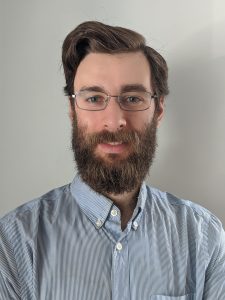
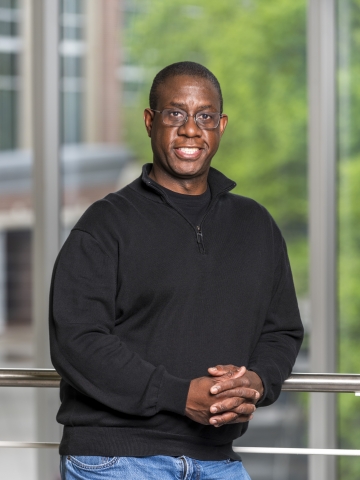
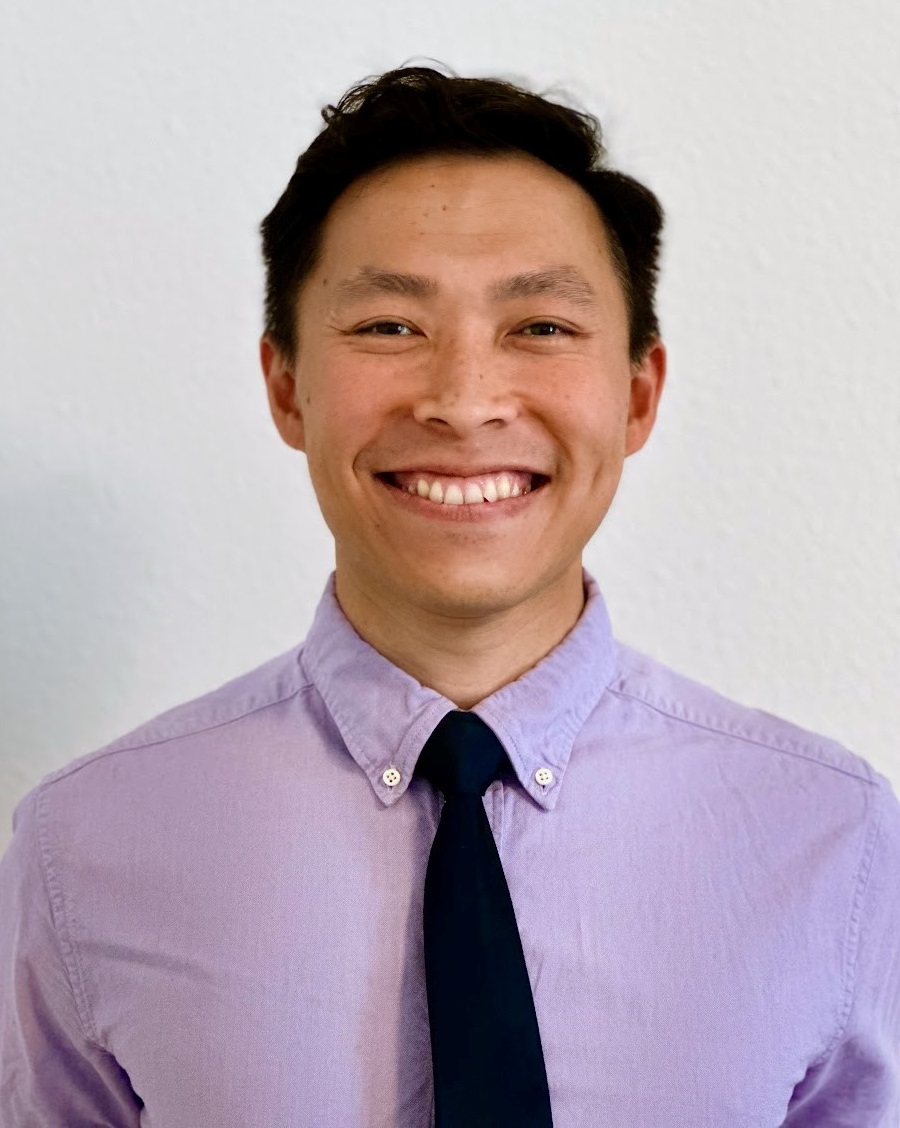
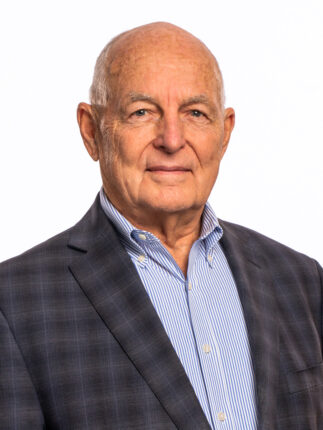
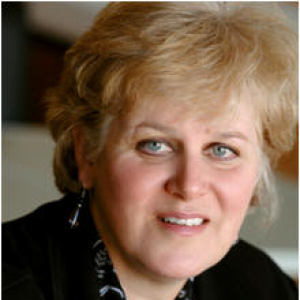
Gabriel Koch Ocker is an Assistant Professor in the Department of Mathematics & Statistics at Boston University, specializing in theoretical and computational neuroscience. His research investigates how neural activity encodes sensory information, shapes behavior, and evolves through learning mechanisms. Research Focus: Structure-function relationships in neuronal networks Methodology: Dynamical systems, stochastic processes, statistical physics Collaborations: Experimental validation of computational models Recent publications analyze integrate-and-fire networks, dendritic calcium spiking, inhibition-stabilized circuits, and metastability in stochastic neuronal systems. His group combines mathematical rigor with biological relevance to explore neural coding, plasticity, and functional hierarchy in cortical structures. Key contributions include tensor decomposition approaches to correlation analysis, reconciling recording technique discrepancies, and developing field-theoretic frameworks for compartmental modeling. Work spans from molecular-level channel dynamics (Kv7 channels) to brain-area-level functional organization.
Stefan France serves as Professor and Associate Chair for Graduate Studies in the School of Chemistry and Biochemistry at Georgia Institute of Technology, where he leads an active research program spanning organic synthesis methodology, natural products, and medicinal chemistry. His work develops innovative carbon-carbon and carbon-heteroatom bond formations for therapeutic applications targeting cancer, HIV, diabetes, and neurological disorders. Education: B.S. Chemistry, Duke University, 2000 M.A. Chemistry, Johns Hopkins University, 2003 Ph.D. Chemistry, Johns Hopkins University, 2005 France's research integrates three interconnected pillars: Method Development focuses on efficient catalytic transformations; Natural Product Synthesis targets biologically active complex molecules through modular approaches; Medicinal Chemistry develops drug candidates via interdisciplinary collaborations. Recent trends emphasize green chemistry applications, forensic pharmaceutical analysis, and heterocyclic synthesis methodologies, particularly in dearomatization, cycloadditions, and sustainable catalysis. His publications reveal growing emphasis on environmentally conscious synthesis, forensic standards development for controlled substances, and atmospheric chemistry of organic nitrates, reflecting interdisciplinary impact across pharmaceutical, environmental, and analytical domains. Scientific Awards: NSF CAREER Award (2011) and multiple Georgia Tech teaching honors including Senior Faculty Outstanding Undergraduate Mentor (2015) NOBCChE Lloyd N. Ferguson Young Scientist Award (2012) and NIH diversity grants ORAU Powe Fellowship (2009) and Ford Foundation Dissertation Fellowship (2004) As Associate Chair for Graduate Studies, France mentors numerous students and directs curriculum development. His research has secured significant funding from NSF, NIH, and industry partners, supporting collaborative projects with biologists and computational chemists for therapeutic development. The France Lab maintains strong industry partnerships for translational research. The France Lab operates under four foundational pillars: Creating Impact through Research and Teaching, Building Platforms for Future Chemists, Collaborative Decision Making, and Inclusive Community Leadership. Active as of Spring 2025, the lab maintains a public Instagram presence showcasing its supportive, diverse research environment focused on advancing chemical synthesis while training next-generation scientists.
Professor Lin Han is affiliated with the School of Biomedical Engineering, Science and Health Systems at Drexel University . His research focuses on nanoscale structure-property relationships of biomaterials , with applications in disease diagnostics, tissue regeneration, and bio-inspired material design . He leads the Nanobiomechanics Laboratory , integrating nanotechnology, biomechanics, and gene therapy. Education: PhD in Bio- and Polymeric Materials, Massachusetts Institute of Technology (2007) BE in Materials Engineering, Tsinghua University (2002) His research interests include: Nanoscale biomechanics of extracellular matrix (ECM) biomolecules like aggrecan, decorin, and type V collagen . Understanding genetic origins of joint tissue diseases and mechanotransduction in cartilage. Developing stimulus-responsive biomaterials and ECM-inspired tissue engineering strategies. The scientific awards he has received include: 2024 AIMBE College of Fellows 2024 NIH Grant for cartilage PCM mechanotransduction 2022 Drexel Faculty Award 2021 Kappa Delta Young Investigator Award 2016 Commonwealth CURE Program Grant His research on articles demonstrates trends in ECM nanomechanics , collagen structure-function analysis , and osteoarthritis intervention using advanced imaging and molecular engineering. His work bridges biomaterial design and clinical applications for cartilage repair. He has secured significant grants and collaborates on interdisciplinary projects involving MIT, Drexel, and industry partners . His lab develops novel hydrogels and nanoscale testing methods to study tissue degeneration and regeneration.
Adrian Whitty is an Associate Professor in the Department of Biology at Boston University . His research focuses on protein-protein and protein-ligand recognition, particularly in developing mechanistic understandings of growth factor receptor activation and advancing drug discovery for protein-protein interaction inhibition. Education: B.Sc. (Honors) in Chemistry from King’s College, University of London (1985); Ph.D. in Organic Chemistry from the University of Illinois at Chicago (1991); Postdoctoral Research Fellow at Brandeis University's Biochemistry Department (1990-93). His work integrates biochemical and cell-based assays using advanced technologies like FRET, Time-Resolved Fluorescence, and Surface Plasmon Resonance (Biacore 3000). He collaborates with computational chemists, organic synthesis experts, X-ray crystallographers, and biologists to develop novel approaches for designing small molecule inhibitors of protein-protein interactions. Recent publications highlight trends in machine learning applications for molecular scientists, structural analysis of enzyme mechanisms, macrocycle-based drug design, and quantitative studies of protein interaction energetics. His lab emphasizes rigorous hypothesis-driven experimental design, preparing students for careers in academia or industry. Advisory and leadership roles include membership in The Protein Society (2008-present), the American Society of Biochemistry and Molecular Biology (ASBMB) Governing Council (2007-present), and founding roles in the Council for Systems Biology in Boston (CSB2) and the Institute for Chemical Biology and Drug Discovery at SUNY Stony Brook. His laboratory is equipped with state-of-the-art facilities for fluorescence, analytical ultracentrifugation (AUC), dynamic light scattering (DLS), isothermal titration calorimetry (ITC), and tissue culture, supporting diverse techniques including flow cytometry and reaction pathway modeling with Mathematica and MATLAB.
Professor Samuel Fountain is a leading academic in pharmacology at the University of East Anglia, where he serves as Chair of Pharmacology within the School of Biological Sciences. He holds additional leadership roles as Associate Pro-Vice-Chancellor of the UEA Doctoral College and has previously served as Associate Dean for Postgraduate Research and Director of the Biomedical Research Centre. He is actively supervising multiple PhD students and securing major research funding. BSc (Hons) Pharmacology, University of Leeds (1997–2000) MRC-funded PhD, University of Leeds (2000–2004) Wellcome Trust Research Associate, University of Manchester (2004–2008) BBSRC David Phillips Fellow, University of Leeds (2008–2010) Lecturer to Professor of Pharmacology, University of East Anglia (2010–present) His research focuses on the role of ion channels—particularly P2X receptors—in vascular and adipose tissues, with implications for cardiometabolic diseases. His work integrates pharmacology, physiology, and molecular biology to understand neurovascular and neuroadipose communication, receptor-ligand interactions, and drug discovery. He employs techniques such as pressure myography, patch-clamp electrophysiology, calcium imaging, and molecular modelling. The analysis of his recent publications reveals a strong emphasis on purinergic signalling, ion channel pharmacology, and autonomic control of blood vessels and fat tissue. His work bridges basic science with translational applications, particularly in hypertension, obesity, and metabolic syndrome. Collaborations with AstraZeneca, Merck, and the British Heart Foundation underscore the clinical and pharmaceutical relevance of his research. Notable scientific recognition includes the prestigious BBSRC David Phillips Fellowship. He also contributes to the academic community through editorial roles, including as Editor of Purinergic Signalling , and as a member of the British Pharmacological Society and The Physiological Society. Professor Fountain actively mentors postdoctoral researchers and PhD students, several of whom are funded by BBSRC, BHF, and AstraZeneca iCASE awards. His lab is supported by significant grants from the British Heart Foundation, BBSRC, and industry partners, enabling cutting-edge research in vascular and metabolic pharmacology. He leads multiple active projects on neurovascular transmission, purinergic control, and drug discovery for P2X receptors. His research group operates within the Cells and Tissues research theme at UEA and utilizes advanced experimental platforms including human tissue studies, high-throughput screening, and computational ligand docking. The lab fosters interdisciplinary collaboration between pharmacologists, physiologists, and clinicians, positioning it at the forefront of autonomic and metabolic research.
Assistant Professor Low Jun Siong is affiliated with the Department of Microbiology and Immunology at the National University of Singapore (NUS), under the Yong Loo Lin School of Medicine. His research focuses on understanding T and B cell biology in the context of infection, cancer, and autoimmunity. He collaborates with clinical partners to characterize immune cell responses in patient cohorts and explores strategies to manipulate these cells for therapeutic purposes. Key areas of interest include antigen specificity, immune cell dysfunction, and immune-based disease interventions. Education: Holds a BSc and PhD (specific disciplines unspecified). Affiliated with the Cancer Science Institute (CSI) and A*STAR Infectious Diseases Labs. His work spans translational immunology, virology, and cancer immunotherapy. Recent projects include studies on SARS-CoV-2 immune responses, tumor microenvironment interactions, and tropical sponge microbiome evolution. He employs high-throughput approaches and machine learning for immune profiling. Research highlights include: Characterizing T/B cell responses against pathogens and cancers Engineering immune cells for enhanced functionality Investigating antibody mechanisms against coronaviruses Dissecting metabolic influences on T cell efficacy in tumors Exploring symbiotic microbiome evolution in marine environments No specific grants or advising roles are detailed in the provided text. He contributes to collaborative initiatives like the Department Safety and Health Programme (DSHP) and the Department Microbial Culture Collection (DMCC).
Surl-Hee Ahn is an Assistant Professor in the Department of Chemical Engineering at the University of California, Davis. Her research focuses on using molecular dynamics (MD) simulations and enhanced sampling methods like the weighted ensemble (WE) to study biological systems, including proteins, nanocrystals, and drug discovery for tuberculosis and other diseases. She leads the Ahn Lab, which develops cutting-edge computational tools, such as ParGaMD and DeepWEST, to advance kinetic and thermodynamic sampling in simulations. Education: Ph.D. in Chemistry (Chemical Physics), Stanford University M.S. in Chemistry, University of Pennsylvania M.A. in Mathematics, University of Pennsylvania B.A. in Biochemistry and Mathematics, University of Pennsylvania (Magna Cum Laude, Vagelos Scholar) Research Interests: Molecular dynamics simulations, enhanced sampling methods, computational drug discovery, vaccine design, protein interactions, and nanomaterial dynamics. Her work bridges computational biology, materials science, and pharmacology, with applications to infectious diseases and neurodegenerative disorders. Awards and Recognition: 2020 ACM Gordon Bell Prize Winner (SC20) for SARS-CoV-2 spike dynamics simulations 2021 Chancellor’s Outstanding Postdoctoral Scholar Award Finalist MIT Rising Stars in Mechanical Engineering (2018) ACS PHYS Division Young Investigator Award (2021) Grants & Collaborations: Her research is supported by grants from SC20/SC21 and leverages high-performance computing for multiscale modeling. She collaborates on projects like #COVIDisAirborne, combining AI with computational microscopy. Labs & Teams: The Ahn Lab at UC Davis emphasizes interdisciplinary training in computational methods and their application to real-world biomedical challenges.
Rebecca Waller is an Associate Professor in the Department of Psychology at the University of Pennsylvania. Her work focuses on socioemotional development, child psychopathology, and personality development, particularly examining how environmental contexts interact with genetic risks to influence antisocial behavior and related traits like callous-unemotional behaviors. She uses advanced methodologies including fMRI, DTI, and twin/adoption designs. Her research aims to inform prevention and intervention strategies for antisocial behavior. Education: BA in Experimental Psychology, University of Oxford MSc in Evidence-Based Social Intervention, University of Oxford PhD (DPhil) in Social Intervention, University of Oxford Research Interests: Developmental origins of antisocial behavior Callous-unemotional traits and empathy Genetic and environmental interactions in psychopathology Brain structure/function correlates of behavior Resilience in high-risk families Lab: Director of the EDEN Lab, which employs multi-method approaches to study social, emotional, and behavioral development. Current projects include a lifespan approach to mental health and interventions targeting disruptive childhood behaviors. Advising: Supervises graduate students focused on computational linguistics/AI in psychiatry, EEG, and physiological systems related to externalizing psychopathology.
Jason Matthews is a Professor in the Department of Nutritional Sciences at the Faculty of Medicine, University of Oslo. He also holds a status-only professorship at the Department of Pharmacology and Toxicology, Faculty of Medicine, University of Toronto, Canada. His research focuses on the aryl hydrocarbon receptor (AHR) and its target gene PARP7/TIPARP in the context of cancer, inflammation, and metabolic diseases. Current positions: University of Oslo (since 2015), University of Toronto (status-only since 2016) Education: PhD (2001, Michigan State University), BSc (1997, University of Western Ontario) Matthews' research investigates how AHR and PARP7 enable cancer cells to evade immune detection and promote tumor growth. His work explores therapeutic strategies combining AHR/PARP7 inhibition with immunotherapy to combat cancer progression. Additional studies examine the AHR-PARP7 axis in chronic inflammatory conditions like obesity and atherosclerosis. Recent publications highlight his team's work on AHR inhibition in pancreatic cancer, PARP7's role in interferon signaling, environmental pollutant impacts on immune gene expression, and novel chemical compounds targeting the AHR pathway. These studies employ cell biology, gene editing, genomics, and preclinical cancer models. Collaborations span institutions including University of Toronto, Karolinska Institute, and University of Leeds, focusing on cancer immunology, nutritional sciences, and drug development.
Sophia Lunt is a Professor in the Department of Biochemistry & Molecular Biology and Chemical Engineering & Materials Science at Michigan State University , where she has been since 2015 (Assistant Professor 2015-2021, Associate Professor 2021-2025, Professor 2025-present). She leads the Lunt Lab , focusing on cancer metabolism , particularly metabolic reprogramming in tumor proliferation, heterogeneity, and metastasis . Her work combines mass spectrometry , genetic cancer models , cell biology , and fluorescent agents to develop targeted cancer therapies . Ph.D. (2010) & B.S. (2005) in Chemistry Postdoctoral Fellow at MIT (2010-2015) NSF CAREER awardee (2019) 20+ peer-reviewed publications since 2007 Research Focus : Cancer metabolism (Warburg effect, PHGDH heterogeneity, TIGAR regulation) Photodynamic therapy (counterion-tuned agents, metal halide nanoclusters) Metabolomics (tumor-immune interactions, microbiome effects) Selected Scientific Awards : 2022 MSU College of Natural Science Teacher-Scholar Award 2022 MSU BMB Teaching Award 2020 MANA Young Investigator Award 2019 NSF CAREER & METAvivor Early Career Investigator Awards Her teaching includes BMB 101: Frontiers in Biochemistry (curriculum overhaul for freshman success) and BMB 461: Advanced Biochemistry I , covering metabolic regulation and pathways.
John Hanrahan is a Professor in the Department of Physiology at McGill University, leading the Cystic Fibrosis Transmembrane Regulator Function Laboratory. His research focuses on understanding epithelial chloride transport mechanisms, particularly the CFTR protein’s role in cystic fibrosis (CF) and chronic obstructive pulmonary disease (COPD). He employs electrophysiology, imaging, and molecular biology techniques to study CFTR structure-function relationships and develop therapeutic correctors for CFTR mutations. Education: BSc(Hon) from Dalhousie University, PhD from University of British Columbia, and postdoctoral training at Yale University. Research emphasizes: 1) CFTR clustering dynamics and lipid membrane interactions, 2) CFTR corrector drug development (e.g., MCG1516A, LAU-7b), 3) CFTR’s role in mucus production and host defense, and 4) pharmacological modulation of cyclic nucleotide pathways. Recent work explores combinations of CFTR modulators and lipid metabolism interventions to address CF pathophysiology. Key findings include demonstrating lipid-driven CFTR clustering defects in CF and identifying novel compounds that restore CFTR trafficking. His studies also reveal CFTR’s interplay with bitter taste receptors (T2R14) and PDE enzymes in immune responses.
Wei Shi is an Associate Professor of Chemistry (Organic) at Ball State University’s College of Sciences and Humanities, Department of Chemistry. He joined the institution in 2019, specializing in teaching Organic Chemistry and conducting research in Medicinal Chemistry, Chemical Biology, and Organic Synthesis. His research focuses on designing chemical probes derived from natural products to understand small molecule regulation of macro-biomolecules for disease treatment. Education: B.Sc. in Electrochemistry from Shanghai Jiao Tong University (China), M.Sc. in Bioorganic Chemistry from East China University of Science & Technology (China), Ph.D. in Chemistry from the University of Alberta (Canada), and postdoctoral training at Johns Hopkins School of Medicine (USA). Research Interests: Explores the pharmaceutical potential of bioactive natural products, particularly glycoconjugates, aiming to design novel drug candidates with enhanced therapeutic profiles. Key projects include studying ipomoeassin F’s mechanism of action as an ER translocon inhibitor and developing itraconazole analogs for antiangiogenic and anticancer applications. Selected Publications: Over 20 peer-reviewed articles, including landmark studies on ipomoeassin F’s Sec61α binding, itraconazole’s dual targeting of NPC1/VDAC1, and structural analog design. Recent work highlights Sec61 translocon inhibition mechanisms in Mycobacterium ulcerans pathogenesis and ER stress response modulation in cancer cells. Labs/Teams: Director of the Shi Research Group , focusing on natural product-inspired drug discovery and chemical biology.
Dr. Martin F. Semmelhack is a Professor of Chemistry at Princeton University, leading the Semmelhack Lab. His research focuses on designing small molecules to modulate biological processes, particularly bacterial quorum sensing mechanisms in pathogens like Vibrio cholerae and Pseudomonas aeruginosa. His work aims to develop anti-infective drugs by targeting cell communication pathways. Key research areas include synthetic organic chemistry, chemical biology, and bacterial signaling pathways. Notable contributions include the discovery of autoinducers CAI-1 and AI-2, and the development of quorum sensing agonists/antagonists. Collaborations with microbiologists and neuroscientists expand applications into biofilm inhibition and neurotransmitter release technologies. His honors include the Arthur C. Cope Scholar Award (2014), John Simon Guggenheim Fellowship (1978–1979), and Camille and Henry Dreyfuss Teacher-Scholar Grant (1972–1977). Research combines chemical synthesis with biological testing to bridge molecular design and therapeutic potential. Advising and grant activities include funding from the National Institutes of Health and National Science Foundation, supporting interdisciplinary projects. The Semmelhack Lab is located in the Frick Laboratory, Princeton University.
Melissa Jones is an Assistant Professor in the Department of Microbiology & Cell Science at the University of Florida. Her research focuses on understanding viral-bacterial interactions, particularly how norovirus and other pathogens exploit bacterial extracellular vesicles and host-microbiome dynamics to facilitate infection. She investigates mechanisms of pathogenesis, immune modulation, and antiviral strategies leveraging bacterial-derived vesicles. Dr. Jones' work bridges microbiology, virology, and immunology, with a focus on translational applications such as vaccine development and infection control. Her studies employ advanced molecular techniques to dissect the roles of bioactive lipids, carbohydrate interactions, and host immune responses in infectious disease contexts. Recent research highlights include characterizing how bacterial extracellular vesicles inhibit viral replication, modulate immune responses, and shape microbiome composition. Her findings have implications for understanding chronic infections in immunocompromised patients and improving food safety measures against norovirus outbreaks. Contact: mmk@ufl.edu | Room 1148, Microbiology Building 981 Key Areas: Norovirus pathogenesis, bacterial-viral crosstalk, extracellular vesicle biology, host-microbiome interactions
Lisa A. Cassis serves as Vice President of Research and Professor of Pharmacology and Nutritional Sciences at the University of Kentucky. She holds multiple leadership positions including Co-Director of the Division of Nutritional Sciences and Graduate Faculty in Nutritional Sciences. Dr. Cassis is affiliated with several research centers including the Saha Cardiovascular Research Center, Saha Aortic Center, and serves as an MD/PhD Program Mentor. Dr. Cassis's research program has focused for over three decades on the renin-angiotensin system (RAS) in metabolic and cardiovascular diseases. Her laboratory made the seminal discovery in 1988 that adipocytes express high levels of angiotensinogen, establishing the concept of an adipocyte RAS. In 1999, in collaboration with Dr. Alan Daugherty, her team demonstrated that infusion of angiotensin II to hyperlipidemic mice increases atherosclerosis and causes abdominal aortic aneurysms (AAAs), with their 2000 publication in The Journal of Clinical Investigation becoming highly influential (over 500 citations). Current research emphasizes mechanisms for sex differences in AAA formation and PCB-induced diabetes, particularly examining adipocyte aryl hydrocarbon receptors as mediators of inflammation and insulin resistance. Her work has been continuously NIH-funded since 1988. Analysis of Dr. Cassis's recent publications reveals a strong focus on sex differences in vascular pathologies, particularly abdominal aortic aneurysms. Her research integrates molecular mechanisms with physiological outcomes, emphasizing adipose tissue's role in cardiovascular disease. Recent work explores novel therapeutic targets including serotonin receptors and mitochondrial dynamics in aortic disease progression. The publications demonstrate a progression from foundational mechanistic work to translational applications, with increasing use of advanced techniques like single-cell transcriptomics. 1986 National Research Service Award Postdoctoral Fellowship 1991 IBM Supercomputer Competition, First Place 1992 Research Career Development Award, NIHLBI 2012 Women's Mentor of the Year, Council on Arteriosclerosis, Thrombosis, and Vascular Biology, American Heart Association 2012 Mentor of the year, Center for Clinical and Translational Sciences, University of Kentucky 2012 Council for High Blood Pressure Research Harriett Dustan Award for Excellence in Hypertension Research Dr. Cassis has extensive experience administering major research programs including Director of a multidisciplinary graduate center focused on nutritional scientists, Chair of the Department of Nutritional Sciences, Chair of the Department of Molecular and Biomedical Pharmacology, Director of an NIH T32 on Nutrition and Oxidative Stress, and Director of the Phase II NIH Center of Biomedical Research Excellence on Obesity and Cardiovascular Diseases (COCVD). She has served in numerous leadership roles including as Project Director of a University of Kentucky Superfund Basic Science Research Program focused on polychlorinated biphenyls (PCBs). Dr. Cassis leads the Saha Cardiovascular Research Center and Saha Aortic Center at the University of Kentucky, where her laboratory investigates the intersection of metabolic and cardiovascular diseases. Her team combines molecular, cellular, and physiological approaches to study sex differences in vascular pathologies, with particular emphasis on abdominal aortic aneurysms and the role of adipose tissue in cardiovascular disease.