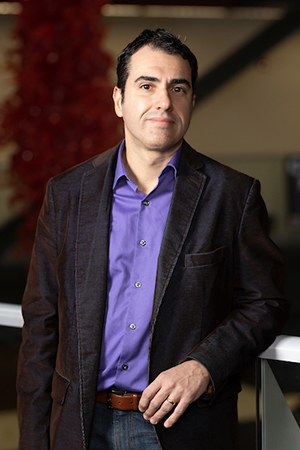
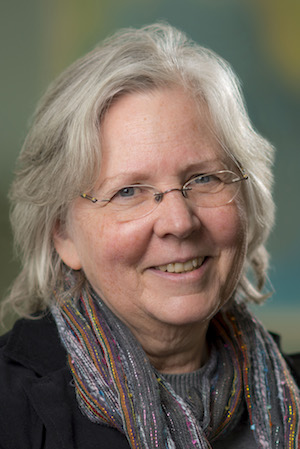
Dario Ghersi is Associate Professor and Graduate Program Chair for Biomedical Informatics, Cybersecurity, and IT Innovation at UNO's College of Information Science & Technology. He holds an MD from the University of Genoa and a PhD in Structural Bioinformatics from Mount Sinai School of Medicine. Research focuses on cancer genomics, structural bioinformatics, immunoinformatics, and biologically-inspired computing. His lab develops computational methods for understanding protein interactions, T-cell immunity, and therapeutic design. Recent publications demonstrate advancements in viral inhibition strategies, equitable algorithm design, and cancer biomarker discovery. Awards include a 2011 American-Italian Cancer Foundation fellowship. Service includes co-directing the BISB track in the IGPBS PhD program and multiple committee roles.
Gabriel Loeb, MD, PhD is an Assistant Professor at the University of California, San Francisco (UCSF) School of Medicine , where he operates as a physician-scientist specializing in genetic kidney diseases . His research integrates human genetics , genomics , and novel kidney disease models to identify molecular mechanisms in chronic kidney disease and Autosomal Dominant Polycystic Kidney Disease (ADPKD). Clinically, he focuses on familial and genetic kidney disease care at the UCSF Nephrology Faculty Practice . Education BS in Biology (2005), Stanford University MD (2015), Cornell PhD in Immunology (2015), Cornell/Rockefeller/Sloan Kettering Internal Medicine Residency (2018), Brigham and Women's Hospital/Harvard Medical School Nephrology Fellowship (2021), UCSF Research Interests center on leveraging human genetic variation to decode kidney disease mechanisms, with a focus on ADPKD and tubule epithelial regulatory elements . His work explores cell type-specific genomics , polycystin channel function , and urine multiomics for non-invasive diagnostics. Recent Publications highlight advancements in ADPKD mechanistic understanding , urine-based liquid biopsies , and genomic deep learning model limitations . Key journals include Nature Genetics , Nature Communications , and bioRxiv . Grants & Programs Laboratory for Genomics Research Innovation Award (2024–2025) Physician Scientist Scholars Program, UCSF (2021–2026)
Peter Jonas is the Magdalena Walz Professor for Life Sciences at the Institute of Science and Technology Austria (ISTA) since 2022, and has been a Professor at ISTA since 2010. Previously, he served as Professor of Physiology and Department Head at the University of Freiburg, Germany (1995–2010) and Associate Professor at the Technical University of Munich (1994–1995). Current Role: Group Leader, Cellular Neuroscience Key Techniques: Nanophysiology, Presynaptic Patch-Clamp, Two-Photon Ca2+ Imaging, Optogenetics, Functional Anatomy His research focuses on synaptic signaling mechanisms in the hippocampus, particularly how glutamatergic and GABAergic synapses contribute to network functions. He investigates: Biophysical signaling and plasticity at mossy fiber synapses Role of synaptic properties in higher network functions Calcium channel-vesicle coupling dynamics Modeling of synaptic and network-level phenomena The group employs in vitro and in vivo approaches, combining experimental and computational methods to decode brain function. Recent work highlights the structural and functional analysis of 'giant' cortical presynaptic terminals. Scientific Awards include: Magdalena Walz Professor for Life Sciences (2022) Peter Seeburg Integrative Neuroscience Prize (2021) EMBO Membership (2019) FWF Wittgenstein Award (2016) DFG Gottfried Wilhelm Leibniz Award (2006) His students and postdocs include PhD candidates Silvia Jamrichova, Peipeng Lin, Rebecca Morse Mora, and Priyansha Verma, alongside postdocs Katharina Lichter, Andrea Navas Olive, and Jake Watson. The lab also collaborates with technical staff and scientific computing experts.
Professor Leonie Young holds a Professorship in the Department of Surgery at the Royal College of Surgeons in Ireland (RCSI), based at York House in Dublin. Her academic career includes roles as Associate Professor (2011–2018) and Professor (2018–present). Her research focuses on uncovering mechanisms of endocrine therapy resistance in breast cancer, particularly involving Steroid Receptor Coactivator (SRC) proteins and metastasis to the brain. She leads the Endocrine Oncology Research Group, leveraging primary patient-derived cell cultures and clinical datasets to identify predictive markers and therapeutic targets. Research Interests: Prof. Young’s work spans breast cancer biology, endocrine resistance, translational oncology, and targeted therapies for metastatic disease. Her group employs high-throughput methods, molecular modeling, and spatial genomics to study SRC-mediated resistance pathways. Current projects include the GeTTMet initiative addressing brain metastasis through genomic adaptations. Grants & Collaborations: She has secured funding from institutions like Science Foundation Ireland, Breast Cancer Ireland, and the EU. Notable grants include the GeTTMet program (2024–2028) targeting brain metastasis via genomic approaches. Her lab collaborates on projects like the OECI Comprehensive Cancer Centre and AICRIstart precision medicine initiatives. Labs & Teams: Leads the Endocrine Oncology Research Group at RCSI, focusing on translational research to bridge molecular insights with clinical applications. The group investigates nuclear receptor interactions, tumor heterogeneity, and novel therapeutic strategies.
Dr. Daniel J. O. Roche is an Assistant Professor in the Department of Psychiatry at the University of Maryland School of Medicine and a member of the Maryland Psychiatric Research Center. He earned a B.A. in Psychology from the University of Connecticut (2003), a Ph.D. in Neurobiology from the University of Chicago (2012), and completed postdoctoral training at UCLA under Dr. Lara Ray. Prior to his current role, he served as a Research Scientist and Lecturer at UCLA and as an Adjunct Assistant Professor in Psychiatry. B.A. Psychology, University of Connecticut (2003) Ph.D. Neurobiology, University of Chicago (2012) Postdoc, UCLA (2012-2018) Dr. Roche’s research focuses on human laboratory models of addiction, behavioral pharmacology, and medication development for substance use disorders. His work integrates neuroimaging, neurocognitive testing, and clinical trial designs to identify mechanisms underlying addiction and test novel treatments. He has published extensively on topics including naltrexone’s effects on alcohol and methamphetamine response, pharmacogenetics, and co-use patterns of multiple substances. Key trends in his publications include pharmacological interventions for addiction, translational research bridging behavioral pharmacology and clinical trials, and investigations into sex differences, genetic factors, and neuroimmune mechanisms. His lab at the Maryland Psychiatric Research Center (website: https://www.mprc.umaryland.edu/addiction ) specializes in experimental paradigms to model craving, withdrawal, and treatment efficacy.
Antony Rodriguez, Ph.D., is an Associate Professor at Baylor College of Medicine, affiliated with the Department of Immunology, Allergy & Rheumatology and the Center for Translational Research on Inflammatory Diseases (CTRID). He holds roles as a Graduate Faculty Member in Immunology & Microbiology and Development, Disease Models & Therapeutics. His laboratory focuses on microRNA-mediated mechanisms in lung physiology and repair, particularly in COPD and interstitial lung disease (ILD). Education includes a PhD in Genetics, Development, and Programmed Cell Death from the University of Texas Southwestern Medical Center, followed by a postdoctoral fellowship at the Wellcome Trust Sanger Institute focusing on microRNAs, immunology, and stem cells. Research interests center on microRNA regulation of lung repair, stem cell dysfunction, and inflammation-driven injury. Key projects include let-7 miRNA's role in Tc17 differentiation and fibrogenic pathways. Techniques used include chimeric AGO2-eCLIP, single-cell RNA sequencing (scRNA-seq), and CUT&RUN. Active NIH-funded projects (NHLBI) investigate let-7's role in lung disease pathogenesis and AT2 cell homeostasis. No scientific awards are explicitly listed in the provided text. His work bridges basic science and translational medicine, aiming to develop novel therapies for severe lung diseases such as COPD and ILD.
Marinko Sarunic is an Adjunct Professor at the School of Engineering Science , Simon Fraser University . He holds a PhD in Biomedical Engineering from Duke University and has been recognized as a Michael Smith Foundation for Health Research Scholar . His research focuses on biomedical imaging , particularly optical coherence tomography (OCT) , microscopy , and low-coherence interferometry , with applications in diabetic retinopathy , Alzheimer’s disease , and age-related macular degeneration . Dr. Sarunic's work spans adaptive optics , deep learning , and sensorless OCT systems , emphasizing clinical translation and open-source software development (e.g., OCTAVA ). His Google Scholar publications highlight multimodal imaging , vascular heterogeneity analysis , and AI-driven diagnostics for retinal diseases. His contributions include the Michael Smith Foundation for Health Research Scholar award. Though not currently teaching courses, his collaborations and leadership in retinal imaging and medical device innovation are pivotal for advancing non-invasive diagnostics in neurodegenerative and diabetic conditions .
Brenda Gannon, Ph.D., is an Assistant Professor in the Department of Pharmacology and Toxicology at the University of Arkansas for Medical Sciences (UAMS), within the College of Medicine. Her research focuses on the abuse-related effects of novel psychoactive substances (NPS), including synthetic cannabinoids, cathinones, and opioids. She also investigates regulatory policy and drug-drug interactions. Dr. Gannon’s work employs behavioral pharmacology techniques such as intravenous self-administration, drug discrimination, and telemetry-based physiological monitoring. Education: Ph.D., Interdisciplinary Toxicology, UAMS (2015) Graduate Certificate in Regulatory Sciences, UAMS (2014) Postdoctoral Fellowship at University of Texas Health Science Center-San Antonio (2015–2018) Research Interests: Dr. Gannon’s research bridges preclinical pharmacology and regulatory science, with emphasis on understanding the neurochemical and behavioral profiles of emerging drugs. Her lab evaluates abuse liability, polypharmacology, and translational strategies for drug development. Key areas include synthetic cathinones, psychedelics, and opioid alternatives. Grant Activity: She serves as Lab Manager (Co-Investigator equivalent) on NIH-funded projects (IDs 15DDHQ24A00000020 and 15DDHQ24A00000027) investigating hallucinogens and stimulants’ abuse potential using in vivo assays. Labs/Teams: Her laboratory focuses on translational drug research, combining behavioral and neurochemical analyses to inform regulatory policy and therapeutic design.
Stefano Romeo is a Professor in Molecular and Clinical Medicine at the Sahlgrenska Academy, University of Gothenburg, and a Senior Consultant in Endocrinology at Sahlgrenska University Hospital. He holds a Medical Degree from Campus Biomedico University (2001, Italy) and completed his residency in Endocrinology at Sapienza University of Rome (2006). He has held postdoctoral positions at the University of Texas Southwestern Medical Center (2006–2009) and the University of Cambridge (2009–2011). Affiliations: Wallenberglab, Sahlgrenska University Hospital, and University Magna Graecia (Italy). Research Focus: Genetic determinants of metabolic disorders, including fatty liver disease (FLD) and cardiovascular disease (CVD). Key contributions include identifying PNPLA3 , MBOAT7 , and PSD3 as critical genes in FLD, developing 3D liver models, and pioneering precision medicine approaches. In CVD, he developed a machine-learning algorithm for familial hypercholesterolemia (FH) diagnosis and identified LPL mutations linked to severe hypertriglyceridemia. Clinical Leadership: Director of the Lipid Clinic at Sahlgrenska University Hospital since 2014, focusing on genetic screening for FH and hyperlipidemia management across the Västra Götaland region. Awards & Recognition: International Laureate Chair Prize (2023) Leif Groop Award (2021) Knut and Alice Wallenberg Academy Fellowship (2017) Labs & Teams: Leads a multidisciplinary team including researchers (Rosellina Mancina, Ester Ciociola), postdocs (Kavitha Sasidharan), and students (Tanmoy Dutta). Collaborates with the Lipid Clinic team, including clinicians and residents.
Rebecca Van Beneden is a Professor at the University of Maine, holding dual affiliations with the Department of Biochemistry, Microbiology and Molecular Biology and the School of Marine Sciences. She served as Director of the School of Marine Sciences from 2016–2018, with prior roles including Interim Director (2015–2016) and Associate Director (2014–2015 and 2001–2004). Her research focuses on molecular mechanisms of environmental toxicity in aquatic organisms, particularly the effects of carcinogens and dioxins on tumor development in fish and shellfish. Education: B.S., Biology, Wright State University, 1974 Ph.D., Biochemistry, Johns Hopkins University, 1983 Research Interests: Dr. Van Beneden investigates how aquatic organisms respond to environmental stress, including molecular carcinogenesis in medaka fish, tumor induction in clams, and dioxin toxicity in river ecosystems. Her work integrates molecular biology, ecological studies, and comparative oncology to assess risks to environmental and human health. Recent projects include studies of arsenic effects on zebrafish and mummichog, and collaboration with the Penobscot Nation on river contaminant impacts. Grants/Advising: She oversees the DNA Sequencing Facility and collaborates on projects such as pesticide effects on Atlantic salmon smoltification. Publications span molecular toxicology and environmental health, emphasizing aquatic models for carcinogen studies. Labs/Teams: Her laboratory at the School of Marine Sciences collaborates with institutions like the NCI/NIH and Duke University, focusing on dioxin receptors, tumor suppressor genes (e.g., p53), and gene expression profiling in exposed organisms.
Roger Fulton is a Professor of Medical and Preclinical Imaging at the University of Sydney and a Principal Nuclear Medicine Physics Specialist at Westmead Hospital's Department of Medical Physics. He is part of the Brain and Mind Centre and leads the Physics and Biomodelling team. His roles include Conjoint Professor in Medical Radiation Sciences, RHD student supervision, and coordination of the MRTY5134 (Computed Tomography Theory) and MRTY2107 (Imaging Technology 2) units of study. He holds a PhD in Applied Physics. His career has spanned collaborations with institutions like the Research Center Julich (Germany), Massachusetts General Hospital (USA), and the International Atomic Energy Agency (Austria). Professional recognitions include Fellow of ACPSEM, Senior IEEE Membership, and Chair of the Nuclear Medical Imaging Sciences Council (IEEE). Research interests focus on motion tracking/correction for SPECT, PET, and CT imaging, including patent innovations and leadership in radiation dose reduction techniques. He has secured $9.2M in competitive grants since 2004 and contributed to global standards through IAEA initiatives. Grants and advising: Over $9.2M in grants since 2004, advising PhD student Bader ALOUFI on liver imaging kinetics. His work bridges hardware engineering (e.g., Intel RealSense depth cameras) with software solutions (neural networks, Bayesian methods) to enhance imaging accuracy and reduce patient motion artifacts. Scientific Awards: US Patent (2020) ARC College of Experts (2016–2018) ACPSEM Fellowship IEEE Senior Membership IEEE Nuclear and Plasma Sciences Society leadership Labs/Teams: Physics and Biomodelling team at the Brain and Mind Centre, collaborating with international groups on preclinical imaging systems and awake-animal PET methodologies.
Roger J. Colbran, PhD, is a Professor and Vice Chair in the Department of Molecular Physiology and Biophysics at Vanderbilt University School of Medicine. His research focuses on calcium/calmodulin-dependent protein kinase II (CaMKII) and its roles in synaptic signaling, neuropsychiatric disorders, and neurological conditions. His lab investigates mechanisms of synaptic plasticity, particularly in the striatum and hippocampus, with implications for learning, memory, and disease. Key affiliations include the Vanderbilt Brain Institute, Vanderbilt Kennedy Center, and Vanderbilt Center for Addiction Research. His work integrates biochemistry, electrophysiology, and proteomics to study CaMKII interactions with receptors (e.g., NMDA, voltage-gated calcium channels) and signaling pathways (e.g., endocannabinoids, phosphatase regulation). Recent articles highlight CaMKII’s role in striatal sociability, nuclear signaling via Shank3 interactions, and ASD-related mutations. His lab’s multidisciplinary approach bridges basic neuroscience with translational research on disorders like addiction and neurodegeneration.
Prof. Günter Höglinger is Director of the Neurological Clinic and Polyclinic at Ludwig-Maximilians-Universität München (LMU Munich) and holds the rank of University Professor. His clinical expertise focuses on neurodegenerative diseases including Parkinson's, Alzheimer's, progressive supranuclear palsy, and vascular neurology. He leads therapeutic trials targeting tauopathies and movement disorders, with affiliations to the Early Clinical Trial Unit (ECTU) and the Neurology Winter School (NWS) for academic training. Research interests center on neurobiological mechanisms of neurodegenerative disorders, particularly tau protein pathology and clinical trial development. He has pioneered studies on anti-tau antibodies (gosuranemab, prasinezumab) and genetic determinants of disease progression. His work integrates molecular biology, imaging (tau-PET), and histopathological analysis to advance diagnostic and therapeutic strategies. Laboratory and collaborative efforts include the PSP Genetics Group and international consortia like the PASADENA Investigators. He oversees clinical training programs including doctoral thesis supervision and mentorship for junior researchers in neurology. Professional affiliations include FEAN (Federation of European Neurological Societies).
Radu O. Minea is an Assistant Professor of Research in Neurological Surgery at the University of Southern California (USC). His research focuses on developing conjugated drug therapies for cancers such as glioblastoma, leukemia, and lymphoma. He specializes in preclinical models to evaluate the efficacy of novel compounds like NEO212, NEO214, and NEO100, which target cancer cells through mechanisms including autophagy inhibition, macrophage differentiation, and enhanced drug delivery to tumor sites. His work bridges molecular oncology, drug design, and translational medicine, with a particular emphasis on overcoming drug resistance in malignant tumors. Key research areas include: Design and testing of conjugated chemotherapeutic agents Mechanisms of drug resistance in gliomas and hematologic malignancies Targeted drug delivery strategies for brain-localized cancers Role of disintegrins and venom-derived peptides in cancer therapy Dr. Minea’s publications highlight innovations in radiosensitization, antiviral cancer therapies, and the application of multi-integrin targeting proteins. His research has implications for improving treatment outcomes in aggressive cancers like glioblastoma and acute myeloid leukemia.
Parviz Minoo, PhD is a Professor of Pediatrics at the Keck School of Medicine, University of Southern California, where he also serves as Director of the USC Hastings Center for Pulmonary Research. His research focuses on pulmonary development and disease, with particular emphasis on understanding the molecular mechanisms underlying lung morphogenesis and alveolar development. Dr. Minoo's research interests center on pulmonary biology with a focus on lung development, alveologenesis, and bronchopulmonary dysplasia. His work investigates the complex signaling pathways involved in lung formation, including Wnt, FGF, TGF-β, and Hedgehog signaling networks. He has made significant contributions to understanding how transcription factors like NKX21 regulate lung epithelial cell differentiation and how growth factors such as FGF10 drive alveolar formation. His research bridges basic developmental biology with clinical applications for neonatal respiratory disorders. Analysis of Dr. Minoo's recent publications reveals a consistent focus on the molecular mechanisms of alveologenesis and lung regeneration. His work demonstrates how specific signaling pathways (Wnt5a, FGF10, Hedgehog) interact with transcription factors (NKX21, FOXO1) to regulate alveolar cell differentiation. The research spans from fundamental developmental biology to potential therapeutic applications for bronchopulmonary dysplasia and pulmonary fibrosis, with increasing attention to cellular plasticity, progenitor cell niches, and the role of the extracellular matrix in lung development. As Director of the USC Hastings Center for Pulmonary Research, Dr. Minoo oversees a multidisciplinary team investigating lung development, injury, and repair mechanisms. His laboratory employs sophisticated mouse models, organoid cultures, and molecular techniques to unravel the complexities of pulmonary biology. The center serves as a hub for collaborative research connecting basic science with clinical applications in neonatal and pediatric pulmonary medicine.