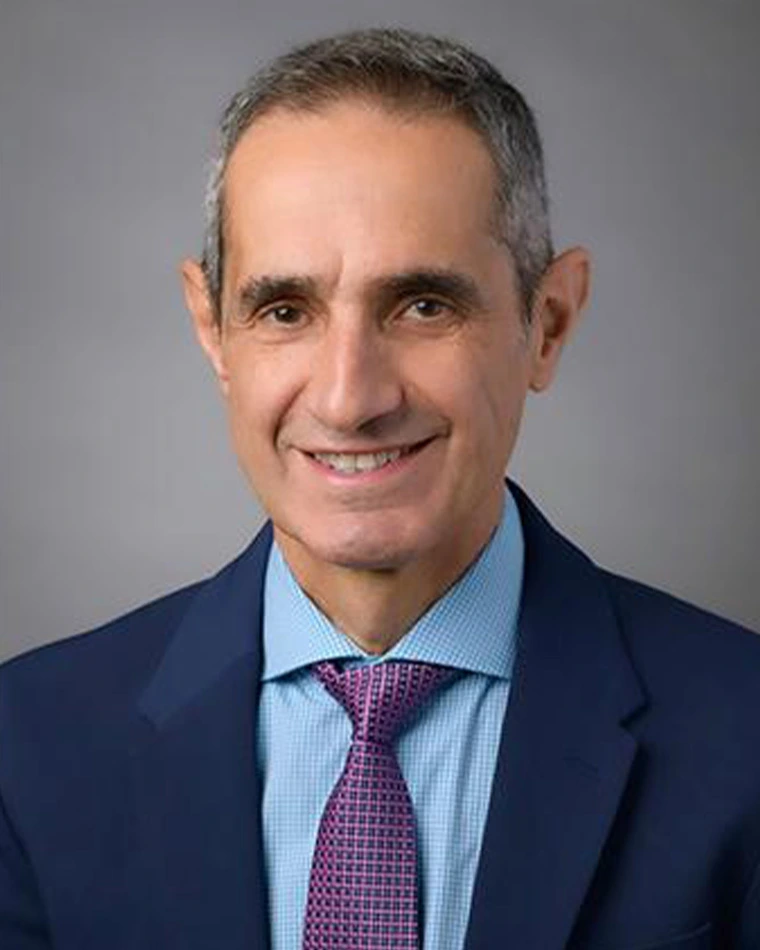
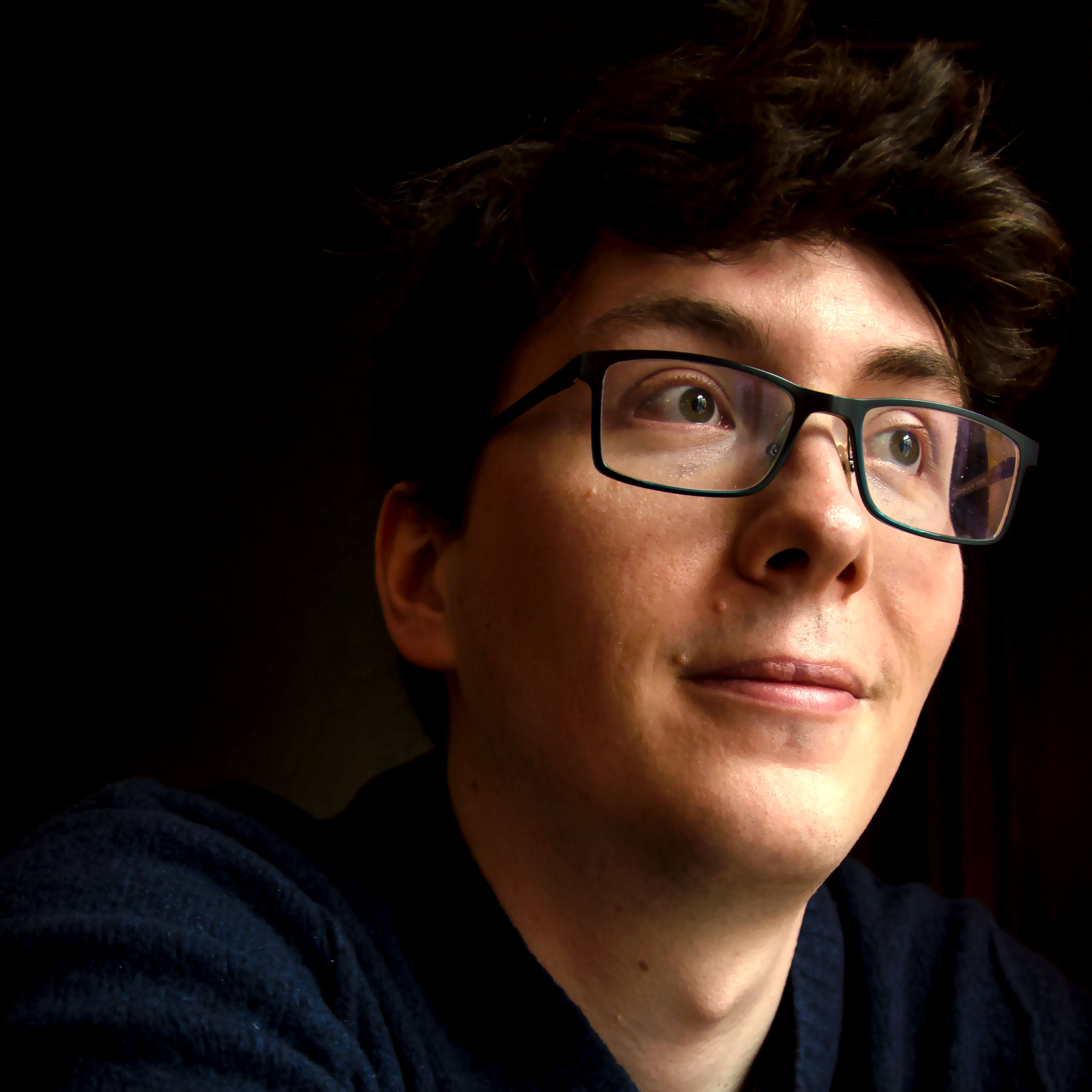
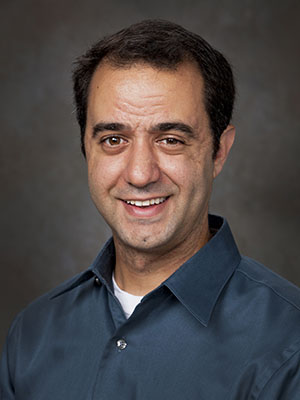
Nima Fazeli is an Assistant Professor of Robotics at the University of Michigan (2020–Present), holding courtesy appointments in Computer Science & Engineering (CSE) and Mechanical Engineering. He directs the Manipulation and Machine Intelligence (MMint) Lab, focusing on enabling dexterous robotic manipulation through multimodal representation learning, tactile sensing, and model-based reasoning. His work integrates mechanics, perception, controls, and planning to achieve autonomous interaction with uncertain environments. Education: PhD, MIT (2019); MSc, University of Maryland (2014); BSc, Amirkabir University of Technology (2011) Research interests emphasize embodied intelligence , including visuo-tactile fusion, contact dynamics modeling, and cross-modal learning. Recent work explores tactile shadows, deformable object manipulation, and language-guided robot control. His research is supported by the NSF CAREER grant and National Robotics Initiative, with applications in manufacturing, assistive robotics, and space systems. Publications span topics like tactile sensing hardware (e.g., GelSlim 4.0), visuo-tactile implicit representations (ViTaSCOPE), and failure recovery policies (Racer). His team’s work has been featured in outlets like The New York Times and BBC. Key Awards: NSF CAREER Grant (2024) Teaching includes Introduction to Robotic Manipulation . Collaborations involve cross-disciplinary projects with mechanical, electrical, and biomedical engineering groups.
Farzad Mashayek is a Professor and Department Head of Aerospace and Mechanical Engineering at the University of Arizona, College of Engineering. He is a member of the Graduate Faculty and leads the Computational Multiphase Transport Laboratory. His research integrates high-fidelity simulations, machine learning, and experimental validation across diverse domains in fluid dynamics and energy systems. Educational Background: PhD in Mechanical Engineering, State University of New York at Buffalo, Buffalo, NY MS in Mechanical Engineering, Sharif University of Technology, Tehran, Iran BS in Mechanical Engineering, Sharif University of Technology, Tehran, Iran His research interests include turbulent reacting flows, plasma dynamics, electrostatic atomization, solid-ion and lithium batteries, computational fluid dynamics, and machine learning applications in engineering. He employs high-order spectral element methods, phase-field modeling, and deep neural networks to study complex multiphysics phenomena such as drop impact, battery degradation, and turbulence modeling. The recent publications reflect a strong trend toward integrating machine learning with multiphysics simulations, particularly in battery safety (thermal runaway prediction), materials characterization (STEM image analysis), and fluid dynamics (modal analysis of turbulence). His work often involves collaboration with experimental groups to validate models, especially in dental aerosol suppression and electrohydrodynamics. Scientific Awards: Sustained Service Award, American Institute of Aeronautics and Astronautics (AIAA), Spring 2022 Best Presentation Award, The 20th International Conference on Computational Mathematics, Parallel and Distributed Computing, Summer I 2018 Dr. Mashayek has secured funding from NSF (GOALI program) for controlled coating via charged droplet deposition. He advises graduate students and postdoctoral researchers in computational mechanics and energy systems, fostering interdisciplinary research. He has contributed to engineering education, particularly during the pandemic, with active learning strategies in online instruction. He leads a dynamic research team focused on advancing simulation tools and applying them to real-world challenges in energy, manufacturing, and public health.
Christian Rupprecht is an Associate Professor at the Department of Computer Science, University of Oxford, specializing in computer vision and machine learning. His research focuses on unsupervised learning, 3D reconstruction, and visual understanding. His work includes contributions to conferences such as GCPR'25, ICCV'25, and CVPR'25, with papers spanning topics like correspondence estimation, animal pose modeling, and synthetic data generation. He leads projects within the prestigious Visual Geometry Group (VGG). Notably, his paper VGGT received the Best Paper Award at CVPR'25. His research integrates deep learning and geometric modeling, emphasizing robustness and generalization in visual systems. Best Paper Award at CVPR'25
Dr. Kaya de Barbaro is an Associate Professor in the Department of Psychology at the University of Texas at Austin (College of Liberal Arts). She holds a Ph.D. from the University of California San Diego. Her research focuses on bridging computer science and developmental/clinical psychology, particularly maternal mental health and infant social-emotional development. She directs the Daily Activity Lab, which uses mobile/wearable sensors and machine learning to analyze real-world interactions, aiming to develop just-in-time interventions for new mothers. Key research areas include maternal-infant dynamics, physiological synchronization, and the impact of environmental chaos on development. She has pioneered methods for analyzing high-density data, such as Granger causality and machine learning algorithms to detect behaviors like crying and holding. Recent work emphasizes leveraging ecological momentary assessment surveys and 24-hour LENA audio recordings to understand proximal mechanisms of development. Dr. de Barbaro teaches Psychology 333D (Introduction to Developmental Psychology) and has developed curricula for both in-person and online formats. She is actively involved in training students through the Eureka program at UT Austin. Her lab collaborates on tools like chatbots for postpartum mental health and has published extensively on sensor-based methodologies in developmental science.
Bobak Mortazavi is an Associate Professor in the Department of Computer Science & Engineering at Texas A&M University. His research focuses on medical analytics, machine learning, wearable sensors, and cyber-physical systems. He leads interdisciplinary projects in healthcare technology, including AI-driven diagnostics and predictive modeling for cardiovascular diseases. He has received notable awards such as the Best Demonstration Award at IEEE EMBS 2012 and the Best Paper Award at the Fourth International Conference on Data Analytics 2015. His work bridges machine learning with clinical applications, emphasizing practical solutions for healthcare challenges. Recent research includes developing AI tools for aortic stenosis detection, electrolyte estimation via ECG, and real-time patient monitoring systems. He collaborates with industry and academic partners to advance telemedicine and wearable health technologies. Key contributions include the SMART-LV project for smartphone-based cardiac diagnostics and the ArterialNet framework for blood pressure reconstruction using wearable sensors. His work is published in top journals like IEEE Journal of Biomedical and Health Informatics and Elsevier's Pervasive and Mobile Computing.
Azizjon ALIMOV is a Full Professor at IÉSEG School of Management (University of Lille, France), specializing in Corporate Finance, Mergers and Acquisitions, and Law and Finance. He holds a Ph.D. in Finance from the University of Oregon (2007) and an MBA from Central Michigan University (2001). His HDR (Habilitation) in Management Sciences was awarded by the University of Lille in 2023. His research focuses on corporate governance, cross-border M&A dynamics, and the interplay between legal frameworks and financial decision-making. Key themes include intellectual property rights' impact on corporate debt costs, product market competition effects on corporate cash holdings, and government borrowing influences on acquisition strategies. His work frequently examines global contexts, with studies spanning North America, Asia, and Europe. Notable publications include analyses of IPO staging mechanisms (2024), managerial discipline through trade liberalization (2023), and the role of labor protection laws in loan contracting (2015). His recent work emphasizes reproducibility in management science methodology (2023) and cross-border regulatory challenges in M&A. No scientific awards are explicitly listed; however, his extensive publication record reflects sustained academic contributions. He has advised students across institutions including City University of Hong Kong and the Sauder School of Business, though specific advisee names are not documented here. His professional experience includes roles at the University of Arizona (2008–2010), California State University (2007–2008), and as an HSBC Visiting Assistant Professor at the University of British Columbia (2016–2018). He currently leads the Finance Track at IÉSEG, contributing to programs like the Grande École Master’s in Finance and MSc Corporate Finance courses.
Professor Ihab Ilyas is a leading figure in data management and machine learning at the Cheriton School of Computer Science , University of Waterloo , where he holds the Thomson Reuters Research Chair in Data Quality . He is currently on leave from the university, serving as a Distinguished Engineer, Proactive Intelligence at Apple Inc . His research focuses on data cleaning , large-scale data integration , knowledge graphs , and machine learning applications in data quality . He has pioneered systems like HoloClean and Saga , with commercial impacts through co-founded startups Inductiv (acquired by Apple) and Tamr . PhD in Computer Science from Purdue University Co-founder of Inductiv (acquired by Apple) Co-founder of Tamr Research Interests include: Probabilistic and uncertain data management Machine learning for data quality and enrichment Big data systems and information extraction Knowledge graph construction and optimization Scientific Awards and Recognitions include: Fellow of the Royal Society of Canada (2024) C.C. Gotlieb Computer Award (2024) IEEE Fellow (2021) ACM Fellow (2020) Cheriton Faculty Fellowship (2013-2016) Ontario Early Researcher Award
Ameil Joseph is an Associate Professor at McMaster University's School of Social Work, where they contribute to critical scholarship at the intersection of mental health, race, and social justice. Their work examines how ideas about difference, normalcy, sexuality, eugenics, race, ability and mental 'illness' cohere and perform within policy, law and practice, with over a decade of professional experience in mental health settings including supportive housing, settlement services, crisis respite, and forensic community treatment. Education: Ph.D in Social Work, York University (2009-2014) MSW, Wilfrid Laurier University (2005-2007) BA in Psychology, University of Waterloo (1998-2003) Dr. Joseph's research engages with critical mental health, postcolonial theory, critical race theory, and critical disability studies to examine the historical production of ideas about difference. Their scholarship particularly focuses on how these ideas manifest in mental health systems, immigration policy, and criminal justice, with attention to issues of social justice, violence, ethics, and confluence. Their work bridges theoretical frameworks with practical implications, addressing the complex interplay of colonialism, racism, sanism, and eugenics in contemporary social systems. Analysis of Dr. Joseph's recent publications reveals a sustained focus on colonial and eugenic violence within mental health, immigration, and criminal justice systems. Their scholarship consistently examines how racism, sanism, and ableism intersect to produce particular forms of state violence, particularly against racialized immigrants with mental health conditions. Recent work has expanded to address temporal dimensions of oppression, data colonialism, and community responses to grief and loss during the pandemic, demonstrating both theoretical sophistication and practical relevance to current social issues. Scientific Awards: University Scholar 2025 - Recognized for research leadership and impact among eight McMaster professors honored as University Scholars Dr. Joseph has secured significant research funding, including nearly $75,000 from the Social Sciences and Humanities Research Council (SSHRC) for community-engaged projects addressing social justice issues. Their teaching portfolio includes advanced courses on critical mental health perspectives, race and colonialism in Canadian society, and social justice theory. While specific graduate students aren't listed in available materials, their extensive co-author network suggests active mentorship and collaboration. Dr. Joseph contributes to community-based initiatives in Hamilton addressing racism in healthcare and mental health systems, connecting academic scholarship with practical community responses to systemic issues. Dr. Joseph maintains an active presence in community responses to contemporary challenges, particularly through initiatives addressing grief during the pandemic and systemic racism in healthcare. Their work exemplifies the integration of scholarly rigor with community engagement, demonstrating how academic research can inform and be informed by real-world social justice efforts.
Olga Sorkine-Hornung is a Professor of Computer Science at ETH Zurich and head of the Institute of Visual Computing. She leads the Interactive Geometry Lab, focusing on theoretical and practical advancements in digital content creation, geometry processing, and shape modeling. Current position: ETH Zurich, Department of Computer Science Previous roles: Courant Institute (NYU), Technical University of Berlin Education: BSc and PhD from Tel Aviv University, postdoc at TU Berlin Her research spans shape representation, digital fabrication, computer animation, and fundamental geometry processing. Key contributions include Laplacian surface editing, as-rigid-as-possible deformation, and generalized winding numbers. She works on applications in VR, AR, and autonomous systems. Awards include Test of Time Awards (2024), ACM Fellow (2020), ERC Consolidator Grant (2020), and EUROGRAPHICS Young Researcher Award (2008). She has supervised numerous students and co-developed software libraries like libigl and Instant Meshes . Co-chair roles for SIGGRAPH, Eurographics, and Pacific Graphics Editorial board member for ACM Transactions on Graphics and other journals Keynote speaker at VMV, CVPR, and SIAM conferences Her work bridges mathematical rigor with practical implementation, advancing computer graphics and geometry processing through intuitive algorithms that maintain surface detail while enabling efficient computation.
Francesca Stradolini is a Lecturer at École Polytechnique Fédérale de Lausanne (EPFL), affiliated with the Electrical Engineering Doctoral School (EDEE). She holds a PhD in Electrical Engineering from EPFL (2018), with prior education in Bio Engineering and Neuroscience from the University of Genoa (2012, 2015). Her current work focuses on R&D engineering for medical devices, emphasizing system lifecycle management, human factors engineering, and compliance with CE/FDA regulations. As an invited guest, she contributes to usability engineering education and interdisciplinary research at EPFL. PhD: IoT Bio-Electronic Multi-Panel Device for On-line Monitoring of Anaesthesia Delivery (EPFL, 2018) MSc: Bio Engineering (University of Genoa, 2015) BSc: Bio Engineering (University of Genoa, 2012) Her research spans bioelectronics, IoT-enabled medical monitoring, and electrochemical sensor development for clinical applications. Key areas include anesthesia delivery systems, wearable diagnostics, implantable devices, and human factors engineering. Her work integrates fluidic systems, noble metal nanostructures, and open-source hardware (e.g., Raspberry Pi) to address challenges in traceability, fouling mitigation, and pharmacokinetic modeling. Scientific recognition includes the Ville de Lausanne Award (2019) , EPFL Outstanding PhD Thesis Distinction (2018) , and a Best Paper Award at MOBIHEALTH (2016) . She has published extensively in journals like IEEE TBIOCAS, Sensors and Actuators B, and IEEE Sensors Journal, with collaborative studies on propofol monitoring, carbon nanoallotrope drug detection, and implantable sensor validation. Her technical expertise includes managing medical device development lifecycles, designing IoT architectures for intensive care, and optimizing electrochemical sensors for stability in undiluted biological fluids. She has contributed to conferences such as IEEE BioCAS, ISCAS, and MOBIHEALTH, focusing on translational studies in personalized medicine and 3D-printed medical systems.
Gianluca Iaccarino is a Professor of Mechanical Engineering at Stanford University and the Robert Bosch Chairholder. He serves as Director of the PSAAP Center and leads large-scale computational research initiatives in uncertainty quantification, exascale computing, and multiphysics simulations. His academic journey includes a PhD in Mechanical Engineering from Politecnico di Bari (2005), postdoctoral work at Stanford's Center for Turbulence Research, and progression from Research Engineer to full Professor. Education : PhD (Politecnico di Bari), MS/BS in Aeronautical Engineering (University of Naples) Research : Computational engineering, turbulence modeling, uncertainty quantification, biomedical fluid dynamics, and exascale-ready algorithms Publications : 15+ recent articles focus on turbulence modeling, data-driven simulations, and uncertainty quantification across diverse applications in aerospace, biomedical, and energy systems Awards : PECASE (2010), APS Fellow (2019), multiple best paper awards (AIAA, ASME), Terman Fellow (2007) Students : Advises doctoral and master's students in mechanical engineering and computational methods Leadership : Director of PSAAP Center (2014-present), Chair of Mechanical Engineering Department (2024-present)
Alexei A. Efros is a Professor in the Department of Electrical Engineering and Computer Sciences (EECS) at UC Berkeley, where he holds the Howard Friesen Professorship and is affiliated with the Berkeley Artificial Intelligence Research (BAIR) Lab. He previously served on the faculty at the Robotics Institute of Carnegie Mellon University (CMU) and completed a postdoctoral fellowship at the University of Oxford. His research spans data-driven computer vision, self-supervised learning, computational photography, and applications to computer graphics and robotics. His research interests include: Data-Driven Computer Vision Self-Supervised and Unsupervised Learning Generative Models and Image Synthesis Visual Representation Learning Applications in Robotics and Human-Computer Interaction Intersections with Human Vision and the Humanities The recent publications highlight a strong trend toward self-supervised learning, visual reasoning, and generative modeling, particularly diffusion models and 3D scene understanding. His work increasingly bridges computer vision with language, robotics, and cognitive science, emphasizing interpretability and real-world applicability. There is a clear focus on leveraging unlabeled data and developing methods for robust, generalizable AI systems. His scientific awards and recognitions include: Berkeley Fellowship Google Fellowship Soros Fellowship NSF Fellowship SIGGRAPH Outstanding Doctoral Dissertation Award Facebook Fellowship Adobe Fellowship CMU School of Computer Science Distinguished Dissertation Award ACM Doctoral Dissertation Honorable Mention Alexei Efros has advised numerous PhD students and postdocs, many of whom have gone on to faculty positions at top institutions including CMU, Stanford, MIT, Columbia, NYU, and Georgia Tech. His lab has received research funding from major tech companies and federal agencies, though specific grants are not detailed in the text. He teaches core computer vision and machine learning courses at both undergraduate and graduate levels at UC Berkeley. His research group is highly active, with ongoing projects in 3D perception, generative modeling, and vision-language systems. He leads a vibrant research lab at UC Berkeley, part of the BAIR consortium, collaborating with leading researchers such as Jitendra Malik, Trevor Darrell, Pieter Abbeel, and Angjoo Kanazawa. His lab fosters strong interdisciplinary connections with institutions worldwide, including Oxford, INRIA, and École Normale Supérieure.
Rolf Halden is a Professor and Center Director at Arizona State University, holding appointments in the School of Sustainable Engineering and the Built Environment, the Biodesign Center for Environmental Health Engineering, and the Global Futures Scientists and Scholars program. He is a leading expert in environmental health engineering, wastewater-based epidemiology, and bioremediation. Education: Ph.D. in Civil (Environmental) Engineering, University of Minnesota (1997) M.S. in Civil (Environmental) Engineering, University of Minnesota (1994) M.S. in Biology, Technical University of Braunschweig, Germany (1992) Postdoctoral Fellow, Environmental Science, Lawrence Livermore National Laboratory (1998) Research Focus: Halden’s research integrates environmental chemistry, public health, and sustainability to understand how anthropogenic chemicals affect ecological and human health. His lab uses advanced mass spectrometry (LC-MS/MS, MALDI-TOF) to track pollutants such as PPCPs, microplastics, pesticides, and dioxins across air, water, soil, and biological systems. He pioneered the use of wastewater treatment plants as public health observatories, enabling real-time tracking of disease, drug use, and environmental exposures. Scientific Awards & Recognition: Leadership Award, Arizona State University (2018) Rocky Mountain Emmy Award (2018) Leroy E. Burney Lecturer, Johns Hopkins School of Public Health (2011) ACS Expert Program Member (2014–present) NIEHS Superfund R01 Working Group National Leader (2012–2014) Labs & Teams: Halden is the Founding Director of the Biodesign Center for Environmental Health Engineering at ASU, where he leads a multidisciplinary team focused on environmental proteomics, bioremediation, and diagnostic tool development. He also co-leads the Human Health Observatory , a national wastewater monitoring network. Grants & Funding: Halden has secured major funding from NSF, NIH, EPA, DoD, and private industry. Notable projects include the development of in-situ groundwater monitoring devices, national wastewater surveillance of SARS-CoV-2, and studies on microplastics and neurodegenerative disease.
Prof. Stefan Leutenegger is a tenure-track Assistant Professor at Technische Universität München (TUM), leading the Machine Learning for Robotics group within the TUM School of Computation, Information, and Technology. Previously, he held roles as Senior Lecturer (2018–2021) and Lecturer (2014–2018) at Imperial College London's Dyson Robotics Lab, where he founded the Smart Robotics Lab. He earned his PhD (2014) from ETH Zurich, focusing on autonomous solar-powered aircraft navigation, and holds BSc (2006) and MSc (2009) in Mechanical Engineering from ETH Zurich. His research centers on mobile robotics, particularly enabling robots (e.g., drones) to perceive and navigate complex environments using machine learning and sensor data fusion. Key focus areas include SLAM, event-based vision, 3D reconstruction, and autonomous exploration. He has pioneered algorithms like BRISK (2011), OKVIS (2014), and ElasticFusion (2016), advancing real-time robotics perception. Notable Awards: Imperial College President's Award (2018), Best ECCV Paper (2016), ETH Medal for Dissertations (2015). Labs: TUM's Machine Learning for Robotics Group, Imperial's Smart Robotics Lab. Publications: Over 100 papers, including seminal works in CVPR, ECCV, and Robotics: Science and Systems. Current projects include DigiForests (forest inventory via robotics), aerial additive manufacturing, and object-centric semantic mapping. His work bridges theory and practice, with applications in autonomous drones, construction robotics, and human-robot interaction.
Oscar Westlund serves as Professor at the Department of Journalism and Media Studies within the Faculty of Social Sciences at Oslo Metropolitan University (OsloMet), where he co-leads the OsloMet Digital Journalism Research Group. He maintains a secondary appointment at the University of Gothenburg and acts as Editor-in-Chief of Digital Journalism . His research spans digital journalism, fact-checking, platform dynamics, media management, news consumption, and mobile media. Westlund's scholarly focus centers on journalism safety in digital environments, sociotechnical dimensions of misinformation combat, and platform-induced challenges for news organizations. His work examines professional fragilities of journalists, epistemological foundations of data journalism, and legitimacy paradoxes in public service media-platform relationships. Current projects address disinformation countermeasures through the SCAM initiative (Source Criticism And Mediated Disinformation). Analysis of his 2022-2024 publications reveals dominant themes: journalism safety frameworks (33%), platform-journalism tensions (27%), and fact-checking as sociotechnical practice (23%). Key methodological approaches include cross-national comparative studies, epistemological analysis, and practice theory applied to digital news production. Westlund actively contributes to academic discourse through editorial leadership at Digital Journalism and special issue guest editing. His research group coordinates interdisciplinary collaboration on digital journalism studies, while the SCAM project develops practical methodologies for disinformation detection in democratic contexts. Recent work demonstrates increasing emphasis on mobile news ecosystems and journalist safety cultures. He co-leads the OsloMet Digital Journalism Research Group, which investigates platform impacts on news production, mobile journalism evolution, and epistemological shifts in data-driven reporting. The group maintains strong international partnerships, particularly with Swedish institutions through his University of Gothenburg affiliation.