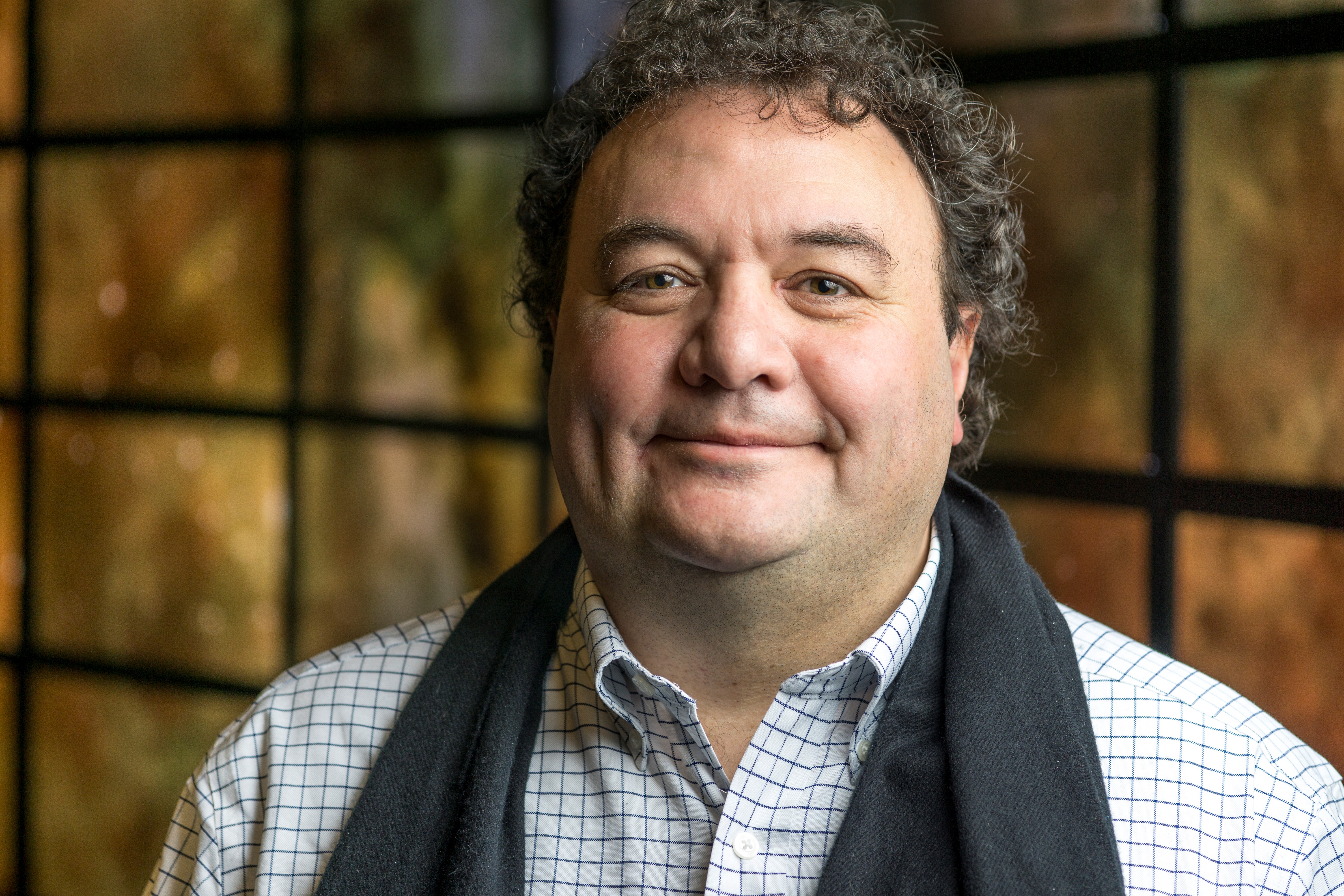
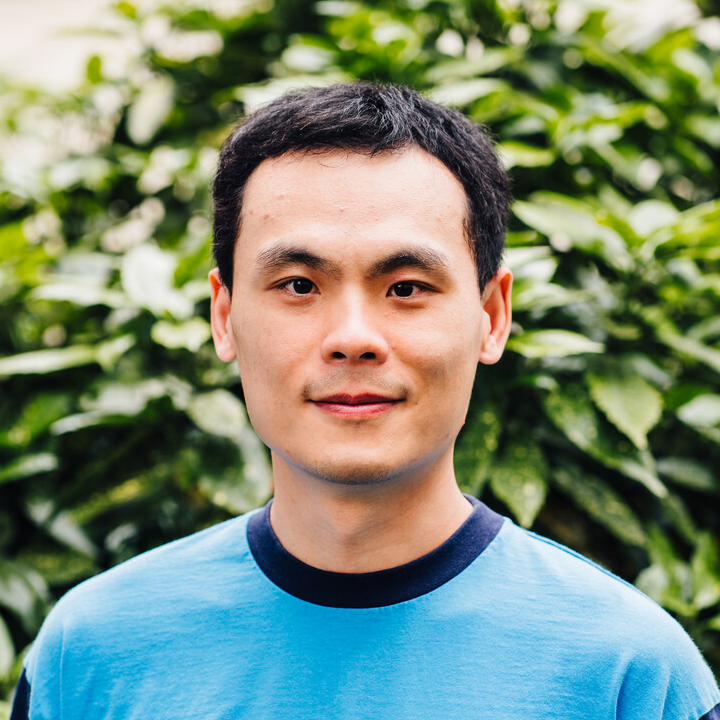
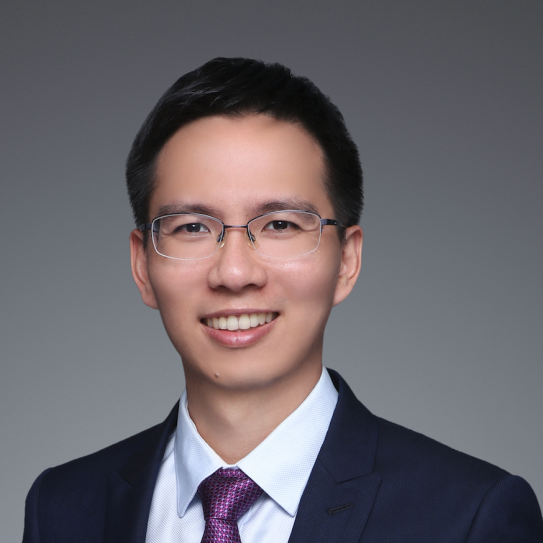
Zhenyu Yang is a Lecturer and Postdoctoral Researcher at École Polytechnique Fédérale de Lausanne (EPFL), affiliated with the College of Engineering through the Department of Civil Engineering and the Urban Transport Systems Laboratory (LUTS) . He holds a PhD in Industrial System Engineering from the National University of Singapore (2022), an M.Eng from Beijing Jiaotong University, and a Diploma in Transportation Engineering from Huazhong University of Science and Technology. PhD, Industrial System Engineering, National University of Singapore (2022) M.Eng, Beijing Jiaotong University Diploma, Transportation Engineering, Huazhong University of Science and Technology His research focuses on urban transportation network modeling , travel demand management , and traffic information provision , with a strong emphasis on handling uncertainty and optimizing shared mobility systems. Recent work explores reinforcement learning applications, vehicle-drone cooperative delivery , and dynamic incident-responsive traffic systems . His publications highlight advancements in ridesourcing algorithms , congestion pricing , and multi-modal transport regulation . As a lecturer, he teaches Transportation Economics , covering demand-supply dynamics, welfare analysis, and environmental policy in transport systems. He is affiliated with EPFL's Urban Transport Systems Laboratory (LUTS) and contributes to the SGC-ENS teaching unit.
Dr. Barbara E. Jones serves as an Associate Professor in the Department of Internal Medicine at the University of Utah School of Medicine, with dual appointments in Pulmonary and Critical Care Medicine. Her clinical practice spans diverse healthcare settings within the Veterans Affairs system and academic medical centers, focusing on evidence-based adaptation of care to varied patient populations. Her educational background includes: M.D. from University of Washington School of Medicine B.A. in Philosophy from Dartmouth College Master of Science in Clinical Investigation (M.S.C.I) from University of Utah Postdoctoral Fellowship in Pulmonary and Critical Care Medicine at University of Utah Residency in Internal Medicine at University of Utah Dr. Jones' research centers on decision-making processes in pneumonia diagnosis and treatment, employing a tripartite informatics approach combining population analytics, cognitive behavior analysis, and clinical decision support systems. Her work specifically targets reducing diagnostic uncertainty and treatment variation across healthcare systems, with emphasis on equitable care delivery for diverse patient populations. Current projects investigate diagnostic discordance in community-acquired pneumonia, electronic surveillance for hospital-acquired infections, and machine learning applications for diagnostic error detection. Analysis of her 15 most recent publications reveals consistent focus on pneumonia management systems, with emerging emphasis on pandemic impacts on diagnostic practices and AI-driven quality improvement. Her work predominantly utilizes large VA healthcare datasets spanning 100+ medical centers, featuring mixed-methods approaches that integrate quantitative analytics with qualitative clinician experience assessment. Dr. Jones actively contributes to clinical guideline development and medical education through editorial work in major journals including Chest and Annals of Internal Medicine , where she frequently addresses controversies in pneumonia diagnosis and antibiotic stewardship. Her research program operates at the intersection of the University of Utah Health system and the Veterans Affairs national healthcare network, leveraging electronic clinical decision support implementations across diverse hospital settings including rural and critical access facilities. Current initiatives focus on real-time feedback systems for diagnostic performance improvement and automated surveillance for healthcare-associated infections.
Eleni Stai is an Assistant Professor at the School of Electrical and Computer Engineering, National Technical University of Athens (NTUA), affiliated with the Division of Communication, Electronic and Information Engineering. She holds advanced degrees in Electrical Engineering, Mathematics, and Applied Mathematical Sciences from NTUA and the National and Kapodistrian University of Athens. Her academic credentials include: Diploma in Electrical and Computer Engineering, NTUA (2009) B.Sc. in Mathematics, National and Kapodistrian University of Athens (2013) M.Sc. in Applied Mathematical Sciences, NTUA (2014) Ph.D. in Electrical Engineering, NTUA (2015) Dr. Stai's research integrates advanced optimization techniques with communications networks and energy systems. She develops stochastic and deterministic optimization frameworks for network resource allocation, data analytics on complex topologies, and smart-grid control applications. Her work bridges theoretical foundations with practical implementations in energy-harvesting networks, network slicing, and reinforcement learning for distributed systems. Analysis of her recent publications reveals dominant research thrusts in AI-driven network management (particularly O-RAN and network slicing), energy-integrated communications, and optimization of energy communities. A significant portion of her work addresses the convergence of 5G/6G networking with power systems, emphasizing real-time control and sustainability. Her scientific contributions have been recognized through prestigious awards: Chorafas Foundation Best Ph.D. Thesis award Thomaidis Foundation Best M.Sc. Thesis award Best Paper Award at ICT 2016 Best Presenter Award at IEEE ENERGYCON 2022 Dr. Stai serves on technical program committees for major international conferences and has co-authored the book "Evolutionary Dynamics of Complex Communications Networks". She teaches undergraduate courses in Queuing Systems, Computer Networks, and Social Network Analysis, reflecting her expertise in network theory and applications. Her research trajectory demonstrates continuous evolution from fundamental network optimization to AI-enhanced solutions for next-generation communication-energy systems. Her work builds upon her postdoctoral experience at EPFL (2016-2020) and ETH Zurich (2020-2023), where she developed advanced frameworks for communications networks and energy systems.
Valerio Pascucci is a Professor at the University of Utah's School of Computing and a DOE Laboratory Fellow at Pacific Northwest National Laboratory. He directs the Center for Extreme Data Management Analysis and Visualization (CEDMAV) and previously led projects at Lawrence Livermore National Laboratory and University of Texas at Austin. PhD in Computer Science (Purdue University, 2000) MSc in Electrical Engineering (University 'La Sapienza', Rome, 1993) As a pioneer in Big Data Management , Scientific Visualization , and Computational Topology , his work connects topological methods with progressive algorithms to enable interactive exploration of petascale datasets. His research spans climate modeling , neuroscience , materials science , and precision agriculture , focusing on multi-resolution techniques and geometric compression . Recent publications show specialization in web-based visualization and AI-driven analytics for climate data, with emphasis on equity in data access and FAIR data principles . His ViSUS project enables real-time data streaming from supercomputers to desktops, while NAPA explores GPU-based architectures for streaming algorithms. Scientific Awards : Best Paper Award, IEEE Pacific Visualization 2011 Best Application Paper Award, IEEE VIS 2006 DOE Laboratory Fellow He advises numerous graduate students and leads collaborations across national laboratories , universities , and industry . Funded by NSF Grant #2127548 , he develops technologies for exascale computing and geospatial intelligence .
Deg-Hyo Bae is a Professor in the Department of Civil and Environmental Engineering at Sejong University, serving since 2001, and concurrently holds the position of University President since 2018. His academic career spans leadership roles including Assistant/Associate Professor at Changwon National University (1996-2001), Senior Researcher at Yonsei University (1994-1996), and Researcher at the US Department of Agriculture-ARS (1992-1994). His research focuses on critical water security challenges through advanced hydrological modeling and climate impact assessment. His academic credentials include a Ph.D. (1992) and M.S. (1989) from the University of Iowa, and a B.S. from Yonsei University (1983). These qualifications form the foundation for his interdisciplinary expertise bridging civil engineering, atmospheric science, and environmental informatics. Professor Bae's research program centers on atmosphere-surface interactions, climate-driven hydrological extremes, and real-time prediction systems. His work integrates radar meteorology, GIS analytics, and climate modeling to develop operational tools for flood forecasting, drought monitoring, and transboundary water management. Major achievements include the Global Water Bank system and coupled atmosphere-urban flood models, directly supporting UN Sustainable Development Goals for clean water and climate action. Recent publications (2024-2025) reveal a strategic shift toward AI-enhanced hydrology, combining Bayesian uncertainty quantification with deep learning for streamflow prediction. His work increasingly addresses climate change impacts on extreme events in vulnerable regions like Burundi while exploring teleconnection mechanisms such as ENSO-ozone interactions through CMIP6 frameworks. Professional activities include media coverage of Sejong University's research impact (2021-2022) and international collaborations with Slovak presidential advisors. While specific grant details and student advising records aren't documented in the source material, his 111 publications and h-index of 25 demonstrate significant scholarly influence in water resources engineering.
Dubravko Radic serves as Professor of Service Management at the University of Leipzig's Faculty of Business and Economics since 2009, while simultaneously holding the position of Deputy Head of the Price and Service Management group at the Fraunhofer Center for International Management and Knowledge Economics IMW since 2013. His academic career spans multiple institutions including the University of Wuppertal where he completed his habilitation, and the University of Frankfurt am Main where he earned his doctorate in statistics and econometrics. Doctorate (Dr. rer. pol. summa cum laude): Johann Wolfgang Goethe-Universität Frankfurt a.M. (2004) Habilitation: Bergische Universität Wuppertal (2009) Diplom-Volkswirt: Johann Wolfgang Goethe-Universität Frankfurt a.M. (1999) Research Stay: University of California Davis (2008) Professor Radic's research centers on the intersection of empirical methods and business management, with particular emphasis on service pricing modeling, applied microeconometrics, and social interactions in service contexts. His work bridges theoretical econometric approaches with practical business applications, especially in the healthcare sector where he has led multiple Fraunhofer IMW projects including ASARob, NurMut, and ATMoSPHÄRE. His research methodology combines quantitative modeling with real-world case studies to address strategic and operational decisions in service organizations. His recent publications demonstrate a consistent focus on discrete choice modeling, game theory applications in marketing, and service innovation frameworks. The 2025 paper "Discrete Games in Marketing Research" presented at the Global Marketing Conference in Hong Kong exemplifies his approach of applying advanced econometric techniques to practical marketing problems, particularly in digital service contexts. His work shows an evolving trajectory from foundational service management concepts toward increasingly sophisticated modeling of strategic interactions in service markets. Professor Radic has extensive experience advising major corporations including Metro AG, Lilly Deutschland, IMS Health, Berlin Chemie, and Augustinum gGmbH. His practical projects at Fraunhofer IMW focus on translating academic research into actionable business solutions, particularly in healthcare digitization and service innovation. He has led the TRAIN@MINE project developing training tools for Vietnam's mining sector and contributed to studies on Big Data applications in health insurance. At the University of Leipzig, he leads research activities through the Institute for Service and Relationship Management, supervising multiple research projects that connect academic inquiry with industry applications. His team collaborates with international partners including the University of California Davis, University of Maryland, Northwestern University, and the Technion Israel Institute of Technology, creating a robust research ecosystem focused on service management innovation.
Professor Shanlin Fu is a distinguished academic at the University of Technology Sydney (UTS), holding the position of Professor in the School of Mathematical and Physical Sciences and affiliated with the Centre for Forensic Science. He serves as the Program Director for the Bachelor of Forensic Science program and is a Research Integrity Adviser for the Faculty of Science. With over $10 million in competitive research funding from ARC, NHMRC, and other national and international schemes since 2008, Professor Fu leads the Drugs and Toxicology Group, focusing on developing sensitive methods for clinical diagnosis, therapeutic drug monitoring, and drugs of abuse testing. Professor, UTS School of Mathematical and Physical Sciences (2019-present) Associate Professor, UTS School of Chemistry and Forensic Science (2015-2019) Senior Lecturer, UTS School of Chemistry and Forensic Science (2008-2014) Professor Fu earned his PhD in Medicinal and Pharmaceutical Chemistry from the University of Sydney (1989-1992), an MSc in Phytochemistry from Peking Union Medical College (1982-1985), and a BSc in Biology from Nanjing Normal University (1978-1982). Prior to his academic career at UTS, he served as a Senior Hospital Scientist at the Northern Sydney Area Health Service (2000-2008) and as a Senior Research Scientist at The Heart Research Institute (1993-2000). Professor Fu's research spans analytical chemistry, forensic chemistry, medical biochemistry, pharmacology, pharmaceutical sciences, forensic toxicology, and clinical toxicology. His work focuses on three main areas: Forensic Chemistry concerning identification of drugs of abuse including new psychoactive substances; Forensic Toxicology focusing on detection of drugs in biological matrices for clinical and medico-legal purposes; and Clinical Toxicology aiming to understand mechanisms of substance abuse harms. His research has strong real-world applications, with his patented 'Cathinone Test' already commercialized for law enforcement and potential healthcare settings. Analysis of Professor Fu's recent publications reveals a strong emphasis on developing innovative analytical methods for drug detection, particularly for new psychoactive substances. His work increasingly incorporates multi-omics approaches (metabolomics, lipidomics, proteomics) and machine learning techniques to enhance detection capabilities. There's a clear trend toward translating laboratory research into practical field applications, with numerous color spot tests and portable detection methods being developed for law enforcement use. His research also shows expanding applications in equine doping control and postmortem analysis. Vice-Chancellor's Medal for Research Excellence through Collaboration or Partnership (2023) UTS Teaching and Learning Award for Team Teaching (2022) MAPS Research Translation Award (2022) As a member of the HDR Panel since 2022, Professor Fu actively supervises Masters Research and PhD students in forensic science. His extensive grant portfolio includes leadership of the ARC Research Hub for Integrated Device for End-user Analysis at Low-levels and the Australian Centre for cannabinoid clinical and research excellence (ACRE). He has established key collaborations with Australian Federal Police, NSW Forensic and Analytical Science Service, Racing NSW, and international institutions including University of Copenhagen and University of Dundee. His research impact extends beyond academia through commercialization of detection technologies that improve efficiency and accuracy of illicit drug detection. Professor Fu heads the Drugs and Toxicology Group at the Centre for Forensic Science, which maintains strong industry partnerships with forensic laboratories and law enforcement agencies. His group is currently developing a multiplexer device that can simultaneously detect multiple new psychoactive substances including cathinones, NBOMEs, piperazines, and fentanyl analogues. The group's work bridges fundamental research with practical applications, with several technologies moving from the laboratory to real-world implementation in forensic and healthcare settings.
Bo Markussen is a Professor at the University of Copenhagen within the Department of Mathematical Sciences . He is also a member of the Data Science Laboratory , where he contributes to statistical methodology and interdisciplinary collaborations. His academic journey began with a Cand.Scient (MSc) and PhD in Statistics from the University of Copenhagen, awarded in 1998 and 2002 respectively. 2012–present: Professor, Department of Mathematical Sciences, University of Copenhagen 2009–2012: Associate Professor, Department of Basic Sciences and Environment, University of Copenhagen 2006–2009: Assistant Professor, Department of Basic Sciences and Environment, University of Copenhagen Bo Markussen's research focuses on applied statistics , particularly in functional data analysis and multiple testing corrections in genetics . His work spans diverse domains including environmental science, agriculture, and public health. Recent research output highlights applications in Arctic climate data analysis, fire risk modeling, plant stress phenotyping, and nutritional biomarker prediction. His recent publications demonstrate a strong trend toward machine learning integration with statistical modeling , addressing challenges in high-dimensional data analysis and environmental risk assessment. Collaborations span institutions in Denmark and internationally, reflecting his engagement in pan-Arctic climate studies and tropical agricultural research. 2018–present: Associate Editor, Scandinavian Journal of Statistics 2017–2019: Chair, Danish Society for Theoretical Statistics 2015–2017: Board Member, Danish Society for Theoretical Statistics As a central figure in the Data Science Laboratory , Markussen leads statistical consultancy initiatives and contributes to methodological advancements. His expertise bridges theoretical statistics with real-world applications, particularly in handling complex datasets across biological and environmental domains.
Hongkai Wen is a Professor (Chair in Machine Learning Systems) in the Department of Computer Science at the University of Warwick, UK. He holds dual appointments as a Fellow of the Alan Turing Institute (serving as Independent Scientific Advisor for BridgeAI and member of Turing Research Ethics team) and previously worked as Senior Research Scientist at Samsung AI Centre Cambridge and postdoctoral researcher at Oxford University. Education: Computer Science, Keble College, University of Oxford Research Focus: Develops intelligent multi-modal perception systems for real-world deployment with extreme computational efficiency. Core expertise spans ML systems optimization, neural architecture search, and cross-disciplinary applications in robotics, urban mobility, and wearable/IoT security. Pioneered event-based vision techniques and training-free NAS frameworks. Publication Trends: Recent work (2023-2025) demonstrates accelerating innovation in diffusion model efficiency, on-device AI deployment, and sensor fusion techniques. Dominant themes include computational resource optimization for edge devices, multi-modal temporal modeling, and privacy-preserving spatial analytics, with significant contributions to NeurIPS, ICML, and CVPR venues. Scientific Recognition: Best Paper Award, AutoML Conf 2023 (T-CET) Best Paper Runner-up, SenSys 2024 (AdaFlow) Best Paper Awards: IPSN 2014 & EWSN 2013 1st/2nd Place, Zero Cost NAS Competition (AutoML'22) Mentorship & Funding: Actively supervises PhD candidates through thesis committees at Warwick, Ulster, and Queensland universities. Secured National AI Strategy Fund for Macro Neural Architecture Search research. Recruits annually for PhD positions with scholarships from UKRI, Turing Institute, and industry partnerships. Research Leadership: Heads the AI/ML Systems (AMS) Division at Warwick, directing a 15+ member team developing deployable ML frameworks for mobile/robotic platforms. Maintains active collaborations with Samsung AI Centre and Turing Institute's BridgeAI programme on ethical AI deployment.
Zhibin Chen is an Assistant Professor of Engineering at NYU Shanghai and concurrently a Global Network Assistant Professor within the broader New York University system. Since January 2019 he has led research and teaching activities at the Division of Engineering and Computer Science in Shanghai, while maintaining university-wide collaborations through his Global Network appointment. Education Ph.D. in Transportation Engineering, University of Florida (2017) Research Interests Dr. Chen’s scholarship centres on Transportation Network Modeling and Optimization , Intelligent Transportation Systems , and Discrete Optimization . He integrates operations research, data science, and engineering to address emerging challenges in electric mobility, autonomous vehicles, and large-scale urban networks. Recent thrusts include: Data-driven analytics of electric-vehicle charging behaviour under usage heterogeneity. Optimization of charging and swapping infrastructure for electric buses and trucks. Network-level deployment and control strategies for connected and automated vehicles. Day-to-day traffic dynamics and equilibrium models with elastic demand. Pricing, policy, and incentive design for sustainable transportation systems. Scientific Awards Stella Dafermos Best Paper Award – awarded at the 95th Transportation Research Board Annual Meeting. Ryuichi Kitamura Paper Award – also conferred at the 95th TRB Annual Meeting. Editorial & Professional Service Dr. Chen currently serves on the Editorial Advisory Board of Transportation Research Part C: Emerging Technologies , shaping the editorial direction of the leading journal in his field. Grants & Collaborations While specific grant identifiers are not disclosed in the provided text, Dr. Chen’s extensive publication record in top-tier journals ( Transportation Science , Transportation Research Parts B, C, D , IEEE ITS , Applied Energy ) and his editorial role indicate sustained research funding and active collaboration with international partners across North America and China. Laboratories & Teams Operating within the Division of Engineering and Computer Science at NYU Shanghai , Dr. Chen leads a research group focused on next-generation mobility analytics, leveraging the university’s interdisciplinary ecosystem and NYU’s Global Network resources to advance smart and sustainable transportation.
Sebastien Nicolas Gros is a Professor at the Department of Engineering Cybernetics, Norwegian University of Science and Technology (NTNU). His research focuses on safe reinforcement learning (RL) and data-driven model predictive control (MPC), with applications in energy systems, biomedical engineering, and autonomous vehicles. Institution: Norwegian University of Science and Technology Department: Engineering Cybernetics His work emphasizes AI-driven optimization for domestic energy storage, battery integration, and smart building management. Collaborations include Equinor, DNV, Kongsberg, Volvo, and CorPower Ocean. Key themes in his publications include: Control theory for renewable energy systems (wave energy converters, buildings) Biomedical applications (artificial pancreas, glucose monitoring) Transportation systems (electric vehicles, autonomous ships) Machine learning integration with physical models He supervises 6 PhD students and co-supervises projects on multi-rotor wind turbines and industrial PhD collaborations. The articles demonstrate a convergence of RL, MPC, and uncertainty quantification across energy, biomedical, and transportation domains.
Dr Chris Carignan serves as Programme Director for the Language Science MSc at University College London's Division of Psychology and Language Sciences within the Faculty of Brain Sciences. His research focuses on the intricate mechanisms of human speech production, particularly through cross-linguistic phonetic studies and articulatory dynamics using advanced imaging technologies. PhD in Speech Science Specializes in the intersection of language heritage and phonetic research Develops innovative methodologies for speech data collection and analysis His work spans multiple areas including nasal coarticulation , real-time MRI of vocal tract movements , and cross-linguistic phonetic analysis . He has contributed significantly to understanding how speakers produce complex speech sounds across different languages through comparative studies. Dr Carignan's research has led to the development of open-source tools for speech production analysis and pioneered new approaches for ultrasound articulography . His work on vowel nasalization and sibilant contrasts has been particularly influential in speech science. As Programme Director, he oversees a comprehensive curriculum that provides students with methodological training , statistical expertise , and hands-on research experience while allowing specialization through optional modules. His teaching philosophy emphasizes the importance of curiosity-driven research and interdisciplinary approaches in advancing language sciences.
Gabriella Casalino is an Assistant Professor at the University of Bari Aldo Moro, Department of Computer Science, and a key researcher at CILAB - Computational Intelligence Lab. Her work focuses on Computational Intelligence methods for interpretable data analysis, particularly in eHealth, Data Stream Mining, and eXplainable Artificial Intelligence (XAI) within medical and educational domains. She has contributed to innovative approaches in smartphone-based health monitoring, fuzzy logic applications, and remote vital sign detection via photoplethysmography. Education : Ph.D. in Computer Science, with advanced training at institutions like Universitat de Girona and Université de Mons. Research Trends : Recent publications highlight applications of evolving granular computing, neuro-fuzzy systems, and explainable AI in hypertension prediction, bipolar disorder monitoring, and educational data analysis. Key subfields include remote health monitoring, medical data streams, and hybrid AI models. Grants : Research funded by AIRC (Italian Cancer Research Foundation), focusing on computational methods for healthcare challenges. Labs & Collaborations : Active in CILAB, collaborating on projects involving mHealth solutions, cardiovascular risk assessment, and intelligent educational systems.
Dr. Shakhawat Hossain is a Professor of Statistics at the University of Winnipeg, serving as Chair starting July 2025. He holds adjunct positions at the University of Manitoba and University of Regina. His academic journey includes a PhD from the University of Windsor (2008), postdoctoral training at the University of Alberta's School of Public Health (2008–2010), and prior faculty roles at Alabama A & M University. He specializes in advanced statistical methodologies with applications in health sciences and epidemiology. Dr. Hossain's education includes: Ph.D. in Statistics, University of Windsor M.Sc. in Statistics, University of Alberta M.Sc. in Mathematics, Jahangirnagar University, Bangladesh B.Sc. (Hons.) in Mathematics, Jahangirnagar University, Bangladesh His research focuses on shrinkage estimation techniques , longitudinal data analysis , survival analysis , and health services research . He actively applies these methods to study dengue transmission dynamics, neuroimaging correlates of developmental disorders, and clinical outcomes in pediatric populations. His work bridges theoretical statistical innovation with real-world public health challenges. Dr. Hossain currently holds an NSERC Discovery Grant supporting student research. His 2023-2024 publications emphasize spatial epidemiology, advanced survival models, and dengue fever dynamics. He serves as Associate Editor of the Journal of Statistical Computation and Simulation . His advisory and grant activities include mentoring students in statistical modeling and securing funding for interdisciplinary health projects. While specific lab affiliations are not explicitly stated, his collaborations span departments in statistics, public health, and biomedical sciences.
Professor Tony Jan leads the Centre for Artificial Intelligence Research and Optimisation (AIRO) at Torrens University Australia's Design and Creative Technology school. He holds a PhD in Computing Science from the University of Technology Sydney (2004) and a Bachelor of Engineering from the University of Western Australia (1999). His research focuses on federated machine learning for IoT security, ensembled machine learning for real-time applications, cognitive machines for human-centric computing, and smart sensor networks for healthcare and security. He has secured ARC grants and industry partnerships with NVIDIA, IBM, and Microsoft. Awards include the 2024 SEI Global Academic Excellence Award and the 2023 Torrens University Excellence Award. Research collaborations span global partners, with contributions to UN Sustainable Development Goals in education and industry. His work bridges academia and industry, expanding AI program enrollments by 2,000+ students and enhancing student satisfaction by 15%. He advises PhD students on topics like IIoT cybersecurity and smart cities, and has produced over 97 publications since 1999. Education: PhD (UTS, 2004), BEng (UWA, 1999) Research Themes: AI for Industry 5.0, Cybersecurity, Smart Cities, Healthcare Technology Key Partnerships: NVIDIA, CIMIC, Palo Alto Networks Recent Projects: Federated learning for health IoT, drone vision intelligence, ransomware detection His work emphasizes ethical AI adoption in design and healthcare, with publications exploring AI ethics, generative AI applications, and sustainable technology integration.