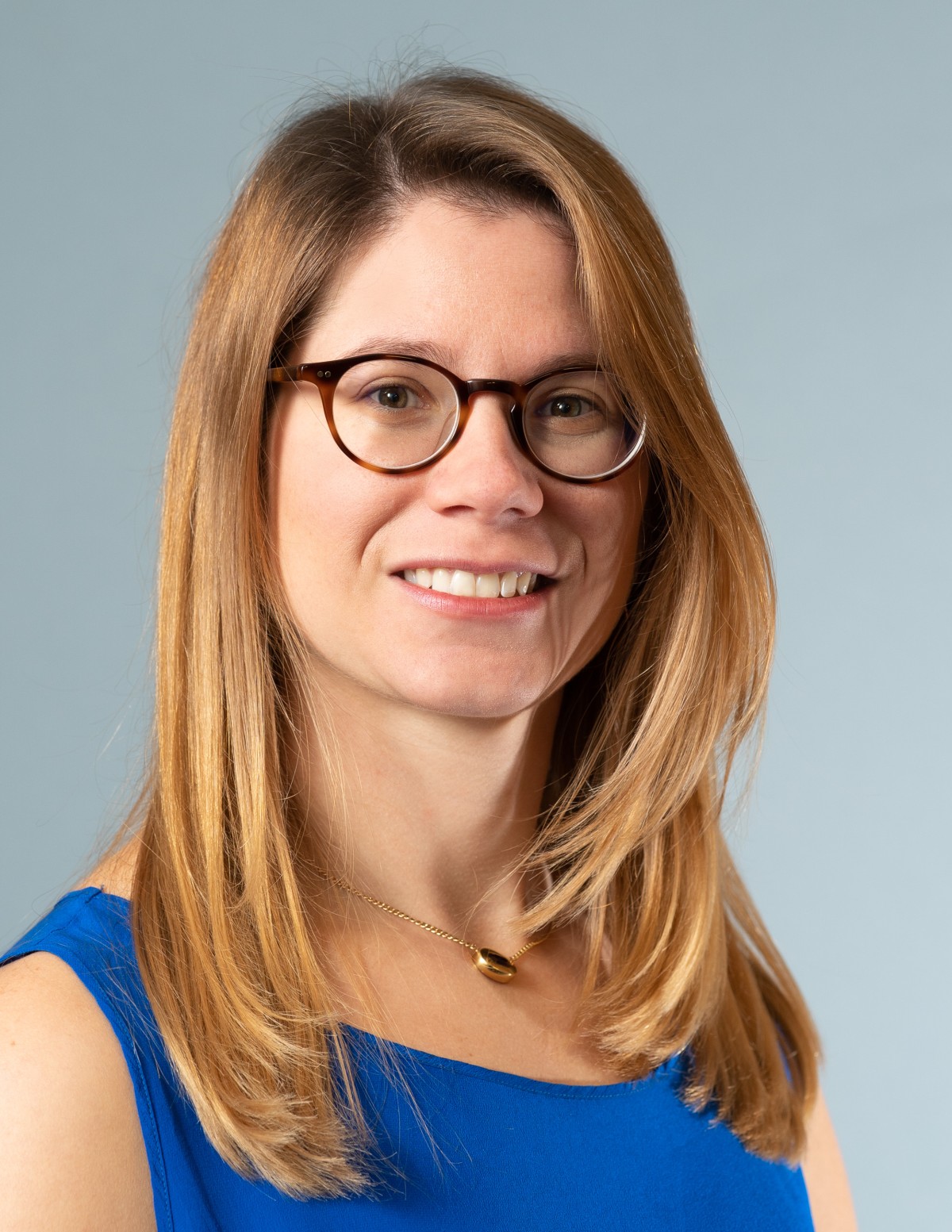
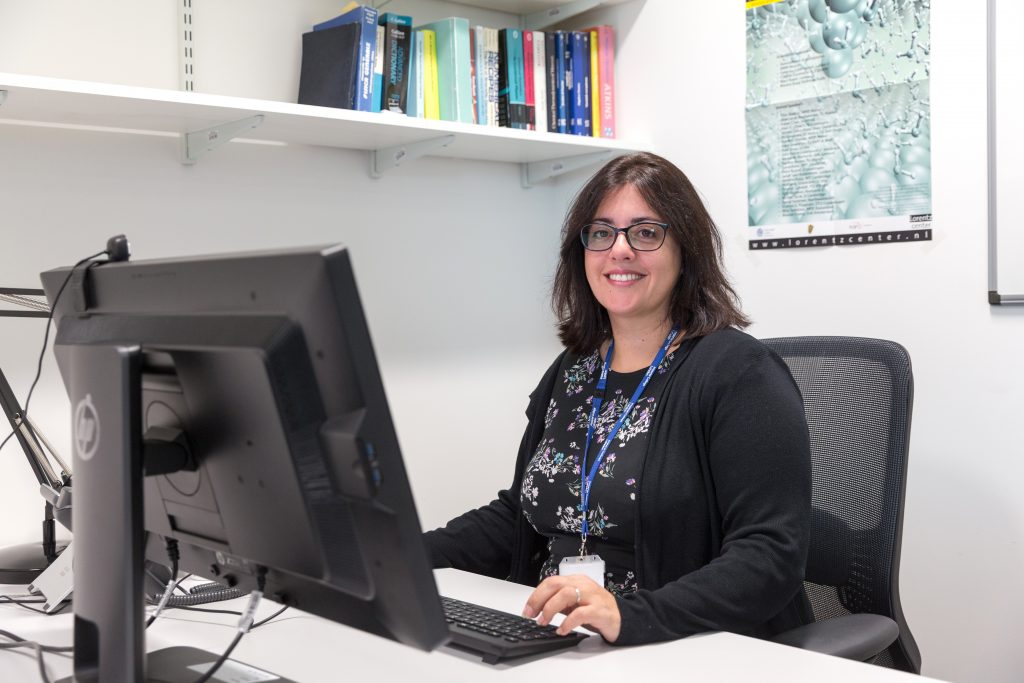
Federica Lanza is a Lecturer at the Department of Earth and Planetary Sciences at ETH Zurich, affiliated with the Schweiz. Erdbebendienst (SED), the Swiss Seismological Service. Her work focuses on seismology, geophysics, and geothermal systems, with expertise in induced seismicity, fault dynamics, and advanced monitoring technologies like Distributed Acoustic Sensing (DAS). She teaches courses such as Seismic Waves II in the Autumn Semester 2025. Her research integrates field experiments, computational modeling, and machine learning to address challenges in seismic hazard assessment, geothermal energy development, and tectonic processes. Key areas include forecasting induced earthquakes at geothermal sites, analyzing fault interactions in fold-and-thrust belts, and developing innovative sensor systems for subsurface monitoring. Dr. Lanza collaborates on large-scale projects like the Utah FORGE initiative, advancing techniques for real-time seismic monitoring and fracture network characterization. Her contributions bridge fundamental geophysical research with practical applications in energy systems and risk mitigation.
Ralph Hübner is a researcher at the Institute for Functional Matter and Quantum Technologies at the University of Stuttgart. His work focuses on inorganic and organometallic chemistry, with a strong emphasis on electron transfer mechanisms, molecular magnets, and redox-active transition-metal complexes. He has contributed significantly to understanding coordination chemistry in noninnocent ligands and structural reassessments of organometallic systems. Education: He completed his PhD dissertation titled 'Electron-transfer behavior in redox-active transition-metal complexes' in 2011 at the University of Stuttgart. Research Interests: His studies span molecular magnetism, electronic structure analysis of transition-metal complexes, and the synthesis of novel materials with tailored electronic and magnetic properties. He employs advanced spectroscopic techniques (EPR, UV-Vis-NIR) and computational methods (DFT) to elucidate reaction mechanisms and material behavior. Publications highlight his work on nitroxide compounds, photo-induced valence tautomerism, and coordination changes in organometallic systems. His research bridges fundamental chemistry with applications in optoelectronics and materials science. Advising/Grants: No specific advising or grant details are mentioned in the provided texts. His contributions are primarily through collaborative research with institutions like the University of Stuttgart and international co-authors. Labs/Teams: His affiliation with the Institute for Functional Matter and Quantum Technologies indicates involvement in interdisciplinary projects focused on functional materials and quantum technologies.
Will Briggs is a Professor of Computer Science at the University of Lynchburg since 1998. He holds a PhD from the University of Texas at Arlington, an MS from Georgia Institute of Technology, and a BS from Mercer University in Mathematics and Physics. His research interests span Artificial Intelligence, Game Development, Web Development, Planning Algorithms, and Congressional Districting. Recent teaching focuses include Artificial Intelligence, Computer Graphics, and Programming in Python/C++. Education: PhD in Computer Science, University of Texas at Arlington MS in Computer Science, Georgia Institute of Technology BS in Mathematics and Physics, Mercer University His current work emphasizes reactive planning systems and the SSDL graphics library for C++20. Recent publications explore educational tools for programming beginners and optimization in multi-agent planning systems. Over his career, he has contributed to scalable modularity in distributed planning and communication reduction techniques in multi-agent systems.
Timothy R. Brick is an Associate Professor in the Department of Human Development and Family Studies (HDFS) at Penn State University, with affiliations in the College of Health and Human Development. He leads the Real Time Science Lab (RTSLab), focusing on real-time data collection and intervention using wearable sensors, smartphone-based assessments, and computational tools. His work addresses complex human systems such as addiction recovery, parent-child interactions, and aging, emphasizing low-burden data collection methods like the Wear-IT framework. Additionally, he contributes to the MID/DLE project, advancing privacy-preserving distributed data analysis. Brick holds a Ph.D. in Cognitive and Quantitative Psychology from the University of Virginia and has collaborated on projects spanning robotics, computer vision, and statistical methodology (e.g., OpenMx). His research integrates behavioral science with cutting-edge technologies to improve human thriving. Education: Ph.D. in Cognitive and Quantitative Psychology, University of Virginia Master's and Undergraduate studies in related fields, with early robotics and AI work at Notre Dame. Research Interests: Real-time monitoring and intervention in behavioral health Data privacy and distributed analysis (MID/DLE) Methodological innovations in structural equation modeling (OpenMx) Wearable sensors and ecological momentary assessment Labs and Teams: Real Time Science Lab (RTSLab), QuantDev Methodology Core, Institute for Computational and Data Sciences (ICDS).
Hanan Marroun El is an Associate Professor at both Erasmus MC in the Department of Child and Adolescent Psychiatry / Psychology and at the Erasmus School of Social and Behavioural Sciences in Clinical Psychology. She also holds an endowed professorship in Clinical Psychology at the same institution. Her academic work is centered at the intersection of epidemiology and neuroscience, focusing on critical periods of brain development including prenatal stages, the first 1000 days of life, and adolescence. Her research investigates how maternal, fetal, and child health factors influence behavioral, cognitive, and neuroanatomical outcomes. Key areas include substance use during pregnancy and adolescence, with extensive use of population-based cohort studies such as the Generation R Study. She employs advanced methodologies including MRI, meta-analysis, and longitudinal data analysis to assess brain morphology, connectivity, and developmental trajectories. Epidemiology Neuroscience Brain Development Maternal and Child Health Developmental Psychopathology Environmental Exposures Her recent publications reveal a strong trend in interdisciplinary research connecting public health, environmental factors, and neurodevelopment. Articles span topics from gestational diabetes and neurodevelopment to air pollution’s impact on maternal vitamin D and temperature effects on sleep in preadolescents. These works frequently employ large-scale cohort data and meta-analytic techniques, underscoring her expertise in data synthesis and population-level inference. While no specific scientific awards are listed in the provided text, her research has been widely recognized through substantial citation metrics, media coverage, and dataset usage. Her dataset on lithium exposure during pregnancy has been referenced by news outlets, blogged about, and shared across academic platforms. She is actively involved in student supervision, having guided at least two academic projects, and contributes to teaching by disseminating research skills and knowledge to bachelor's and master's students. Her work is embedded in collaborative networks across Europe, involving multiple institutions and interdisciplinary teams focused on child and adolescent mental health. Dr. Marroun El leads and contributes to significant research initiatives examining the biological and environmental determinants of brain development, with implications for preventive strategies in perinatal and adolescent mental health.
Prof. Jens Harting leads the 'Modelling of Thin Films' research group at the Helmholtz-Institut Erlangen-Nürnberg für Erneuerbare Energien (HI ERN). His work focuses on fluid dynamics, thin film behavior, and computational modeling. Key research areas include reactive thin films, microfluidic systems, and nanoscale particle interactions. He has published extensively in top journals like Advanced Materials , Physical Review Letters , and Journal of Fluid Mechanics . Notable contributions include studies on inertial particle migration, bioinspired microswarm robotics, and lattice Boltzmann method optimizations. Current projects explore phase-field simulations for thin film evaporation and energy materials. No awards are explicitly listed, but his work is widely cited in nanotechnology and materials science.
Prof. Dr. Moritz Schmidt is the Head of the Department of Chemistry of the f-elements at the Helmholtz-Zentrum Dresden-Rossendorf (HZDR), within the Institute of Resource Ecology. His research focuses on the chemical behavior of f-elements, particularly actinides and lanthanides, in environmental and nuclear waste contexts. He leads a major research group investigating mineral-water interfaces, actinide speciation, and long-term safety of nuclear repositories. PhD in Chemistry, University of Heidelberg (2009) Diplom (M.Sc.) in Chemistry, University of Heidelberg (2006) Helmholtz Young Investigator Group Leader, HZDR (2013–2018) Research Associate, Argonne National Laboratory (2010–2012) Research Associate, Karlsruhe Institute of Technology (2012–2013) His research interests lie at the intersection of inorganic chemistry, environmental science, and nuclear safety. He specializes in actinide chemistry , geochemical modeling , mineral/water interface reactions , and structural incorporation of radionuclides into secondary phases . His group employs advanced techniques such as site-selective time-resolved laser fluorescence spectroscopy and surface X-ray diffraction to probe molecular-scale interactions. A major focus is understanding the environmental mobility of f-elements and improving nuclear waste disposal safety. The recent publications reflect a strong trend in molecular-level actinide and technetium chemistry , with emphasis on coordination behavior , redox transformations , and spectroscopic characterization . Many studies support national and international safety assessments for nuclear waste repositories. The work spans from fundamental bonding studies to applied environmental modeling. Scientific awards and honors include leadership of competitive research grants, though specific prizes are not listed in the provided text. ActiDecorp (ANR/DFG, 04/2024–03/2027): Bioinspired chelating agents for actinide decorporation Am-BALL (BMUV, 05/2023–04/2026): Actinide-metal bonding at atomic level FENABIUM-II (BMBF, 04/2023–03/2026): f-element interactions with biological motifs KuRSiV (BMUV, 01/2023–06/2026): Sorption competition and reversibility f-Char (BMBF, 10/2020–03/2024): Spectroscopy of f-element complexes FENABIUM (BMBF, 10/2016–05/2021): Structure-effect principles for mobilization SMILE (BMWi, 09/2018–02/2022): Smart-Kd applications for safety assessment Helmholtz Young Investigator Group VH-NG-942 (2013–2018): Aqueous/mineral interface reactivity He advises PhD students and postdoctoral researchers as part of HZDR’s Career Center for Doctoral Researchers and Postdocs. His department functions as a core research unit within the Institute of Resource Ecology, collaborating with national and international partners in nuclear safety research. The team operates advanced laboratories for radiochemistry, spectroscopy, and surface analysis, contributing to both fundamental science and regulatory safety cases.
Eva Rohde is a Professor and Head of the University Institute for Transfusion Medicine at Paracelsus Medical University Salzburg. Her research focuses on extracellular vesicles (EVs) in regenerative medicine, SARS-CoV-2 immunology, and stem cell biology. She leads major projects like EV-TT (Extracellular Vesicles Theralytic Technologies Transfer Center) and CONSONANT (Nanovesicle Technologies). Rohde has received awards including the Philip-Levine-Forschungspreis (2021) and multiple Erwin-Domanig Awards. Her work spans EV-based therapies for spinal cord injuries, hearing loss, and fibrosis prevention. Key projects include clinical trials for umbilical cord-derived EVs and investigations into SARS-CoV-2 reinfection dynamics in blood donors. Rohde also contributes to regulatory standards via initiatives like MISEV2023 guidelines for EV research. Over 230 publications since 2003 5 concluded research projects (2017–2025) Active in conferences like ISCT Scientific Signature Series on EV therapeutics Research emphasizes translational medicine, combining clinical trials with mechanistic studies on EV functionality and safety. Ongoing work explores EV applications in neuroprotection and tissue regeneration.
Shefford P. Baker is a Professor in the Department of Materials Science and Engineering at Cornell University's College of Engineering. He has been a faculty member since 1998, following a PhD from Stanford University and a research position at the Max-Planck-Institut für Metallforschung. He was a Visiting Professor at Université Paul Cézanne, Marseille, in 2006. His work bridges materials science, mechanics, and biological systems. Education: B.M. in Music, University of New Mexico, 1982 M.S. in Materials Engineering, Stanford University, 1988 Ph.D. in Materials Engineering, Stanford University, 1993 Baker's research focuses on the mechanical behavior of materials at the nanoscale, particularly in thin films and biological materials . His group investigates how microstructure, texture, and composition affect stress, deformation, and phase transformations in metallic thin films. He also explores the nanomechanical properties of bone, especially how aging and nutrition affect tissue mechanics. His methodologies combine experimental techniques (e.g., nanoindentation, synchrotron X-ray diffraction, TEM) with computational modeling (e.g., dislocation dynamics, multiscale simulations). His recent publications highlight a sustained focus on thermomechanical behavior , texture evolution , and interface mechanics in thin films, while also expanding into bio-inspired materials and energy materials . Trends include the use of advanced vapor deposition, metallic glass joining, and polymer interphases for next-generation devices. Scientific Awards: CAREER Award, National Science Foundation (1999) Robert and Vanne Cowie Excellence in Teaching Award, Cornell (1999) Outstanding Educator, Cornell University (2000) Sonny Yau '72 Excellence in Teaching Award, Cornell (2002) Outstanding Paper Award, Scripta Metallurgica and Materialia (1990) Baker has been actively involved in mentoring and curriculum development, having served as Director of Undergraduate Studies (2004–2010) and chair of the Engineering Curriculum Task Force. He has secured significant NSF and industry funding for his research. He is a highly engaged member of the Materials Research Society (MRS), having served as President in 2009 and in multiple leadership roles, including symposium organizer and board member. His lab conducts interdisciplinary research involving collaborations with biologists and engineers, focusing on both fundamental mechanics and applied materials challenges. He has contributed to science outreach, including the Nanoscale Informal Science Education (NISE) network.
Adam P. Willard is a Professor of Chemistry at the Massachusetts Institute of Technology (MIT), affiliated with the Department of Chemistry within the School of Science. His research group focuses on understanding how molecular fluctuations drive emergent phenomena in chemical systems, particularly in areas such as exciton dynamics, interfacial water behavior, and nanoscale disorder effects. The group employs theory, computational modeling, and molecular simulations to bridge microscopic molecular behavior with macroscopic observations. Research interests include: Exciton dynamics in conjugated molecular systems and quantum dot solids Interfacial water structure and dynamics at heterogeneous substrates Electrochemical interfaces and double-layer physics Design of molecular excitonic circuits for quantum computing Recent investigations emphasize the role of nanoscale disorder in controlling material properties, with applications in organic electronics, catalysis, and biomolecular interfaces. The Willard Group has pioneered methods to quantify interfacial molecular structure using advanced simulation techniques and statistical mechanics frameworks. Current graduate students include Yuheng Wu, Jacob, Constantine, and Ayannah Lang (re-joining after a post-baccalaureate fellowship). The group’s lab website provides access to simulation tools and collaborative projects. Administrative support is provided by Thomas Tenzin. Key methodologies developed by the group include: Statistical mechanical models for exciton-phonon coupling Generalized Langevin approaches for surface vibrations Volterra kernel analysis for electrochemical systems Quantum state-space distributions for open systems Notable contributions include studies on exciton delocalization in DNA-scaffolded systems, interfacial water hydrogen bonding, and the quantum-classical entropy separation framework.
Dr. Katsu Goda is an Associate Professor and Canada Research Chair in Multi-Hazard Risk Assessment at the Department of Earth Sciences, Western University. His research focuses on earthquake and tsunami risk management, combining engineering, financial analysis, and decision-making frameworks. He holds an office in BGS 1076 and can be reached at kgoda2@uwo.ca. Dr. Goda's work spans multidisciplinary areas including probabilistic seismic hazard modeling, tsunami engineering, and financial risk analysis. His research addresses lifecycle cost analysis of structures, seismic risk mitigation techniques, and decision-making under uncertainty. Notable contributions include stochastic finite-fault modeling, seismic loss estimation, and multi-hazard risk assessment for subduction zone earthquakes. His recent articles emphasize advanced methodologies in rupture recurrence analysis, Coulomb stress changes on faults, and tsunami hazard modeling in Makran and Cascadia subduction zones. He has also contributed to studies on earthquake insurance demand in Canada and social vulnerability assessments in coastal regions like Gwadar, Pakistan. Awards: Canada Research Chair (CRC) Tier 2 in Multi-Hazard Risk Assessment Research Themes: Earthquake-Tsunami Interactions Risk-Based Early Warning Systems Financial Instruments for Catastrophe Mitigation Teaching: Courses include Data Analysis in Earth Sciences (ES 2222), Environmental Geophysics (ES 3320), and Natural Catastrophes (GP 9573). Dr. Goda collaborates internationally, with active projects in Japan, Malawi, and Canada. His research integrates cutting-edge computational models with real-world applications to enhance community resilience against natural disasters.
Olle Björneholm is a Professor at Uppsala University's Department of Physics and Astronomy, leading research in the Chemical and Bio-Molecular Physics program under the Division for X-ray Photon Science. His work focuses on the electronic and geometric structure of liquids, clusters, and nanoparticles, utilizing synchrotron radiation-based spectroscopic techniques to study ultra-fast dynamics, radiation damage, nanoscience, and environmental molecular phenomena. Research Leadership: Director of the Uppsala University Center for Photon Science, Chair of the MAX IV University Reference Group, and Chair of the VR RÅG-C advisory group. Research Themes: His studies explore X-ray-induced dynamics in aqueous solutions, interfacial chemistry of organic and inorganic ions, solvation shells, radiation damage mechanisms, and electronic structures of nanoscale systems. Recent articles highlight pH-dependent surface composition, heavy-atom radiosensitizers, and intermolecular Coulombic decay. Collaborative Impact: Active in international collaborations, particularly in synchrotron-based experiments and space science instrument development (e.g., RPWI for JUICE mission).
Dr. Clotilde Cucinotta is an EPSRC Fellow in the Department of Chemistry at Imperial College London, where she has led independent research since 2018. Her work focuses on computational modeling of solid-liquid interfaces, electron transport phenomena, and energy conversion systems using advanced molecular dynamics and first-principles methods. Her educational background includes: Master's in Condensed Matter Physics, University of Messina (Italy) PhD from University of Modena and INFM-CNR-S3 excellence centre (Italy) Dr. Cucinotta's research integrates computational chemistry and materials science to investigate interfacial processes critical for energy technologies. She specializes in modeling electrified interfaces under operational conditions, with emphasis on platinum-water systems, 2D material reactivity, and electrochemical energy conversion. Her methodologies bridge quantum mechanical simulations with macroscopic electrochemical behavior, enabling predictive design of catalysts and energy storage materials. Current projects address CO 2 conversion, battery electrode interfaces, and corrosion mechanisms through atomistic simulations. Analysis of her 2021-2025 publications reveals consistent focus on solid-liquid electrochemical interfaces, particularly platinum-water systems under bias. Her work demonstrates methodological innovation in simulating potential-controlled interfaces while advancing fundamental understanding of capacitive response, wettability, and reaction mechanisms. Key thematic areas include electrocatalysis for sustainable fuels, nanoscale battery materials, and computational tools for realistic interface modeling. Scientific recognition includes: Prestigious EPSRC Fellowship supporting her independent research program Funded by her EPSRC Fellowship, Dr. Cucinotta leads a computational research group developing novel simulation frameworks for electrochemical interfaces. She mentors early-career researchers in computational chemistry and maintains collaborations with experimental groups at Trinity College Dublin and ETH Zurich. Her grant portfolio centers on fundamental interface science with applications in energy conversion and storage. Her research is conducted within Imperial College London's Department of Chemistry, utilizing high-performance computing infrastructure for large-scale molecular dynamics and quantum simulations. The computational laboratory focuses on developing open-boundary methods for realistic electrochemical interface modeling under operational conditions.
Dr. Cristian Bahrim is a Professor of Physics at Lamar University, with a joint appointment in the Department of Electrical Engineering since 2005. He earned his B.S./M.S. in Physics from the University of Bucharest (1991), followed by a Ph.D. from University of Paris-Orsay (1997) under Prof. Francoise Masnou-Seeuws. From 1998-2001, he conducted postdoctoral research at Kansas State University's Theoretical Atomic Physics Group with Dr. Uwe Thumm. His research spans atomic physics, quantum mechanics, optics, lasers, and light-matter interaction , with over 100 peer-reviewed publications. Notably, he developed optical quantum bit systems via dielectric surface interactions and studied alignment relaxation in neon-helium collisions. His work bridges fundamental physics and applied optoelectronics, including laser-based capacitor switching. Dr. Bahrim has received numerous mentorship awards , including the national 2019 Council of Undergraduate Research Mentor Award and three Outstanding McNair Mentor Awards. He co-led the $1M NSF-STEP grant 'STAIRSTEP' to boost STEM retention through undergraduate research and advises the Society of Physics Students and Sigma Pi Sigma honor society. He served as Interim Chair of Lamar's Department of Physics (2013-2014), President of the Texas Section of the American Association of Physics Teachers (2018-2019), and Director of the Office of Undergraduate Research. He co-organized major physics conferences and reactivated Sigma Pi Sigma at Lamar after 17 years. French Government Fellowship (1992-1997) Postdoctoral Fellowship at Kansas State University (1992-1997) 2019 Mentor Award in Physics & Astronomy (national) 2015 Faculty Mentor Award at Lamar University
Prof. Gerd Balzer is a Professor in the Department of Electrical Power Systems at Technische Universität Darmstadt. His research focuses on power system reliability, HVDC technology, short-circuit current calculations, and asset management. He has extensively contributed to the analysis of electrical networks, including transformer behavior, capacitor impact on short circuits, and grid integration challenges. His work addresses critical issues such as fault current mitigation, network stability under renewable integration, and optimal maintenance strategies. Key research areas include: High-Voltage Direct Current (HVDC) systems and their interaction with AC networks Transient and steady-state analysis of electrical networks Asset management for infrastructure systems Risk-based optimization of maintenance and replacement strategies His recent publications emphasize advancements in short-circuit current calculation methods for complex systems, including those involving HVDC converters and meshed networks. He has also explored the impact of modern grid components like capacitors and renewable energy systems on network stability. Prof. Balzer's collaborative projects address real-world challenges such as offshore wind park integration, voltage regulation in distribution grids, and congestion management using advanced controllers. His work aligns with global efforts to enhance grid resilience and reliability amid evolving energy landscapes.