معرفی
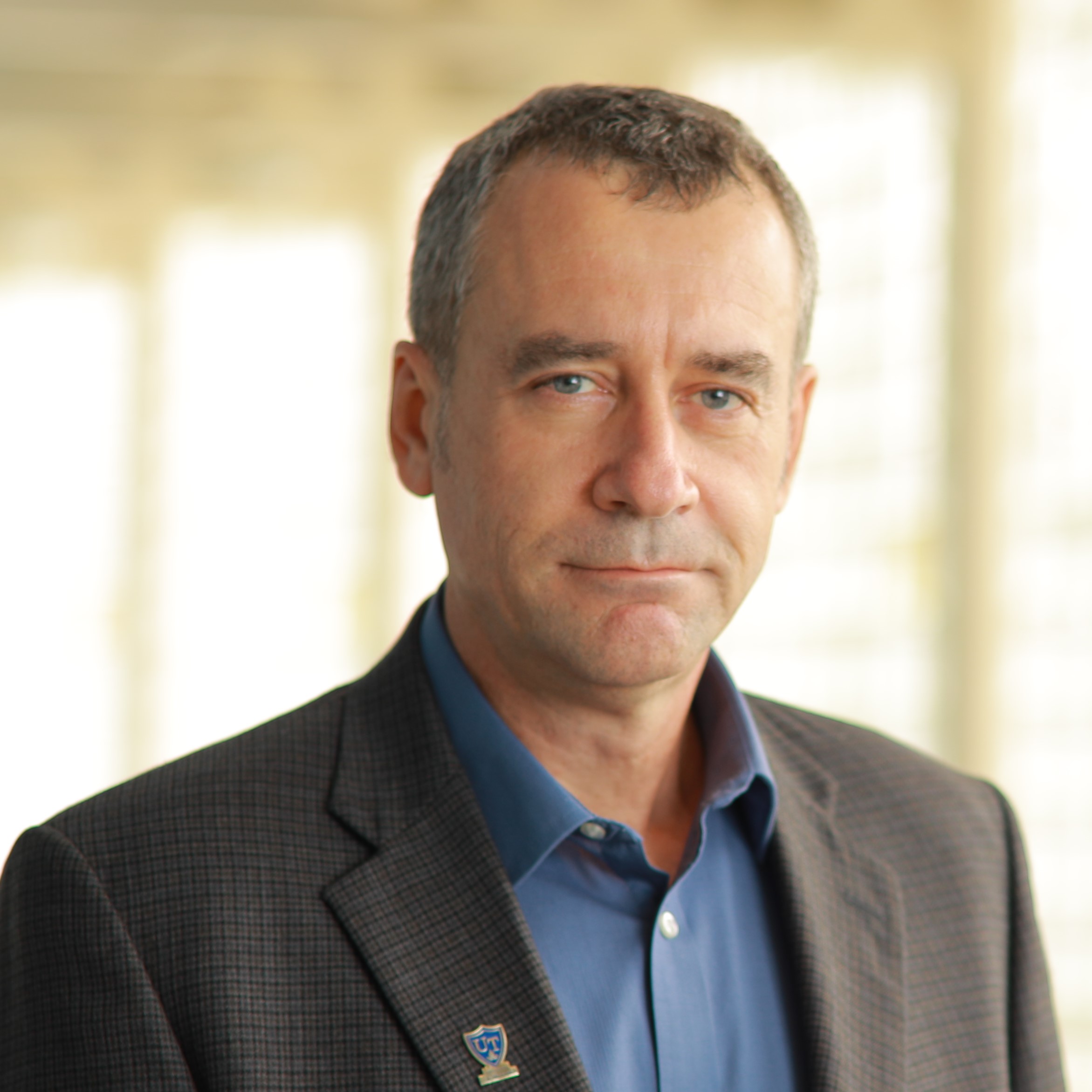
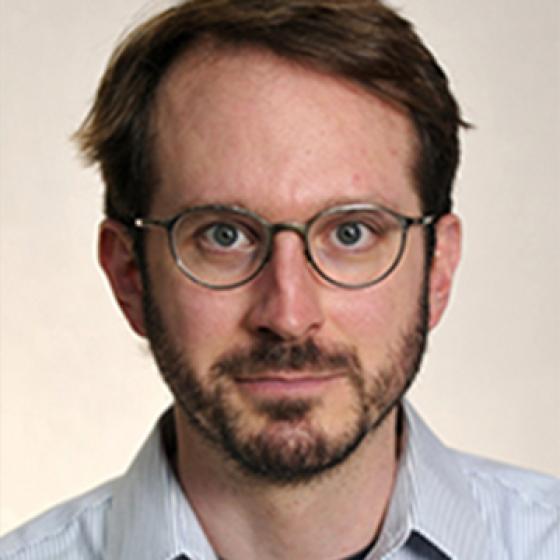
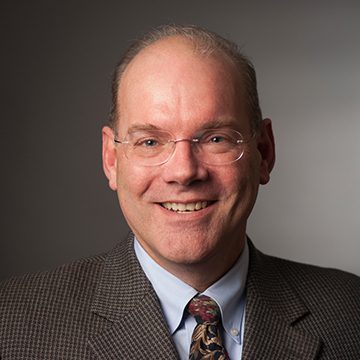
Shefford P. Baker is a Professor in the Department of Materials Science and Engineering at Cornell University's College of Engineering. He has been a faculty member since 1998, following a PhD from Stanford University and a research position at the Max-Planck-Institut für Metallforschung. He was a Visiting Professor at Université Paul Cézanne, Marseille, in 2006. His work bridges materials science, mechanics, and biological systems.
Education:
- B.M. in Music, University of New Mexico, 1982
- M.S. in Materials Engineering, Stanford University, 1988
- Ph.D. in Materials Engineering, Stanford University, 1993
Baker's research focuses on the mechanical behavior of materials at the nanoscale, particularly in thin films and biological materials. His group investigates how microstructure, texture, and composition affect stress, deformation, and phase transformations in metallic thin films. He also explores the nanomechanical properties of bone, especially how aging and nutrition affect tissue mechanics. His methodologies combine experimental techniques (e.g., nanoindentation, synchrotron X-ray diffraction, TEM) with computational modeling (e.g., dislocation dynamics, multiscale simulations).
His recent publications highlight a sustained focus on thermomechanical behavior, texture evolution, and interface mechanics in thin films, while also expanding into bio-inspired materials and energy materials. Trends include the use of advanced vapor deposition, metallic glass joining, and polymer interphases for next-generation devices.
Scientific Awards:
- CAREER Award, National Science Foundation (1999)
- Robert and Vanne Cowie Excellence in Teaching Award, Cornell (1999)
- Outstanding Educator, Cornell University (2000)
- Sonny Yau '72 Excellence in Teaching Award, Cornell (2002)
- Outstanding Paper Award, Scripta Metallurgica and Materialia (1990)
Baker has been actively involved in mentoring and curriculum development, having served as Director of Undergraduate Studies (2004–2010) and chair of the Engineering Curriculum Task Force. He has secured significant NSF and industry funding for his research. He is a highly engaged member of the Materials Research Society (MRS), having served as President in 2009 and in multiple leadership roles, including symposium organizer and board member.
His lab conducts interdisciplinary research involving collaborations with biologists and engineers, focusing on both fundamental mechanics and applied materials challenges. He has contributed to science outreach, including the Nanoscale Informal Science Education (NISE) network.