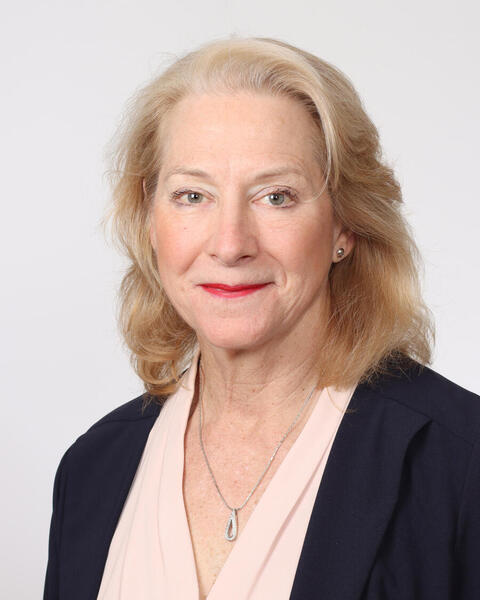
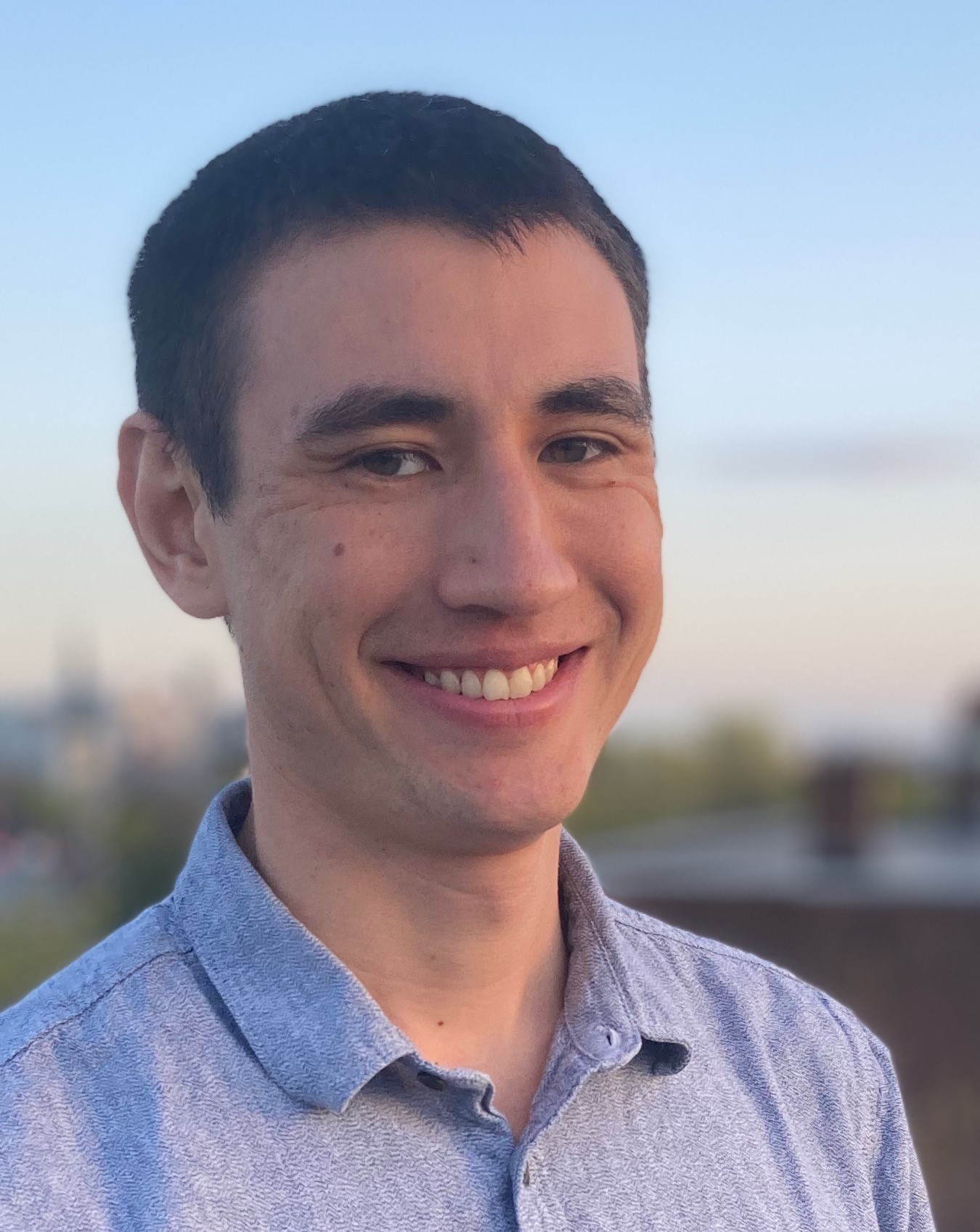
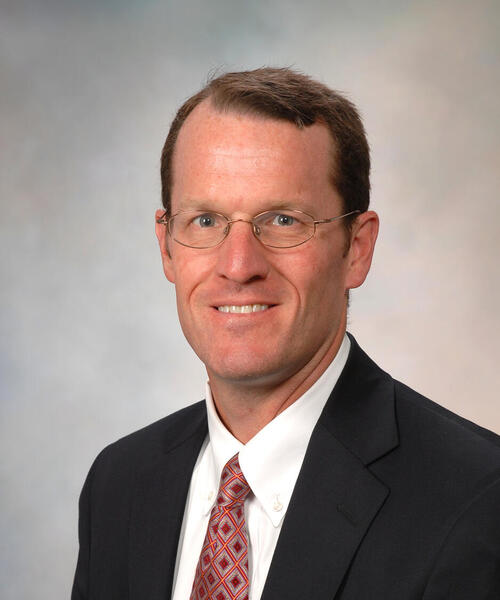
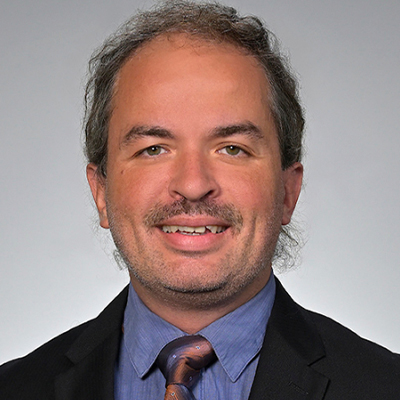
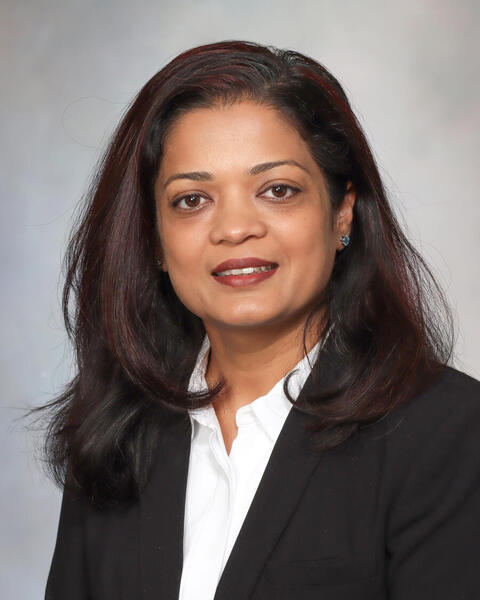
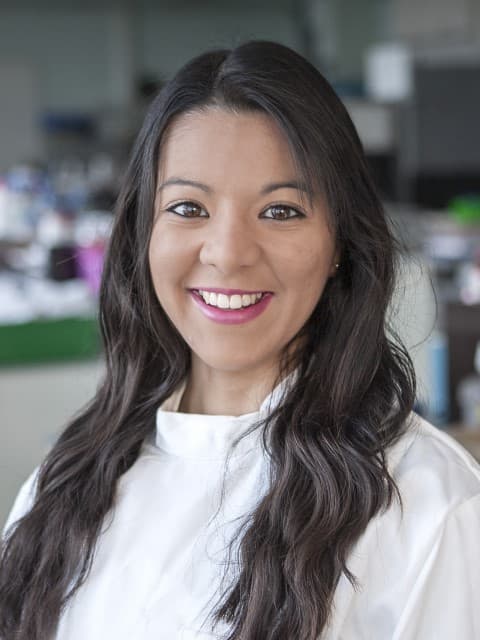
Kyle W. Klarich is Professor of Medicine and consultant in both the Division of Structural Heart Disease and Division of Echocardiography at Mayo Clinic. His clinical practice and research focus on structural heart disease, cardiac tumors, hypertrophic cardiomyopathies, and valvular heart disease. Dr. Klarich investigates complications prevention and quality-of-life improvement for patients with rare cardiac conditions. As Cardiovascular Disease Fellowship program director since 2010, he is extensively involved in medical education and has received multiple teaching awards including the ACGME's Parker J. Palmer Courage to Teach Award finalist recognition.
Sai Zhang is an Assistant Professor in the Department of Epidemiology at the University of Florida (UF), holding affiliations with the College of Public Health & Health Professions and College of Medicine. He is also an Affiliate Faculty in the J. Crayton Pruitt Family Department of Biomedical Engineering at the Herbert Wertheim College of Engineering. Previously, he was an Instructor at Stanford University School of Medicine and a Research Associate at the VA Palo Alto Epidemiology Research and Information Center (ERIC). Dr. Zhang completed his Ph.D. in Computer Science and Technology at Tsinghua University, followed by postdoctoral training in Dr. Michael Snyder’s lab at Stanford Genetics. His research integrates machine learning, genomics, and precision medicine to uncover genomic bases of complex diseases. Key focuses include developing algorithms for multiomic data analysis, modeling genotype-phenotype relationships, and leveraging deep learning for biological sequence analysis. His work emphasizes cell-type-specific mechanisms in diseases like ALS, coronary artery disease, and neurodegenerative disorders. Notable contributions include frameworks for polygenic risk scoring (e.g., PRS-Net), biomarker discovery for ALS, and tools for time-to-event prediction in neurological diseases. He leads the Zhang Laboratory, advancing computational systems for precision health applications.
Saud Alhusaini MD PhD is an Assistant Professor of Neurology at the Warren Alpert Medical School of Brown University and serves as a Neurologist/Movement Disorders Specialist at Rhode Island Hospital. His research integrates imaging genomics and multimodal brain imaging approaches to investigate neurological disorders including Parkinson's disease, essential tremor, and epilepsy. He is affiliated with the Carney Institute for Brain Science and collaborates extensively with clinicians, geneticists, electrophysiologists, MRI specialists, neuropsychologists, and data scientists. Education: PhD from the Royal College of Surgeons in Ireland (RCSI) MSc in Neuroscience from Trinity College Dublin MD from University of Dublin, School of Medicine Adult neurology residency at McGill University/Montreal Neurological Institute Clinical research fellowship at Yale School of Medicine Clinical fellowship at Stanford University Medical Center Dr. Alhusaini's research focuses on identifying key endophenotypes and subclinical biomarkers to elucidate the underlying mechanisms of complex neurological conditions. His work spans multiple areas including movement disorders, epilepsy, and brain structure genetics. He has made significant contributions to understanding the genetic architecture of brain structures through his involvement with the ENIGMA consortium, which conducts large-scale collaborative analyses of neuroimaging and genetic data across institutions worldwide. An analysis of his publication record reveals a consistent pattern of high-impact research at the intersection of neurology, genetics, and advanced imaging techniques. His recent work demonstrates particular expertise in Parkinson's disease genetics, epilepsy network analysis, and movement disorder diagnostics. The breadth of his research, spanning from basic genetic mechanisms to clinical applications, highlights his comprehensive approach to understanding neurological disorders. Dr. Alhusaini has received funding from the Rhode Island Research Foundation, Brown Physicians, Inc., and Advance RI-CTR to support his research initiatives. His collaborative approach is evident through his numerous multi-institutional projects and extensive co-author network across Brown University departments including Neurology, Neurosurgery, and Pathology and Laboratory Medicine.
Luke O'Connor is an Assistant Professor of Biomedical Informatics at Harvard Medical School, affiliated with the Department of Biomedical Informatics. He leads the O'Connor Lab, which focuses on the genetic architecture of common diseases, statistical methods development, and translating genetic associations into biological insight. His work bridges computational and experimental approaches to understand the functional and phenotypic effects of genetic variation. Education: O'Connor earned his Ph.D. in Bioinformatics and Integrative Genomics (BIG) from Harvard Medical School in 2019. He was a Schmidt Fellow/Principal Investigator at the Broad Institute of MIT and Harvard before joining Harvard Medical School. Research Interests: His research emphasizes statistical genetics, functional genomics, and the integration of genetic data with phenotypic outcomes. Key areas include analyzing rare and common genetic variants, developing methods for polygenic risk prediction, and studying the impact of genetic perturbations on cellular and disease mechanisms. Grants: He currently leads an NIH-funded project (R35GM155278) investigating the functional and phenotypic effects of protein-coding genetic variation. This work aims to bridge gaps between genomic data and biological understanding. Labs/Teams: The O’Connor Lab collaborates with institutions like the Broad Institute and engages in interdisciplinary projects to advance precision medicine and genetic discovery.
Kushal Dey serves as an Assistant Professor in the Computational and Systems Biology Program at Memorial Sloan Kettering Cancer Center (MSKCC), part of the Graduate School of Medical Sciences in partnership with Weill Cornell Medicine. His research integrates statistical and machine learning approaches with genomic data to understand the regulatory architecture of complex diseases. Dr. Dey's research focuses on developing computational methods that integrate human disease genetics with functional genomics data. His work spans immune-related diseases including Alzheimer's and inflammatory bowel disease, as well as heritable cancers like breast and prostate cancer. His lab develops models to prioritize variants, genes, and cell states for disease using genetic, genomic, and perturbation data, with emphasis on causal directed graphs and benchmarking pipelines informed by disease genetics. His recent publications highlight expertise in GWAS, colocalization, spatial transcriptomics, Perturb-seq, and RNA+ATAC multiome analysis. His work frequently appears in top journals like Nature Genetics, with a focus on single-cell multi-omics approaches to understand disease mechanisms at cellular resolution. Scientific Awards: Josie Robertson Investigator (2023–2028) K99/R00 Pathway to Independence Award (NIH/NHGRI) (2022–2026) NIH/NHGRI Early Stage Investigator R01 (2025-2030) NCI P30 CCSG supplement – 'LLMs in cancer research' (2023-2024) Catalog Working Group Co-chair + Disease Focus Group Lead: IGVF consortium (2023-) Dr. Dey mentors several graduate students through the Weill Cornell Graduate School (WGS), including Thahmina Ali, Pretty Garcia, Karthik Guruvayurappan, Louis Liu, Sarthak Tiwari, Berk Turhan, and Harry Zhang. His lab has received multiple grants including the AWS IMAGINE Grant Children's Health Innovation Award 2024-2025 (as Project Co-lead) and PSRP Developmental Funds Awards (2025: Co-lead). The lab actively collaborates with consortia including ENCODE, ADSP, MorPhiC, and IGVF, maintaining strong ties with Columbia University, Stanford University, and Harvard T.H.Chan School of Public Health. The Kushal Dey Lab is part of the vibrant Tri-Institutional Research campus adjacent to Rockefeller University and Weill Cornell Medical College, offering a collaborative environment focused on computational genomics and disease mechanisms.
Julian Knight is a Professor of Genomic Medicine at the University of Oxford, with affiliations including the Centre for Human Genetics , Merton College , and leadership roles in the NIHR Oxford Biomedical Research Centre and Central and South NHS Genomic Medicine Service . His work bridges clinical practice and research, focusing on translational genomics. Principal Investigator Deputy Director, Centre for Human Genetics Honorary Consultant Physician Tutor and Fellow, Merton College Director, Medical Sciences Division Graduate School Genomic Medicine Theme Lead, NIHR Oxford BRC Research interests include mechanisms of dysregulated immune responses in sepsis , autoimmune disease , and infection . Key contributions involve RNA signature stratification for sepsis outcomes and HLA allele associations in COVID-19 immunogenicity. Current work explores genetic/epigenetic modulators of innate immunity and causal relationships in multi-omic datasets. Recent publications highlight diverse applications of his group’s work: from pleural infection endotyping (2025) to TLR7 variants in severe COVID-19 (2024), with methodological advancements in single-cell demultiplexing (2024) and pathway analysis (2025). Keywords span genomic medicine , immunology , and multi-omic integration . Knight’s leadership extends to clinical implementation of genomics, education (DPhil/MSc programs), and public engagement. Collaborations span institutions including Imperial College , Wellcome Sanger Institute , and Queen Mary University of London .
Dr. Elliot L. Dimberg is a neurologist specializing in neuromuscular disorders at Mayo Clinic Hospital in Jacksonville, Florida. He serves as faculty at Mayo Clinic Alix School of Medicine within the Department of Neurology, holding leadership roles including Vice Chair of the Curriculum Committee and Clerkship Sub Committee. Dr. Dimberg actively contributes to medical education through multiple committees related to student promotions, academic affairs, and residency program evaluation, while maintaining a clinical practice focused on complex neuromuscular conditions. Dr. Dimberg earned his MD from Tulane University in 2001. He completed his Neurology residency and served as Chief Resident at the University of Virginia, followed by fellowships in Clinical Neurophysiology at the University of Virginia (2006) and Neuromuscular Disease at Mayo Clinic Rochester (2008). He maintains board certification in Neurology, Clinical Neurophysiology, and Neuromuscular Medicine through the American Board of Psychiatry and Neurology. His clinical expertise spans neuromuscular junction disorders including myasthenia gravis and Lambert-Eaton Myasthenic Syndrome, peripheral neuropathies, brachial and lumbosacral plexus disorders, polyradiculopathies, motor neuron diseases, and myopathies. Dr. Dimberg integrates clinical evaluation with electrodiagnostic medicine to diagnose and manage these complex conditions. His research focuses on advancing diagnostic methodologies through electromyography techniques, genetic testing, and clinical trial participation for rare neuromuscular disorders. Dr. Dimberg's publication record demonstrates consistent contributions to neuromuscular medicine, with emphasis on diagnostic precision, genetic underpinnings of muscle disorders, and therapeutic innovations. His recent work includes clinical trials for hereditary transthyretin amyloidosis, studies on spinal muscular atrophy treatments, and investigations into immune-mediated necrotizing myopathy, reflecting his commitment to advancing both clinical practice and scientific understanding in his field. Multiple Above and Beyond Awards from Mayo Clinic in Florida (2008-2024) A.B. Baker Teacher Recognition Award from American Academy of Neurology (2013, 2021) Commitment to Education Award from Mayo Clinic Alix School of Medicine (2019) Alpha Omega Alpha Honor Society membership (2000) As an educator, Dr. Dimberg has coordinated the Residency Neuroanatomy Course and Clinical Pathological Correlation Conference for over a decade. He previously chaired the Curriculum Committee for the Adult Neurology Residency Program and currently serves in leadership roles for Mayo Clinic Alix School of Medicine's educational committees. His dedication to teaching has been recognized through numerous awards including the prestigious A.B. Baker Teacher Recognition Award. Professionally, Dr. Dimberg serves as Co-Chair of the American Association of Neuromuscular and Electrodiagnostic Medicine's EDX Lab Accreditation Committee and holds leadership positions in the American Clinical Neurophysiology Society. He contributes to developing certification exams, educational programming, and clinical guidelines for these organizations, maintaining active engagement with the broader neuromuscular medicine community.
Zhandong Liu is an Associate Professor at Baylor College of Medicine with joint appointments in the Department of Pediatrics and Department of Neurology . He serves as Chief of Computational Sciences at Texas Children's Hospital and co-directs the Quantitative & Computational Biosciences Graduate Program at Baylor. Education: B.S. in Computer Science, Nankai University (2001) M.S. in Computer Science, Wayne State University (2003) Ph.D. in Genomics and Computational Biology, University of Pennsylvania (2010) Dr. Liu's research integrates genomics , machine learning , and bioinformatics to advance understanding of neurological diseases. His work focuses on: Multi-omics data integration for disease mechanism discovery Development of cloud-based CRISPR analysis tools like CRISPRcloud Augmented reality platforms for biomedical data visualization Identification of disease genes through computational models Alternative splicing analysis in cancer and neurodegeneration Single-cell and spatial transcriptomics algorithms His recent publications emphasize Alzheimer's disease , MECP2 syndromes , and computational therapy prediction across multiple domains. Scientific awards include the 2018 Outstanding Service Award from the International Association for Intelligent Biology and Medicine. He has secured major grants from NIH, CPRIT, and NSF for projects including: NSF grant #199977 (2018-2020): Augmented reality therapy platforms CPRIT grant #RP170387 (2016-2019): Network-guided cancer analysis NIH #1R01AG057339 (2017-2022): Alzheimer's disease networks As head of the Liu Lab , he leads teams developing tools like: MARRVEL : Human-model organism gene variant integration CRISPRcloud : Secure CRISPR screen analysis platform CrypSplice : Cryptic splicing detection algorithm
Pavel P. Kuksa is a Research Assistant Professor in the Department of Pathology and Laboratory Medicine, specializing in bioinformatics, computer science, and functional genomics. His work focuses on high-throughput sequencing analysis, chromatin interaction data, and developing scalable software platforms for genomics research.
Rob Willemsen is an Associate Professor in the Department of Clinical Genetics at Erasmus MC, a leading academic medical center in the Netherlands. His research is centered on the molecular and genetic basis of neurodevelopmental and inherited disorders, with a focus on fragile X syndrome and related conditions. He employs advanced models such as zebrafish and in vivo systems to investigate gene regulation, methylation dynamics, and disease mechanisms. His research interests span clinical genetics , molecular genetics , neurodevelopmental disorders , epigenetic regulation , and rare genetic diseases . Using zebrafish models, he explores gene function and pathogenic variants associated with conditions like pediatric cardiomyopathy, hereditary spastic paraplegia, and refractive errors. His work often bridges basic science with translational applications, including drug testing in preclinical models. The trends in his recent publications indicate a strong focus on gene discovery , functional genomics , and therapeutic intervention for monogenic disorders. His studies frequently involve international collaborations and multidisciplinary teams, leveraging high-throughput sequencing, transcriptomics, and animal modeling to validate candidate genes from GWAS and clinical findings. Rob Willemsen has supervised 14 research projects, indicating an active role in mentoring students and junior researchers. He has received significant attention for his work, with mentions in news outlets and citations in major journals, though specific grants or funding sources are not detailed in the text. His collaborations span multiple institutions and countries, reflecting a broad scientific network. His research is conducted within the Clinical Genetics department at Erasmus MC, where he contributes to both fundamental research and potential clinical applications. While no specific lab name is mentioned, his work involves molecular and cellular analysis, animal models, and collaboration with clinical teams to translate findings into patient care.
Shweta Agarwal is a board-certified clinical pathologist specializing in Head and Neck pathology and Cytopathology. Currently affiliated with Mayo Clinic in Jacksonville, Florida, she focuses on diagnosing salivary gland, thyroid, oral cavity, and sinonasal cancers. Her research integrates artificial intelligence for metastasis prediction and explores PD-L1 expression in rare tumors. 2018 Fellowship in Cytopathology - University of California San Francisco Medical Center 2017 Fellowship in Head and Neck Pathology - Massachusetts General Hospital 2016 Residency in Anatomic Pathology - University of Oklahoma Health Sciences Center 2011 Senior Residency in Oncopathology - Tate Memorial Hospital 2003 MBBS - GSVM Medical College, Kanpur University Her research bridges clinical pathology with computational tools, investigating salivary gland cancers, thyroid neoplasms, and oral squamous cell carcinoma. Key publications include AI-driven nodal metastasis predictions and PD-L1 analysis in rare cancers. Scientific awards include the 2025 Mayo Clinic 'Healing' recognition, 2022 Presidential Teaching Fellow nomination, and multiple best paper awards. She serves on committees for the College of American Pathologists and Papanicolaou Society of Cytopathology.
Overview Soraya Williams is a Researcher at Loughborough University in the School of Sport, Exercise and Health Sciences. She holds a BSc and MSc in Biomedical Sciences from Plymouth University and completed a PhD through the Regenerative Medicine Centre of Doctoral Training Programme at Loughborough University, collaborating with Nottingham University and Keele University. Her PhD focused on optimizing processes for extracellular vesicle (EV) expansion, harvest, and isolation. Currently, she works as a Research Assistant under Dr. Owen Davies, focusing on EV applications in regenerative aesthetics with a private funder. Research Interests Her work centers on extracellular vesicles for regenerative medicine, particularly in dermatology and bone/muscle regeneration. Key areas include EV isolation methodologies, therapeutic applications, and epigenetic modulation of EV efficacy. She has contributed to standardization frameworks like MISEV2023 and explored biomaterial integration for enhanced tissue repair. Publications Trends Her publications emphasize EV isolation techniques, clinical applications in paediatrics, and translational strategies for regenerative therapies. Recent work addresses challenges in EV characterization and large-scale production for translational medicine. Awards & Grants No specific awards are listed, though her PhD training was supported by EPSRC/MRC funding. Current research is privately funded. Advising & Labs Collaborates with industry partners and academic institutions. Her lab focuses on translational EV research in sports medicine and aesthetic applications.
Marylyn D Ritchie, PhD, is the Edward Rose, M.D. and Elizabeth Kirk Rose, M.D. Professor at the Perelman School of Medicine, University of Pennsylvania. She concurrently serves as Director of the Institute for Biomedical Informatics, Vice President for Research Informatics for the University of Pennsylvania Health System, Director of the Division of Informatics in the Department of Biostatistics, Epidemiology, and Informatics, and Vice Dean of Artificial Intelligence and Computing. Education: BS in Biology, University of Pittsburgh at Johnstown, 1999 MS in Applied Statistics, Vanderbilt University, 2002 PhD in Statistical Genetics, Vanderbilt University, 2004 Research Interests Dr Ritchie’s work integrates computational genomics , bioinformatics , pharmacogenomics , and systems genomics to advance precision medicine. She develops statistical and machine-learning approaches to dissect epistasis , genetic epidemiology , and evolutionary computation in large-scale biobanks, with a special focus on cardiovascular disease and Alzheimer’s disease . Her group is also pioneering translational informatics methods that incorporate social determinants of health and fairness metrics into AI-driven clinical decision support. Publication Trends In 2025 alone, Dr Ritchie co-authored more than fifteen high-impact studies spanning vision-language models for 3D CT , multi-omics Alzheimer’s risk prediction , fairness in neuroimaging AI , ancestry-specific pharmacogenomics , and cloud-based polygenic risk score platforms . The collective work highlights a shift from single-omics discovery to integrative, equitable, and clinically actionable models across diverse ancestries. Awards & Honors While specific named awards were not detailed in the text, Dr Ritchie’s endowed professorship and multi-institutional leadership roles signify sustained recognition. Grants & Advising Dr Ritchie leads large NIH, foundation, and industry-funded initiatives that support interdisciplinary teams of postdocs, graduate students, and data scientists. Her lab actively mentors trainees from UPenn’s Cell and Molecular Biology and Genomics and Computational Biology graduate groups. Laboratories & Teams She directs the Ritchie Lab (ritchielab.org), which develops open-source visualization tools such as PhenoGram , PheWAS-View , and Synthesis-View for genome-wide and phenome-wide data exploration. The lab operates within the Institute for Biomedical Informatics and collaborates closely with the Penn Medicine BioBank and multiple clinical departments to translate big-data discoveries into precision medicine workflows.
Jeffrey R. Gruen is Professor of Pediatrics (Neonatology) and of Genetics at Yale School of Medicine, and a faculty member in the Investigative Medicine Program at Yale Graduate School of Arts and Sciences. His research is affiliated with multiple centers including the Yale Center for Genomic Health, Wu Tsai Institute, and the Yale Child Health Research Center. Professor of Pediatrics (Neonatology), Yale School of Medicine Professor of Genetics, Yale School of Medicine Member, Investigative Medicine Program, Yale Graduate School Principal Investigator, Gruen Lab Education: MD, Tulane University, 1981 BS in Chemistry, Tulane University, 1977 Residency in Pediatrics, Yale-New Haven Hospital, 1984 Internship in Pediatrics, Yale-New Haven Hospital, 1982 Dr. Gruen's research centers on the genetic and molecular basis of dyslexia and language impairments. His lab pioneered the mapping of the DYX2 locus on chromosome 6 and discovered the DCDC2 gene, a major contributor to reading disability. His team identified READ1, a transcriptional control element that modulates risk for dyslexia, and demonstrated synergistic interactions between genetic variants in DCDC2 and KIAA0319 . His work integrates human genetics, molecular biology, and neuroimaging to understand the biological mechanisms underlying learning disabilities. He leads the Yale Genes, Reading and Dyslexia (GRaD) Study and the New Haven Lexinome Project, aiming to enable early diagnosis and personalized educational interventions. The recent publications reflect a strong trend in integrating genetic data with cognitive, behavioral, and educational assessments. Key themes include genome-wide association studies of dyslexia, gene-environment interactions (particularly involving phonological awareness and home environment), phenotype harmonization across cohorts, and the application of genetic findings to educational policy and practice. Imaging genetics and the study of comorbid conditions like Sluggish Cognitive Tempo are also prominent. Scientific Awards: Innovative Research Award, Kavli Institute, 2022 Dr. Gruen has served as Principal Investigator on numerous NIH-funded studies, including the GRaD Study, the Pediatric Imaging NeuroGenetics (PING) Study at Yale, and the New Haven Lexinome Project. He mentors a broad network of collaborators across institutions such as the University of Colorado, University of Bristol, and Johns Hopkins. His lab trains researchers in human genetics, molecular techniques, and cognitive phenotyping. He leads the Gruen Lab, which focuses on human genetic studies, molecular genetic mechanisms, imaging genetics, and longitudinal intervention studies. The lab collaborates extensively with national and international research centers and utilizes advanced techniques including GWAS, sequencing, chromatin immunoprecipitation, and MRI-based phenotyping.
Kushal Dey, PhD, is an Assistant Professor in the Computational and Systems Biology Program at Memorial Sloan Kettering Cancer Center (MSKCC). His research develops machine learning models that integrate genetic, genomic, and epigenomic data (e.g., RNA-seq, ChIP-seq, Perturb-seq, spatial transcriptomics) to decode the causal functional architecture of heritable complex diseases, including immune-related disorders like Alzheimer’s and inflammatory bowel disease, as well as heritable cancers such as breast and prostate cancer.