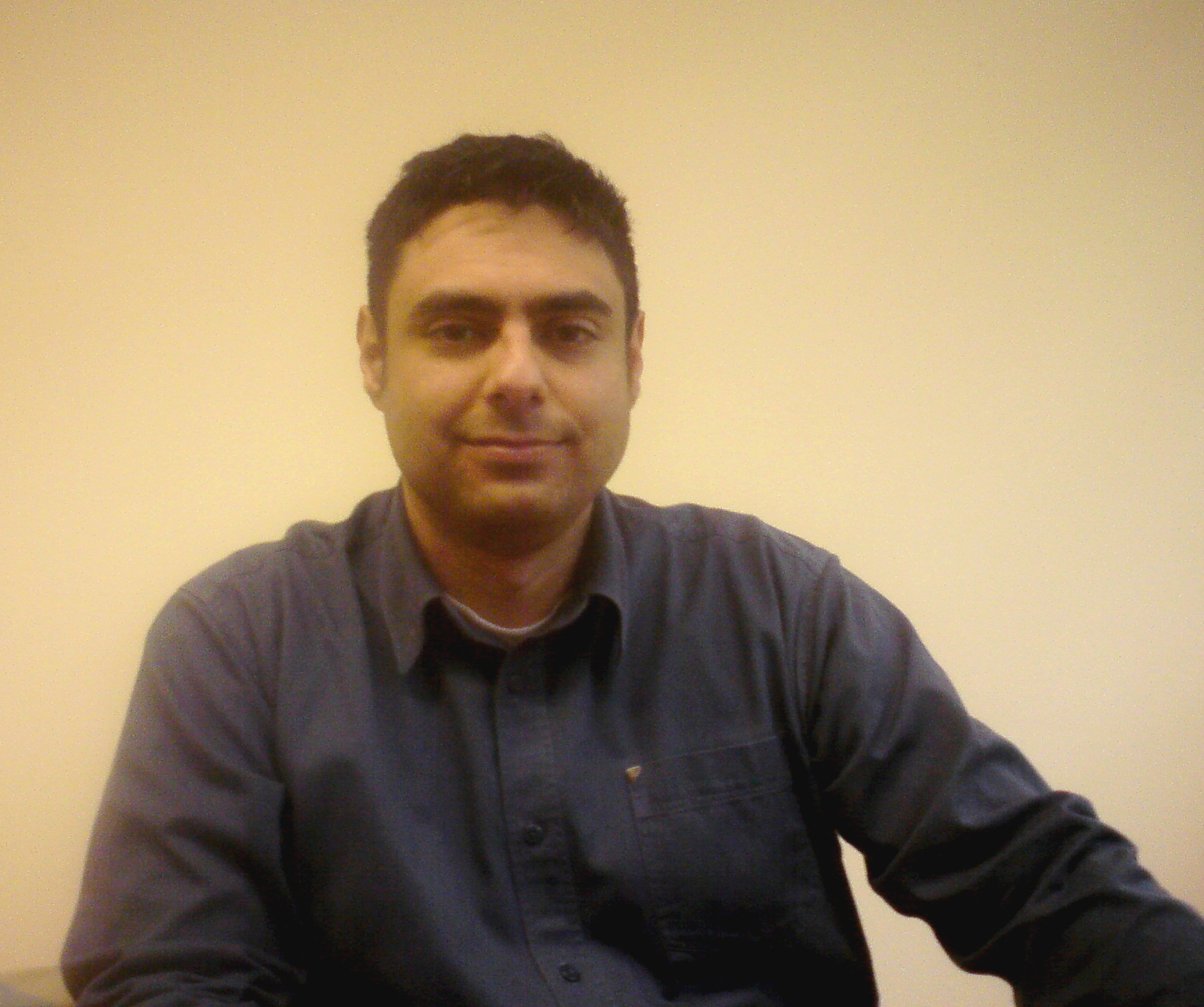
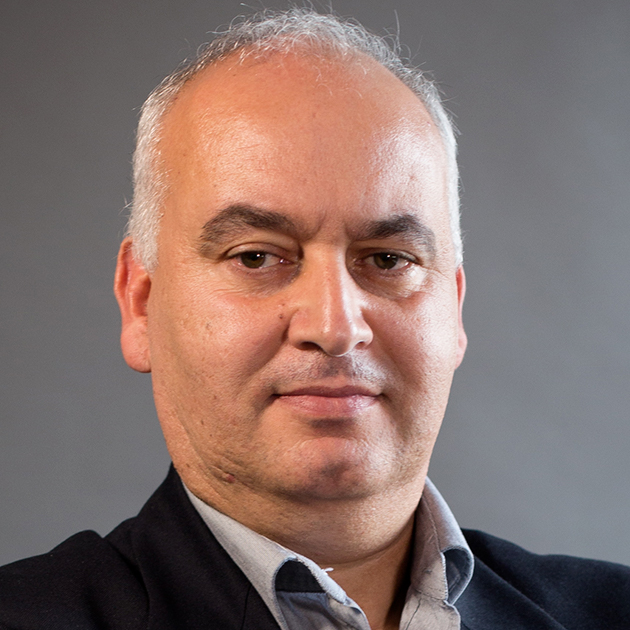
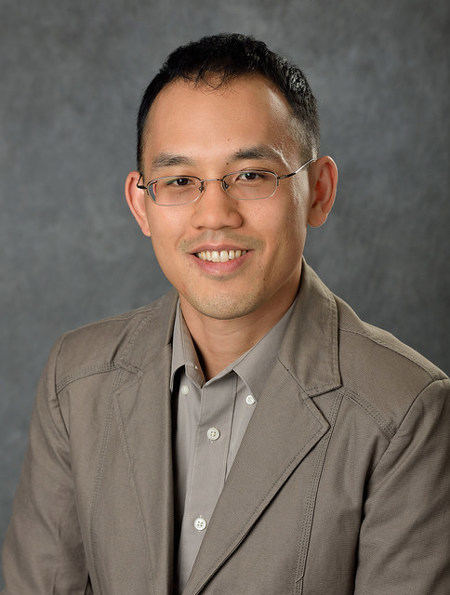
Dr. Leonidas Tzevelekas is a Researcher at the Advanced Networking Research Group (ANR) within the Department of Informatics and Telecommunications at the National and Kapodistrian University of Athens. He holds a PhD in Informatics and Telecommunications from NKUA (2010), with a focus on energy-efficient networking algorithms, and maintains strong ties to both academic and industry telecommunications sectors. Education: Diploma in Physics (NKUA, 2000), MSc in Communications Engineering (TUM, 2002) Current Research: User-provided information collection/analysis in large-scale social networking platforms His publications since 2005 demonstrate consistent contributions to wireless sensor network optimization through techniques like random walks, jump-based mobility, and clustering algorithms. Notably, his work bridges theoretical research with practical telecom sector applications.
Talel Abdessalem is a Professor at Télécom Paris , where he has held leadership roles including Director of LTCI Research Laboratory (since 2017) and Dean of Research (since 2018). He currently serves as Deputy Vice-President for Research at Institut Polytechnique de Paris . PhD in Computer Science from Paris-Dauphine University Habilitation (HDR) from UPMC-Sorbonne University His research spans large-scale data management , recommender systems , social network analysis , and uncertain data modeling . He has participated in numerous national (ANR, FEDER) and European (FP7) research projects, with recent work focusing on stream-based learning , graph analytics , and privacy-preserving systems . His publications include diverse contributions to directed graph centrality algorithms (2021), stream recommender frameworks (River, Scikit-Multiflow), and geospatial recommendation models (ALGeoSPF). He has supervised 14 PhD students and collaborates with researchers in France, Brazil, and Indonesia. Co-leads DIG (Data, Intelligence and Graphs) research team Director of LTCI (Information Processing and Communication) laboratory
Florian Simatos is a Professor of Probability and Statistics at ISAE-SUPAERO's Department of Complex Systems since February 2015, where he leads the Applied Mathematics research group (2020-2025). His academic journey includes positions as a Researcher at Inria (2014), Lecturer at École Normale Supérieure de Paris (2014), Post-doc at Eindhoven University of Technology (2012-2013), Post-doc at CWI (2010-2011), PhD at Inria under Philippe Robert (2006-2009), MSc in Electrical Engineering from Stanford (2005), and undergraduate studies at École Polytechnique (2001-2004). His research spans three interconnected domains: Applied Probability (branching processes, scaling limits, heavy traffic analysis), Reliability Theory (importance sampling in high dimensions, sensitivity analysis), and Sustainable Aviation (environmental impact beyond climate, planetary boundaries). His work integrates rigorous mathematical frameworks with real-world aeronautical challenges, particularly in decarbonizing air transport. Current projects include analyzing high-dimensional rare events (Jason Beh's PhD) and broadening aviation's environmental impact assessment (Bastien Païs' PhD). His publication trends reveal a strategic pivot from foundational probability (2009-2015) toward reliability engineering (2015-2021) and sustainable aviation (2021-present), reflecting both theoretical depth and applied relevance. This evolution demonstrates his ability to bridge abstract mathematics with pressing industrial challenges. ACM SIGMETRICS Rising Star Researcher Award (2014) ACM SIGMETRICS 2010 Best Paper Award (for Load balancing via randomised local search ) As a supervisor, he mentors seven PhD candidates across probability, reliability, and sustainable aviation, often co-supervising with domain experts like Jérôme Morio (reliability) and Lorie Hamelin (environmental science). His service includes editorial roles for Queuing Systems (2016-2021) and extensive journal reviewing (>50 reviews across probability, queuing theory, and environmental science). He actively collaborates with aerospace stakeholders through ISAE-SUPAERO's Applied Mathematics group, focusing on quantitative sustainability frameworks for aviation.
Anna Marcuzzi is a Postdoctoral Fellow at the Department of Public Health and Nursing, Faculty of Medicine and Health Sciences, Norwegian University of Science and Technology (NTNU). Her research focuses on musculoskeletal pain epidemiology and digital health interventions, with significant contributions to AI-based pain management tools and population health studies using Norwegian registry data. Her research portfolio centers on: Musculoskeletal pain mechanisms and comorbidities Digital therapeutics for low back/neck pain Physical activity and sedentary behaviour determinants Chronic pain interactions with mental health and metabolic conditions Cross-cultural pain measurement validation Epidemiological methods using large cohort studies Analysis of her 15 most recent publications (2021-2025) reveals a dominant focus on developing and evaluating AI-driven self-management applications for musculoskeletal pain, particularly through randomized clinical trials. She has made substantial contributions to systematic reviews on physical activity determinants in children (DE-PASS project) and investigates complex pain comorbidities using longitudinal data from the Norwegian HUNT study, examining relationships between multisite pain, insomnia, diabetes risk, and mental health outcomes. No scientific awards were documented in the available information. Details regarding student advising, research grants, or laboratory affiliations were not specified in the provided materials.
Manas Khan is an Assistant Professor in the Department of Physics at the Indian Institute of Technology Kanpur (IIT Kanpur), specializing in Soft Matter and Biophysics, Optical Trapping and Micromanipulations, and Modeling and Simulations. Education: Ph.D. (2011): Indian Institute of Science, India M.S. (2003): Indian Institute of Science, India B.Sc. (2000): Presidency College, Kolkata, India Dr. Khan's research focuses on studying statistical physics of soft and active matters employing various experimental tools, principally optical tweezers, and Brownian dynamics simulations. His work bridges experimental physics with theoretical modeling to understand complex systems at microscopic scales. He has made significant contributions to microrheology, particle dynamics in complex fluids, and cellular biomechanics. His publication record demonstrates a consistent focus on using optical tweezers to probe material properties and biological systems. Key themes include non-equilibrium statistical mechanics, viscoelastic properties of complex fluids, and the mechanical behavior of biological membranes. His collaborative work with researchers like A.K. Sood and Thomas G. Mason has resulted in publications in high-impact journals such as Physical Review E, Europhysics Letters, and Soft Matter. Dr. Khan has held postdoctoral positions at the University of Konstanz (2011-2012), University of California - Los Angeles (2013-2016), and University of San Diego (2016-2017) before joining IIT Kanpur as faculty. His research program at IIT Kanpur likely involves an experimental laboratory with optical trapping capabilities and computational resources for simulations.
Kevin Liu is an Associate Professor at Michigan State University, affiliated with the Genetics & Genome Sciences Program and the Ecology, Evolution & Behavior Program . His research focuses on computational biology, phylogenetics, and genomics, particularly developing statistical methods for evolutionary analysis. Institution: Michigan State University Programs: Genetics & Genome Sciences Program, Ecology, Evolution & Behavior Program Kevin Liu’s work centers on advancing phylogenetic reconstruction techniques, addressing challenges in species tree estimation, multiple sequence alignment, and handling non-tree-like evolutionary histories. He employs coalescent-based models, hidden Markov models, and resampling methods to improve accuracy in genomic data analysis. Recent trends in his research include developing scalable algorithms for phylogenetic network inference, integrating statistical resampling techniques, and exploring the impact of alignment and tree estimation errors on evolutionary studies. His publications highlight collaborations in computational method development for large-scale genomic datasets.
Stefan Horst Sommer is a Professor at the Department of Computer Science (DIKU), University of Copenhagen . He leads the Pioneer AI (P1AI) section, serves as Head of Studies for Machine Learning and Data Science, and co-founded the Center for Computational Evolutionary Morphometry (CCEM) with Rasmus Nielsen. His work bridges stochastic processes , geometric statistics , and machine learning with applications in computational anatomy and diffusion modeling . Key Roles : Head of Pioneer AI, Head of MLDS Studies, CCEM PI Labs : Applied Geometry Lab, CCEM Research focuses on Riemannian geometry , anisotropic diffusion , and stochastic shape analysis . Current projects include geometric machine learning for aerodynamic modeling and probabilistic image registration with applications in medical imaging and evolutionary biology . His 96+ publications emphasize manifold-valued processes and geometric deep learning . Collaborations span computational anatomy , stochastic mechanics , and AI-driven scientific computing . He co-organizes international workshops on geometric statistics and maintains active GitHub repositories for open-source research tools.
Sarah Penington is a probabilist currently serving as a Reader and Royal Society University Research Fellow at the University of Bath in the Department of Mathematical Sciences. She is an Associate Editor at the Annals of Applied Probability and a member of the Prob-L@B probability group. University of Bath (2018–present): Reader and Royal Society University Research Fellow University of Oxford (2016–2018): G H Hardy Junior Research Fellow University of Oxford (2013–2016): PhD in Statistics Her research focuses on probabilistic modeling in population genetics, dual processes, solutions to partial differential equations via probabilistic techniques, branching processes, and interacting particle systems. She has developed mathematical frameworks for Wolbachia invasion in mosquito populations, free boundary problems in Fisher-KPP type equations, and hybrid zone dynamics via branching Brownian motion. Her publications span topics in non-local competition, hypercube percolation, spatial Lambda Fleming-Viot processes, and wave propagation in nonlinear PDEs. Key trends include stochastic particle systems, population genetics, and probabilistic methods in biological and mathematical physics. Scientific Awards: Erlang Prize (2024), Royal Society University Research Fellow, Prize Fellow at the University of Bath, G H Hardy Junior Research Fellow PhD Students: Zsófia Talyigás (2019–2022), Carmen van-de-l'Isle (2021–present), Abby Barlow (2021–present), João Luiz de Oliveira Madeira (2022–present), often co-supervised with other academics.
Floske Spieksma is an Associate Professor at the Mathematical Institute (Probability Theory) of Leiden University , where she has worked since 1985 in various roles including PhD researcher, Postdoc, Assistant Professor, and Associate Professor. Her research focuses on Stochastic Processes , Markov Decision Processes , and Operations Research , particularly in Queueing Theory and Network Optimization . She has supervised multiple PhD students including Herman Blok and Laurens Smit and co-organized international workshops. Education : PhD in Mathematics (1990), Leiden University MSc (cum laude) in Mathematics (1985), Leiden BSc in Mathematics (1981), Leiden BA in Spanish (1981), Leiden Research Trends : Her recent publications analyze unbounded jump rate Markov processes , graph resistance metrics , and stochastic decision frameworks . Key collaborations include work with M.N. Katehakis, L. Smit, and H. Blok. Scientific Awards : KNAW 5-year fellowship (1993) C.J.Kok prize (1991) Shell travel grant (1991) Two book grants (1984) Advising : Supervises PhD students and research projects, with past advisees including Herman Blok and Laurens Smit. Organized the H.E.T. Symposium (2012) connecting students with alumni in industry.
Elena Gimeno Santos serves as an Associate Lecturer in the Department of Nursing and Physiotherapy at Ramon Llull University's Blanquerna Faculty in Barcelona. With 97 research outputs since 2007 and an h-index of 29, she maintains active contributions to respiratory medicine through recent 2025 publications and clinical collaborations. Her research centers on chronic obstructive pulmonary disease (COPD), obstructive lung disorders, and pulmonary rehabilitation methodologies. Key specialties include six-minute walk test standardization, inspiratory muscle training efficacy, and dyspnea management, with significant work establishing reference equations for Spanish populations across pediatric and geriatric cohorts. She frequently employs systematic reviews and clinical observational studies to bridge evidence-based practice with real-world rehabilitation. Analysis of her 2025 publications reveals three dominant research trajectories: (1) Development of functional assessment tools like pediatric respiratory pressure benchmarks and adult walk-test references, (2) Clinical intervention studies examining inspiratory muscle training for chronic respiratory conditions, and (3) Collaborative surgical-prehabilitation research investigating cognitive outcomes. Her work consistently targets practical clinical applications across primary care and specialized hospital settings. No scientific awards were documented in the source material. While student supervision details remain unreported, her extensive co-authorship network—including the Hospital Clínic de Barcelona Prehabilitation Group (Surgifit)—demonstrates active engagement in multi-institutional Spanish research teams focused on respiratory pathophysiology and rehabilitation innovation.
Prof. Patrik Ferrari is a Professor of Probability Theory and Stochastic Analysis at the Institute for Applied Mathematics, University of Bonn, where he has been employed since October 2008 and became a professor in April 2009. His research primarily focuses on stochastic processes, random matrix theory, and the Kardar-Parisi-Zhang (KPZ) universality class. His educational background includes: Physics studies at EPFL (Swiss Federal Institute of Technology in Lausanne) from 1996 to 2001 Diploma thesis at Rutgers University under Prof. Joel L. Lebowitz PhD at Technische Universität München (TUM) completed in 2004 under Prof. Herbert Spohn Ferrari's research interests span Probability Theory, Stochastic Analysis, Random Matrix Theory, KPZ Universality Class, and Interacting Particle Systems. His work often explores the connections between stochastic growth models, random matrices, and determinantal processes. He has made significant contributions to understanding the Airy processes, which describe the limit behavior of various stochastic models in the KPZ universality class. His publications from the last five years reveal a consistent focus on the theoretical aspects of exclusion processes, last passage percolation, and KPZ-related models. The research demonstrates deep mathematical analysis of correlation structures, fluctuation properties, and universality phenomena in these systems. His notable awards include: Alexanderson Award from the American Institute of Mathematics (2018) Heinz Maier-Leibnitz prize from the German National Foundation (2009) EPFL Award for second best general exams average (2001) Ferrari has served on editorial boards for several prestigious journals including The Annals of Applied Probability (2013-2018), Mathematical Physics, Analysis and Geometry (2013-2022), and Electronic Journal of Probability (2018-2023). His research has established important connections between probability theory, statistical mechanics, and random matrix theory, particularly in the context of the KPZ universality class.
Dr. Yubao (Robert) Wu is an Assistant Professor in the Department of Computer Science at Georgia State University. He holds a Ph.D. from Case Western Reserve University, and B.Eng. and M.Eng. degrees from Dalian University of Technology, China. His research focuses on big data analytics, data mining, and bioinformatics, with emphasis on analyzing large-scale networks in biomedical and social domains. Key areas include graph theory, random walk-based proximity measures, and community detection algorithms. Education: B.Eng. in Electronic and Information Engineering, Dalian University of Technology (2007) M.Eng. in Signal and Information Processing, Dalian University of Technology (2009) Ph.D. in Computer Science, Case Western Reserve University (2016) Dr. Wu’s research emphasizes scalable algorithms for large graphs, including Monte Carlo methods for random-walk-based similarity measures and distributed computing techniques. His work addresses challenges in network analysis such as detecting communities, measuring node similarity, and optimizing search processes in complex networks. He also explores applications in cybercrime analysis (e.g., dark web markets), public health (opioid epidemic prediction via social media), and bioinformatics. His publications span prestigious venues like VLDB, SIGMOD, and ICDE, addressing topics like illicit drug ad detection, dark web certification analysis, and efficient k-vertex connected component discovery. He is based at 1 Park Place, room 638.
Dr. Daniel Larremore is an Associate Professor in the Department of Computer Science and core faculty at the BioFrontiers Institute , with affiliations in the Department of Applied Mathematics and the Santa Fe Institute . His career spans roles as an Omidyar Fellow (2015-2017) and Harvard T.H. Chan School of Public Health postdoc (2012-2015), following a PhD in Applied Mathematics at CU Boulder (2012) and undergrad in Chemical Engineering at Washington University. Research Pillars: Infectious Disease Dynamics - Malaria ( P. falciparum ), SARS-CoV-2, RSV, and vaccine strategies. Network Science - Generative models, community detection, and dynamical ranking in complex systems. Scientific Ecosystem - Faculty hiring networks, gender inequality, and productivity analysis. Recent Article Trends - Focus on test-negative designs, traveler screening limits, seroprevalence in Karachi, faculty gender disparities, and network-based ranking algorithms. Scientific Recognition Erdős–Rényi Prize (Network Science Society) Alan T. Waterman Award (National Science Foundation) Advising Legacy - Mentored 9 PhD students including Dr. Katie Spoon (Stanford postdoc), Dr. Casey Middleton (Melbourne), and Dr. Sam Zhang (SFI→UVM). Lab Collaborations - Partnering with the Clauset Lab and institutions like Harvard, Stanford, and Oxford.
Roger Engel is an Honorary Senior Research Fellow in the Department of Chiropractic at Macquarie University. He holds an adjunct position as Associate Professor at Southern Cross University (2020-2025). His research focuses on musculoskeletal manipulations, osteopathic and chiropractic practices, and respiratory conditions like COPD. Key projects include the ScoliScreen reliability study, investigations into manual therapy for COPD, and telehealth implementation in osteopathy. He has received awards including the First Prize for Research Excellence and recognition as a Top 1% Clinical Medicine reviewer. Roles: HDR supervisor, Editorial Board member for BMC Trials and International Journal of Osteopathic Medicine Committees: Australian Chiropractors Association TER committee, Osteopathy National Steering Committee Research interests span manual therapy efficacy, respiratory rehabilitation, and healthcare policy. Over 75 peer-reviewed publications and 9 projects since 2012 highlight his contributions to evidence-based practice in musculoskeletal and respiratory medicine. Awards: 4 major prizes recognizing his work in COPD and osteopathic research Grants: Multiple projects funded by MQ EPS and external bodies Labs/Teams: Active in the Osteopathic Research Alliance (ORA) as Founding Co-Chair, collaborating on global spinal manipulation efficacy studies.
Werner Horsthemke is a Professor in the Department of Chemistry at Southern Methodist University (SMU) in Dallas, Texas. His research focuses on nonlinear chemical reactions, stochastic processes, pattern formation, and nonequilibrium systems. He holds a Ph.D. from the Université Libre de Bruxelles, Belgium (1978). His work explores reaction-diffusion systems, including Turing patterns, solitons, and oscillatory dynamics in chemical and physical contexts. Horsthemke has contributed extensively to understanding cross diffusion effects, stochastic fluctuations, and their impacts on population dynamics and spatial instabilities. His research spans theoretical physical chemistry, with notable studies on the Belousov-Zhabotinsky reaction and other spatiotemporal chemical phenomena. He has published over 200 articles in peer-reviewed journals, including work on fractional dynamics, comb models, and energy harvesting from colored noise. Horsthemke teaches advanced courses in physical chemistry and chemical kinetics at SMU. His Erdős number is 4, reflecting interdisciplinary connections in mathematical research. Key themes in his recent work include nonlinear wave dynamics in reaction-diffusion systems, stochastic foundations of population growth, and the interplay of noise and pattern formation. His findings have implications for understanding complex systems in chemistry, physics, and applied mathematics.