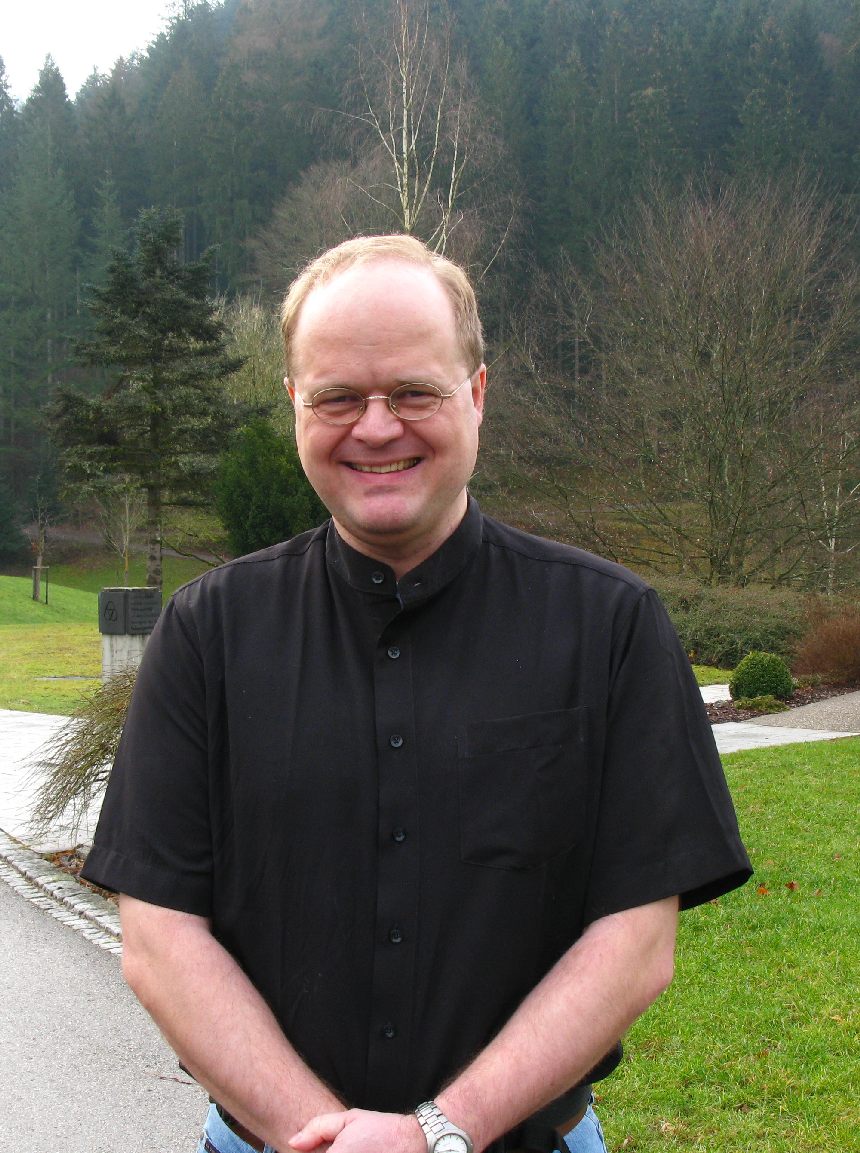
Valentine Chapelle is a researcher specializing in epigenetics, behavioral genetics, and population genetics with an impressive h-index of 41. They recently completed their PhD in March 2023 with a dissertation titled "Adaptation and evolution with low genetic diversity: a combined field and laboratory study on DNA methylation variation in the mangrove rivulus Kryptolebias marmoratus." Chapelle has served as Principal Investigator on research projects investigating the epigenetic basis of behavioral traits in fish populations. Chapelle's research focuses on understanding how epigenetic mechanisms, particularly DNA methylation, contribute to behavioral variation in animal populations with low genetic diversity. Their work integrates field studies with laboratory experiments to examine how environmental factors like methylmercury exposure affect gene expression and behavior. A key model organism in their research is the mangrove rivulus fish (Kryptolebias marmoratus), which is notable for its ability to self-fertilize and maintain genetically identical lineages. Analysis of Chapelle's recent publications reveals a strong focus on population epigenetics and the interaction between environmental toxins and behavioral traits. Their research demonstrates how early-life exposure to contaminants like methylmercury can induce reversible behavioral changes through epigenetic modifications. This work has implications for understanding how wildlife populations may adapt to environmental stressors through non-genetic mechanisms. Chapelle has led two major research projects on "The epigenetic origin of behavioral traits variability in a self-fertilizing fish: the mangrove rivulus" (2018-2020 and 2021-2022). These projects have contributed significantly to our understanding of how epigenetic variation arises in natural populations and influences behavioral phenotypes. Their publications have received substantial attention, with social media engagement and mentions in news outlets.