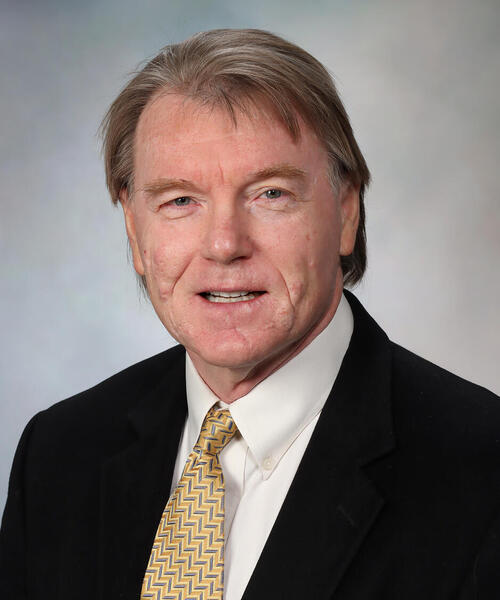
Dr. John A. Copland III is a Professor of Cancer Biology and Biochemistry & Molecular Biology at Mayo Clinic in Jacksonville, Florida. He leads the Cancer Biology and Translational Research Laboratory, focusing on molecular mechanisms of carcinogenesis, tumor progression, and development of targeted cancer therapies. Education: PhD in Physiology & Endocrinology (Medical College of Georgia), MS in Endocrinology (Medical College of Georgia), BS in Chemistry (Columbus College), with postdoctoral training at University of Texas Medical Branch. Research interests center on: Identifying tumor suppressor genes (e.g., RhoB, TBR3, GATA3) and oncogenes (e.g., FOXO3a, SCD1, NPTX2). Developing patient-derived xenografts and live cell models for personalized medicine. Designing SCD1 inhibitors via in silico modeling for clinical trials. Recent publications highlight his work on SCD1 inhibition in leukemia and thyroid cancer ImmunoPET imaging of thyroid tumors CRISPR-identified drug synergies in cholangiocarcinoma Patient-specific combination therapies using xenograft models
Chi Liu is a Professor of Radiology & Biomedical Imaging at Yale School of Medicine . He serves as Associate Director of Biomedical Imaging Technology at the Yale Biomedical Imaging Institute and Director for Research Faculty Affairs in the Radiology & Biomedical Imaging department. Education : PhD from Johns Hopkins University (2008) Postdoctoral Training : University of Washington (2010) Certification : American Board of Science in Nuclear Medicine (Nuclear Medicine Physics and Instrumentation) His research focuses on quantitative cardiac and oncological PET/CT and SPECT/CT imaging , emphasizing deep learning algorithms , reconstruction algorithms , data correction , and dynamic imaging . Key clinical applications include early detection of chemotherapy-induced cardiotoxicity , multimodality imaging of heart failure , and motion variability elimination in therapy response assessment . The 15 most recent publications reveal a strong emphasis on deep learning techniques for low-dose imaging , motion correction , and cross-tracer generalizability in PET/SPECT systems. These works span applications in cardiac imaging , neuroscience , oncology , and theranostics . Scientific Award : Bruce Hasegawa Young Investigator Medical Imaging Science Award (2012) Contact: chi.liu@yale.edu | ORCID 0000-0002-7007-1037
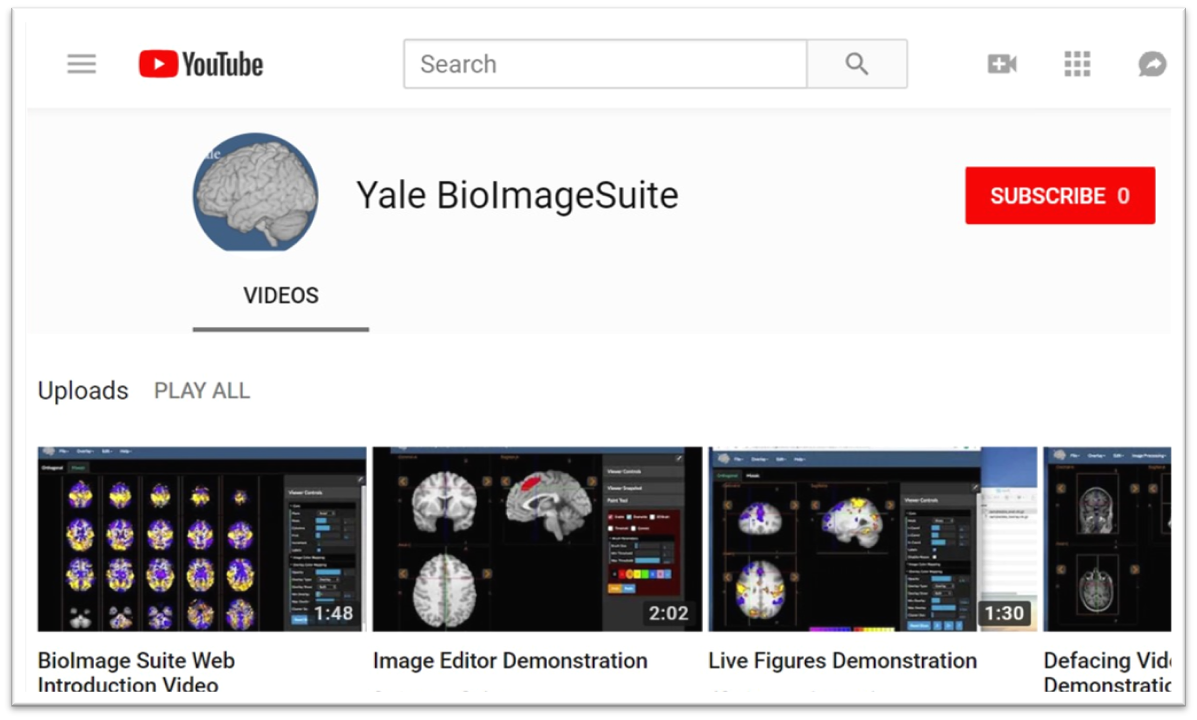
Xenophon Papademetris is a Professor of Biomedical Informatics & Data Science and Radiology & Biomedical Imaging at Yale School of Medicine. He serves as Associate Director of Biomedical Imaging Data Sciences at Yale Biomedical Imaging Institute and directs the Medical Software and Medical Artificial Intelligence Certificate Program. PhD in Electrical and Information Sciences from Yale University (2000) BA from Cambridge University (1994) Postdoctoral Fellowship at Yale University (2002) His research focuses on medical image analysis, machine learning, and biomedical software development. He has developed tools like BioImage Suite Web and contributed to standards committees at the Association for the Advancement of Medical Instrumentation (AAMI). His work spans modalities including MRI, CT, PET, and optical imaging. Recent publications emphasize neuroimaging analysis, explainable AI in healthcare, and multimodal data integration across species. He leads NIH-funded research under the BRAIN Initiative (R24 MH114805) and has authored a textbook on Medical Software published by Cambridge University Press. IEEE Senior Member Yale Brown-Coxe Postdoctoral Fellowship Harding Bliss Prize for Excellence in Engineering He directs the BioImage Suite Project, creating web-based image analysis tools using JavaScript and WebAssembly. His teaching includes both academic courses and a Coursera program on Medical Software with over 14,000 enrollments.
Nabeel Nabulsi is a Senior Research Scientist in the Department of Radiology & Biomedical Imaging at Yale School of Medicine. He serves as Associate Director of the Yale PET Center, Deputy Director of the PET Center Chemistry Section, and Director of Regulatory Affairs and Quality Control at the Yale PET Center. His research focuses on developing radiopharmaceuticals for PET imaging in CNS disorders and oncology, particularly targeting Alzheimer's disease, pancreatic cancer, and FAAH inhibition. BA in Chemistry (pre-Medicine), University of Texas at Arlington (1980) MS in Organic Chemistry, Texas Tech University (1984) PhD in Organic/Bioorganic Chemistry, Louisiana State University (1991) Dr. Nabulsi specializes in synthetic methodologies for radiopharmaceuticals with short half-life radionuclides (C-11, F-18). His work explores: Synaptic density imaging via SV2A radioligands in Alzheimer's and schizophrenia Neuroimmune mechanisms in PTSD and alcohol use disorder Pancreatic cancer detection through PepT1 transporter-targeted radiotracers Endocannabinoid system analysis in psychiatric disorders HDAC6 imaging for neurodegenerative research Key collaborations include Richard Carson, Jean-Dominique Gallezot, and Yiyun Huang. He contributes to clinical trials on synaptic density in Alzheimer's disease and cortisol metabolism imaging.
Andrew Sutherland is Professor of Organic Chemistry at the University of Glasgow , School of Chemistry. His research integrates synthetic organic chemistry with molecular imaging, focusing on PET/SPECT tracer development, fluorescent amino acid probes, and transition-metal catalysis for rapid scaffold assembly. Education: Not explicitly listed in the provided text. Research Interests: Molecular imaging of neurological diseases and cancer using PET/SPECT tracers Development of fluorescent amino acid probes for cell imaging Transition-metal-catalyzed transformations (Fe, Cu, Pd, Ni) One-pot multi-reaction processes for drug-like scaffolds and natural products Publication Trends: His 2024–2025 work emphasizes fluorogenic amino acids, radiohalogenation for PET imaging, and iron/copper-catalyzed C–H functionalization. Earlier work includes natural product synthesis and mechanistic studies on halodeboronation. Scientific Awards: None listed in the provided text. Grants & Collaborations: Extensive collaborations with imaging scientists (e.g., Sally Pimlott, Adriana Tavares) and synthetic chemists, evidenced by multi-author papers and joint PET ligand development. Research Group: Leads the Sutherland group , housed in the Joseph Black Building (C5-06), with active projects in chemical biology and organic synthesis.
Trond Vidar Hansen is a Professor at the Department of Pharmacy, University of Oslo , and leads the LIPCHEM research group . He collaborates with institutions including the University of Bergen and Vestlandets Innovasjonsselskap through the VITADEL project, which recently received NOK 5,000,000 in verification support from the Research Council of Norway. His research focuses on the synthesis and biological evaluation of specialized pro-resolving lipid mediators derived from omega-3 fatty acids, with applications in inflammation resolution, neuroinflammation, and drug development. University : University of Oslo Department : Department of Pharmacy Research Group : LIPCHEM Collaborations : University of Bergen, Vestlandets Innovasjonsselskap Research Interests : H Hansen's work centers on the organic synthesis of bioactive lipid derivatives, particularly pro-resolving mediators from omega-3 polyunsaturated fatty acids. His team investigates their roles in inflammatory disease models , neuroinflammation , and PPAR receptor activation , aiming to develop therapeutic agents for conditions like chronic pain, diabetes, and neurodegenerative disorders. The research integrates stereoselective chemistry , biochemical profiling , and pharmacological evaluation to validate these mediators' clinical potential. Recent Awards : 2025: NOK 2,000,000 verification support from Research Council of Norway 2025: Co-leader of NOK 5,000,000 VITADEL project Publications : His articles (2015–2024) reveal a focus on stereoselective synthesis of resolvins, protectins, and maresins, with applications in anti-inflammatory and neuroprotective therapies . Key subfields include omega-3 metabolite profiling , PPAR agonist design , and biosynthetic pathway elucidation , often utilizing human cell models and mouse disease models . Collaborative projects emphasize commercialization of academic research and translational medicine .
Spencer L. Bowen, Ph.D., is an Assistant Professor in the Department of Radiology at UT Southwestern Medical Center, where he is a member of the Radiology Research section and serves as a PET research scientist. His work is centered on advancing nuclear imaging technologies for clinical and research applications in oncology, neurology, and cardiology. Education: Bachelor's in Biomedical Engineering – University of Washington, Seattle Ph.D. in Biomedical Engineering – University of California, Davis Research Fellow – Massachusetts General Hospital, Charlestown, MA Dr. Bowen's research focuses on the development of advanced PET imaging systems, including dedicated breast PET/CT scanners and hybrid PET-MR technologies. He investigates image acquisition techniques, reconstruction algorithms, attenuation and scatter correction methods, and partial volume correction to improve quantitative accuracy. His work spans hardware design, software development (e.g., the Masamune processing tool), and clinical translation. His recent publications highlight innovations in cardiac and neurological PET quantification, breast imaging, and hybrid PET/MR systems. Themes include attenuation correction in PET/MR, dynamic PET modeling, and the impact of image processing on clinical interpretation. Scientific Recognition: Research featured on the cover of the Journal of Nuclear Medicine Work covered by press outlets Dr. Bowen actively contributes to the scientific community as a reviewer for leading journals including Journal of Nuclear Medicine , Medical Physics , Physics in Medicine and Biology , and IEEE Transactions on Nuclear Science and Transactions on Medical Imaging . His lab, the Bowen Lab, is engaged in ongoing research and is currently recruiting PhD graduate students, indicating active grant support and research momentum. He leads a research team focused on developing tomographic tools for precision medicine. The Bowen Lab is dedicated to creating and refining nuclear imaging technologies to enhance both clinical care and scientific discovery, with a strong emphasis on quantitative, high-resolution imaging across multiple disease domains.
Privatdozent Dr. Andreas Faust is a leading researcher at the European Institute for Molecular Imaging (EIMI) at the University of Münster, where he heads the Chemical Targeting Lab. His work focuses on developing innovative imaging agents for medical diagnostics, particularly in radiopharmaceutical chemistry and molecular imaging. He maintains strong affiliations with the Department of Nuclear Medicine at the University Hospital Münster and participates in the "Cells in Motion" excellence cluster, contributing to cutting-edge research at the intersection of chemistry, medicine, and imaging technology. Dr. Faust completed his chemistry studies at the University of Münster, earning his Diploma in 1999, followed by his doctoral degree (Dr. rer. nat.) in 2003 with research on artificial caffeine receptors. His academic journey continued with positions at the Department of Organic Chemistry and the Department of Nuclear Medicine before becoming head of the chemistry group at EIMI in 2011. Dr. Faust's research centers on organic and medicinal chemistry with specialization in radiopharmaceutical chemistry . His team develops novel tracers for diagnostic molecular imaging using positron emission tomography (PET), single-photon emission computed tomography (SPECT), optical imaging, and photoacoustic imaging. A significant portion of his work focuses on creating specific ligands for the alarmins S100A8/S100A9 and bacteria-specific tracers based on complex carbohydrates or siderophores. His research has important applications in inflammation imaging, infection diagnostics, and cancer theranostics, with emphasis on improving metabolic stability and target specificity of imaging agents. His publication record demonstrates consistent contributions to molecular imaging, with recent work emphasizing bacteria-specific PET tracers, inflammation imaging targeting S100 proteins, and novel optical imaging probes. The research shows a clear trajectory toward developing clinically applicable imaging agents with improved specificity and metabolic stability, particularly in the areas of infection diagnostics and inflammation monitoring. 2017: Best Poster Award at Symposium "Molecular Imaging Agents in Medicine," Groningen 2009: Young Investigator Award at Deutscher Röntgenkongress, Berlin 2005: Best Scientific Poster Award at 4th Annual Meeting of the Society of Molecular Imaging, Köln Dr. Faust leads multiple significant research projects, including as Coordinator of a project on immune cell distribution imaging (2019-2024) and as Principal Investigator for CRC-project A03 "Targeting of S100A8/A9 for imaging of inflammatory disorders" and research on vascular graft infections (both 2021-2024). His Chemical Targeting Lab comprises a multidisciplinary team working at the intersection of chemistry, microbiology, and medical imaging, securing substantial funding from the Innovative Medicines Initiative and DFG Collaborative Research Centre. The Chemical Targeting Lab maintains state-of-the-art facilities for chemical synthesis, radiochemistry, and biological testing. The lab collaborates extensively with microbiologists, clinicians, and imaging specialists to translate basic research into clinical applications. Current research directions include optimizing bacterial imaging probes for clinical diagnostics and developing new inflammation-specific tracers for early disease detection, with particular focus on S100A9-targeted imaging and siderophore-based bacterial detection systems.
Associate Professor Andre Kyme is an academic staff member in the School of Biomedical Engineering at The University of Sydney. His research focuses on developing enabling technologies for biomedical imaging, including motion compensation in MRI/PET, robotic platforms for image-guided therapy, and cross-disciplinary applications like plant salt uptake analysis using PET. He collaborates with institutions globally and advises students on projects like lameness detection in horses and AI-based motion correction. Research Interests: Kyme's work spans motion correction in medical imaging modalities, medical robotics integration with imaging systems, and innovative applications of imaging technologies in non-traditional fields. His team emphasizes leveraging advancements in computer vision, machine learning, and instrumentation to improve imaging performance and accessibility. Recent Projects: Current research includes MRI-compatible robotic platforms for therapy applications, AI-driven lameness detection in horses, and pediatric neuroimaging improvements. He leads the BREEZE initiative to enhance MRI accessibility for children with cerebral palsy through eye-gaze communication technology. Publications: His work spans 20+ years with over 50 peer-reviewed publications in journals like Physics in Medicine and Biology and IEEE Transactions. Key areas include PET/SPECT/CT motion correction algorithms, robotic systems for medical imaging, and novel imaging applications in plant science. Teaching: Kyme instructs core biomedical engineering courses including thesis supervision and capstone projects at both undergraduate and postgraduate levels. Labs/Teams: Active in the Brain and Mind Centre and Biomedical Imaging, Visualisation and Information Technologies groups at Sydney. Collaborates with industry partners like TeleMedVet and academic institutions including University of California Davis and Chinese University of Hong Kong.
Yunpeng Ye serves as an Associate Research Scientist within the Department of Radiology and Biomedical Imaging at Yale School of Medicine. His primary appointment is in Radiology & Biomedical Imaging, with additional affiliation with the Bioimaging Sciences PET Core. Dr. Ye earned his PhD from Peking Union Medical College in 1993, establishing a foundation for his career in medical imaging research. His research focuses on advanced imaging techniques, particularly in the field of Positron Emission Tomography (PET) and biomedical imaging. As part of the Bioimaging Sciences PET Core, he contributes to the development and application of cutting-edge imaging technologies for medical diagnosis and research. His work bridges clinical applications with technical innovation in medical imaging systems. While specific publications were not detailed in the available information, his institutional affiliations suggest expertise in quantitative imaging analysis, radiotracer development, and clinical applications of PET technology across various medical specialties. Dr. Ye's position within the Radiology department places him at the intersection of clinical medicine and technological innovation, contributing to Yale's imaging research infrastructure through the PET Core facility.
David R. Raleigh, MD, PhD, is an Assistant Professor in the Departments of Radiation Oncology and Neurological Surgery at the University of California San Francisco (UCSF). He serves as a Principal Investigator at the Brain Tumor Center and Director of the Preclinical Therapeutics Core. Education: BA in Molecular and Cell Biology and Cognitive Science (UC Berkeley, 2004), MD and PhD in Pathology (University of Chicago, 2012), Residency in Radiation Oncology (UCSF, 2017) His research focuses on the molecular mechanisms of brain tumor growth, particularly meningiomas, integrating developmental biology with oncology to identify novel treatments. Methodologies include biochemistry, mouse genetics, genomics, and pharmacology. Dr. Raleigh's recent publications highlight molecular classification of meningiomas, genomics, and targeted therapies. Awards include Phi Beta Kappa, multiple travel grants, and the Robert and Ruth Halperin Endowed Chair in Meningioma Research.
Dr Vincenzo Abbate is a Senior Lecturer in Bioanalysis at King's College London , affiliated with the Faculty of Life Sciences & Medicine and serving as Programme Director for the MSc in Analytical Toxicology . He holds a Pharm.D. (2004, Federico II University of Naples) and a PhD in Chemistry and Analytical Sciences (2008, The Open University) . Prominent research themes include: Metal Chelators for Medical/Diagnostic Applications New Psychoactive Substances (NPS) Toxicology Forensic Drug Analysis Nuclear Medicine Radiotracers Recent publications highlight advancements in nanoneedles for lipidomics , thallium-based radiopharmaceuticals , and stability studies of synthetic cathinones , with a focus on interdisciplinary collaborations across bioanalysis, synthetic chemistry, and clinical translational research . Scientific Recognition : Maplethorpe Fellowship (2008) Chartered Chemist (CChem) and Chartered Scientist (CSci) President of IUPAC Subcommittee on Toxicology and Risk Assessment His grants and projects include BBSRC , MRC , and Parkinson’s UK funding, with industrial partnerships like Theragnostics Ltd and TicTac Communications . He leads a team of 10 researchers and is actively involved in Spatial Biology Network and Multiscale Biofilm Research Hub initiatives.
Prof. Dr. Anja Braune serves as Head of the Positron Emission Tomography department at the Helmholtz Center Dresden-Rossendorf (HZDR), a leading German research institution focused on energy, health, and matter within the Helmholtz Association. Her leadership drives advanced imaging research critical to oncology diagnostics and treatment monitoring. Her research spans medical imaging, nuclear medicine, radiopharmaceuticals, cancer research, molecular imaging, and positron emission tomography, with emphasis on developing novel radiotracers and imaging protocols for precision oncology applications. These interdisciplinary efforts bridge physics, chemistry, and clinical medicine to improve cancer patient outcomes. As department head within HZDR's Radiopharmaceutical Cancer Research division, she oversees a specialized team advancing PET technology infrastructure and methodology, contributing to HZDR's strategic focus on radiation oncology and translational cancer research through the OncoRay initiative.
Qiu Wang is a Professor of Chemistry at Duke University, where he leads an active research program at the chemistry-biology interface. He holds dual appointments as a Member of the Duke Cancer Institute and Faculty Network Member of the Duke Institute for Brain Sciences, reflecting his interdisciplinary work targeting cancer and neurodegenerative disorders through chemical approaches. His educational foundation includes a B.S. from Wuhan University (China, 1999), Ph.D. from Emory University (2005), and dual postdoctoral fellowships at Harvard University (2005-2007 and 2007-2011) in Chemistry. This rigorous training established his expertise in synthetic methodology and biological applications. Wang's research program focuses on three synergistic pillars: developing bioactive small-molecule probes for disease mechanisms, targeting epigenetic enzymes for novel therapeutics, and creating chemical tools for biomolecule labeling. His group integrates synthetic organic chemistry with molecular/cell biology, genetics, and proteomics to address challenges in cancer and neurodegeneration, emphasizing copper-catalyzed reactions and hyperpolarized imaging technologies. Analysis of his recent publications reveals dominant themes in copper-catalyzed alkene/diene difunctionalization for complex molecule synthesis and the development of $^{15}$N-hyperpolarized MRI probes for metabolic imaging. These works bridge fundamental methodology with biological applications, particularly in cancer metabolism and neurological disorders. His scientific recognition includes: Sloan Research Fellowship (2016) NSF CAREER Award (2015) Wang directs multiple major grants including the Pharmacological Sciences Training Program (2025-2030), New Amination Methods (2025-2030), and hyperpolarized MRI agent development (2025-2027). His Wang Group collaborates extensively across Duke's institutes, developing chemical probes that enable new biological insights and therapeutic strategies for challenging diseases.
Dr. Giancarlo Pascali is a Conjoint Associate Professor at the School of Chemistry, UNSW Sydney , and Radiochemistry Team Leader at ANSTO's Camperdown cyclotron site. With a PhD in "Innovative Biomedical Technologies" from the University of Lecce (2004), he has held research positions at IFC-CNR , NIH , and GMP facilities in Milan and Pisa. His expertise spans radiochemical methods , radiopharmaceutical development , and microfluidic automation for nuclear medicine production. Education: PhD in Innovative Biomedical Technologies, University of Lecce (2004) BSc in Chemistry, University of Pisa (2001) Research interests focus on M 3 : Molecules, Methods, Machines . In Molecules , he designs radiopharmaceuticals for cancer , dementia , and inflammatory diseases . For Methods , his work explores photochemistry , electrochemistry , and mechanochemistry to label biomolecules with 18 F and other isotopes. Under Machines , he pioneers microfluidic systems for automated radiochemistry, emphasizing safety and process reliability . Editorial & Leadership Roles: Editorial Board Member of Nuclear Medicine and Biology , Contrast Media & Molecular Imaging , and Current Radiopharmaceuticals Executive Board of ANZSNM , ARTnet , and ASMI Asia-Oceania Director and iSRS2025 Chair for SRS