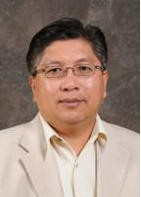
Hirata Akimasa is a Professor at Osaka University's College of Engineering, Department of Communications Engineering, and affiliated with the Advanced Medical Physics and IT Research Center. His work bridges biomedical engineering , electromagnetic safety , and neuroscience . Degree: Doctor of Engineering (Osaka University, 2000) External Career: Researcher at University of Victoria (1999) Research Focus : Electromagnetic wave effects on human physiology Thermal stress and heatstroke risk assessment Machine learning for personalized brain stimulation Computational anatomy and dosimetry Article Trends : Recent work spans neural stimulation , millimeter-wave safety , thermal modeling , and machine learning applications , emphasizing electromagnetic compatibility , neurophysiology , and environmental health . Scientific Recognition : 2024: Minister of Education, Culture, Sports, Science and Technology Award 2023: IEEE Fellow 2022: Japan Open Innovation Award 2018: Japan Academy Medal Grants & Collaborations : Multiple JSPS grants (2001-2025), including basic science research (2011) and bioelectromagnetics (2014). Collaborated with IEEE, WHO, and ICNIRP committees.
Jonathan Graves is Professor of Physics at the University of York's School of Physics, Engineering and Technology and Senior Scientist at EPFL's Swiss Plasma Center (SPC-TH). He serves as Editor-in-Chief of Plasma Physics and Controlled Fusion and Director of the Varenna-Lausanne International Workshop in Theory of Fusion Plasmas. His research focuses on magnetohydrodynamic stability, kinetic theory, and transport phenomena in tokamak and stellarator plasmas, with applications to magnetic confinement fusion and ITER/JET experiments. PhD in Theoretical Mechanics (University of Nottingham, 1999), preceded by a first-class joint honors in Electronic Engineering and Mathematics (1996) Senior Scientist at EPFL since 2014 Member of EUROfusion STAC and DEMO Technical Advisory Group since 2015 His research interests include: magnetohydrodynamic confinement and stability of tokamak plasmas, linear and non-linear resistive instabilities, long-wavelength kinetic instabilities, fast particle physics, 3D Alfvenic and wave codes (LEMan), guiding centre theory (VENUS-LEVIS), ion cyclotron resonance heating in 3D (SCENIC code), and impurity transport in rotating plasmas. He has directed PhD theses on topics such as Equilibrium β-limits in stellarators , Heavy impurity transport in 3D perturbed plasmas , and Non-linear MHD modeling in tokamaks . His recent publications emphasize tokamak β-limits, fast ion generation in stellarators, impurity transport under MHD perturbations, and 3D equilibrium modeling. Key tools developed include the VENUS-LEVIS guiding centre code, SCENIC ion cyclotron resonance code, and LEMan Alfvenic wave solver. Collaborative work spans JET, TCV, and Wendelstein 7-X experiments. Graves has contributed to integrated modeling of fusion plasmas, including neutron activation dosimetry, Alfven eigenmode analysis, and disruption prediction algorithms. His team at EPFL and York explores kinetic-MHD interactions, plasma diagnostics via tomography, and optimization of auxiliary heating schemes for reactors.
Lope G. Tabil, Ph.D., P.Eng., is a Professor in the Department of Chemical and Biological Engineering at the University of Saskatchewan. He holds a half-time faculty appointment as of July 2024 and has transitioned to reduced student advising. His career includes roles as Department Head (2008–2010) and academic promotions from Assistant Professor (2000) to Associate Professor (2004) and full Professor (2008). Prior to academia, he worked as a Research Engineer at the Agricultural Value-added Engineering Centre in Alberta (1997–2000), focusing on postharvest technology and agricultural product processing. Dr. Tabil’s research emphasizes biomass valorization, biofuel production, and agro-industrial byproduct utilization. Key areas include biomass pelleting, torrefaction, microwave-assisted processing, and enzymatic saccharification of lignocellulosic materials. He has pioneered studies on flax straw reinforcement for biocomposites and lentil milling optimization. Current projects address biofuel pellet densification, microbial pretreatment of biomass, and techno-economic analysis of bioenergy systems. He is a Professional Engineer in Saskatchewan and Alberta, and serves on the editorial board of the International Journal of Agricultural and Biological Engineering. His work spans 30+ years, with over 100 peer-reviewed publications and collaborations in biorefinery design, agricultural waste recycling, and sustainable energy systems. Notable contributions include optimizing cannabis drying, improving pulse protein applications, and advancing microwave-thermal hybrid technologies. Though no longer accepting graduate students, Dr. Tabil actively collaborates on projects involving biojet fuel production, circular economy models, and lignocellulosic waste conversion. His research bridges engineering, agriculture, and environmental science to address global challenges in sustainable resource management.
Rogier van Oossanen is a PhD candidate at Erasmus MC in the Radiotherapy department. His research focuses on the development and application of magnetic nanoparticles for cancer treatment, particularly in hyperthermia and brachytherapy .
Dr. Mark Hoogendijk is a Researcher in the Department of Cardiology at Erasmus University Medical Center (Erasmus MC) in Rotterdam, the Netherlands, specializing in cardiac electrophysiology with a focus on atrial fibrillation mechanisms and ablation therapies. His primary research interests include: Atrial Fibrillation Heart Ventricle Arrhythmia Pulmonary Vein Isolation Recurrent Disease Persistent Atrial Fibrillation ST Elevation Brugada Syndrome Radiofrequency Ablation Recent publications (2024-2025) demonstrate a concentrated effort to optimize ablation techniques through engineering innovations and clinical validation. Key trends include development of hexagonal multielectrode systems for superior electrogram recording, size-adjustable cryoballoons for precise pulmonary vein isolation, and high-power short-duration radiofrequency protocols that rival cryoablation efficacy. His work with the AF-FLOW Global Registry establishes electrographic flow mapping as a critical phenotyping tool, while device infection risk stratification research addresses post-implant complications. No documented scientific awards are currently associated with his profile. Dr. Hoogendijk actively collaborates in international research networks including the AF-FLOW Global Registry consortium. His 36 research outputs reveal extensive co-authorship with Erasmus MC colleagues across cardiology, electrophysiology, and biomedical engineering disciplines, though specific grant funding details remain unreported. Current work centers on translational projects bridging cardiac mapping technology with clinical ablation workflows.
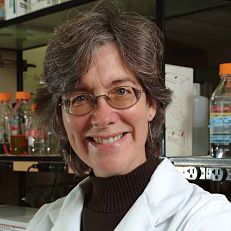
Diane S. Henshel serves as Associate Professor at Indiana University's Paul H. O’Neill School of Public and Environmental Affairs, specializing in risk assessment of environmental pollutants' sub-lethal health effects on wildlife and humans. Trained as a neuroscientist, she has taught toxicology, risk assessment, and risk communication since joining the faculty in 1992 and maintains an active consulting practice through Henshel EnviroComm. Her educational background includes: Ph.D. in Biomedical Sciences-Neuroscience from Washington University, St. Louis (1987) B.S. in Biology from Brown University (1978) B.A. in English from Brown University (1978) Henshel's research integrates environmental toxicology, policy analysis, and sustainability science, with growing emphasis on cybersecurity risk modeling. She examines pollutant impacts through field-laboratory correlations for wildlife (focusing on developmental and neuroendocrine effects) and population-level human health analyses incorporating socioeconomic factors with environmental contamination indicators. Her work bridges technical risk assessment and practical risk communication for community applications. Publications from 1997-2014 reveal evolving research trajectories from traditional ecotoxicology toward interdisciplinary risk paradigms, with recent work exploring electromagnetic radiation effects and cybersecurity modeling while maintaining core environmental health investigations. Key thematic threads include oxidative stress mechanisms, cumulative risk assessment, and landscape-scale contamination-health correlations. Her notable scientific recognition includes: Trustees Teaching Award, O'Neill School (2008) Presidential Citation, Society of Environmental Toxicology and Chemistry (2006) O'Neill Teaching Award for Undergraduate Instruction (2008, 2005) Henshel serves as principal consultant at Henshel EnviroComm, providing technical support for environmental contamination issues, and contributes to national policy through advisory roles with the U.S.-Canada International Joint Commission, EPA, and National Research Council. As President of the International Society for Environmental Bioindicators and member of Indiana's Environmental Justice Advisory Committee, she bridges academic research with community and governmental applications.
Sergei A. Nedospasov is a distinguished Professor and Head of the Laboratory of Molecular Immunology at the Engelhardt Institute of Molecular Biology, Russian Academy of Sciences, Moscow, Russia, since 1999, and Head of the AG Entzundungsbiologie at the Deutsches Rheuma-Forschungszentrum Berlin, Germany, since 2005. His research spans innate immunity , cytokine functions , genetic predisposition to disease and cancer , and transcriptional regulation , with a focus on tumor necrosis factor (TNF) , inflammation , and cancer antigen characterization . 1993–2006: Principal Scientist/Investigator at NCI-Frederick, MD 1987–1999: Leadership roles at Engelhardt Institute of Molecular Biology, Russian Academy of Sciences 1982–1983: Postdoctoral Fellow at Swiss Institute for Experimental Cancer Research His work has led to groundbreaking insights into cytokine biology , immune responses in cancer , and gene knockout technology . He is renowned for studies on lymphotoxin and TNF signaling , including their roles in lymphoid organ development and inflammation. Scientific Awards and Recognitions Investigator Award, Cancer Research Institute (1991) Peregrinus Award, Berlin-Brandenburg Academy of Sciences (2000) Associate Member, Russian Academy of Sciences (2003) Helmholtz-Humboldt Award, Germany (2005) Member, Academia Europaea (2010) Nedospasov has mentored numerous researchers and collaborated extensively on projects involving mouse models , tumor antigen arrays , and serological cancer diagnostics . He leads teams at both institutions, integrating molecular biology with immunology to advance cancer research and inflammatory disease understanding.
Assoc. Prof. Ali Yavari is an Associate Professor of Computer Science at Swinburne University of Technology's School of Science, Computing and Emerging Technologies. He also serves as Director of the 6G Research and Innovation Lab and Radiofrequency Lab. His academic journey includes a PhD in Computer Science from RMIT University (Australia) and a Master's in Communication Systems from KTH Royal Institute of Technology (Sweden). His research focuses on IoT, Cyber-Physical Systems (CPS), 5G/6G communication technologies, renewable energy systems, and health informatics. He leads collaborative projects funded by entities like Future Energy Exports CRC, Australian Radiation Protection & Nuclear Safety Agency (ARPANSA), and the Victoria State Government. Notable contributions include developing AI-driven IoT platforms for environmental monitoring (e.g., ArtEMon) and cybersecurity frameworks for Industry 4.0. Key achievements include the Victoria Fellowship in Physical Sciences (2020), Vice-Chancellor’s Research Excellence Awards (2021, 2023), and a Best Paper Award at the Hawaii International Conference on System Sciences. His work spans over 65 publications in top journals/conferences such as IEEE Sensors , Sustainable Energy Technologies and Assessments , and Environmental Research . Professional activities include program committee roles at IEEE conferences and memberships in ACM and IEEE (Senior Member). He actively supervises PhD candidates and teaches courses in IoT programming and advanced computing topics.
Daniel Maynes is a Professor in the Department of Mechanical Engineering at Brigham Young University's College of Engineering, with a career spanning over two decades. His research focuses on superhydrophobic surface flow physics , microscale fluid mechanics , electroosmotic flow , turbomachinery design , and jet cavitation . Chair, Department of Mechanical Engineering (2013–Present) Professor (2009–Present) Associate Chair (2005–2013) Postdoctoral Research Associate, University of Utah (1997) Dr. Maynes holds a Ph.D. in Mechanical Engineering from the University of Utah (1997), with a dissertation on rotating bluff body flows. His technical expertise bridges surface engineering and thermal transport , as evidenced by his 200+ publications and advisory role for over 30 graduate students. His recent work emphasizes superhydrophobic surfaces for droplet dynamics, condensation modeling , and electrowetting actuators . Collaborative projects with institutions like Space Dynamics Laboratory and Argonne National Laboratory highlight his interdisciplinary impact. Key themes in publications: Droplet impingement and atomization Jet cavitation acoustics Turbulent flow drag reduction Thermal transport in microchannels
Ean Hin Ooi is an Associate Professor in the School of Engineering at Monash University Malaysia, where he leads the Computational Modelling team. He holds a PhD in Mechanical Engineering from Nanyang Technological University, Singapore, and a Bachelor's degree in Mechanical Engineering from the University of Technology, Malaysia. His research spans biomedical engineering, computational modeling, and numerical methods, with applications in cancer therapy and medical diagnostics. Doctor of Philosophy, Mechanical Engineering, Nanyang Technological University (NTU), 2009 Bachelor's Degree, Mechanical Engineering, University of Technology, Malaysia Dr. Ooi’s research focuses on the application of mathematical and computational modeling to understand biophysical phenomena in healthcare. His work targets improving cancer treatments such as thermal ablation (radiofrequency, cryoablation, photothermal), developing diagnostic tools like shear wave elastography for kidney disease, and advancing numerical techniques including meshless and boundary element methods. He is a pioneer in the radial basis integral equation method, contributing significantly to computational mechanics. The recent publications reflect a strong trend in interdisciplinary research combining engineering, medicine, and materials science. Key themes include thermal therapy optimization, nanomedicine (gold nanorods, graphene), microfluidics, and machine learning integration in sensor systems. His modeling expertise extends from organ-level simulations (liver, kidney) to nanoscale heat transfer, demonstrating versatility across scales and applications. Dr. Ooi serves as an Associate Editor for Computer Methods and Programs in Biomedicine and Journal of Mechanics in Medicine and Biology , highlighting his scholarly impact. He has received research funding for projects such as photothermal therapy for liver cancer and thermochemical ablation, indicating sustained grant support. He mentors students and is currently accepting PhD candidates in areas related to wound healing mechanics and computational prediction tools for thermal therapy. He is actively involved in professional service, including participation in the Asia-Pacific Society for Artificial Organs and visiting researcher roles at institutions like the University of Nottingham Malaysia. His lab, the Computational Modelling team, focuses on developing predictive frameworks for medical interventions, aiming to bridge computational science with clinical applications.
Dr. King Yuk (Eric) Chan is a Lecturer at the School of Electrical Engineering and Telecommunications, University of New South Wales (UNSW), Sydney, Australia. He received his B.S., M.S., and Ph.D. degrees in Electrical Engineering from UNSW in 2005, 2007, and 2011 respectively. Prior to joining UNSW as faculty, he worked as a research assistant at the Centre for Integrated RF Engineering (CIRFE) at the University of Waterloo (2008-2009) and as a post-doctoral fellow at the ICT Centre, CSIRO (2011-2013). His educational background includes: Doctor of Philosophy in Electrical Engineering, UNSW, Sydney (2011) Master of Engineering Science, Electrical Engineering, UNSW, Sydney (2007) Bachelor of Electrical Engineering (First Class Honor), UNSW, Sydney (2005) Dr. Chan's research spans microwave engineering, RF MEMS technology, antenna design, and 3D printing applications for microwave devices. His work focuses on the design, characterization, and fabrication of front-end devices with operating frequencies ranging from RF to terahertz, with significant contributions to reconfigurable microwave circuits and innovative fabrication techniques. His recent publications demonstrate a strong trend toward integrating 3D printing technology with traditional microwave engineering, particularly for waveguide components and antenna systems. His research shows increasing focus on practical applications in wireless communications, with emphasis on beam steering, polarization control, and size reduction of microwave components. Dr. Chan has received numerous awards and recognitions for his work: IEEE International Microwave Symposium (IMS) 2008, Best Student Paper Award IEEE Mediterranean Microwave Symposium (MMS) 2009, Best Student Paper Award Australian Postgraduate Research Scholarship 2006 – 2010 Workshop on Applications of Radio Science 2010, Best Student Award UNSW Post-doctoral Writing Fellowship 2010 BIT's 2nd Annual World Congress of Nanoscience and Nanotechnology 2012, Keynote Speaker As a Chief Investigator, Dr. Chan has secured significant research funding, including an ARC Discovery Project (DP200103127) titled "New Era of High-Performance Microwave Devices" ($431,000 over 3 years) and an NHMRC Project Grant (APP1156997) on radiofrequency electromagnetic energy effects ($423,000 over 3 years). He serves as a reviewer for top-tier journals including IEEE Transactions on Microwave Theory and Techniques and IEEE Transactions on Antennas and Propagation, and has been a member of the reviewer board for MDPI Sensors since 2020. Dr. Chan is actively involved in the IEEE Microwave Theory and Techniques Society (MTT-S) and IEEE Antennas and Propagation Society (AP-S), contributing to the advancement of microwave engineering through research, publication, and professional service.
Hector Garcia Martinez is a Permanent Professor in the Department of Materials Science, Optics and Electronic Technology at the Miguel Hernández University of Elche. He is affiliated with the Elche Microwave Laboratory research group and contributes to academic programs such as the Bachelor's and Master's in Telecommunications Technology Engineering. His research focuses on microwave engineering, biomedical applications of microwaves, and additive manufacturing for electronic devices. Recent work includes the development of tissue-mimicking phantoms for microwave imaging, glucose monitoring sensors, and 3D-printed waveguide components. His teaching involves courses like Electronic Communications Systems and High Frequency Electronics Laboratory , with a focus on telecommunications engineering. Analysis of his publications reveals expertise in microwave sensors for biomedical diagnostics, waveguide design, and 3D printing techniques applied to RF/microwave circuits. Topics span from abdominal aortic aneurysm detection to corn plant counting algorithms, showcasing interdisciplinary applications.
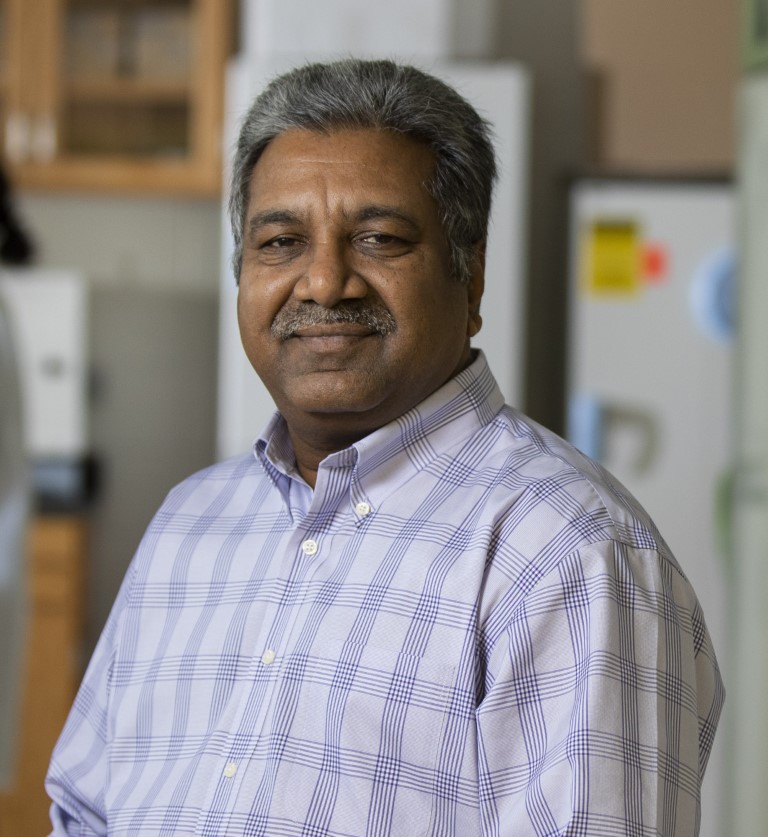
Harshavardhan Thippareddi is the Associate Dean for Research and John Bekkers Professor in Poultry Science at the University of Georgia's College of Agricultural & Environmental Sciences. His research focuses on poultry processing, microbiological safety, and novel food technologies. Education: Ph.D. in Food Science, Kansas State University M.S. in Food Science, Kansas State University B.S. in Dairy Technology, Andhra Pradesh Agricultural University Thippareddi's research program emphasizes improving poultry quality and safety through antimicrobial interventions and predictive microbiology. His work involves modeling pathogen behavior in meat products and validating novel processing techniques. His recent publications highlight advancements in high-pressure processing, antimicrobial chemicals, and thermal validation for STEC and Salmonella reduction across various meat products. These studies align with his expertise in food safety engineering. Scientific Recognition: John Bekkers Professor in Poultry Science Contact: harsha.thippareddi@uga.edu
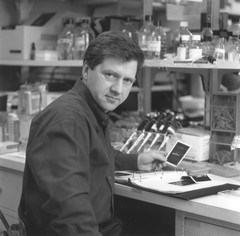
Stefan Luther is a Professor and Max Planck Research Group Leader at the Max Planck Institute for Dynamics and Self-Organization's Biomedical Physics group (Göttingen, Germany). His work spans cardiac dynamics, optogenetics, and biomedical data infrastructure. Current Affiliation: Max Planck Institute for Dynamics and Self-Organization, Biomedical Physics Research Themes: Cardiac arrhythmia control, excitable media dynamics, optogenetic interventions, and semantic data management systems Research Interests : Luther's research focuses on controlling cardiac arrhythmias through advanced pacing techniques (optogenetic, resonant feedback), modeling spatiotemporal chaos in cardiac tissue, and developing data management systems like CaosDB for scientific workflows. His work bridges computational modeling, experimental validation, and clinical translation. Article Trends : Recent publications emphasize low-energy defibrillation (2023), optogenetic pacing (2024), and hierarchical data integration (2024). The 2025 papers highlight high-throughput imaging systems and electromechanical wave analysis for transmural activation patterns. Labs & Teams : He leads the Biomedical Physics group at the Max Planck Institute, working on interdisciplinary projects combining cardiology, physics, and data science. His team develops tools like the CaosDB system for managing complex research data workflows.
Fan-Chi Su, Ph.D., is an Associate Professor in the Department of Radiation Oncology at UT Southwestern Medical Center, with a faculty role in the Division of Medical Physics & Engineering. She holds a bachelor’s degree in radiological sciences from Chang Gung University, a master’s in medical physics from National Tsing Hua University (both in Taiwan), and a Ph.D. in therapeutic medical physics from the University of Texas Health Science Center at San Antonio. Prior to joining UT Southwestern, she served on faculty at Yale University and the University of Utah. Her research centers on advancing radiation therapy through innovations in MR-guided adaptive radiotherapy, AI-assisted treatment optimization, and personalized approaches like PULSAR®. Key interests include functional imaging-based therapy, proton therapy, brachytherapy, and clinical workflow enhancements to improve treatment accuracy and patient outcomes. Dr. Su's recent publications (2020–2024) demonstrate a strong focus on radiation therapy technology validation, quality assurance, and adaptive techniques. Trends include surface-guided systems, proton therapy advancements, brachytherapy innovations, and AI-driven safety protocols. Her work frequently addresses dosimetric evaluations and clinical implementations to optimize therapies for cancers such as glioblastoma, breast, and prostate cancer. No scientific awards were listed in the provided materials. While no specific grants, students, or lab affiliations were detailed, her leadership in clinical workflow optimization and technology adoption underscores her role in advancing radiation oncology practices.



.png)