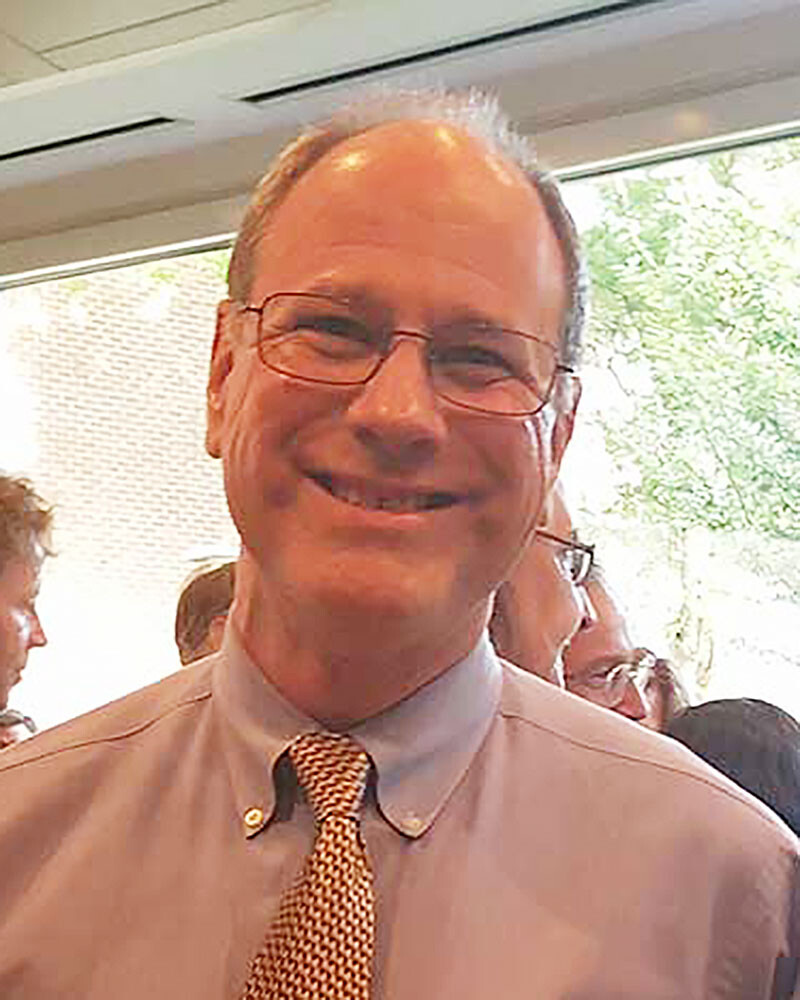
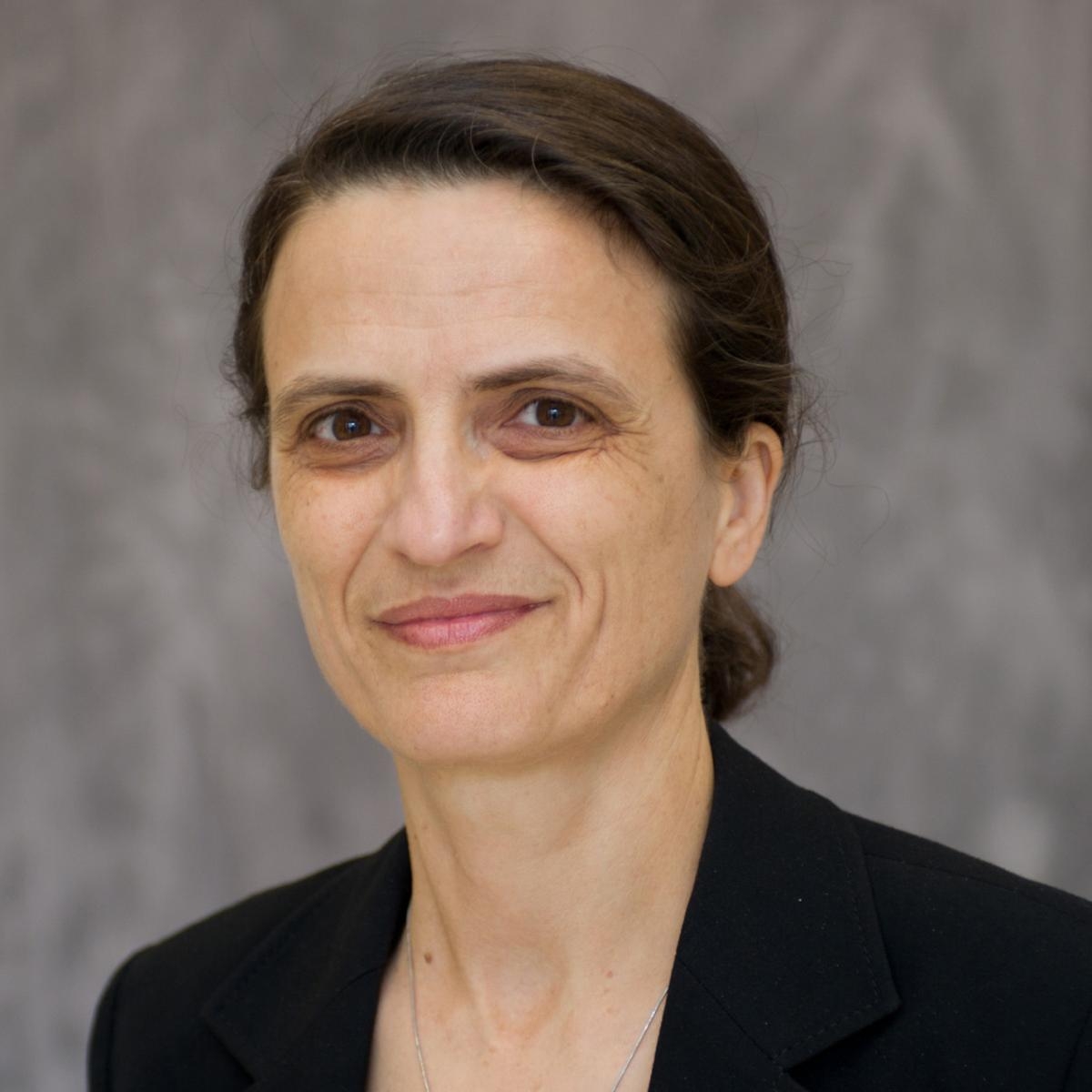
Neha Sharma is an Assistant Professor in the Department of Civil and Environmental Engineering at Auburn University. Her research focuses on nutrient recovery, electrochemical resource recovery, water reuse, trace metal cycling, and pollutant fate and removal.
Joël Brugger is a Professor of Synchrotron Geosciences at Monash University, where he is affiliated with the School of Earth, Atmosphere and Environment. He earned his PhD from the University of Basel in 1996 and has held academic and research positions at the University of Adelaide and South Australian Museum before joining Monash in 2014. His research leverages advanced synchrotron techniques to investigate geochemical processes in natural and anthropogenic systems. His research interests include: Synchrotron-based geochemistry Formation of rare earth element deposits Biogeochemical cycling of critical and toxic elements (e.g., tellurium) Environmental behavior of radioactive particles (e.g., plutonium at Maralinga) Mineral-microbe-fluid interactions Sustainable mineral extraction technologies His recent publications highlight the use of high-energy X-rays to study ore formation, nanoparticle dynamics, and environmental contamination. These works demonstrate a strong trend toward interdisciplinary, experiment-driven geochemistry with implications for renewable energy and environmental safety. His research is frequently published in high-impact science communication platforms and peer-reviewed journals. Scientific awards and recognitions include: No specific awards listed in the source material. He actively engages in research supervision, consulting, and media outreach. His work is supported by the Australian Research Council and industry partners in the mining sector. He leads a multidisciplinary team and collaborates internationally, particularly in synchrotron science facilities in Europe. He has contributed to studies involving nanoscale imaging, environmental risk assessment, and clean technology development. He is involved in research teams and labs such as: Minerals, Microbes and Solutions research group (formerly at University of Adelaide) Monash Centre for Electron Microscopy Collaborations with Diamond Light Source (UK) and European Synchrotron Radiation Facility (France)
Raed Ahmed Mahmood Al-Juboori serves as an Assistant Professor in the Department of Built Environment at Aalto University's School of Engineering, specializing in advanced water and wastewater treatment technologies through the Water and Environmental Engineering research group. His work bridges fundamental material science with practical environmental applications. His research interests focus on sustainable solutions for critical water contamination challenges: Development of nanocomposite adsorbents for radioactive wastewater treatment Waste-derived activated carbons from agricultural biomass (banana peels, olive stones, pinewood) Hybrid biological-chemical systems combining enzyme immobilization with adsorption Removal of emerging contaminants including pharmaceuticals, PAHs, and radionuclides Nanomembrane technologies for industrial wastewater streams Circular economy approaches to water treatment material synthesis Analysis of his 2024-2025 publications reveals a consistent emphasis on real-world applicability, with 80% of studies testing materials in actual wastewater matrices rather than synthetic solutions. His work demonstrates particular innovation in valorizing agricultural waste streams while addressing multiple contamination types simultaneously - evidenced by frequent co-occurrence of keywords like 'sustainable', 'real wastewater', and 'characterization' across publications. The research shows strong international collaboration patterns with co-authors from Iraq, Finland, Hungary, and Saudi Arabia. Dr. Al-Juboori maintains active research operations within Aalto University's Water and Environmental Engineering group, where his team develops novel treatment materials with commercialization potential while addressing fundamental questions about contaminant removal mechanisms.
Jos Ruytinx is a faculty member in the Department of Bio-engineering Sciences at Vrije Universiteit Brussel (VUB), Belgium. His research focuses on plant-fungal interactions, particularly ectomycorrhizal symbiosis and metal homeostasis mechanisms. He actively supervises graduate students and serves on PhD committees, contributing significantly to the academic community at VUB. Dr. Ruytinx's research interests span several interconnected fields: Mycorrhizal symbiosis between plants and fungi Zinc and heavy metal homeostasis in ectomycorrhizal systems Molecular mechanisms of fungal adaptation to metal stress Transport physiology in plant-fungal symbiotic relationships Evolutionary aspects of ectomycorrhizal fungi Responses to ionizing radiation in plant-microbe systems His recent publications demonstrate a strong focus on understanding how ectomycorrhizal fungi like Laccaria bicolor and Suillus luteus interact with their plant hosts under metal stress conditions, particularly zinc. Through comparative transcriptomics and functional characterization of transporters, his work reveals genetic determinants of symbiotic compatibility and mechanisms of metal tolerance. This research has implications for phytoremediation and sustainable agriculture in contaminated soils. Dr. Ruytinx has received recognition for his work with an h-index of 17 and over 2151 citations. His research is supported by multiple grants including: FWOAL1080: Zinc homeostasis in ectomycorrhizal symbiosis: nutrition and beyond (2023-2026) FWOTM1079: Reactive oxygen species in ectomycorrhizal fungi: damage, signaling or both? (2021-2025) OZR4191: Bilateral cooperation for joint PhD VUB-UHasselt (2023-2027) HERC66: 3D-CELLMAP project (2024-2028) As an academic advisor, Dr. Ruytinx has supervised 7 students through their theses, including Master's and Doctoral candidates. His laboratory focuses on fungal genetics and plant-microbe interactions, with particular expertise in zinc transport mechanisms in ectomycorrhizal systems. He actively participates in public engagement activities, including field samplings and expert commentary on fungi as biofertilizers.
University of California, Los AngelesUnited States
Lara J. Cushing is an Associate Professor of Environmental Health Sciences at UCLA's Fielding School of Public Health, holding the Jonathan and Karin Fielding Presidential Chair in Health Equity. Her work centers on environmental justice, health disparities, and climate change impacts, with emphasis on racial equity in exposure to environmental hazards. Her educational background includes a PhD in Energy & Resources Group, MPH in Epidemiology, and BS in Molecular Environmental Biology, all from UC Berkeley. Dr. Cushing's research investigates how structural racism manifests in environmental health through historical redlining, oil and gas infrastructure siting, drinking water contamination, and climate vulnerability. She employs mixed-method epidemiological and geospatial approaches to study impacts on pregnant women and infants, focusing on urban greenspace, extreme heat, and sea level rise. Her community-engaged methodology partners with frontline organizations to ensure research directly informs environmental justice advocacy. Analysis of her recent publications reveals three dominant trends: (1) Historical discrimination's enduring impact on current environmental hazards, (2) Health consequences of fossil fuel infrastructure on marginalized communities, and (3) Methodological innovations in measuring cumulative environmental and social stressors. Her work spans climate adaptation, drinking water justice, and air pollution epidemiology with consistent focus on racial health disparities. Her significant honors include: Contributing Author to the IPCC Fourth Assessment Robert & Patricia Switzer Foundation Environmental Fellowship JPB Environmental Health Fellowship at Harvard Chan School Dr. Cushing maintains active community partnerships that shape her research agenda and policy recommendations, particularly through UCLA's Center for Healthy Climate Solutions and Kaiser Permanente Center for Health Equity. Her work bridges academic rigor with community-driven solutions for environmental health equity. She leads interdisciplinary collaborations examining climate-water-health intersections, with current projects focusing on Permian Basin emissions, urban heat vulnerability, and drinking water justice in California frontline communities.
Rutgers, The State University of New JerseyUnited States
Nathan Yee is a Professor at Rutgers University, where he has held academic appointments since 2004. He earned his B.Sc. from McGill University (1997) and Ph.D. from the University of Notre Dame (2001), followed by postdoctoral research at the University of Leeds (2001-2003). His career progression includes positions as Assistant Professor (2004-2010), Associate Professor (2010-2016), and full Professor since 2016. Research Focus Yee's research integrates geochemistry and geomicrobiology to study: mineral transformation processes, interactions between metal ions and mineral surfaces, microbial influences on inorganic element cycling, and contaminant behavior in environmental systems. His work combines experimental approaches with modeling to investigate biogeochemical processes relevant to early Earth evolution, microbial metabolism, and environmental remediation. Key themes include biologically catalyzed redox reactions, metal isotope fractionation, and geomicrobial controls on contaminant transport. Publication Trends Yee's recent publications (2021-2025) demonstrate strong emphasis on microbial-metal interactions, isotope geochemistry, and planetary science. Dominant themes include: isotopic tracing of metal cycling (Ni, Cu, Hg), microbial redox transformations of contaminants (Se, Te, U), photochemical processes in early Earth systems, and astrobiological investigations of planetary bodies like Mars and Enceladus. Methodologies frequently combine laboratory experiments with geochemical modeling.
John Stolz is Professor of Environmental Microbiology and Director of Environmental and Energy Engineering at Duquesne University's School of Science and Engineering. His NASA-trained research examines microbial metal reduction, modern stromatolite ecosystems, and shale gas extraction impacts. His lab investigates arsenic/selenium biotransformation pathways, microbial communities in Shark Bay stromatolites, and environmental impacts of unconventional energy development. Recognized with multiple excellence awards including the Nobel J. Dick Endowed Chair. Over 150 publications explore microbial respiration mechanisms, biogeochemical cycling, and environmental bioremediation. Current grants support water quality testing near shale gas operations.
Dr. Anton Lavrinienko is a Lecturer at the Department of Health Sciences and Technology at ETH Zürich, affiliated with the Biotechnology of Food Systems group. His research focuses on microbiome studies, environmental health, and the impact of pollution and radiation on ecosystems and microbiota. He is based in Zurich, Switzerland, and teaches the course Applied Bioinformatics: Microbiomes (Autumn Semester 2025). His work integrates molecular biology, ecology, and public health to address challenges in food systems and environmental sustainability. Research interests include microbial diversity in polluted environments, radiation effects on wildlife, and the application of genomics to biodiversity conservation. He collaborates on projects such as the European Reference Genome Atlas and studies microbial responses to anthropogenic contamination in urban and natural ecosystems. Dr. Lavrinienko’s studies often involve fieldwork in regions like Chernobyl, investigating how chronic radiation and metal pollution alter microbiota and organismal health. His findings contribute to understanding ecological resilience and human health implications of environmental stressors. He emphasizes open data standards and FAIR principles in microbiome research.
Professor Awadhesh N. Jha is a Professor in Genetic Toxicology and Ecotoxicology at the School of Biological and Marine Sciences , University of Plymouth, UK. He has been a leading figure in environmental toxicology since joining the university in 1996, rising to full professorship in 2010. He leads the Environmental and Applied Biology Research Group and the Genetic Toxicology and Ecotoxicology Research Group, and served as REF UoA6 Coordinator (2014–2022). His educational background includes a PhD in Radiation Cytogenetics from Banaras Hindu University, India (1989), followed by post-doctoral work at Leiden University, Netherlands, and a role at ICI/Zeneca’s marine toxicology lab before transitioning to academia. Professor Jha’s research focuses on the genotoxic and ecotoxic impacts of environmental stressors such as radionuclides, engineered nanoparticles, PAHs, and emerging contaminants on aquatic organisms. He employs multidisciplinary and innovative methodologies, including in vitro models like fish cell spheroids (‘Virtual Fish’ project), to assess DNA damage, develop biomarkers, and reduce reliance on live animal testing. His work integrates molecular biology, chemistry, and environmental science to evaluate risks to marine ecosystems and human health. The recent research articles reflect a strong trend in marine pollution, radiation biology, and environmental risk assessment , with increasing emphasis on emerging issues like tritium release from nuclear facilities, AI-assisted landfill risk modeling, and sunscreen toxicity. His studies often involve international collaborations and real-world policy implications. Scientific Awards and Recognitions: Jim Parry Award, UKEMS (2021) Fellow of the Royal Society of Biology (FRSB, 2015) VC’s World Class Researcher Award Finalist (2010, 2012) Plymouth Pioneers Recognition UK Nominated Expert, UN WOA III (2023) Supervision and Grants: Professor Jha has supervised 26 PhD students to completion and mentored over 10 post-doctoral researchers. He has led major funded projects including TRANSAT (€5M, Horizon 2020), SPHERTOX , and TITANS , funded by EU, NERC, BBSRC, IAEA, and industry partners like AstraZeneca and Unilever. His work directly informs environmental policy and nuclear safety regulations. Laboratories and Teams: He leads the Genetic Toxicology and Ecotoxicology Research Group and is central to the Environmental and Applied Biology Research Group at Plymouth. His team collaborates internationally with institutions in France, Italy, Spain, Brazil, and India, and contributes to the South West Nuclear Hub. The lab specializes in advanced analytical methods, comet assays, and 3D cell culture models.
Dr. David S. Kosson is a distinguished faculty member at Vanderbilt University, holding the Gass Family Chair in Energy and the Environment. He serves as Professor of Civil and Environmental Engineering, Chemical and Biomolecular Engineering, and Earth and Environmental Sciences. As Director of the Consortium for Risk Evaluation with Stakeholder Participation (CRESP) and the Environmental Laboratory, he leads multidisciplinary research addressing nuclear waste management, environmental remediation, and policy. His work has established frameworks like the U.S. Leaching Environmental Assessment Framework (LEAF), impacting national waste management policies. Dr. Kosson earned his Ph.D., M.S., and B.S. in Chemical Engineering from Rutgers University. He previously chaired Vanderbilt’s Civil and Environmental Engineering Department (2000–2012). His research focuses on nuclear/chemical waste containment, contaminant mass transfer, and eco-cultural risk assessment. He advises U.S. federal agencies on defense waste remediation and chemical weapons demilitarization. Education: Ph.D., Chemical and Biochemical Engineering, Rutgers University M.S., Chemical and Biochemical Engineering, Rutgers University B.S., Chemical Engineering, Rutgers University Key Roles: CRESP Principal Investigator Environmental Laboratory Director Former Department Chair (Civil & Environmental Engineering) His research integrates laboratory experiments with field data to model long-term behavior of waste forms and geological interfaces. Notable contributions include studies on cement-rock interactions, PFAS leaching, and ecological risk assessment at DOE sites like Hanford and Oak Ridge. He has authored over 200 publications, advancing risk-informed decision-making in waste management. Scientific contributions span nuclear waste durability, eco-cultural justice frameworks, and sustainable materials engineering. He collaborates internationally on deep geological disposal systems and environmental policy.
Dr. Sotira Yiacoumi serves as a Professor in the School of Civil and Environmental Engineering at the Georgia Institute of Technology, where she leads research at the intersection of colloidal science, environmental systems, and nuclear applications. Her work bridges fundamental interfacial phenomena with critical challenges in nuclear waste treatment and carbon capture, positioning her as a key contributor to sustainable environmental engineering solutions with global implications. Education Diploma of Engineering, Aristotle University, Greece (1985) M.S. in Engineering, Syracuse University (1987) Ph.D. in Engineering, Syracuse University (1992) Research Focus Professor Yiacoumi's research centers on colloidal and interfacial phenomena within environmental and energy systems, with dual emphasis on nuclear waste remediation and carbon capture technologies. She investigates sorption mechanisms of metal ions and organic compounds, particle interactions in aquatic environments, and bubble dynamics in reactive systems. Her experimental and modeling approaches reveal how sorption kinetics influence colloidal stability and flocculation behavior, providing foundational insights for developing novel environmental processes. Publication Trends Her recent publications (2023-2025) demonstrate a strategic pivot toward climate mitigation and nuclear safety, with 60% focused on CO 2 capture (particularly direct air capture using amino acid solvents and phase-changing compounds) and 40% on nuclear applications (radioactive iodine capture and uranium recovery). This dual focus reveals an integrated approach where colloidal science principles are leveraged across energy and environmental domains, with recurring themes of solvent optimization, magnetic separation techniques, and atmospheric particle dynamics. Scientific Recognition National Science Foundation Career Award (1997) for research on sorption rates and particle flocculation kinetics Top Teacher Award at Georgia Tech (2021) recognizing excellence in engineering education Organizing Chair for the 77th American Chemical Society Colloid and Surface Science Symposium (2003) Academic Leadership Professor Yiacoumi has secured sustained research funding including her foundational NSF Career Award, directing projects that translate fundamental colloidal science into practical environmental solutions. Her teaching excellence is evidenced by the 2021 Top Teacher Award, while her leadership in organizing major scientific symposia demonstrates commitment to advancing her field. She actively mentors graduate students in experimental techniques spanning adsorption modeling, magnetic separation, and atmospheric particle analysis.
University of California, Los AngelesUnited States
Soraya de Chadarevian serves as Professor in the Department of History and the Institute for Society and Genetics at the University of California, Los Angeles, where she bridges historical scholarship with contemporary bioscience through rigorous analysis of material practices and cultural contexts in the life sciences. Her academic trajectory spans over three decades with significant contributions to understanding molecular biology's development and human heredity's evolution from the nineteenth century to present. Her educational foundation includes a PhD in Philosophy from the University of Konstanz, Germany, and an Advanced degree (Diplom) in Biology from the University of Freiburg, Germany, providing unique interdisciplinary perspective. These qualifications enabled her dual expertise in scientific practice and philosophical inquiry that defines her scholarly approach. De Chadarevian's research centers on the intricate relationship between scientific practice and cultural context in the life sciences, with particular emphasis on visual and material dimensions of molecular biology and chromosome research. She examines how laboratory techniques, archival practices, and data systems shape biological knowledge, exploring themes like the microscope's role in heredity studies, genetic evidence in historical narratives, and pandemic responses. Her work reveals how scientific concepts like the double helix or human genome emerge through complex negotiations between technical possibilities, institutional frameworks, and societal concerns. Analysis of her recent publications shows a decisive shift toward contemporary scientific challenges including pandemic responses, data-intensive biology, and ethical dimensions of genetic research. While maintaining deep historical perspective, her scholarship increasingly engages with urgent present-day issues such as biobanking, forensic genetics, and the societal implications of genomic databases, demonstrating how historical understanding informs current scientific controversies. Her scientific recognition includes: National Science Foundation Scholar Award (2015-2021) Walther Rathenau Program Fellowship Max Planck Institute for History of Science Fellowship Fellowship at La Villette Fellowship at École des Hautes Études en Sciences Sociales Hamburg Institute for Social Research Fellowship Churchill College Cambridge Fellowship Institute for Advanced Studies in the Humanities Fellowship Research funding has been consistently secured through competitive grants, most notably the six-year NSF award supporting her chromosome history project. She actively mentors students through UCLA's graduate programs in History and the Institute for Society and Genetics, teaching specialized courses on genetics and society while supervising research on science-society intersections. Her collaborative approach extends to co-editing special journal issues and organizing international research networks. Through sustained engagement with institutions like the Max Planck Society and Cambridge University, de Chadarevian maintains active participation in global scholarly communities. Her current work involves interdisciplinary teams examining data practices in contemporary biology and historical dimensions of pandemic responses, positioning her at the forefront of science studies' engagement with pressing societal challenges.
Jonathon Turnbull is a cultural and environmental geographer affiliated with the Department of Geography at the University of Cambridge, where he is a PhD candidate. His research focuses on radioactive resurgence in the Chornobyl Exclusion Zone, exploring narratives of nature’s recovery and the ethical implications of nuclear ecologies. He is a member of the Vital Geographies research group and has held academic roles including Dissertation Supervisor (BA Geography, University of Oxford) and editorial roles with Routes: The Journal for Student Geographers . His work bridges environmental humanities, digital geographies, and post-humanist theory, with a focus on dogs, wolves, and human-nature relations in contested landscapes. Education: PhD in Geography (ESRC funded), University of Cambridge (2018–present); MSc (Distinction) in Nature, Society and Environmental Governance, University of Oxford (2017); BA (First Class) in Geography, University of Oxford (2015). Research Interests: More-than-human geographies, nuclear ecologies, digital ecologies, post-humanism, animal studies (dogs/wolves in Chernobyl), and the Ukrainian Environmental Humanities. He collaborates with filmmakers, artists, and international researchers to explore topics like contaminated care, weird ecologies, and pandemic-era human-animal relations. Awards: Over 15 grants and honors, including Cambridge Festival production grants, ESRC funding, and the AJ Pressland Prize for Ukrainian language excellence. His work has been featured in outlets like The Ecologist , BBC, and cultural festivals. Grants & Projects: Digital Ecologies (international research group), Ukrainian Environmental Humanities Network, Terraforming Terra (Norway), and The Dogs That Survived documentary. He has organized conferences on topics like digital animal encounters and serves on editorial boards for journals and magazines. Labs/Teams: Co-founder of Digital Ecologies research group; collaborator with the Clean Futures Fund’s Chernobyl dog project; affiliated with the National University of Kyiv-Mohyla Academy and Wageningen University.
Dr David Cooke is a Subject Area Leader in Chemistry & Chemical Engineering at the Department of Physical and Life Sciences, School of Applied Sciences, University of Huddersfield. He is a member of the Structural, Molecular and Dynamic Modelling Centre and Associate Member of multiple research centers including the Centre for Functional Materials and Catalysis Research Centre. Background: PhD in Computational Solid State Chemistry (Prof SC Parker, University of Bath) Postdoctoral Research: University of Bath and Materials Science department at the University of Cambridge Research Interests: Computational Solid State Chemistry, mineral surface modeling, biomineralization processes, crystal growth, and surface defect analysis. His work aligns with UN Sustainable Development Goals for environmental and health applications. Publications: 15 recent works focus on cerium oxide interfaces, plutonium hydration, oxide-polymer composites, and defect dynamics using Density Functional Theory and Molecular Dynamics. Key collaborations include M. Molinari, L. Gillie, and S. Parker. Scientific Activities: Active in research output since 2001 (50+ publications) 5 supervised works 35+ research activities including oral presentations
Yelva Roustan is a Lecturer at CEREA (joint laboratory between École Nationale des Ponts et Chaussées and EDF R&D) since 2005, specializing in air quality modeling . Her research focuses on multiscale modeling approaches, source-concentration relationships, and pollutant deposition processes. She teaches at the National School of Bridges and Roads, sharing knowledge from her research in atmospheric transport and environmental science. Her work addresses urban pollution challenges, including the impact of low-emission vehicles on air quality, urban tree effects, and pollutant dynamics in street networks. She has developed the MUNICH street-network model and contributed to projects like EURODELTA for multi-pollutant analysis across Europe. Her methods integrate data assimilation, inverse modeling, and Bayesian techniques to improve emission source reconstruction and model accuracy. Key contributions include studies on radioactive release scenarios (e.g., Fukushima, 106Ru event) and urban infrastructure impacts on pollution. Her research bridges atmospheric science with engineering solutions for sustainable urban environments. She holds a PhD in Environmental Engineering from École Nationale des Ponts et Chaussées (2005) and an HDR in Numerical Modeling of Atmospheric Pollutants (2020).