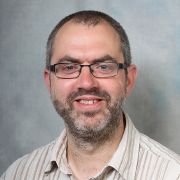
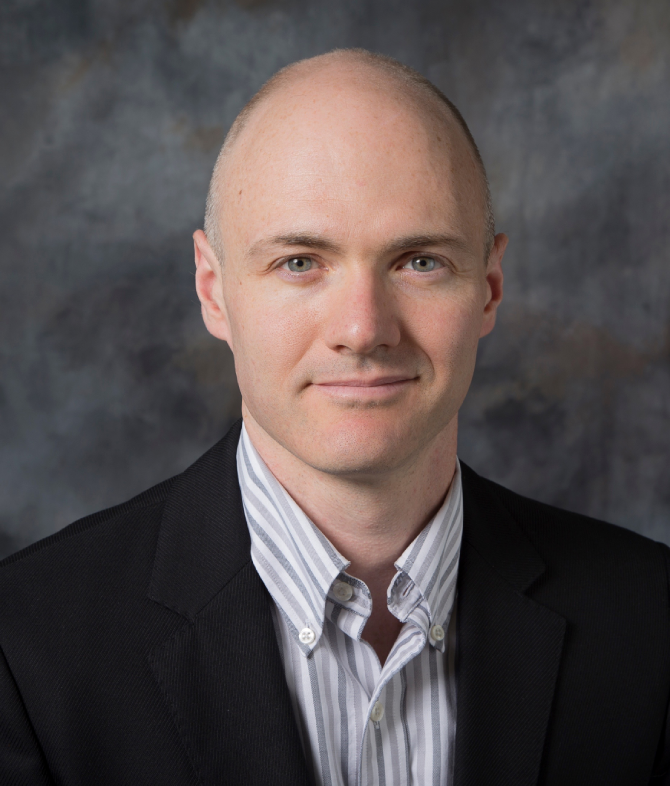
Dr. Colin J. Crook is a Lecturer in Physical Chemistry at the University of Sheffield , affiliated with the School of Mathematical and Physical Sciences . He serves as the Director of Studies for the MSc: Polymers for Advanced Technologies and oversees laboratory modules for undergraduate and postgraduate students.
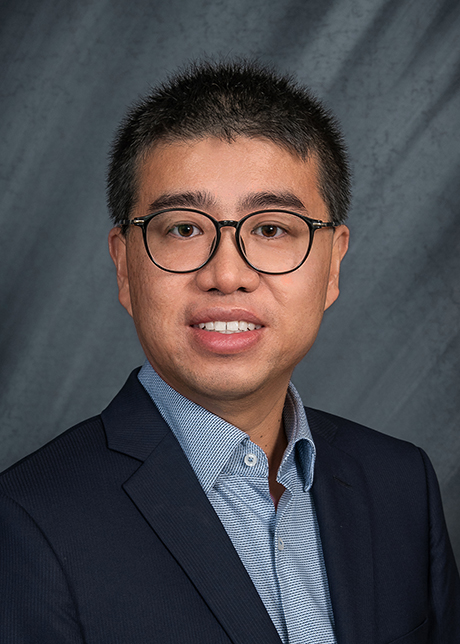
Prof. Ke Wang is a faculty member at the Southern University of Science and Technology (SUSTech) since 2019, holding the title of Professor in the School of System Design and Intelligent Manufacturing. With a Ph.D. in Polymer Chemistry and Physics from Sun Yat-Sen University (2000), he also holds graduate degrees in Polymer Chemistry (M.Sc., USTC 1990) and Chemistry (B.Sc., Zhengzhou University 1984). Education: Ph.D., Polymer Chemistry and Physics, Sun Yat-Sen University (2000) M.Sc., Polymer Chemistry, University of Science and Technology of China (1990) B.Sc., Chemistry, Zhengzhou University (1984) His research focuses on polymer composites for advanced applications, including: Multiphase polymer systems Fiber reinforced composites Advanced functional composites Energy materials Electronic ceramics Recent publications highlight his work on: Polymer electrolytes for lithium batteries Thermoset composites with ultra-low dielectric loss Thermal conductivity enhancement in polymer matrices Flame-retardant materials for energy storage Composite materials for microelectronics Nanoporous functional materials in battery applications Contact Information: Email: wangk7@sustech.edu.cn Office: Room 305, Block 1, Innovation Valley, SUSTech, Shenzhen Phone: 0755-88015547
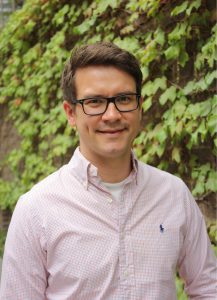
Jonathan Barnes is an Associate Professor of Chemistry at Washington University in St. Louis and member of the Siteman Cancer Center. His research develops programmable polymeric materials with supramolecular properties for applications in biomedicine and nanotechnology. Education: Postdoc (MIT), PhD (Northwestern University), BS/MS (University of Kentucky). Research focuses on stimuli-responsive polymers, nanoparticle drug delivery, biomaterials, and topological polymers. The Barnes Lab combines synthetic organic chemistry with polymer and supramolecular chemistry to create 'smart' functional materials. Recent publications demonstrate advances in hydrogel actuators, photoredox catalysis, brush-arm star copolymers for drug delivery, and artificial molecular muscles. Awards include: Packard Fellowship (2017) ACS PMSE Young Investigator (2020) IUPAC-SOLVAY Award (2015) DOE Innovations Award (2013) Leads research on NIH and NSF grants. Holds patents for drug delivery agents and actuating materials. Directs a laboratory developing polymeric systems for cancer therapeutics and environmental applications.
Dr. Kristian Kempe is a Senior Lecturer in the Department of Materials Science and Engineering at Monash University, Australia. He holds additional roles as an ARC Future Fellow and Senior Visiting Fellow at the University of Warwick (UK). His research focuses on advanced polymer materials for drug delivery, nanomedicine, and biomedical applications, particularly targeting challenges like Alzheimer’s disease and overcoming biological barriers such as the blood-brain barrier. Key projects include designing stealth polymers, developing targeted nanomedicines, and exploring sustainable biomaterials. Dr. Kempe’s expertise spans polymer synthesis, biomaterials engineering, and translational medicine. He has led multiple research initiatives funded by NHMRC, ARC, and international collaborations. His work aligns with UN Sustainable Development Goals related to health and sustainable innovation. Notable achievements include pioneering studies on poly(2-oxazoline) materials, antipolymer immune response mitigation, and bioorthogonal targeting strategies. Education Background: Postdoctoral training at the University of Melbourne (2012–2014), University of Warwick (2014–2016), and Monash University (2016–2019). Key Awards: Alexander von Humboldt Fellowship, ATSE YSEP Fellowship, and Mid-Career European Polymer Journal Award. Lab/Team: The KempiGroup focuses on interdisciplinary research bridging polymer science, nanotechnology, and clinical applications. His research outputs span over 160 peer-reviewed articles, emphasizing polymer-based drug delivery systems, nanoparticle engineering, and materials for precision medicine. Collaborations with institutions in Australia, Europe, and China highlight his global impact in advancing biomedical materials science.
Gang Fan is an Assistant Professor in the Department of Chemical Engineering at the University of Rochester's Hajim School of Engineering and Applied Sciences. His research bridges microbial engineering and chemical engineering to develop sustainable polymer solutions, focusing on bio-inspired approaches to create environmentally friendly plastics and improve polymer industry sustainability through microbial systems. Research interests center on developing biohybrid systems for sustainable materials synthesis and environmental applications. Key areas include catalytic bio-nano interfaces for CO2 conversion, microbial synthesis of functional polymers, tunable nanocoatings for biological protection, and electrode design for electrochemical biosensing. The work combines synthetic biology with materials chemistry to create innovative solutions for plastic upcycling and environmental remediation. Publications demonstrate consistent focus on bio-electrochemical systems and functional nanomaterials, with recent advances in DNA-directed catalysis, microbial protection technologies, and sustainable polymer synthesis. The research trajectory shows increasing integration of biological systems with engineered materials for environmental applications. Awards and Honors: ACS PMSE Future Faculty Scholar (2022) Chemical Engineering Research Grant, MIT (2021-2022) Procter & Gamble Poster Competition Award: First Place, UT Austin (2019) Finalist for Excellence in Graduate Polymer Research, AIChE (2018) Paper of the Year Award, UT Austin (2018)
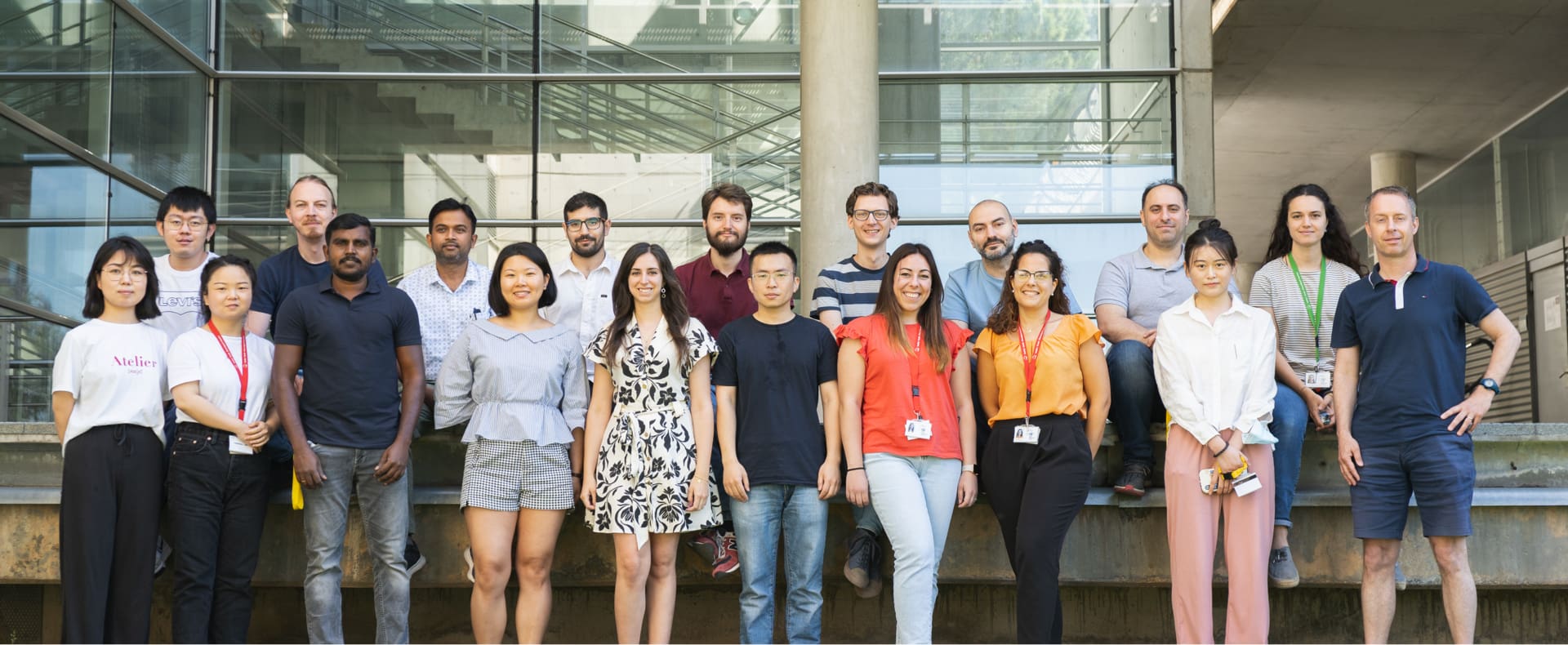
Arjan W. Kleij is a Professor and Group Leader at the Institute of Chemical Research of Catalonia (ICIQ) , which operates under the Catalan Institution for Research and Advanced Studies (ICREA) . His research is centered on sustainable catalysis, particularly the valorization of CO₂ and biomass for the synthesis of biopolymers and fine chemicals. He leads a dynamic research team and is deeply involved in training the next generation of scientists. Research Interests: Prof. Kleij's work focuses on developing innovative catalytic methodologies for green and sustainable chemistry. His group pioneers the transformation of CO₂ into valuable heterocycles and polymers, the synthesis of biobased polycarbonates and polyesters, and stereoselective synthesis using functional heterocycles. The overarching goal is to replace petroleum-based feedstocks with renewable alternatives and design circular chemical processes. His research integrates catalyst engineering, mechanistic studies, and sustainable synthesis to address global environmental challenges. Publications and Impact: His recent articles reveal a strong trend towards CO₂ utilization, polymer chemistry, and heterocycle synthesis. Key themes include catalytic CO₂ conversion into seven- and eight-membered rings, depolymerization and recycling of biobased polycarbonates, and the creation of complex molecular architectures from sustainable feedstocks. This body of work positions him at the forefront of green chemistry and sustainable materials science. Scientific Awards and Honors: European Sustainable Chemistry Award (ESCA), 2023 Catalan Chemical Society Scientific Excellence Award, 2023 Fellow of the Royal Society of Chemistry (FRSC), 2021 Spanish Chemical Society Excellence Award, 2020 Visiting Professor, University of Tokyo, 2022 Visiting Professor, University of Salerno, 2024 ICREA Junior Fellow, 2006 NWO TALENT Fellow, 2000 Advising and Grants: Prof. Kleij actively mentors a large team of PhD students and postdoctoral researchers, fostering a collaborative and innovative research environment. He has secured significant competitive funding, including from the European Research Council and the Spanish State Research Agency. He is the scientific coordinator of the HORIZON-TMA-MSCA-DN-JD “D-Carbonize” doctoral network, highlighting his leadership in training researchers in CO₂ valorization. Labs and Teams: He leads the Kleij Research Group at ICIQ, a state-of-the-art facility equipped for advanced organic synthesis, catalysis, and polymer characterization. His team collaborates closely with other research groups at ICIQ and international partners, driving innovation in sustainable chemistry.
Andrea Cappelli is a Full Professor at the Department of Biotechnology, Chemistry and Pharmacy within the University of Siena . He teaches courses in Technology, Socio-economics, and Pharmaceutical Law as part of the 4-year Pharmaceutical Chemistry and Technology program. His research focuses on pharmaceutical chemistry , medicinal chemistry , and biochemistry , with a particular emphasis on organic synthesis , photochemistry , and drug delivery systems . Recent publications highlight his work in synthesis of dual enzyme inhibitors , lysine-targeted covalent ligands , and light-responsive molecular switches . His studies often involve photophysical analysis , macrocyclic compound development , and biomimetic material design . Andrea Cappelli is actively engaged in molecular modeling and structure-activity relationship investigations for therapeutic applications.
Mark Taylor is a Professor in the Department of Chemistry at the University of Toronto, where he conducts research at the intersection of organic synthesis and supramolecular chemistry. His work focuses on noncovalent and reversible covalent interactions, with applications in designing chemical sensors and catalysts. Expertise: Catalyst development, mechanistic elucidation, receptor design, host-guest interactions Key research areas: Stereo- and regioselective catalysis, carbohydrate transformations, molecular recognition, sensory molecules, computational mechanistic studies His recent publications highlight innovations in organoboron/transition metal cocatalysis for carbohydrate functionalization, site-selective glycosylation methods, and halogen bonding applications in materials science. The majority of his work explores how organoboron compounds enable precise control over reaction regioselectivity and stereoselectivity, particularly in sugar chemistry. While no formal awards are listed, his administrative role as Associate Chair, Graduate Studies, underscores his institutional leadership.
Tanja Junkers is a full Professor in the School of Chemistry at Monash University, Australia, where she leads research on continuous flow polymerizations, nanoparticle design, and precision polymers. She also holds a guest professorship at Hasselt University, Belgium. Education: PhD in Physical Chemistry from Georg-August University (Göttingen, Germany, 2006); Diplom (Master) in Chemistry from the same institution (2002). Prior roles include research associate at UNSW Sydney and senior scientist at Karlsruhe Institute of Technology. Research focuses on controlled radical polymerizations, flow chemistry, and applying machine learning to polymer synthesis. Key interests include degradable polymers, self-assembly of block copolymers, and sustainable materials development. Her work contributes to UN Sustainable Development Goals related to sustainable industry and innovation. Current projects include the ARC-funded 'Sustainable Reversible Polymerisation' and 'Data Driven Polymer Synthesis'. She serves as Associate Editor for Polymmer Chemistry (Royal Society of Chemistry). Advising: Actively supervising PhD students in areas like continuous flow reactor polymerization and peptidomimetic synthesis. Her research teams collaborate internationally, with recent projects involving universities in Australia, Germany, and Belgium. Lab/Teams: Leads the Monash group focused on precision polymer design, integrating automation and high-throughput experimentation. Collaborates with interdisciplinary teams on chemical manufacturing and energy materials.
Professor Michael Shaver is a Professor of Polymer Science and Materials Engineering at The University of Manchester's School of Natural Sciences. He leads initiatives like Sustainable Futures and the Sustainable Materials Innovation Hub, focusing on sustainable polymers, plastics, and materials for recycling. His research spans fundamental polymer design to translational projects in plastic packaging and waste management. Previously, he held roles at the University of Edinburgh and University of Prince Edward Island. Education: PhD in Chemistry (2005) - University of British Columbia BSc Honours Chemistry (1999) - Mount Allison University Research Interests: Sustainable polymers, plastics recycling (mechanical/chemical), biodegradable materials, and interdisciplinary approaches combining polymer chemistry with social science and economics. His team develops self-healing polymers, medical sensors, and circular system strategies for material lifecycle management. Recent Themes in Articles: Focus on quantifying recycled content in plastics, enhancing polyester durability, frustrated Lewis pair polymers, and HDPE recyclate analysis. These studies address challenges in material characterization, recycling process optimization, and environmental impact mitigation. Awards: MacroGroup Young Polymer Scientist Award (2015) Young Academy of Scotland Membership (2014-2018) Canada Foundation for Innovation Leadership Awards (2010, 2012) Fellow of the Royal Society of Chemistry and Institute of Materials, Minerals and Mining Grants & Projects: EMBRACE: Sustainable conveyor belt recycling Future Homes: Low-carbon building materials RE3: PET recycling innovations Labs/Teams: Green Materials Laboratory (greenmaterialslaboratory.com) and Sustainable Materials Innovation Hub (smihub.ac.uk).
Giulia FIORANI is an Associate Professor of Organic Chemistry at the Department of Molecular Sciences and Nanosystems, Ca' Foscari University of Venice. She serves as Rector's Delegate for Knowledge Transfer and President of the Commission for the Valorisation of Knowledge. Her research focuses on sustainable synthetic approaches, catalytic processes for CO2 utilization, and the development of materials from renewable resources. Received a PhD in Chemical Sciences (2010) from the University of Rome “Tor Vergata” Completed postdoctoral fellowships at the University of Oxford and the Institute of Chemical Research of Catalonia (ICIQ) Research interests include green chemistry, organic carbonates, photocatalytic systems, and bio-based materials. Over 150 publications in high-impact journals, with an h-index of 16 and 2700+ citations. Editor for RSC Advances and board member of ChemSusChem . Grants include projects on sustainable bioprocesses, nanosystems, and fish waste valorization. Active in international collaborations and knowledge transfer initiatives.
A. Nijmeijer is a Full Professor at the University of Twente, affiliated with the MESA+ Institute, specializing in Inorganic Membranes. His research focuses on advanced membrane technologies for sustainable chemical and environmental processes, including nanofiltration, gas separation, and water treatment. He has a prolific publication record and leads impactful research in membrane synthesis and application. His research interests span membrane science, materials engineering, and sustainable process design. He investigates ceramic nanofiltration membranes, hybrid organic-inorganic layers, and membrane reactors for electrified chemical production. His work integrates materials synthesis, surface functionalization, and process engineering to develop energy-efficient and environmentally friendly separation technologies. The recent articles highlight a strong focus on ceramic and hybrid membranes, with emphasis on nanopore engineering, hydrophobicity control, and industrial applications in ethylene and propylene production using renewable electricity. Key themes include calcination effects, molecular layer deposition, and techno-economic analysis of membrane-assisted dehydrogenation processes. Scientific Awards: No awards explicitly mentioned in the provided text. Nijmeijer has supervised 30 research projects, indicating active mentorship and academic leadership. He collaborates extensively with researchers across disciplines and institutions, particularly in the areas of membrane functionalization and industrial water treatment. His work includes significant contributions to datasets and academic activities such as examinations and oral presentations. He is involved in research on silicon carbide membranes, solvent nanofiltration, and green electrification of chemical processes. He is associated with the MESA+ Institute at the University of Twente, a leading center for nanotechnology and advanced materials research. His team likely operates within a multidisciplinary environment focused on membrane synthesis, characterization, and application in energy and environmental systems.
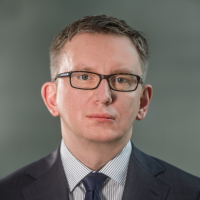
Piotr Skurski serves as Professor and Head of the Department of Theoretical Chemistry at the Faculty of Chemistry, University of Gdańsk, while maintaining a concurrent Professor of Chemistry position at the Henry Eyring Center for Theoretical Chemistry, University of Utah since 2006. His leadership spans multiple research units including the Laboratory of Quantum Chemistry at UG since 2014. His educational background includes: MSc in Chemistry (1993) from University of Gdańsk under Prof. Wiesław Wiczek PhD in Chemical Sciences (1997) supervised by Prof. Maciej Gutowski (PNNL, USA) Habilitation (2001) leading to Professor title (2005) by Presidential decree Skurski's research pioneers quantum chemical investigations of molecular anions, superhalogens, and reaction mechanisms. His work spans from fundamental electron binding phenomena to applied materials design, particularly focusing on superhalogen anions with electron affinities exceeding 15 eV, DNA repair processes, and polymerization mechanisms. His molecular design innovations include synthons, peptide crosslinks, and superacids. Analysis of his 15 most recent publications reveals a dominant focus on superhalogen chemistry (7 articles), with significant contributions to molecular synthons (4 articles) and environmental applications like PFAS degradation (2 articles). His methodology consistently combines high-level quantum mechanical calculations with machine learning approaches for materials prediction. His accolades include: Karol Taylor Scientific Award (2021) Prime Minister's Award for habilitation work (2002) 15+ Rector's Awards from University of Gdańsk (1995-2023) Foundation for Polish Science Scholarship (1997) Skurski has supervised 10 doctoral students while securing major EU grants including MULTIPOL (FP6), PARYLENS (FP7), ENERLIQ (Polish-Swiss Program), and MAGENTA (Horizon 2020). His 198 publications with 5,371 citations (h-index 42) demonstrate substantial research impact. He leads the Laboratory of Quantum Chemistry at UG and maintains active collaborations with University of Utah's Henry Eyring Center.
Bridgette Maria Budhlall, Ph.D., is a Professor and Department Chair of Plastics Engineering at the University of Massachusetts Lowell's Francis College of Engineering. She holds a Doctorate in Polymer Science and Engineering from Lehigh University and a Bachelor's in Natural Sciences from the University of the West Indies. With 8 years of industrial experience at Air Products and Chemicals, Inc., her research bridges fundamental science and applied technology. Her expertise spans: Polymer colloids and soft matter Stimuli-responsive materials for drug delivery and biosensors Nanomanufacturing of biomedical devices and coatings Biodegradable shape-memory polymers Her publications focus on advanced materials for nanomedicine, organic electronics, and environmental applications, with recurring themes of colloidal assembly, polymer functionalization, and structure-property relationships in nanocomposites and stimuli-responsive systems. Awards & Honors: Mark and Elisia Saab Endowed Professorship (2011, 2012) INEST Fellow (2006) Ken Earhart Award (1998) Ticona Award (1998) She leads multiple grants including NSF-funded projects on nanomanufacturing ($300K) and bio-based plastics education ($200K), an Army grant for semipermeable membranes ($500K), and industry collaborations with Raytheon and Biosurfaces, Inc. She directs the Budhlall Polymer Colloids & Soft Matter Group , developing scalable technologies for biosensors, drug delivery, and smart coatings.
Professor Wenshan Guo is a distinguished academic at the University of Technology Sydney (UTS), serving as Professor in the School of Civil and Environmental Engineering. She is a core member of the Centre for Technology in Water and Wastewater at UTS, a leading research center in alternative water sources. With an extensive publication record including over 450 journal articles, 54 book chapters, and 6 books, Professor Guo has established herself as a world leader in innovative wastewater treatment technologies and sustainable water management. Professor Guo's educational background includes: PhD in Environmental Engineering from University of Technology Sydney (2005) BE (Hons 1) from Kunming University of Science and Technology, China (1997) Professor Guo's research focuses on cutting-edge water and wastewater engineering solutions, with particular expertise in membrane technologies, advanced biological wastewater treatment, physico-chemical separation technologies, solid waste management, and environmental assessment. Her current work explores green technologies for resource and energy recovery, waste-to-energy conversion, the water-waste-energy nexus, and climate change mitigation strategies. Her research has led to several patented technologies including GemFloc for enhancing biological water treatment, combined bio-sorbent for heavy metal removal, and novel osmosis membrane bioreactor systems. Professor Guo's extensive publication portfolio reveals strong trends in sustainable water treatment technologies, with particular emphasis on biochar applications, membrane bioreactor systems, and innovative approaches to wastewater treatment. Her recent work shows increasing focus on the integration of renewable energy with water treatment processes, antibiotic removal from wastewater, and the development of circular economy approaches to water resource management. The interdisciplinary nature of her research connects environmental engineering with materials science, microbiology, and sustainable energy systems. Professor Guo has received numerous prestigious awards recognizing her exceptional contributions to environmental science and engineering: 2022 Highly Cited Researcher in Biology/Biochemistry and Environment/Ecology (Clarivate Analytics) Winner of Excellence in Women in Research Award, Scopus Researcher of the Year Award 2022 Lifetime Achiever in Environmental Sciences and Top 40 Research Superstars in Australia (The Australian, 2020-2021) Professional Engineer of the Year 2021, Sydney Winner (Engineers Australia) Multiple Highly Cited Researcher awards (2019-2022) Outstanding Scientist Award of the Year 2019-2020 (International Bioprocessing Association) Professor Guo has successfully secured and led numerous significant research grants, including ARC Discovery Projects, ARC Linkage Projects, and National Centre of Excellence in Desalination funding. She has served as chief investigator and international partner investigator for projects totaling millions of dollars in research funding. Professor Guo is available for Masters Research or PhD student supervision and has likely mentored numerous graduate students throughout her career, though specific student names are not provided in the source material. As a core member of the Centre for Technology in Water and Wastewater at UTS, Professor Guo contributes to one of Australia's leading water research teams. Her work intersects with multiple research groups focusing on membrane technologies, advanced environmental bioprocesses, and sustainable water management solutions. She collaborates extensively with researchers both within UTS and internationally, particularly in China and Korea, reflecting the global significance of her work in addressing water security challenges.