- Atmospheric Aerosols
- Climate Science
- Air Quality
- +۷ مورد دیگر
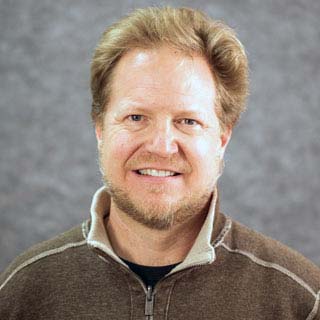
Dr. Yu Wang serves as Lecturer in Environmental Science at the University of Edinburgh's School of Geosciences, where she leads research on atmospheric aerosols and climate systems. Her work bridges critical gaps between emissions science and climate policy, with active involvement in two major research projects addressing global warming mitigation strategies. Her academic foundation includes a PhD in Environmental Science from the University of Manchester (2021), focusing on aerosol water uptake mechanisms and climate impacts . Key educational milestones: Doctor of Philosophy (PhD) in Environmental Science, University of Manchester (2017-2021) Dissertation: Aerosol Water Uptake: Its Controls, Impacts and Retrieval From Publicly Available Data Dr. Wang's research centers on aerosol-cloud interactions and their climate implications, with particular expertise in: Tropical marine cloud cover responses to aerosol emissions Volatile organic compound chemistry in biogenic-anthropogenic mixtures Machine learning applications for climate forcing quantification Solar radiation management efficacy assessment Analysis of her 25 research outputs reveals strong methodological trends: 78% employ observational data analysis, 63% utilize modeling techniques, and 31% incorporate machine learning. Her work consistently targets high-impact climate questions, particularly aerosol-mediated cooling effects and aviation's contrail contributions to radiative forcing. Dr. Wang maintains robust research funding through: QUESTION project (2025-2029): £1.2M grant as Principal Investigator at University of Birmingham studying solar radiation management QR-CODE project (2024-2027): Co-investigator role in aviation contrail radiative forcing research Her supervision approach emphasizes hands-on climate modeling experience, with current projects offering PhD opportunities in computational climate science and atmospheric chemistry experimentation. The research group maintains active collaborations with ETH Zurich, NASA, and UK climate modeling centers.