- NFκB signaling
- IRF signaling
- Innate immunity
- +۶ مورد دیگر
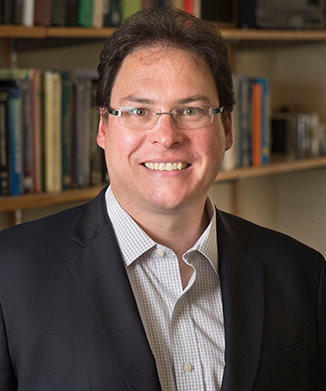
Professor Alexander Hoffmann at the Department of Microbiology, Immunology & Molecular Genetics at University of California Los Angeles is a leading systems immunologist focusing on the dynamic regulation of immune signaling networks. His work integrates experimental approaches (biochemistry, molecular biology, live-cell imaging, next-gen sequencing) with computational modeling to decode how immune cells like macrophages and B-cells make stimulus-specific decisions. Education: BA in Physics from Cambridge University (1988), PhD in Biochemistry of TFIID from Rockefeller University (1994), Postdoc in HIV latency control at MIT (1998), and Postdoc in NFκB systems immunology at Caltech (2003). His research uncovers how NFκB and IRF signaling systems govern immune cell responses through temporal dynamics and network architecture. Current projects explore macrophage stimulus specificity , B-cell antibody response regulation , and hematopoietic aging mechanisms , supported by NIH grants as Principal Investigator. Recent publications focus on single-cell signaling fidelity , dynamic gene regulatory logic , and computational approaches to immune modeling . His 15 most recent articles (2024-2025) reveal a strong emphasis on signaling dynamics , immune training , and multi-scale modeling . Scientific Awards: UCLA Undergraduate Research Mentor Award (2023) Thomas M Asher Endowed Chair in Microbiology (2014–present) Hellman Fellow (2007–2008) Ellison Medical Foundation Scholar in Aging Research (2005–2009) Multiple graduate and postdoctoral fellowships He mentors through the Bruins in Genomics program and leads interdisciplinary research at the QCBio Institute , bridging biochemistry , mathematical modeling , and computational biology to understand immune decision-making.