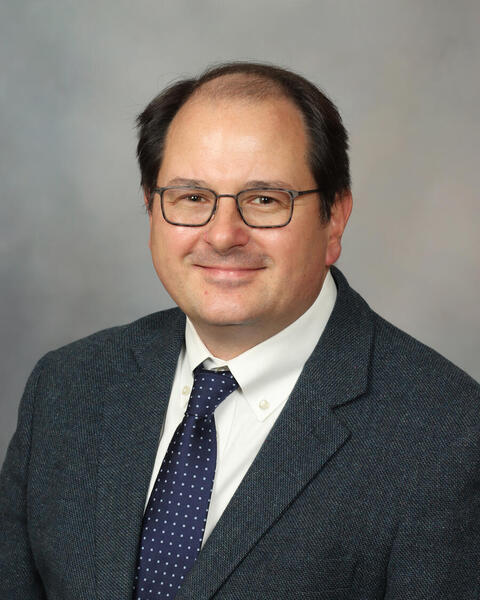
Cameron A. Myhrvold is an Assistant Professor of Molecular Biology at Princeton University, leading the Myhrvold Lab. His research focuses on CRISPR-based technologies to study viral and host RNA, with applications in detecting and combating RNA viruses like SARS-CoV-2. He specializes in developing Cas13-based tools for multiplexed nucleic acid detection, host-pathogen interaction analysis, and RNA perturbation. Education: A.B. in Molecular Biology from Princeton University (undergraduate), Ph.D. in Systems Biology from Harvard University. His postdoctoral work at Harvard involved pioneering CRISPR-Cas13 technologies, leading to innovations like CARMEN, CARVER, and SHINE. Research interests include: CRISPR-based RNA editing, quantitative nucleic acid detection, systems biology of viral infections, and translating technologies for global health. His lab emphasizes deploying diagnostics in resource-limited settings and studying viral dynamics across diverse tissues and infection conditions. Notable achievements: Named NEBEC Emerging Young Investigator. His work has advanced field-deployable viral diagnostics and multiplexed RNA analysis tools. Collaborates with institutions like the Broad Institute and the CDC on pandemic response initiatives. Current projects include developing quantitative CARMEN variants for gene expression analysis, high-throughput screening of Cas13-virus interactions, and applying CRISPR tools to study influenza and SARS-CoV-2 in animal models.