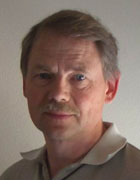
Peter Brodersen is a Professor at the Department of Biology, University of Copenhagen , specializing in Bioinformatics and RNA Biology . His research focuses on RNA modification (m6A), YTHDF proteins, and small RNA pathways in plants. Recent research trends from his group include: (1) molecular mechanisms of ARGONAUTE-small RNA interactions, (2) m6A-YTHDF regulatory systems in plant development, and (3) RNAi-independent roles of DICER-LIKE proteins in antiviral defense. Collaborations span Denmark and international institutions. Publications highlight cross-disciplinary work bridging computational biology and experimental plant genetics. Key subfields include RNA structure, epigenetic regulation, and antiviral immunity.
Jeppe Lund Nielsen is a Professor in the Department of Chemistry and Life Sciences at the Faculty of Engineering and Science, Aalborg University, Denmark. His research lies at the intersection of microbial ecology, genomics, and environmental biotechnology, with a strong focus on sustainable solutions for wastewater treatment, anaerobic digestion, and environmental monitoring. His primary research interests include Microbial Ecology, Functional Ecology, Genomics, Molecular and Technical Microbiology, Anaerobic Digestion, Metagenomics, and eDNA Metabarcoding . He applies molecular tools to understand microbial community dynamics in engineered and natural systems, particularly in wastewater and marine environments. His work contributes to the UN Sustainable Development Goals related to clean water, sustainable cities, and climate action. The recent publication trends reflect a strong emphasis on environmental applications of microbiome science, including nitrogen cycling in wastewater, bioaerosol exposure in workers, eDNA-based biodiversity monitoring, and valorization of waste streams through biotechnology. His articles frequently appear in high-impact environmental and microbiological journals and demonstrate interdisciplinary collaboration across engineering, ecology, and public health. Among his notable scientific contributions are leadership roles in significant research projects such as the AAU Bubble Project (Power2Proteins), JAMBO seabed impact study, and investigations into biotechnological pesticides. He has also contributed to public discourse through media engagement on topics like pesticide regulation and environmental innovation. Professor Nielsen has supervised PhD students, including M. Eskeldsen, and is actively involved in grants and collaborative research across Europe. He is a key member of research teams focused on environmental microbiology, wastewater biotechnology, and marine impact assessments. His lab integrates molecular biology, bioinformatics, and environmental engineering to address pressing sustainability challenges.
Lars Aagaard is an Associate Professor at the Department of Biomedicine - Research and Education, Aarhus University, Denmark. He is based at the Bartholin Building in Aarhus C and is actively engaged in research and teaching in the fields of gene therapy, RNA interference, and genome editing. His work focuses on developing viral vectors, particularly AAV and lentiviral vectors, for ocular gene therapy targeting retinal diseases such as age-related macular degeneration and diabetic retinopathy. His research interests include the development of Dicer-independent RNAi systems, combinatorial gene therapy using microRNA and CRISPR/Cas9, and the delivery of RNA- and protein-based therapeutics. He also teaches Genetics and Personalized Medicine and supervises postdoctoral researchers, PhD, master's, and undergraduate students. The recent publications (2022–2024) reflect a strong trend in RNAi therapeutics, viral vector engineering, and translational applications in ocular and systemic diseases. Themes include gene silencing, immune modulation, and regenerative approaches using engineered cells. Aagaard actively contributes to the scientific community as a reviewer for journals such as Nature and Molecular Therapy . He has participated in key international conferences including ARVO, ASGCT, and ESGCT, demonstrating ongoing engagement with the global gene therapy community. Supervision of postdocs, PhD, master’s, and undergraduate students Active participation in international conferences and workshops Collaborative research across institutions, including Universidade Federal de Sao Paulo He is involved in both basic and translational research, with potential for clinical applications in gene and cell therapy.
Edwin Hwu is an Associate Professor at the Department of Health Technology, Technical University of Denmark (DTU), leading the MIDAS research group focused on Micro Medical Devices and hardware hacking-based technologies. His work spans Atomic Force Microscopy (AFM), 3D printing, and drug delivery systems. Research Focus: Skin barrier function assessment, liver fibrosis treatment using siRNA, and repurposing consumer electronics for biomedical sensing. Projects: Currently leads "Repurposing Microelectronics for Gut Sensing" (2025-2028) and previously completed "Rapid Clinical Assessment of Skin Barrier Function by Corneocytes Nanotexture" (2021-2023). His publications highlight interdisciplinary work in Atomic Force Microscopy , 3D Printing , and Nanoscale Engineering , with applications in dermatology and neglected tropical diseases. He actively engages in guest lectures on hacking consumer electronics for scientific research. Awards: VILLUM Experiment Grant for micro/nanoscale 3D printing projects. Hwu supervises PhD students and collaborates with researchers like Anja Boisen (DTU) and others, focusing on translating microelectronics into medical solutions. His lab develops compact, high-resolution devices for diagnostics and drug delivery.
Jakob Møller-Jensen is an Associate Professor and Head of Department at the Department of Biochemistry and Molecular Biology, University of Southern Denmark. With a PhD in his field, he maintains an active research program with 67 publications to date and leads departmental operations. His research focuses on molecular microbiology with emphasis on host-pathogen interactions and pathogenic bacteria. His work primarily investigates Escherichia coli and uropathogenic strains, examining their behavior in urinary tract infections, plasmid dynamics, and bacterial morphology changes during infection processes. His research fingerprint shows strong expertise in Escherichia coli (100%), Uropathogenic Escherichia Coli (95%), Urinary Tract infections (43%), Plasmid biology (43%), RNA mechanisms (31%), Fimbria (31%), Gene Expression (29%), and Caenorhabditis Elegans models (27%). Analysis of his recent publications reveals a consistent focus on bacterial pathogenesis mechanisms, particularly how E. coli adapts to host environments, with special attention to urinary tract infections, bacterial morphology changes, and antibiotic resistance mechanisms. His work bridges fundamental molecular microbiology with clinical implications for infection treatment. Dr. Møller-Jensen has been involved in teaching Chemistry, Biology and Molecular Biology courses from 2009-2019, and has participated in numerous academic activities including conferences, workshops, and seminars. His collaborative network spans multiple countries and research institutions. His current research projects include significant funding from Lundbeckfonden on cellular senescence in cancer (2024-2029), NANOCHEM for ultrahigh resolution chemical characterization (2022-2028), metabolic regulation of mammalian DNA replication (2021-2026), and gut bacteria as biomarkers for colorectal cancer (2023-2025).
Rafael Pinilla-Redondo is an Assistant Professor in the Department of Biology at the University of Copenhagen's Faculty of Science, where he leads the Bacterial Immunity research group within the Section of Microbiology. His laboratory, located at Universitetsparken 15 in Copenhagen, focuses on the molecular mechanisms of bacterial defense systems against phages. His research interests center on bacterial immunity, particularly how CRISPR-Cas and other bacterial immune systems evolve and function. He investigates the molecular mechanisms driving these complex systems to answer fundamental biological questions and develop novel biotechnologies. His work spans phage biology, molecular evolution, molecular biology, and genetics, with a specific emphasis on bacterial defense mechanisms against viral threats. Dr. Pinilla-Redondo's recent publications demonstrate significant contributions to understanding bacterial immune systems, particularly CRISPR-Cas variants, retrons, and other defense mechanisms. His research shows strong trends in structural biology approaches to understanding immune system function, with increasing focus on the supramolecular organization of defense complexes and their evolutionary implications. Villum Young Investigator grant (2023) His laboratory maintains active collaborations across multiple institutions, as evidenced by the international authorship on his publications. The lab has developed specialized software tools including CRISPR-Cas Typer for automated identification of CRISPR-Cas loci, Plasmid Network for exploring the global plasmidome, and Hoodini (coming soon) for genome neighborhood visualization. His work has received significant attention, with multiple papers picked up by news outlets, blogged about, and widely shared on social media platforms. The Pinilla-Redondo Lab is part of the vibrant microbiology research community at the University of Copenhagen, focusing on the evolutionary arms race between bacteria and their viral predators.
Kristian Almstrup serves as Associate Professor at the Department of Cellular and Molecular Medicine, Faculty of Health and Medical Sciences, University of Copenhagen, and holds a Senior Scientist position at the Department of Growth and Reproduction, Copenhagen University Hospital - Rigshospitalet. His dual appointment bridges clinical practice and academic research in reproductive genetics. Dr. Almstrup's research primarily focuses on the intersection of genetic and epigenetic variation with reproductive endpoints, testicular gene expression, and sperm cell function. His work has pioneered understanding of piRNAs in human spermatogenesis, genetic variants causing non-obstructive azoospermia, and genetic factors associated with testicular germ cell cancer. His group employs cutting-edge techniques including single-cell/nuclei methods and spatial transcriptomics to study the complex cellular composition of testicular tissue. Analysis of Almstrup's 15 most recent publications reveals a consistent focus on male reproductive genetics, with particular emphasis on non-coding RNAs (especially piRNAs), genetic determinants of spermatogenic failure, and environmental factors in declining fertility. His research spans from basic molecular mechanisms to clinical applications, with several publications in high-impact journals including Nature, Nature Communications, and the New England Journal of Medicine. Dr. Almstrup actively contributes to medical education through teaching in the Medical Genetics course for Medicine and Molecular Biomedicine students, as well as organizing PhD courses in Genetics of Reproduction. His editorial work includes serving as Editor for Andrology, Scientific Reports, and Frontiers in Cell and Developmental Biology. The Almstrup Group, based at Rigshospitalet, maintains an active research program with current team members including Nina Mørup Nygaard, Sofia B. Winge, Gülizar Saritas, Ailsa Maria Main, and Maria Lykkegaard Nicolaisen. The group participates in several international consortia including GEMINI, IMiGC, and TECAC, focusing on male infertility and testicular cancer genetics.
Jesper Wengel serves as the Dean of the Faculty of Engineering and Science at Aalborg University (AAU), Denmark, where he leads academic and research initiatives. As a prominent researcher, his work has significantly advanced Oligonucleotide Biochemistry and Locked Nucleic Acid applications in therapeutic contexts. Role: Dean, Faculty of Engineering and Science, AAU (since December 1, 2024) Previous Affiliation: Pro-Dean for Innovation and Society at the University of Copenhagen His research focuses on Biochemistry , Genetics , and Molecular Biology , with emphasis on: DNA/RNA chemistry and modifications Therapeutic oligonucleotide design Biomolecular assembly and drug delivery systems Anti-gene clamps targeting neurodegenerative diseases Peptide-oligonucleotide conjugates Thiol conjugation techniques Recent publications highlight his expertise in Bioconjugate Chemistry and Nucleic Acid Therapeutics , particularly in: Modular albumin-Holliday junction systems for prolonged circulation Anti-gene oligonucleotide clamps for Huntington's disease Improved thiol conjugation for biomolecular stability He has also contributed to patent development in oligonucleotide-based therapeutics, though specific scientific awards are not detailed in the provided text.
Nicolas Julien Fossat serves as an Associate Professor in the Department of Immunology and Microbiology at the Faculty of Health and Medical Sciences, University of Copenhagen. His research spans virology, RNA biology, and developmental biology with a particular focus on viral-host interactions and molecular mechanisms of disease. His research interests primarily focus on RNA biology and virology, with significant contributions to understanding viral RNA modifications, microRNA interactions in viral infections, and the molecular mechanisms of viral replication. His work on Hepatitis C virus RNA capping with flavin adenine dinucleotide represents a major discovery in the field of virology. Additionally, his research extends to developmental biology, particularly in understanding transcription factor networks like TWIST1 in cell differentiation processes. Analysis of his recent publications reveals a strong emphasis on RNA-virus interactions, particularly with flaviviruses including Hepatitis C, yellow fever, and tick-borne encephalitis viruses. His work on SARS-CoV-2 microRNA interactomes during the pandemic demonstrates his ability to pivot research toward emerging health threats. His publications in high-impact journals including Nature, Nature Communications, and Cell Reports highlight the significance of his contributions to the field. Fossat has established productive collaborations with prominent researchers including Bukh, Scheel, and Ramirez, resulting in multiple high-impact publications. His work has received substantial attention, with several papers being highlighted in news outlets and social media platforms, indicating the broader impact of his research.
Sakari Kauppinen is a Professor at the Department of Clinical Medicine, Faculty of Medicine, Aalborg University. His research focuses on microRNA biology, therapeutic applications, and their roles in diseases such as cancer, neurodegeneration, and metabolic disorders. He leads projects like the 2024 initiative exploring microRNA-22’s role in Duchenne Muscular Dystrophy. Notable contributions include pioneering microRNA-targeted drugs and advancing antisense oligonucleotide technologies. His work spans from basic RNA mechanisms to clinical translation, with collaborations in drug development and biomarker discovery. Kauppinen’s team is part of the Center for RNA Medicine, emphasizing interdisciplinary research in RNA-based therapies. Education details are not explicitly stated, but his career reflects advanced expertise in molecular biology and pharmacology. Key research interests include RNA interference mechanisms, microRNA regulatory pathways, and their modulation in disease contexts. He has authored over 70 publications, including seminal reviews on microRNA therapeutics and patents for innovative nucleic acid compounds. Media highlights include discussions on RNA medicine’s potential post-Nobel recognition and contributions to grants like the Novo Nordisk Foundation funding. Labs/Teams: Active member of the Center for RNA Medicine at Aalborg University. Collaborative projects involve institutions globally, focusing on translational RNA research.
Irina Kratchmarova is an Associate Professor at the Department of Biochemistry and Molecular Biology , University of Southern Denmark , specializing in Biomedical Mass Spectrometry and Systems Biology . Her research integrates quantitative proteomics and systems biology to investigate protein secretion in muscle and adipose tissues, post-translational modifications, and their roles in metabolic and inflammatory diseases. Phosphoproteomics and signaling networks Secretome analysis in muscle and fat Protein family interactions in cancer and reproduction Stable isotope labeling and mass spectrometry Key projects include collaborations with the Ministry of Education and Research (FSS) and foundations like Novo Nordisk and Lundbeck to study dysferlinopathies and muscle/adipose crosstalk. She has presented at institutions such as Freiburg Institute for Advanced Studies .
Pablo Cruz-Morales serves as a Senior Researcher at the Novo Nordisk Foundation Center for Biosustainability, part of the Technical University of Denmark (DTU), where he leads the Yeast Natural Products research group within the DTU Microbes Initiative. His work contributes to multiple UN Sustainable Development Goals through sustainable bioproduction research. His research expertise spans natural product discovery, biosynthetic gene cluster analysis, and Streptomyces genomics. Cruz-Morales specializes in evolutionary analysis of biosynthetic pathways, synthetic biology applications for natural product enhancement, and computational methods for genome mining. His fingerprint reveals strong focus areas in Gene Clusters (100%), Streptomyces (62%), Natural Products (60%), and Biosynthetic Gene Clusters (32%). Cruz-Morales' publication record demonstrates significant contributions to microbial biotechnology, with recent work spanning phylogenetics, mycoparasitism mechanisms, edible mycelium engineering, and co-evolutionary analysis of biosynthetic pathways. His research bridges computational genomics with practical applications in sustainable production systems. Cruz-Morales actively supervises five PhD students across diverse projects including yeast-based biosensors, structural variant calling in centromeres, computational graph methods for natural product discovery, Streptomyces genome mining, and synthetic biology applications for smart farming. His collaborative network spans multiple institutions with significant international engagement. As part of the Novo Nordisk Foundation Center for Biosustainability, Cruz-Morales contributes to cutting-edge research in sustainable bioproduction through the integration of computational genomics, synthetic biology, and microbial engineering approaches.
Peter E. Nielsen is a Professor at the Department of Cellular and Molecular Medicine , University of Copenhagen, and Head of the Center for Peptide-Based Antibiotics (Cepan) . His research group focuses on peptide nucleic acid (PNA) applications in chemical biology and medicinal chemistry. Research spans antisense antibiotics, muscular dystrophy, cystic fibrosis, and gene targeting Expertise in cellular delivery of biopharmaceuticals and prebiotic systems Selected Research Areas : PNA chemistry, antisense therapy, drug discovery for resistant bacterial infections, splice switching in genetic diseases, and epigenetic regulation via DNA supercoiling. Recent Article Trends : Focus on PNA-peptide conjugates for Gram-negative bacterial infections, self-assembling nanoaggregates for RNA targeting, and applications in Duchenne muscular dystrophy. Key keywords include Medicinal Chemistry, Antimicrobial Resistance, Gene Therapy, and Nanomedicine . Contact : ptrn@sund.ku.dk
Dr. Sebastian Marquardt is an Associate Professor in the Department of Plant and Environmental Sciences at the University of Copenhagen , leading the Molecular Plant Biology section. His research focuses on uncovering molecular mechanisms of the non-coding genome and its role in organismal fitness. Education : PhD in Biological Sciences from the University of East Anglia (dissertation: Linking RNA Processing to Chromatin via Flowering Time Study) Research interests include: RNA polymerase II transcription in non-coding regions Short promoter-proximal RNAs (sppRNAs) and their correlation with gene expression Chromatin-based signaling during transcriptional interference Co-transcriptional RNA processing and modification Recent publications address topics like non-coding RNA isoforms in food security, co-transcriptional miRNA processing, and histone chaperone mechanisms in Arabidopsis. His work emphasizes transcriptional dynamics over RNA product functionality. Scientific awards include: EMBO Young Investigator Program (2020) Hallas-Møller Investigator Award (2015) European Research Council Starting Grant (2017) Novo Nordisk Ascending Investigator (2021) Marquardt supervised BSc thesis student Julie Overgaard Hansen and hosted researcher Lucia Gonzalo (2023). His laboratory developed innovative methods for detecting non-coding transcription units missed by conventional approaches.
Jette Bornholdt Lange is a Research Fellow at the Department of Biology within the Faculty of Health and Medical Sciences at the University of Copenhagen. Her research spans multiple disciplines including molecular biology, genomics, and epigenetics, with a focus on transcriptional regulation and host-microbe interactions. Her research interests include: Molecular mechanisms of transcriptional regulation Host responses to microbial stimulation Epigenomic profiling of tissue development Plant immune responses Cancer epidemiology Analysis of her recent publications reveals a strong focus on understanding transcriptional mechanisms across different biological systems. Her work combines experimental approaches with computational analysis, particularly evident in her studies on promoter architecture and microsatellite transcription. She has made significant contributions to understanding how YAP signaling regulates intestinal epithelium maturation and how plants respond to pathogen-associated molecular patterns. Her scientific contributions include: Multiple high-impact publications in journals like Nature Communications, Science Advances, and The Plant Cell Research on both plant and mammalian systems, demonstrating interdisciplinary expertise Contributions to understanding fundamental mechanisms of gene regulation Work bridging basic science with potential clinical applications Dr. Lange collaborates extensively with researchers across multiple institutions, with notable collaborations with Sandelin, Jensen, and Brodersen groups. Her work demonstrates a commitment to understanding fundamental biological processes with implications for human health and disease.