- Gene Expression
- Transcription
- RNA Processing
- +۱۲ مورد دیگر
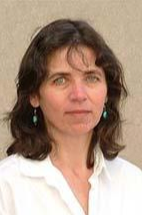
Beate Schwer is a Professor in the Department of Microbiology and Immunology at Weill Cornell Medical College and a member of the Weill Cornell Graduate School of Medical Sciences (WCGS). Her research focuses on the molecular mechanisms of gene expression, particularly transcription and RNA processing in fission and budding yeast. She investigates the RNA Polymerase II C-terminal domain (CTD) code and its role in coordinating mRNA synthesis, termination, and phosphate homeostasis. Her research interests include: Gene Expression and Transcription Regulation RNA Polymerase II CTD Code (phosphorylation, proline isomerization) Transcriptional Interference and lncRNA Function Inositol Pyrophosphates (e.g., IP8) and Metabolite Signaling RNA 3'-Processing and Transcription Termination Chromatin Remodeling and Epigenetic Regulation Yeast Genetics and Functional Genomics The most recent 15 publications reflect a strong focus on inositol pyrophosphate metabolism, phosphate homeostasis, and the regulation of non-coding RNA-mediated gene silencing in fission yeast. Her work combines structural, biochemical, and genetic approaches to dissect how signaling metabolites interface with the transcription machinery to control gene expression. A recurring theme is the identification of suppressor mutations that rescue toxic effects of inositol pyrophosphate dysregulation, revealing novel regulatory pathways. Scientific awards and distinctions include: EMBO Fellowship (1989) New Jersey Commission on Cancer Research Award (1993) American Cancer Society Junior Faculty Research Award (1995) Fellow of the American Academy of Microbiology (2022) Dr. Schwer has been continuously funded as a Principal Investigator, including an active NIH/NIGMS grant (2023–2027) on inositol pyrophosphate dynamics in RNA 3'-processing and transcription termination. She mentors graduate students through the WCGS Molecular Biology program and leads a research program that bridges fundamental biochemistry with systems-level genetic analysis. Her lab has made seminal contributions to understanding RNA capping enzymes, splicing factors, and tRNA repair mechanisms. She has no listed formal advisees in the provided text, but her long-standing faculty role implies extensive mentorship. She is affiliated with the Microbiology and Immunology department and the Brain and Mind Research Institute.