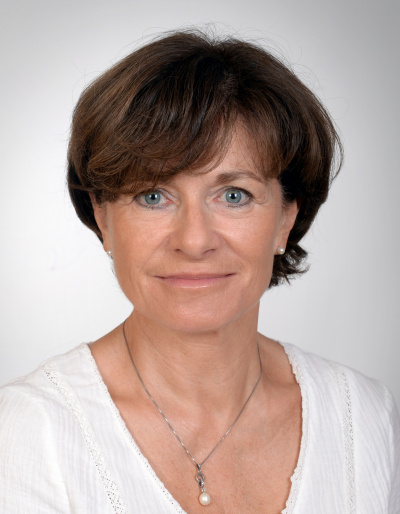
Marie-Luce Bochaton-Piallat is an Associate Professor at the University of Geneva, where she leads her independent research group focused on vascular biology and atherosclerosis mechanisms. Her laboratory investigates smooth muscle cell plasticity and inflammatory pathways in cardiovascular diseases using molecular, proteomic, and translational approaches. Research Focus: Her work centers on phenotypic transitions in vascular smooth muscle cells during atherosclerosis progression, metabolic reprogramming in plaques, and oxidative stress mechanisms. Key interests include S100A4 signaling, apelin pathways, and multi-omics integration for therapeutic target discovery. Student Advising: She currently mentors doctoral candidates and researchers including Anita Hiltbrunner, Pascal Azar, Soumaya Es Sarhdaoui, Yiming Xu, and Mukhayyirkhuja Abdurakhmonov. Publication Trends: Recent articles (2022-2025) demonstrate strong emphasis on smooth muscle cell biology, atherosclerosis pathophysiology, and novel therapeutic strategies. Her work integrates molecular techniques with clinical applications, reflecting collaborations with international cardiology organizations.
Swiss Federal Institute of Technology in LausanneSwitzerland
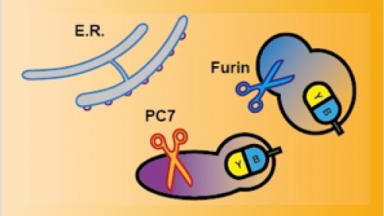
Prof. Daniel Constam is an Associate Professor at the École Polytechnique Fédérale de Lausanne (EPFL), leading the Constam Lab in the School of Life Sciences (SV) within the Institute of Bioengineering (ISREC). His research focuses on molecular mechanisms underlying cell growth, differentiation, and disease, particularly in cancer and polycystic kidney diseases. He holds roles in the EDMS-ENS, SSV-ENS, and ISREC departments, contributing to both education and doctoral programs. His lab investigates proprotein convertases, mRNA translation regulation, and cilia-related disorders. Notable achievements include elucidating Activin-A's role in tumor immunity and Bicc1's function in kidney cyst formation. Prof. Constam has advised over a dozen PhD students and published extensively in high-impact journals like Nature Communications and Cell Reports. His lab is located in Building SV 2837, Lausanne.
University of Applied Sciences and Arts Northwestern SwitzerlandSwitzerland
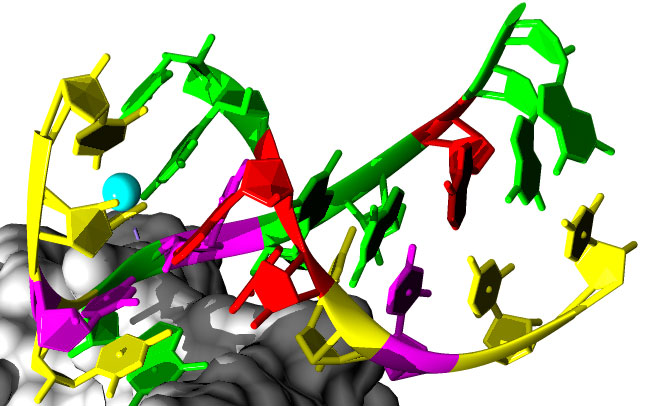
Prof. Dr. Dominik Meinel is a Professor and Team Leader in In Vitro Diagnostics & Molecular Bioanalytics at the Institute for Chemistry and Bioanalytics, part of the School of Life Sciences at FHNW University of Applied Sciences and Arts Northwestern Switzerland. His research focuses on in vitro diagnostics, biomarkers, immunology, and bioanalytics, with interdisciplinary work on environmental sustainability and biodiversity conservation. He actively participates in international collaborations, such as a 2023 visit to Indonesia's New Capital Nusantara (IKN) exploring sustainable urbanization and forest biodiversity. His expertise spans molecular mechanisms in transcription regulation, microbial pathogenesis, and zoonotic diseases, supported by over 15 peer-reviewed publications since 2012. Key projects include genomic analyses of bacterial pathogens and ecological restoration initiatives in tropical forests. Research Interests: Dominik Meinel’s work bridges clinical diagnostics and environmental science. Core areas include developing diagnostic tools for early disease detection, molecular bioanalytics in healthcare, and applying ecological principles to urban development. Recent projects highlight his commitment to biodiversity preservation through collaborative projects in Indonesia, involving reforestation and landscape logic frameworks for cultural-ecological cities. Recent Articles: Dominik’s publications span microbiology (e.g., Corynebacterium zoonoses), molecular mechanisms (RNA processing in yeast), and clinical diagnostics (Burkholderia contamination). His 2025 paper on Corynebacterium rouxii in wildlife underscores his focus on animal-human health interfaces. Earlier work on TREX transcription machinery and copper detoxification in yeast reflects his deep engagement with fundamental molecular biology. Labs & Teams: Leads the In Vitro Diagnostics and Molecular Bioanalytics team at FHNW, collaborating internationally on projects like the Indonesia urbanization initiative. His lab integrates clinical diagnostics with ecological research, emphasizing practical applications for healthcare and environmental sustainability.
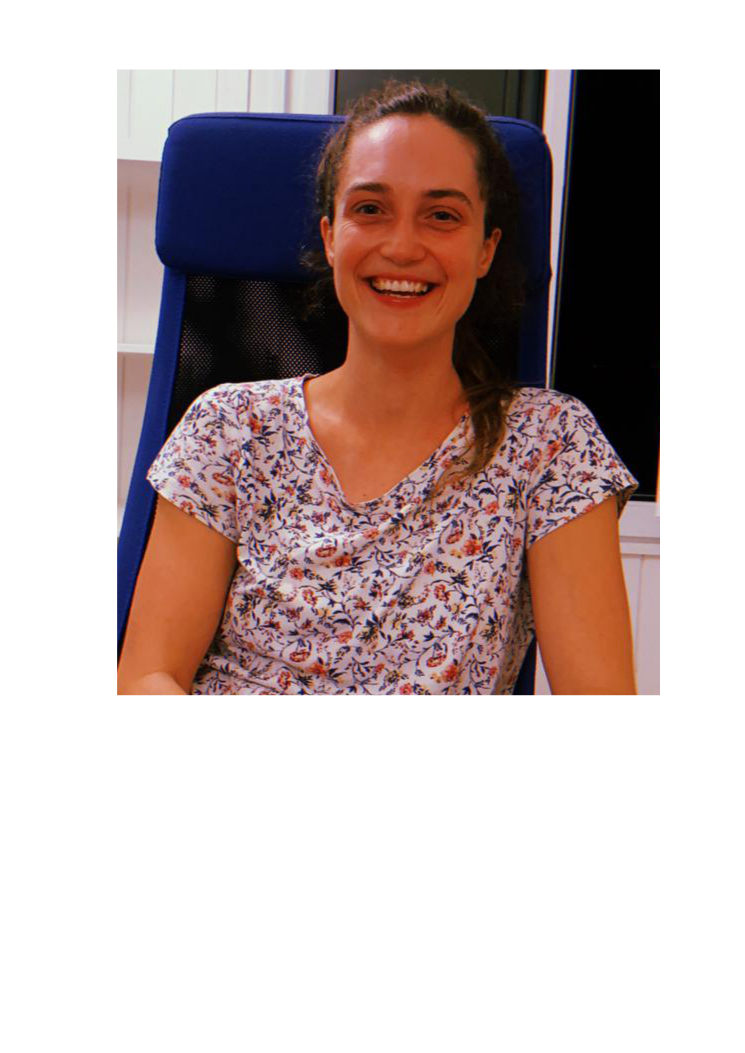
Katarzyna Makasewicz is a Researcher at the Institute of Chemical Biology (ICB) at ETH Zurich, Switzerland, working under Prof. Paolo Arosio. Her research focuses on understanding biomolecular interactions, particularly protein-membrane dynamics and phase separation processes. She holds a B.Sc. (2016) and M.Sc. (2017) in Nanotechnology from Lodz University of Technology, Poland, where she specialized in polymeric nanoparticle synthesis using ionizing radiation. During her M.Sc., she conducted a research internship at the University of Palermo, Sicily. She completed her Ph.D. in Physical Chemistry at Lund University (Sweden, 2018–2022), studying α-synuclein’s role in lipid membrane interactions, supervised by Prof. Emma Sparr and Prof. Sara Linse. Her postdoctoral work at ETH Zurich investigates rheological properties of protein droplets and aging processes in biomolecular condensates. Her research interests span biophysics, biochemistry, and nanotechnology, with a focus on protein aggregation mechanisms, membrane remodelling, and the functional implications of biomolecular condensates. Techniques employed include microfluidics, small-angle scattering, and fluorescence microscopy. She has contributed to understanding how environmental factors modulate protein behavior in cellular contexts, with implications for neurodegenerative diseases and material science. Notable projects include analyzing α-synuclein’s cooperative binding to lipid vesicles and the formation of multi-compartment condensates through aging processes. Her work bridges fundamental biophysical studies with applications in nanomedicine and disease modeling.
Magdalini Polymenidou is an Associate Professor of Biomedicine at the University of Zurich's Department of Quantitative Biomedicine. Her research focuses on understanding the molecular mechanisms underlying ALS and FTD, particularly the roles of RNA-binding proteins like TDP-43 and FUS in neurodegeneration. She leads a multidisciplinary team using techniques such as patient-derived neural networks, biochemical assays, and advanced imaging. Education: PhD in Molecular Biology/Neuroscience, University of Zurich (2006) BSc/MSc in Pharmaceutical Sciences, Aristotle University of Thessaloniki (2001) Research Interests: Polymenidou's lab explores protein aggregation, RNA misregulation, and cellular stress responses in neurodegenerative diseases. Key areas include TDP-43 oligomerization, FUS synaptic dysfunction, and dipeptide repeat protein toxicity. Her work integrates cellular models, patient-derived samples, and biochemistry to uncover disease mechanisms. Publications & Awards: Over 100+ peer-reviewed articles in Neuron , Nature , and EMBO Journal . Recognized with the EMBO Young Investigator Award (2018), Georg-Friedrich Götz Prize (2015), and Tambourine ALS Breakthrough Grant (2024). Grants & Labs: Funded by SNSF, ERC, and the Frick Foundation. The Polylab collaborates with institutions globally, including the Cleveland Lab (UCSD) and Aguzzi Lab (UZH). Ongoing projects include developing diagnostic tools (e.g., olfactory TDP-43 detection) and preclinical therapies targeting NPTX2 misregulation.
Lucas Pelkmans is a Full Professor at the Department of Molecular Life Sciences at the University of Zurich. He leads the Pelkmans Lab, a multi-disciplinary research group focused on understanding how biological scales are crossed from single molecules to tissues. His lab develops quantitative and scalable experimental approaches combined with computational and statistical methods to study fundamental biological questions. His research interests center on quantitative cell biology, systems biology, and the study of membrane-less organelles through phase separation. Pelkmans' work explores how cells process information across different scales, with particular focus on single-cell heterogeneity, cellular decision-making, and the principles governing biological organization. His lab actively encourages researchers to develop both wet-lab and dry-lab skills to tackle complex biological problems. The Pelkmans Lab has produced numerous high-impact publications, particularly in the areas of single-cell analysis, membrane-less organelles, quantitative imaging, and systems biology. Recent work demonstrates strong trends toward multimodal data integration, advanced computational approaches for analyzing cellular states, and understanding phase separation phenomena across biological scales. The lab's publications frequently appear in top-tier journals including Nature, Science, and Cell. Scientific Awards: ERC Advanced Grant (2020) EMBO member (2015) ERC Consolidator (2015) Ernst Hadorn Foundation-endowed Chair (2010) European Young Investigator Award (2005) ETH Medal (2003) Pelkmans actively mentors PhD students and postdoctoral fellows, with his lab comprising researchers from diverse backgrounds including physics, chemistry, computer science, and biology. His teaching includes courses on quantitative and molecular systems biology, and systems dynamics in cell and developmental biology. The lab has received significant grant support, including multiple ERC grants, enabling their innovative research on cellular organization and scale-crossing phenomena. The Pelkmans Lab maintains a highly collaborative environment that emphasizes both individual brilliance and team support. They have developed innovative technologies such as iterative indirect immunofluorescence imaging (4i) for multiplexed protein mapping, which has applications in precision medicine. The lab's work bridges fundamental biological questions with technological innovation, creating new approaches for studying cellular organization across multiple scales.
Dr. Elisa Dultz is a Lecturer at the Department of Biology, ETH Zürich , affiliated with the Institute for Biochemistry. Her research focuses on nuclear pore complex (NPC) biogenesis, chromatin dynamics, and intracellular transport mechanisms. Institution: ETH Zürich Department: Biology Contact: HPM E 14.2, Otto-Stern-Weg 3, 8093 Zürich, Switzerland Email: elisa.dultz@bc.biol.ethz.ch Research Interests Dr. Dultz investigates the structural and functional dynamics of nuclear pores, particularly their assembly and regulation in yeast and mammalian cells. Her work integrates advanced microscopy techniques like 3D localization and single-particle tracking to study chromatin organization and macromolecular diffusion. Publication Trends Her publications span from 2005 to 2025, with recent work emphasizing NPC modularity, membrane fusion mechanisms, and quantitative imaging approaches. She has developed methodologies for analyzing directed motion in cellular contexts and explored nutrient-stress responses affecting transport. Laboratory & Collaborations At ETH Zürich, she contributes to the Institute for Biochemistry’s research on nuclear structure and dynamics, utilizing interdisciplinary techniques bridging molecular biology and computational analysis.
Marc van Oostrum is a molecular neuroscientist and proteomics researcher at the Biozentrum , University of Basel. His work bridges molecular neuroscience , synaptic proteomics , and systems biology to unravel the protein networks governing synaptic function and neuronal circuits. Institution: University of Basel (Biozentrum) Academic Rank: Researcher Key Grants: SNSF Ambizione Fellowship Research Focus: Van Oostrum's group investigates how synaptic protein dynamics determine neuronal connectivity, circuit development, and disease mechanisms. Their approach combines mass spectrometry-based proteomics , fluorescence-activated sorting , and in vivo labeling of synaptic populations. Notably, they explore synaptic diversity in healthy brain function and its dysregulation in neurological disorders. Scientific Contributions: His recent publications address: Proteasome maturation factors' role in transcriptional stress responses Molecular diversity of synapses through spatial proteomics Tissue-specific protein interaction atlases for disease gene discovery Synaptic proteome changes in neurodegenerative disease models Awards & Recognition: Van Oostrum has received the Best Talk Prize (2025) at the Swiss Proteomics Meeting and holds a prestigious SNSF Ambizione Fellowship . Collaborative Network: He collaborates with leaders in proteomics and neuroscience, including Biozentrum colleagues , Erin Schuman , and international teams in synaptic and proteomic research.
Prof. Anne Spang is a Professor at the Biozentrum, University of Basel, where she leads a research group focused on understanding the fundamental mechanisms of intracellular organization. Her laboratory investigates molecular transport processes, RNA localization, and cellular responses to stress. Dr. Spang received her education at several prestigious institutions: Graduate student at the Max Planck Institute for Biochemistry, Genecenter, Martinsried, Germany (1992-1996) Studied Biochemistry at the University Pierre et Marie Curie, Paris VI, Paris, France (1990-1991) Studied Chemical Engineering at the University of Applied Science Darmstadt, Germany (1986-1990) Her research primarily focuses on the laws of organization in the cell, particularly molecular transport processes that ensure proper distribution of proteins and RNA molecules. Dr. Spang's work examines intracellular transport between the Golgi apparatus and the plasma membrane, endosome maturation, mRNA localization and stability, and cellular responses to various stress conditions. Her research has significant implications for developmental biology, stem cell research, and understanding cancer mechanisms related to cell polarity loss. Analysis of Dr. Spang's recent publications reveals a strong focus on endosomal maturation processes, protein folding mechanisms, and the cellular response to stress. Her work bridges fundamental cell biology with potential therapeutic applications, particularly in RNA-based therapies and understanding organelle communication. The research demonstrates sophisticated understanding of membrane trafficking, protein quality control systems, and the organization of cellular compartments. Dr. Spang has received numerous prestigious awards recognizing her contributions to cell biology, including the Lelio Orci Award (2025), election as a Fellow of the American Association for the Advancement of Sciences (2025), membership in the German National Academy of Sciences Leopoldina (2021), and the ASCB Fellow award (2020). As a dedicated researcher and mentor, Dr. Spang serves on editorial boards including Molecular Biology of the Cell and Traffic. Her laboratory actively collaborates with pharmaceutical companies like Roche and engages in cutting-edge research that bridges basic science with potential therapeutic applications, particularly in RNA-based therapies and understanding cellular responses to stress. The Spang Lab maintains active presence on social media platforms including Bluesky and Twitter, sharing their research findings and laboratory activities. The lab also participates in collaborative research initiatives such as the NCCR RNA & Disease, a Swiss National Center of Competence in Research focusing on RNA's role in disease mechanisms.