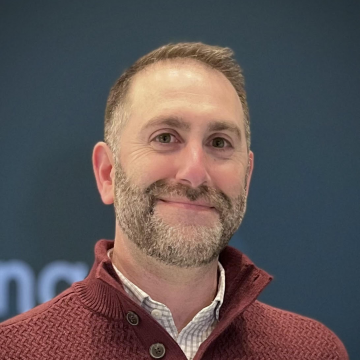
Eric Luth is Associate Professor of Biology and Neuroscience Coordinator at Simmons University, leading research on neuronal development, Parkinson's disease mechanisms, and neurotoxicology using C. elegans models. His laboratory employs molecular genetics, optogenetics, and behavioral analysis to investigate synapse formation and environmental impacts on neural function. Research examines cellular mechanisms of neurological diseases, particularly Parkinson's-related dopaminergic degeneration, and the neurotoxic effects of PFAS chemicals. Current projects include CRISPR-based investigation of spastin's neuroprotective functions and PFAS impacts on glutamate signaling. Pedagogical contributions include developing innovative course-based undergraduate research experiences integrating optogenetics and RNAi techniques. His teaching prioritizes student empowerment and scientific identity development. Awards recognize teaching innovations during pandemic disruptions and research excellence in neurobiology.
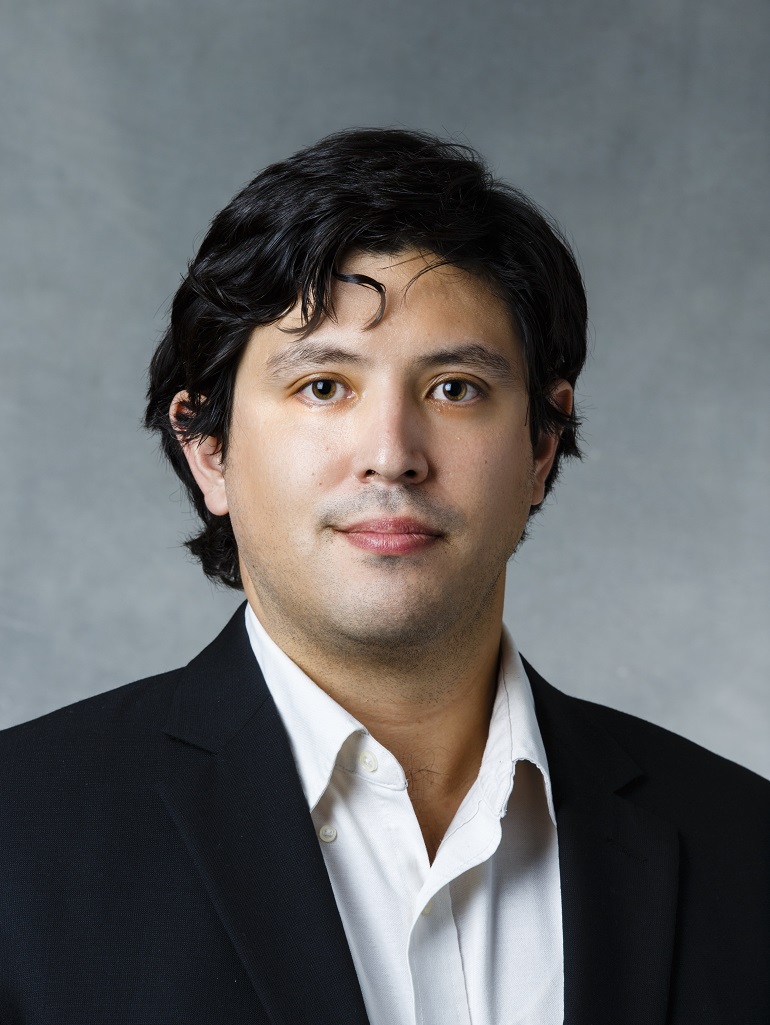
Jonathan D. Hommel, PhD, is an Associate Professor in the Department of Pharmacology & Toxicology at the University of Texas Medical Branch (UTMB) and serves as Associate Director of the Center for Addiction Sciences & Therapeutics. He holds a PhD in Integrative Biology (University of Texas Southwestern Medical Center, 2005) and a BS in Genetics (Texas A&M University, 2000). Dr. Hommel’s research focuses on neuropharmacological mechanisms underlying obesity, eating disorders, and addiction, particularly the role of neuromedin U (NMU) in regulating food addiction, reward pathways, and metabolic processes. His work employs techniques such as viral-mediated gene knockdown, immunohistochemistry, and animal models to study CNS circuits and develop pharmaceutical interventions. Key research interests include: (1) Neuromedin U’s modulation of neuronal activity in obesity-related behaviors and addiction; (2) Neurocircuitry linking hypothalamic metabolic centers to limbic reward systems; (3) Development of small-molecule therapeutics targeting NMU receptors and addiction pathways. He has secured NIH grants (e.g., R01DA053472, R01DK106229) and industry partnerships (e.g., Ridgeline Therapeutics) to advance translational research. His recent publications address cocaine’s impact on prefrontal cortex networks, opioid prescription adherence, and hypothalamic contributions to bone remodeling. Dr. Hommel leads projects on addiction neurocircuits, alcohol dependence, and obesity-linked diabetes therapies. He collaborates with teams in pharmacology, neuroscience, and translational medicine, emphasizing interdisciplinary approaches to address public health challenges in addiction and metabolic disorders. Dr. Hommel’s lab integrates basic science with clinical relevance, aiming to translate discoveries into treatments for eating disorders, substance use disorders, and related comorbidities. Ongoing work explores novel therapeutic targets in neuromedin U pathways and the neurobiological underpinnings of compulsive behaviors.
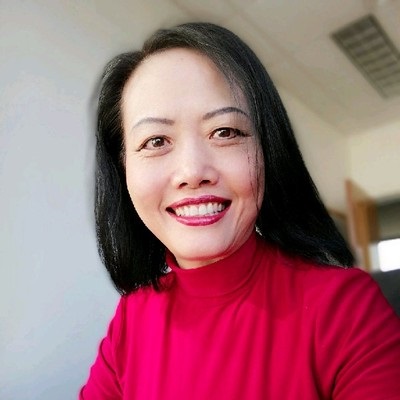
Alejandro Castellanos, PhD, is an Associate Professor in the Department of Internal Medicine at the University of Texas Medical Branch (UTMB), part of the Division of Infectious Disease. His research focuses on molecular parasitology, particularly developing novel vaccines, drugs, and diagnostics for intestinal infections such as Cryptosporidium. He holds a PhD in Biomedical Sciences from the National Autonomous University of Mexico and completed postdoctoral training at Baylor College of Medicine and UTMB. His work includes pioneering gene silencing techniques in Cryptosporidium and establishing in vitro models for drug testing. He collaborates with institutions like the University of Washington and Yale University on antiparasitic drug development. His grants include NIH and Bill & Melinda Gates Foundation funding. Education: B.S. Biology (2000, National Autonomous University of Mexico), M.S. Tropical Infectious Diseases (2002, University of Valencia, Spain), Ph.D. Biomedical Sciences (2005, National Autonomous University of Mexico), Postdoctoral training at Baylor College of Medicine (2007) and UTMB (2009). Research Interests: Gene silencing in parasites, multiplex diagnostics, intestinal stem cell models for Cryptosporidium infection, and antiparasitic drug discovery. His lab aims to identify druggable targets and improve point-of-care diagnostics for intestinal pathogens. Grants and Collaborations: NIH-funded projects on Cryptosporidium gene silencing, Gates Foundation grants. Collaborations include Wes Van Voorhis (University of Washington) and Karen Anderson (Yale University). Labs/Teams: Molecular Parasitology lab at UTMB, focusing on drug development and diagnostics for neglected tropical diseases.
Dr. James J. Collins is a Professor in the Department of Pharmacology at the University of Texas Southwestern Medical Center, where he leads the Collins Lab focused on schistosome biology and parasitology research. His work addresses fundamental biological questions about parasitic flatworms that cause schistosomiasis, a neglected tropical disease affecting over 200 million people worldwide. Dr. Collins received his BS in Biology from Southeast Missouri State University (2003) and PhD from Washington University in St. Louis (2008), followed by postdoctoral work with Phillip Newmark at the University of Illinois at Urbana-Champaign. His research program bridges basic science and translational applications, seeking to develop new therapeutic approaches against schistosomiasis. His research interests center on schistosome stem cells , parasite reproductive biology , and functional genomics approaches to identify novel therapeutic targets. Dr. Collins investigates how schistosomes maintain themselves in human hosts for decades, with particular focus on the tegument (surface structure), stem cell populations, and molecular mechanisms controlling sexual development. His lab employs cutting-edge techniques including single-cell RNA sequencing, CRISPR-based approaches, and large-scale RNAi screening to uncover vulnerabilities in these parasites. Analysis of Dr. Collins' publication record reveals a consistent focus on schistosome biology with increasing methodological sophistication over time. His recent work has pioneered single-cell transcriptomics of schistosomes, discovered novel pheromone signaling systems controlling parasite development, and identified potential new drug targets through large-scale functional genomics. Dr. Collins mentors a diverse team of researchers including postdoctoral fellows, graduate students, and research technicians. His lab collaborates extensively with other researchers working on neglected tropical diseases and maintains connections with the Schistosomiasis Resource Center to advance research in this field. The Collins Lab is actively working to understand the relationship between schistosome stem cells and the tegument, discover novel molecules that could serve as vaccine candidates, and explore pheromone-based control of schistosome sexual development as a potential therapeutic strategy. Their research has significant implications for developing new treatments against a disease that currently relies on a single drug (praziquantel) with concerns about emerging resistance.
Dr. Rueyling Lin is a Professor in the Department of Molecular Biology at UT Southwestern Medical Center. She earned her Ph.D. in Biochemistry under Drs. C. David Allis and Stephen Elledge at Baylor College of Medicine, followed by postdoctoral training with Dr. Jim Priess at the Fred Hutchinson Cancer Research Center. Research Interests: Her work focuses on the molecular mechanisms governing the oocyte-to-embryo transition and early cell fate specification in Caenorhabditis elegans , with emphasis on Wnt signaling, RNA-binding proteins, and transcriptional repression. She has contributed to understanding how maternal factors regulate embryonic development through translational control and protein interactions. Key Publications: 15 seminal studies spanning 2001–2017 on topics like maternal mRNA translation, TFEB pathway agonists, and Wnt/Notch signaling dynamics. Leadership Roles: After 16 years as a faculty member, she joined the Howard Hughes Medical Institute (HHMI) in 2019 as a Scientific Officer. In 2023, she returned to UT Southwestern as Associate Dean for Biomedical Research Recruitment & Advancement, leading recruitment for programs like CPRIT and STARS while coordinating award nominations and external funding.
Kenichi W. Okamoto is Assistant Professor of Biology and Data Analytics at University of St. Thomas's College of Arts and Sciences. His research integrates theoretical modeling and empirical data to investigate eco-evolutionary dynamics, with specific focus on evolutionary epidemiology and interspecific interference competition. Published works appear in journals including PLoS Computational Biology, Evolution, and Biological Journal of the Linnean Society. Dr. Okamoto teaches Foundations of Microbiology/Health and Evolution, incorporating laboratory components that develop practical skills in microbiological analysis and evolutionary theory. His pedagogical approach connects fundamental biological concepts with applications in health professions and advanced evolutionary studies.
Douglas Chalker is a Professor of Biology and Director of Undergraduate Studies at Washington University in St. Louis. His research focuses on the epigenetic mechanisms governing genome reorganization in Tetrahymena thermophila , a ciliated protozoan with a unique developmental process involving the elimination of ~15 megabases of germline DNA during nuclear differentiation. Research Interests: The Chalker Lab investigates how RNA interference (RNAi)-related pathways regulate chromatin modifications and DNA excision events in Tetrahymena . Key areas include RNA-mediated communication between parental and developing genomes, heterochromatin formation, and the selective recognition of DNA segments for elimination. These studies provide insights into fundamental mechanisms of chromosome structure and genetic stability in eukaryotes. Recent Publications highlight the lab's work on scan RNAs, chromatin domain proteins, and nuclear transport systems, spanning fields like Epigenetics , Genetics , and RNA Biology . The lab employs genetic, molecular, and cellular approaches to dissect the coordination of DNA rearrangements during somatic nucleus development. Education Initiatives: Professor Chalker has spearheaded programs to expand hands-on science education in K-12 classrooms using Tetrahymena as a teaching tool, emphasizing experimental design and genomic research methods. Contact: Email dchalker@wustl.edu or visit his lab at Washington University in St. Louis.
Dr. John Brubacher is an Assistant Professor in the Department of Biology at Canadian Mennonite University (CMU), where he has worked since 2008. His research focuses on the regenerative capabilities of planarians, a type of flatworm, to study cell behavior during development and healing. He also teaches courses like The Genetic Revolution , emphasizing historical experiments in genetics. Research Interests: Dr. Brubacher's work explores how planarians regenerate entire organisms from fragments, including collaborations with the Morgridge Institute for Research. His studies aim to understand cellular migration, differentiation, and organization in normal and injured worms, contributing to broader insights in regenerative biology. Scientific Awards: None explicitly mentioned in the text.
Roles & Affiliations Associate Professor Karyn Johnson is affiliated with the School of the Environment at the University of Queensland. Her academic rank is Associate Professor, focusing on invertebrate virology and host-pathogen interactions. Education While formal education details are not explicitly provided, her extensive publication history and academic rank suggest a PhD in Virology or Molecular Biology, likely from a top-tier institution. Research Interests Dr. Johnson’s work centers on understanding virus-insect interactions, particularly the role of Wolbachia bacteria in mediating antiviral protection. Her research employs Drosophila as a model to study host immune responses, viral pathogenesis, and symbiont-mediated immunity. Key themes include: Wolbachia’s role in blocking viral infections RNA silencing mechanisms in insects Evolutionary arms race between viruses and hosts Developmental resistance to viral infections Research Trends Recent publications highlight advancements in Wolbachia’s antiviral mechanisms, including cell-autonomous protection and temperature preference changes in infected insects. Studies also explore viral barriers in larval midguts and miRNA regulation of viral replication. Collaborations span virology, microbiology, and evolutionary biology. Grants & Advising No explicit grant details are provided, but her prolific publications suggest sustained research funding. Mentoring records are unspecified, though her collaborative work implies supervision of graduate students and postdoctoral researchers. Labs & Teams She leads a research group focused on insect virology and symbiont interactions. Collaborations include institutions like the University of Queensland’s School of Chemistry and Molecular Biosciences and international partners in microbiology and entomology.
Dr. Roberto Donini is a Researcher at Imperial College London, affiliated with the Department of Life Sciences under the Faculty of Natural Sciences. His research focuses on biochemistry, cell biology, medicinal chemistry, and structural biology, with a special emphasis on glycoengineering and biopharmaceutical development. Education: PhD in Life Sciences, Imperial College London (2019–2024) MRes Molecular and Cellular Biosciences, Imperial College London (2018–2019) BSc Biochemistry, Imperial College London (2015–2018) Research interests include optimizing glycosylation pathways in CHO cells, leveraging mass spectrometry, and advancing biopharmaceuticals through enzyme cascades and systems biology approaches. His work bridges industrial biotechnology and structural modeling, addressing challenges in protein engineering and drug development. Publications highlight innovations in CHO cell glycoengineering, RNA interference applications, and the development of comprehensive glycosylation networks (e.g., CHOGlycoNET). His articles reflect a focus on practical biotechnological solutions for improving antibody and biologic therapeutics. No scientific awards are explicitly mentioned. His research is supported by Imperial College London’s Department of Life Sciences, based at the Sir Ernst Chain Building, South Kensington Campus.
Jonathan Hall is a Full Professor at the Department of Chemistry and Applied Biosciences at ETH Zürich, where he has been since March 2007. His research focuses on pharmaceutical chemistry, RNA biology, and non-coding RNAs, with significant contributions to siRNA therapeutics and drug discovery. Education Ph.D. in Organic Chemistry, Imperial College of Science and Technology, London (1988) Post-doctoral studies with Nobel Laureate Prof. J.-M. Lehn (Université Louis Pasteur, Royal Society Fellowship) and Prof. Y. Kishi at Harvard University Research interests include RNA interference (RNAi) applications, genome-wide siRNA screens, and microarray development for microRNA expression profiling. His work has led to early publications and patents on siRNA therapeutics in pain models. Scientific Awards : Novartis Leading Scientist award (2003)
Cedric Feschotte is the Barbara McClintock Professor of Molecular Biology and Genetics at Cornell University, where he also leads Diversity and Inclusion initiatives in his department. He is affiliated with the College of Agriculture and Life Sciences (CALS) and is a member of the Graduate Fields of Genetics, Genomics and Development, and Biochemistry, Molecular and Cell Biology. His research focuses on mobile genetic elements, such as transposons and endogenous viruses, in vertebrate genomes, including humans. His lab employs integrative approaches combining functional genomics, biochemistry, and genetics to study these elements' roles in evolution, physiology, and disease. Recent work includes investigating transposable elements' impact on innate immunity, development, and genome architecture. Dr. Feschotte teaches courses in critical thinking in genetics and undergraduate research. He is the director of the Feschotte Lab, which has contributed to interdisciplinary collaborations, such as seed grants fostering research on disease-related topics. His research spans diverse systems, including zebrafish and human models, and addresses fundamental questions about transposon propagation and their co-option into host functions. Notable contributions include studies on HIV resistance mechanisms and the evolutionary origins of innate immune proteins from viral elements.
Dr. Saima Shahid is a Lecturer at the University of Sheffield’s School of Biosciences and an Adjunct Assistant Professor at Oklahoma State University. Her research focuses on interspecies RNA communication, epigenetic regulation, and transposable elements in parasitic plant interactions. She holds a PhD from The Pennsylvania State University (2017) and has held postdoctoral positions at the Donald Danforth Plant Science Center and Ohio State University. Her work explores how mobile small RNAs influence host-parasite interactions, with implications for crop resistance. Research Interests: Mobile small RNAs in plant-plant communication Epigenetic memory in parasitic plants Transposable element dynamics in host-parasite systems RNA-based solutions for crop parasite resistance Education: PhD, The Pennsylvania State University (2017) MSc, Biochemistry and Molecular Biology, University of Dhaka (2009) BSc, Biochemistry and Molecular Biology, University of Dhaka (2008) Laboratory and Collaborations: Shahid Lab at the University of Sheffield, affiliated with the Plants, Photosynthesis and Soil Cluster and the Sheffield Institute for Nucleic Acids. Collaborates with institutions like Penn State and University of Virginia on parasitic plant research.
Dr Felipe Fenselau de Felippes holds the position of Senior Research Associate within QUT's School of Biology & Environmental Science, part of the Faculty of Science. He completed his PhD at the Max Planck Institute for Developmental Biology (Germany) and postdoctoral research at ETH Zurich (Switzerland). His career has focused on RNA interference mechanisms in plants, particularly their roles in development, viral defense, and abiotic stress responses. Research interests include gene regulation via small RNAs, plant biotechnology applications, and genomic approaches to studying plant responses. He teaches BVB317 - Principles of Genomics and Biotechnology. Key contributions include work on transgene expression optimization using terminator elements and multi-omic analysis of Nicotiana benthamiana. Publications span plant stress responses, viral resistance mechanisms, and foundational studies in RNA silencing pathways. His work has been published in New Phytologist , Nature Plants , and Plant Journal . Current research emphasizes drought response strategies and translational plant biotechnology solutions.
Yen-Wen Kuo is Assistant Professor of Plant Pathology at UC Davis, focusing on plant virology and RNA interference mechanisms. Her research investigates viral pathogenesis in agricultural systems, particularly vector-mediated transmission and host immune responses. The Kuo Lab employs molecular techniques to develop innovative disease control strategies for economically significant crops. Research emphasizes Liberibacter-psyllid interactions and RNAi-based viral resistance. Current projects examine viral RNA structures facilitating infection persistence and artificial miRNA applications in crop protection. Collaborative field studies address emerging plant diseases across California agricultural systems.