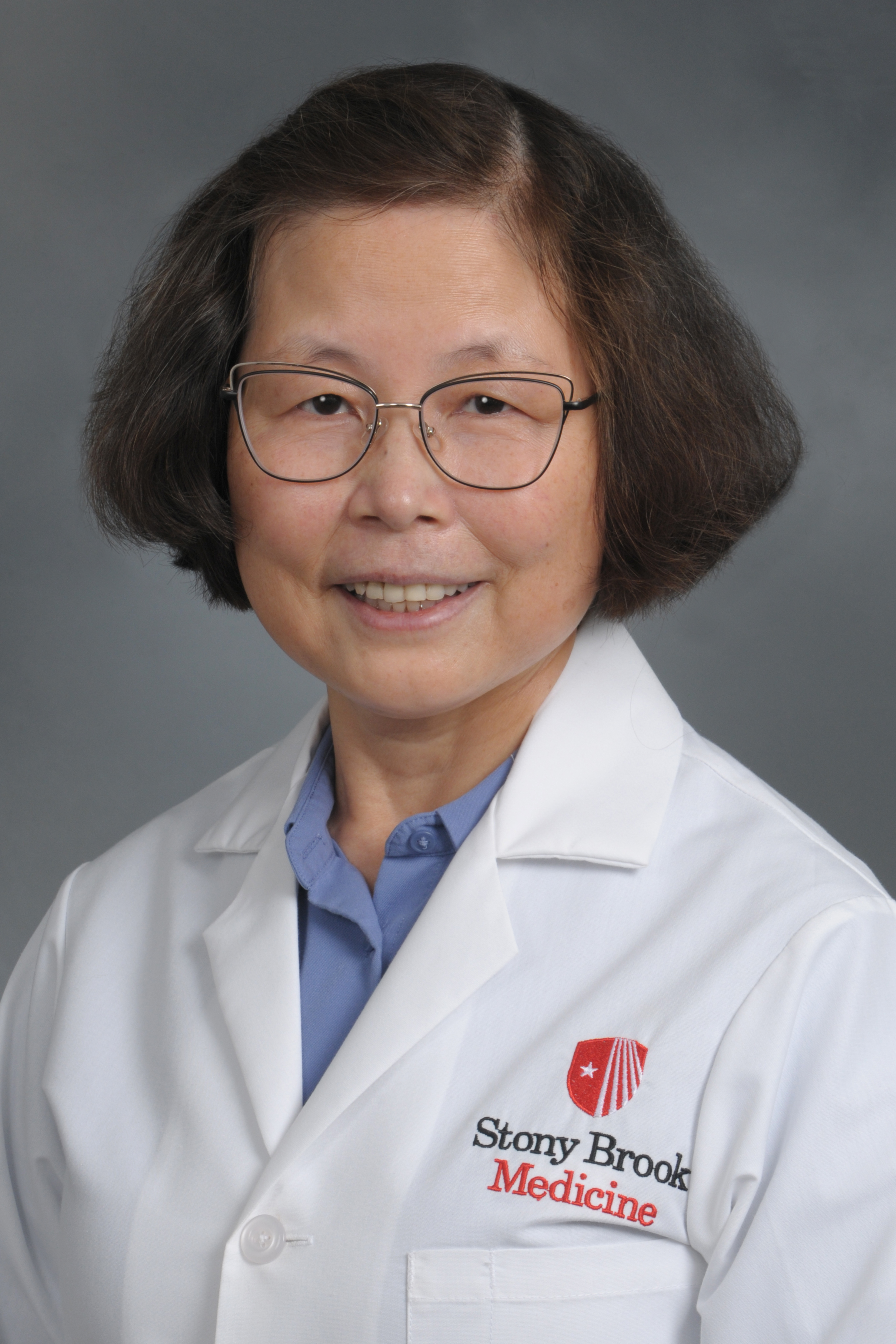
Zhishan Wang, MD, PhD is a Research Professor in the Department of Pathology at Stony Brook University's Renaissance School of Medicine . His work focuses on environmental carcinogenesis , particularly mechanisms of cancer biology and cancer therapy , with a specialization in metal-induced carcinogenicity. Research Interests: Environmental Carcinogenesis Epigenetic and Epitranscriptomic Mechanisms Tumor Microenvironment Remodeling Metal Toxicity Pathobiology Non-Coding RNA Regulatory Networks Scientific Contributions: Analysis of 15 recent publications reveals expertise in: Metal-Induced Oncogenic Pathways (e.g., NF-κB activation, Hedgehog signaling) RNA Modification Dynamics (m6A, lncRNA-splicing interactions) Stem Cell Plasticity in Carcinogenesis Multi-Carcinogen Synergy Mechanisms Epigenetic-Genotoxic Interplay Transcriptomic Reprogramming by Toxicants
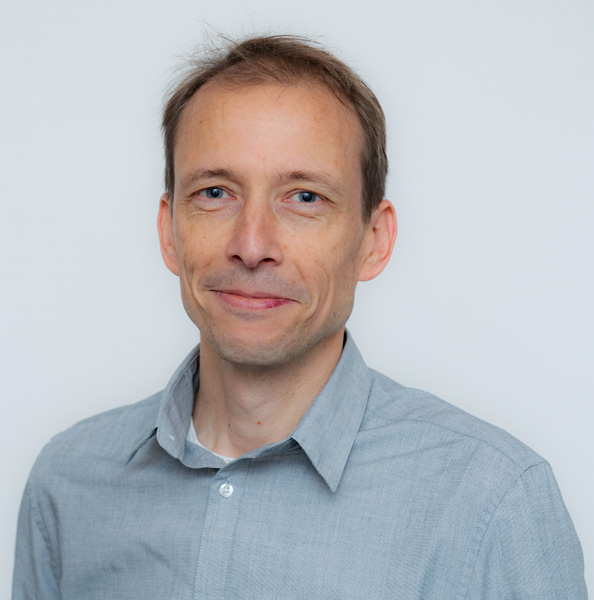
Aaron Hawkins is a Professor of Electrical and Computer Engineering at Brigham Young University, where he directs the university cleanroom and co-directs the IMMERSE undergraduate research program. An IEEE and OSA Fellow, his optofluidic innovations enable precise biomarker detection through integrated photonic systems. Research breakthroughs include: Nanopore-optofluidic platforms for viral RNA quantification High-sensitivity waveguide spectrometers Multi-mode interference biosensors Honored with the 2019 Photonics Society Engineering Achievement Award, he has authored 400+ publications and co-edited the Optofluidics Handbook. His cleanroom advancements support campus-wide nanofabrication initiatives.
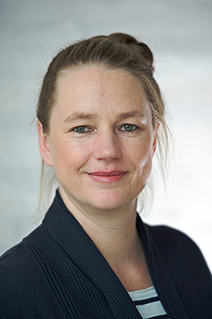
Pia Lindberg is a Senior Lecturer/Associate Professor at the Department of Chemistry - Ångström Laboratory, specializing in Molecular Biomimetics and Microbial Chemistry at Uppsala University. She leads a research group focused on engineering photosynthetic microorganisms, particularly cyanobacteria, for carbon-neutral production of chemicals and fuels. Her research interests include: Synthetic biology approaches to cyanobacterial engineering Metabolic engineering for biofuel production Terpenoid biosynthesis in photosynthetic organisms Carbon-neutral chemical production from CO 2 Photosynthetic microbial cell factories Dr. Lindberg's publication record shows a consistent evolution from fundamental cyanobacterial metabolism studies toward applied biotechnology for sustainable production. Her recent work (2023-2025) has expanded into phenylpropanoid production, biofilm applications, and regulatory component engineering with significant industrial relevance as evidenced by patent citations. Her scientific contributions have been widely recognized through citations in policy documents, patents, and international research collaborations including the PHOTOFUEL Consortium focused on solar fuel production. Dr. Lindberg is actively involved in teaching undergraduate courses in biology, chemistry, and biochemistry at Uppsala University, integrating her research expertise into the classroom curriculum.
Professor Ronald van Rij holds the position of Professor of Experimental Virology and Head of the Laboratory of Experimental Virology at Radboud University Medical Center in Nijmegen, Netherlands. He also serves as a Guest Professor at the University of Pavia, Italy. His research focuses on antiviral mechanisms in insects, particularly the roles of RNA interference (RNAi) and piRNA pathways in Drosophila melanogaster and Aedes aegypti mosquitoes. He has pioneered studies on viral defense in insects and vector competence, with translational work on antiviral compounds against pathogens like Zika and SARS-CoV-2 through the international 'COVID Moonshot' project. Education includes a PhD from the University of Amsterdam (2002) and postdoctoral fellowships at UCSF (USA) and the Hubrecht Institute (Netherlands). He has received prestigious grants such as ERC Consolidator and VICI awards, and was honored as Lecturer of the Year (2019) and PhD Supervisor of the Year (2017). Awards: ERC Proof of Concept Grant (2020), NWO VICI (2017), ERC Consolidator (2014), NWO VIDI (2008), EMBO Fellowship (2002). Teaching: Coordinates courses on virology, non-coding RNA, and innate immunity at Radboud University. Labs: Manages a BSL-3 facility for studying vector-borne pathogens in mosquitoes. His work bridges basic science and translational medicine, with emphasis on small RNA pathways and arbovirus control.
Zhipeng Lu is currently an Associate Professor of Pharmacology and Pharmaceutical Sciences at the University of Southern California (USC) School of Pharmacy. His research focuses on understanding RNA molecules and their structural complexity as a second layer of genetic instructions beyond protein encoding. He directs the Lu Lab at USC, which develops and applies novel technologies to investigate RNA structures, interactions, chemical modifications, and functions in cellular processes and animal development. Dr. Lu's research interests center on "RNA machines" in living cells, with particular emphasis on how RNA molecules fold into structures and form intermolecular interactions to execute genetic instructions. His work spans multiple dimensions of RNA biology, including RNA structure-function relationships, RNA-protein interactions, RNA modifications, and the role of RNA in human diseases such as genetic disorders and viral infections. The lab combines computational, chemical, and biological approaches to elucidate fundamental mechanisms of RNA machines, with the ultimate goal of developing new understanding and therapies targeting human diseases. Analysis of Dr. Lu's publication history reveals a strong trajectory in RNA structure and interaction mapping technologies. His work has evolved from foundational studies on RNA processing and modification to developing innovative high-throughput methods like PARIS and RISE for analyzing RNA interactomes. Recent publications focus on specific RNA systems like XIST and snoRNAs, demonstrating how his lab has moved from method development to applying these tools to solve longstanding biological questions in epigenetics and RNA therapeutics. Dr. Lu has received numerous prestigious awards recognizing his contributions to RNA research: NHGRI K99/R00 NIH Pathway to Independence Award (2017-2022) RNA Society Scaringe Award (2017) Stanford University Jump Start Award for Excellence in Research (2016-2017) Damon Runyon-Sohn Fellowship (2015-2017) His research is supported by multiple funding sources from organizations including the National Institutes of Health and other foundations. The Lu Lab is actively recruiting PhD students and postdoctoral researchers to work on several cutting-edge directions including RNA structures, interaction networks, RNA modification mechanisms, and their roles in development and disease. The lab integrates biological, chemical, and computational approaches to advance RNA biology and push forward RNA medicine. The Lu Lab at USC is a dynamic research environment focused on "RNA machines" with recent highlights including solving aspects of the orphan snoRNA problem and discovering snoRNAs that control eMet tRNA activity. The lab's vision emphasizes creative exploration of RNA biology, with researchers encouraged to pursue innovative ideas much like "wild animals running in the African savannah." Current research directions include analysis of RNA structures, interaction networks, RNA modification mechanisms, and their roles in development and disease, with applications to genetic disorders, cancers, and viral infections.
Silvia Rondon is a Professor and Director of the Integrated Pest Management Center at Oregon State University (OSU), affiliated with the College of Agriculture and Department of Crop & Soil Science. She moved to OSU's Corvallis campus in September 2022 after extensive work in eastern Oregon. Education: PhD in Crop Sciences (2002), MS in Entomology (1999), BA in Biology/Zoology (1993) from Universidad Nacional Agraria La Molina (Peru) and University of Illinois. Research Focus: Ecological-based Integrated Pest Management for irrigated crops (potatoes, onions, corn, wheat) emphasizing insect ecology, biological/chemical control, and pest population dynamics. Her publications span potato psyllid management, zebra chip disease, wireworm genomics, and landscape-driven pest movement. Key awards include the Erasmus Teaching Award, Pacific Branch ESA Excellence in Extension, and multiple NACAA/OSU honors. She leads extension programs through on-farm demonstrations and train-the-trainer workshops, while mentoring graduate students in IPM research.
Prof. Dr. Michael Sattler is a Full Professor of Biomolecular NMR at the Technical University of Munich (TUM) and Director of the Institute of Structural Biology at Helmholtz Zentrum München. He leads the Molecular Targets & Therapeutics Center and directs the Bavarian NMR Center. His research focuses on integrative structural biology, elucidating molecular mechanisms of biological pathways through advanced NMR techniques combined with cryo-EM, SAXS, and crystallography. Key areas include RNA regulation (alternative splicing, non-coding RNAs), disease mechanisms (e.g., spinal muscular atrophy), and structure-based drug discovery for cancer and infectious diseases. Education & Career PhD in Chemistry (1995) from Goethe University Frankfurt Postdoc at Abbott Laboratories (Chicago) and EMBL Heidelberg (Group Leader, 1997–2007) Full Professor at TUM since 2007 Director roles at Helmholtz Munich and Bavarian NMR Center since 2007 Research Highlights Prof. Sattler's work has revealed structural insights into RNA:protein interactions (e.g., SF1-RNA, U2AF), SMN Tudor domain recognition, and drug discovery strategies targeting Hsp90 and viral proteases. His lab pioneered integrative structural biology approaches and established high-end NMR facilities like the 1.2 GHz spectrometer. Awards & Recognition ERC Synergy Grant (2023) Leopoldina Membership (2017) EMBO Membership (2012) Erwin Schrödinger Prize (2020) Teaching & Leadership He teaches advanced courses in NMR spectroscopy, biochemistry, and structural biology at TUM. Leads EU Horizon-funded training networks (AEGIS, RNAct) and organizes international conferences on NMR and drug discovery.
Lars Aagaard is an Associate Professor at the Department of Biomedicine - Research and Education, Aarhus University, Denmark. He is based at the Bartholin Building in Aarhus C and is actively engaged in research and teaching in the fields of gene therapy, RNA interference, and genome editing. His work focuses on developing viral vectors, particularly AAV and lentiviral vectors, for ocular gene therapy targeting retinal diseases such as age-related macular degeneration and diabetic retinopathy. His research interests include the development of Dicer-independent RNAi systems, combinatorial gene therapy using microRNA and CRISPR/Cas9, and the delivery of RNA- and protein-based therapeutics. He also teaches Genetics and Personalized Medicine and supervises postdoctoral researchers, PhD, master's, and undergraduate students. The recent publications (2022–2024) reflect a strong trend in RNAi therapeutics, viral vector engineering, and translational applications in ocular and systemic diseases. Themes include gene silencing, immune modulation, and regenerative approaches using engineered cells. Aagaard actively contributes to the scientific community as a reviewer for journals such as Nature and Molecular Therapy . He has participated in key international conferences including ARVO, ASGCT, and ESGCT, demonstrating ongoing engagement with the global gene therapy community. Supervision of postdocs, PhD, master’s, and undergraduate students Active participation in international conferences and workshops Collaborative research across institutions, including Universidade Federal de Sao Paulo He is involved in both basic and translational research, with potential for clinical applications in gene and cell therapy.
Enric Esplugues is a Research Scientist in the Department of Immunobiology at Yale School of Medicine. He previously held an Assistant Professor position at the Icahn School of Medicine at Mount Sinai and was an Associate Research Scientist at Yale. His research focuses on immunological mechanisms in autoimmune diseases, metabolic inflammation, and cancer immunity. PhD, University of Barcelona (2003) Postdoctoral Training, Yale School of Medicine (2005–2008) Dr. Esplugues' research spans immunology and metabolism, with a focus on T cell biology, particularly TH17 and regulatory T cells, and their roles in autoimmunity, atherosclerosis, and cancer. His work investigates how immune cells interact with metabolic pathways in diseases like obesity-induced hepatocellular carcinoma and hypercholesterolemia-driven vascular remodeling. He also studies viral immune evasion mechanisms, including SARS-CoV-2. His recent publications (2023–2025) emphasize the interplay between lipid metabolism and immune responses, particularly in vascular and tumor microenvironments. Key themes include LXR signaling in smooth muscle cells, ferroptosis in cancer, and endothelial triglyceride metabolism. Earlier work (2017–2020) centered on TH17 cell plasticity, tissue-resident memory T cells, and microbiota-immune interactions in cancer and autoimmunity. Notable scientific awards include: CCFA Senior Award (2014) Ramon Margalef Award (2005) Dr. Esplugues has collaborated extensively with researchers such as Carlos Fernández-Hernando, Yajaira Suárez, and Richard Flavell. While no formal students are listed, his role as a research scientist and former assistant professor implies mentorship of trainees. He leads a research laboratory at Yale, focusing on immune-metabolic interactions in disease.
Melanie Kalischuk is an Assistant Professor in the Department of Plant Agriculture at the University of Guelph, Ontario Agricultural College. She holds a B.Sc. in Biological Sciences from the University of Lethbridge, an M.Sc. in Forest Biology from the University of Alberta, and a Ph.D. in Biomolecular Science from the University of Lethbridge. Her research focuses on biotic and abiotic interactions impacting specialty crops such as wine grapes, berries, hazelnuts, ginseng, hops, and high-value vegetables. Key areas include early detection of plant pathogens, developing strategies to enhance crop resilience under environmental stress, and translating research into industry solutions through interdisciplinary collaboration. Her work leverages advanced tools like UAV-assisted multispectral imaging and molecular assays for rapid disease detection. She is affiliated with the Edmund C. Bovey Building and the Ontario Crops Research Centre – Simcoe. Dr. Kalischuk’s contributions span plant pathology, agricultural biotechnology, and crop improvement, with publications addressing fungal pathogens, RNA interference applications, and virus resistance mechanisms. No scientific awards are explicitly listed in her profile. Her research narrative emphasizes practical applications in crop protection, including whitefly-transmitted virus resistance and disease management in cucurbitaceae. While no advising or grant details are provided in the text, her lab focuses on innovation in diagnostics and sustainable agricultural practices.
Prof. Heike Krebber is a Professor for Molecular Genetics at Georg-August University Göttingen, Germany. Her research focuses on mRNA quality control and non-coding RNA functions, using the model organism Saccharomyces cerevisiae. She has held positions at the DKFZ (Heidelberg), Harvard Medical School, and Philipps-Universität Marburg. Her work addresses how mRNA processing defects contribute to diseases like cancer and neurodegeneration. Education & Positions: PhD (1996), Deutsches Krebsforschungszentrum Heisenberg Fellow (2006) Habilitation in Molecular Biology (2005) Professor since 2010 at Georg-August University Research Interests: Her lab investigates: RNA quality control mechanisms ensuring proper mRNA maturation and export Functions of non-coding RNAs (e.g., lncRNAs in iron metabolism and telomerase) Ribosome assembly and translation termination pathways Stress-induced bypass of mRNA quality control Awards: Heisenberg Fellowship (2006) Grants & Teams: Leads the Molecular Genetics group at the Institute for Microbiology and Genetics. Collaborates with the IMPRS Molecular Biology and GZMB (Molecular Biology of Cells) programs. Labs & Affiliations: Her group is part of the GGNB network, focusing on Microbiology and Biochemistry. The lab’s work spans fundamental molecular mechanisms with translational disease relevance.
Cameron A. Myhrvold is an Assistant Professor of Molecular Biology at Princeton University, leading the Myhrvold Lab. His research focuses on CRISPR-based technologies to study viral and host RNA, with applications in detecting and combating RNA viruses like SARS-CoV-2. He specializes in developing Cas13-based tools for multiplexed nucleic acid detection, host-pathogen interaction analysis, and RNA perturbation. Education: A.B. in Molecular Biology from Princeton University (undergraduate), Ph.D. in Systems Biology from Harvard University. His postdoctoral work at Harvard involved pioneering CRISPR-Cas13 technologies, leading to innovations like CARMEN, CARVER, and SHINE. Research interests include: CRISPR-based RNA editing, quantitative nucleic acid detection, systems biology of viral infections, and translating technologies for global health. His lab emphasizes deploying diagnostics in resource-limited settings and studying viral dynamics across diverse tissues and infection conditions. Notable achievements: Named NEBEC Emerging Young Investigator. His work has advanced field-deployable viral diagnostics and multiplexed RNA analysis tools. Collaborates with institutions like the Broad Institute and the CDC on pandemic response initiatives. Current projects include developing quantitative CARMEN variants for gene expression analysis, high-throughput screening of Cas13-virus interactions, and applying CRISPR tools to study influenza and SARS-CoV-2 in animal models.
Matthew Ronshaugen is a Senior Lecturer in the Division of Developmental Biology & Medicine (L5) at the Faculty of Life Sciences, University of Manchester. He has held academic positions since 2007 as a Manchester Fellow, followed by Lecturer (2012-2017), and Senior Lecturer since 2017. 1991-1995: Bachelor of Arts in Philosophy and Linguistics, University of Nevada, Las Vegas 1995-1997: Master of Science in Systematics, University of Nevada, Las Vegas 1997-2002: Doctor of Philosophy in Cell and Molecular Biology, University of California, San Diego 2003-2007: Ruth L. Kirschstein NIH Postdoctoral Fellow at University of California, Berkeley His research focuses on non-coding RNAs (ncRNAs), particularly their roles in gene expression and developmental differentiation. His lab investigates how ncRNA evolution contributes to metazoan body plan diversification, centering on the Hox complex—a conserved genomic region rich in ncRNAs. He uses tiling microarrays and fluorescent in situ hybridization to analyze ncRNA dynamics in Drosophila, Tribolium, and Parhyale. Recent publications highlight his work on miRNA functions in embryonic development, aging-related changes in myeloid cells, and comparative transcriptomics across arthropods. His team employs genetics tools to dissect ncRNA roles in transcriptional regulation, epigenetic control, and silencing mechanisms. Scientific Awards: Ruth L. Kirschstein NIH Postdoctoral Fellow Manchester Fellow He supervises research on developmental transcriptomes and contributes to datasets on piRNA expression and Hox complex analysis. Collaborations span immunology, genomics, and evolutionary development, with outputs cited in fields like RNA interference, transgenics, and wound healing.
Professor Adele Murrell is a Professor of Epigenetics in the Department of Life Sciences at the University of Bath's Faculty of Science. She serves as Co-Director of the Centre for Therapeutic Innovation and is affiliated with both the Centre for Mathematical Biology and the Centre for Bioengineering & Biomedical Technologies (CBio). She is currently accepting doctoral students and maintains an active research program with multiple ongoing projects. Her research focuses on understanding how cells establish and maintain their specific identities through epigenetic mechanisms. Her work centers on epigenetic barriers and cell identity, genomic imprinting as a model epigenetic system, long-range epigenetic silencing in cancer, and epigenetic reprogramming during metastasis. She investigates how higher-order chromatin structure and epigenetic modifications shape the genome within the nucleus to constitute cell identity and provide memory of developmental origins. Her current work examines colon cancer and liver metastasis, focusing on changes in DNA methylation and its demethylation intermediates such as 5-hydroxymethylcytosine. Analysis of Professor Murrell's recent publications reveals a strong focus on DNA hydroxymethylation patterns in cancer progression, particularly in colorectal cancer metastasis. Her work bridges molecular epigenetics with clinical applications, exploring how epigenetic changes during metastasis could be targeted to prevent cancer spread. She has developed novel techniques for detecting epigenetic modifications and has made significant contributions to understanding allele-specific chromatin domains and genomic imprinting mechanisms. Professor Murrell leads multiple research projects including 'Two stages of genome wide 5-hydroxymethylcytosine (5hmC) reprogramming during colorectal carcinogenesis and liver metastasis' funded by the MRC until February 2024, and 'Modelling the fits and starts of how genes burst into expression' funded by The Leverhulme Trust until June 2024. She was also a Co-Investigator on the 'Multi User High-Content Confocal Microscope' project funded by the Biotechnology and Biological Sciences Research Council. Her laboratory work connects with UN Sustainable Development Goals, particularly those related to health and well-being. Her fingerprint analysis shows strong activity in Epigenetics (100%), DNA Methylation (94%), Allele research (73%), Methylation studies (69%), Genomic Imprinting (60%), CTCF research (56%), Promoter Region analysis (44%), and Differentially Methylated Regions (34%).
Ulrike Kutay is a Full Professor of Biochemistry at ETH Zurich, Switzerland, with a research focus on nuclear biology and dynamics. Her work investigates nuclear envelope structure/function, ribosome biogenesis, and nucleo-cytoplasmic transport. Diploma in Biochemistry (Free University Berlin, 1992) PhD in Natural Sciences (Humboldt University Berlin, 1996) Research interests center on nuclear compartmentalization, including mitotic nuclear envelope breakdown and reassembly, ribosome assembly pathways, and the molecular mechanisms governing nuclear transport. Her lab explores how nuclear dysfunction contributes to diseases like ribosomopathies and cancer. Recent publications highlight her work on SUN/KASH proteins in nuclear envelope dynamics, ribosome biogenesis steps, and nuclear pore complex regulation. Collaborations with groups like the Spahn lab in Berlin underscore her interdisciplinary approach. EMBO Member (2010) Leopoldina Member (2012) ERC Advanced Grant (2012) As a mentor, she has supervised PhD students including Chiara and Roja. She actively participates in editorial boards, grant review panels (e.g., ERC, DFG), and institutional leadership roles at ETH Zurich and the Biochemistry Center Heidelberg. The Kutay Group at ETH Zurich combines proteomics, functional analyses, and structural studies to unravel nuclear processes, fostering a collaborative environment with recent achievements in mitotic nuclear disassembly and ribosome maturation research.