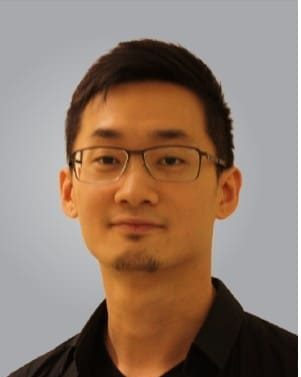
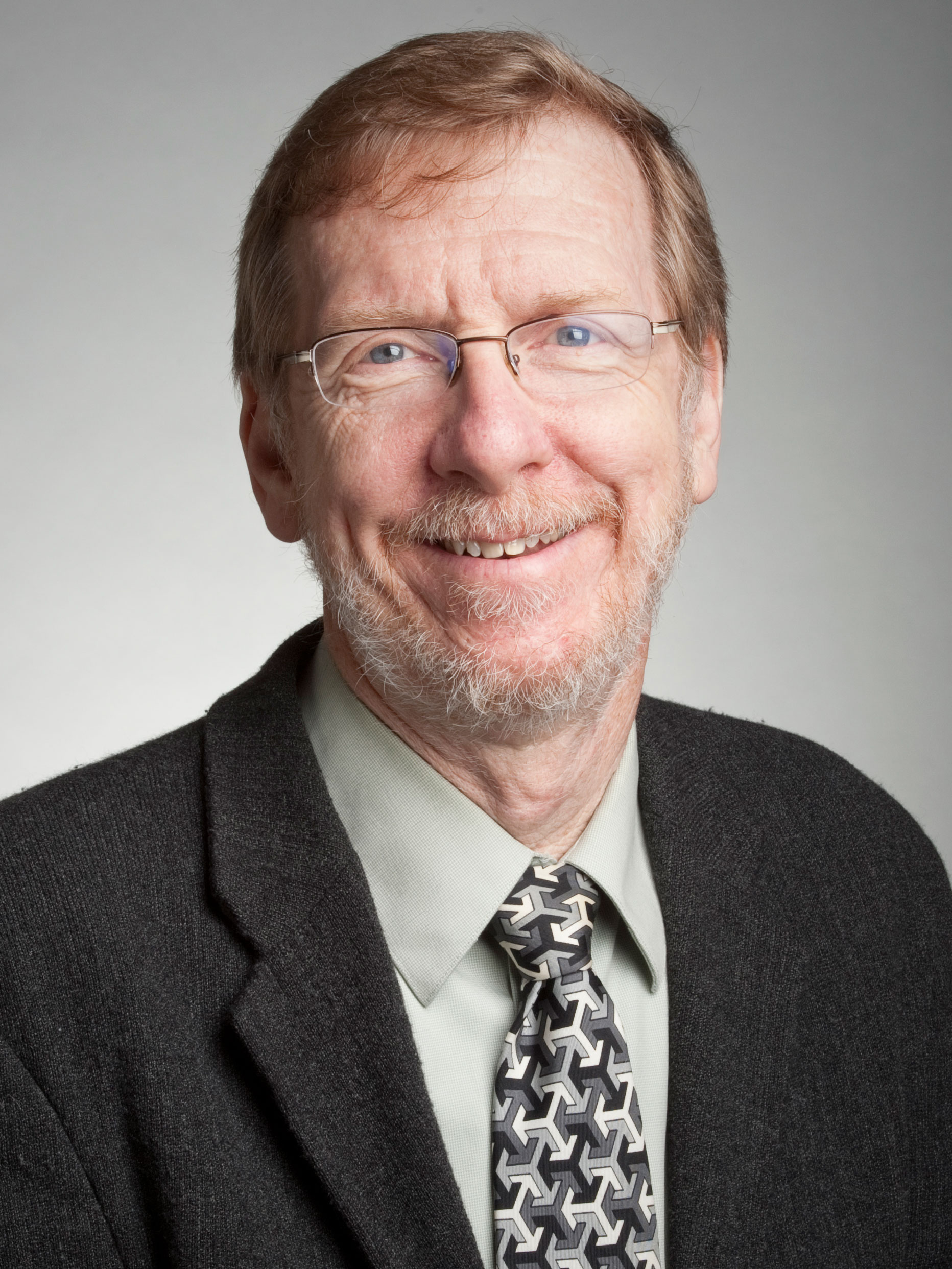
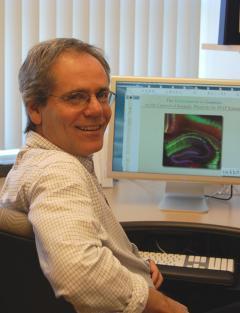
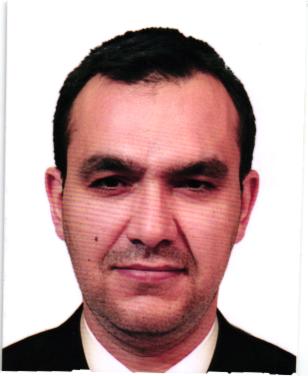
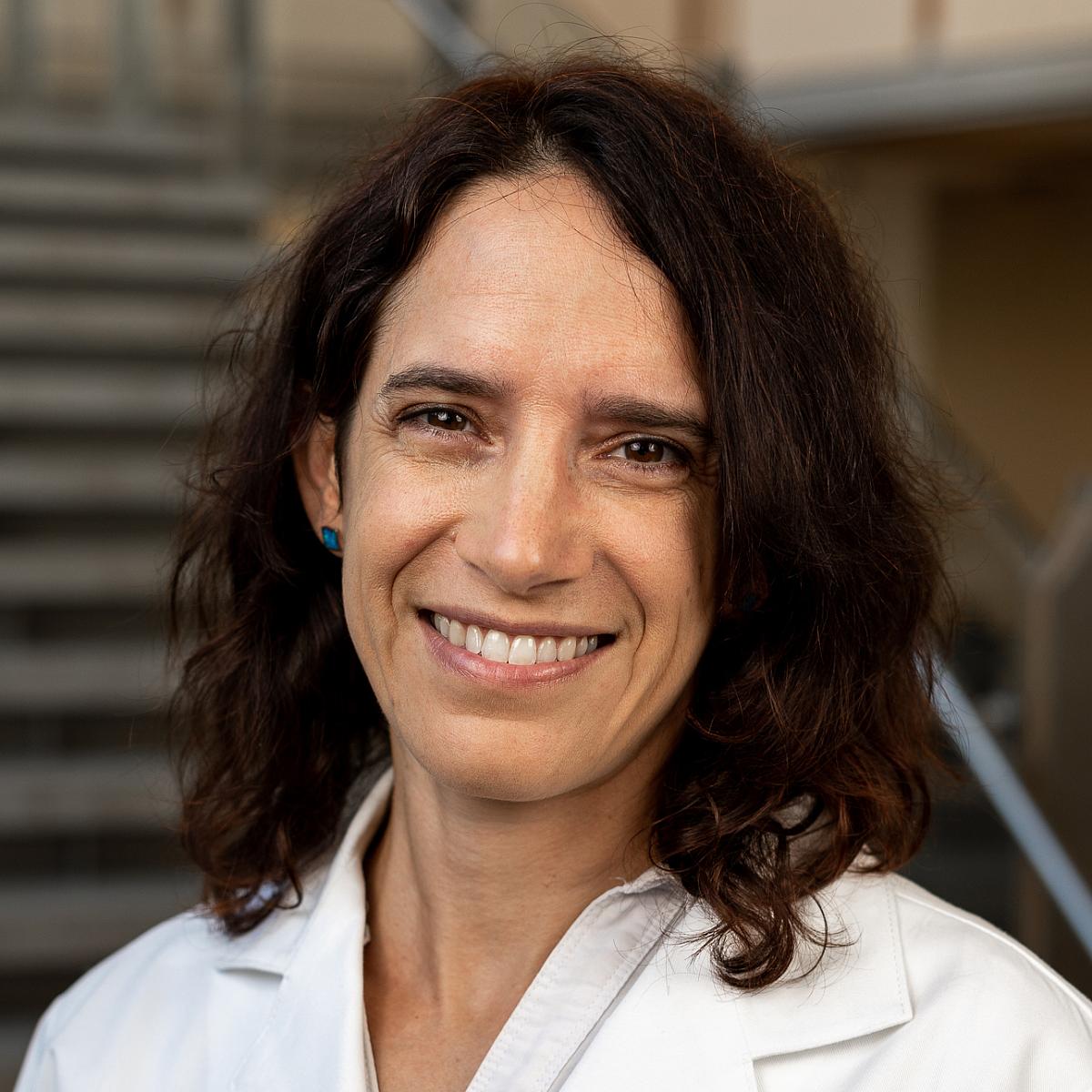
Lin Lin is an Assistant Professor (Tenure Track) at the Department of Biochemistry and Molecular Biology, University of Southern Denmark (SDU), affiliated with the Molecular Microbiology VIP and SDU Climate Cluster. Her research spans microbiology, pharmacology, and molecular biology, focusing on bacterial contractile injection systems and the therapeutic potential of angiotensin receptors in hypertension, inflammation, and diabetes. Key Research Areas: Type VI Secretion System Angiotensin AT2 Receptor Signaling Phosphoproteomics in Vascular Pathways Microbial-Host Interactions Her recent work includes high-throughput assays for AT2 receptor ligands and engineering bacterial pili for environmental applications. She has no listed scientific awards or advisees.
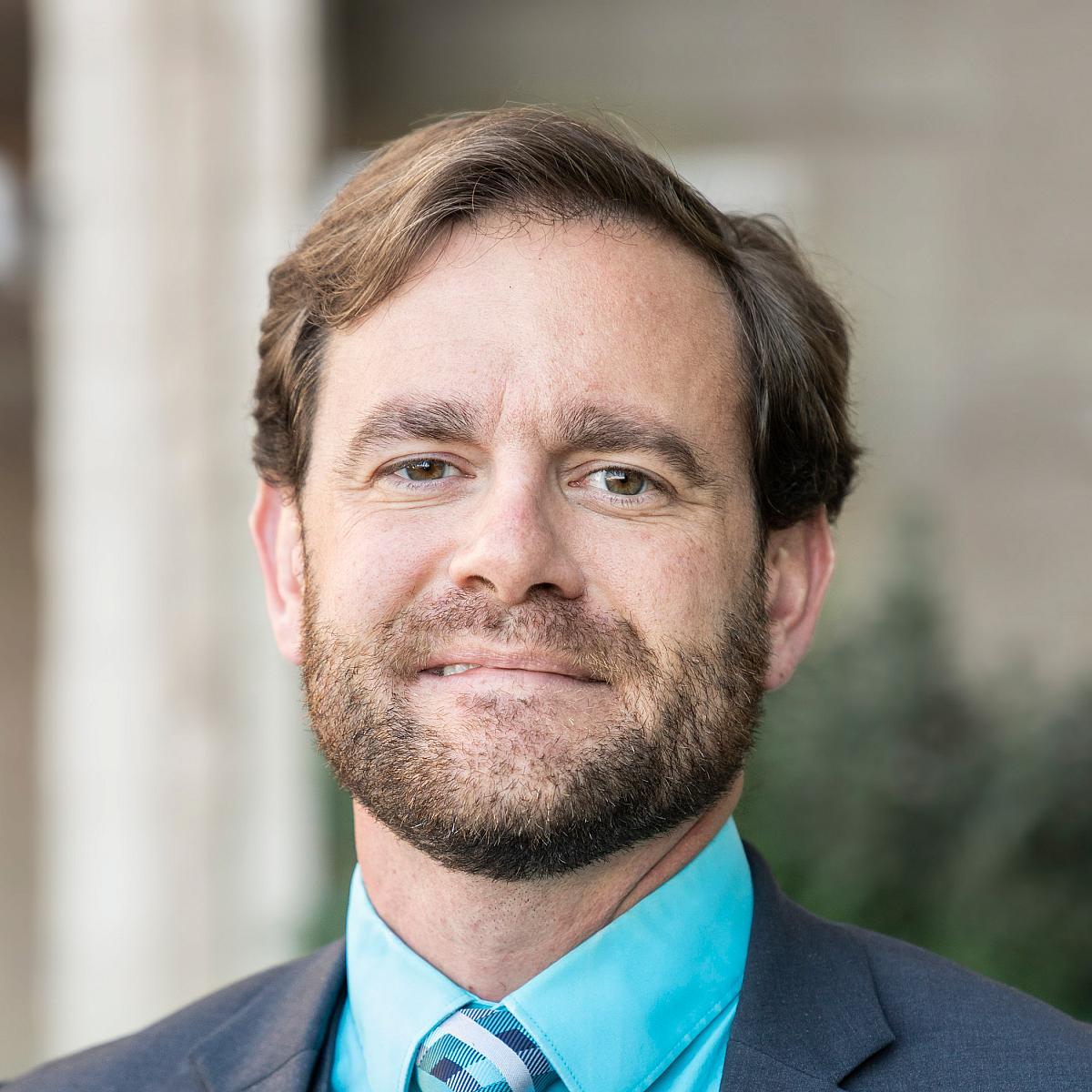
Dr. Matthew James Smith is an Associate Professor at the Faculty of Medicine , University of Montreal , leading the Department of Pathology and Cell Biology within the Institute for Research in Immunology and Cancer (IRIC) . His lab integrates structural biology , biophysics , and evolutionary bioinformatics to decode RAS GTPase signaling in cancer contexts. Research Themes : RAS protein networks, cancer mutations, structural dynamics, and effector validation Technologies : NMR spectroscopy, X-ray crystallography, proteomics, and cell-based assays Recent studies (2025-2024) highlight MRAS as a pseudoinactive GTPase , ARF interactome spatial organization , and RASSF-YAP signaling crosstalk . His work reveals how disease mutations alter signaling hierarchies and binding specificities. Scientific Recognition : Canada Research Chair in Cancer Signaling and Structural Biology Recipient of $4M research chair funding (2020) Contact : matthew.james.smith@umontreal.ca | smithlabiric@gmail.com
Rona Yaeger, MD is a Gastrointestinal Medical Oncologist and Early Drug Development Specialist at Memorial Sloan Kettering Cancer Center, specializing in treating cancers of the colon, rectum, anal squamous cell cancer, carcinoid tumors, and other gastrointestinal tract cancers. Dr. Yaeger completed her MD at New York University, followed by an Internal Medicine residency at Columbia University Medical Center, and fellowships in Medical Oncology at Memorial Sloan Kettering Cancer Center and Medicine at Weill Cornell Medical College. She is board certified in Internal Medicine and Medical Oncology. Her clinical and laboratory research centers on understanding molecular subsets of colorectal cancer and developing new therapies based on this understanding, with a particular focus on colorectal tumors with mutations in the BRAF or RAS genes. She leads the clinical trial program for colorectal tumors that harbor BRAF mutations at MSKCC. Dr. Yaeger's work bridges clinical practice and laboratory research, aiming to use insights from cancer cell biology to guide patient care and develop more rationally designed clinical trials. Her research portfolio demonstrates a strong focus on precision oncology, particularly in the development of targeted therapies for molecularly defined subsets of gastrointestinal cancers. Recent publications highlight her leadership in clinical trials for BRAF-mutated colorectal cancer, KRAS-targeted therapies, and innovative approaches to organ preservation in rectal cancer treatment. Dr. Yaeger serves as an investigator for multiple clinical trials, particularly those focused on molecularly targeted therapies for gastrointestinal cancers with specific genetic mutations. Her work has contributed significantly to establishing new standards of care for patients with BRAF V600E-mutant metastatic colorectal cancer. As a physician-scientist at Memorial Sloan Kettering, Dr. Yaeger is part of a team that integrates cutting-edge research with clinical care, contributing to the development of novel therapeutic approaches for patients with gastrointestinal malignancies.
Stéphane Laporte, PhD is a Professor in the Department of Medicine, Faculty of Medicine and Health Sciences at McGill University, and a Senior Scientist at the Research Institute of the McGill University Health Centre (RI-MUHC) Glen site. He is affiliated with the Metabolic Disorders and Complications Program within the Centre for Translational Biology and works in the Department of Medicine, Division of Endocrinology at the MUHC. Dr. Laporte's research focuses on understanding the molecular and cellular mechanisms regulating G protein-coupled receptors (GPCRs), which are involved in many physiological responses and are targets for over 30% of marketed drugs. His laboratory develops novel molecules with allosteric and biased signaling properties, particularly for the prostaglandin PG2α (FP) receptor, and studies protein complex dynamics for receptors like the angiotensin II type 1 receptor. Using innovative imaging and biophysical approaches, his team creates fluorescently tagged biosensors to study GPCR signaling and trafficking in live cells, with applications in cardiovascular diseases, inflammation, pre-term birth, and cancer. His recent publications reveal a consistent focus on GPCR signaling mechanisms, receptor trafficking, and the development of novel analytical tools like BRET sensors. The research demonstrates significant contributions to understanding receptor conformational dynamics, biased signaling, and the identification of novel inhibitors through high-throughput screening approaches. Dr. Laporte leads the Laporte Lab which employs techniques including confocal microscopy, BRET, FRET, and high-throughput screening for drug discovery related to GPCR function. His work bridges basic molecular mechanisms with potential therapeutic applications in multiple disease areas.
William Y. C. Huang is an Assistant Professor in the Department of Biophysics at Johns Hopkins University. He received his B.S. in Chemistry from National Taiwan University (2010) and Ph.D. in Chemistry from UC Berkeley (2016) under Dr. Jay Groves. After postdoctoral work at Stanford University (2018-2023) with Dr. James Ferrell, he launched his independent research program at Hopkins in 2024. Education: B.S. in Chemistry, National Taiwan University (2010) Ph.D. in Chemistry, University of California, Berkeley (2016) Research Focus: Quantitative study of biochemical reactions at cell membranes Signal transduction mechanisms Single-molecule imaging and spectroscopy Development of reconstituted membrane assays Investigation of protein condensation phase transitions Kinetic modeling of membrane-bound biochemical systems Scientific Awards: NIH Pathway to Independence Award Searle Scholar Contact: Email: whuang@jhu.edu Office: 168 Mergenthaler Hall Phone: (410) 516-0166
Salman Punekar, MD is a Clinical Instructor in the Department of Pulmonary, Critical Care & Sleep Medicine at the Yale School of Medicine. He specializes in oncology and clinical trials focused on innovative cancer therapies. Dr. Punekar’s research emphasizes immunotherapy, particularly CAR T-cell therapies and targeted molecular agents, with a focus on solid tumors and pancreatic cancer. He has contributed to multiple phase I/II clinical trials evaluating novel treatments such as RMC-6236 (RAS inhibitor), A2B530/A2B694 (logic-gated CAR T-cell therapies), and PRT3789 (SMARCA2 degrader). His work addresses treatment efficacy, safety, and biomarker analysis using circulating tumor DNA (ctDNA). Education: MD from Drexel University College of Medicine (2011). Research interests span molecular targeted therapies, immune-checkpoint inhibitors, and translational oncology. He collaborates on studies involving KRAS mutations (G12V/D), EGFR-driven NSCLC, and HLA loss of heterozygosity (LOH) in solid tumors. Dr. Punekar also investigates disparities in cancer care outcomes among ethnic/racial minority populations. Key publications from 2024-2025 highlight advancements in CAR T-cell engineering, RAS pathway inhibition, and SMARCA2 degradation strategies. His work bridges preclinical insights with clinical trial execution to advance personalized cancer medicine.
Lee Makowski is a Professor of Bioengineering and Chemistry and Chemical Biology at Northeastern University’s College of Engineering. He holds affiliations with the Electrical and Computer Engineering department and directs the Bioinnovation Center in Ghana, focusing on affordable medical technologies. With a B.S. in Physics from Brown University and a Ph.D. in Electrical Engineering from MIT, his career includes roles at Columbia University, Florida State University, and the National Science Foundation. His research integrates image/signal processing with biophysical data to study Alzheimer’s molecular mechanisms and amyloid fibrils. Key research projects include NIH-funded studies on fibrillar polymorphs in Alzheimer’s brain tissue and a Northeastern initiative to cultivate biomedical innovation in Ghana. Awards include the 2025 Impact Award and Fellow status from the American Institute for Medical and Biological Engineers. His grants include a $2.1M NIH award for Alzheimer’s studies. He advises on undergraduate research programs and has mentored students in bioengineering and global health initiatives. His work spans structural proteomics, enzyme catalysis, and x-ray imaging technologies, published in over 100 peer-reviewed articles.
Larry Feig is a Professor in the Department of Developmental, Molecular and Chemical Biology at Tufts University School of Medicine. His research focuses on molecular mechanisms underlying sex-dependent effects of stress across generations, particularly involving Ras-GRF1 and epigenetic inheritance via sperm miRNAs. He holds a PhD from Harvard University and has held faculty positions since 1987. He teaches courses in molecular biology and signal transduction, and has been awarded the Distinguished Faculty Award (2017). Education: PhD in Biological Sciences, Harvard University (1982) MS in Chemistry, Massachusetts Institute of Technology (1976) BS in Chemistry, Columbia University (1974) Research Interests: Feig's lab investigates: Sex-specific stress responses in adolescents Transgenerational epigenetic inheritance via sperm miRNAs Lamarckian inheritance mechanisms in mammals Neuroendocrine regulation of HPA axis Publications Trends: Recent work emphasizes miRNA-mediated transgenerational effects of paternal stress exposure. Key themes include: Role of miR-34c/449 in stress transmission Epigenetic mechanisms in multi-generational behavior Interactions between astrocytes and sperm biology Neurodevelopmental impacts of environmental enrichment Grants & Funding: Active NIH grants include studies on: Sperm miRNAs in trauma transmission (2020-2024) Paternal stress effects across generations (2015-2020) Professional Activities: NIH Study Section reviewer (2019) Member, Tufts Cancer Center (2006-2015) Program Director, Biochemistry Program (2001-2020) Labs/Teams: His lab collaborates on projects involving: Mouse behavioral models Epigenetic analysis techniques 3D tissue models for cancer research
Fatih Albayrak is an Assistant Professor at Gaziantep University Faculty of Medicine, Department of Internal Medicine, specializing in Rheumatology. He earned his medical degree from Marmara University Faculty of Medicine (English Program) between 2000-2007, completed his Internal Medicine specialization at Fırat University Faculty of Medicine (2010-2014), and further specialized in Rheumatology at Kahramanmaraş Sütçü İmam University (2018-2021). His research primarily focuses on Rheumatology within Internal Medicine, with particular expertise in inflammatory arthritis, autoimmune diseases, and connective tissue disorders. Dr. Albayrak's work examines the clinical manifestations, diagnostic challenges, and treatment approaches for conditions including rheumatoid arthritis, spondyloarthritis, Behçet's disease, systemic sclerosis, and osteomalacia. Analysis of his recent publications reveals a strong emphasis on biologic therapies and their safety profiles, particularly regarding secukinumab use in patients with malignancy history and inflammatory bowel disease risk. He also investigates ocular manifestations in rheumatoid arthritis, paraneoplastic arthritis, and the relationship between body mass index and disease markers in systemic sclerosis. Active researcher with 22 peer-reviewed articles in international journals Author of 11 book chapters on rheumatological topics Presented 50 conference papers at national and international meetings Board Member of Academic Rheumatology Association (since 2023) Member of Turkish Rheumatology Research and Education Association (since 2021) Dr. Albayrak has participated in numerous educational activities including ultrasound courses, capillaroscopy training, and various rheumatology symposia. His clinical work bridges internal medicine and rheumatology, with a particular focus on complex diagnostic cases and the intersection of rheumatic diseases with other medical specialties including oncology, ophthalmology, and gastroenterology.
Struan F.A. Grant is a distinguished Professor of Pediatrics (Human Genetics) at the University of Pennsylvania and a Professor of Genetics at the Perelman School of Medicine. He holds the Daniel B. Burke Endowed Chair for Diabetes Research and serves as Director of the Center for Spatial and Functional Genomics at Children's Hospital of Philadelphia (CHOP). His work bridges human genetics with pediatric disease genomics, focusing on obesity, diabetes, and bone disorders. Current affiliations: UPenn, CHOP Graduate group affiliations: Cell and Molecular Biology, Genomics and Computational Biology Research Focus : With over 25 years of experience, Grant's career highlights include discovering the COL1A1 polymorphic Sp1 site linked to osteoporosis and the TCF7L2 gene's role in type 2 diabetes. His current work leverages high-throughput genomics and bioinformatics to unravel pediatric disease mechanisms, particularly in obesity and metabolic disorders where genetic factors are more discernible due to limited environmental exposure. Scientific Awards : Wellcome Postdoctoral Fellowship Daniel B. Burke Endowed Chair for Diabetes Research Advising & Funding : Mentored numerous trainees including Max F. Dudek and Elizabeth A. Burton. Active funding includes grants from NIH (R01 HD056465, R01 HD100406, R01 AG072705, UM1 DK126194) and co-investigator roles in R01 NS135075, R01 AI154773, and P01 HL160471.
Michelle C. Mendoza is an Associate Professor in the Department of Oncological Sciences at the University of Utah School of Medicine and a member of the Huntsman Cancer Institute. Her research focuses on biochemical and mechanical signaling mechanisms driving cell migration and lung cancer metastasis. Undergraduate: Pennsylvania State University (B.S. in Animal Bioscience, 2000) Doctoral: University of California, San Diego (Ph.D. in Biomedical Science, 2005) Postdoctoral: Harvard Medical School (Cell Biology, 2005-2013) Her work integrates biochemistry, quantitative imaging, mouse models, and computational modeling to study how oncogenic RAS/ERK signaling and tumor microenvironmental cues synergize to promote metastasis. Key projects include mechanistic analysis of extracellular matrix signaling, lung tumor strain amplification, and phosphoregulation of actin dynamics. Dr. Mendoza's lab is funded by three NIH R01 grants (CA255790, GM141372) and the Concern Foundation. She collaborates with the Weiss lab (Biomedical Engineering) on tumor mechanics and mentors PhD students in Molecular Biology and Oncological Sciences programs. Susan G. Komen postdoctoral fellowship NCI K01 award NIH R01 grants
Conan G. Kinsey, MD, PhD, is an Assistant Professor in the Department of Internal Medicine and an Adjunct Assistant Professor in Oncological Sciences at the University of Utah School of Medicine. As a board-certified medical oncologist and principal investigator of the Kinsey Laboratory at Huntsman Cancer Institute, his work focuses on combining targeted therapies with autophagy inhibition for pancreatic and gastrointestinal cancers, aiming for rapid clinical translation. Education: MD and PhD in Genetics and Medicine from University of Rochester School of Medicine and Dentistry, residency at University of Utah School of Medicine, postdoctoral training at Huntsman Cancer Institute His research explores how protective mechanisms like autophagy enable resistance to targeted therapies in RAS/RAF-mutated cancers. The Kinsey Lab employs cancer-derived cell lines, patient-derived organoids, and xenograft models to evaluate novel therapeutic combinations. The 12 most recent publications highlight roles in MEK1/2 and KRAS(G12C) inhibition, autophagy's role in pancreatic cancer, and strategies for overcoming resistance in NTRK1-driven cancers and melanoma. Articles span molecular oncology, pharmacology, and translational research. Kinsey's clinical expertise includes pancreatic cancer, gastrointestinal cancers, and medical oncology at the Huntsman Cancer Institute. The lab collaborates with researchers such as Martin McMahon, Bryan Welm, and Eric Snyder.
Caius Radu, M.D., is a full Professor in the Departments of Molecular and Medical Pharmacology and Surgery at the University of California, Los Angeles (UCLA). He also serves as Vice-Chairman of the Department of Molecular and Medical Pharmacology and as Co-Director of the Cancer Molecular Imaging, Nanotechnology, and Theranostics Research Program (CMINT) within the Jonsson Comprehensive Cancer Center. Education: M.D., University of Medicine, Craiova, Romania Postdoctoral training in immunology and cancer biology, University of Texas Southwestern Medical Center (Dallas) Postdoctoral training at UCLA under the mentorship of Dr. Owen Witte Research Interests: Dr. Radu's laboratory investigates the intersection of metabolic signaling , nucleotide metabolism , and immune networks in cancer, with a translational focus on molecular imaging and theranostic applications. Key efforts include elucidating novel mechanisms regulating nucleotide metabolism in pancreatic and prostate cancers, identifying actionable co-dependencies, and developing non-invasive imaging probes that predict therapeutic response. The group integrates rigorous pre-clinical mouse models with cutting-edge PET imaging to accelerate bench-to-bedside translation. Current projects revolve around STING pathway activation , PSMA-targeted radioligand therapy , CD73 adenosine blockade , mutant KRAS inhibition , and mRNA cancer vaccines . These multi-pronged strategies aim to overcome tumor immune evasion, enhance cytotoxic therapies, and personalize treatment selection. Recent Publication Trends: From 2020-2025, the Radu group has published extensively on synergistic combination therapies that pair immune checkpoint modulation with targeted metabolic inhibition. A dominant theme is leveraging nucleoside analog PET tracers (e.g., 18F-FAC, 18F-CFA) to visualize immune activation and metabolic stress in real time. Parallel studies dissect resistance mechanisms to PSMA-targeted alpha therapy and explore STING agonism as a strategy to sensitize otherwise refractory pancreatic and prostate tumors. Scientific Awards & Honors: While the provided text does not enumerate specific awards, Dr. Radu’s leadership roles at UCLA and the Jonsson Comprehensive Cancer Center, along with continuous high-impact publications, attest to sustained recognition in cancer research. Advising & Team: Dr. Radu mentors an active bench-to-bedside team comprising: Graduate Students: Amanda Creech, Hailey Lee Postdoctoral Scholar: Khalid Rashid Staff Research Associate: Weihang Zhao Lab Manager: Nanping Wu Laboratory & Core Affiliations: The Radu laboratory operates within the CMINT program at the Jonsson Comprehensive Cancer Center, with ready access to UCLA’s preclinical imaging cores, flow cytometry facilities, and translational pathology resources. Collaborative ties span the departments of Molecular and Medical Pharmacology, Surgery, Radiological Sciences, and the Institute for Molecular Medicine.
Kevin Dean is an Assistant Professor at the UT Southwestern Medical Center , affiliated with the Lyda Hill Department of Bioinformatics and the Cecil H. and Ida Green Center for Systems Biology . His research focuses on developing and applying advanced microscopy techniques to address complex biological challenges, particularly in cancer metastasis and cellular mechanobiology. Co-developer of autonomous 'self-driving' microscopes using computer vision Expert in spectral unmixing and cyclic immunofluorescence for molecular multiplexing Creator of high-throughput histopathology systems with 300 nm resolution Collaborator with leading scientists (Drs. Danuser, Fiolka, Morrison, Amatruda, Sorger) Principal Investigator for NIH/NCI-funded cancer imaging programs Research Themes: The Dean Lab specializes in cutting-edge imaging solutions that bridge technology development and biological discovery. Their work spans: Cancer Biology: Metastatic colonization mechanisms, tumor microenvironment imaging Biomedical Technology: Light-sheet microscopy, optical probes, time-series analysis software Cellular Mechanobiology: Force-driven morphogenesis, matrix deformation quantification Neuroscience: Stress-induced anhedonia, lateral habenula neuronal signaling Grant Leadership: Dean serves as Principal Investigator for the NCI-funded Imaging Mechanisms of Metastatic Tumor Formation and the NIGMS-supported UTSW-UNC Center for Cell Signaling Analysis , where his team develops open-source platforms like Navigate for smart light-sheet microscopy. Collaborative Networks: Active in multiple interdisciplinary programs including: Prune Belly Syndrome research with Filamin A mutations Drosophila germband extension mechanobiology with micro-cantilevers Lateral habenula functional mapping with multi-modal imaging
Dr. Fen Long is a Researcher affiliated with the Professorship for Translational Nutrition Biology at ETH Zürich. Their work focuses on metabolic disorders, nutritional physiology, and molecular mechanisms underlying metabolic diseases. Key research interests include histone modifications, inflammation, and their roles in cardiovascular and metabolic pathologies. Dr. Long’s research integrates genomic approaches (e.g., single-nucleus transcriptomics) with biochemical studies to dissect mechanisms of obesity, insulin resistance, and vascular dysfunction. Recent studies highlight their expertise in epigenetic regulators like JMJD3 and SMYD3, linking histone modifications to fibrosis, inflammation, and autoimmune responses. They also investigate dietary interventions (e.g., low-carbohydrate diets) and pharmacological targets (e.g., histone methyltransferase inhibitors) in metabolic and cardiovascular contexts. Publications span metabolic signaling (e.g., glucagon, cAMP/PKA pathways), lipid metabolism (ATGL regulation), and cellular stress responses (unfolded protein response). Their work bridges basic molecular mechanisms to translational applications in therapies for metabolic-associated fatty liver disease, rheumatoid arthritis, and post-myocardial infarction recovery. No scientific awards or current advising roles are explicitly listed. Their research is conducted within the Translational Nutrition Biology group at ETH Zürich, leveraging interdisciplinary collaborations in systems biology and clinical translation.