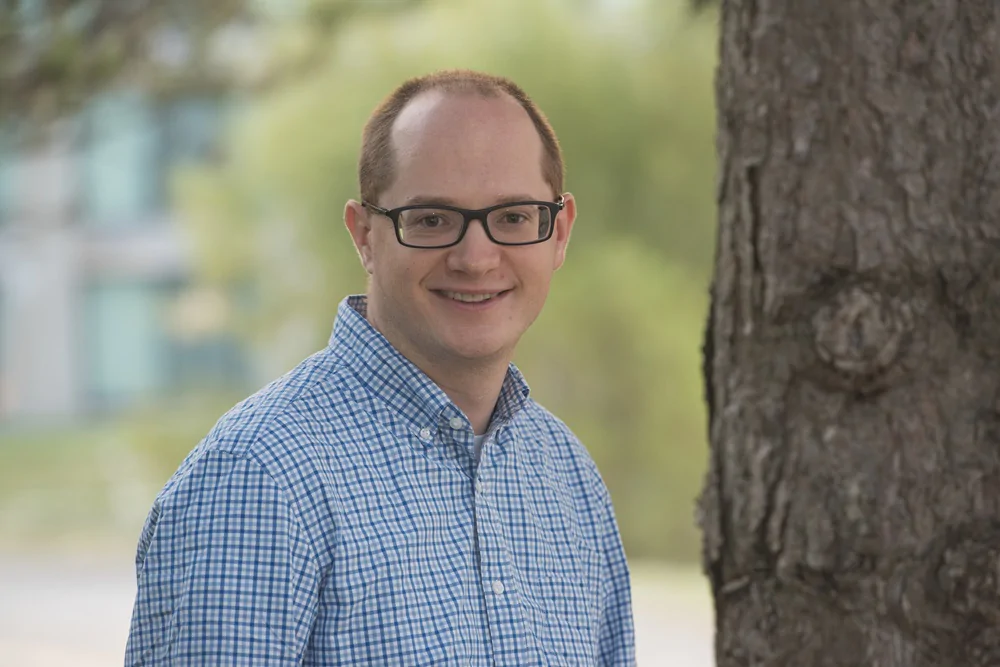
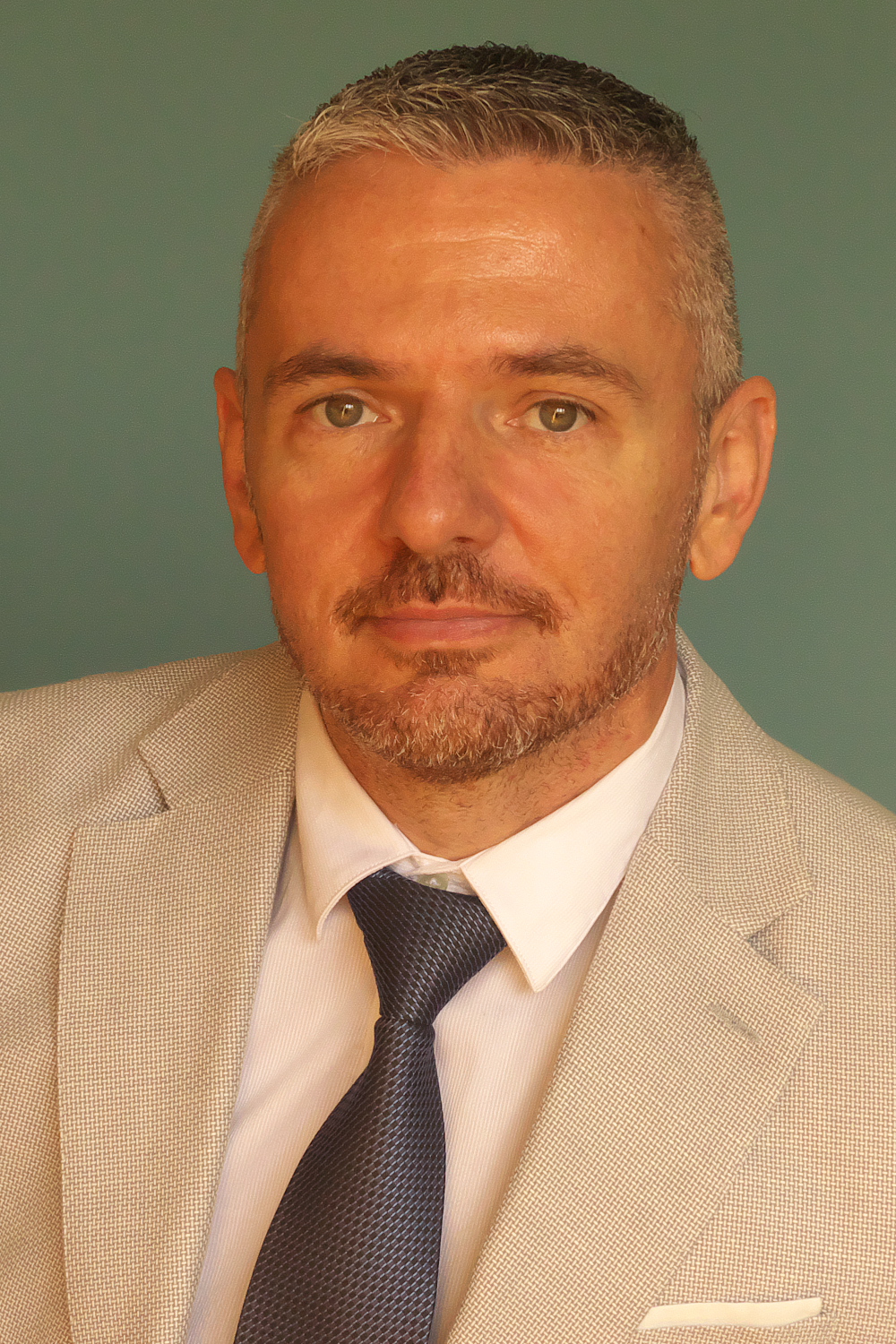
Professor Tomasz Puzyn is affiliated with the University of Gdańsk , where he serves as Head of the Laboratory of Environmental Chemoinformatics within the Faculty of Chemistry and the Department of Environmental Chemistry and Radiochemistry. His research focuses on advancing predictive models for nanomaterial and chemical safety through chemoinformatics, machine learning, and Adverse Outcome Pathways (AOPs). Research Interests: Environmental Chemoinformatics Nanotoxicology QSAR/QSPR Modeling Machine Learning in Risk Assessment Endocrine Disruption Mechanisms Safe-by-Design Nanomaterials Recent Work Trends: Development of in silico New Approach Methods (NAMs) for nanomaterial genotoxicity and endocrine disruption Integration of transcriptomic data with AOPs for predictive toxicology Adsorption mechanisms of PFAS using modified biochar and metal oxides Quantum chemistry applications for environmental fate prediction Machine learning frameworks for drug delivery nanocarriers Harmonization of data reporting for regulatory acceptance Laboratory: Laboratory of Environmental Chemoinformatics Collaborative projects: CompSafeNano, HBM4EU
Professor Emanuel Gull is a theoretical physicist specializing in numerical methods for quantum many-body systems. He holds a professorship at the University of Warsaw's Faculty of Physics, where he relocated his laboratory from the University of Michigan to conduct research under an ERC Advanced Grant. His work focuses on predictive algorithms for simulating quantum materials, integrating quantum field theory, condensed matter theory, quantum Monte Carlo methods, applied mathematics, and machine learning. This interdisciplinary approach addresses phenomena like magnetism and superconductivity in materials critical to technologies such as MRI machines and electric car batteries. Professor Gull's ERC Advanced Grant, the first awarded to a foreign researcher hosted at the University of Warsaw, underscores the significance of his project. Collaborating with the Quantum Molecular Systems group at the Faculty, his methods support experimental advancements in ultracold matter research. His research aligns with the University's strategic focus on cutting-edge interdisciplinary science. His achievements include the prestigious ERC Advanced Grant, highlighting global recognition of his contributions. The project’s relocation of his laboratory reflects Warsaw's growing role as a hub for quantum research. Grants and institutional support from the University of Warsaw's BMPB office further enable his work, emphasizing collaboration and innovation. Professor Gull's research lab, now based in Warsaw, bridges theoretical and applied physics, fostering advancements in quantum technologies. His work exemplifies the intersection of fundamental science and technological application, with direct implications for energy storage and medical imaging technologies.
Piotr Skurski serves as Professor and Head of the Department of Theoretical Chemistry at the Faculty of Chemistry, University of Gdańsk, while maintaining a concurrent Professor of Chemistry position at the Henry Eyring Center for Theoretical Chemistry, University of Utah since 2006. His leadership spans multiple research units including the Laboratory of Quantum Chemistry at UG since 2014. His educational background includes: MSc in Chemistry (1993) from University of Gdańsk under Prof. Wiesław Wiczek PhD in Chemical Sciences (1997) supervised by Prof. Maciej Gutowski (PNNL, USA) Habilitation (2001) leading to Professor title (2005) by Presidential decree Skurski's research pioneers quantum chemical investigations of molecular anions, superhalogens, and reaction mechanisms. His work spans from fundamental electron binding phenomena to applied materials design, particularly focusing on superhalogen anions with electron affinities exceeding 15 eV, DNA repair processes, and polymerization mechanisms. His molecular design innovations include synthons, peptide crosslinks, and superacids. Analysis of his 15 most recent publications reveals a dominant focus on superhalogen chemistry (7 articles), with significant contributions to molecular synthons (4 articles) and environmental applications like PFAS degradation (2 articles). His methodology consistently combines high-level quantum mechanical calculations with machine learning approaches for materials prediction. His accolades include: Karol Taylor Scientific Award (2021) Prime Minister's Award for habilitation work (2002) 15+ Rector's Awards from University of Gdańsk (1995-2023) Foundation for Polish Science Scholarship (1997) Skurski has supervised 10 doctoral students while securing major EU grants including MULTIPOL (FP6), PARYLENS (FP7), ENERLIQ (Polish-Swiss Program), and MAGENTA (Horizon 2020). His 198 publications with 5,371 citations (h-index 42) demonstrate substantial research impact. He leads the Laboratory of Quantum Chemistry at UG and maintains active collaborations with University of Utah's Henry Eyring Center.
Prof. Iwona Anusiewicz is a distinguished faculty member at the University of Gdańsk , affiliated with the Faculty of Chemistry and the Department of Theoretical Chemistry . Her research focuses on advanced quantum chemistry, superhalogen anions, superacids, and electron attachment mechanisms. Current Position: Professor, Department of Theoretical Chemistry, University of Gdańsk Research Themes: Quantum chemical modeling, superhalogen/superalkali systems, CO2 activation, and biomolecule-nanomaterial interactions Contact: iwona.anusiewicz@ug.edu.pl Her recent publications explore ambiphilic inorganic compounds, dative bonding in alkaline earth metal systems, and hybrid molecular simulation frameworks for biomolecule adsorption. Key subfields include anion stability , electron transfer , and acid-base catalysis . While no formal awards or student advisement details are listed, her work contributes significantly to theoretical and computational chemistry. For consultation hours: Fridays 11:00 AM - 1:00 PM (room B327).
Wesam Bachir, PhD, is an Assistant Professor at the Institute of Metrology and Biomedical Engineering, Faculty of Mechatronics, Warsaw University of Technology (Politechnika Warszawska). His expertise lies at the intersection of biomedical engineering, laser spectroscopy, and optical diagnostics for medical applications. Research Interests Dr Bachir’s core research areas include: Biomedical optics & spectroscopy: developing diffuse reflectance and transmittance methods for non-invasive monitoring of tissue oxygenation, hemodynamics, and vital signs. Laser-tissue interaction & photodynamic therapy: optimizing light dosimetry, photosensitizer selection, and treatment planning for breast and skin cancers. Optical phantoms & Monte Carlo modeling: creating tissue-mimicking phantoms from everyday materials (milk, intralipid, India ink) and validating optical properties through advanced simulations. Smartphone-based sensing: leveraging mobile devices and their built-in light sources for point-of-care photoplethysmography and respiratory monitoring. Publication Trends Across 36 peer-reviewed publications (h-index 6 Scopus, 5 WoS), Dr Bachir demonstrates a consistent upward trajectory in both clinical translation and fundamental optical modeling. His 2024–2025 papers emphasize AI-enhanced spectroscopy and ultra-short-term physiological monitoring, while earlier work (2019–2022) concentrated on Monte Carlo algorithms for PDT planning and phantom characterization. The portfolio spans experimental validation, computational modeling, and proof-of-concept clinical studies. Supervision & Grants He has successfully supervised four doctoral theses to completion and currently leads or co-leads three active research projects funded by national and international agencies, focusing on non-contact respiratory monitoring, AI-driven spectral diagnostics, and optimized fiber-coupled light delivery for photodynamic therapy. Laboratory & Collaboration Dr Bachir’s laboratory is embedded within the Institute of Metrology and Biomedical Engineering, providing access to state-of-the-art laser sources, integrating sphere systems, and high-resolution spectrometers. He collaborates extensively with clinicians at local medical centers and maintains active partnerships with research groups in Europe and the Middle East to accelerate technology transfer from bench to bedside.
Maciej Staszak is a Researcher at the Department of Process Engineering , Faculty of Chemical Technology , Poznań University of Technology . He holds a PhD in Engineering (2001) and specializes in process modeling, reactor design, and computational fluid dynamics (CFD). His work spans chemical, environmental, and biomedical engineering, with a focus on adsorption kinetics, membrane technologies, and AI-driven simulations. Research Interests: Process Modeling Reactor and Heat Exchanger Design Finite Element/Volume Methods Bisphenol A Removal via Enzymatic Immobilization Microplastic Mitigation in Microencapsulation Photocatalytic Surfactant Degradation Scientific Collaboration: Staszak collaborates internationally with institutions such as CERENA (Portugal), Chemistry Technology Center of Catalonia (Spain), and Eurecat (Spain). He has co-authored 38 scientific articles, 20 book chapters, and 3 academic textbooks, including Fundamentals of Chemical Technology and Reactor Engineering (Parts I & II). Academic Contributions: His recent publications (2024–2023) highlight advancements in chitosan-based biomaterials for dentistry, microchannel thermofluid simulations, and machine learning applications for reaction kinetics. He serves as a WTCh eLearning Coordinator and contributes to interdisciplinary projects bridging chemical engineering with biomedical and environmental applications.
Katarzyna Rycerz is a Lecturer at the Institute of Computer Science within the Faculty of Computer Science at AGH University of Science and Technology in Kraków, Poland. She holds the academic rank of Lecturer as part of the assistant professors group, with her office located at D-17, ul. Kawiory 21, room II, 3.54. Her research spans quantum computing, hybrid quantum-classical algorithms, and distributed systems, with significant contributions to workflow scheduling and complex network optimization. Dr. Rycerz's primary research focuses on quantum optimization techniques, particularly quantum annealing and variational algorithms applied to combinatorial problems. Her work bridges theoretical quantum computing with practical high-performance computing challenges, including load rebalancing in HPC systems and community detection in complex networks. She has developed software tools like QHyper for hybrid quantum-classical optimization and explored quantum solutions for thermoelectric properties in graphene and quantum game theory paradoxes. Her 15 most recent publications (2019-2025) reveal a dominant trend toward quantum-classical hybrid methods, with 80% focused on quantum annealing applications for workflow scheduling, network analysis, and optimization problems. Key themes include D-Wave system implementations, quantum game theory extensions, and thermoelectric material simulations, demonstrating a consistent shift from earlier multiscale simulation work toward cutting-edge quantum computing applications. No scientific awards are documented in the available information. Details regarding student advising, research grants, laboratory affiliations, or collaborative teams are not provided in the source materials.
Marek Góźdź is a University Professor and Head of the Department of Computer Science Basics at the Faculty of Mathematics, Physics and Computer Science, Maria Curie-Skłodowska University (UMCS) in Lublin, Poland. His academic work bridges theoretical physics and computer science with particular focus on quantum phenomena and computational applications. Dr. Góźdź's research interests span multiple disciplines with strong emphasis on quantum mechanics and computational methods: Quantum Computing and Quantum Information Time in Quantum Systems Quantum Evolution Formalisms Neutrino Physics Computer Security Systems Epidemiological Modeling using Computational Methods His scholarly output demonstrates a clear trajectory toward understanding quantum time and its implications for fundamental physics. Góźdź has developed the projection evolution formalism as a framework for addressing the problem of time in quantum systems, with applications ranging from quantum computing to understanding relativistic particles. His work on the RSIR model shows his ability to apply computational methods to real-world problems like pandemic forecasting, demonstrating the interdisciplinary nature of his research. With 34 publications and h-indices of 7 (Google Scholar), 1 (Scopus), and 6 (Web of Science), his work shows significant scholarly impact. Dr. Góźdź serves as thesis advisor for both diploma and doctoral students at UMCS. His supervision spans computer science topics including quantum computing, Linux system security, and physical simulations, as well as theoretical physics topics such as non-standard physics, neutrino physics, and quantum mechanics fundamentals. His office is located in Room 305 of the Institute of Computer Science building where he holds consultations either on scheduled dates or by prior arrangement.
Dr. Pei-Xin Shen serves as an MSCA-ERA Postdoctoral Fellow at the International Centre for Interfacing Magnetism and Superconductivity with Topological Matter (MagTop), hosted by the Institute of Physics, Polish Academy of Sciences in Warsaw. Since July 2024, he has coordinated the SymPhysAI project under the Marie Skłodowska-Curie Actions framework, advancing quantum computing applications through artificial intelligence. His academic foundation includes: Bachelor of Science in Astronomy (2017) from Xiamen University, where he received the Pen-Tung Sah Scholarship and was named Outstanding Graduate Doctor of Philosophy in Physics (2022) from Tsinghua University under Turing Award Laureate Prof. Andrew Chi-Chih Yao Dr. Shen specializes in quantum information science, with research spanning topological quantum computing architectures, quantum machine learning algorithms, and open quantum system dynamics. His work bridges theoretical physics and computational innovation, focusing on harnessing topological matter for fault-tolerant quantum computation. His accolades reflect both scholarly and civic excellence: Early-career recognition: National Scholarship and National Endeavor Scholarship (2014-2016) Doctoral achievements: Talent Scholarship (2021) and SPICE Workshop Best Question Prize (2020) Undergraduate honors: Star of Chinese College Students (2017) and Social Welfare Prize (2020) Funded by the Marie Skłodowska-Curie Actions ERA Fellowship, his current SymPhysAI initiative develops AI-driven physics simulations within MagTop's collaborative research ecosystem. Though not mentoring formal advisees, he contributes to MagTop's mission of integrating magnetism, superconductivity, and topological matter for next-generation quantum technologies. His research methodology combines quantum information theory with computational approaches, evidenced by publications in Physical Review series, Quantum Science and Technology, and astronomical journals during his transition from stellar evolution studies at McMaster University (2016) to quantum physics.
Prof. Dr. hab., Eng. Sebastian Borucki is a full-time faculty member at the Opole University of Technology , serving as a Professor in the Department of Electrical Power Engineering and Renewable Energy under the Faculty of Electrical Engineering, Automation and Computer Science. Contact: s.borucki@po.edu.pl | Room P-202, Building 2 Office Hours: Tuesdays, 9:10-9:55 AM & 11:00 AM-11:45 PM His research focuses on power transformer diagnostics , acoustic emission methods , and partial discharge detection . He integrates machine learning and vibroacoustic signal analysis to monitor transformer health and optimize maintenance strategies. Recent publications highlight trends in: Transformer diagnostics via acoustic and vibroacoustic methods Machine learning application for partial discharge classification Renewable energy integration with power systems Signal processing for industrial and power engineering Comparative analysis of tap-changer operations Thermal and mechanical parameter testing He contributes to practical applications such as the TrafoGrade asset management system and vibroacoustic noise reduction strategies.
Piotr Sankowski is a Professor at the Institute of Informatics, University of Warsaw, specializing in algorithms and theoretical computer science with applications in economics and machine learning. He is also CEO of MIM Solutions, deploying ML solutions, and heads the IDEAS NCBR center for AI and Digital Economy. His research focuses on algorithm design, computational complexity, and interdisciplinary applications in physics and economics. Education & Affiliations: Professor at University of Warsaw's Faculty of Mathematics, Informatics, and Mechanics (MIM) Head of IDEAS NCBR Center (Artificial Intelligence & Digital Economy) CEO of MIM Solutions (AI/ML consulting) Research Interests: Piotr's work bridges theoretical computer science and practical applications, with key areas: Algorithms for matching problems, graph theory, and optimization Machine learning explainability and feature importance Quantum tunneling phenomena in semiconductor nanostructures (physics) Algorithmic game theory and network design His ERC grants highlight contributions to algorithmic foundations and interdisciplinary research. Grants & Awards: ERC Starting (2010), Proof of Concept (2015), and Consolidator (2017) Grants First Pole to secure three ERC grants Fellow of the Institute of Informatics at University of Warsaw Publications: Over 80 papers spanning CS (algorithms, ML) and physics (solid-state theory). Recent work focuses on online algorithms, dynamic graph problems, and scalable ML systems. Labs & Projects: Leads the IGAFIT initiative promoting algorithms in Europe, and the EXALT project for explainable optimization tools. Active in the IDEAS NCBR center for AI innovation.
Dr. Michał Klisowski is a Lecturer at the Fundacja Uniwersytetu Marii Curie-Skłodowskiej , affiliated with the Faculty of Mathematics, Physics and Computer Science and the Department of Information Systems Software . His research focuses on cryptography, high-performance computing, and media truth detection. Research Highlights: Cryptographic protocols, energy-efficient computation, media credibility analysis Email: michal.klisowski@mail.umcs.pl His recent publications address topics such as multicore key exchange protocols , RAPL power monitoring , and fake news detection using machine learning. He holds an ORCID identifier and has published in information and communication technology domains. Collaboration & Tools: Utilizes ORCID and Scopus for academic visibility, with a focus on integrating theoretical cryptography with practical computational efficiency.
Artur Siemaszko is a Professor in the Faculty of Mathematics and Computer Science at the University of Warmia and Mazury in Olsztyn. He serves as a promoter for doctoral candidates and specializes in topological dynamical systems, ergodic theory, and classical/quantum stochastic processes. Department: Department of Analysis and Differential Equations Email: artur@uwm.edu.pl Research Interests: Topological Dynamical Systems Ergodic Theory Classical and Quantum Stochastic Processes Group Theory (Modular Groups) Scientific Contributions: His research spans integrability in geometric structures, spectral quantization of random walks, and the interplay between algebraic and topological properties in dynamical systems. Articles highlight applications in mathematical physics, computer science, and epidemiology. Grants & Resources: He confirms funding availability and infrastructure support for doctoral projects through the Department of Analysis and Differential Equations.
Dr. Eng. Jarosław Rudy is an Assistant Professor at the Wrocław University of Science and Technology, affiliated with the Department of Automatic Control, Mechatronics and Control Systems under the Faculty of Computer Science and Telecommunications. He completed his Master of Science in Engineering in 2011 and earned his Ph.D. in technical sciences in 2016, focusing on computational models and programming languages for software evolution and adaptation. His research spans operations research, task scheduling, discrete optimization, quantum computing, machine learning, metaheuristic algorithms, computational complexity, and vehicle routing . He has authored over 45 scientific publications and teaches more than 30 courses, including Computer Automation Systems and Trusted Artificial Intelligence Systems , with a focus on laboratory and lecture-based education. Rudy leads the Discrete Systems Laboratory, supervises over 30 graduate theses, and contributes to advanced optimization techniques and data structures curricula. His work integrates computational theory with practical applications in parallel computing and multi-criteria optimization.
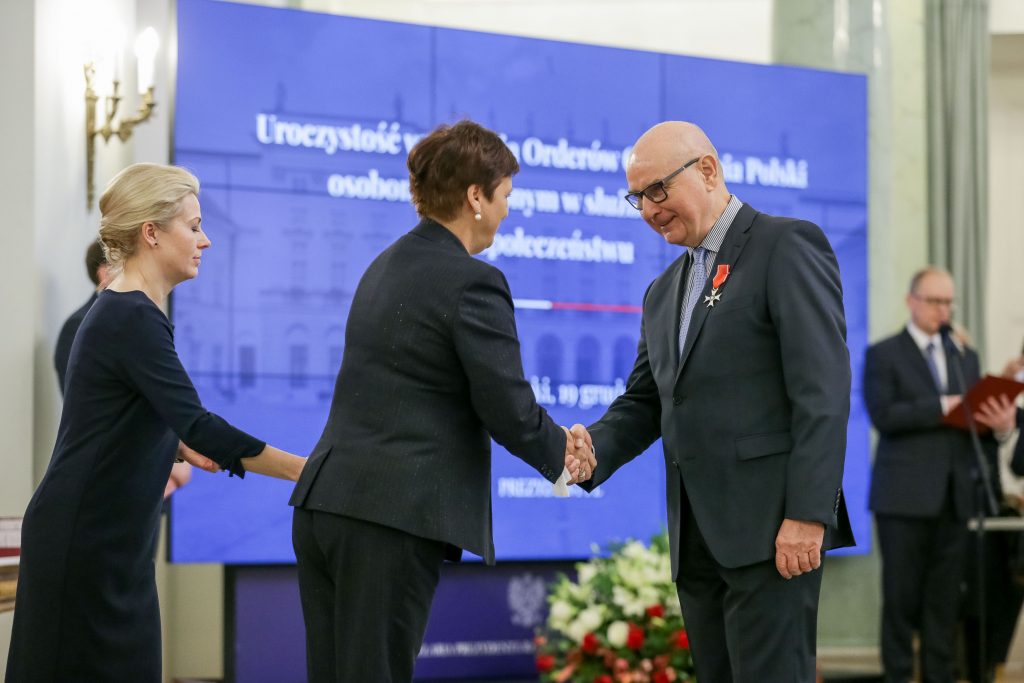
Prof. Witold Abramowicz , currently affiliated with the Department of Economic Informatics at Poznan University of Economics and Business, has made significant contributions to artificial intelligence, blockchain technology, and disinformation campaigns. His work bridges economic informatics with cutting-edge digital transformation, focusing on Fake news detection systems Blockchain-based business models Wikipedia multilingual analysis Recent publications highlight trends in generative AI , quantum computing applications, and maritime transport analysis . He leads the OpenFact project, achieving international recognition in fact-checking competitions. Awards include the Knight's Cross of the Order of Polonia Restituta (2019) and multiple honors for doctoral supervision. Active in academic debates since the 1990s, he continues to shape research through seminars, keynote speeches, and European cybersecurity initiatives.