

Professor Nicolas Gisin is a Swiss physicist at the University of Geneva and a member of the Constructor Group Strategic Advisory Board. His work bridges quantum information, communication, and foundational questions in quantum mechanics, with significant experimental and theoretical contributions. His research focuses include: Quantum cryptography Long-distance quantum communication Quantum entanglement Optical fiber technologies Quantum measurement theory Major awards recognize his impact: Swiss Science Prize (2014) ERC Advanced Grant (2008) John Stewart Bell Prize (2009) Volta Medal (2015) Gisin co-founded ID Quantique, a global leader in quantum technologies, and pioneered quantum key distribution over telecom fibers, notably demonstrating 23 km transmission in 1995.
جستجوی استاد راهنمای دانشگاهی
برای مسیر پژوهشیتان، استاد راهنما، استاد دانشگاه و پژوهشگر مناسب را پیدا کنید و با آنها ارتباط بگیرید.
نمایش ۱۶-۳۰ از ۲۰۵ استاد راهنما
اطلاعات پروفایلها از صفحات عمومی دانشگاهها گرفته شده و ممکن است بهروز نباشد.
Lisa Randolphمشاهده پروفایل
پژوهشگر
- Plasma Physics
- X-ray Spectroscopy
- Laser Physics
- +۴ مورد دیگر
Lisa Randolph is a researcher at Forschungszentrum Jülich GmbH, affiliated with the Institute for Sustainable Hydrogen Economy (INW). Her work focuses on advanced diagnostics in high-energy-density physics and ultrafast material dynamics using X-ray techniques. Institute: Institute for Sustainable Hydrogen Economy (INW) Location: Brainergy Park Jülich Building / Room 0 Her research spans X-ray spectroscopy , plasma physics , and nanoscale dynamics , with emphasis on probing laser-induced phenomena in solids and plasmas. Recent publications highlight applications of X-ray free-electron lasers and Thomson scattering for structural and thermal analysis. Scientific trends in her work include ultrafast heating processes , shock compression diagnostics , and vacuum birefringence experiments . Key subfields involve solid-density plasma evolution , picosecond surface correlations , and nanometric dynamics .
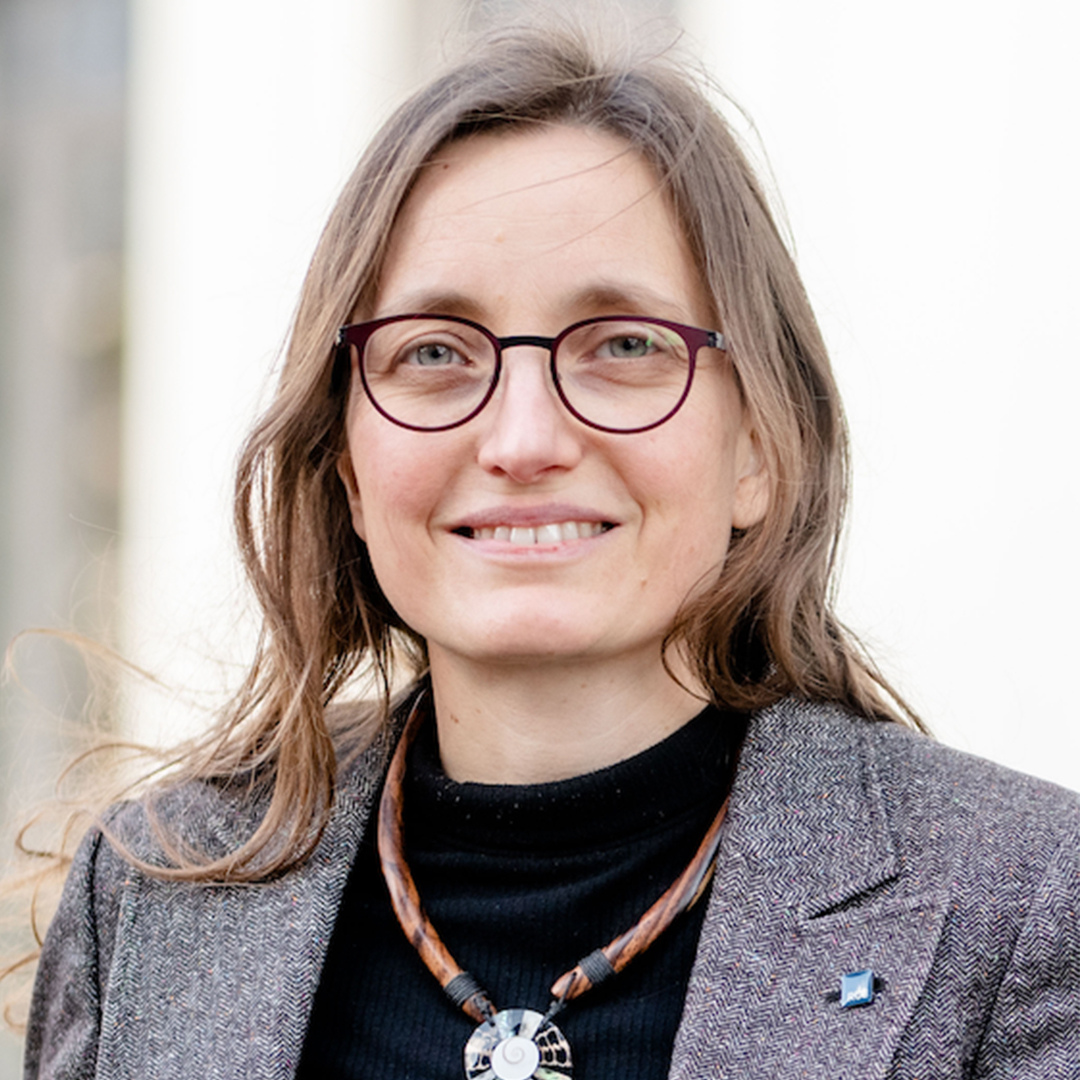
Prof. Dr. Marialore Sulpizi is a Professor of Theoretical Physics of Electrified Liquid-Solid Interfaces at Ruhr-University Bochum, Germany, and a core member of the RESOLV Cluster of Excellence. Previously, she served as Junior Professor (2010–2017) and Adjunct Professor (2017–2021) at Johannes Gutenberg University Mainz. Her research focuses on molecular-scale understanding of electrified solid-liquid interfaces using ab initio and atomistic simulations, addressing phenomena like charge/mass transport in energy conversion and biomembrane systems. She holds a Laurea (M.Sc.) in Theoretical Physics from Università di Roma La Sapienza (1997) and a PhD in Condensed Matter Theory from SISSA (2001), followed by postdoctoral work at EPFL/ETHZ (Switzerland) and the University of Cambridge (UK). Research interests span interfacial electrochemistry, nanomaterials, and environmental interfaces. She explores how interfacial structure influences reactivity in systems like platinum electrodes, gold nanoparticles, and silicate surfaces. Key contributions include modeling electrolyte double layers, nanoparticle growth mechanisms, and surface acidity effects. Publications (2021–2025) highlight advancements in interfacial dynamics, ionic liquid confinement, and biomolecular solvation. Her work bridges fundamental physics with applied challenges in energy storage and biointerfaces. Collaborations with experimental groups enable validation of simulation predictions. Current projects investigate non-equilibrium interface behavior and solvent roles in chemical reactions.
- Medical Informatics
- Data Science
- Network Medicine
- +۹ مورد دیگر
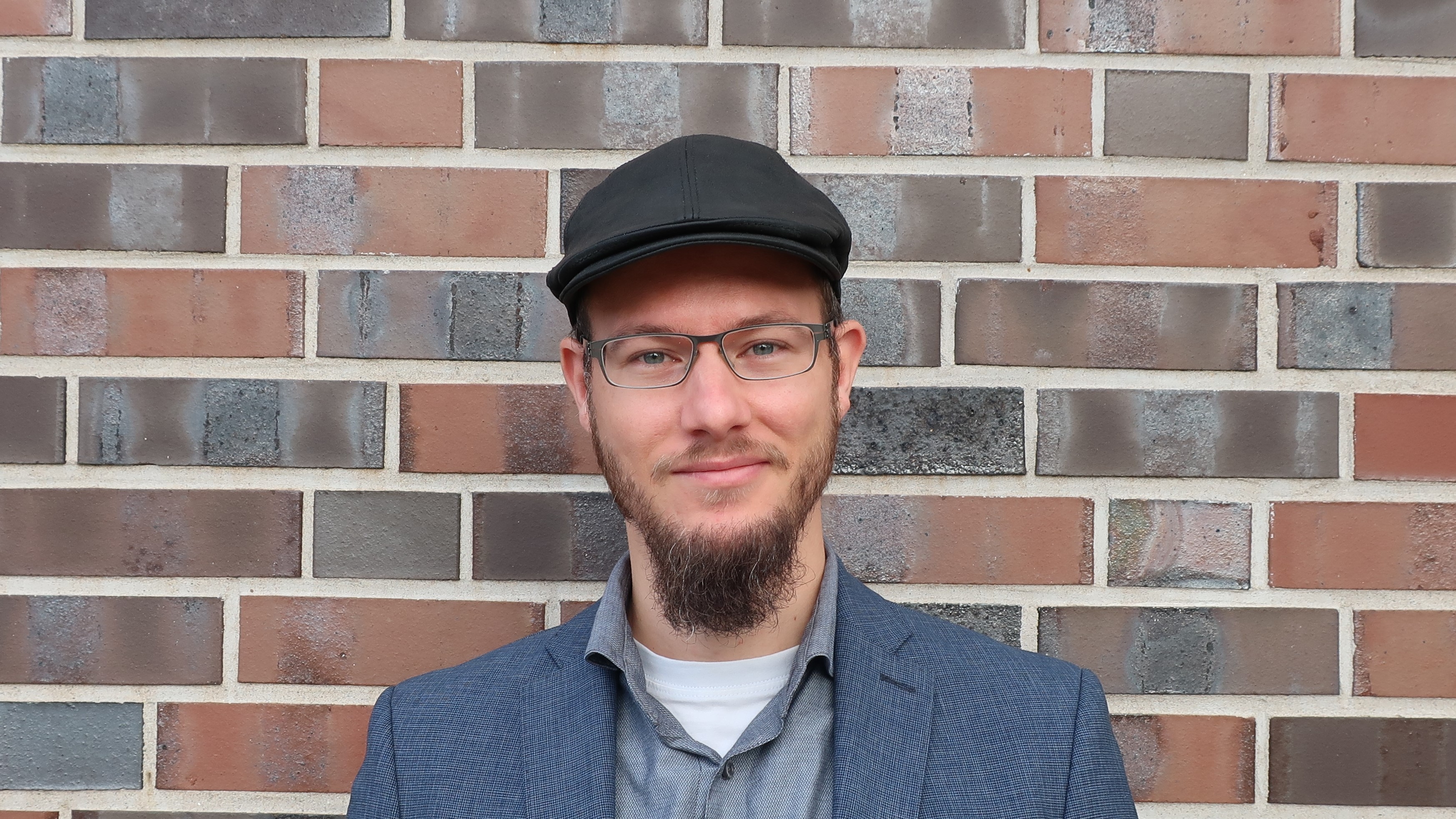
Summary Prof. Tim Kacprowski is a Professor and Head of Data Science in Biomedicine at the Peter L. Reichertz Institute for Medical Informatics (PLRI), jointly affiliated with TU Braunschweig and Hannover Medical School. His research focuses on integrating computational methods with biomedical challenges, particularly in network medicine, federated learning, and alternative splicing analysis. Key projects include the development of the NeDRex platform for drug repurposing and the FeatureCloud framework for privacy-preserving federated learning in healthcare. Research Interests His work spans multiple domains: Network Medicine: Leveraging molecular networks for disease module identification and drug discovery. Data Science: Advanced analytics for biomedical data, including ECG monitoring, microbiome studies, and flow cytometry. Federated Learning: Developing decentralized AI systems to protect patient data while enabling collaborative research. Alternative Splicing: Investigating splicing patterns in diseases like cancer and kidney disorders. Publications Trends Recent publications emphasize tools for drug repurposing (NeDRex-Web), ethical AI in clinical decision-making, and microbiome dynamics in chronic diseases. His work bridges computational methods with clinical applications, addressing challenges in precision medicine and healthcare technology. Labs & Collaborations As head of the Data Science group at PLRI, he leads interdisciplinary teams advancing biomedical informatics. Collaborations span institutions in Germany and internationally, focusing on translational research and AI-driven healthcare solutions.
- Nanotechnology
- Quantum Systems
- Sensors
- +۴ مورد دیگر
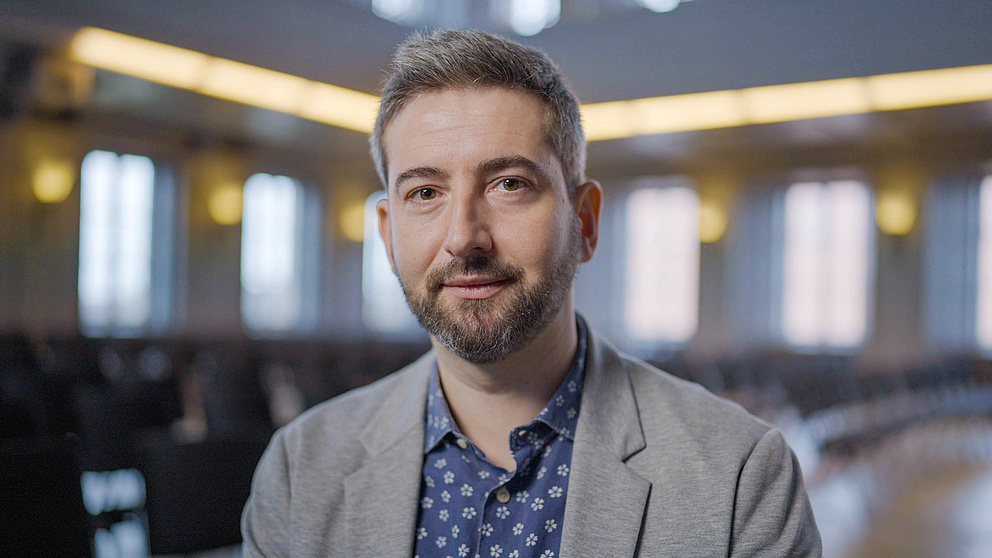
Joan Daniel Prades Garcia is a Full Professor (W3) at the Institute of Semiconductor Technology, Faculty of Electrical Engineering, Information Technology, Physics, Technische Universität Braunschweig, Germany. He previously held a Full Professorship (2019–2024) and an Associate Professorship (2014–2019) at Universitat de Barcelona, Spain, and founded two start-ups, including ColorSensing SL (since 2018). His research bridges semiconductor technology and quantum metrology, focusing on ubiquitous sensor systems using nanowires and quantum effects for environmental monitoring. Education: PhD in Electronic Engineering (2009, Universitat de Barcelona); Master in University Teaching (2011); Master in Nanoscience and Nanotechnology (2007) His research exploits quantum-scale changes in nanoscale materials under environmental stimuli to develop scalable, transportable sensors. Key projects include ultra-low-power gas sensors, self-heated nanowires, and GaN micro-LED integration for distributed sensing networks. His work has been recognized with prestigious awards, including the Alexander von Humboldt Professorship (2024), ERC Starting Grant ('BetterSense', 2014), ERC Proof-of-Concept grants ('GasApp', 2016; 'Stick-n-Sense', 2020), ICREA Academia Award (2018), and Eurosensors Fellow (2017). He has coordinated over 47 projects and acquired €11.1 million in funding, including €4.8 million internationally. He leads a team at TU Braunschweig, collaborating on semiconductor quantum systems and nanoscale metrology to address air pollution, a critical global health challenge. His scientific record includes over 115 refereed journal articles, 9 patents (2 licensed), and an h-index of 42.
- Parallel File and Storage Systems
- Modular Supercomputing
- Resource Disaggregation and Virtualization
- +۶ مورد دیگر
Sarah Neuwirth is a tenured Professor for Computer Science at Johannes Gutenberg University Mainz (JGU) and a Visiting Researcher at the Jülich Supercomputing Centre. She manages JGU's High Performance Computing (HPC) division, coordinates regional/national HPC activities, and represents JGU in NHR, Gauss-Allianz, and HPC committees. Education : PhD (Dr. rer. nat.) in Computer Science (2018), Heidelberg University Diplom in Computer Science (2012), University of Mannheim Bachelor of Science in Computer Science (2010), University of Mannheim Research Interests : Parallel File and Storage Systems Modular Supercomputing (resource disaggregation/virtualization) Performance Engineering High Performance Computing Networking Reproducible Benchmarking Parallel I/O Publications Trends : Her work focuses on HPC performance modeling, parallel I/O optimization, modular supercomputing, network characterization, and reproducible benchmarks. Key themes include resource disaggregation, automated workflows, and data-intensive distributed applications. Scientific Awards : 2023 PRACE Ada Lovelace Award for HPC ZONTA Science Award 2019 Grants & Leadership : She leads the High Performance Computing division at JGU, participated in European DEEP projects, and serves on SC conference committees.
Prof. Ferdinanda Ponci is a Professor at RWTH Aachen University, leading the Department of Monitoring and Distributed Control for Energy Systems. Her work focuses on smart grid technologies, renewable energy integration, and control systems for modern power networks. She actively contributes to advancing grid resilience, EV charging infrastructure, and cybersecurity in energy systems. Key research interests include hybrid AC-DC grids, distributed energy resources coordination, and application of AI in grid management. She has pioneered frameworks like datafev for EV charging management and SMU platforms for synchronized measurements. Her interdisciplinary approach also addresses diversity in engineering and societal impacts of energy systems. Prof. Ponci’s laboratory activities involve hardware-in-the-loop testing, blockchain-based grid solutions, and development of educational toolboxes for emerging technologies. She collaborates on projects such as submarine transmission systems and grid interoperability testing, contributing to both academic and industrial advancements in power systems engineering.
Yuan Liu is a faculty member affiliated with Guangzhou University's Cyberspace Institute of Advanced Technology. Their research focuses on cybersecurity, blockchain technology, federated learning, and IoT systems. They have held roles at multiple institutions, including Northeastern University (Software College) and Nanyang Technological University (PhD in Computer Engineering). Liu's work emphasizes secure communication, edge computing, and distributed systems, with contributions to protocols like blockchain-based redactable systems and quantum federated learning frameworks. They have collaborated extensively on projects addressing IoT security, smart healthcare, and privacy-preserving technologies. Key research trends include leveraging AI for enhanced security (e.g., watermarking frameworks, attack detection) and optimizing resource allocation in edge computing environments. Their publications span journals like IEEE Communications Surveys & Tutorials and conferences such as GLOBECOM.
Prof. Dr. Bernd Witzigmann serves as Chair Holder at the Friedrich-Alexander University Erlangen-Nürnberg (FAU) within the Department of Electrical-Electronic-Communication Engineering and the Institute of Optoelectronics. His research focuses on advanced optoelectronic device modeling, particularly III-nitride semiconductors for ultraviolet applications, THz sensing, and photonic crystal technologies. Research Areas: Optoelectronic Device Physics, III-Nitride Semiconductors, THz Sensing, Quantum Well Modeling Key Projects: DUV AlGaN LEDs, InP/InAsP Nanowire Photodetectors, Germanium Fano-Resonators His work emphasizes computational simulation of carrier transport, polarization-induced doping effects, and optical gain mechanisms, particularly in ultraviolet light-emitting diodes and quantum disc structures. Collaborative studies span CMOS-compatible sensor fabrication and biofunctionalized THz antenna systems. Recent publications highlight advancements in aluminum nitride trenchFETs, multi-color DUV LEDs, and superparamagnetic label detection using micromagnetic models. His team explores subwavelength field effects in photonic crystal cavities and bandwidth optimization for photogated nanowire photodetectors. Located in Raum 01.045 at Konrad-Zuse-Strasse 3/5, Erlangen, Prof. Witzigmann leads research at the intersection of semiconductor physics and nanophotonic applications through both theoretical and experimental approaches.
Ambuj Varshneyمشاهده پروفایل
پژوهشگر
Ambuj Varshney is a researcher specializing in low-power wireless communication, visible light networking, and embedded systems. His work explores tunnel diodes for non-contact sensing, backscatter technologies, and edge-based language models. Key contributions include AudioCast for audio-broadcast connectivity, TunnelSense for tunnel diode sensing, and PiXelGen for mixed-reality cameras. Core Research Areas: Wireless Sensor Networks, Backscatter, Tunnel Diodes, IoT, Embedded Systems Recent Trends: Integration of large language models (LLMs) in edge devices, visible light communication, low-power AR networking
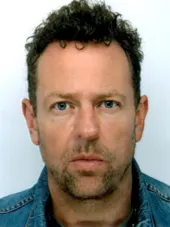
Andreas Winter is an ICREA Research Professor at Universitat Autònoma de Barcelona and holds a Hans Fischer Senior Fellowship at TUM-IAS, Technical University of Munich. He specializes in quantum and classical information theory with affiliations at the University of Cologne's Department of Quantum Information and Computation. His research examines fundamental limits in quantum communication, entropy applications, and quantum computing foundations. Education: Diploma in Mathematics, Freie Universität Berlin Ph.D. in Mathematics, Universität Bielefeld Research: His interdisciplinary work bridges quantum Shannon theory, thermodynamics, and discrete mathematics, exploring quantum channel capacities, information tradeoffs, and cryptographic protocols. Recent publications demonstrate advances in quantum coding efficiency and high-dimensional quantum systems. Awards: 2022: Hans Fischer Senior Fellowship, Alexander von Humboldt Prize, QCMC Quantum Award 2017: IEEE Information Theory Paper Award 2012: Whitehead Prize (LMS) 2007: Philipp Leverhulme Prize Leadership: Leads the Quantum Information Theory Focus Group at TUM-IAS, collaborating with Prof. Holger Boche on quantum communication frameworks.
- Quantum Physics
- Quantum Information
- Photonics
- +۲ مورد دیگر
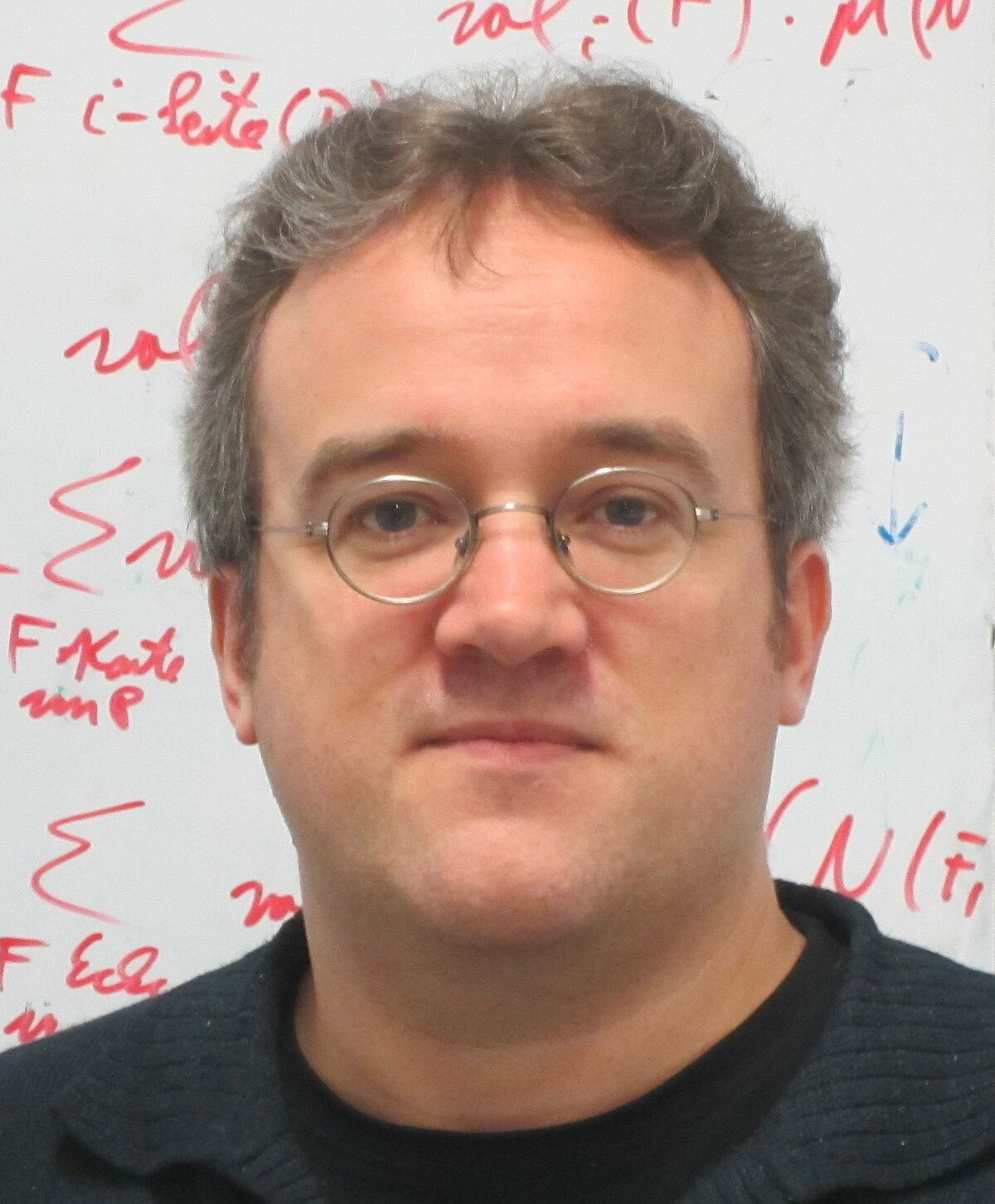
PD Dr. Frieder Ladisch serves as an Associate Professor at the Institute for Mathematics within the Faculty of Mathematics and Natural Sciences at the University of Rostock, Germany. His institutional affiliation includes membership in the Geometry working group (AG Geometry), with office location at Ulmenstraße 69, Haus 3, Room 231, and contact via university email and phone. His research program centers on Quantum Physics and Quantum Information , with specialized expertise in: Non-Hermitian quantum systems and PT-symmetry phenomena Topological photonic implementations including Su-Schrieffer-Heeger lattices Non-Abelian geometric phases and quantum holonomy Quantum random number generation using solid-state photon sources Experimental quantum optics with integrated photonic circuits Analysis of his 15 most recent publications (2019-2025) reveals consistent focus on PT-symmetry breaking experiments, quantum walk implementations in topological photonic structures, and quantum random number generation using hexagonal boron nitride emitters. His work bridges theoretical non-Hermitian quantum mechanics with practical photonic implementations. Dr. Ladisch operates within the Geometry working group at Rostock's Institute for Mathematics, where his research integrates mathematical geometry concepts with quantum information processing through photonic chip technologies and single-photon source applications.
Eduard A. Jorswieck is a University Professor of Communication Systems at the Institute of Communications Engineering , Technical University of Braunschweig, since 2019. He has previously held a professorship at TU Dresden (2008–2019) and has been a lecturer at TU Berlin (2005–2008). Currently, he serves as the Geschäftsführender Leiter (Managing Director) of the Institute of Communications Engineering. Education: Dipl.-Ing. in Computer Engineering (2000), Doctorate (2004) from TU Berlin. Research Interests: His work bridges information theory and wireless communications, focusing on physical layer security , energy efficiency , reconfigurable intelligent surfaces (RIS) , NOMA , MIMO systems , and machine learning for network optimization . He explores stochastic orders, game theory, and fractional programming for resource allocation in 5G/6G networks. Publications & Trends: Recent articles emphasize RIS-aided URLLC , STAR-RIS , 6G security , and AI-driven resource management . His studies span multi-antenna systems , terahertz ISAC , and multi-agent reinforcement learning for UAV networks. Awards: IEEE Signal Processing Society Best Paper Award (2006) IEEE Fellow (2020) Fellow of Industry Academy (AIIA, 2024) Best Paper Award at IEEE ICC 2024 Students & Collaborations: He has mentored researchers like K.-L. Besser, P.-H. Lin, and M. Mross. His lab collaborates on projects involving quantum communication , industrial IoT , and multi-agent systems .
Lisa Kohlمشاهده پروفایل
پژوهشگر
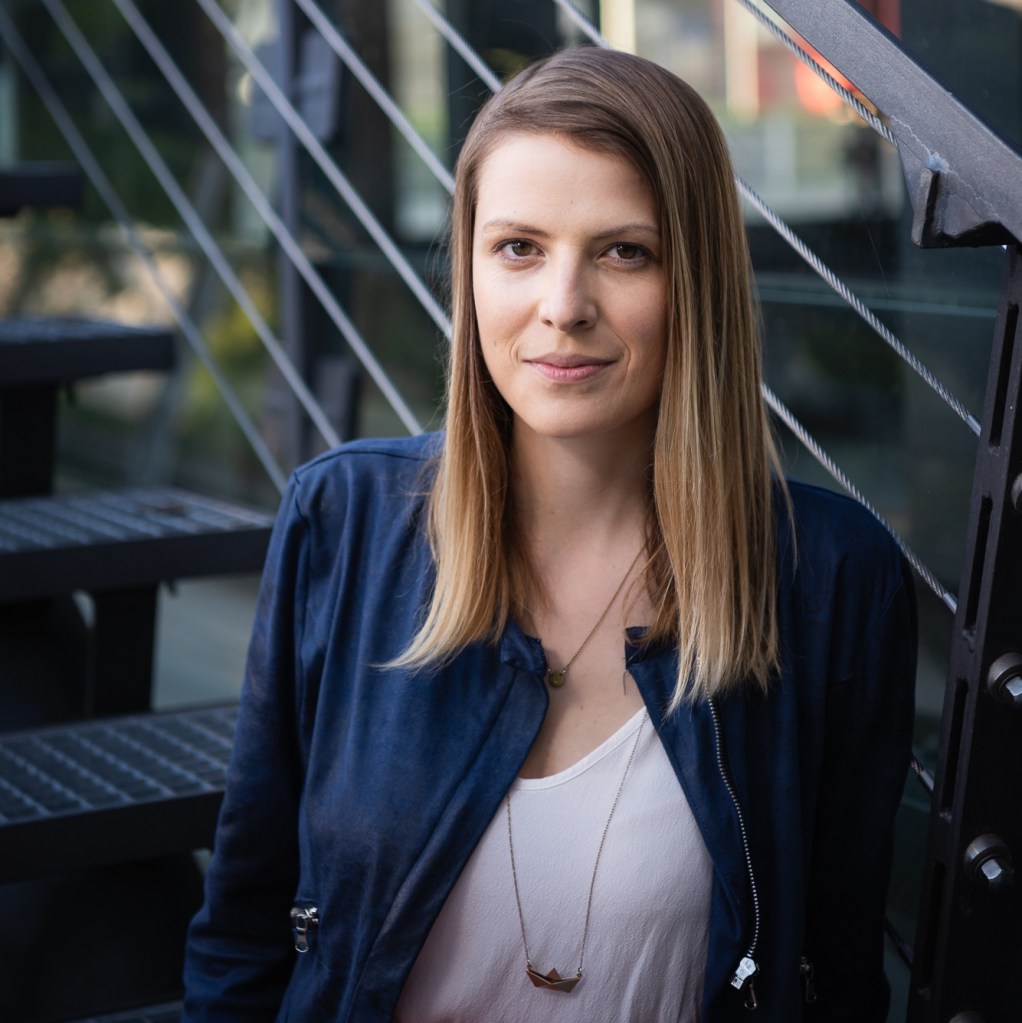
Dr. Lisa Kohl is a tenured Researcher in the Cryptology Group at CWI Amsterdam since October 2020. Her work focuses on secure computation and practical post-quantum secure protocols . Prior to CWI, she was a postdoctoral researcher at Technion with Yuval Ishai and completed her PhD at Karlsruhe Institute of Technology under Dennis Hofheinz in 2019. She also spent eight months at the FACT center, IDC Herzliya during her PhD and wrote her master’s thesis at CWI Cryptology Group as a visiting student in 2015. PhD in Cryptology (2019, Karlsruhe Institute of Technology) Postdoctoral Researcher (Technion, 2019-2020) Research Visit Fellow (FACT Center, 2015-2019) Visiting Student (CWI Cryptology Group, 2015) Her research spans secure multi-party computation , homomorphic secret sharing , post-quantum cryptography , and pseudorandom correlation generation . Articles demonstrate expertise in optimizing oblivious transfer , improving Σ-protocol efficiency , and constructing cryptographic primitives from lattice problems and LPN assumptions . Contact: Lisa.Kohl@cwi.nl
Mario Wenningمشاهده پروفایل
پژوهشگر
Mario Wenning is a Researcher at the Chair of Communication Networks (Technical University of Munich). He holds an M.Sc. in Communication Engineering from TUM (2020) and works as an external doctoral candidate while employed in ADVA's Advanced Technology group. B.Eng. in Medical Engineering from Baden-Württemberg Cooperative State University (2017) 2 years with Siemens Healthineers in MRI development Doctoral research at TUM since 2021 His research focuses on quantum key distribution networks , optical network planning , and data-driven network optimization . Key projects include: Quantum network management with dynamic routing Physical-layer-aware multi-band optical planning Long-haul QKD infrastructure development Recent publications in Journal of Optical Communications and Networking (2023-2025) address: QKD network security models Meshed network architecture Rate-adaptive transceiver optimization Trusted node deployment strategies Associated with multiple research initiatives: 6G Future Lab Bavaria DFG-funded projects (QCDE, SDN APP AWARE) EU 5GPPP VirtuWind BMBF SoftwareCampus program