- Physics of Computing
- Energy-Efficient Computing
- Application-Domain Specialized Architectures
- +۶ مورد دیگر
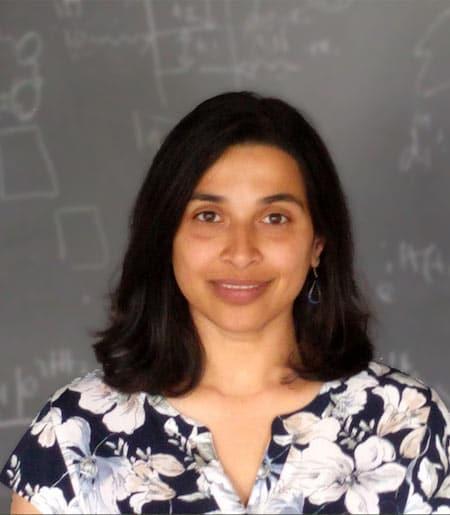
Ulya R. Karpuzcu is an Associate Professor in the Department of Electrical and Computer Engineering at the University of Minnesota, Twin Cities. Her research spans physics of computing, energy-efficient computing, application-domain specialized architectures, hardware security and reliability, and approximate computing. Her research interests focus on understanding how physical principles shape computing paradigms to address emerging energy problems. Key areas include: Physics of computing and physical limits of computation Energy-efficient computing through novel architectures Hardware security and reliability Approximate computing techniques Spintronics and non-volatile memory computing Quantum computing architectures Dr. Karpuzcu's recent publications show a strong focus on in-memory computing, Ising machines for combinatorial optimization, spintronics-based architectures, and quantum computing. Her work bridges theoretical foundations with practical hardware implementations, particularly exploring energy-efficient solutions through novel computing paradigms that address physical constraints. Her notable awards include: NSF CAREER Award (2016) on 'Trading Communication and Storage for Computation to Enhance Energy Efficiency' NSF SPX grant (2017) on scalable in-memory processing using spintronics NSF CCF grant (2014) on soft (approximate) near-threshold voltage computing NSF XPS grant (2014) on approximate communication to enhance energy efficiency Dr. Karpuzcu actively mentors PhD students and undergraduate researchers, with her lab 'wide open to motivated Ph.D. students and undergraduate researchers.' She has served on technical program committees for major conferences including ISCA, HPCA, MICRO, and ICCAD, and has co-organized workshops on Near-threshold Voltage Computing. She teaches courses on computer architecture, physics of computation, and quantum computing, including developing innovative courses like 'Physics of Computation' inspired by Richard Feynman's lectures.