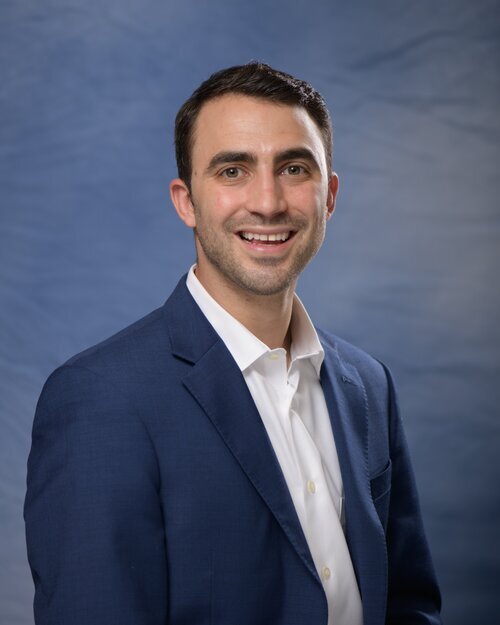
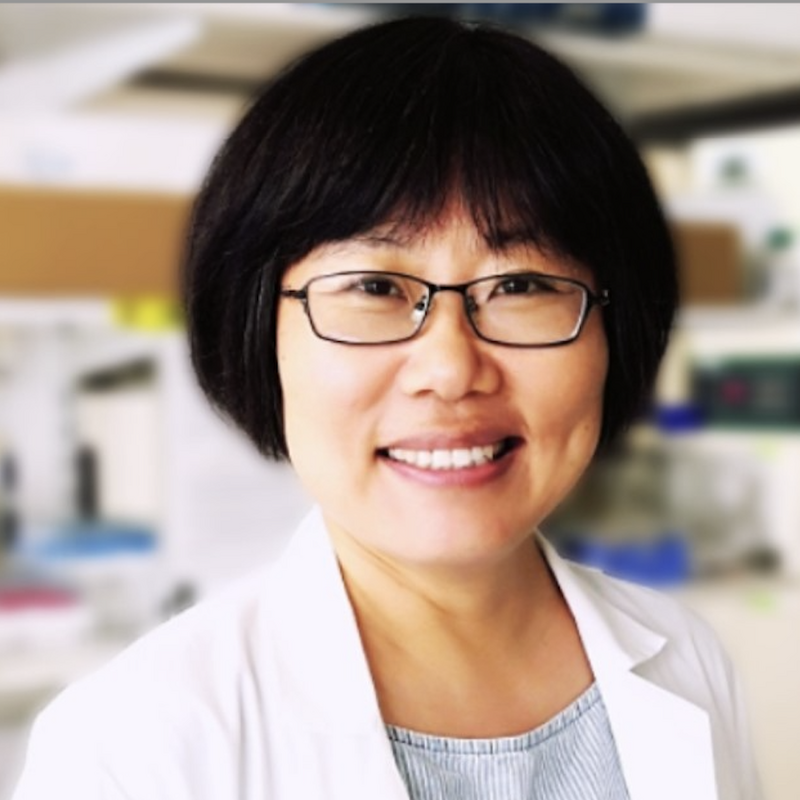
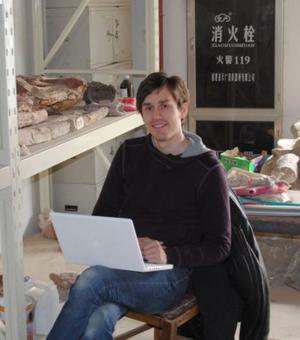
Salvatore Callesano is an Assistant Professor of Hispanic Linguistics at the University of Illinois Urbana-Champaign (UIUC), affiliated with the Department of Spanish and Portuguese and the College of Liberal Arts & Sciences. His research focuses on sociolinguistics, particularly bilingual communities in the U.S., language perception, and digital media representations of bilingualism. He employs both quantitative and qualitative methods to investigate how language variation interacts with identity, media, and social structures. Dr. Callesano collaborates on Project 16 of the Asociación de Lingüística y Filología de América Latina, addressing linguistic aspects of Latin American diaspora communities. His work bridges traditional sociolinguistic inquiry with modern digital practices, analyzing how social media shapes perceptions of language use among Latinx populations. Recent research highlights include studies on code-switching in Miami's linguistic landscape, dialect perception, and the role of media in mediating language attitudes. His publications span peer-reviewed articles and book reviews, emphasizing empirical rigor and interdisciplinary connections between language, culture, and society.
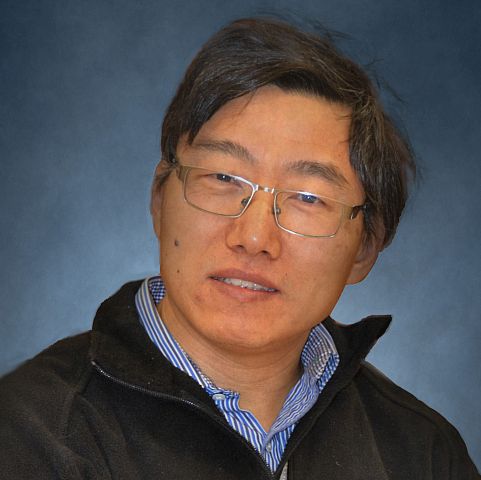
Qingguo Li is a Professor and Associate Head at the Department of Mechanical and Materials Engineering , Queen's University , and a member of the Ingenuity Labs Research Institute . He specializes in biomechanical system design, energy harvesting, wearable sensors, gait analysis, and load carriage systems. His research integrates robotics, biomedical engineering, and sensor technology to develop human-centric devices and mobility aids. Current Roles : Professor, Associate Head, Queen's University Research Institute : Ingenuity Labs Research Institute Lab : Bio-Mechatronics and Robotics Laboratory His work focuses on biomechanical energy harvesting , IMU-based motion analysis , and assistive device development . Key applications include stroke rehabilitation, gait monitoring, and wearable power generation systems. Articles span cable-driven robots , smart walkers , and 3D printing mechanisms , emphasizing human-robot interaction and dynamic modeling . The lab explores sensor calibration , adaptive control algorithms , and human movement optimization . Areas of impact include rehabilitation engineering , load carriage stability , wearable sensor accuracy , and assistive robotics . His team develops solutions for gait asymmetry detection , post-stroke mobility , and low-cost energy systems , leveraging machine learning and kinetic modeling .
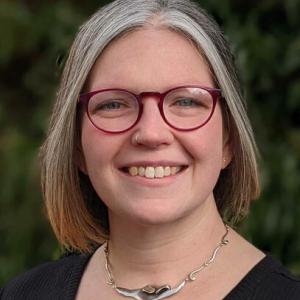
Dr. Stephanie Archer is an Associate Professor and Senior Research Associate at the University of Cambridge, jointly affiliated with the Department of Psychology and the Department of Public Health and Primary Care. Her work bridges psychological science with clinical applications, particularly in cancer risk assessment and digital health interventions. Dr. Archer holds a BSc, MSc, and PhD, though specific institutions are not mentioned in available sources. Her educational background has prepared her for interdisciplinary research at the intersection of psychology, public health, and clinical medicine. Her research focuses on three primary areas: designing multifactorial cancer risk prediction tools for clinical settings; exploring patient and staff experiences of health and social care; and developing/testing digital health interventions. She employs qualitative methods extensively while also engaging with quantitative approaches for comprehensive health services research. Her work demonstrates strong translational focus, moving from theoretical frameworks to practical clinical applications. Analysis of Dr. Archer's recent publications reveals a consistent trajectory in cancer risk prediction tools (particularly CanRisk), patient experience research across multiple conditions, and implementation science for digital health interventions. Her work spans breast, ovarian, prostate, and other cancers while also addressing mental health in autistic populations and patient safety in surgical settings. The interdisciplinary nature of her research connects psychology with oncology, primary care, and public health. Dr. Archer actively contributes to clinical guidelines development, as evidenced by her involvement in the Joint ABS-UKCGG-CanGene-CanVar consensus regarding CanRisk implementation. Her research methodology combines qualitative depth with mixed-methods approaches to address complex healthcare challenges. As a Senior Research Associate and Associate Professor, Dr. Archer likely supervises PhD students and early-career researchers, though specific advisees are not documented in available sources. Her teaching interests include health psychology, health services research, qualitative methods, and intervention development. Dr. Archer collaborates across multiple research units at Cambridge, including the Primary Care Unit and likely the Centre for Cancer Genetic Epidemiology, reflecting her interdisciplinary approach to improving cancer risk assessment and patient care pathways.
Dr. Gary Glover is a Professor of Radiology (Radiological Sciences Lab) at Stanford University , with courtesy appointments in Psychology and Electrical Engineering. His work focuses on the physics and mathematics of MRI, particularly rapid scanning methods using spiral k-space trajectories for functional brain imaging and multimodal neuroimaging (fMRI/EEG/fPET/fNIRS) combined with neuromodulation techniques like TMS and transcranial ultrasound. Academic Appointments: Radiology, Psychology, Electrical Engineering Professional Affiliations: Bio-X, Stanford Cancer Institute, Wu Tsai Neurosciences Institute Research Interests include: Development of blood oxygen level-dependent (BOLD) and viscoelastic contrast in MRI Functional MR Elastography for brain activation mapping Optimization of MR-ARFI for transcranial ultrasound guidance Automated spinal cord segmentation (EPISeg) using machine learning Scientific Awards : National Academy of Engineering (2013) Gold Medal, ISMRM (2000) Steinmetz Award, General Electric (1985) Lauterbur Lecture, ISMRM (2018) Recent Publications analyze: Fast fMRI sampling and spurious signal correction Dissociated patterns in default mode network anti-correlations Neural correlates of collaborative behavior in triadic fMRI Salience network contributions to depression pathophysiology
Professor Mary M. Reilly is a distinguished academic and clinician serving as Professor of Neurology in the Department of Neuromuscular Diseases at University College London's Queen Square Institute of Neurology. She is also a consultant neurologist at the National Hospital for Neurology and Neurosurgery, Queen Square, London. Her academic appointments include: Professor of Neurology, University College London, Department of Neuromuscular Diseases Head of the Division of Clinical Neurology, UCL Queen Square Institute of Neurology Lead of the peripheral nerve clinical and research group Professor Reilly's research focuses on inherited neuropathies, with particular emphasis on Charcot-Marie-Tooth disease (CMT) and hereditary transthyretin amyloidosis (hTTRA). Her work spans the entire translational pipeline, from gene identification and pathogenetic studies through natural history studies and outcome measure development to clinical trials. She approaches her research with a patient-centered perspective, with questions arising directly from clinical encounters. Her extensive publication record demonstrates consistent contributions to understanding various forms of Charcot-Marie-Tooth disease, amyloid neuropathies, and other inherited peripheral nerve disorders. Her research employs diverse methodologies including genomic analysis, biomarker development, imaging techniques, and international collaborative studies to advance understanding and treatment of these conditions. Professor Reilly has received significant recognition for her work: Elected Fellow of the Academy of Medical Sciences (2020) Awarded Fellow of the European Academy of Neurology (2023) Past President of the Association of British Neurologists (ABN) Past President of the British Peripheral Nerve Society (BPNS) Past President of the international Peripheral Nerve Society (PNS) Current chair of the Guarantors of Brain Professor Reilly has made substantial contributions to education and mentorship in the field. As Director of Training in the inherited neuropathy consortium (INC), she developed and runs an international inherited neuropathy fellowship scheme since 2009, with 14 fellows completed. She established and directed an international fellowship program through the International Centre for Genomic Medicine in Neuromuscular Diseases (ICGNDM) between 2019-2024, connecting institutions across UK, Brazil, India, South Africa, Zambia and Turkey. She also successfully ran the MRC Neuromuscular PhD programme between 2008 and 2018, mentoring 39 students. She leads the MRC Centre for Neuromuscular Diseases Biobank London, which plays a crucial role in advancing research on rare and neuromuscular diseases through the collection and analysis of biological samples.
Kate Laskowski is an Associate Professor in the Department of Evolution and Ecology at University of California, Davis , focusing on behavioral diversity and plasticity. Her research explores how evolutionary processes shape developmental mechanisms generating individual variation. Education: B.S. in Biological Sciences (2006, UMBC), Ph.D. in Integrative Biology (2013, University of Illinois) Her work integrates ultimate and proximate perspectives to analyze how genetic, parental, and experiential cues build phenotypes. Recent research emphasizes clonal fish models to study non-genetic origins of behavior, eco-evolutionary dynamics, and collective behavior across scales. Publications from 2023-2025 highlight themes in behavioral repeatability , predation risk responses , genetic life-history trade-offs , and social conformity vs. individuality . Her methods combine experimental studies with statistical modeling and meta-analytic frameworks. Scientific Awards: Sloan Fellow (2023) Kate collaborates with the Center for Population Biology and advises in the Animal Behavior and Population Biology graduate programs. Her lab investigates behavioral individuality in clonal systems, with applications to conservation and evolutionary theory.
Professor Anna Remington is the Director of UCL's Centre for Research in Autism and Education (CRAE) and holds the title of Professor of Autism Research within the Department of Psychology & Human Development at University College London's Faculty of Education and Society. She joined UCL in 2013 and became CRAE's Director in 2017, focusing on research addressing autism's perceptual and cognitive strengths while emphasizing participatory methods involving autistic communities. Her work bridges academic research with practical initiatives, such as the Deutsche Bank internship program for autistic graduates. Anna completed her BA in Natural Sciences at the University of Cambridge before pursuing an MSc in Human Communication Science and a PhD in Developmental Science at UCL. Her postdoctoral roles included positions at UCL's Institute of Cognitive Neuroscience and Oxford University. Her research explores superior perceptual and attentional abilities in autism, translating findings into strategies for improving employment opportunities and societal inclusion. Her awards reflect her commitment to impact, including the UCL Knowledge Exchange Champions Award (2016) and ESRC Impact Prize (2020 finalist). She teaches on UCL's MA programs in Special and Inclusive Education, Educational Neuroscience, and Psychology of Education, supervising students across these disciplines. Collaborations extend to institutions like Birkbeck and City University, with enterprise initiatives such as Mini Manuscript (co-founded with Jake Fairnie). She actively engages in public events like the Brain Detectives Science Club and advises organizations on supporting autistic employees. Current projects include studies on autistic experiences in the family justice system, perceptual capacities in autism/ADHD, and promoting autistic employment through policy and practice.
Edmund Hollis is an Assistant Professor of Neuroscience at the Brain and Mind Research Institute within Weill Cornell Medical College . He has been affiliated with the institution since 2016 and leads a research lab focused on neural circuit remodeling and recovery after spinal cord injury. Education: Ph.D. in Neurosciences, University of California, San Diego, School of Medicine (2008) B.S., University of Southern California (2002) Research Interests: Hollis's lab investigates the neural mechanisms underlying movement and recovery from spinal cord injury. Using genetic, molecular, and behavioral tools, along with optogenetics and optical imaging, the lab explores how neural circuits respond to injury and how they can be therapeutically enhanced. Key areas include cortical plasticity, axon regeneration, astrocyte responses, and neuromodulation of motor circuits. Scientific Contributions: His recent publications demonstrate a strong focus on corticospinal tract function, spinal interneuron modulation, and the use of advanced behavioral assays like the Kinematic Deviation Index (KDI) to assess motor recovery in rodent models. His work spans from molecular signaling pathways (e.g., RANKL, Wnt, IGF-I) to large-scale circuit remodeling and rehabilitation strategies. Collaborations & External Roles: Hollis has professional affiliations with Texas A&M University and the National Institutes of Health, and has served as a speaker and consultant for various academic and governmental organizations.
Anne-Sofie Helvik is a Professor at the Norwegian University of Science and Technology (NTNU) within the Department of Public Health and Nursing . Her research focuses on quality of life, coping mechanisms, aging, impairment, and disabilities, with a particular emphasis on older adults. Email: anne-sofie.helvik@ntnu.no Location: Øya Helsehus, 153.03.001, Øya, Håkon Jarls gate 11 Her work spans multiple domains: Health Promotion: Central to her research is improving health outcomes in older populations. Substance Misuse: Investigates alcohol and drug use among older adults and its impact on health. Mental Health: Studies depression, pain, and dementia in aging populations. Sensory Function: Explores olfactory and hearing impairments in older adults. Healthcare Systems: Evaluates treatment, care, and postoperative follow-up in both pediatric and geriatric contexts. Her methodological approach combines both quantitative and qualitative research , with a strong emphasis on longitudinal studies and population-based analyses. Currently, she supervises two doctoral students: Heidi Sivertsen – Researching depression among older community residents. Ingrid Torvik Heian – Investigating olfactory functioning. Her research unit, Allmennmedisinsk Forsknings Enhet (AFE) , focuses on aging and health in older adults, accessible via NTNU’s aging and health page.
Assoc. Prof. Dr. Koray KIRIKCI is a faculty member at Kırşehir Ahi Evran University, Faculty of Agriculture, Department of Animal Science, where he currently serves as Associate Professor since 2024. Previously, he held positions as Doctoral Faculty Member (2020-2024) and Research Assistant (2011-2020) at the same institution. He also holds administrative positions including Department Vice Chair (since 2022), Education Coordinator (since 2021), and Education and Teaching Committee Member. Dr. KIRIKCI earned his BSc in Agricultural Engineering from Gaziosmanpaşa University (2005-2009), followed by an MSc in Animal Science from Ondokuz Mayıs University (2010-2012), and completed his PhD in Animal Science at the same institution (2012-2017). He also received a YÖKDİL certificate with 85 points in 2021. His research focuses on animal breeding and genetics, particularly in small ruminants. His primary interests include sheep and goat breeding, biometrics, genetics, gene polymorphisms related to reproductive traits, meat quality, and molecular markers for selection. He has made significant contributions to understanding the genetic basis of litter size, multiple births, and meat production traits in Turkish native sheep breeds. Analysis of his recent publications reveals a strong emphasis on reproductive genetics in sheep, particularly investigating BMP15 and GDF9 genes and their relationship with litter size. His work spans multiple Turkish native sheep breeds including Akkaraman, Karayaka, Çepni, and Of, as well as international collaborations with Kazakh researchers on Saryarka sheep. His research combines molecular techniques like PCR-RFLP with quantitative genetic analysis to identify markers for selective breeding. Dr. KIRIKCI has supervised at least one Master's student, Melike Kavuzkoz, whose thesis focused on FSHR, LHβ, and GPR54 gene mutations in Sakız sheep. He has taught numerous graduate and undergraduate courses including Genetic Analysis, Population Genetics, and Animal Breeding Methods. He has been principal investigator for 20 research projects, including studies on indel and major gene mutations related to multiple births in Ankara goats (2025-2027), polymorphism and phylogenetic relationships of BMP15 and GDF9 genes in native sheep breeds from Kazakhstan and Türkiye (2024-2025), and investigation of FSHR, LHβ, and GPR54 gene mutations in Sakız sheep (2023-2024). His work demonstrates strong international collaboration, particularly with Kazakh National Agrarian Research University.
Professor Haiyan Zhou serves as Professor of Genetic Medicine at University College London (UCL), affiliated with the Institute of Child Health and Department of Genetics and Genomic Medicine. She directs the UK Platform of Nucleic Acid Therapy (UPNAT Node) for rare diseases, co-leads the Therapeutic Innovation and Trials Community Domain in Genomics England, and acts as Deputy Theme Lead for Novel Therapies at the NIHR Great Ormond Street Hospital Biomedical Research Centre. Prof. Zhou earned her MD-PhD in clinical medicine and skin pharmacology from Peking Union Medical College. Her research pioneers nucleic acid therapeutics (NAT) for rare genetic disorders, focusing on RNA-based approaches including antisense oligonucleotides, siRNA, and RNA editing for neuromuscular diseases. The Zhou Lab collaborates extensively across UCL with experts in muscular dystrophies, respiratory disorders, neurological conditions, and metabolic diseases to translate experimental therapies into clinical applications for pediatric patients. Recent publications (2023-2025) reveal a dominant focus on optimizing RNA therapeutics for spinal muscular atrophy and collagen VI-related dystrophies, with key advances in allele-specific silencing, biomarker discovery, and preclinical-to-clinical translation. Her work consistently bridges molecular mechanisms with therapeutic development, emphasizing tissue-specific delivery and treatment response monitoring. Scientific recognition includes: Harrington UK Rare Disease Scholar (2021) Lea Rose Spinal Muscular Atrophy Award (2017, 2015) Young scientist award from The SMA trust (2011) President Prize for the Young Myologist of the Year (World Muscle Society, 2006) As principal investigator, Prof. Zhou secures funding from MRC, NIHR, and the Harrington Discovery Institute for RNA therapeutic development. She mentors early-career researchers through e-COST Action, Marie Skłodowska-Curie ITN, and UCL programs while supervising MSc/PhD students. Her leadership extends to directing UCL's MSc Personalized Medicine and Novel Therapies Programme and serving on multiple education committees. The Zhou Lab operates as a multidisciplinary hub within UCL's Institute of Child Health, collaborating closely with the Dubowitz Neuromuscular Centre and international consortia like the Oligonucleotide Therapeutic Society. Current initiatives focus on individualized RNA therapy for pediatric rare diseases, with active pipelines for hereditary sensory neuropathy and COL6-related dystrophies.
Dong Kyoo Shin is a Professor at Sejong University's Department of Computer Science and Engineering, where he has been employed since 1998. He holds a Ph.D. from Texas A&M University (1997), an M.S. from Illinois Institute of Technology (1992), and a B.S. from Seoul National University (1986). His professional background includes roles as a Researcher at the Korea Institute of Defense Analyses (1986-1991) and Senior Researcher at Hyundai Electronics (1997-1998). Shin leads research in cybersecurity, machine learning, and ubiquitous systems , with specialized interests in intrusion detection, data mining, cyber warfare frameworks, and adversarial ML defense. His recent publications focus on AI-driven security solutions, ransomware analysis, and resilience quantification in critical infrastructure. He directs the Cyber Warfare Research Institute (established 2017) and the Multimedia & Internet Lab , focusing on defense technologies and smart systems. His team has executed projects for the Ministry of National Defense, ADD, and ETRI, including cyber threat response systems and military security frameworks. Service includes advisory roles for the Ministry of National Defense, Defense Acquisition Program Administration, and editorial duties for defense journals. He holds patents in malware detection, data encryption, and sensor-based interfaces.
Kolbjørn Kallesten Brønnick is a Professor and Dean at the Faculty of Social Sciences, University of Stavanger. His research spans neuroscience, healthcare technology, and digitalization impacts in academia. He has contributed to studies on EEG-based disease classification, digital stressors in academic environments, and telemedicine efficacy. His work emphasizes cross-disciplinary approaches, integrating clinical neuroscience with public health challenges. Key research interests include neurodegenerative disorders, olfactory dysfunction assessment, and healthcare practitioner resilience. His recent publications explore EEG biomarkers for Parkinson’s disease, validation of digital consultation tools, and pandemic-related communication strategies. Brønnick collaborates internationally on projects addressing neuropsychiatric symptoms in dementia and multisite EEG data harmonization. His work is published in high-impact journals like Clinical Neurophysiology and Frontiers in Psychology. Notable contributions include developing the Digital Stressors Scale and the PARPHAIT olfactory assessment tool. Brønnick’s academic leadership role underscores his commitment to advancing social science and health research methodologies.
Roger Benson is a Visiting Fellow at the University of Oxford specializing in paleontology and evolutionary biology. His research integrates fossil discovery, 3D morphometric analysis, and quantitative macroevolutionary studies to investigate vertebrate evolution across deep time, with particular expertise in dinosaurs, marine reptiles, and early synapsids. His primary research domains include: Phylogenetic Paleobiology : Resolving evolutionary relationships in key vertebrate clades using cladistic methods and fossil data Macroevolutionary Dynamics : Analyzing large-scale patterns of morphological diversity and species richness over 100+ million years Earth-Life Interactions : Quantifying links between environmental change, rock record biases, and biodiversity patterns using multivariate statistics Extant-Fossil Integration : Applying anatomical datasets from living species to test ecological hypotheses about extinct organisms Recent publications reveal consistent methodological innovation through synchrotron imaging, computational morphometrics, and big-data approaches to evolutionary questions. His work demonstrates how quantitative analysis of anatomical variation can resolve long-standing debates in vertebrate phylogeny while revealing fundamental principles of adaptive radiation. Though no specific awards are documented in the source material, Benson's research impact is evidenced by publications in premier journals including Nature, Science, and PNAS, reflecting significant contributions to evolutionary science. Benson actively mentors graduate students and leads international collaborations, as demonstrated by multi-institutional projects on Permian-Triassic extinction dynamics and dinosaur sensory evolution. His research group bridges field paleontology with computational biology to address fundamental questions in vertebrate evolution. Based within Oxford's Earth Sciences framework, his work leverages advanced imaging facilities and computational resources for fossil analysis and evolutionary modeling, contributing to the university's leadership in paleobiological research.
James D. Kelly is a University Distinguished Professor in the Department of Plant, Soil and Microbial Sciences at Michigan State University (MSU), with a 40-year career in dry bean breeding and genetics. His work focuses on developing high-yielding, disease-resistant bean cultivars using molecular markers and international collaborations through the Legume Innovation Lab. He has trained numerous graduate students, including global researchers like Rwanda's Minister of Agriculture Gerardine Mukeshimana. Education : B.S. and B.Agr. (Hons.) from Queen's University of Belfast (1968-1969); M.S. and Ph.D. in Plant Breeding & Genetics from the University of Wisconsin (1971-1974) His research spans symbiotic nitrogen fixation, drought tolerance, canning quality, and disease resistance in Phaseolus vulgaris . Recent publications highlight QTL mapping, transcriptome analysis, and cultivar registrations like 'Cayenne' and 'Red Cedar'. Scientific recognition includes the University Distinguished Professor title. His lab collaborates globally, impacting food security in East Africa, and he plans to retire soon while maintaining ongoing breeding innovation.