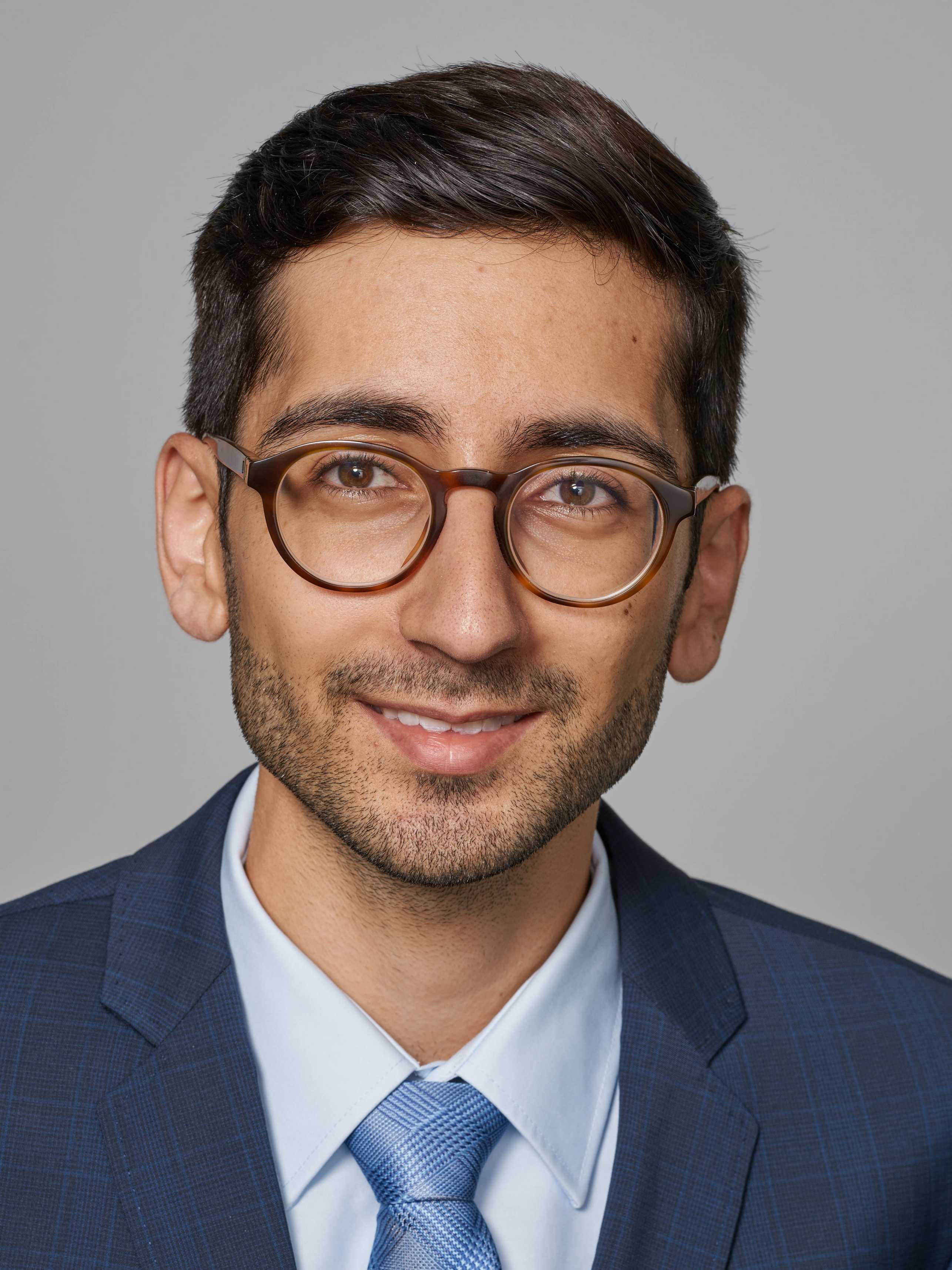
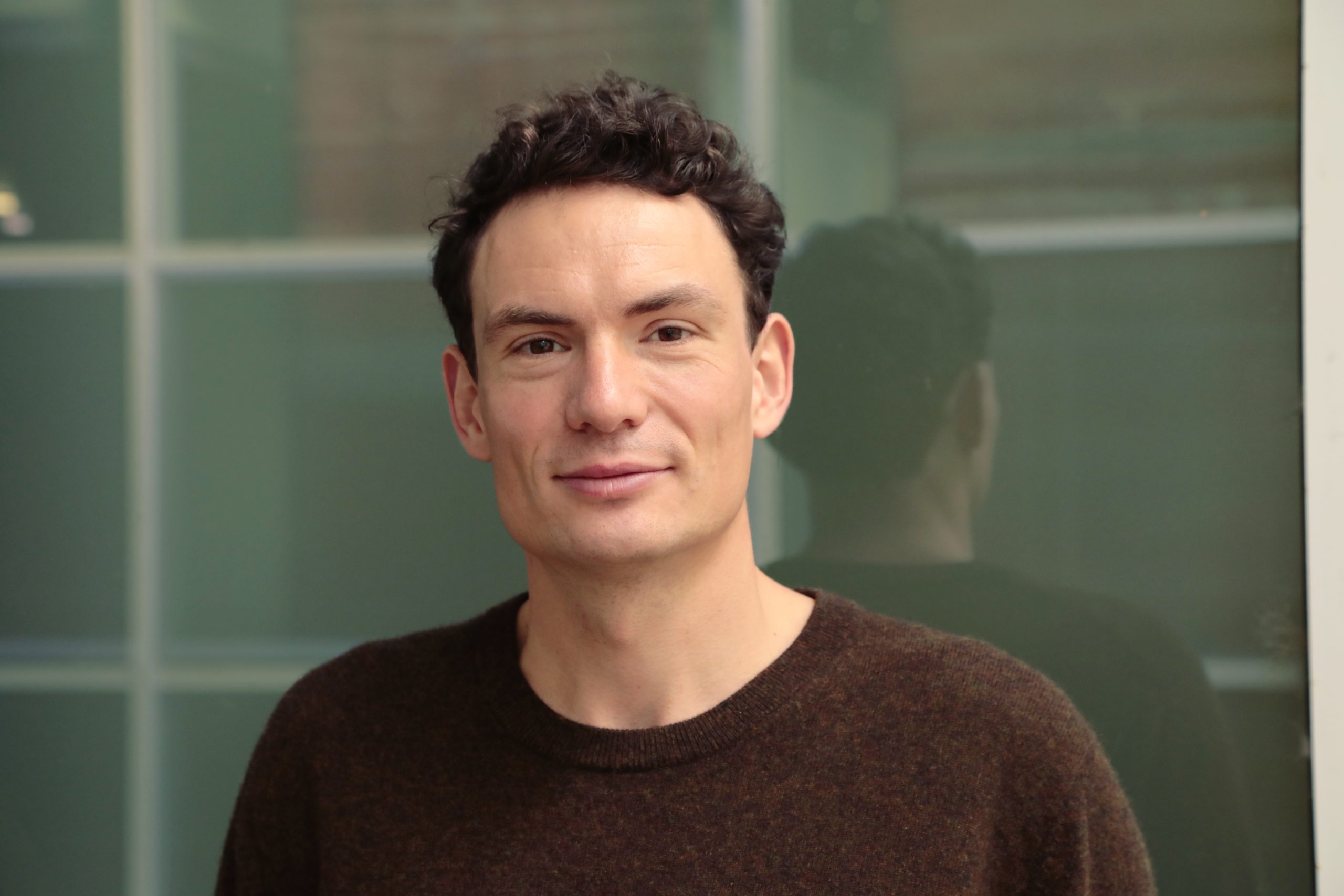
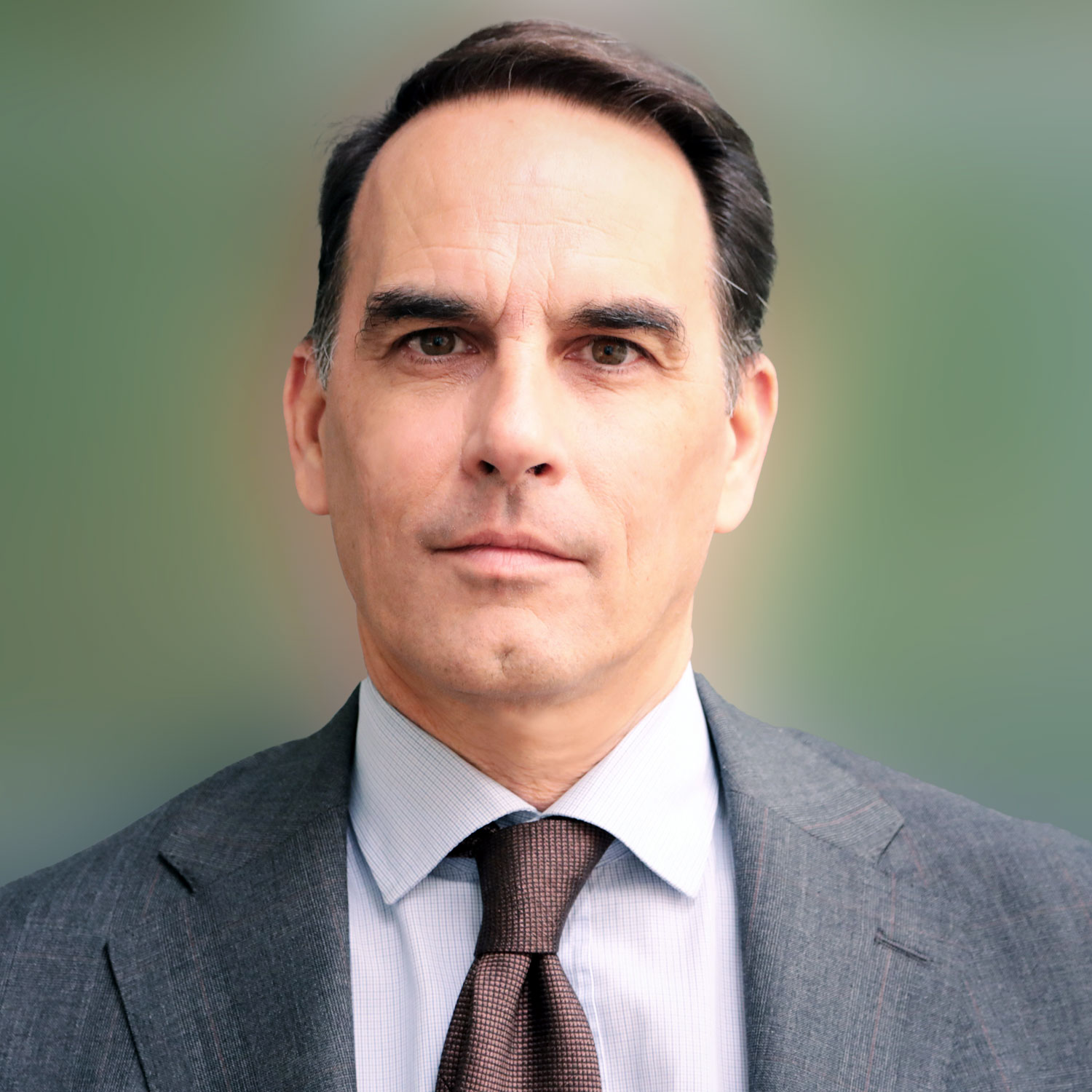
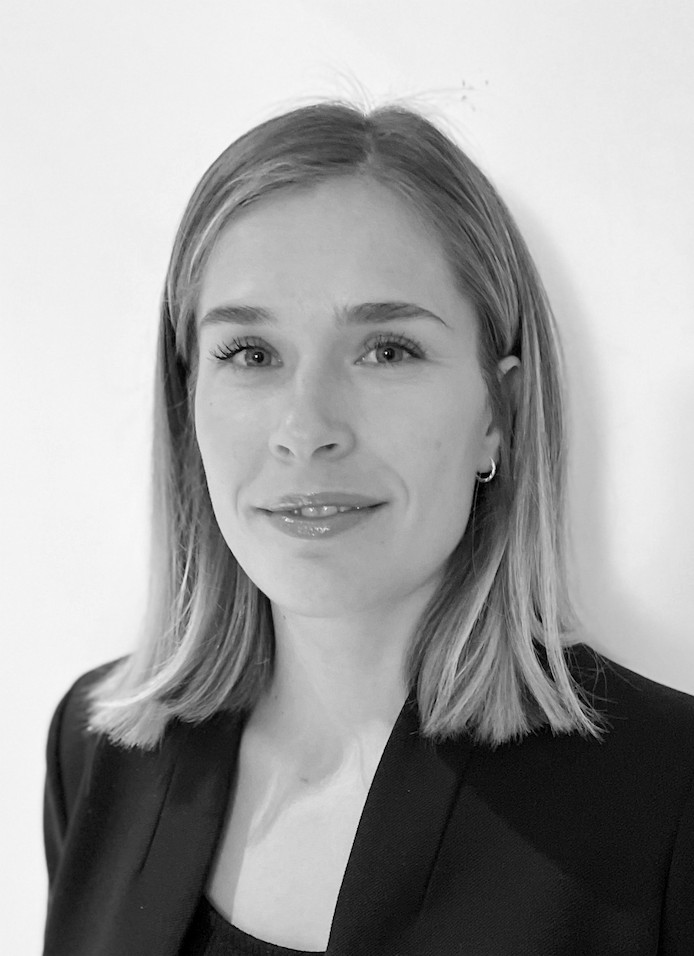
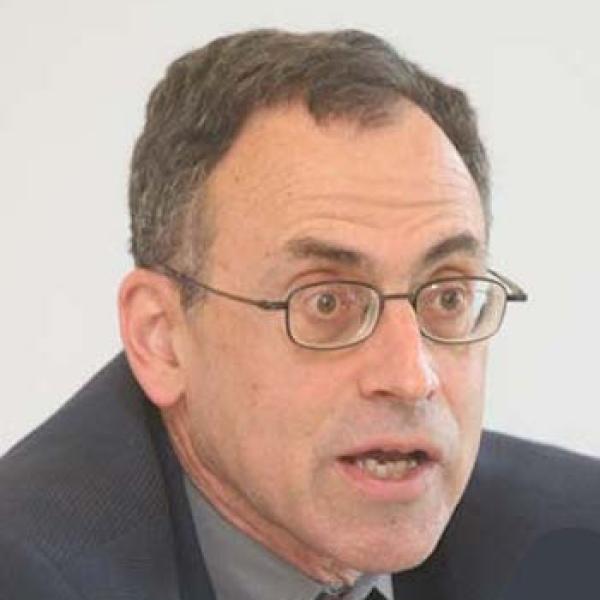
Jakob Merane is a postdoctoral researcher at ETH Zurich's Professorship of Law, Economics and Business, and a visiting researcher at the Max Planck Institute and Harvard Law School. He holds a Ph.D. from ETH Zurich and law degrees from the University of Basel, with additional studies in applied statistics. His research focuses on AI-driven legal enforcement, legal technology, and compliance-by-design approaches, leveraging computational and empirical methods. Merane's work includes developing tools like SwiLTra-Bench for multilingual legal translation and LEXam for benchmarking AI legal reasoning. He has contributed to GDPR compliance studies, automation of legal enforcement processes, and quantitative analyses of Swiss legal datasets. Awards include the 2024 Young Scholar Prize from the German Law and Economics Association. Teaching responsibilities include ETH's Law & Tech course since 2020, emphasizing AI regulation and interdisciplinary collaboration between law and computer science. Merane's research also addresses AI liability in medical contexts, digital advertising regulations, and ethical AI integration in legal systems. His work bridges legal theory with practical applications, aiming to enhance justice accessibility through technology.
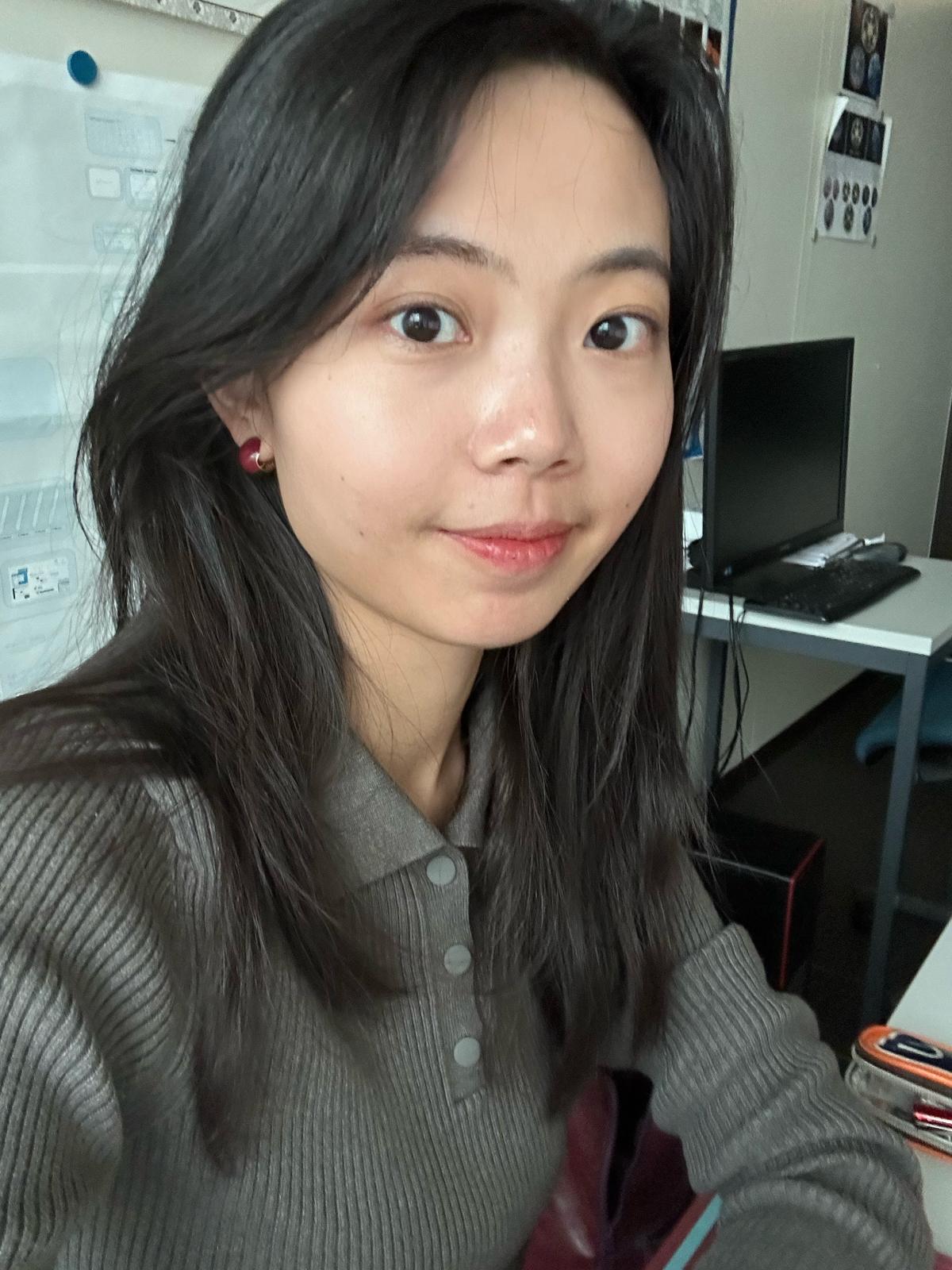
Sidi Wu is a Researcher affiliated with ETH Zürich's Institute of Cartography and Geoinformatics. Their primary role is as Staff of the Professorship for Cartography, contributing to academic research and technical operations within the department. They are based at HIL G 23.2, Stefano-Franscini-Platz 5 in Zürich, Switzerland, and can be reached at sidiwu@ethz.ch. Research interests center on advancing AI-driven cartographic methods, historical map analysis, and environmental spatial dynamics. Specific focuses include generative AI applications in map-making, semantic segmentation of historical documents, and leveraging digitized maps for ecosystem studies. They also explore steganography in image translation and cross-domain adaptation techniques for geospatial data. Recent work emphasizes innovations in automated map storytelling systems, spatio-temporal context modeling using transformers, and weakly supervised learning approaches for map segmentation. Their studies frequently bridge cartography with environmental science disciplines like hydrology and urban morphology. No scientific awards or grants are explicitly listed in the provided information. While no advisees are documented here, their research collaborations likely involve student contributions. They are part of the core team at the Institute of Cartography and Geoinformatics, contributing to cutting-edge projects in geomatics and computational cartography.
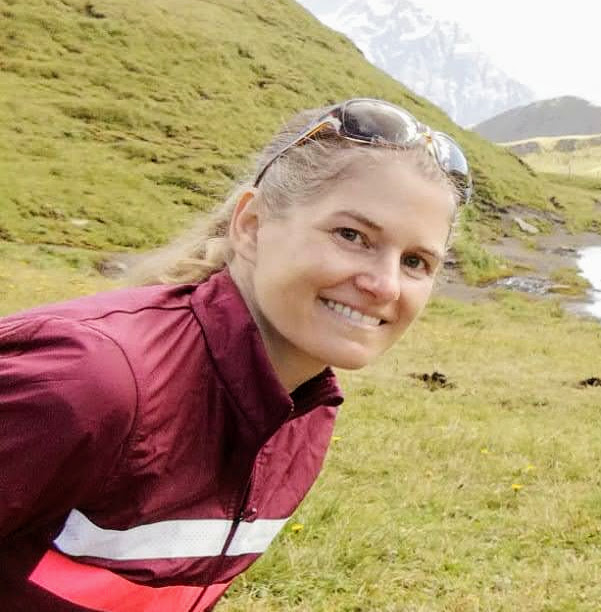
Kathrin Lang is a Full Professor at the Department of Chemistry and Applied Biosciences, ETH Zurich, and Head of the Organic Chemistry Laboratory. Her research focuses on chemical biology, particularly the development of tools for genetic code expansion to incorporate non-canonical amino acids into proteins and advance bioorthogonal chemistries for studying biological processes. Keywords: Genetic Code Expansion, Bioorthogonal Chemistry, Protein Engineering, Ubiquitylation Networks, Post-Translational Modifications. Lang’s work emphasizes proximity-triggered crosslinking reactions, bioorthogonal labeling, and in vivo chemistries to address challenges in protein interaction mapping and structural elucidation. Her group’s recent publications highlight methodologies for dual protein labeling, deciphering ubiquitin code, and enhancing cycloaddition reactivity. Current projects include exploring cyclopropene-fused dibenzocyclooctynes for improved labeling and investigating methylated lysine as a conformational regulator in Hsp90. Funding sources include the ERC (Ubl-tool), DFG (SFB1035, SPP1926), and ETH Zurich. She contributes to education through courses like Genetic Code Expansion for Studying Posttranslational Modifications and Chemical Biology and Synthetic Biochemistry . Collaborative efforts span structural biology, microbiology, and synthetic biochemistry, with applications in ubiquitin research and cellular imaging.
Prof. Dr. Virginia Ruiz-Villanueva is a Professor and leader of the Geomorphology Unit at the Institute of Geography, University of Bern. Her research focuses on river processes, particularly large wood dynamics, flood hazards, and sediment transport in mountainous regions. She holds a prominent role in international collaborations, addressing climate change impacts and river management challenges. Key areas of expertise include geomorphology, environmental hazards, and interdisciplinary approaches to understanding river systems. Her work integrates field observations, numerical modeling, and remote sensing to study processes such as large wood accumulation in rivers, flood risk assessment, and the influence of human activities on hydrological systems. She has contributed to projects across Europe, South America, and the Western United States, emphasizing practical applications for disaster risk reduction and sustainable river management. Recent research highlights include exploring historical changes in mountain river hydrodynamics, quantifying large wood supply in Swiss catchments, and analyzing cascading hazards in Chilean river systems. Her publications frequently appear in high-impact journals such as Earth Surface Processes and Landforms and Science of the Total Environment .
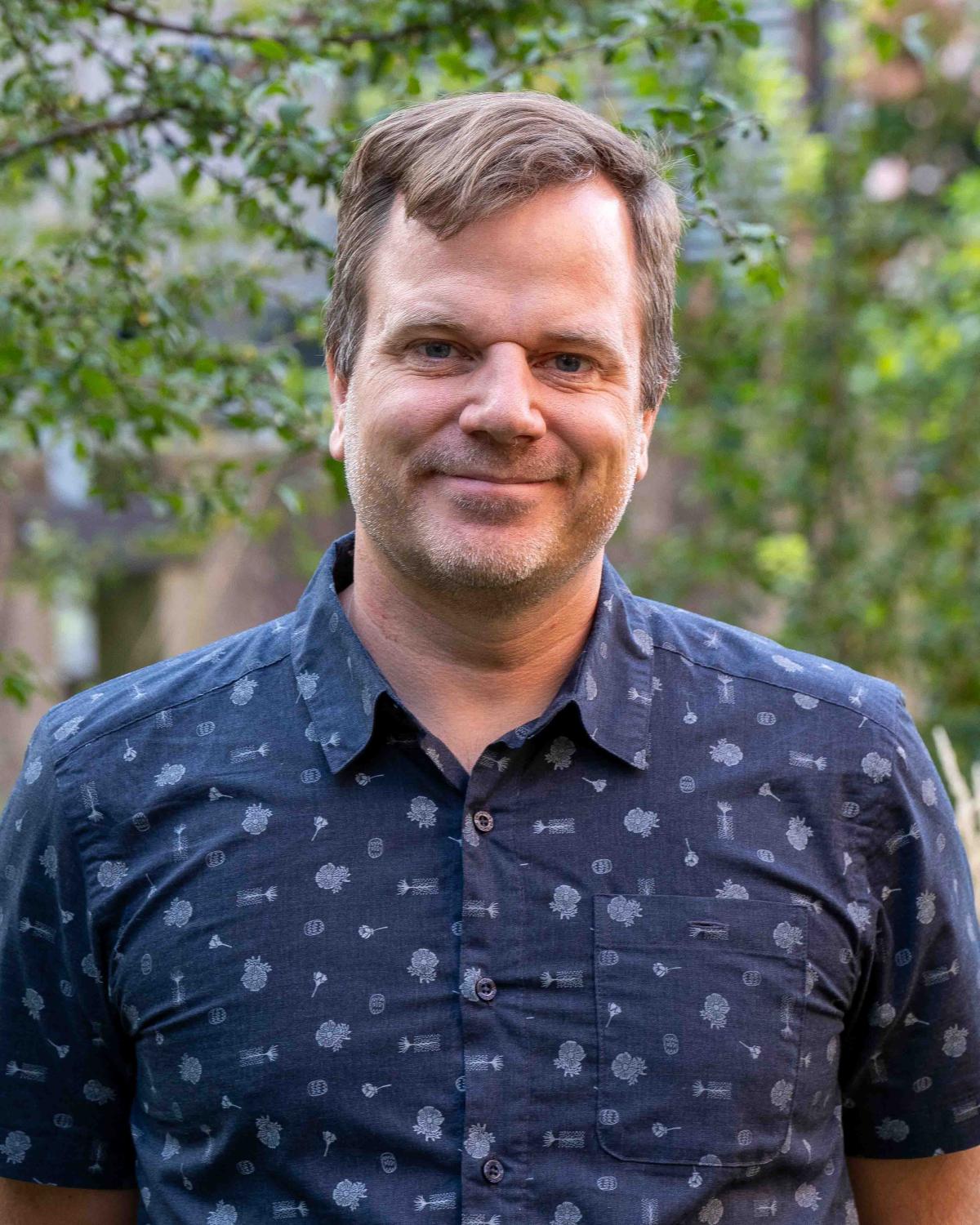
Dr. E. Keith Smith is a Lecturer at ETH Zürich's Department of Humanities, Social and Political Sciences, affiliated with the Center for Comparative and International Studies (CIS). His research focuses on sociopolitical dimensions of climate change, particularly climate change attitudes, behaviors, and social tipping processes. He holds PhD from Colorado State University and master’s degrees from KU Leuven and University of British Columbia. His work explores why individuals engage—or disengage—in climate action, emphasizing factors like political polarization, religious beliefs (especially evangelical Protestantism), and trust in institutions. Smith's research employs quantitative methodologies and addresses challenges in environmental policy implementation, such as equitable air quality monitoring and global supply chain regulations. He contributed to the DominoES project on social tipping dynamics and has published in journals like Global Environmental Change and Nature Scientific Reports . His recent studies analyze public support for climate policies across Europe and the U.S., emphasizing how procedural inclusiveness and transparency can build trust in environmental governance. He also explores mobility policies in Switzerland, including road pricing and public transport expansion, using experimental methods to gauge citizen preferences. Smith’s work bridges environmental science and social science, aiming to identify pathways for transformative societal shifts toward climate action. His current projects focus on social tipping mechanisms and the interplay between climate risk anticipation and policy demand.
Ueli Grossniklaus is an Ordinary Professor at the University of Zurich within the Faculty of Mathematical and Natural Sciences , affiliated with the Department of Plant and Microbiology . His work focuses on plant developmental biology, particularly epigenetic and genetic mechanisms governing reproduction and adaptation. Key Courses: Epigenetics, Plant Biology Workshop, Group Seminars on Current Research Laboratory Techniques: Advanced methods in plant cell mechanics, transcriptomics, and genome editing Research Interests span plant epigenetics, reproductive biology, and the interplay between environmental stress and genetic regulation. He investigates: Mechanistic control of gametogenesis and fertilization Epigenetic contributions to plant adaptation Evolutionary implications of asexual reproduction Biophysical forces in plant cell growth Publication Trends (2025–2018) reveal expertise in: Arabidopsis and fern model systems Epigenetic regulation (DNA methylation, histone dynamics) Apomixis and hybrid seed failure mechanisms Biomechanics of pollen tubes and carnivorous plants Genome editing tools (CRISPR) and long-read sequencing Scientific Collaborations include interdisciplinary projects on: Microfluidic devices for plant cell analysis Gene drive ecology and ethics 3D imaging of plant reproductive structures Advising and Grants focus on mentoring through research internships in developmental biology, genetics, and systems biology. His lab engages in: Epigenetic response to environmental stress Cell wall mechanics in reproduction Computational modeling of plant growth Laboratory Teams integrate plant biologists, bioengineers, and computational scientists to study: Mechanistic gene regulation Evolutionary developmental biology Microrobotics for cellular force measurement
Hugo Subtil is a postdoctoral researcher at the Department of Political Science, Faculty of Arts and Social Sciences, University of Zurich, affiliated with the Chair of Comparative Politics in Political Institutions and European Politics. He is an active member of the University's Digital Society Initiative (DSI), particularly engaged with the DSI Community AI & Law and multiple other interdisciplinary communities including Cybersecurity, Digital Humanities, and Ethics. His academic background includes: Economics studies at École Polytechnique (France) PhD from École des Mines and École Polytechnique (France) Subtil's research program integrates Political Economy, Political Science, and Computational Social Science to investigate European political dynamics through quantitative text analysis. He specializes in extracting political ideologies from large-scale text corpora using machine learning algorithms and social media data, with dual research foci: (1) how institutional design shapes social norms and behaviors, and (2) longitudinal evolution of political ideologies. His methodological approach bridges traditional political science with cutting-edge computational techniques for analyzing legislative discourse and public communication. Analysis of his 12 publications (2020-2025) reveals a clear trajectory from historical economic analysis toward contemporary computational political science. Early work (2020-2021) examined Marxian economics and pandemic-era urban migration patterns, while recent research (2023-2025) increasingly focuses on European Parliament discourse, populism, and emotional rhetoric using advanced text mining techniques. This evolution demonstrates growing specialization in computational analysis of political communication within European institutions. No scientific awards or major honors are documented in the available information. While no formal advisees or grant funding details are specified, Subtil's collaborative work within the DSI framework suggests engagement with interdisciplinary research teams addressing digital society challenges. His position within the Chair of Comparative Politics indicates involvement in departmental research initiatives related to European governance. Subtil operates at the nexus of multiple research ecosystems: the Department of Political Science's European Politics research group, the university-wide Digital Society Initiative, and specialized DSI communities exploring AI-law intersections. His work contributes to the DSI's mission of addressing societal challenges through digitalization research, particularly in computational analysis of political discourse and institutional behavior.
Daniele Caramani is a Full Professor of Comparative Politics at the University of Zurich's Faculty of Philosophy, Institute of Political Science, where he holds the Chair of Comparative Politics since 2014. He also serves as the Ernst B. Haas Chair at the European University Institute in Florence, directing the European Governance and Politics Programme at the Robert Schuman Centre for Advanced Studies (currently on leave from UZH). His teaching includes courses on Comparative Politics, Political Systems and Theories, Political Representation, and Reforming Representative Democracy. His educational background includes a baccalauréat from the Lycée International de Saint-Germain-en-Laye, followed by BA and MA degrees from the University of Geneva, and a Ph.D. from the European University Institute in Florence. He attended methods summer schools at Essex and Michigan. Caramani's research focuses on comparative and historical political science with emphasis on political cleavages, electoral geography, party systems, European integration, and globalization. His work often employs quantitative time series reaching back to the 19th century, examining mass democratization, state formation, nationalism, and industrialization. He is particularly known for analyzing the interplay between territorial and functional cleavages at national, European, and global levels. His recent publications reveal a clear trajectory from national party systems (The Nationalization of Politics, 2004) to European integration (The Europeanization of Politics, 2015) and now to global cleavages (with his ERC Advanced Grant project GLOBAL). His current work examines technocratic representation, populist challenges, and the evolution of global political alignments using automated text analysis of historical documents dating back to 1843. Stein Rokkan Prize for Comparative Social Science Research (2004) Lijphart-Przeworski-Verba Dataset Award from Comparative Politics section of the American Political Science Association (2012) Vincent Wright Memorial Prize for best article in West European Politics (2006) Caramani has directed major research projects including the ERC Advanced Grant project GLOBAL analyzing global cleavages. He has been instrumental in developing significant datasets like the Constituency-Level Elections Archive (CLEA), which received the APSA award in 2012 and now covers over 2,025 elections from 180 countries with GeoReferenced Electoral Districts. His academic leadership extends to editing the comprehensive textbook Comparative Politics (Oxford University Press, sixth edition, 2023). As Director of the European Governance and Politics Programme at the European University Institute, Caramani leads research on European integration and governance. He also co-directs the Constituency-Level Elections Archive (CLEA), a major resource for electoral studies that includes historical maps from 74 countries. His work continues Stein Rokkan's legacy in comparative social science, as evidenced by his 2023 Stein Rokkan Memorial Lecture.
Prof. Dr. Roderick Lim is an Associate Professor at the Biozentrum, University of Basel , where he leads a research group since 2014. His work bridges biophysics, nanotechnology, and molecular biology , focusing on the nuclear pore complex (NPC) and mechanobiology of cells . He develops biomimetic systems for selective molecular transport and ARTIDIS , a nanomechanical tissue diagnostic platform commercialized for breast cancer prognosis . Education : BSc (UNC Chapel Hill), PhD (NUS/IMRE Singapore), Postdoc (Swiss Nanoscience Institute) Positions : Argovia Professor (2014–present), Tenure Track Asst. Prof. (2009–2013), Postdoc (2004–2008) His research on NPC transport selectivity reveals how karyopherins modulate the FG Nup barrier via multivalent interactions, with implications for viral entry and Alzheimer’s disease . His ARTIDIS platform uses atomic force microscopy to detect cancer via tissue softness, linking hypoxia to metastasis . Recent 2025 publications explore bacterial nanoharpoon defense mechanisms and DNA origami-based NPC mimics . Scientific Awards : Pierre-Gilles de Gennes Prize (2008), A*STAR Fellowship (2004) Collaborations : NCCR Molecular Systems Engineering, NanoTera, KTI He mentors PhD students in institutions across Switzerland, Singapore, Sweden, and the UK , with alumni working on polymersome delivery, mechanotransduction, and pathogen transport . His lab pioneered high-speed atomic force microscopy for real-time NPC dynamics and plasmonic nanopores for synthetic biology applications.
Lars-Erik Cederman is a Full Professor in the Department of Humanities, Social and Political Sciences at ETH Zurich, Switzerland, where he conducts cutting-edge research at the intersection of political science, international relations, and computational social science. His work focuses on the structural and historical drivers of ethnic conflict, nationalism, and state formation across global contexts. His primary research interests include: Political Science International Relations Ethnic Conflict Nationalism Civil War State Formation Computational Social Science Cederman's scholarship demonstrates exceptional methodological innovation, combining large-scale historical datasets like CShapes and Ethnic Power Relations with computational modeling to analyze patterns of violence and state transformation. His recent publications reveal a sustained focus on how historical legacies—particularly colonialism, infrastructure development, and ethnic geography—shape contemporary conflicts, with significant contributions to understanding ethnic cleansing, separatist mobilization, and the geopolitical strategies of nationalist movements from post-Napoleonic Europe to modern Russia. His work bridges theoretical rigor with empirical depth, offering critical insights for conflict resolution and peacebuilding.
Pascal Sciarini is a Full Professor in the Department of Political Science and International Relations at the Faculty of Social Sciences, University of Geneva, where he has been a faculty member since 2005. He currently serves as Dean of the Faculty of Social Sciences since July 15, 2022, and previously directed the Department of Political Science and International Relations from 2005 to 2010 and again from 2015 to 2017. He has also held academic positions at the University of Basel and IDHEAP in Lausanne. Doctorate in Political Science Professor at University of Basel, IDHEAP Lausanne, and University of Geneva Dean of Faculty of Social Sciences (2022–present) Director, Department of Political Science and International Relations (2005–2010, 2015–2017) His research focuses on Swiss politics, political behavior, comparative politics, direct democracy, Europeanization, and decision-making processes. He has published extensively on Swiss political institutions, electoral behavior, and the impact of European integration on non-EU countries. His work often combines quantitative analysis with comparative perspectives. The most recent articles reflect a strong focus on electoral behavior in direct democracies, media and parliamentary agenda-setting, Europeanization, and the methodological challenges of survey research in political science. His publications frequently appear in top journals such as European Journal of Political Research , West European Politics , and Electoral Studies , and he contributes to major reference works like The Oxford Handbook of Swiss Politics . Scientific Awards and Honors: President, Swiss Political Science Association (2018–2021) Member, SNSF Scholarship Commission (2011–2018) Member, Swiss Academy of Humanities and Social Sciences (ASSH) Committee (2011–2018) Founder and President, Doctoral Program in Political Science of Western Switzerland (2005–2018) Sciarini has supervised several doctoral and master’s students and has been involved in numerous research projects analyzing opinion stability, campaign effects, and e-voting. He has led or contributed to major research reports on political participation, electoral reform, and parliamentary behavior in Switzerland. His work underscores the evolving nature of Swiss consensus democracy amid increasing partisanship, mediatization, and European influence. Laboratories and Research Teams: He has been central to the Swiss Political Science research community and has collaborated extensively with scholars at the University of Geneva and beyond, particularly through the Department of Political Science and International Relations and the Doctoral Program in Political Science of Western Switzerland.
Dr. Sara Kijewski is a Lecturer at ETH Zurich's Department of Humanities, Social and Political Sciences (D-GESS), specializing in the Ethics and Governance of Artificial Intelligence, Digital Health, and Health Policy. She joined ETH in 2022 after earning her PhD in Political Science from the University of Bern, with additional studies at the University of North Carolina, University of Oslo, and University of Zurich. Her research focuses on AI ethics frameworks, digital health governance, and the societal impacts of war through projects like the Health Ethics & Policy Lab's Health Data and AI course coordination and postdoctoral work on NRP 77 (Digital Health Innovation Governance). As Director of Operations for the ETH AI Ethics and Policy Network, she bridges academic and policy dimensions of emerging technologies. Key research interests include global AI governance, healthcare innovation ethics, and the long-term social consequences of conflict, reflected in publications analyzing post-war societies, public opinion on biotechnology, and international health policy challenges. Her academic background includes multilingual proficiency (Norwegian/Finnish native, German/English fluent), supporting cross-cultural research collaboration. Professional activities include undergraduate course coordination, internship supervision, and contributions to interdisciplinary initiatives like Precise4Q: Predictive Modelling in Stroke. Current academic roles combine teaching (e.g., Ethics Workshop: The Impact of Digital Life on Society in Autumn 2025) with research leadership in AI ethics and health policy domains.
Dr. Maren Boese is a Senior Research Scientist at the Swiss Seismological Service (SED) and Seismology and Geodynamics (SEG) groups at ETH Zurich. Her expertise spans seismology, earthquake early warning systems, and planetary seismology. She leads projects like the CISN ShakeAlert system for California and contributed to NASA's InSight mission to Mars. She earned her Ph.D. from Karlsruhe Institute of Technology (2006) and a Master's from Kiel University (2002). Research Focus: Real-time seismic event detection, finite-fault rupture analysis, ground-motion simulation, and Marsquake seismology. Key contributions include developing the FinDer algorithm for the ShakeAlert system and advancing early warning methodologies in Central America and Switzerland. Awards: 2011: Outstanding Publication Award (Luxembourg National Research Fund) 2010: Ausgewählter Ort im Land der Ideen (BMBF Project EWS Transport) 2006: European IST Prize (Early Warning for Strong Earthquakes) Grants & Leadership: Led the CISN ShakeAlert team (2009–2014), managed the German CRC 461 project, and coordinated international collaborations like the InSight Marsquake Service. Labs/Teams: Swiss Seismological Service (ETH Zurich), NASA InSight Mission, and the CHEAP smartphone network project in Chile.
Western Switzerland University of Applied SciencesSwitzerland
Adrien Depeursinge is a Professor at HES-SO Valais-Wallis - Haute Ecole de Gestion, affiliated with the School of Economics and Services and the Management Information Systems department. His research focuses on radiomics, personalized medicine via image-based analysis, and clinical workflow optimization. He leads the development of the QuantImage platform, a physician-centered web-based tool for radiomics research, and contributes to radiomics standardization efforts through initiatives like the Image Biomarker Standardization Initiative (IBSI). His work emphasizes machine learning applications in healthcare, including tumor segmentation, biomarker extraction, and improving diagnostic accuracy through computational models. Key research themes include: 1) Radiomics – developing quantitative imaging features for cancer diagnosis/prognosis; 2) Medical Imaging Analysis – advancing texture-based models, multi-modal fusion, and automated lesion detection; 3) Physician-AI Collaboration – designing user-centric tools for clinical integration. His contributions span neuro-oncology (brain metastases), head-and-neck cancer, and multiple sclerosis imaging. Publications emphasize methodological advancements (e.g., kernel optimization in CNNs, steerable detectors) and clinical validation (e.g., reproducibility of radiomics features across imaging protocols). He collaborates with institutions like the University Hospital of Lausanne (CHUV) and international teams on projects like the HECKTOR challenge for PET/CT tumor segmentation. His work bridges technical innovation with clinical impact, aiming to translate radiomics into actionable clinical tools. QuantImage v2, his flagship tool, enables no-code development of machine learning models using clinical imaging data. Research also includes phantom-based validation of radiomics features and addressing challenges in feature stability across imaging modalities. Current projects explore improving contour quality for radiomics studies and optimizing AI explainability in medical decision-making.
Bernard S. Black serves as Professor of Finance at Kellogg School of Management and the Nicholas D. Chabraja Professor at Northwestern University School of Law, holding a joint appointment since 2010. He concurrently serves as managing director of the Social Science Research Network and founding chairman of the annual Conference on Empirical Legal Studies. His academic foundation includes: B.A. from Princeton University M.A. in physics from University of California at Berkeley J.D. from Stanford Law School Prior academic roles encompass Professor of Law at Stanford Law School (1998-2004) and Columbia Law School (1988-1998). His research centers on empirical analysis of law-finance interactions, with emphasis on corporate governance frameworks in emerging economies, securities regulation, and medical malpractice systems. Methodologically, he integrates legal scholarship with quantitative finance approaches. Recent publications (2016-2022) demonstrate sustained focus on corporate governance validity testing, causal inference methodologies, and cross-country comparative studies—particularly examining Brazil and BRIK nations. Key themes include board structure efficacy, shareholder rights enforcement, and institutional determinants of market value in developing economies. No scientific awards were documented in source materials. While specific student advisees remain unlisted, Professor Black's extensive co-authorship record (including books like The Law and Finance of Corporate Acquisitions ) indicates active research mentorship. His leadership of the Social Science Research Network and Conference on Empirical Legal Studies constitutes significant community-building beyond traditional advising. He directs the Social Science Research Network as managing director and founded the Conference on Empirical Legal Studies, creating platforms for interdisciplinary law-finance scholarship dissemination.