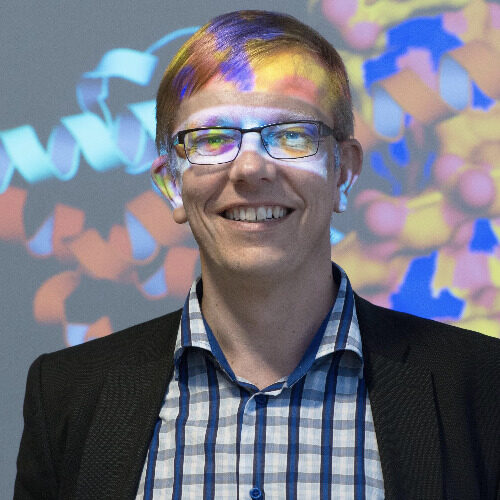
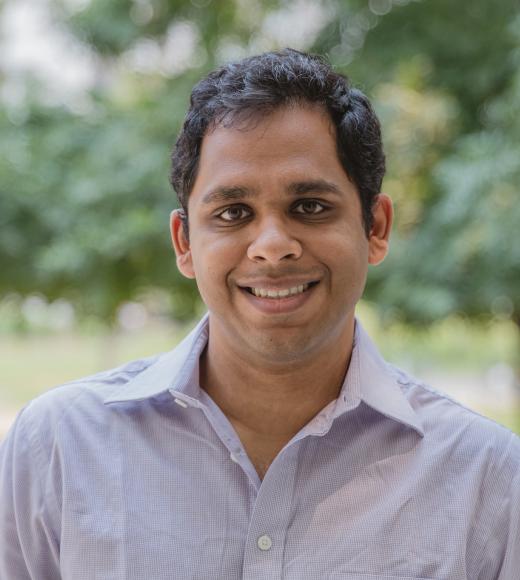
Jesper Lund Pedersen is an Associate Professor at the Department of Mathematical Sciences , University of Copenhagen , specializing in applied probability theory with applications in financial mathematics and insurance mathematics . His research spans stochastic processes, optimal stopping time problems, and stochastic control. Education : PhD in Mathematics (2000, Aarhus University) His work addresses: (Nonlinear) optimal stopping time problems Stochastic control and filtering Multidimensional point processes Levy processes in finance Key publications reveal expertise in Bayesian changepoint detection , random drift identification , and mean-variance portfolio optimization , with interdisciplinary applications in neuroscience (V-ATPase dynamics) and epidemiology. Scientific awards : Villum Experiment Grant (2018-2020) Steno Research Fellowship (2002-2005) His research collaborations span Denmark, the UK, Germany, and the USA, focusing on probability theory, financial mathematics, and biomedical applications.
Franklin Goldsmith serves as Associate Professor of Engineering within Brown University's School of Engineering, where his research bridges fundamental chemical kinetics with practical combustion applications. His work directly impacts energy conversion technologies and emission reduction strategies through rigorous investigation of reaction mechanisms. His academic foundation includes: PhD in Chemical Engineering from Massachusetts Institute of Technology (2010) BS in Chemical Engineering from North Carolina State University (2003) BA in Chemistry from University of North Carolina at Chapel Hill (1998) Goldsmith's research program centers on radical reaction kinetics and low-temperature oxidation phenomena , employing both computational master equation modeling and experimental techniques like shock tube spectroscopy and synchrotron photoionization. His investigations into non-Boltzmann energy distributions and pressure-dependent rate coefficients have established new frameworks for understanding ignition chemistry. The Thermochemistry for Combustion Database project exemplifies his commitment to foundational data resources for the field. Analysis of his publication record reveals three dominant research thrusts: (1) detailed kinetic modeling of hydrocarbon oxidation, particularly propane systems; (2) development of computational methodologies for pressure-dependent rate estimation; and (3) fundamental studies of radical-molecule interactions. His work consistently integrates high-precision experimental validation with theoretical frameworks, as evidenced by collaborations with national laboratories. Goldsmith teaches Brown's core chemical engineering curriculum including ENGN 1120 (Reaction Kinetics and Reactor Design) and ENGN 1130 (Chemical Engineering Thermodynamics), alongside specialized graduate courses in heterogeneous catalysis (ENGN 2751) and chemically reacting flow (ENGN 2910Q). His educational approach emphasizes the connection between molecular-scale kinetics and reactor design principles. His research group maintains active collaborations with Argonne National Laboratory (Klippenstein), MIT (Green), and Sandia National Laboratories (Taatjes), focusing on multiscale informatics for complex reaction systems. Current projects investigate biomass-derived fuel combustion and catalytic partial oxidation mechanisms using spatially resolved experimental techniques.
Antti Poso is a Professor of Drug Design at the University of Eastern Finland (Kuopio), affiliated with the School of Pharmacy under the Faculty of Health Sciences. His research focuses on computer-aided molecular design, particularly targeting anti-cancer drugs and anti-microbials. Key projects include the EDCMET project (2019–2024) and the GeneCellNano Flagship (2020–2028). He leads the Molecular Modeling and Drug Design Research Group, specializing in QSAR analysis, kinase inhibition profiling, and systems-level drug response modeling. Recent work includes studies on SARS-CoV-2 inhibitors, endocrine disruptors, and bacterial pathogenesis. His findings bridge chemical structure with biological outcomes, leveraging computational tools like CCA and molecular dynamics simulations. Collaborations span medicinal chemistry, pharmacology, and systems biology, contributing to both academic and applied drug discovery efforts. Education: Not explicitly stated in texts; assumed to hold advanced degrees in pharmacy or chemistry. Research Themes: Drug design, molecular modeling, QSAR, computational biology, and anti-infective agents. Key Contributions: Over 150+ publications, including influential works on chemoinformatics-driven drug response analysis and structure-based inhibitor design. Publications highlight advancements in kinase inhibitors, anti-microbial strategies, and viral hijacking mechanisms. His work emphasizes translating computational insights into therapeutic solutions for cancer, infectious diseases, and metabolic disorders.
Ulrich Tallarek serves as Professor of Analytical Chemistry in the Faculty of Chemistry at Philipps University of Marburg, where he has held a W3 professorship since 2011. He also serves on the Board of Directors for the Materials Science Center at the university, a position he has held since 2007. His research group focuses on the fundamental understanding of transport phenomena in porous media with applications spanning chromatography, battery technology, and microfluidic systems. The group maintains strong collaborations with institutions worldwide and secures substantial research funding for advanced computational and experimental work. Professor Tallarek's research interests center on functional porous solids, with specific focus on morphology-transport-performance relationships. His work bridges multiple scales from molecular dynamics simulations of solute behavior in nanopores to macroscopic transport in chromatographic columns and battery electrodes. Key research areas include diffusion in hierarchical porous media, electrokinetic phenomena in microfluidic systems, molecular simulation of chromatographic processes, and advanced characterization of porous materials using tomography and other techniques. His group has pioneered multiscale simulation approaches that connect molecular-level surface chemistry to macroscopic transport properties. The research output demonstrates consistent focus on understanding fundamental transport mechanisms in porous systems, with recent publications emphasizing multiscale simulation techniques, molecular dynamics studies of solvent effects in chromatography, advanced characterization of mesoporous structures, and applications to separation science and energy storage. The work shows strong integration of computational modeling with experimental validation across multiple length scales. 2003: Desty Memorial Prize for Innovation in Separation Science, The Royal Institution of Great Britain, London 2006: Young Scientist Award from DECHEMA e.V. 2011: Named Discussion Leader at the 2011 Gordon Research Conference on Physics & Chemistry of Microfluidics 2011–2012: Chairman of the German Chemical Society (GDCh), Marburg 2013: Finalist, World Technology Awards, for category Environment 2013: Named as one of the 100 most influential analytical scientists in the world (The Analytical Scientist Power List) 2017: Recipient of the Silver Jubilee Medal 2017, The Chromatographic Society, UK Professor Tallarek's research has been supported by numerous grants enabling high-performance computing resources, advanced instrumentation, and international collaborations. His group maintains strong ties with industry partners in separation science and analytical instrumentation. The Tallarek Research Group includes postdoctoral researchers, PhD students, and technical staff working across experimental and computational domains. Current projects focus on molecular simulation of chromatographic processes, advanced characterization of porous battery electrodes, and development of novel separation methodologies. The Tallarek Research Group operates state-of-the-art facilities for computational modeling, including access to high-performance computing resources at Forschungszentrum Jülich. The group also maintains experimental capabilities for chromatographic analysis, materials characterization, and microfluidic device development. Their work on physically reconstructed porous media has established new standards for connecting microstructure to transport properties in complex materials systems.
Hans Bouwmeester is a Full Professor in Toxicology at Wageningen University & Research, specializing in chemical risk assessment, nanomaterial toxicity, and in vitro modeling. His work focuses on integrating artificial intelligence and physiologically based kinetic (PBK) models to predict toxic effects of contaminants like organophosphate pesticides, microplastics, and mycotoxins. He leads projects exploring the health impacts of foodborne contaminants in inflammatory bowel disease and developing animal-free testing methods. Key collaborations include EU initiatives like the ONTOX project and the GUTTEST program, which utilize advanced in vitro models such as gut-on-a-chip systems. Research interests span toxicokinetics, nanoplastics exposure, and the application of Bayesian networks for nanomaterial hazard ranking. His team addresses translational challenges in linking in vitro data to in vivo outcomes, with a focus on bile acid metabolism and cardiotoxicity prediction. Bouwmeester has supervised over 10 PhD candidates, including studies on microplastic hazard assessment, nanomaterial gastrointestinal fate, and AI-driven data extraction for risk assessment. Notable contributions include datasets on nanoplastics' protein corona effects and transcriptomic analyses of intestinal cell responses. His work is published in journals like Ecotoxicology and Environmental Safety , Toxicology , and Environmental Science & Technology , emphasizing open-access research and interdisciplinary approaches to chemical safety.
Ambarish Kulkarni is an Assistant Professor in the Department of Chemical Engineering at the University of California, Davis. His research focuses on multi-scale molecular modeling, data science for materials discovery, catalysis, and separations. He combines quantum chemistry methods (e.g., wave function theory, density functional theory) with classical simulations and machine learning to design novel materials for applications in catalysis, energy storage, and environmental remediation. Specific areas of interest include methane activation, CO 2 capture, and heterogeneous electrocatalysis. His work bridges theory and experiment, collaborating with experimental groups to validate computational findings. Notable projects include: Developing catalysts with atomically dispersed metals for enhanced reactivity Designing zeolite materials for selective chemical transformations Creating machine learning workflows to accelerate material discovery Recent research highlights the role of water in CO 2 adsorption mechanisms, the dynamic behavior of confined nanoparticles, and redox-cycling phenomena in zeolite-embedded catalysts. His computational tools like the Multiscale Atomic Zeolite Simulation Environment (MAZE) enable detailed analysis of complex material behaviors. No scientific awards are explicitly listed in the provided information. His advising activities and grants are not detailed in the current data, but his extensive publication record indicates active research collaboration and funding support.
Horst A. von Recum, PhD, is the Executive Vice Chair of the Case School of Engineering and a Professor in the Department of Biomedical Engineering at Case Western Reserve University. He is also a member of the Cancer Imaging Program at the Case Comprehensive Cancer Center. His research focuses on developing novel platforms for molecular and cellular delivery, including affinity-based systems for controlled drug release and directed stem cell differentiation. Key applications include HIV therapies, wound healing, ocular disease treatments, and tissue engineering. His work emphasizes improving drug delivery precision through molecular interactions and enhancing stem cell viability for therapeutic use. Dr. von Recum’s research interests span drug delivery systems, biomaterials science, and regenerative medicine. His lab explores cyclodextrin polymers for sustained antibiotic release, affinity-driven drug refilling mechanisms, and engineering biocompatible materials to combat implant-related infections. Recently, his team has investigated microbiome interactions with neural implants and developed polymer-based solutions for localized chemotherapy. Notable contributions include advancements in PMMA bone cement composites for drug refillable depots, cyclodextrin hydrogels for controlled release, and affinity-based systems for anti-fibrotic treatments. His work bridges materials science with clinical applications, addressing challenges in orthopedic infections, neural interfaces, and cardiovascular regeneration. Scientific achievements include over 100 peer-reviewed publications. Research funding has supported projects on antimicrobial coatings, drug delivery mechanics, and stem cell differentiation. Dr. von Recum collaborates across disciplines to translate biomaterial innovations into clinical solutions.
Prof. Dr. Christian Mayer is a Professor in Physical Chemistry at the Faculty of Chemistry, University of Duisburg-Essen. He serves as Head of the working group focusing on origin of life research, nanocapsules, and NMR spectroscopy techniques. His research group is located at Universitätsstraße 5, D-45141 Essen, Germany, with contact information including phone number +49 201 183-2570. Prof. Mayer's research interests primarily focus on the origin of life in deep tectonic fault zones of the first continental fragments, where he collaborates with Prof. Dr. Ulrich Schreiber from the Faculty of Biology and Prof. Dr. Oliver Schmitz from Applied Analytical Chemistry. His work investigates how vesicle formation occurs in tectonic fault systems through cyclic phase transitions of carbon dioxide, creating ideal conditions for molecular evolution. He specializes in pulsed field gradient NMR (PFG-NMR), high-resolution NMR, and solid-state NMR techniques to characterize nanoscale systems including nanocapsules, vesicles, and microemulsions. His recent publication trends reveal a strong interdisciplinary focus spanning physical chemistry, prebiotic chemistry, and astrobiology. The articles demonstrate increasing integration of computational methods with experimental approaches, particularly in analyzing molecular structures and dynamics. His research has evolved from fundamental studies of nanocapsule systems to broader investigations of protocell formation mechanisms under early Earth conditions, with recent work extending to astrobiological contexts including potential life formation on Titan. Prof. Mayer has established significant collaborations across multiple disciplines, particularly with geologists and biologists, to investigate the physical chemical processes that could have led to the emergence of life. His work bridges fundamental physical chemistry with practical applications in nanomedicine, particularly in developing artificial oxygen carriers based on nanocapsule technology. His laboratory utilizes high-pressure facilities to simulate early Earth crust conditions, with a particular focus on supercritical CO 2 environments. The working group combines experimental approaches with theoretical modeling to understand vesicle formation processes and their implications for the origin of cellular life.
Xiaofeng Liu is an Assistant Professor at Yale University School of Medicine in the Departments of Radiology & Biomedical Imaging and Biomedical Informatics & Data Science. He is also an Associate Member at the Broad Institute of MIT and Harvard. Previously, he held faculty positions at Harvard Medical School and research roles at Massachusetts General Hospital and Beth Israel Deaconess Medical Center. PhD in Mechatronics from University of Chinese Academy of Sciences Dual Bachelor's degrees in Automation (Wang-Daheng Elite Class) and Communication from University of Science and Technology of China His research integrates trustworthy AI, medical imaging, and data science to improve diagnosis, prognosis, and treatment monitoring for neurological disorders, cancer, and cardiovascular diseases. Key focus areas include domain adaptation techniques, diffusion models, and interpretable AI systems. Led special issues in IEEE Transactions on Pattern Analysis and Medical Image Analysis Developed novel frameworks like Ordinal UDA and Memory-Consistent Adaptation Scientific accolades include the Trailblazer R21 Award (NIBIB), OpenAI Research Award, and National Artificial Intelligence Research Resource Pilot Award. He serves as Associate Editor for IEEE Transactions on Neural Networks and Learning Systems and actively contributes to MICCAI and NIH review panels. His lab at Yale (XLiu Lab) investigates neural basis of intelligence to inspire AI development, with applications in brain tumor segmentation, cardiac imaging, and cross-modal medical diagnostics.
Spencer L. Bowen, Ph.D., is an Assistant Professor in the Department of Radiology at UT Southwestern Medical Center, where he is a member of the Radiology Research section and serves as a PET research scientist. His work is centered on advancing nuclear imaging technologies for clinical and research applications in oncology, neurology, and cardiology. Education: Bachelor's in Biomedical Engineering – University of Washington, Seattle Ph.D. in Biomedical Engineering – University of California, Davis Research Fellow – Massachusetts General Hospital, Charlestown, MA Dr. Bowen's research focuses on the development of advanced PET imaging systems, including dedicated breast PET/CT scanners and hybrid PET-MR technologies. He investigates image acquisition techniques, reconstruction algorithms, attenuation and scatter correction methods, and partial volume correction to improve quantitative accuracy. His work spans hardware design, software development (e.g., the Masamune processing tool), and clinical translation. His recent publications highlight innovations in cardiac and neurological PET quantification, breast imaging, and hybrid PET/MR systems. Themes include attenuation correction in PET/MR, dynamic PET modeling, and the impact of image processing on clinical interpretation. Scientific Recognition: Research featured on the cover of the Journal of Nuclear Medicine Work covered by press outlets Dr. Bowen actively contributes to the scientific community as a reviewer for leading journals including Journal of Nuclear Medicine , Medical Physics , Physics in Medicine and Biology , and IEEE Transactions on Nuclear Science and Transactions on Medical Imaging . His lab, the Bowen Lab, is engaged in ongoing research and is currently recruiting PhD graduate students, indicating active grant support and research momentum. He leads a research team focused on developing tomographic tools for precision medicine. The Bowen Lab is dedicated to creating and refining nuclear imaging technologies to enhance both clinical care and scientific discovery, with a strong emphasis on quantitative, high-resolution imaging across multiple disease domains.
Brian Ingalls is a Professor in the Department of Applied Mathematics and cross-appointed to Biology at the University of Waterloo. His research applies mathematical and control-theoretic approaches to biological systems, including genetic regulatory networks, microbial communities, and cellular metabolism. Institutional Affiliation: Faculty of Mathematics, University of Waterloo Contact: bingalls@uwaterloo.ca His work focuses on systems biology and synthetic biology , particularly sensitivity analysis of biochemical networks, optimal experimental design, and mathematical modeling of cellular processes. Research funding comes from NSERC and CIHR . Notable contributions include the textbook Mathematical Modeling in Systems Biology (MIT Press, 2013) and the Ingalls Quantitative Cell Biology Lab , which investigates intracellular and intercellular network dynamics through computational and experimental methods. Key Collaborations: iGEM Waterloo, Chemical Engineering, and international synthetic biology networks Advising: Mentored 15+ graduate students and postdocs across applied math, biology, and engineering fields
Prof. Dr. Roderick Lim is an Associate Professor at the Biozentrum, University of Basel , where he leads a research group since 2014. His work bridges biophysics, nanotechnology, and molecular biology , focusing on the nuclear pore complex (NPC) and mechanobiology of cells . He develops biomimetic systems for selective molecular transport and ARTIDIS , a nanomechanical tissue diagnostic platform commercialized for breast cancer prognosis . Education : BSc (UNC Chapel Hill), PhD (NUS/IMRE Singapore), Postdoc (Swiss Nanoscience Institute) Positions : Argovia Professor (2014–present), Tenure Track Asst. Prof. (2009–2013), Postdoc (2004–2008) His research on NPC transport selectivity reveals how karyopherins modulate the FG Nup barrier via multivalent interactions, with implications for viral entry and Alzheimer’s disease . His ARTIDIS platform uses atomic force microscopy to detect cancer via tissue softness, linking hypoxia to metastasis . Recent 2025 publications explore bacterial nanoharpoon defense mechanisms and DNA origami-based NPC mimics . Scientific Awards : Pierre-Gilles de Gennes Prize (2008), A*STAR Fellowship (2004) Collaborations : NCCR Molecular Systems Engineering, NanoTera, KTI He mentors PhD students in institutions across Switzerland, Singapore, Sweden, and the UK , with alumni working on polymersome delivery, mechanotransduction, and pathogen transport . His lab pioneered high-speed atomic force microscopy for real-time NPC dynamics and plasmonic nanopores for synthetic biology applications.
Rustom Antia is the Samuel C. Dobbs Professor in the Department of Biology at Emory University, affiliated with the Emory College of Arts and Sciences. His research focuses on the quantitative analysis of pathogen dynamics, immune responses, and evolutionary biology using mathematical models and experimental collaborations. He leads the Antia Lab (located in Rollins 1164), working closely with experimental immunologists like Dr. Rafi Ahmed at Emory. Education: Ph.D., University of Massachusetts (1990); MSc, Indian Institute of Technology (1983). His research interests include population biology, computational biology, and the evolutionary interactions between pathogens and hosts. He explores how immune memory shapes viral evolution and transmission, with recent emphasis on SARS-CoV-2, influenza, and dengue viruses. Key research themes include modeling immune responses to vaccines, understanding antibody waning and viral escape, and developing transmissible vaccines for disease control. His work integrates experimental data with theoretical frameworks to predict outbreak dynamics and inform public health strategies. Notable collaborations include studies on CD8+ T cell-mediated immunity in respiratory infections, the role of menstrual cycles in immune surveillance, and immune dysfunction in autoimmune diseases like SLE. His lab’s contributions span from basic immunology to translational applications in vaccine design and cancer therapy.
Stephen Levene is a Professor of Bioengineering at The University of Texas at Dallas (UT Dallas), affiliated with the Erik Jonsson School of Engineering and Computer Science. His research focuses on the physical and functional genomics of DNA structure, protein-DNA interactions, and DNA topology in biological systems. He holds a PhD from Yale University (1985) and an AB from Columbia University (1979). Levene’s laboratory investigates genome organization, chromatin dynamics, and the role of circular DNA (eccDNA) in health and disease. His work employs advanced biophysical techniques, including hydroxyl radical probing, gel electrophoresis, and single-molecule analysis. Key areas include DNA supercoiling, topoisomerase function, and the interplay between DNA structure and cellular processes. His research has led to innovations in DNA topology simplification, Cre recombination kinetics, and methodologies for analyzing circular DNA populations in organisms like C. elegans and humans. Levene’s lab also develops tools for genomic studies, such as shallow-learning models for DNA fragmentation analysis and unmasking hidden topological activities in recombination systems. Levene’s contributions span over 40 years, with publications addressing DNA looping, knotting, and the thermodynamics of nucleoprotein assemblies. His work bridges biophysics, molecular biology, and engineering, emphasizing interdisciplinary approaches to genomic challenges.
Elena Anatolyevna Babushkina is a Professor at the Department of Construction and Economics of Siberian Federal University. She serves as director and scientific consultant of the Scientific and Educational Laboratory 'Dendroecology and Environmental Monitoring' . Her work spans dendrochronology, climate change impacts on tree growth, wood anatomy, and environmental monitoring in Siberian ecosystems. Doctor of Biological Sciences (2020) Corresponding Member of the Russian Academy of Sciences Extensive collaborations with international institutions like University of Arizona, University of Cambridge, and Swiss Federal Institute for Forest, Snow and Landscape Research Her research focuses on climatic reconstruction through tree rings , moisture-limited forest ecosystems , and environmental drivers of xylogenesis . Recent studies analyze earlywood/latewood dynamics, drought sensitivity, and cross-species growth patterns in Siberian larch, spruce, and Scots pine populations. Elena’s publications (100+ scientific, 10+ methodological) include 15 recent articles on tree-ring-based climate proxies , crop yield modeling , and seasonal growth regulation . Key journals include Forests , Dendrochronologia , and Scientific Reports . Notable scientific awards include the 2021 Honorary Worker of Education of the Russian Federation title and multiple Presidential and Ministerial Certificates of Appreciation . She leads national grants (RFBR, RSF) on climate-crop interactions and genetic adaptation to environmental stress .