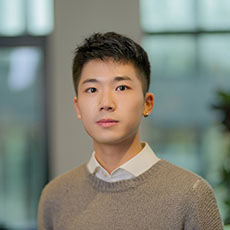
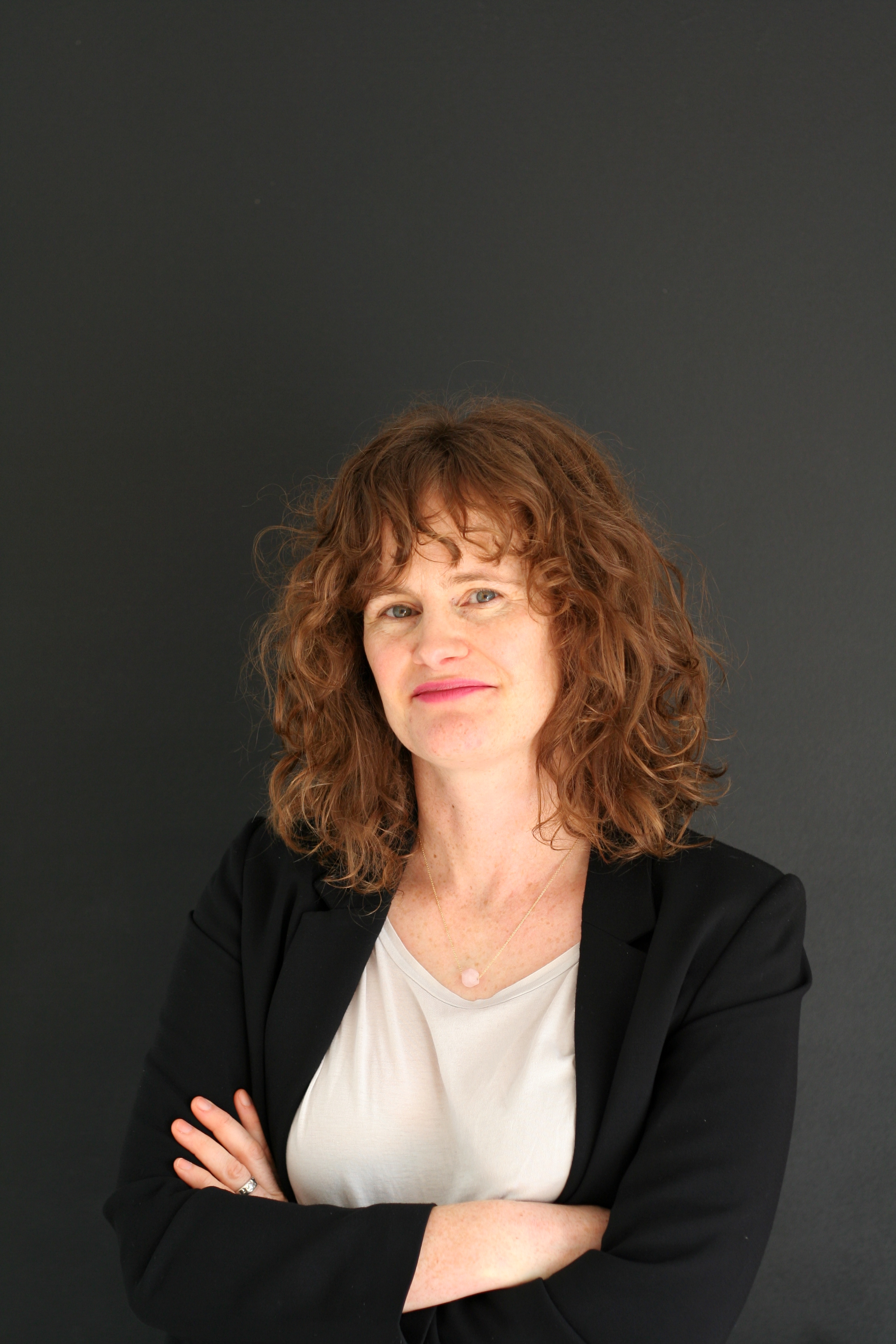
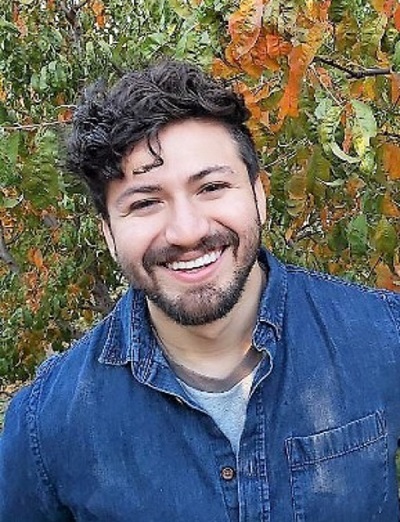
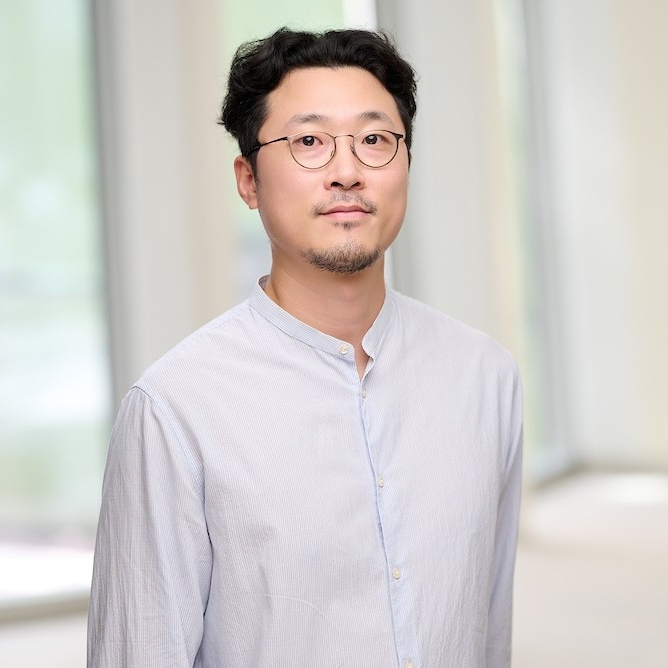
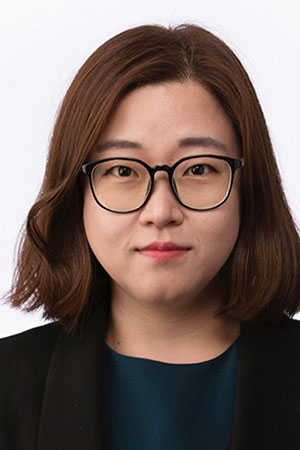
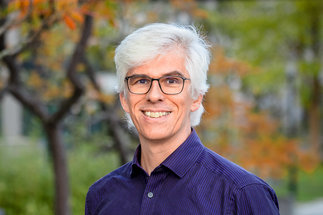
Adam Young is a Researcher at the Scripps Institution of Oceanography, UC San Diego, affiliated with the INTEGR OCEANOGRAPHY DIV. He holds a B.S. from California State Polytechnic University, SLO, and M.S. and Ph.D. degrees from UC San Diego. His work focuses on coastal processes, including cliff retreat mechanisms, natural hazards, and quantitative geomorphology. He employs advanced techniques like LiDAR, satellite imagery, and machine learning to monitor erosion patterns and assess coastal vulnerabilities. Research interests include coastal cliff stability, wave-cliff interactions, and the integration of remote sensing data for environmental monitoring. His projects often involve sensor networks and large-scale datasets to track erosion hotspots and model future scenarios under climate change. Notable studies include Arctic coastal morphology analysis using machine learning and predictive modeling of shoreline changes in California using deep learning. Key contributions include developing automated workflows for cliff change detection and advancing understanding of gravel berm dynamics and subsurface hydrology. His work bridges field observations with computational methods, informing coastal management strategies and disaster preparedness.
Professor Ioannis Kyriakou is a leading academic in actuarial finance and quantitative methods at Bayes Business School, City St George's, University of London, where he serves as Professor of Actuarial Finance and Director of the MSc in Actuarial Science and MSc in Actuarial Management. He holds a visiting professorship at the University of Eastern Piedmont and has previously served as affiliate faculty at the Cyprus International Institute of Management. His research spans actuarial science, derivatives pricing, risk management, computational finance, and machine learning applications in finance and insurance. His research interests focus on quantitative finance , stochastic modeling , numerical methods , and machine learning , particularly in the context of derivative pricing , pension product design , energy and commodity markets , and investor sentiment . He has developed advanced computational techniques such as moment-based approximations and transform methods for financial modeling. His work integrates simulation, optimization, and data-driven approaches to solve complex financial and actuarial problems. The recent publications reflect a strong trend toward interdisciplinary research, combining machine learning with financial economics , energy efficiency forecasting , mutual fund performance , and climate risk . His work frequently appears in top journals like Operations Research , Journal of Financial and Quantitative Analysis , and European Journal of Operational Research , showcasing expertise in both theoretical and applied finance. European Journal of Operational Research (2020) Editors' Award for Excellence in Reviewing Cass Business School (2014) Prize for Excellence in Teaching and Learning Dimitris N. Chorafas Foundation (2009) Prize for outstanding PhD research work EPSRC Doctoral Training Award (2008) He supervises several PhD students in areas such as derivatives pricing, machine learning in actuarial science, and pension optimization. He has received research support through editorial leadership, consultancy (e.g., with Lloyd’s Treasury), and academic collaboration. He is actively involved in organizing conferences and workshops, including the Finance and Business Analytics Conference. He is affiliated with research groups focusing on financial modeling , actuarial computation , and machine learning in insurance , contributing to both academic and industry-facing initiatives. His co-authored book Machine Learning in Insurance (MDPI, 2020) highlights his leadership in bridging data science with actuarial applications.
Ethan O'Neill is a Lecturer in Business Data Analytics at the Department of Strategy, Leadership & Enterprise, Teesside University International Business School, Teesside University. He contributes to academic and research activities in the domain of data-driven decision-making in business contexts. His research interests center on business data analytics, with a focus on applying quantitative and analytical methods to solve complex business problems. Key areas include business intelligence, decision sciences, and management information systems, supporting strategic enterprise solutions. The trends in data analytics and business intelligence underscore his alignment with modern data-centric business strategies, though specific publications are not listed in the available information. No scientific awards listed. There is no available information regarding student advisement, research grants, or funded projects. Ethan O'Neill's academic engagement appears centered on teaching and curriculum development in business analytics. There is no mention of any laboratory, research team, or collaborative research group associated with him in the provided text.
Professor Jenni Romaniuk is a Research Professor of Marketing and Associate Director (International) at the Ehrenberg-Bass Institute for Marketing Science, formally affiliated with the University of South Australia through UniSA Business School. She is a leading authority in marketing science, particularly in brand growth, mental availability, and distinctive brand assets. Her research focuses on understanding how brands grow through empirical generalizations, with significant contributions to the measurement of brand health, category entry points, and advertising effectiveness. She has authored three major books: Building Distinctive Brand Assets , How Brands Grow Part 2 , and Better Brand Health , all published by Oxford University Press. The 15 most recent publications reveal a strong trend in consumer behavior across diverse contexts, including non-profits, luxury brands, co-branding, and emerging markets. Her work integrates quantitative modeling with behavioral insights, often using large-scale datasets to validate marketing laws such as the Pareto principle and mental availability theory. She frequently publishes in top journals like the European Journal of Marketing , International Journal of Market Research , and Journal of Advertising Research . She is a past editor and current member of the Senior Advisory Board of the Journal of Advertising Research , reflecting her leadership in the academic marketing community. Her collaborations span global researchers, contributing to foundational knowledge in brand equity, private labels, and word-of-mouth dynamics. Jenni Romaniuk has not disclosed any PhD or Master’s students in the provided text. She is actively engaged in research and has no indication of part-time status, retirement, or former staff designation. She is not listed with any specific email address in the text.
Dominik Kopczynski is a researcher affiliated with the Department of Analytical Chemistry at the Faculty of Chemistry. His work focuses on lipidomics, mass spectrometry, and the development of bioinformatics tools for lipid structure analysis and experimental standardization. He has contributed to initiatives like the lipidomics reporting checklist and Goslin nomenclature system. Active in organizing academic events such as the de.NBI Spring School for lipidomics bioinformatics and Keystone Symposia on lipid biology, he collaborates extensively with international researchers. Research Interests: Lipid metabolism, mass spectrometry-based analytical methods, lipid nomenclature standardization, proteomics, and computational tools for omics data analysis. His work bridges biochemical experimentation with bioinformatics to enhance reproducibility and interdisciplinary collaboration in lipidomics research. Activities: Organized 36 academic events including conferences, schools, and poster sessions. Notable contributions include co-organizing the 2025 de.NBI Spring School and contributing to the Keystone Symposia on lipid cellular function and disease. Engaged in both presenting research and fostering collaborative research networks. Labs/Teams: Collaborates within the Department of Analytical Chemistry and participates in international lipidomics consortia. His work often involves cross-disciplinary teams focused on integrating biochemical and computational approaches. Grants/Advising: While specific grants are not detailed, his extensive publication record and collaborative activities suggest involvement in funded projects related to lipidomics infrastructure development and analytical method standardization.
Dr Zizhou Peng is an Assistant Professor in Marketing at the University of Birmingham's Birmingham Business School, joining in September 2024. He previously served as a Lecturer in Marketing at Greenwich Business School. He holds a PhD in Business & Management, an MSc in Business Analytics from Warwick Business School, and a BSc in Geophysics from the University of Edinburgh. PhD in Business & Management, Warwick Business School, 2019–2024 MSc in Business Analytics, Warwick Business School, 2018–2019 BSc in Geophysics, University of Edinburgh, 2013–2018 His research centers on consumer digital engagement, content marketing, and Human-AI interactions, with a strong focus on analyzing unstructured data such as text, image, and video using empirical quantitative methods. He explores how creative elements in brand-generated social media content influence consumer decision-making, the role of Generative AI in enhancing content creativity, and how brand logo design affects consumer perceptions of brand competency and luxury. His work aligns with the research themes of Marketing Analytics and Behavioural Science, and Analytical Marketing Insights. Dr Peng has presented his research at major academic conferences including the Association for Consumer Research (ACR), the Society for Consumer Psychology (SCP), and the Midlands Graduate School Conference (MGS), reflecting his active engagement in the marketing and consumer behavior research community. There are no listed scientific awards or publications in the provided text. Dr Peng advises no named students in the available information and there is no mention of grant funding or specific research projects beyond his thematic interests. He is not noted as part of any formal lab or research team, though his work contributes to analytical marketing research initiatives within the department.
Jeffrey Ryan is a Professor in the School of Geosciences at the University of South Florida (USF), within the College of Arts and Sciences. He specializes in geochemical analysis of rocks to understand Earth's dynamic processes, particularly focusing on subduction zones and fluid-rock interactions. Ryan manages the USF Center for Geochemical Analysis and is a core user of the Florida Center for Analytical Electron Microscopy (FCAEM). His research involves studying metamorphic rocks and arc lavas in subduction settings, using isotopes like boron to trace fluid sources. He has led or co-PI'd multiple National Science Foundation (NSF) grants, including projects on remote microscopy education and the Noyce Scholarship Program. Ryan has been recognized with prestigious awards such as the Carnegie Foundation Professor of the Year (1999) and the USF Phi Kappa Phi Artist/Scholar Award (2000). Education: M.A., M.Phil., Ph.D. in Geochemistry, Columbia University (1983–1989) B.S. in Geology, Western Carolina University (1978–1983) Research Interests: Ryan’s work centers on tracing fluid-mobile elements (B, Cs, As) and isotopes in subduction zones to understand slab-derived water fluxes and their impact on magma generation. He investigates shallow forearc metamorphic rocks and arc lavas, with recent focus on the Mariana Trench and South China Sea via IODP Expeditions. His contributions include analyzing serpentinite mud volcanoes and seamounts to study fluid-rock exchange in subduction settings. Publications and Trends: Recent articles explore subduction dynamics, mantle wedge processes, and educational strategies. Key themes include tracking volatile cycling, slab dehydration, and the role of serpentinites in Earth’s deep carbon cycle. Ryan’s work bridges field, analytical, and educational research, emphasizing undergraduate involvement in IODP sample analysis. Awards and Recognition: USF Outstanding Undergraduate Teacher Award (1997) Carnegie Foundation/CASE Florida Professor of the Year (1999) USF Phi Kappa Phi Artist/Scholar Award (2000) USF President’s Award for Faculty Excellence (2003) Academic and Professional Achievement Award, Western Carolina University (2009) Advising and Grants: Ryan has advised students like Ray Johnston (Mariana forearc studies) and Antonio Luna (slow-spreading ocean crust comparisons). He secured NSF grants for educational innovation and geoscience workforce development, including projects on virtualizing undergraduate research and adapting geoscience curricula for diverse audiences. Labs and Collaborations: Ryan’s research leverages advanced facilities like the ICP-MS and SEM at FCAEM. He collaborates on international expeditions, such as IODP 366 (Mariana forearc) and 367-368 (South China Sea), to integrate fieldwork, lab analysis, and student mentorship.
Professor Amelia Thorpe of the University of New South Wales School of Law specializes in planning, property and environmental law with a focus on mobility and urban governance. Her sociolegal approach integrates professional experience in public interest environmental law and planning, including acting as Commissioner in the Land and Environment Court of NSW and membership on the Independent Liquor and Gaming Authority. BEnvDes & BArch (Hons), University of Western Australia BPolSt (Hons), Murdoch University BA (Jurisprudence), Oxford LLM, Harvard Law School PhD, Australian National University Her research explores urban governance through projects like Owning the Street: The Everyday Life of Property (MIT Press, 2020) and current $2M+ in competitive funding including: Australian Research Council Linkage Project (2025-2028): Aboriginal-led pathways James Martin Institute Policy Challenge Grant (2023-2024): Data-driven mobility Reliable Affordable Clean Energy CRC (2020): EV infrastructure She has held visiting appointments at UC Berkeley, McGill, and Paris IAS. Her 12 PhD supervisees include: Matthew Idiculla (constitutional law) Amarnath Boopalam Manjunath (street vendors) Alice Palithorpe (climate displacement) Major awards include: Australian Legal Research Awards (2022) Legal Innovation Index winner (2016) Vice-Chancellor’s Teaching Excellence (2014)
Jordan Knapp-Wilson is a Researcher affiliated with the Institute of Plant Breeding, Genetics and Genomics (IPBGG) within the College of Agricultural & Environmental Sciences. Their work focuses on advancing 3D phenotyping techniques for fruit tree architecture using terrestrial laser scanning (TLS) and computational modeling. Specializes in peach tree morphology and crown architecture analysis Develops novel quantitative indices for plant phenotyping Applies TLS technology for high-resolution agricultural monitoring Recent research emphasizes computational modeling of tree architecture to improve genetic trait mapping and precision agriculture strategies. Their work bridges plant biology with advanced imaging technologies to enhance crop breeding programs. Focus areas: Genotype-phenotype correlations, precision phenotyping, agricultural robotics integration
Carina Gerritzen is a researcher at the Faculty of Sciences, Vrije Universiteit Brussel, specializing in archaeological sciences and geochemistry. Her work focuses on strontium isotope analysis to study human mobility, diet, and environmental interactions in prehistoric and historical contexts. She contributes to initiatives like the IsoBel strontium isoscape project for Belgium and collaborates internationally on bioarchaeological studies. Gerritzen has received notable awards, including the BioArCh 'Gamechanger' prize and recognition for her methodological innovations in isotope analysis. Her research integrates archaeological, geological, and chemical data to reconstruct lifeways and environmental baselines, with applications ranging from cemetery studies to dietary reconstruction. Education: Doctoral scholarship in Archaeology, Environmental Change, and Geochemistry; Doctorate in Chemistry Awards: 1st Prize for Young Researchers (2024), BioArCh Gamechanger Prize (2024), Strontium Isotope Innovation Award (2022) Her research interests emphasize multi-isotope approaches to analyze human and animal remains, with a focus on resolving questions about migration, subsistence strategies, and technological practices. She has pioneered methods for interpreting strontium isotope data alongside environmental baselines and has co-authored over 30 peer-reviewed publications. Gerritzen actively participates in fieldwork, dataset creation (e.g., IsoArcH database), and academic hosting programs to foster international collaboration. Notable projects include reconstructing prehistoric lifeways in Spain, analyzing cremation urns in Slovenia, and developing high-throughput analytical techniques for strontium isotopes. She collaborates with institutions across Europe and has presented at major conferences such as the UK Archaeological Sciences Conference.
Minsu Park is an Assistant Professor of Social Research and Public Policy at New York University Abu Dhabi (NYUAD), with affiliate status at the Center for Data Science at New York University (NYU). He holds a PhD in Information Science from Cornell University, where he was advised by Michael W. Macy and Mor Naaman. His academic work bridges computational techniques and social science theory, focusing on cultural consumption, social networks, and human-centered data science. PhD in Information Science, Cornell University His research centers on understanding how individuals form cultural preferences through social and psychological mechanisms, particularly in domains like music, food, fashion, and science. He leverages large-scale digital trace data—including social media, streaming platforms, and physiological signals from smart devices—to model behavior. His interdisciplinary approach draws from sociology, social computing, and data science, aiming to uncover both individual and global patterns in cultural dynamics. Key themes include variety-seeking behaviors, affective preferences, and the interplay between social position and taste. The 15 most recent publications reflect a strong trend toward using computational methods to explore sociocultural phenomena. Topics span affective preference rhythms in music, testing sociological theories like cultural omnivory, imputing user attributes from digital behavior, and enhancing model interpretability. These works are published in high-impact venues such as Nature Human Behaviour and ICWSM, indicating recognition in both computer and social sciences. Minsu Park is deeply committed to responsible data science, addressing issues like algorithmic bias, transparency, fairness, data privacy, and research ethics. He emphasizes mixed-methods approaches and critical reflection on data generation and usage. Published in Nature Human Behaviour Presented at ICWSM Focus on ethical and interpretable AI Advocate for reproducibility and data curation He mentors students through capstone projects in computer science and teaches courses such as Human-Centered Data Science and Textual Analysis for the Social Sciences. While specific grants are not detailed in the text, his research program suggests involvement in interdisciplinary, data-intensive projects likely supported by academic or scientific funding bodies. His technical expertise includes Python, R, machine learning frameworks (TensorFlow, Keras), and tools like Gephi and AWS. He leads or contributes to research initiatives involving smartwatch-based data collection, surname-based ethnicity matching, and global music consumption analysis, as evidenced by his public GitHub repositories. These projects highlight his commitment to open science and collaborative research.
Junghwa Choi, Ph.D., is an Assistant Professor in the Department of Emergency Management and Disaster Science at the University of Nebraska Omaha's School of Public Administration. Her expertise lies at the intersection of public administration, emergency management, and public opinion analysis. She holds a Ph.D. in Political Science from the University of Oklahoma (2020), an MPP from Oregon State University (2016), and a BA in Public Administration from Chung-Ang University (2011). Dr. Choi's research focuses on understanding how public opinion and attitudes shape emergency management practices and governance structures. She employs advanced methodologies like machine learning and Boolean analysis to explore citizen trust in emergency responders, disaster policy preferences, and the determinants of emergency preparedness. Her work bridges theoretical frameworks from political science with applied disaster management challenges. Teaching responsibilities include undergraduate courses on emergency management fundamentals. Her research has been published in high-impact venues, addressing topics such as disaster federalism, citizen participation in crisis response, and the symbolic impact of minority representation. Dr. Choi's lab (114A CPACS Lab) supports interdisciplinary exploration of these critical issues.
Byoungjun Kim, PhD , is a Research Assistant Professor at NYU Grossman School of Medicine with dual appointments in the Department of Surgery and the Department of Population Health . His academic work bridges clinical surgery and population-level health research, focusing on data-driven approaches to improve patient outcomes and healthcare delivery. His research interests include: Population Health Surgical Outcomes Research Health Services Research Epidemiology Biostatistics Dr. Kim’s methodological expertise supports interdisciplinary collaboration between surgical sciences and public health. Although no specific publications are listed in the provided text, his affiliations suggest a strong focus on quantitative analysis of health data, disparities in surgical care, and population-level intervention strategies. He has not been mentioned as receiving any scientific awards or leading independent grants in the provided content. Dr. Kim advises no students listed in the profile and is actively contributing to research initiatives within the Department of Surgery and Population Health. He is likely involved in collaborative research teams focused on surgical quality, healthcare policy, and data analytics, though specific labs or teams are not named.
Satoshi Takahama is an Adjunct Professor at the Laboratory for Environmental Spectrochemistry (LESC) within the School of Architecture, Civil and Environmental Engineering (ENAC) at École Polytechnique Fédérale de Lausanne (EPFL). He also contributes to teaching through the SSIE - Teaching unit at EPFL and serves on the PhD program committee for Civil and Environmental Engineering. His research is centered on the measurement, analysis, and modeling of atmospheric aerosols and their impacts on air quality and climate. Research Interests: Measurement and modeling of atmospheric aerosols Application of Fourier-transform infrared (FTIR) spectroscopy for aerosol characterization Functional group analysis of organic particulate matter Development of computational and chemometric tools for environmental data analysis Climate and air quality impacts of biomass burning and urban emissions His recent publications reflect a strong focus on the chemical evolution of aerosols, instrumental development (e.g., electrostatic collectors), and data-driven approaches to emission inventories and monitoring. These works span atmospheric chemistry, environmental engineering, and analytical method development. Scientific Awards: No awards listed in the provided text. Advising and Grants: Supervised multiple PhD students including Virginia Tadei, Gözde Bitlislioglu, Eirini Boleti, Nikunj Dudani, Giulia Ruggeri, and Amir Yazdani. Involved in large-scale monitoring network studies (e.g., IMPROVE, SEARCH) and international field campaigns (e.g., Cal-Mex, SOAS). Contributed to the development of open platforms such as AIRSpec for infrared spectroscopy analysis. Labs and Teams: Laboratory for Environmental Spectrochemistry (LESC), EPFL Collaborations with research groups in the U.S. and Europe on aerosol characterization and modeling Active participant in international conferences and research networks in aerosol science.
Dr. Joachim Kopka is a Research Group Leader at the Max Planck Institute of Molecular Plant Physiology in Potsdam, Germany, where he heads the Applied Metabolome Analysis group. His research focuses on developing cutting-edge technologies for metabolome and fluxome analysis, particularly GC-EI-TOF-MS-based metabolite profiling and stable isotope labeling techniques. He investigates plant physiological responses to environmental stimuli, with emphasis on root metabolism and stress adaptation mechanisms. Kopka completed his Staatsexamen (1988) and PhD (1992) at Wilhelms University of Münster, followed by postdoctoral research in the USA and Germany. He co-founded Metanomics GmbH before joining MPI-MP in 1996, where he established his research group in 2001. He received his Habilitation from the University of Potsdam in 2009. His research integrates metabolomics, isotope labeling, and computational biology to study: Metabolic plasticity in response to environmental changes Development of GC-MS and data analysis pipelines (e.g., TagFinder software) In vivo stable isotope labeling for flux phenotyping Plant-microbe interactions and stress physiology Kopka's recent publications demonstrate strong emphasis on metabolic adaptations to abiotic stresses (drought, cold), plant-microbiome interactions, and advanced analytical methodologies. His work frequently combines metabolomics with proteomics and transcriptomics to unravel complex plant physiological processes. He leads infrastructure development for metabolome analysis and maintains collaborative projects across plant science disciplines. His group contributes to public resources like the Golm Metabolome Database (GMD), facilitating metabolite identification and data sharing in the scientific community.