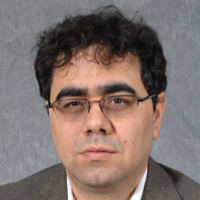
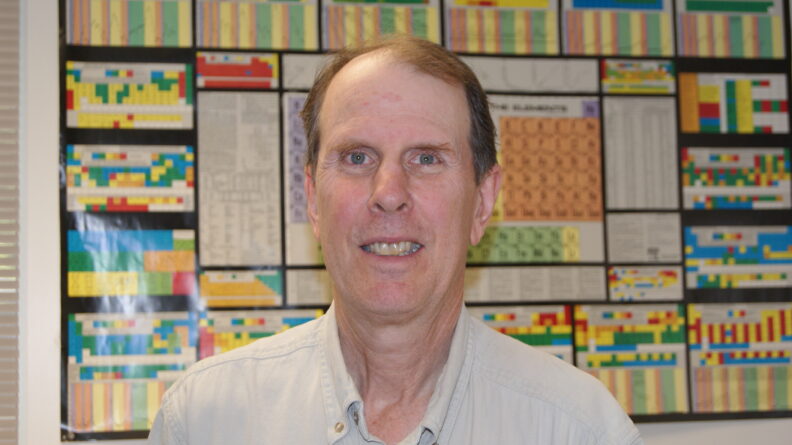
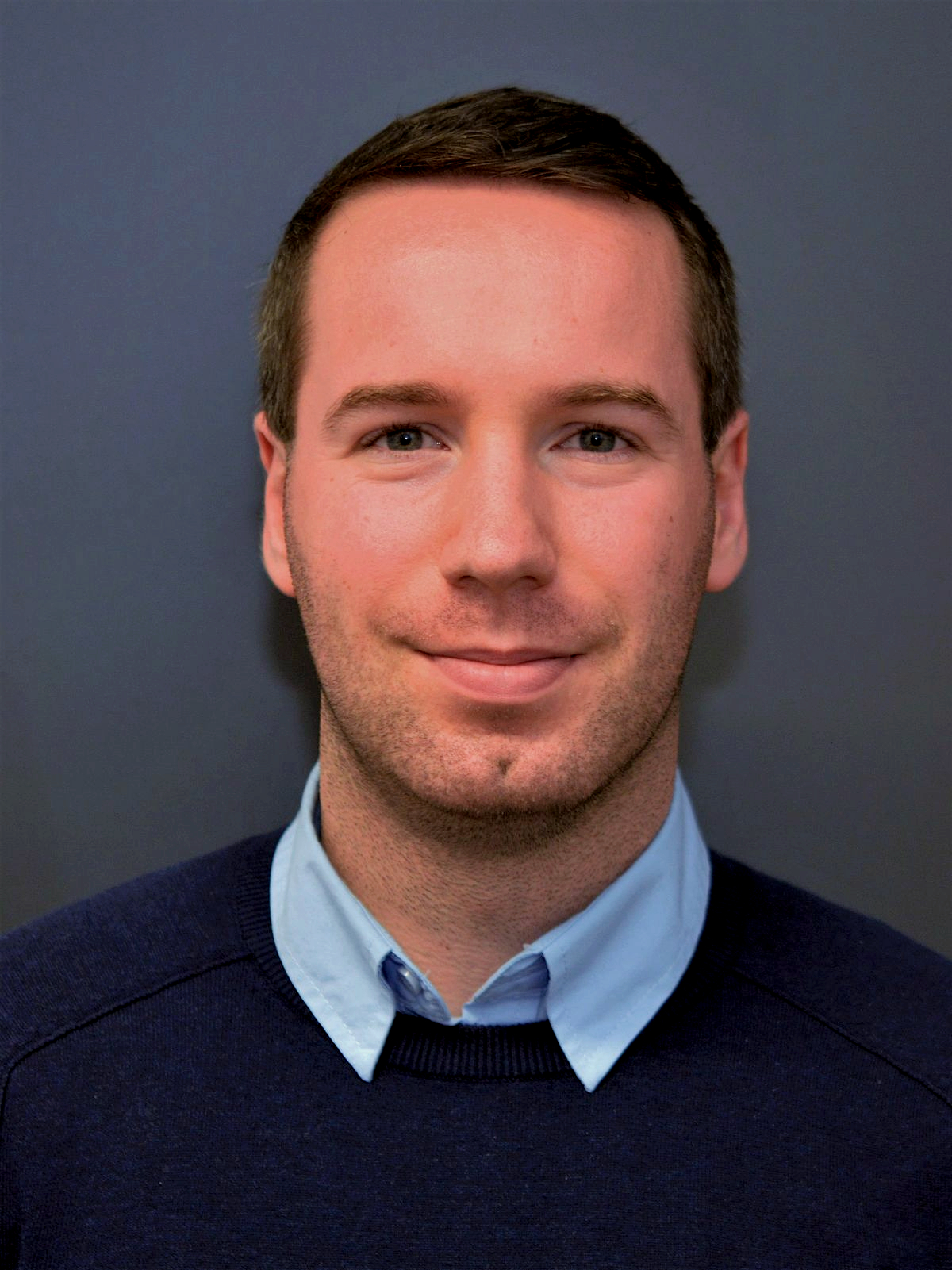
Dr. Manuel Garcia-Pérez is a Professor and Department Chair in the Department of Biological Systems Engineering at Washington State University (WSU), affiliated with the College of Agricultural, Human, and Natural Resource Sciences (CAHNRS). His research focuses on thermochemical conversion of biomass to produce biofuels, bio-oils, and biochars, addressing global energy and environmental challenges. He holds a Ph.D. in Chemical Engineering from Université Laval and has held postdoctoral positions at Monash University, the University of Georgia, and other institutions. His work emphasizes sustainable aviation fuels, biochar applications in soil fertility, and environmental impact mitigation. Dr. Garcia-Pérez leads the Bioproducts Science and Engineering Laboratory (BSEL) at WSU Tri-Cities, advancing bio-refinery concepts and reactor design. He collaborates internationally, including projects in Haiti and the Dominican Republic to develop sustainable biomass industries. His research spans analytical chemistry, reactor engineering, and interdisciplinary partnerships in forestry, soil science, and sociology. He has authored nearly 130 peer-reviewed publications and serves on the Biomass Research Development Initiative Technical Advisory Committee. Key achievements include developing pyrolysis oil characterization methods, optimizing biochar for carbon sequestration, and advancing sustainable aviation fuel (SAF) production. His grants and industry partnerships support innovative technologies for waste-to-energy conversion and environmental remediation. Future work targets integrating biomass resources with aviation fuel supply chains and enhancing biochar's role in climate resilience.
Jim Amonette is an Adjunct Professor at Washington State University (WSU), with a joint appointment at the Pacific Northwest National Laboratory (PNNL) since 1986. His work focuses on biochar’s role in climate change mitigation, particularly in agricultural systems. He holds a Ph.D. in Soil Chemistry from Iowa State University, alongside M.S. and B.S. degrees in related fields. His research interests include environmental geochemistry, soil mineralogy, and carbon sequestration. He has authored over 125 peer-reviewed publications, 7 patents, and contributed to a seminal book on soil mineralogy. Notable achievements include the 2008 Fitzner-Eberhardt Award and the 2010 Nature Communications paper on sustainable biochar. Amonette collaborates with CSANR (Center for Sustaining Agriculture & Natural Resources) and serves on professional boards like the Clay Minerals Society and Soil Science Society of America. His work bridges laboratory studies, field applications, and policy, emphasizing practical solutions for sustainable agriculture and climate resilience. Education: Ph.D., Soil Chemistry, Iowa State University M.S., Soil Chemistry, Iowa State University B.S., Soil Science, New Mexico State University Key Awards: PNNL Laboratory Director’s Award (2008) R&D100 Award (1998) His recent work emphasizes biochar’s technical potential in CO 2 drawdown and small-scale agricultural viability in the Pacific Northwest. He actively contributes to global biochar research roadmaps and standardization efforts.
Professor Sankar Bhattacharya is a distinguished academic at Monash University's Department of Chemical & Biological Engineering within the Faculty of Engineering. His career spans industry roles in India, Thailand, Australia, and France, followed by an academic focus on advanced coal and biomass utilization, gasification, biofuels, and catalysis. He leads a research group of 16 PhD students and two research fellows, having supervised 12 PhD completions. His work contributes to UN SDGs related to affordable and clean energy, industry innovation, and climate action. Research focuses on gasification of coal/biomass/algae, liquid fuels from brown coal, and CO₂ utilization. He advises Japan's METI on clean coal and the IEA's Cleaner Fossil Fuels program. Awards include Fellow of the Australian Institute of Energy and membership in the American Chemical Society. Key projects include leadership in ARC Research Hubs for carbon waste valorization and battery recycling. His 240+ publications span catalysis, energy systems, and waste-to-value technologies. Research highlights include catalyst development for hydrogen production, critical metal recovery from coal ash, and ammonia fuel cell innovations. Teaching commitments include courses on energy-environmental systems and biorefinery processes. Collaborations span global institutions, emphasizing sustainable energy solutions and circular economies.
Lance L. Lobban is the David Ross Boyd Professor and Francis W. Winn Chair of Chemical Engineering at the University of Oklahoma. He leads research in catalysis and reaction engineering, with a focus on biofuels and thermochemical biomass conversion. His work integrates experimental measurements (e.g., transient kinetics, FTIR, mass spectrometry) with theoretical models to optimize catalytic processes. Current projects address challenges in scaling biomass refining due to its distributed nature and oxygen content. Education : Ph.D. Chemical Engineering (1987), University of Houston; B.S. Chemical Engineering (1981), University of Kansas. Research interests include gas/liquid phase reactions, catalytic deactivation mechanisms, and non-equilibrium plasma systems. His lab investigates biofuel production via pyrolysis, catalytic upgrading of biomass pyrolysis vapors, and bifunctional catalyst design. Notable awards include the Brandon H. Griffin Teaching Award (2006) and sustained recognition as an Outstanding Chemical Engineering Instructor (1992–2011). His contributions to national scholar recruitment earned the Richard M. Cyert Award (1993). Awards : Over 20 teaching and research honors, including presidential professorships and industry-recognized lectureships. Advising focuses on graduate students in chemical engineering, with grants supporting biomass conversion and catalysis projects. His lab collaborates with interdisciplinary teams in sustainable chemical and materials engineering. Lobban’s work is housed in the Sarkeys Energy Center, part of OU’s Sustainable Chemical, Biological and Materials Engineering program.
Pedro Brancoli is a Senior Lecturer at the Swedish Centre for Resource Recovery within the University of Borås' Faculty of Textiles, Engineering and Business. His research focuses on environmental aspects of resource recovery, waste management, and food waste reduction, particularly in supermarket and bakery contexts. He collaborates with doctoral students Zisen Liu and Samira Syed, and his work emphasizes quantitative methods like material flow analysis and life cycle assessment. Research Interests: Environmental sustainability through waste valorization Automated food waste quantification systems Climate impact of food production and distribution Key Outputs: Recent publications include studies on household food waste patterns, bakery surplus reduction, and carbon footprint analysis of street market waste in Brazil. His work bridges theoretical frameworks with practical applications in circular economy models. Grants & Awards: No specific awards listed, but research is supported by grants like the Swedish Environmental Protection Agency (2022–00077). Labs/Teams: Active within the Swedish Centre for Resource Recovery, focusing on cross-disciplinary solutions for sustainable resource management.
Jean Lachaud is a researcher at the Institute of Mechanics and Engineering (I2M) affiliated with the TREFLE - Transfers, Fluids and Energy department at the University of Bordeaux. His work focuses on thermal and mechanical behavior of porous and reactive materials, particularly in high-temperature environments. Research Interests : Porous media physics, pyrolysis modeling, thermal protection systems, acoustic wave propagation, multiscale simulations. Projects : Involved in ANR, PEPR, and European initiatives related to energy efficiency, material durability, and environmental engineering. His recent publications emphasize thermal non-equilibrium models , biomass pyrolysis , and ablative material response for aerospace applications. He develops computational tools like PATO and integrates experimental data with numerical simulations to study gasification, oxidation, and heat transfer phenomena. Contact : jean.lachaud@u-bordeaux.fr
Henrik Tolvanen is an Assistant Professor (tenure track) and University Lecturer specializing in Materials Science and Environmental Engineering. His research focuses on sustainable biomass conversion technologies, including pyrolysis, bio-oil stability, and waste-to-energy systems. He holds a Doctor of Science (Technology) in Energy Engineering (2016), a Master of Science (Technology) (2010), and additional technical education. His work contributes to UN Sustainable Development Goals related to affordable and clean energy, climate action, and responsible consumption. Key research interests include thermal processing of biomass, bioenergy production, and environmental engineering solutions. Recent studies explore hydrothermal carbonization for nutrient recovery, pyrolysis optimization for agricultural residues, and techno-economic assessments of decentralized energy systems. Tolvanen has reviewed for journals like Energy and Fuels and Fuel , and contributed to international collaborations in India and beyond.
Dr. Vinuthaa Murthy is a Senior Lecturer in Chemistry at the Faculty of Science and Technology , Charles Darwin University . Her research focuses on Computational and Analytical Chemistry to determine structural properties of Nanoparticles and Inorganic molecules , with applications in environmental remediation and biomedical fields . Education PhD in Theoretical Predictions of Group 13 Hydrides (Charles Darwin University, 2004) Master of Science in Physical Chemistry (Bangalore University, 1988) Bachelor of Science (Bangalore University, 1986) Her research integrates Molecular Dynamics , Quantum Chemistry , and Density Functional Theory to study metal carbides , zeolites , and layered double hydroxides . Recent projects include green synthesis of metal nanoparticles using native plant extracts for wastewater treatment and antibacterial applications , and developing fluorine-free firefighting foams through computational modeling. Representative articles (2020–2024) span Nanoparticle characterization , photovoltaic material design , and anti-cancer compound screening . Collaborations include institutions like Australian Nuclear Science and Technology Organisation (ANSTO) and research groups in environmental chemistry and materials science . Scientific Awards Vice-Chancellor’s Award for Outstanding Contribution to Student Learning (2012) Excellence in Research and Training (2022) Best Scientist in STEM Engagement (2023) She supervises PhD and HDR projects on nanoparticle synthesis , firefighting foam optimization , and Pollutant removal from water . Additional roles include Examiner for PhD/MSc theses and active membership in the Royal Australian Chemical Institute and university committees.
Leon Lefferts is a Full Professor in Catalytic Processes and Materials at the University of Twente, affiliated with the Faculty of Science and Technology and the MESA+ Institute for Nanotechnology. He has held visiting professorships at Tokyo Institute of Technology (2005–2007) and Aalto University in Helsinki (2011 onward), where he was appointed Finnish Distinguished Professor (2011–2015). His research focuses on three interconnected themes: (1) heterogeneous catalysis in liquid phase , particularly for drinking water purification via hydrogenation of nitrate, nitrite, and bromate, with innovations such as micro-structured 'hairy foams' and membrane contactor reactors; (2) activation of stable molecules like alkanes using breakthrough techniques including plasma-catalysis, soft oxidants, and electrical fields, in collaboration with DIFFER and the University of Antwerp; and (3) catalytic upgrading of biomass , especially flash-pyrolysis oil, inspired by early work at Twente and leading to industrial application by KiOR. His group has pioneered in-situ IR spectroscopy for aqueous-phase catalytic studies under elevated conditions. Recent publications highlight a shift toward electrified and sustainable chemical processes, including membrane-assisted dehydrogenation of ethane and propane using green electricity, plasma-catalytic nitrogen fixation, and in-situ adsorption strategies to improve energy efficiency. These works reflect a strong trend toward integrating catalysis with renewable energy and plasma technologies for decarbonized chemical production. Finnish Distinguished Professor (2011–2015) Leon Lefferts has supervised 38 students and early-career researchers, contributing significantly to education and training in catalysis. His research has been supported by collaborations with major institutions including DIFFER, Aalto University, and the University of Antwerp. He has delivered numerous invited talks and participates actively in interdisciplinary workshops, especially in the emerging field of plasma-catalysis. He leads a research group at the forefront of catalytic innovation, with strong ties to industrial applications and sustainability goals. The team operates within the MESA+ Institute, leveraging advanced nanofabrication and characterization facilities for developing next-generation catalytic materials and reactor systems.
Ashwani Gupta is a distinguished University Professor of Mechanical Engineering at the University of Maryland. His research focuses on combustion science, pyrolysis, and waste-to-energy technologies. Key areas include swirl flows, fuel sprays, high-temperature combustion, and environmental pollution mitigation. He has pioneered studies on catalytic pyrolysis of biomass/plastics and CO2-assisted gasification. Education details are not explicitly stated, but his academic role suggests advanced qualifications in mechanical engineering. Research interests span thermal sciences, renewable energy, and sustainable processes. Over 50 peer-reviewed articles (2022–2024) highlight work on co-pyrolysis of biomass/plastics, hydrogen-enriched combustion, and distributed combustion regimes. Notable contributions include thermal barrier coating advancements and wastewater toxicity studies in Pisum sativum. Publications frequently address synergistic effects in thermochemical processes, waste valorization, and energy recovery from expired food/industrial waste. His work integrates experimental and computational methods, with applications in micro-combustor design and carbon-neutral technologies. No listed awards, but his high citation count reflects academic impact. Advising and grants details are not provided. Research teams likely focus on combustion dynamics and environmental engineering. Active in interdisciplinary projects, including clinical trials on yoga for diabetes prevention and Ayurvedic dietary interventions.
Dr. Judith Chow is a Research Professor and holds the Nazir and Mary Ansari Chair in Entrepreneurialism and Science at the Desert Research Institute (DRI) in Reno, Nevada. She is also a member of the graduate faculty in the Department of Environmental Science and Atmospheric Sciences Program within the Department of Physics at the University of Nevada, Reno (UNR), where she advises graduate students pursuing Masters and Doctoral degrees. With over 40 years of experience in atmospheric, air quality, and environmental health research, Dr. Chow leads DRI's Environmental Analysis Facility (EAF), directing a team of research scientists and technicians in developing and applying advanced analytical methods for characterizing atmospheric particles. Sc.D. in Environmental Science and Physiology from Harvard University (1985) M.S. in Environmental Health Sciences from Harvard University (1983) B.S. in Biology from Fu-Jen Catholic University, Taiwan (1974) Dr. Chow's research spans multiple critical areas in atmospheric science, with particular focus on ambient air and source sampling, chemical and physical analysis of suspended particulate matter, field study design and management, and source apportionment modeling. Her work integrates chemistry, physics, biology, engineering, biostatistics, toxicology, epidemiology, and medicine to address complex air quality challenges. She has established international collaborations across Asia, the Americas, Europe, Africa, Australia, and Antarctica, demonstrating the global relevance of her research. Analysis of Dr. Chow's most recent publications (2023-2025) reveals a continued emphasis on advanced particulate matter characterization, with growing attention to emerging pollution sources like battery fires, spacecraft materials, and industrial processes. Her work increasingly incorporates sensor technology and real-time monitoring approaches, reflecting the evolving nature of air quality research. There's also a noticeable expansion into environmental justice applications and health-focused studies, particularly examining the impacts of air pollution on vulnerable populations. ISI Highly Cited Researcher in ecology and environment with over 28,000 citations and an h-index of 83 Recognized as one of Stanford University's Top 2% of the World's Most Cited Scientists Appointed to U.S. EPA's Clean Air Science Advisory Committee (2015-2018, re-appointed 2021) Member of U.S. National Academy of Sciences committees addressing airborne particulate matter research priorities Co-editor for Aerosol and Air Quality Research and Particuology journals Dr. Chow advises numerous graduate students at UNR and has secured funding for over 50 large atmospheric studies throughout her career. She has led international projects assessing port operations' air quality impacts in southern California, measuring emissions in Canada's Oil Sands Region, designing air quality networks for the World Bank in developing countries, and evaluating photochemical aging effects on biomass burning emissions. Her Environmental Analysis Facility serves as a hub for advanced analytical methods development, particularly for characterizing suspended atmospheric particles and their effects on health, climate, visibility, ecosystems, and cultural artifacts. As founder and leader of DRI's Environmental Analysis Facility, Dr. Chow heads a multidisciplinary team that develops and applies advanced analytical methods to characterize atmospheric particles. Her facility has expanded capabilities to obtain more information from archived samples using thermal and mass spectrometric technologies, with current priorities including improved detection of brown carbon, application of microsensors to human exposure estimates, and simulation of source profile changes using photochemical flow tube reactors.
Prof. Dr. Peter Deuss is an Associate Professor at the University of Groningen's Engineering and Technology Institute Groningen (ENTEG), part of the Faculty of Science and Engineering. His work focuses on catalytic processing of sustainable resources like lignocellulosic biomass and mixed plastic waste to produce bio-based chemicals and fuels. He leads research on lignin valorization, carbon circularity, and chemical plastic recycling, emphasizing integrated catalytic processes that combine separation and conversion steps. Education: BSc/MSc in Chemistry (University of Amsterdam, 2006) PhD in Catalysis (University of St Andrews, 2011) Postdoctoral Research at MRC Laboratory of Molecular Biology (2011–2013) and University of Groningen (2013–2016) Research Interests: Developing catalytic technologies for renewable resource conversion, including lignin depolymerization, plastic recycling, and biomass fractionation. Key methods involve mild organosolv extraction, hydrotreatment, and advanced characterization techniques. Key Projects: Closing Carbon Cycles with Renewable Amines (3CRA) Woodlig (NWO-XL) Circular Foam Horizon 2020 INREP Plastic Recycling Awards: 2019 Green Chemistry Outstanding Reviewer Recognition. Teaching: Courses on Industrial Organic Chemistry, Catalysis, and Bio-Based Products at the BSc and MSc levels in Chemical Engineering. Labs/Teams: Leads the Green Chemical Reaction Engineering group within ENTEG, collaborating on biorefinery processes and catalytic innovation.
Wolter Elbersen is a full-time researcher at Wageningen University & Research, specializing in Biorefinery & Fibre Technology. His work focuses on converting agricultural residues like oil palm biomass into advanced biofuels and carbon-based materials through pyrolysis technologies, with a strong emphasis on circular economy principles and greenhouse gas emission reduction. Key Research Areas: Pyrolysis, lignocellulosic biomass valorization, circular economy implementation, and sustainable feedstock utilization. Projects: Leading initiatives like MesOil (mesocarp oil mobilization) and Monitoring Circulariteit Agro-reststromen (biomass residue tracking). Collaborations: Active in international networks, particularly in Southeast Asia and Africa, for biomass-to-biofuel systems. His recent publications analyze plasma-assisted pyrolysis of palm residues and sustainable biomass residue flows in the Netherlands. He contributes to EU-funded projects like SUSTRACK and BIKE, focusing on bioenergy sustainability and policy instruments.
Yves Schuurman is a Researcher at the Institute of Research on Catalysis and Environment of Lyon (IRCELYON), affiliated with Claude Bernard University Lyon 1. He serves as deputy manager of the Engineering from Material to Reactor department. His research spans multiple areas of catalysis and chemical engineering with a focus on sustainable energy solutions. Dr. Schuurman's research interests center on catalytic processes for energy applications, particularly in the areas of hydrogen production, biomass conversion, and Fischer-Tropsch synthesis. His work combines experimental approaches with kinetic modeling to understand reaction mechanisms at a fundamental level while addressing practical challenges in reactor design and catalyst development. He has made significant contributions to understanding CO 2 hydrogenation, biogas reforming, and sustainable fuel production through catalytic processes. Analysis of his recent publications reveals a strong emphasis on sustainable energy conversion technologies, with particular expertise in catalytic reactor design, kinetic modeling, and in situ characterization techniques. His research bridges fundamental science with practical applications in energy transition technologies. Dr. Schuurman actively collaborates with numerous researchers across multiple institutions, supervising students like Valentin L'Hospital and working within the broader catalysis research community at IRCELYON. He utilizes advanced characterization methods including SSITKA, FT-IR spectroscopy, and isotopic labeling to investigate reaction mechanisms. His work often involves high-throughput experimentation and microkinetic modeling approaches to develop more efficient catalytic processes for energy applications.
Dr. Christopher Rüger is a research group leader and habilitation candidate at the Chair of Analytical Chemistry, University of Rostock, within the Interdisciplinary Faculty Life Light & Matter. He leads the 'High-Resolution Mass Spectrometry' group and has been active in research since 2015, following his B.Sc. and M.Sc. in Chemistry from the same university. He completed his doctorate in 2018 and held a postdoctoral position at the University of Rouen, France, before returning to Rostock in 2019. Research Interests: His work focuses on developing and applying advanced mass spectrometry techniques, particularly high-resolution and FT-ICR MS, coupled with thermal analysis and novel ionization methods (photo-, laser-, chemical ionization). He investigates complex materials including petroleum, bitumen, aerosols, polymers, and combustion particulates, with applications in energy, environmental science, and materials chemistry. The trend in his recent publications shows a strong emphasis on molecular-level characterization of complex organic mixtures using hyphenated analytical techniques. His research bridges analytical chemistry with environmental, materials, and astrochemistry, particularly through collaborations on ship emissions, wildfire particulates, Titan’s atmospheric analogs, and polymer degradation. He frequently employs ion mobility spectrometry and innovative data processing to enhance structural elucidation. Scientific Recognition: No formal scientific awards or fellowships are listed in the provided texts. Advising and Grants: While no formal students are listed, Dr. Rüger leads a research group and collaborates widely. He is involved in several funded projects, including the European Network of FT-ICR MS Centers, the AerOrbi Eurostars project on aerosol photoionization, SAARUS (scrubber emissions), TBI (thermolysis reactor development), and a DFG-RFBR German-Russian collaboration on wildfire particulates. These projects reflect his interdisciplinary approach and international collaborations, particularly with the iC2MC Lab in France. Laboratories and Teams: He heads the 'High-Resolution Mass Spectrometry' research group at the University of Rostock and maintains a close collaboration with the iC2MC (International Complex Matrices Molecular Characterization) Lab at CNRS, France. His work is conducted within the Department of Analytical Chemistry, Institute of Chemistry, under the interdisciplinary umbrella of 'Life – Light – Matter,' facilitating cross-domain research.