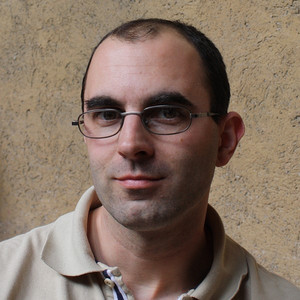
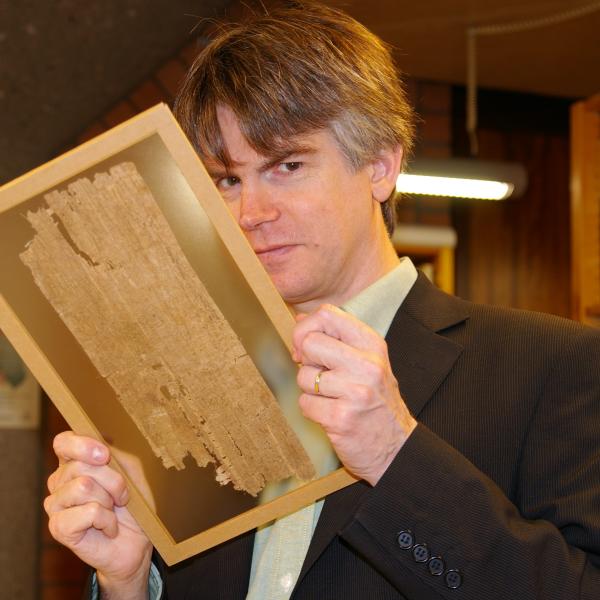
Dr. Gunnar Sperveslage is a Researcher at the Institute for African Studies and Egyptology at the University of Cologne. His academic journey includes a Magister Artium from Humboldt-Universität Berlin (2007) and a PhD from Freie Universität Berlin (2014). He has held research positions at prestigious institutions including the Berlin-Brandenburgische Akademie der Wissenschaften and Leipzig University. His research focuses on intercultural contacts between Egypt and Arabia/Rome , digital annotation of ancient texts, and the history of Egyptological scholarship. Notable projects include the 'Digital database of early Egyptian inscriptions' and work on lexicon history. Recent publications highlight his expertise in Roman-Egyptian cultural hybridity, Arabian-Egyptian trade networks, and epigraphic analysis. He co-edits the journal Internetbeiträge zur Ägyptologie und Sudanarchäologie and has curated exhibitions at Bonn's Egyptian Museum. His work bridges traditional Egyptology with digital humanities, emphasizing collaborative research and historical methodology.
Dr. Kelly Dougherty is an Associate Professor of Biology at Rhodes College, specializing in the biophysical mechanisms of epilepsy. Her research integrates molecular biology, biochemistry, and electrophysiology to study voltage-gated ion channels and neuronal excitability. She focuses on understanding antiepileptic drugs (AEDs) and anesthetics' mechanisms, particularly their unanticipated drug targets. She actively involves students in her research program. Education: Ph.D. in Cell and Developmental Biology, Thomas Jefferson University (2009) B.S. in Biology with a microbiology concentration, West Chester University (2003) Research Interests: Dr. Dougherty’s work explores how ion channel dysregulation contributes to epilepsy. Her studies emphasize the hippocampus, investigating regional differences in CA1 pyramidal neurons and the effects of drugs like carbamazepine. She employs computer modeling alongside experimental techniques to elucidate drug action pathways and neuronal excitability control mechanisms. Publications: Her peer-reviewed articles (2006–2020) focus on hippocampal electrophysiology, ion channel dynamics, and drug mechanisms. Key topics include HCN channel modulation, Kv4.2 potassium channels, and regional hippocampal specialization. Advising & Grants: While no specific grants are listed, her research program incorporates student collaboration. No awards are mentioned in the provided text. Labs/Teams: Her work is conducted in Rhodes College's Biology department labs, focusing on cellular and molecular neuroscience approaches.
Fatih Mehmet TULUMCU serves as a Researcher at Sakarya University's Faculty of Education within the Department of Turkish and Social Sciences Education. He teaches Turkish Folk Literature I/II, Teaching Practice courses, Community Service Practices, and Introduction to University Life across multiple semesters. His academic background includes: Doctorate (2014-2020): Sakarya University, Institute of Educational Sciences/Turkish Education Master's (2012-2014): Sakarya University (joint with Bülent Ecevit University), Turkish Education with thesis Licence (2007-2011): Çanakkale Onsekiz Mart University, Faculty of Education/Turkish Language Teaching TULUMCU's research centers on Turkish-as-a-foreign-language pedagogy, with emphasis on self-efficacy measurement, anxiety factors in language acquisition, and innovative teaching techniques like the Sentence Pyramid writing method. His work bridges educational psychology and curriculum development, particularly examining how social media usage affects teacher candidates' writing skills. Recent publications show increasing focus on values education and character development within language instruction. His publication trends reveal consistent contributions to Turkish language education research since 2013, with 13 documented works spanning journal articles, conference proceedings, and research projects. Key themes include psychometric scale development for language skills assessment, analysis of graduate theses in Turkish-as-foreign-language teaching, and phenomenological studies of teacher perceptions. Research projects include the 2012 Sakarya University BAP-funded study "Monitoring Turkish Teaching in Primary Schools: Indicators for Sakarya Province" where he served as researcher. He also participated in the 2012 Çanakkale Onsekiz Mart University Workshop on Language Evaluation and Teaching Approaches, and served on the organizing committee for Sakarya University's 2013 Turkish Education Departments Workshop. His academic service includes thesis supervision for graduate students and active participation in departmental educational initiatives at Sakarya University.
Laurie Sutton is an Assistant Professor in the Department of Biological Sciences within the College of Natural and Mathematical Sciences at the University of Maryland, Baltimore County (UMBC). She joined UMBC in Fall 2019, leading an independent research laboratory focused on the molecular and physiological roles of orphan receptors in the brain. Education: Ph.D. in Anatomy and Cell Biology, University of Western Ontario, 2011 M.S. in Anatomy and Cell Biology, University of Western Ontario, 2005 B.S. in Biochemistry, University of Waterloo, 2003 Her research centers on orphan receptors —a class of G protein-coupled receptors whose natural ligands and functions remain largely unknown. These proteins are highly expressed in brain regions involved in mood, stress, and reward processing. Dr. Sutton’s lab investigates how these receptors regulate neuronal signaling, particularly through cAMP and G protein pathways, to influence behaviors related to depression and addiction. Her interdisciplinary approach integrates molecular biology, electrophysiology, and behavioral assays in animal models. The recent publications indicate a strong focus on proteins such as GPR158 and RGS7, which modulate neural excitability and stress responses in cortical and striatal circuits. Her work reveals novel mechanisms linking cell signaling to psychiatric conditions, with potential implications for developing targeted therapies. She teaches courses in cell biology and neuroscience , contributing to both undergraduate and graduate education at UMBC. Scientific Awards: No awards listed in the provided text. Dr. Sutton leads an active research group investigating fundamental questions in neurobiology. Her lab has secured funding to explore the uncharted biology of orphan receptors, aiming to uncover new therapeutic targets for mental health disorders. While specific grant details are not mentioned, her publication record in top-tier journals suggests competitive funding support. She collaborates with experts in neuroscience and signal transduction, building on her postdoctoral experience at Duke University and The Scripps Research Institute. Her lab, known as the Sutton Lab , is based in the Biological Sciences Building at UMBC and continues to explore the physiological functions of understudied neural proteins. Future work will likely expand on the role of orphan receptors in homeostatic regulation and disease states.
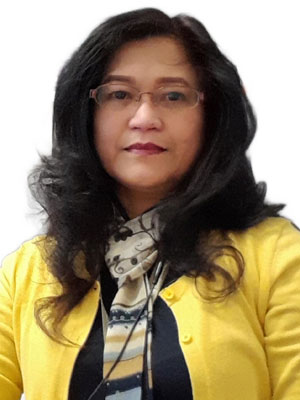
Dr. Sri Martani Effiyanti is a Lecturer in Business Management at De Montfort University's Leicester Castle Business School, under the Faculty of Business and Law. She joined DMU in September 2022 and is affiliated with the Centre for Enterprise and Innovation (CEI), contributing to research in enterprise development and innovation. Education: PhD in Management, University of Hull, United Kingdom MBA, University of Colorado, Denver, USA BSc in Accounting, Colorado State University, Fort Collins, USA PgDip in Research Training Her research centers on Microfinance, Information Asymmetry, and Small and Medium Enterprises (SMEs), with a regional focus on Indonesia. She explores how alternative microfinance business models address information asymmetry within the provider-loan officer-borrower relationship, contributing to financial inclusion and poverty alleviation. Her expertise extends to International Business, Entrepreneurship, and Business Model innovation. The available scholarly outputs, primarily conference presentations, reveal a consistent thematic focus on microfinance mechanisms, skill barriers, and institutional design in emerging economies. These works emphasize governance, transparency, and capability development in financial access for underserved populations. Scientific Awards: No awards listed in the provided text. Dr. Effiyanti teaches undergraduate and postgraduate modules including Global Strategic Management (as Module Leader), Organizational Management, and Organizational Behavior. She also supervises postgraduate dissertations. She holds Fellowship of the Higher Education Academy (FHEA), indicating recognized teaching excellence. There is no mention of external grants or funded research projects. She is actively involved in academic conferences through the EuroMed Academy of Business and the International Entrepreneurship Forum, engaging with global scholarly networks in business and entrepreneurship. Her work bridges academic research and practical applications in microfinance and SME development.
Amir Sadovnik is an Assistant Professor in the Min H. Kao Department of Electrical Engineering and Computer Science at the University of Tennessee, Knoxville. He holds a PhD in Electrical and Computer Engineering from Cornell University and a BEng from The Cooper Union. Previously, he served as an Assistant Professor at Lafayette College, where he focused on undergraduate education and curriculum innovation. His educational background includes: PhD in Electrical and Computer Engineering, Cornell University, 2014 BEng in Electrical and Computer Engineering, The Cooper Union, 2009 Amir Sadovnik's research lies at the intersection of computer vision, machine learning, and human-computer interaction, with a strong focus on human-centered problems. His work explores how humans perceive and interact with visual content, leading to research in emotion recognition, face similarity, fashion compatibility, blur detection, and reinforcement learning. He leverages deep neural networks to tackle subjective tasks that are challenging for machines but intuitive for humans. His research also extends into bioinformatics, where he applies machine learning to genome analysis and sequence similarity. The 15 most recent publications reflect a consistent trend in using deep learning for perception-driven tasks. These include emotion prediction, face and object similarity, adversarial robustness, and biomedical data analysis. His work often integrates attention mechanisms, U-Net architectures, and reinforcement learning frameworks, demonstrating a multidisciplinary approach across computer vision, signal processing, and computational biology. While no formal scientific awards are listed in the provided texts, his involvement in grant-funded projects, such as the NSF-funded 'CS for Appalachia' initiative, highlights recognition of his educational and research contributions. Amir Sadovnik is actively engaged in teaching and mentoring. He has taught graduate and undergraduate courses including ECE 517 (Reinforcement Learning), ECE 574 (Computer Vision), and COSC 525 (Deep Learning). He has also led curriculum redesign efforts to make computer science more inclusive, particularly through integrating digital humanities into introductory programming courses. His educational grants and projects emphasize interdisciplinary learning and real-world data applications. He is involved in a research-practice partnership (NSF Grant No. 1923509) aimed at bringing computer science education to K–12 schools in East Tennessee. He leads research projects such as Easy Visual Question Answering with Video and Counting, and developed the educational tool Code-A-Story to integrate computer science with literacy for elementary students. These projects reflect his commitment to both cutting-edge research and accessible, impactful education.
Kjetil Andersson is an Associate Professor of Economics at the School of Business and Law, University of Agder, Norway. He is affiliated with the Department of Economics and Finance and an active member of the research group Competition, Networks and Institutions (CNI). His expertise spans industrial organization and applied econometrics, with applied work in labor, development and education economics. Education PhD in Economics, Norwegian University of Science and Technology (NTNU) MSc in Economics, Norwegian School of Economics (NHH) MSc in Economics, University of Oslo Research Interests Andersson’s core research agenda lies at the intersection of industrial organization and applied econometrics . He employs micro-econometric techniques to study competition, pricing and productivity in telecommunications, microfinance and education markets. Ongoing projects investigate multihoming behavior, sustainability of community-based savings groups, and the impact of digital teaching tools on student outcomes in higher education. Publication Trajectory Since the late 1990s his work has appeared in leading journals such as Scandinavian Journal of Economics , Review of Industrial Organization , Industrial and Corporate Change , Journal of Business Ethics and Journal of Development Studies . The articles collectively span telecommunications regulation, microfinance performance, consumer adoption of new technologies, and educational productivity, demonstrating a consistent focus on empirical rigor and policy relevance. Scientific Awards & Distinctions No specific awards or honors are listed in the provided material. Teaching & Supervision He teaches undergraduate and graduate courses in Microeconomics , International Economics & Trade , Industrial Organization , Game Theory and Philosophy of Economics . He also supervises numerous bachelor’s and master’s theses across these fields. Labs & Research Groups Andersson is an active member of the Competition, Networks and Institutions (CNI) research group at UiA, collaborating on projects related to market structure, network effects and institutional design.
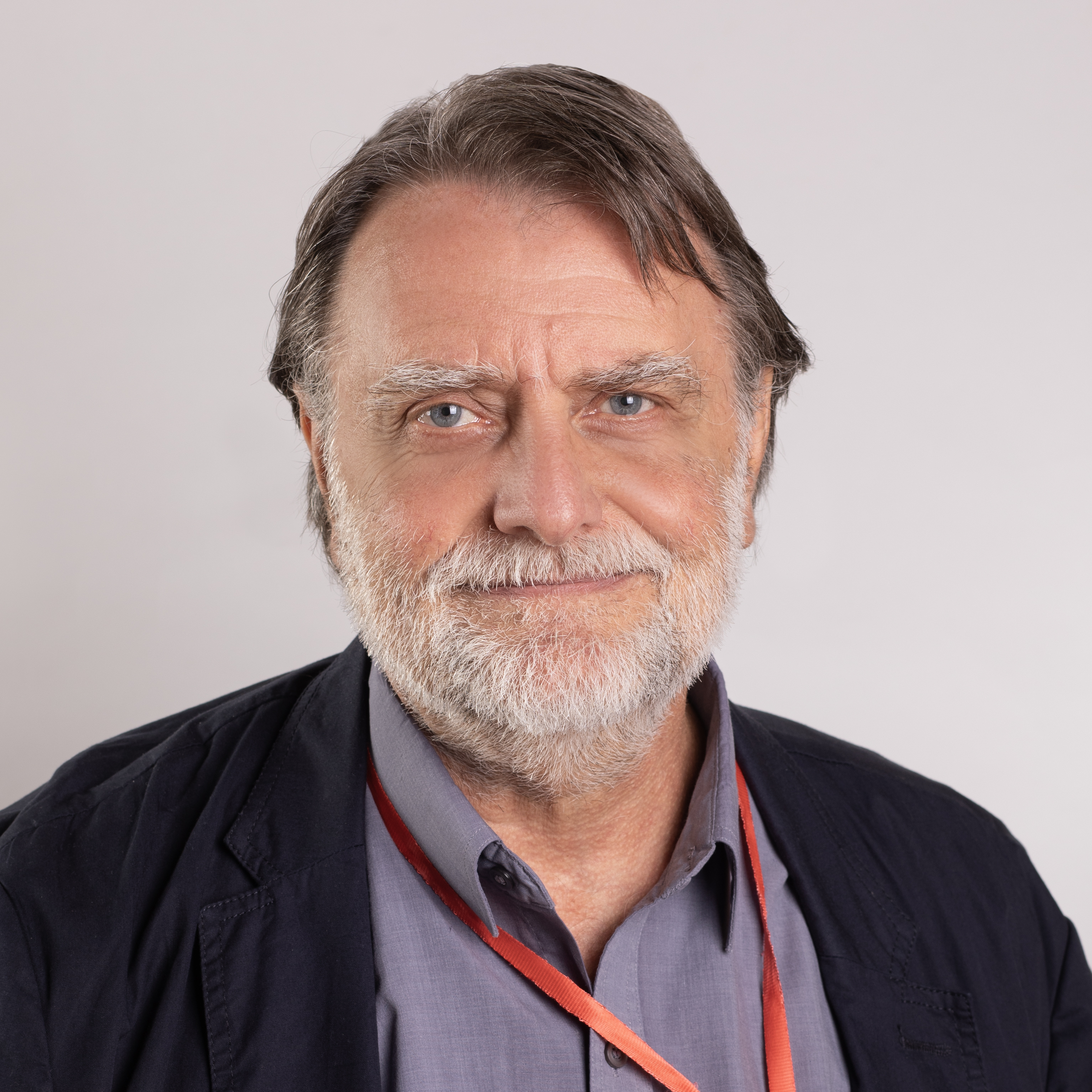
Stefan Baumann is a tenure-track lecturer in Egyptology at the Archaeology Research Group of KU Leuven's Faculty of Arts and serves as a researcher (supervisor) at the Royal Museums of Art and History in Brussels. He is also a member of LECTIO – KU Leuven Institute for the Study of the Transmission of Texts, Ideas and Images in Antiquity, the Middle Ages and the Renaissance, and participates in the Faculty Council of Arts as an observer. Dr. Baumann earned his PhD in Egyptology summa cum laude from the University of Tübingen in 2018 with his dissertation "Schatzkammern: Ihre Dekroartion und Raumkonzeption in ägyptischen Tempeln der griechisch-römischen Zeit" (Studien zur spätägyptischen Religion 19), published by Harrassowitz. His academic background includes studies in Egyptology, Prehistory and Classics at the University of Tübingen. Prior to joining KU Leuven, he served as a lecturer in the Department of Egyptology at the University of Trier (2018-2024) and as a Research Assistant on the project "Der Tempel als Kanon der religiösen Literatur Ägyptens" at the Heidelberg Academy of Sciences / University of Tübingen (2010-2018). Baumann's research is exceptionally broad and interdisciplinary, spanning Greco-Roman temple inscriptions and architecture, ancient Egyptian coffins, New Kingdom tombs, late antique and modern travel accounts, connections between text and visual culture, and ancient Egyptian intellectual history. His work also encompasses Egyptian travelogues from late antiquity to 1800, semantics of color in hieroglyphic texts, space and design of Egyptian temples, ancient Egyptian 'survivals' in modern Egypt, history of mineralogy, Egyptian visual language, and pseudo-archaeology. As a trained archaeologist, philologist and epigrapher, he has participated in archaeological missions in Athribis and Saqqara (Egypt), and Pantelleria (Italy). His recent publications (2022-2025) reveal a strong focus on temple inscriptions, mineralogy in ancient Egypt, Egyptian travel accounts through Western eyes, and critical examinations of popular misconceptions about ancient Egypt. His work demonstrates consistent engagement with both textual and material evidence, often bridging philological analysis with archaeological context. The thematic threads connecting his publications include the study of cultural transmission, the relationship between text and image in Egyptian culture, and critical approaches to the reception of ancient Egypt in modern times. Baumann currently leads or co-leads several significant research projects including "The reconstruction of ancient Egyptian sites using early modern cartographic and visual sources" (2025-2029), "Space for the Leuven Integrated Archaeological Information System" (2025), and "Early Egyptian Travelogues from Late Antiquity to Napoleon" (2024-2026). His scholarly approach integrates traditional Egyptological methods with broader archaeological and historical perspectives, making significant contributions to our understanding of Egyptian temple architecture, material culture, and the reception of ancient Egypt through time.
Ben Huang serves as an Assistant Professor of Neuroscience at Weill Cornell Medical College with dual appointments in the Brain and Mind Research Institute and Department of Psychiatry. His academic foundation includes a Ph.D. from UCLA (2011) and a B.A. from Columbia University (2000). Dr. Huang's research program investigates neural circuit mechanisms underlying psychiatric disorders through advanced methodologies including in vivo calcium imaging, transgenic mouse models, and RNA sequencing. Key focus areas encompass astrocyte-mediated neuronal dysfunction in autism spectrum disorders, cortical circuit dynamics in depression, and GABAergic signaling in stroke recovery. His work bridges molecular neuroscience with clinical psychiatry to develop novel therapeutic strategies. Analysis of his publication trajectory reveals progressive specialization from molecular mechanisms (e.g., Gabrb3 receptor functions) to systems-level circuit analysis (e.g., cortex-wide antidepressant effects), with consistent emphasis on translational applications for schizophrenia and mood disorders. Recent work demonstrates increasing integration of multi-omics approaches with functional imaging. No scientific awards or advisory activities are documented in the provided text. Similarly, grant funding details and laboratory infrastructure descriptions are absent from the source material.
Natalia Sergeevna Belova is an Associate Professor in the Department of Software Engineering at the Faculty of Computer Science, National Research University Higher School of Economics (HSE University) in Moscow. She has been working at HSE since 2012 with 13 years of scientific and teaching experience. Education: 2010: Candidate of Technical Sciences from Moscow State University of Instrument Engineering and Computer Science, specialty 05.13.11 "Mathematical and software support for computing machines, complexes and computer networks" 2009: Postgraduate study from Moscow State University of Instrument Engineering and Computer Science 2005: Engineer qualification in "Computers, complexes, systems and networks" from Moscow State Academy of Instrument Engineering and Computer Science Research Interests: Dr. Belova's research focuses on automatic text analysis, information search, IT project management, embedded databases, and project-based learning in engineering education. Her work bridges theoretical computer science with practical applications in software engineering education and industry. She has made significant contributions to pattern recognition, face identification systems, and the development of computationally efficient methods for intelligent systems processing multimedia information. Publications Trend: Dr. Belova's research has evolved from foundational work on embedded databases to more recent contributions in computer vision, affect recognition, and AI applications. Her early work (2009-2013) focused on database systems reliability and project-based learning methodologies. Since 2015, her research shifted toward computer vision, pattern recognition, and deep learning applications. Her most recent publications (2022-2025) demonstrate expertise in AI applications across various domains including transportation systems and video analysis. Scientific Achievements: Recipient of the Grant of the President of the Russian Federation for young doctors of science MD-306.2017.9 (2017-2018) Gratitude from the Vice-Rector of HSE University (February 2025) Gratitude from the Faculty of Computer Science, HSE University (July 2023) Multiple publication bonuses for journals in List A and international peer-reviewed publications (2016-2025) Best Teacher award for 2016-2017 Member of the High Professional Potential Group (HSE personnel reserve) Teaching and Mentoring: Dr. Belova has supervised over 25 bachelor's theses on diverse software engineering topics including mobile applications, web platforms, biometric identification systems, and educational software tools. She teaches courses on "Group Dynamics and Communications in Professional Software Engineering Practice" and "Economics of Software Engineering." Her commitment to project-based learning methodology is evident in both her research and teaching practice. Professional Development: Dr. Belova actively participates in advanced training programs, including recent courses on modernization of educational programs in software engineering (2025) and problems of training modern specialists in software engineering (2024).
Zoltán Fábián is an Assistant Professor (part-time) in the Department of Art History at the Hungarian University of Fine Arts. He also holds a position as Associate Professor at Gáspár Károli Reformed University's Department of Ancient Studies. He earned his PhD in Historical Sciences (Egyptology) from Eötvös Loránd University in 2001, followed by a Habilitation in 2010. His educational background includes degrees in History, English, and Egyptology. His research focuses on Egyptology , Art History , and Archaeology , with specialization in Ancient Egyptian funerary texts, tomb excavations (particularly TT 184 and TT 32 in Thebes), epigraphy, and religious practices. His publications analyze artistic motifs, ritual significance, and archaeological findings from New Kingdom necropolises. Fieldwork is central to his career: He directed annual excavations at TT 184 (Nefermenu) from 1995–2011 and participated in the Hungarian Archaeological Mission at TT 32 (1985–1994). Additional research includes extended stays in Egypt and Italy. He has presented at international conferences including the World Congresses of Egyptology. Teaching activities include seminars and lectures on Prehistory, Ancient Egyptian/Greek/Roman art, and archaeological publication methodologies.
Nancy Peterson is a Professor of Chemistry at North Central College, where she has served on the faculty since 1994, advancing from Assistant Professor (1994-2000) to Associate Professor (2000-2006) and full Professor (2006-present). She teaches core courses including General Chemistry, Biochemistry, and Nutrition within the Chemistry Department. Her academic foundation includes a B.A. in Biology and Chemistry from Concordia College (1986), an M.S. (1989) and Ph.D. (1992) in Biochemistry from the University of Minnesota focusing on excitatory synaptic transmission and l-AP4 receptor characterization, followed by a postdoctoral fellowship at Baylor College of Medicine (1992-1994) studying GABAA receptor sorting. Professor Peterson's research specializes in natural toxins and pharmacology, with emphasis on neurotoxic mechanisms across diverse biological systems. Her work investigates toxin-receptor interactions in neuronal models, freshwater bryozoans, and amphibian secretions, revealing insights into neuroexcitatory pathways and ecological toxin functions. Publication analysis shows consistent neurotoxicology focus, particularly how natural compounds like ODAP and bryozoan/salamander secretions disrupt neuronal signaling. Her interdisciplinary approach bridges biochemistry, ecology, and pharmacology to understand toxin impacts on synaptic transmission. No scientific awards are mentioned in the provided text. The available information does not specify student advising activities or grant funding details.
Brian Muhs is an Associate Professor of Egyptology at the University of Chicago, affiliated with the Institute for the Study of Ancient Cultures. His research focuses on ancient Egyptian social, economic, and legal institutions during the transition from Pharaonic to Ptolemaic and Roman rule, as well as language contact between Demotic and Greek. He holds a B.A. in Egyptian Archaeology from the University of California, Berkeley (1985) and a Ph.D. in Egyptology from the University of Pennsylvania (1996). His work employs New Institutional Economics models to analyze the role of written documentation in ancient economic systems. Current research explores interactions between Egyptian and Greek banking traditions in the Ptolemaic Period. Notable publications include The Ancient Egyptian Economy (2016), Receipts, Scribes and Collectors in Early Ptolemaic Thebes (2011), and Tax Receipts, Taxpayers, and Taxes (2005). He teaches courses such as NEHC 20006/30006 on Ancient Near Eastern Thought and Literature, focusing on Egypt. His students are investigating topics like the Pyramid Texts and Sacerdotal Decrees.
Solange Brown is an Associate Professor in the Solomon H. Snyder Department of Neuroscience at Johns Hopkins University School of Medicine. Her research focuses on the functional organization of neocortical circuits and their role in perception, cognition, and disease. She is affiliated with multiple graduate programs including the Neuroscience Training Program, Cellular and Molecular Medicine, Biochemistry, Cellular and Molecular Biology, and the XDBio Cross-Disciplinary Graduate Program in Biomedical Sciences. Research Interests: Dr. Brown's work integrates physiological, anatomical, and genetic techniques to study how neocortical circuits process information. Her lab investigates synaptic integration in local circuits, the role of long-range inputs in perception, and how cortical outputs drive behavior. Research spans systems, cognitive, and computational neuroscience, with emphasis on neural circuits, connectomics, and the neurobiology of disease. Techniques include patch-clamp recordings, optogenetics, fluorescent labeling, and optical monitoring of neuronal activity. Publication Trends: Her recent publications (2000–2018) reflect a consistent focus on cortical microcircuitry, synaptic dynamics, and the role of specific neuron types in circuit function. Themes include the claustrum, ALS models, sleep regulation, and transcriptional identity of projection neurons, demonstrating a multidisciplinary approach combining molecular, cellular, and systems neuroscience. Scientific Awards: No awards explicitly mentioned in the text. Advising and Grants: Dr. Brown actively mentors graduate students, postdoctoral fellows, and undergraduates, as evidenced by her recruitment efforts and co-authorship with junior researchers. Her lab receives funding to support research on neocortical circuit function and dysfunction, though specific grants are not listed. She contributes to major collaborative studies, particularly in ALS and neural connectivity. Labs and Teams: The Brown Lab investigates how neocortical circuits generate perception and action, using a bottom-up approach. The team employs advanced techniques to map and manipulate neural circuits, with a focus on both healthy function and disease mechanisms. Lab members include postdocs, graduate students, and undergraduates engaged in interdisciplinary neuroscience research.
Sabina Berretta, MD , is an Associate Professor of Psychiatry at Harvard Medical School and an investigator at McLean Hospital, where she directs a laboratory focused on the molecular and cellular pathology of psychiatric disorders. Academic Affiliations: Harvard Medical School – Department of Psychiatry McLean Hospital – Belmont, Massachusetts Research Focus: The Berretta laboratory investigates how molecular and cellular abnormalities disrupt brain circuits underlying emotion regulation. A central theme is the role of the amygdala in schizophrenia and bipolar disorder , with particular emphasis on circadian control of gene expression and the involvement of extracellular matrix (ECM) components such as perineuronal nets (PNNs) and chondroitin sulfate proteoglycans . Recent work demonstrates that circadian patterns of somatostatin expression in the human amygdala are disturbed in bipolar disorder, while ECM abnormalities in the thalamic reticular nucleus may contribute to thalamo-cortical disconnectivity in schizophrenia. Methodological Approaches: The group integrates single-cell RNA-sequencing , spatial multi-omics , quantitative mass spectrometry , and natural language processing of clinical records to dissect disease mechanisms across brain regions, cell types, and peripheral tissues. Publication Landscape (2019–2025): Over this period, Dr. Berretta has co-authored more than 40 high-impact papers. These publications reveal a trajectory from foundational neuropathological descriptions of ECM alterations to cutting-edge systems-biology analyses of PTSD, major depressive disorder, Alzheimer’s disease, Huntington’s disease, and suicide. Notable studies include multi-cohort single-nucleus transcriptomic atlases of Parkinson’s disease, identification of somatic DNA-repeat expansions driving neurodegeneration, and integrative glycomic-proteomic dissections of myelinated versus non-myelinated brain regions in psychiatric disease. Scientific Awards & Recognition: While specific awards are not detailed in the provided text, Dr. Berretta’s sustained publication record in Nature , Cell , Science , and JAMA Psychiatry underscores international recognition for her contributions to the molecular understanding of serious mental illness. Collaborations & Funding: She collaborates extensively with the Psychiatric Genomics Consortium PTSD Working Group, the Harvard Brain Tissue Resource Center, and multiple NIH-funded initiatives. Her work bridges basic neuroscience and clinical psychiatry, positioning her laboratory at the forefront of precision psychiatry research. Laboratory Website: Berretta Laboratory at McLean Hospital