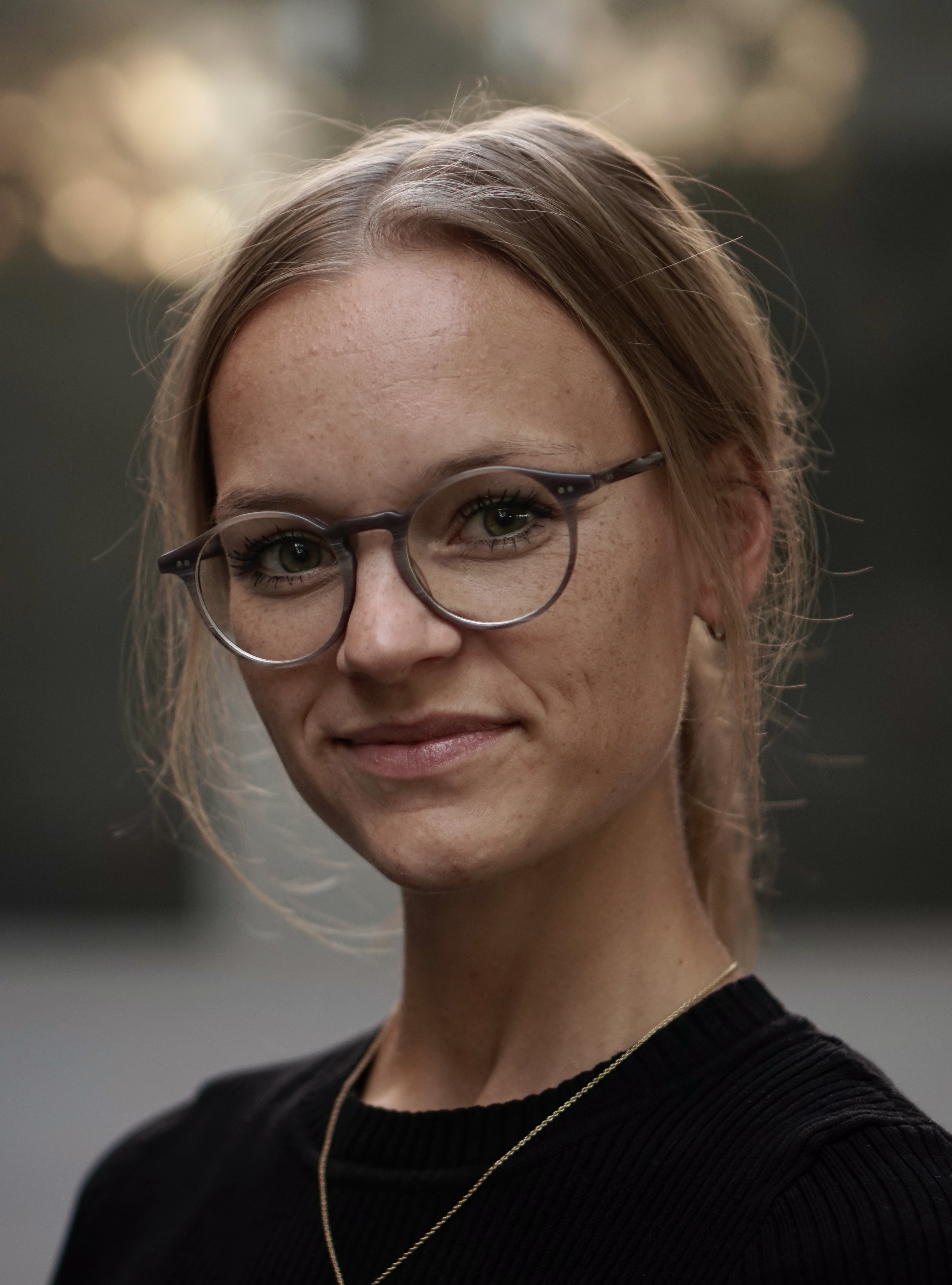
Catharina Rudschies is a Research Associate and PhD candidate at the Department of Informatics within the Faculty of Mathematics, Informatics and Natural Sciences at the University of Hamburg. As part of the HIVAM project team, she investigates ethical, legal, and social implications of intelligent virtual agents in healthcare. She holds a Bachelor of Arts in European Studies from Maastricht University (including participation in the MaRBLe excellence programme) and a Master of Science in Politics, Economics and Philosophy from Universität Hamburg. Her research examines: Ethical frameworks for AI governance and healthcare technology Solidarity as a design principle in AI systems Privacy implications in surveillance societies Therapeutic applications of virtual agents Policy analysis of AI ethics guidelines Her publications show strong thematic clustering in AI ethics, healthcare technology, and digital governance, with recent work exploring metaverse applications in psychotherapy and regulatory approaches to AI bans. Research often employs interdisciplinary methods combining informatics, philosophy, and social sciences. Awards: Best Paper Prize (Runner-up) - A Metaverse for the Good Conference 2024 She contributes to academic service as: Member of the Council of Questions on Ethics in Science (Academic Senate, Universität Hamburg) Member of the local ethics commission at the Department of Informatics She previously taught seminars on 'Philosophy, Society and IT' and worked as a journalist prior to her academic career.
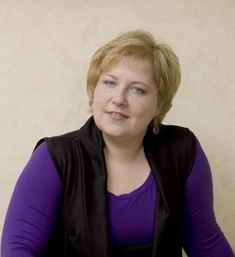
Anda Upmane, Dr. Psych., serves as an Associate Professor at the University of Latvia and directs the Bachelor's Study Program in Psychology within the Department of Psychology, Faculty of Education, Science and Psychology. Her academic credentials include doctoral studies in Psychology complemented by specialized training at the Stockholm Institute of Psychodrama, Sociometry and Group Psychotherapy where she obtained qualification as a psychodrama leader. This unique combination informs her integrative approach to psychological theory and practice. Dr. Upmane's research spans multiple psychological domains: Psychological counseling methodologies and therapeutic techniques Group leadership approaches and group therapy Positive psychology interventions and well-being resources Personality factors including self-esteem, self-efficacy, and resilience Emotion regulation strategies and cognitive patterns Helping behaviors and prosocial actions Her publication record demonstrates consistent contributions to psychological literature with focus on forgiveness processes, perfectionism's relationship to help-seeking behaviors, and gratitude interventions. These works reflect her commitment to practical applications of psychological research for improving mental health outcomes. Notable research includes: Investigation of forgiveness and grief symptoms following perinatal loss (2022) Analysis of perfectionism and help-seeking stigma as barriers to psychological services (2020) Examination of gratitude diary writing effects on well-being indicators (2017) As an educator, she teaches foundational and advanced courses including Introduction to Psychology, Psychological Counseling, Academic Internship in Psychology, Group Counseling Methods, and Personality Psychology with emphasis on personal growth techniques.
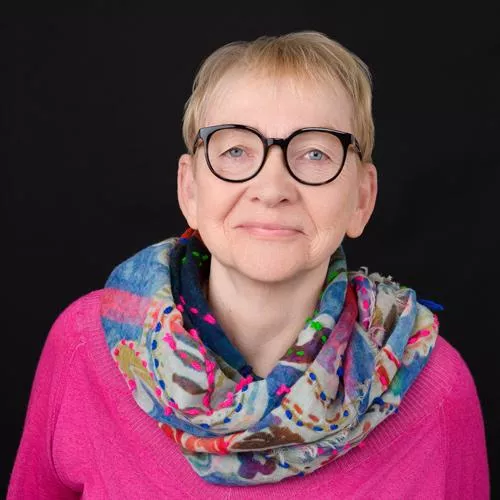
Krystyna Drat-Ruszczak is a Professor at SWPS University in Sopot, affiliated with the Faculty of Psychology in Sopot and the Department of Clinical and Health Psychology . As a Clinical Psychologist , her work bridges empirical research with psychoanalytic theory. Research Focus: Narcissism, Borderline Personality Disorder, Women's Issues (violence, self-silencing), Cultural Psychology, and Psychotherapy Integration. Teaching: Courses on clinical psychology schools, ethics for practitioners, and doctoral thesis consultations. Her publications (e.g., 2016 Roczniki Psychologiczne , 2014 Polish Psychological Bulletin ) reveal trends in narcissism's interaction with morality, self-concept, and social disconnection. She also developed the SNaG Scale (2011) for measuring self-boundary sensitivity. While no specific scientific awards are listed in the text, her work has been cited in international studies on materialism, anthropomorphism, and gender dynamics. She advises doctoral students and contributes to cross-cultural psychometric tool adaptations.
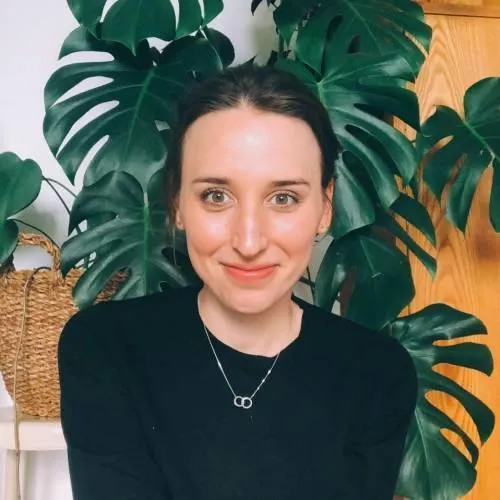
Marta Szastok, Ph.D., is an Assistant Professor at SWPS University's Faculty of Psychology in Katowice, specializing in Clinical and Health Psychology. She combines academic teaching with private psychotherapy practice and is a certified cognitive-behavioral therapist trained at SWPS University (2017-2021). She contributes to research through the Emotion Cognition Lab at the Institute of Psychology. Education: Doctoral degree in Psychology from Jagiellonian University Her research focuses on cognitive aging, emotion processing, and political psychology. Recent work explores experiential avoidance mechanisms, gender disparities in STEM, and intersections between pandemic stress and climate activism. She has published in journals like Aging Neuropsychology and Cognition and presented at academic conferences. Key article trends show interdisciplinary work bridging cognitive neuroscience, political behavior, and social psychology. Her publications span schema processing theory, radical leadership dynamics, and gender equity research. She actively participates in the Polish Association for Cognitive and Behavioural Therapy (PTTPB) and contributes to team research awards, including winning a research poster contest at SWPS University.
Elena Borisovna Starovoytenko serves as Professor and Head of the Center for Fundamental and Consultative Personology at the Faculty of Social Sciences, National Research University Higher School of Economics (HSE), where she has been employed since 2002. With 47 years of scientific and teaching experience, she represents a bridge between Ukrainian and Russian psychological traditions, having established her academic career across institutions in both countries. Her educational background includes a Doctor of Psychology degree (1992) from Kiev State University, academic titles of Professor in both Ukraine (1995) and Russia (2006), and a Candidate of Psychological Sciences degree (1982) from the Institute of Psychology of the Russian Academy of Sciences. She began her academic journey at Yaroslavl State University, graduating as a Psychologist and Teacher of Psychology in 1975. Dr. Starovoytenko's research centers on personology as an integrative science of personality, exploring the cultural, dialogical, and phenomenological dimensions of self-identity. Her work investigates the paradoxes of self-identity, the relationship between self and other, and the cultural foundations of personality development. She has developed theoretical frameworks that synthesize psychological, philosophical, and cultural approaches to understanding human individuality. Her scholarly output reveals a consistent trajectory toward establishing personology as a distinct scientific discipline that bridges theoretical and practical psychology. Recent publications demonstrate increasing sophistication in analyzing the dialogical nature of self-identity, with growing emphasis on cultural contexts and practical applications in counseling and psychotherapy. Her 2023 monograph "General Personology" represents a significant theoretical synthesis in the field. Best Teacher award (2014-2015) Medal "Recognition - 20 years of successful work" (2022) Medal "Recognition - 15 years of successful work" (2019) Multiple academic allowances for research contributions (2005-2026) Publication bonus for international journal articles (2020-2021) As a supervisor, Dr. Starovoytenko has guided doctoral candidates researching self-identity, personality resilience, and relations to life oppositions. She has secured significant research funding, including HSE's Strategic Project "Technologies for developing individual psychological resources for strengthening subjectivity" (2022) and the Scientific Fund project "Paradoxes of self-identity of I and a model for their resolution" (2020-2021), demonstrating sustained research productivity throughout her career. She leads the Center for Fundamental and Consultative Personology, which serves as both a theoretical research hub and practical application center. The Center collaborates with HSE's Master's program "Consultative Psychology. Personology" and hosts the "Fundamental and Consultative Personology" research seminar. Dr. Starovoytenko also serves on the editorial board of "Psychology. Journal of the Higher School of Economics" and participates in multiple academic councils related to psychology education and research at HSE.
Dr. Casey Straud is an Associate Professor in the Department of Psychology at the University of Texas at San Antonio (UTSA), affiliated with the College for Health, Community and Policy (HCAP). His research focuses on trauma and anxiety-related disorders, particularly in military and first responder populations, examining psychological treatment outcomes, clinical trials, and biostatistical analysis of mental health interventions. Doctorate in Clinical Psychology (Nova Southeastern University) Master's in Clinical Psychology (Nova Southeastern University) Master's in Experimental Psychology (UTSA) Bachelor's in Psychology (UTSA) Research Themes: Dr. Straud's work investigates PTSD treatment modalities (prolonged exposure, cognitive processing therapy), suicide prevention strategies, insomnia interventions, and the intersection of military-specific stressors with mental health outcomes. His studies frequently employ network analysis, clinical trial methodologies, and psychometric evaluation. Publication Trends: Recent work focuses on integrating pharmacological and behavioral interventions, addressing comorbid sleep disorders in veterans, optimizing therapy delivery formats (telehealth, peer-led), and examining predictors of treatment success in military populations. Training & Education: He contributes to developing therapeutic training frameworks for diverse learner groups and evaluating community-based PTSD treatment dissemination efforts.
Christian Leson is a researcher affiliated with the Ruhr University Bochum at the Research and Treatment Center for Mental Health (FBZ) within the Department of Clinical Psychology and Psychotherapy. His work spans clinical psychology, child and adolescent mental health, trauma research, and digital psychotherapy. Email: christian.leson@rub.de Research Interests : Focus areas include developmental psychopathology, evidence-based diagnostics, familial transmission of mental disorders, intervention research, and transdiagnostic approaches to psychosis. He also contributes to improving mental health care access and positive mental health across the lifespan. Publications : His 2011 publication in Analytical Chemistry demonstrates interdisciplinary work in electrochemical assays, though his primary contributions align with clinical and digital psychotherapy research. Labs and Teams : Leson is associated with multiple teams at FBZ, including the Professorship of Behavioral and Clinical Neuroscience (Team BCN), Clinical Psychology & Digital Psychotherapy (Team-Digital Psychotherapy), and Clinical Child and Adolescent Psychology (Professur Klinische Kinder- und Jugendpsychologie).
Carissa L. Philippi is an Associate Professor in the Department of Psychological Sciences at the University of Missouri–St. Louis, College of Arts and Sciences. She leads the Laboratory of Cognitive and Affective Neurobiology of Self (LoCANS), focusing on the neural basis of self-related processes in health and psychiatric disorders. Ph.D. in Neuroscience, University of Iowa (2011) Postdoctoral Fellowship, University of Wisconsin-Madison Her research explores how brain circuits support self-reflection, self-agency, and their disruption in conditions like depression, PTSD, and traumatic brain injury. Using fMRI, psychophysiology, and behavioral studies, her work bridges clinical and translational neuroscience. Recent publications highlight her lab's focus on cortisol's effects on brain connectivity in depression, neural markers of rumination, and network mapping in psychiatric populations. She actively recruits graduate and undergraduate students through structured research assistant programs. Teaching responsibilities include undergraduate courses on Biological Psychology and Clinical Neuropsychology, and graduate seminars in Neuropsychological Assessment and Behavioral Neuroscience. The lab maintains active recruitment for studies on social media cognition, stress, and attentional processes.
Jonas Ringström is a Senior Lecturer in Criminology at Kristianstad University's Faculty of Health Sciences, Department of Social Sciences. He serves as Program Area Manager for Behavioral Sciences and contributes to the FIGS (Individual Group and Society) research environment. His ORCID iD is 0000-0002-0352-7014 . Research Focus: Sociology of Science, Scientific Controversies, Psychotherapy, and Behavioral Sciences Teaching: Lecturer in Sociology with Criminology specialization Leadership: Program Area Manager for Behavioral Sciences Ringström's research explores how scientific controversies act as paradigm shifts and mechanisms for boundary-making in academia. He analyzes interactions between researchers and external stakeholders (funders, institutions) and investigates how recent changes in research funding criteria—such as the National Institute of Mental Health's shift toward neurobiological research—reshape academic scope and methodologies. His publications highlight intersections between Mindfulness Psychology , Commitment Therapy , and Acceptance-based Interventions . Articles like Psychotherapy as government of the self (2022) and Autonomy and collaboration in psychotherapy development (2024) examine psychotherapy through sociological and neurobiological lenses, while works on Critical thinking in online distance learning address pedagogical challenges in digital environments. Ringström has delivered invited oral presentations on topics including higher education pedagogy and collaborative research practices. His work spans journal articles , anthologies , and book chapters , with a focus on peer-reviewed outputs across disciplines like Sociology, Psychotherapy, and Education.
Valentina Stolyarova is a Lecturer at the School of Medicine, Department of Medicine, Nazarbayev University in Kazakhstan. With a medical degree and specialized training in psychiatry, she has worked across various mental health institutions, including Karaganda Regional Children’s Mental Hospital and roles in acute psychoses and neuroses departments. Since 2017, she has focused on clinical and research roles in mental health, autism, and pandemic response. Education: Karaganda State Medical Academy (2005), Psychiatry Internship (2005-2006), Magistracy in Psychology (2014-2015) Current Role: Lecturer in Department of Medicine, Nazarbayev University School of Medicine Research Interests : Autism Spectrum Disorders, Obsessive-Compulsive Disorders, Systemic Family Psychotherapy, Erickson's Hypnosis, and Role-Playing Therapies. Her work bridges clinical practice with public health, particularly in Kazakhstan. Key Projects : An Educational Intervention for Autism Patient Management in Kazakhstan (2023-2025) Nicotine Replacement Therapy for Smoking Cessation (2022-2024) Mental Health Effects of Pandemic Frontline Care (2021-2022) Diagnosing Special Educational Needs in Kazakhstan (2019-2020) Scientific Collaborations : Collaborates with international researchers on pandemic mental health, autism diagnosis, and smoking cessation. Her work is cited in Scopus, with an h-index of 56.
Sonya Corbin Dwyer is a Professor in the Department of Psychology at Memorial University of Newfoundland's School of Arts & Social Sciences. She holds a cross-appointment to the Discipline of Family Medicine within the Faculty of Medicine. Her academic credentials include a B.A. (Hons.), B.Ed., M.Ed., and Ph.D. from Memorial, Dalhousie, and Calgary universities respectively. Research Interests: Dr. Corbin Dwyer's work focuses on social justice and identity issues, particularly through studies on memorial tattoos, breast cancer tattoos, transracial adoption, women's problem gambling, and graduate women's experiences. Her research combines qualitative methodologies with visual culture analysis. Teaching: She teaches courses in educational psychology, women's psychology, personality theory, psychotherapy, and positive psychology, with international experience at Jilin University (China) and Chonnam National University (Korea). Scientific Awards: Grenfell Campus Engagement Award 2019 Recent Publications: Her scholarship spans memorial tattoos, cross-cultural teaching, and identity studies, with key contributions to qualitative methods and visual research. Collaborative art exhibitions in Canada (2014-2024) demonstrate her interdisciplinary approach to grief studies and body art. Contact: Email scorbindwyer@mun.ca
Susan James is an Associate Professor at the Faculty of Education , University of British Columbia , affiliated with the Department of Educational and Counselling Psychology, and Special Education. Her research integrates cultural psychology , psychotherapy , and spirituality , with a focus on immigrant mental health and culture-specific syndromes. Educational Background : No explicit degrees listed, but holds post-doctoral fellowships from Harvard Medical School and the University of Chicago. Her scholarly work examines: Cultural influences on symptom expression and diagnosis Mindfulness-based family systems therapy Acculturation impacts on mental health Ethical dimensions of relational psychotherapy Portuguese immigrant experiences of 'agonias' Religious/spiritual supports in health contexts Key research grants include funding from SSHRC, CIHR, and MSFHR for studies on immigrant health disparities and cancer survivorship. Awards include the Michael Smith Society for Health Research Fellowship and multiple early career honors. Publications span theoretical psychology, clinical research, and cultural psychiatry, emphasizing cross-cultural therapeutic practices and systemic approaches. Selected Scientific Awards Gender & Health Research Award (2003) Early Career Scholar Award (2003) Scholar Award (2003) Grace Anderson Fellowship (2000) Post-Doctoral Fellowships at Harvard Medical School (1997) and University of Chicago (1998) Livingston Fellowship (1996/97) Currently on leave, she continues to contribute to multicultural and integrative mental health frameworks.
Dr. Anusha Kassan is an Associate Professor in the Department of Educational and Counselling Psychology, and Special Education within the Faculty of Education at the University of British Columbia. She is a Registered Psychologist holding a high-impact position in child and youth mental health. Previously, she served as a Visiting Assistant Professor at UBC (2009-2013) and as Assistant/Associate Professor at the University of Calgary (2014-2019). Her education includes graduate studies in Counselling Psychology at McGill University and a Pre-Doctoral Internship at the University of California, Irvine Counselling Center. Research Focus: Dr. Kassan's work employs a social justice lens informed by her bicultural identity. Primary research domains include: Immigration experiences across communities (newcomer youth, women, 2SLGBTQIA+) Cultural/social justice responsiveness in psychology training Feminist-Multicultural theoretical frameworks in education and mental health Publication Trends: Her 15 most recent articles (2011-2023) predominantly explore multiculturalism, immigration, and social justice through qualitative methodologies. Recurring themes include cultural identity negotiation, resilience in marginalized groups, innovative pedagogy in psychology training, and clinical applications of social justice principles. Awards & Honors: Great Supervisor Award (Calgary, 2018) Seisoh Sukemune Early Career Award (ICP, 2018) LUMA Award (AWP, 2019) Teaching Award (Calgary, 2019) Community Award (Portail de l’Immigrant, 2020) Distinguished Member Award (CPA, 2021) Clinical Supervision Excellence (PAA, 2022) CPA Fellow (2022) Queen Elizabeth II Platinum Jubilee Medal (2023) Grants & Projects: Principal Investigator/Co-PI on multiple federally funded initiatives: IRCC grants: Remote Services for Immigrants & Hybrid Education Literacy SSHRC Development Grant: Arts-based ethnography of newcomer youth integration Women and Gender Equality Canada: Voices in the Art project
Michael Höfler is a Researcher at the Chair for Clinical Psychology and Behavioral Neuroscience , Technische Universität Dresden, Germany. His academic career spans over two decades, including roles at the Max Planck Institute for Psychiatry and TU Dresden's Institute for Clinical Psychology and Psychotherapy. He contributes to teaching in the Master’s program focused on clinical psychology and psychotherapy. Education: PhD (Dr.phil.) in Psychology, Universität Basel (2007) Diploma in Statistics, Ludwig Maximilians Universität Munich (1997) Dr. Höfler’s research emphasizes falsifiability and transparency in psychological science, particularly in causal inference. He advocates for robust statistical practices and explores tensions between confirmation and exploration in data analysis. His work intersects with open science and methodological rigor. Notable projects include the Falsification Assessment Form (FAF, 2025) , recognized by the SIPS Commendation Award, and meta-tools for causal evaluation in psychological research. Recent publications focus on causal validity in non-experimental settings, narcissism dynamics, and trauma's long-term effects. Scientific Awards: SIPS Commendation Award 2025 His teaching covers measurement , statistical inference , and longitudinal analyses , with seminars on open science and questionable research practices. He is actively engaged in advancing methodological standards in psychological research.
Dr Melanie Simmonds-Buckley is a Lecturer in Clinical Psychology at the University of Sheffield's School of Psychology . She works in a split role, dedicating Monday-Wednesday to the university's Clinical and Applied Psychology Unit (CAPU) and Thursday-Friday to researcher duties at RDASH NHS Trust 's Psychological Health Observatory within the Grounded Research team. She is also affiliated with the Psychotherapy Evaluation and Research Lab at Sheffield (PEARLS) . Qualifications : PhD in Clinical Psychology (University of Sheffield, 2019) BSc in Psychology (University of York, 2010) Her research explores personalized precision medicine approaches to mental health , focusing on outcome prediction for psychological therapies using large datasets and technology development like psychotherapy progress feedback systems. She specializes in quantitative methods including meta-analysis, single case experimental design, network analysis, and machine learning for treatment modeling. Recent publications examine CBT vs CAT for anxiety, depression treatment optimization, and data-driven restraint prediction in psychiatric wards. She supervises DClinPsy trainees and contributes to program selection but is not accepting PhD applicants.