Associate Professor Colin Jackson is affiliated with the Research School of Chemistry at the Australian National University College of Physical & Mathematical Sciences . His research spans enzyme engineering, synthetic biology, and protein evolution, with a focus on directed evolution approaches for biocatalysis and molecular biophysics. Former CSIRO and Weizmann Institute researcher Key projects: plastic degradation enzymes, viral protease inhibitors, noncanonical amino acid incorporation His work leverages ancestral sequence reconstruction and machine learning to explore protein sequence spaces, with notable outputs in fitness landscape analysis and biocatalytic applications . Recent publications highlight advancements in: Plastic biodegradation enzyme engineering Antiviral peptide design targeting SARS-CoV-2 Fluorinated noncanonical amino acids for protein studies Marine bacterial transport proteins Organophosphate resistance mechanisms While no formal awards are listed in this data, his research portfolio demonstrates strong industry and biomedical applications through: ANU Researcher Portal publications Collaborative projects with international institutions 50+ funded projects including gene therapy platforms and food waste solutions
Sophie Dove is an Honorary Associate Professor at the School of Biological Sciences , University of Queensland, and an Affiliate Associate Professor at the Global Change Institute . Her research focuses on coral reef photobiology, climate change impacts, and symbiotic relationships in marine ecosystems. PhD in Biological Sciences, University of Sydney MA in Philosophy, University of Southern California MA (Hons) in Mathematics and Philosophy, University of Edinburgh Her work examines coral-dinoflagellate symbiosis , particularly how host and symbiont interactions maintain reef productivity under climate stress. Key questions include the role of symbiont parasitism, coral heterotrophy, and reef accretion-erosion balance under ocean acidification and warming. She collaborates with institutions like the Great Barrier Reef Marine Park Authority and CSIRO Publishing. Recent publications span coral bleaching mechanisms , ocean acidification effects , and biochemical adaptations in symbiotic organisms. Her studies integrate molecular biology, biogeochemistry, and ecophysiology to predict reef futures under climate stress. She has contributed to scientific consensus reports on the Great Barrier Reef and developed methodologies for analyzing coral and sponge physiology. Her interdisciplinary approach bridges marine ecology, protein biochemistry, and climate science.
Dr. Holger Scheib is an Honorary Associate Professor in the School of the Environment at The University of Queensland. His research focuses on venom evolution, toxinology, and biomedical applications, particularly in reptiles, cnidarians, and other venomous organisms. He collaborates extensively with international researchers on projects involving venom structure-function relationships, evolutionary biology, and clinical implications of venom variation. Research interests span venom evolution, toxin structure and function, and their applications in biomedical contexts. He investigates venom diversity across species, including reptiles, sea anemones, and cnidarians, focusing on how these toxins interact with biological systems. His work also explores the intersection of venom components with allergens and their structural similarities, contributing to a deeper understanding of venom’s ecological and medical significance. His recent publications highlight advancements in understanding venom evolution, toxin structures, and clinical implications. Studies include comparisons of venom proteins with allergens, analyses of venom variation in rattlesnakes, and investigations into the molecular mechanisms of bacterial secretion systems. These works contribute to both basic biological research and potential applications in medicine and biodiscovery. No scientific awards or grants are explicitly mentioned in the provided text. Dr. Scheib’s research is primarily conducted through collaborations within the School of the Environment and international academic networks. No specific lab or team affiliations are detailed.
Roland Chung is a Lecturer in the Department of Pharmacy and Pharmaceutical Sciences Education at Monash University's Faculty of Pharmacy and Pharmaceutical Sciences. He is affiliated with the Monash Institute of Pharmaceutical Sciences, focusing on medicinal chemistry and enzymology. His work aligns with UN Sustainable Development Goals related to health and innovation. His research interests include enzyme structure-function relationships, inhibitor design for aldose/aldehyde reductases, and molecular modeling of drug candidates. Chung has contributed to studies on protein crystallography, coenzyme interactions, and drug discovery for metabolic diseases. Projects: UV-visible spectrophotometer and software (2009, Collier Charitable Fund) Benchtop centrifuge (2003, Collier Charitable Fund & Monash University) Chung has been active in professional organizations, serving on the Royal Australian Chemical Institute's advisory panels from 2013 to 2020.
Dr. Zhi-Ping Feng is a Bioinformatician at the John Curtin School of Medical Research (JCSMR), Australian National University (ANU). Her research focuses on integrating omics data with protein structure-function relationships to study interactions between macromolecules. She has expertise in analyzing genomic and transcriptomic data (e.g., RNA-Seq, ChIP-Seq) and protein structure determination via nuclear magnetic resonance (NMR) spectroscopy. Previously, she held a Senior Research Fellow position at the Walter and Eliza Hall Institute (WEHI) from 2009, working on quality control in omics research and genomic data analysis. Her postdoctoral work at WEHI (2002–2005) involved structural biology of malaria-related proteins, supported by an Australian Postdoctoral Fellowship. She holds a PhD in protein bioinformatics from China and a physics background from Peking University. Education: PhD in Protein Bioinformatics (China) Bachelor’s in Physics, Peking University Research Interests: Her work bridges computational biology and structural biology, with emphasis on: Intrinsically unstructured proteins (IUPs) and their applications in malaria proteomics Omics data integration for disease modeling (e.g., cancer, diabetes, neurodegeneration) Protein-protein interaction networks and structural bioinformatics Publications: Recent work spans cancer immunotherapy, miRNA regulation in retinal degeneration, and T cell biology, with contributions to understanding Wnt signaling in joint replacement complications and genetic fusions in pediatric brain tumors. Awards: Australian Postdoctoral Fellowship (2005) Grants/Teams: Currently affiliated with ANU Bioinformatics Consultancy, supporting translational medical research in immunology, cancer, and genomics. Labs/Teams: Collaborates with the JCSMR’s multidisciplinary teams focusing on biomedical informatics and translational research.
Professor Kristopher Kilian is Director of the Laboratory for Advanced Biomaterials & Matrix Engineering (LAB&ME) with a joint position across the School of Chemistry and the School of Materials Science & Engineering in the Faculty of Science at UNSW Sydney. He serves as co-Director of the Australian Centre for NanoMedicine (ACN) and is a member of the Adult Cancer Program in the Prince of Wales Clinical School. His interdisciplinary research focuses on unraveling 'matrix structure-cell function' relationships through innovative biomaterial design. After completing his PhD at the University of New South Wales, Kilian pursued NIH postdoctoral training at the University of Chicago before faculty positions at the University of Illinois at Urbana-Champaign (2011-2018). He returned to UNSW in 2018 as a Scientia Fellow, establishing his current leadership roles. Research Focus: Design of model extracellular matrices and dynamic hydrogels for cell and tissue engineering Fundamental studies in cell plasticity and matrix-directed cell fate Development of synthetic tumor microenvironments for drug testing iPSC-derived organoid bioengineering 4D biofabrication techniques Tissue engineering approaches for lab-grown meat applications His extensive publication record demonstrates consistent focus on hydrogel mechanics, dynamic biomaterials, and the role of physical cues in directing cell behavior. Recent work emphasizes mechanochemistry, spatial control of cell differentiation, and the development of sophisticated tumor models that replicate the complexity of cancer microenvironments. Scientific Recognition: Cornforth Medal (2008) NIH Ruth L. Kirchstein Award (2008) Kavli Fellow (2014) NSF CAREER Award (2015) Australian Research Council Future Fellowship (2018) Eureka Prize finalist (2023) Kilian's research program bridges fundamental cell biology with translational applications, particularly in cancer modeling and regenerative medicine. His laboratory develops innovative biomaterial platforms that enable precise control over cellular microenvironments, facilitating discoveries in cell plasticity and tissue engineering. The group's work on dynamic hydrogels and mechanochemical systems represents a significant contribution to the field of biomaterials science. As Director of LAB&ME, Kilian leads a multidisciplinary team that integrates nano- and micro-fabrication techniques with synthetic chemistry to create biomimetic materials. The laboratory's approach centers on the concept that cell state and fate are governed by inherent cell plasticity within specific multivariate signaling contexts.
Dr. Bei Bei is an Associate Professor at the School of Psychological Sciences, Monash University, and an NHMRC Emerging Leadership (EL2) Fellow. She leads the Behavioural Sleep Medicine service, research, and training at Monash University Healthy Sleep Clinic, focusing on individual differences in sleep-wake behaviors, sleep-mental health relationships, and community dissemination of evidence-based sleep interventions. Doctor of Psychology (Clinical), University of Melbourne PhD, University of Melbourne Her research spans six major areas: Sleep-wake circadian rhythm disorders Cognitive Behavioral Therapy for Insomnia (CBT-I) Psychological/behavioral aspects of sleep Sleep-mental health interactions (mood, anxiety) Adolescent sleep patterns and wellbeing Perinatal/postpartum sleep interventions for women Recent publications (2024-2025) address: Insomnia treatment mechanisms in depression comorbidity Neurodevelopmental impacts of circadian factors Pregnancy-related insomnia risk identification Adolescent sleep facilitators/barriers Integrated models for youth depression and sleep across continents She also contributes to: Antifungal drug tolerance mechanisms RNA polyadenylation dynamics Mitochondrial RNA stability in cancer 3' UTR splice variants in rare diseases Awarded the NHMRC Emerging Leadership (EL2) Fellowship and Early Career Research Grant , Dr. Bei serves on editorial boards for Sleep Medicine Reviews, Sleep, and Behavioral Sleep Medicine journals.
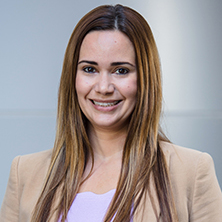
Andrew Care is a Senior Lecturer and Academic Director of the Biologics Innovation Facility (BIF) at the University of Technology Sydney (UTS), within the School of Life Sciences. He holds a PhD in Chemistry and Biomolecular Sciences from Macquarie University and has held prestigious fellowships, including the Cancer Institute NSW Early Career Fellowship and UTS Chancellor's Research Fellowship. His research focuses on combining synthetic biology and nanomedicine to engineer biologically-derived nanoparticles for drug delivery and vaccines. He is actively involved in industry collaborations, notably as a Chief Investigator in the ARC ITRC IDEAL Hub. Teaching and leadership roles include Program Director for the Biomedical Engineering program and coordination of the Australasian Synthetic Biology Challenge, which fosters student innovation. He has been recognized with a UTS Vice-Chancellor’s Teaching Citation and multiple Dean’s Awards for integrating Work Integrated Learning (WIL) and enhancing student engagement. His contributions to education and research excellence have earned awards for collaboration and partnership. Research interests span nanoparticle engineering, neurodegenerative disease therapies, and biomanufacturing. Notable projects include developing an Alzheimer’s vaccine using encapsulin protein cages and investigating nanoparticle interactions in brain cells. His work bridges academia and industry, emphasizing translational applications in healthcare. Awards: UTS Vice-Chancellor’s Research Excellence Award (2024), UTS Teaching Citation (2024), Multiple Dean’s Awards for Science Initiative, Innovation, and Student Experience. Leadership: Academic Lead of BIF, Editor of SYNTHESIS Magazine, and EMCR Representative in research committees. Grants: Providence Foundation Project Grant (2023), ARC IDEAL Hub funding. Andrew’s labs, including the Biologics Innovation Facility, provide advanced training in biomanufacturing and nanomedicine, equipping students and professionals for industry roles. His research aims to address unmet clinical needs through innovative biomedical solutions.
Luke Adams is a Research Fellow in Medicinal Chemistry at Monash University's Faculty of Pharmacy and Pharmaceutical Sciences. His academic profile indicates active research spanning structural biology, chemical biology, and drug discovery with a focus on advanced spectroscopic techniques. His research interests center on NMR spectroscopy and protein-ligand interactions , with significant contributions to unnatural amino acid engineering and fragment-based drug design . Key methodologies include genetic encoding of silylated lysines, gadolinium-based EPR distance measurements, and photocaged probes for spatiotemporal control of protein function. His work bridges structural characterization with therapeutic development, particularly in epigenetic targets and enzyme mechanisms. Analysis of his publication record (2002-2025) reveals consistent output in high-impact journals including Nature Communications , Journal of the American Chemical Society , and Journal of Medicinal Chemistry . His research demonstrates strong interdisciplinary integration across biophysics , medicinal chemistry , and chemical biology , with recent emphasis on neuroinflammatory targets and bromodomain inhibitors. The work contributes to UN Sustainable Development Goals related to health and well-being. Laboratory work appears centered on protein engineering and spectroscopic methodology development, with collaborations spanning biochemistry, pharmacology, and structural biology groups at Monash University.
Professor Mary Collins is a Professor of Pharmaceutical Neuroscience at the University of Sydney , affiliated with the Sydney School of Medical Sciences . She serves as Interim Associate Dean, Research and Head of School . Member of the Centre for Drug Discovery Innovation Member of the Brain and Mind Centre Research Interests GABA Receptors : Focus on subtype-selective modulators, binding site identification, and roles in anxiety, sleep disorders, and epilepsy. Nicotinic Acetylcholine Receptors : Structure-function studies using site-directed mutagenesis and reactive probes to understand ligand binding. Drug Discovery : SAR studies for selective agents targeting Cys-loop receptors, including flavonoids and cannabinoids. Scientific Contributions Her 15 most recent articles (2020-2024) span epilepsy genetics , receptor stoichiometry , neuroprotective flavonoids , and cannabinoid interactions . Key themes include precision medicine for receptor variants and neurotransmitter modulation in disorders. ASCEPT Young Investigator Award RACI Biota Award Fellow of RACI (2006) Supervision Award (University of Sydney, 2008) Advising Current students: Jacinda HOLTSMARK (epilepsy neurophysiology), Sze Hon KAN (genetic epilepsies), Fiona WANG (neurological mechanisms).
Professor Richard J. Payne (FAA, FRSC, FRSN, FRACI) is the NHMRC Investigator Leadership Fellow and Deputy Director of the ARC Centre of Excellence for Innovations in Peptide and Protein Science at The University of Sydney. He earned a BSc (1st class honours) from the University of Canterbury (2002) and a PhD from the University of Cambridge under the late Professor Chris Abell (2003-2007). After postdoctoral work at The Scripps Research Institute with Professor Chi-Huey Wong (2007-2008), he joined The University of Sydney as a Lecturer in Organic Chemistry. His research focuses on chemical synthesis of biomolecules to address biological and medical challenges, particularly in anti-infectives , vaccine development , and glycopeptide engineering . His lab pioneered diselenide-selenoester ligation and selenocysteine-based modification techniques for constructing complex peptides and proteins. Current projects target pathogens like Mycobacterium tuberculosis , Plasmodium falciparum , and SARS-CoV-2 through inhibitor design , anticoagulant discovery , and LYTAC development . His 15 most recent publications span 2025-2021 and reflect multidisciplinary work at the chemistry-biology interface , including antiviral peptides , glycoprotein assembly , and supramolecular anticoagulants . Notably, 2025 articles address C-terminal bromodomain inhibitors and on-demand reversible anticoagulants , while 2024 studies focus on PROTAC-based proteostasis disruption and mycobacterial chaperone targeting . Awards & Honors 2016 Malcolm McIntosh Prime Minister's Prize 2023 Australian Academy of Science Fellowship 2014 Le Fèvre Memorial Prize & Edgeworth David Medal 2018 A.J. Birch Medal He supervises 8 active research students and leads collaborations with The Payne Research Group , Charles Perkins Centre , and Sydney Nano Institute . His work aligns with the University of Sydney's research strengths in Molecules to Materials and Next Generation Therapeutics .
Dr Fernanda Cardoso is a Senior Research Fellow at the Institute for Molecular Bioscience, University of Queensland. She holds dual Brazilian-Australian citizenship and specializes in venom peptide-based biodiscovery and therapeutics development for neurological disorders such as chronic pain, motor neuron disease (MND), and irritable bowel syndrome (IBS). Her interdisciplinary expertise spans neuropharmacology, medicinal chemistry, and drug discovery. Education: Bachelor's, Universidade Federal de Minas Gerais (UFMG) MSc in Molecular Pharmacology, UFMG PhD in Biochemistry and Immunology, UFMG Research Interests: Mechanisms and therapies for chronic pain/visceral pain/IBS Neurodegeneration pathophysiology and drug development Venom pharmacology of spiders, cone snails, and snakes Structure-function relationships of venom peptides Voltage-gated ion channel modulation Grants & Projects: Current: Peptide Inhibitors Targeting Sodium Channels (2023-2026) Past: Multifunctional analgesic inhibitors (2020-2023), IBS pain therapies (2018-2019) Supervision: Recently advised 14 students on projects including ALS therapies, venom peptide characterization, and ion channel modulation. Current openings focus on venom bioactives and neurological disorder treatments. Achievements: Pioneered venom-based ion channel modulator discovery, identified neuroprotective venom peptides, and developed a schistosomiasis vaccine candidate. Her work bridges basic research with clinical applications for global health challenges.
Xiaonan ZHANG is an Associate Professor in the Faculty of Science and Technology at the University of Canberra, leading the Hepatitis B Virus (HBV) Group within the Centre for Research into Therapeutic Solutions. He holds a PhD from Fudan University (2012) and previously worked at the Shanghai Public Health Clinical Centre until 2021. His research focuses on HBV molecular pathogenesis, therapeutic vaccine development, and next-generation sequencing applications in viral infections. His work has advanced understanding of HBV’s clinical outcomes, including the discovery of Capsid-Antibody-Complexes (CACs) and their role in pathogenesis. Collaborations span institutions like the Peter Doherty Institute, University of Queensland, and international partners such as Fudan University and University of Duisburg-Essen. Key projects include: Development of therapeutic mRNA vaccines for chronic HBV Clinical evaluation of CAC assays in HBV/HIV co-infections Metagenomic sequencing for pathogen identification Research interests emphasize translational medicine, with contributions to H7N9 influenza and SARS-CoV-2 studies during the pandemic. His team pioneered real-world analyses of viral and host factors in COVID-19 outcomes. Current focus includes liver-resident immune cell dynamics and novel diagnostic assays for HBV nucleic acids. Publications highlight innovations in HBV cccDNA tracking, immune complex mechanisms, and exosome-mediated signaling. No scientific awards were explicitly listed in the provided texts. Xiaonan actively collaborates on grants and supervises PhD students, advancing interdisciplinary approaches to viral diseases.
Professor Marcel Dinger is a prominent academic and researcher currently serving as Professor and Head of School for Biotechnology and Biomolecular Sciences at UNSW Sydney. With over 20 years of experience in genomics, he has established himself as a leading figure in both academic and entrepreneurial spheres within the field. He has published 153 papers with over 24,000 citations and maintains an h-index of 61 on Google Scholar. His leadership extends beyond academia as he serves as President of the Australasian Genomics Technologies Association (AGTA) and holds director positions at Pryzm Health and the National Centre for Indigenous Genomics (NCIG). Professor Dinger's research laboratory focuses on establishing new links between phenotype and genotype, particularly examining rare and complex diseases in relation to underexplored regions of the genome including pseudogenes, repetitive elements, non-canonical DNA structures, and noncoding RNAs. His work harnesses population-scale genomic datasets and sophisticated data science methods to bring an objective perspective to understanding how the genome stores information and how it is transacted in biology. His research interests span genomics, non-coding RNA biology, clinical applications of genomic medicine, and the development of computational approaches for analyzing complex genomic data. Analysis of Professor Dinger's recent publications reveals a strong emphasis on non-coding RNA research, particularly long noncoding RNAs and their roles in disease mechanisms. His work spans cancer genomics, neurological disorders, and fundamental genomic mechanisms including DNA secondary structures like i-motifs and G-quadruplexes. His research combines experimental approaches with advanced bioinformatics to address fundamental questions in genomic medicine and has significant translational implications for disease diagnosis and treatment. Highly Cited Researcher in Cross-Field category (2019, 2020, 2021) Fellow of the Faculty of Science (Research), Royal Society of Pathologists of Australasia (2016) NHMRC Career Development Award (2010) Queensland Government Smart Futures Fellowship (2009) Foundation of Research, Science and Technology New Zealand Postdoctoral Fellowship (2005) Professor Dinger has been instrumental in establishing and leading several significant research initiatives including Genome.One, one of the first companies globally to provide clinical whole genome sequencing services, and the Kinghorn Centre for Clinical Genomics at the Garvan Institute of Medical Research. His entrepreneurial experience includes founding four biotechnology and IT startups. He serves on multiple governance boards including the National Centre for Indigenous Genomics, focusing on using genomics to improve health outcomes for Australia's First Peoples. His laboratory at UNSW continues to advance our understanding of genomic regulation and its implications for human health and disease.
Dr. Ram Bhusal is an NHMRC Investigator Fellow in the Biomedicine Discovery Institute (BDI) at Monash University. His research focuses on tick salivary proteins (evasins) and their role in inhibiting human chemokines for anti-inflammatory therapeutic development. He also explores evolutionary mechanisms of evasins to understand protein sequence-structure-function relationships. Dr. Bhusal holds a PhD in Chemical Biology from the University of Auckland (2014–2018), a master’s in Medicinal Chemistry from Wonkwang University (South Korea), and a bachelor’s in Pharmaceutical Sciences from Pokhara University (Nepal). Research interests include structural biology of chemokine interactions, protein engineering for therapeutics, and tuberculosis metabolism. He leads projects like 'Harnessing ticks' tricks to develop therapies for inflammatory diseases' and collaborates internationally. Awards include NHMRC Fellowships and travel grants for conferences. Dr. Bhusal accepts PhD students and has contributed to over 24 publications since 2010, spanning structural biology, drug discovery, and food science. Education: PhD (Chemical Biology): University of Auckland (2014–2018) MSc (Medicinal Chemistry): Wonkwang University (South Korea) BSc (Pharmaceutical Sciences): Pokhara University (Nepal) Awards: NHMRC Investigator Fellow (Monash University) Australian Peptide Conference Travel Award (2022) BDI ECR Support Fund (2022) Biomedicine Discovery Institute Travel Grant (2021) Projects: Suppression of Treg Recruitment in Cancer Immunotherapy (2025–2028) Harnessing ticks’ tricks for anti-inflammatory therapies (2024–2028) Research outputs highlight structural studies of evasins, probiotic effects on food systems, and tuberculosis enzyme mechanisms. His work bridges basic science and translational medicine, addressing global health challenges like inflammatory diseases and antimicrobial resistance.